Sustainability challenge Gemini API challenge
Inspiration
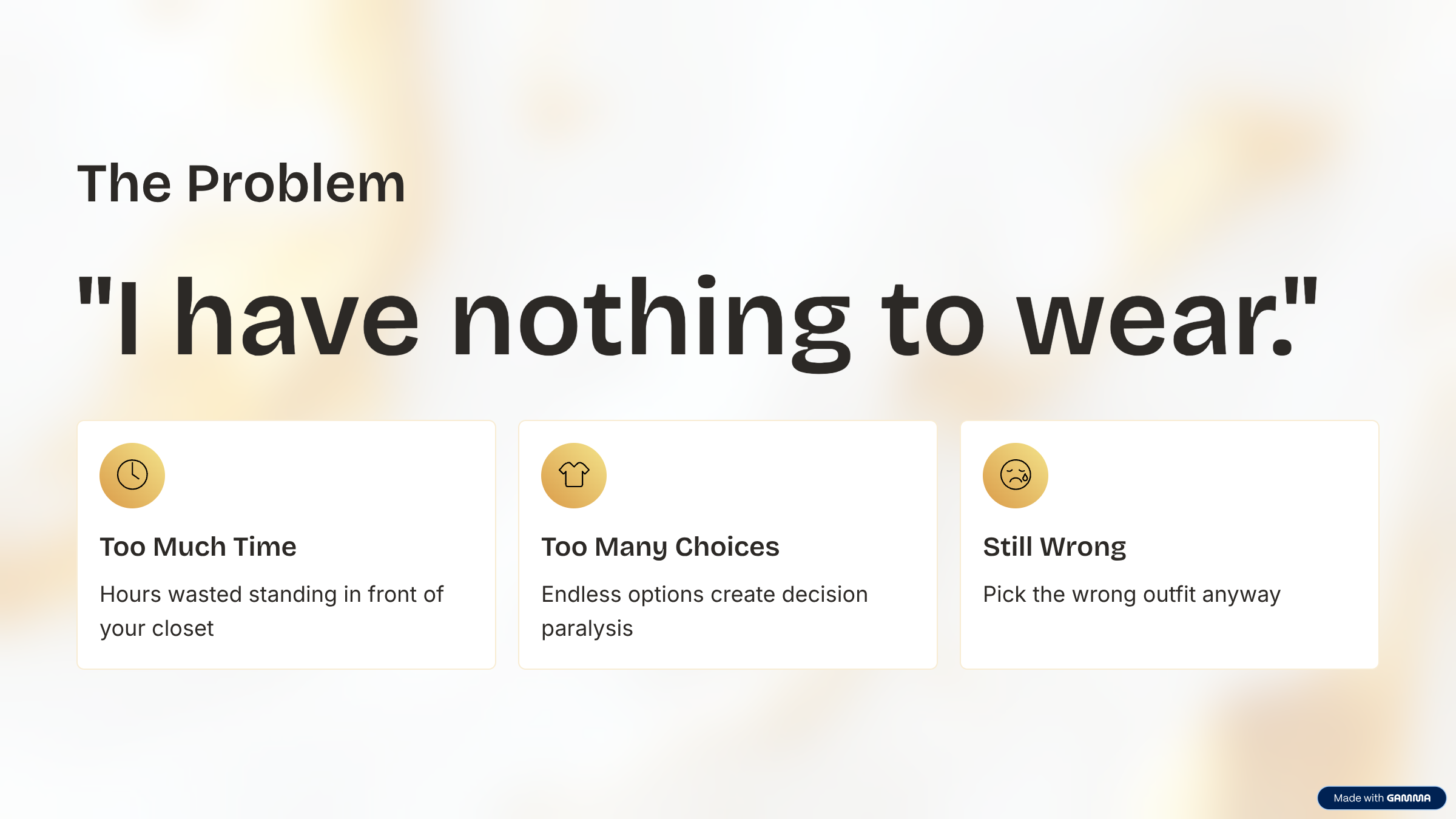
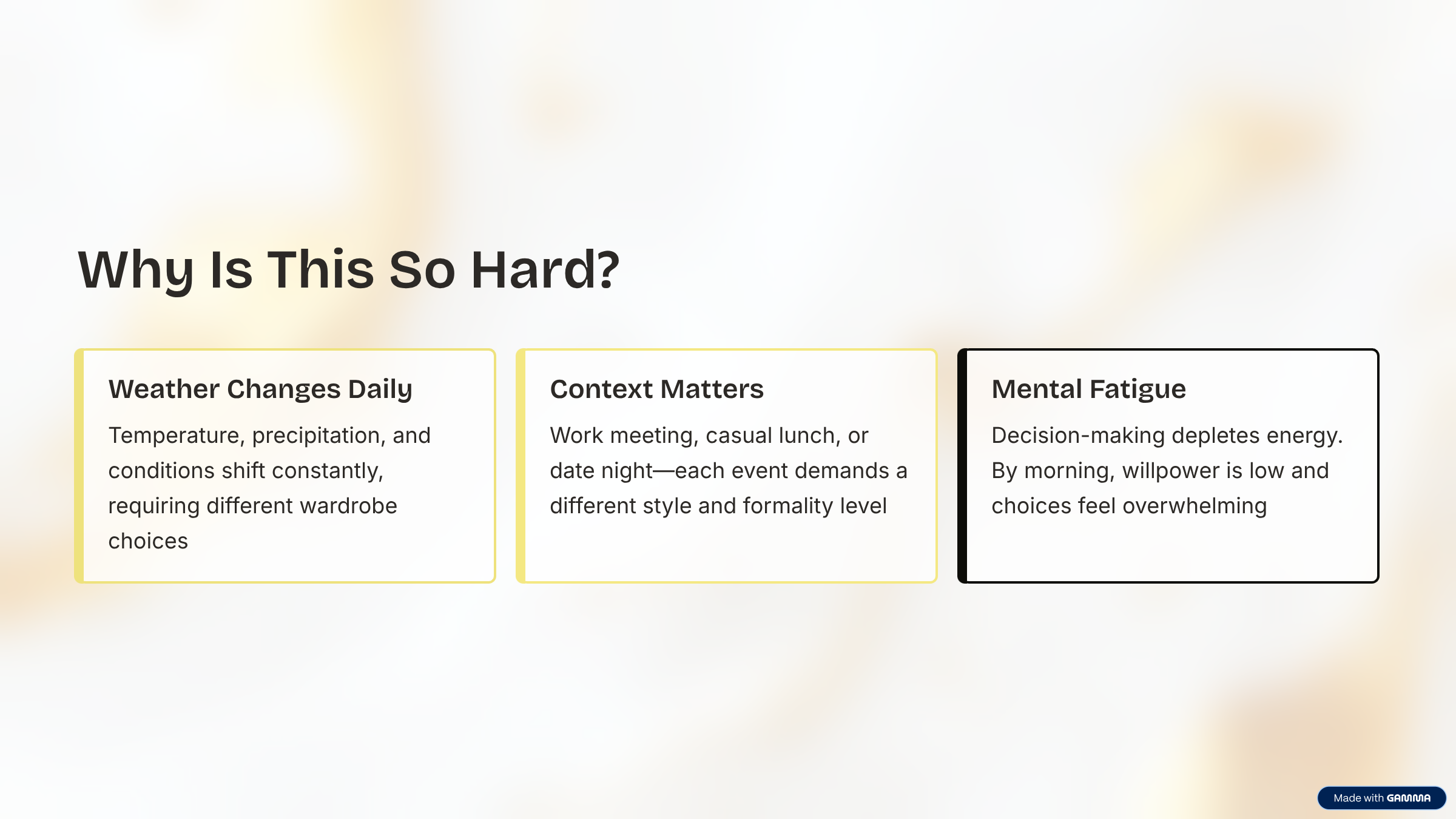
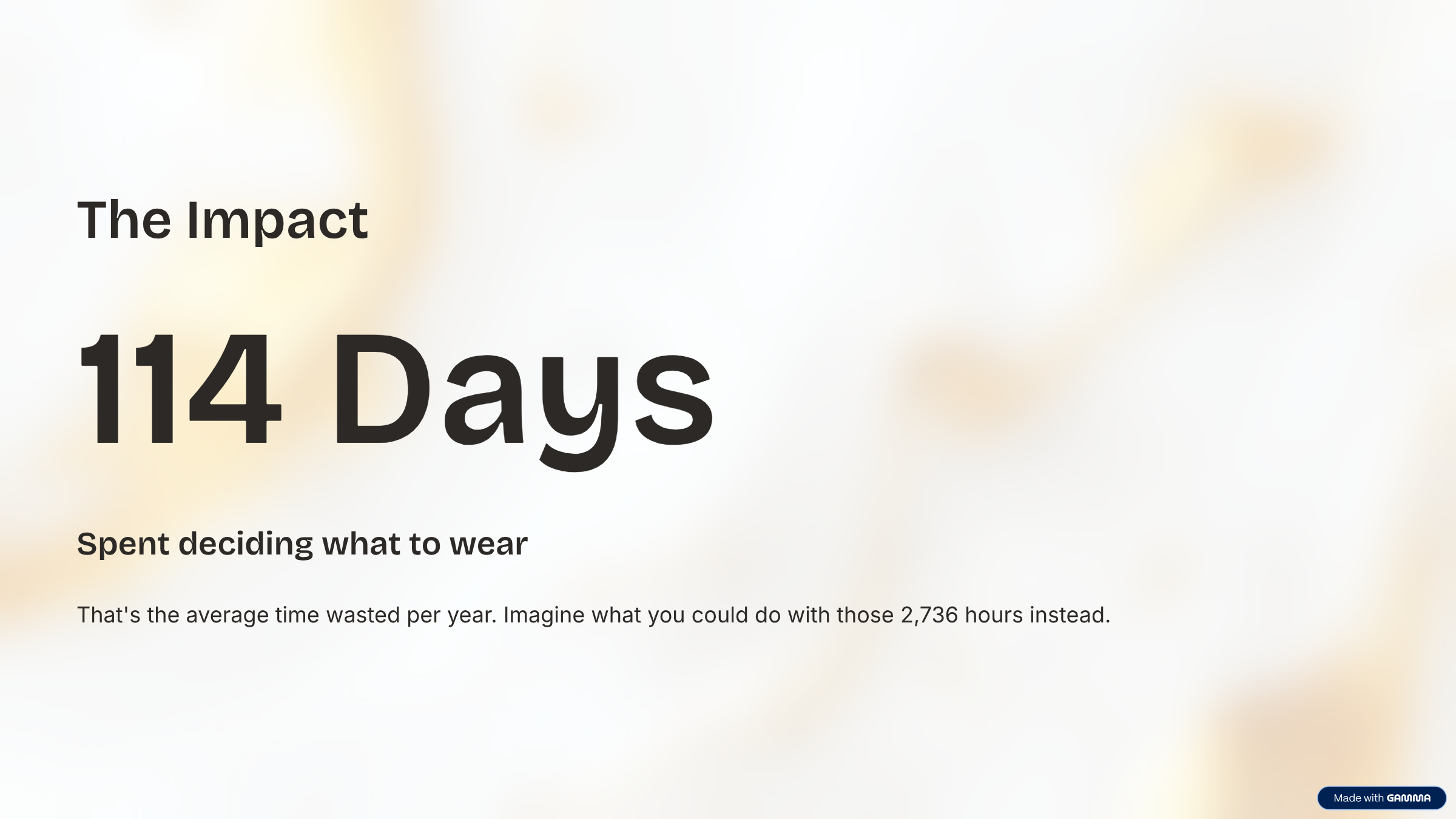
Deciding what to wear every morning, especially for events, can become stressful. We wanted to create something to help alleviate that stress and improve our well-being.
Challenges
Gemini API and Menolearn
What it does
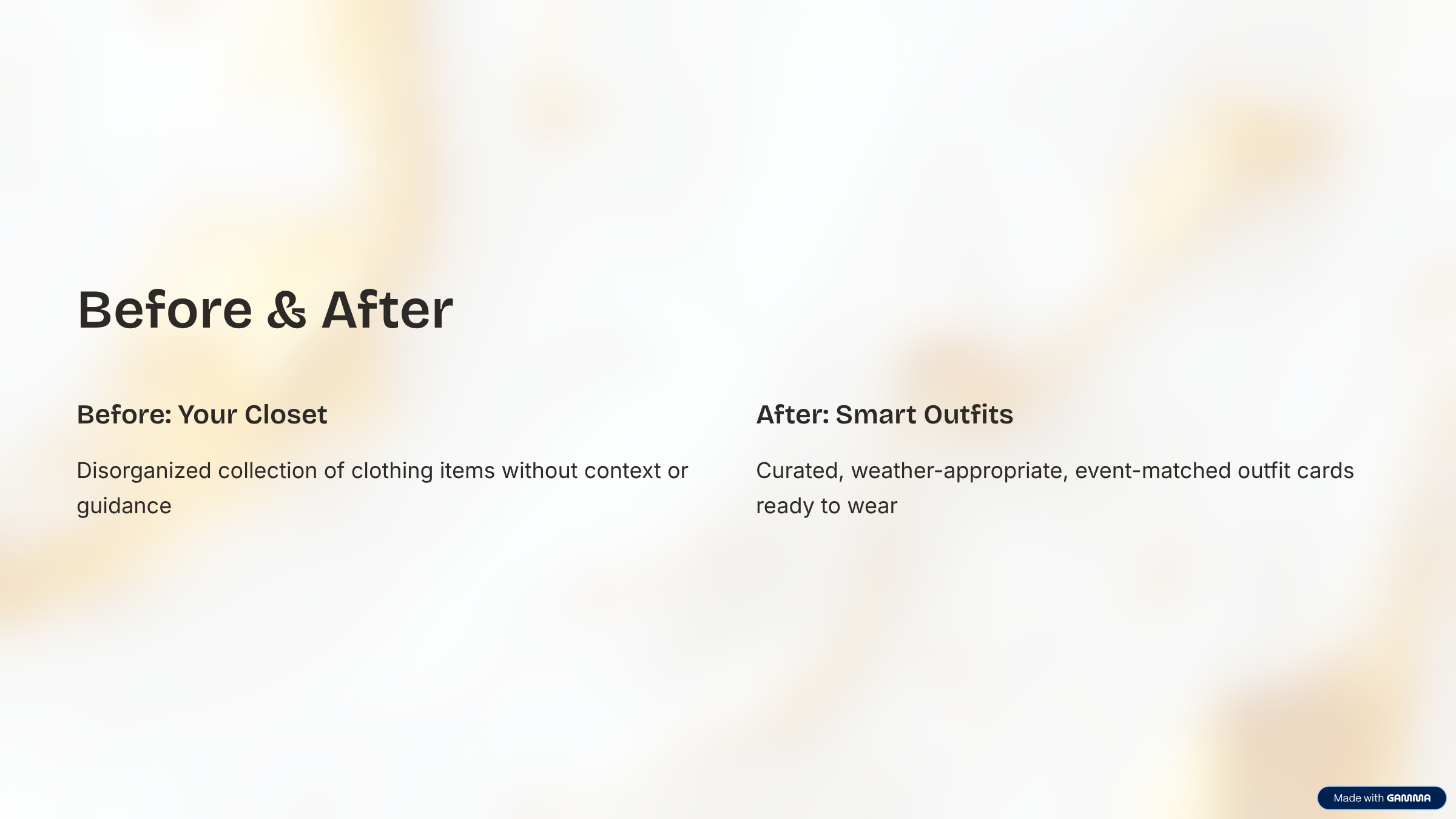
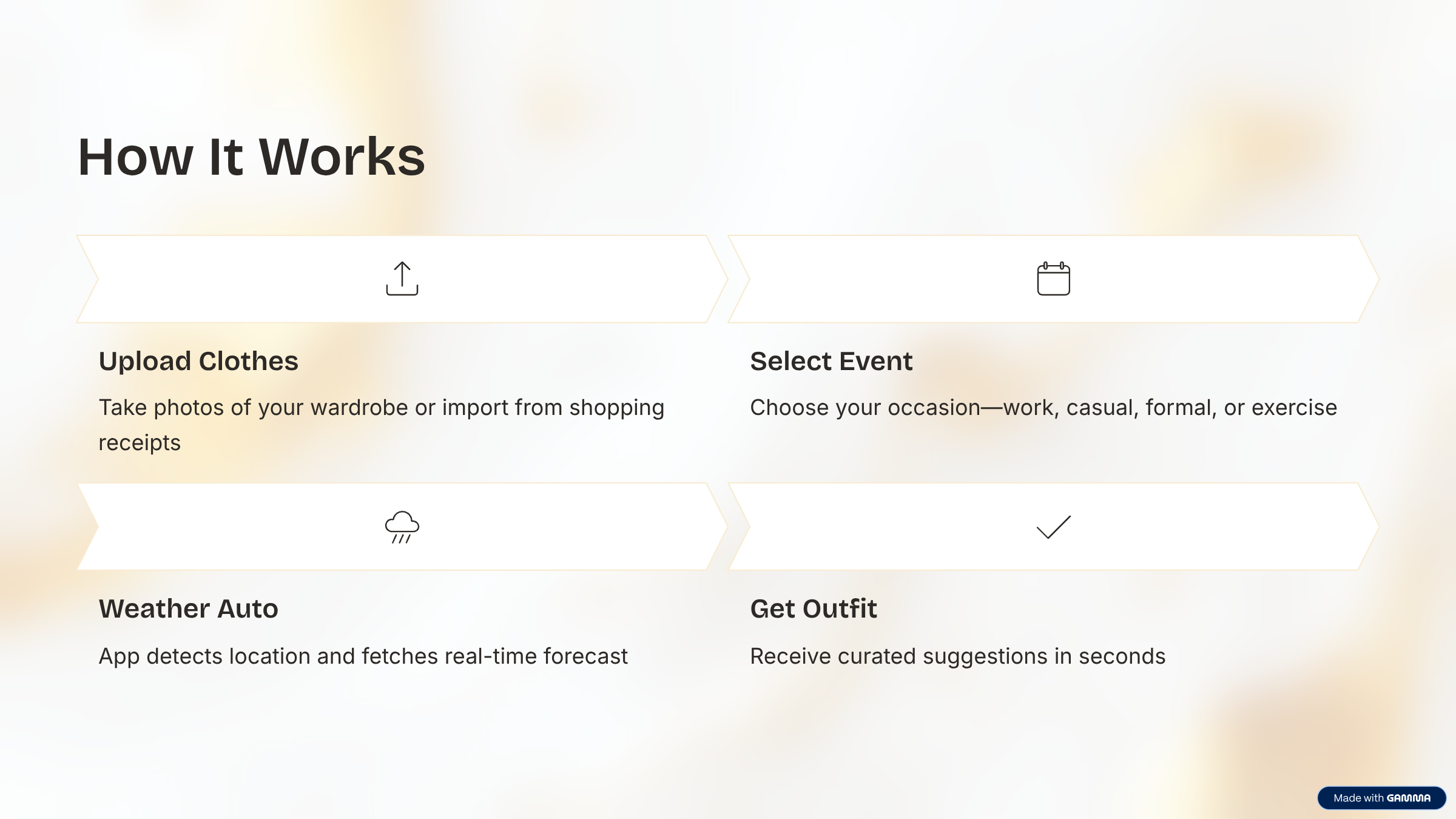
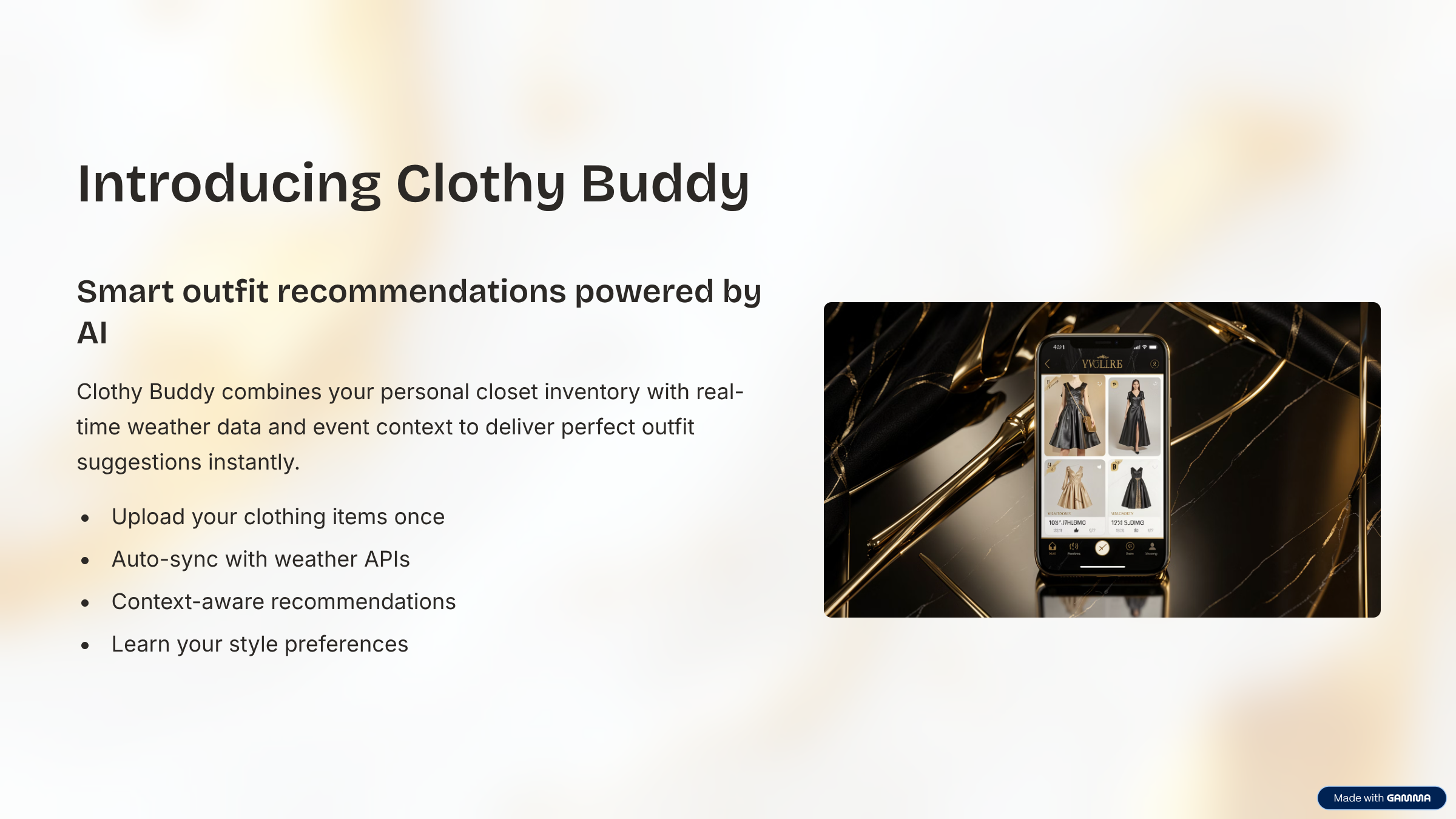
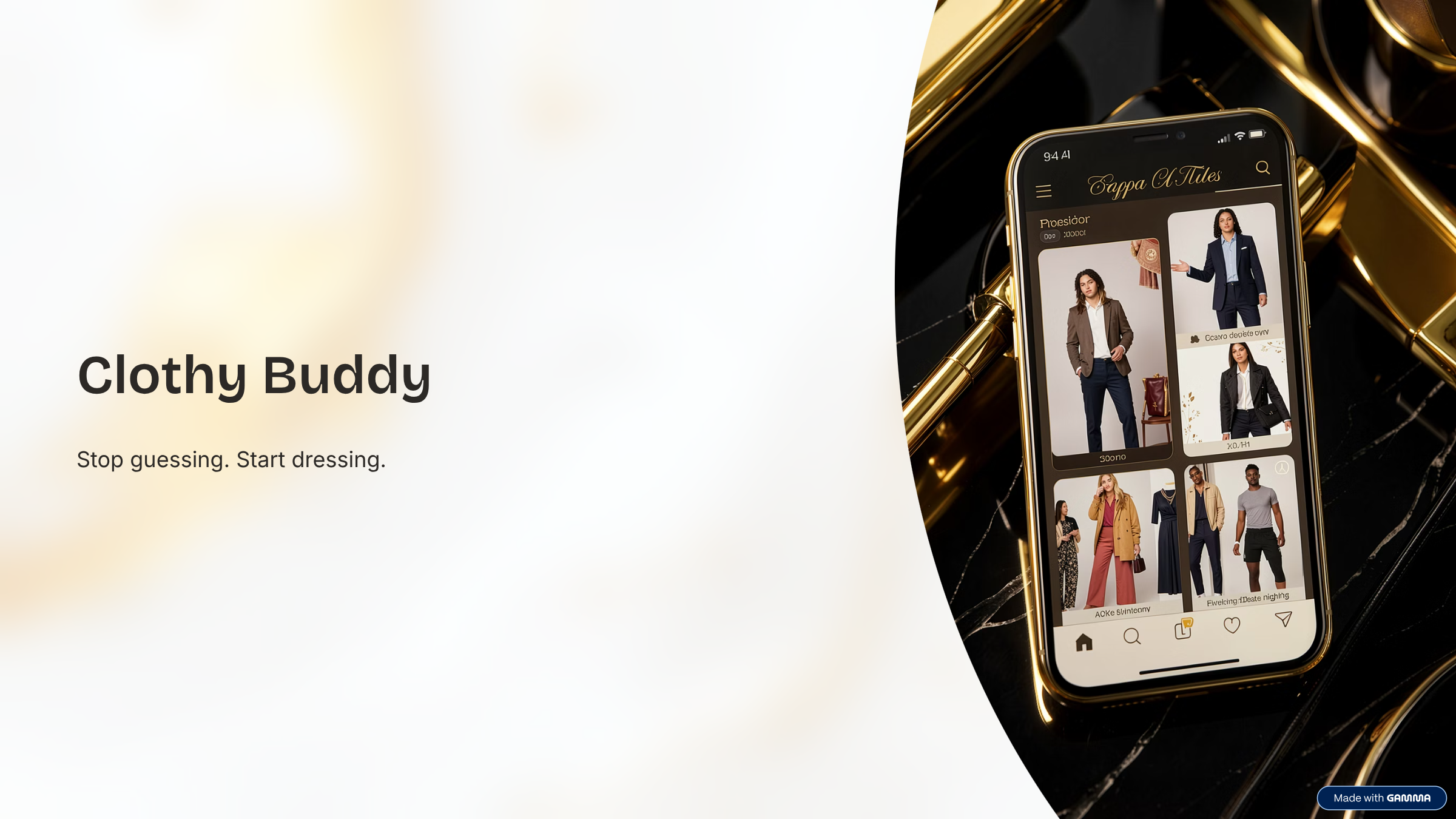
After inputting an image of yourself and your clothes, our app generates an image of you in different outfits to fit the occasion. This helps you visualize what you'll look like wearing various outfits.
How we built it
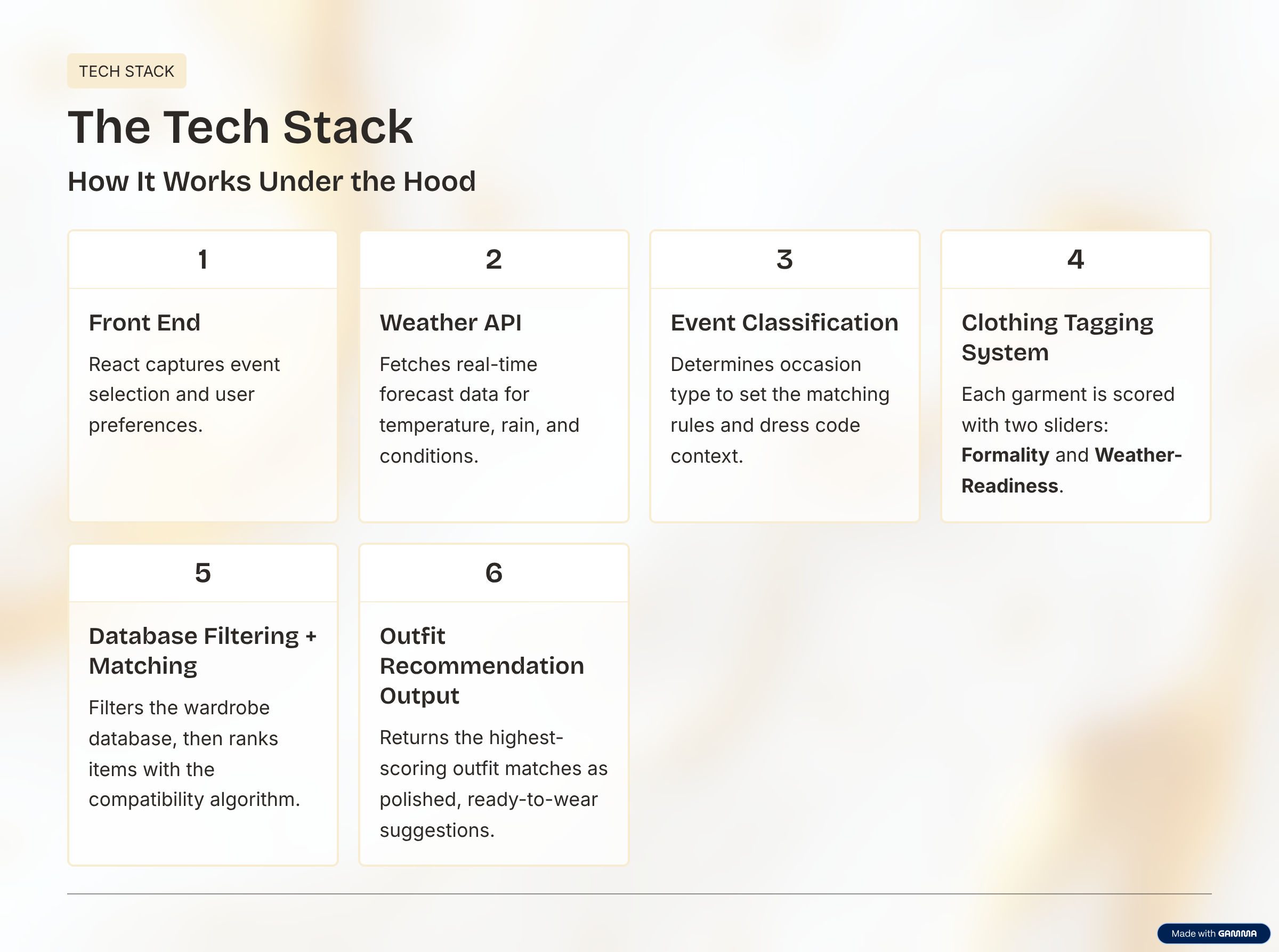
We built our backend in Python and FastAPI, running in a Docker container. We have it connected to the Gemini API to perform agentic tasks, such as searching the internet and social media and generating images. Our frontend is built with JavaScript.
Challenges we ran into
One of our biggest hurdles was managing token limits with the Gemini API, especially when combining text context (like event details and internet search data) with user image inputs. We had to continuously refine and optimize our prompts to prevent token exhaustion during complex agentic workflows. Additionally, consistent image generation proved difficult. Maintaining the user's exact likeness while realistically generating and mapping different clothing items onto their photo required significant trial and error. We also had to build proper error handling and loading states on the JavaScript frontend to account for the natural latency of the AI generation process, ensuring the app still felt responsive to the user.
Accomplishments that we're proud of
We are incredibly proud of successfully integrating the Gemini API to handle complex, agentic workflows with custom image generation. We are also proud of having built a fully containerized backend with FastAPI and Docker in a single weekend. Most importantly, we're proud of taking a universal daily struggle and engineering it into a genuine mental well-being solution that reduces cognitive load and morning anxiety.
What we learned
We learned a massive amount about prompt engineering, managing token limits, and handling the constraints of image generation APIs. We also deepened our understanding of full-stack development, specifically how to efficiently pass and process image data between a JavaScript frontend and a Python backend. On a psychological level, we learned a lot about how daily micro-stressors like staring at a chaotic closet compound to create significant decision fatigue.
What's next for Clothy Buddy
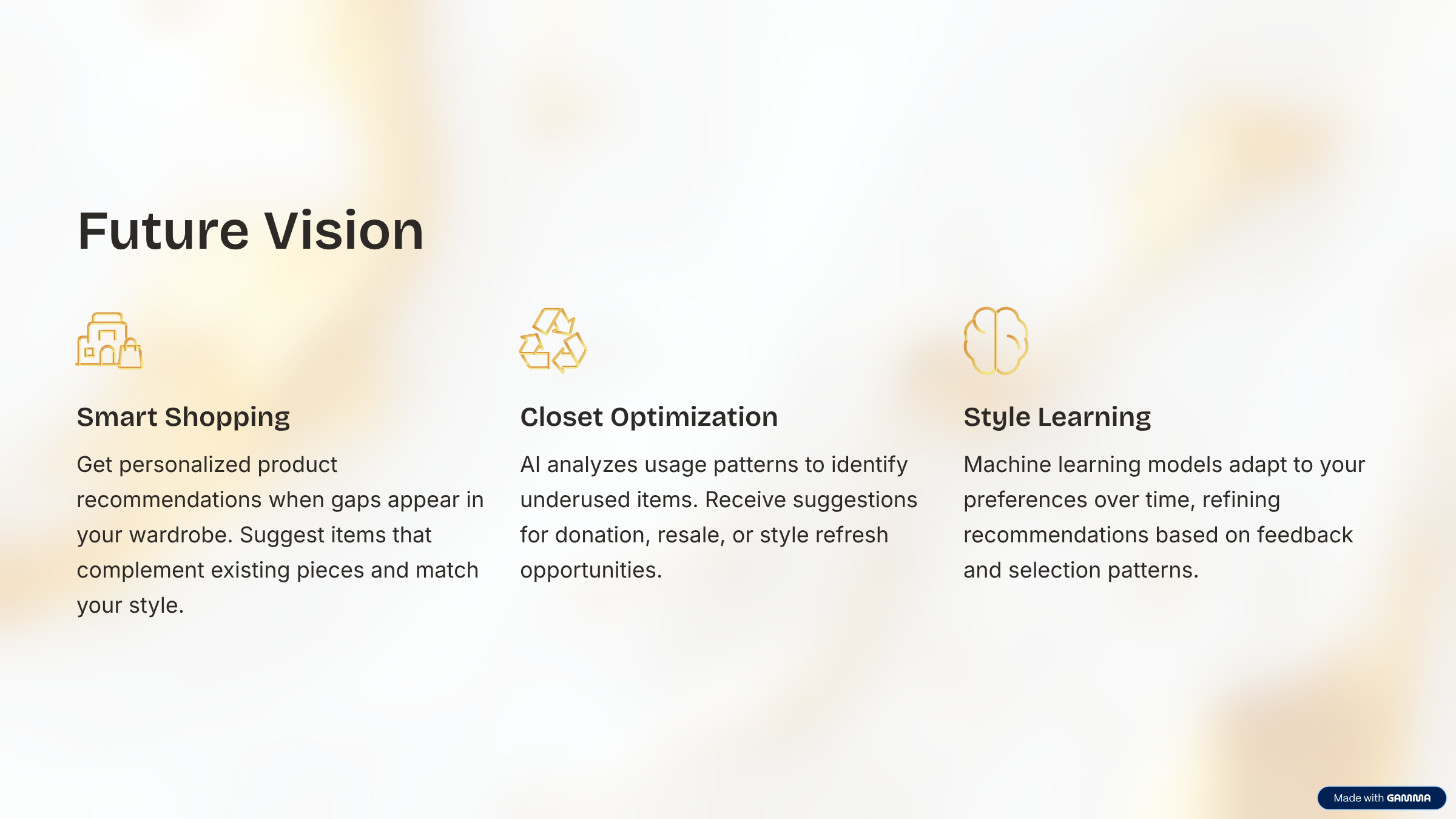
We plan to introduce a "Comfort Mode" specifically designed for low-energy or high-anxiety days, prioritizing sensory-friendly and comfortable outfits. We also want to implement wardrobe analytics that suggest donating or selling unused items to further reduce visual clutter. Ultimately, we want to expand Clothy Buddy into a comprehensive mobile app that seamlessly syncs with your daily calendar and weather apps to completely automate your morning routine.


Log in or sign up for Devpost to join the conversation.