-
-
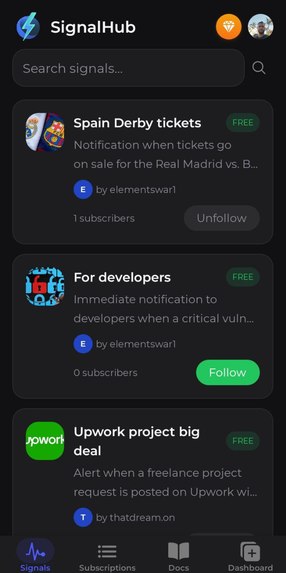
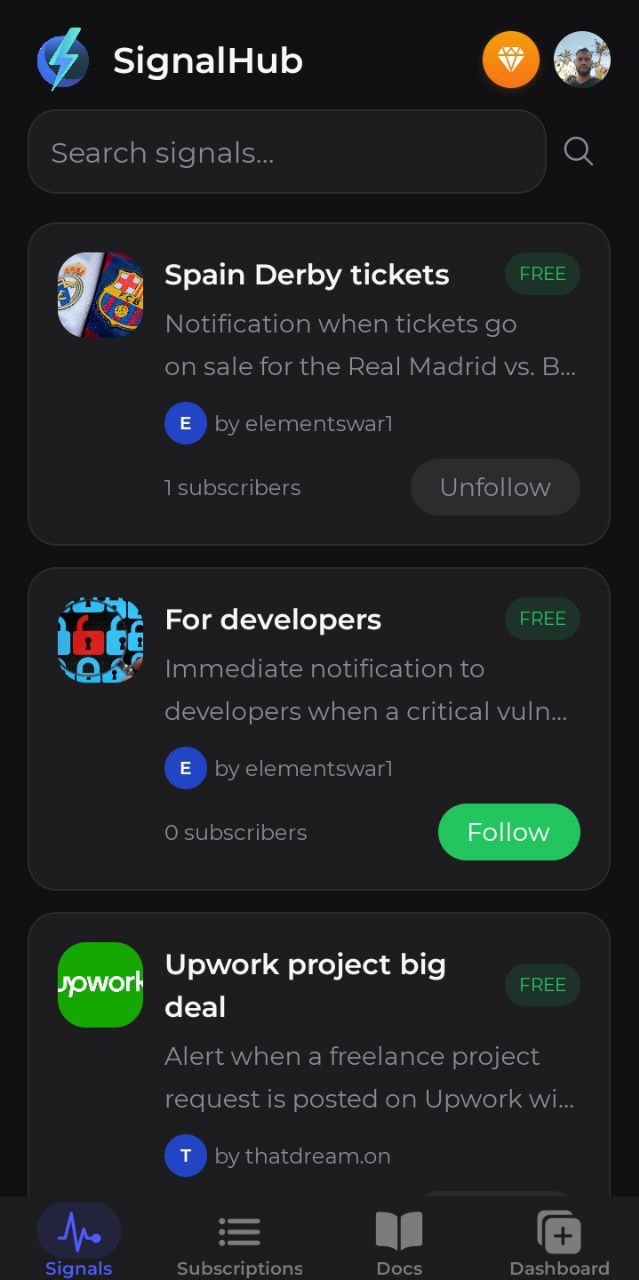
Signals
-
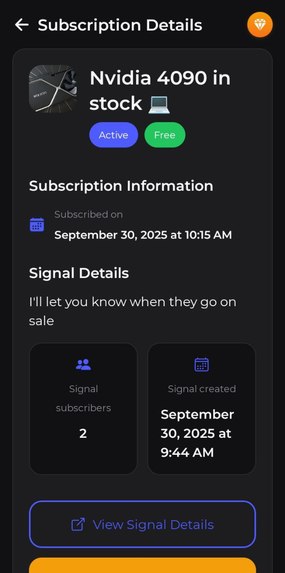
Subscription Details
-
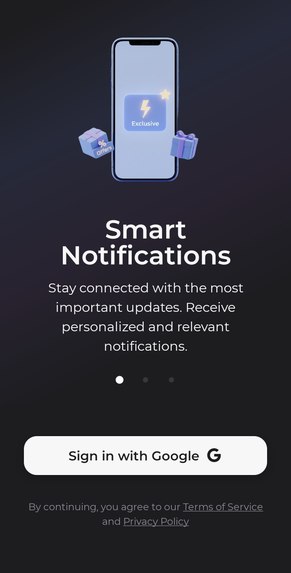
Login
-
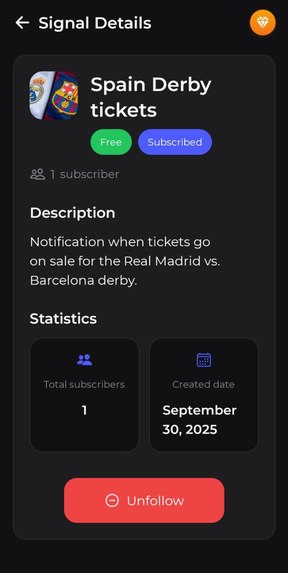
Signal Details
-
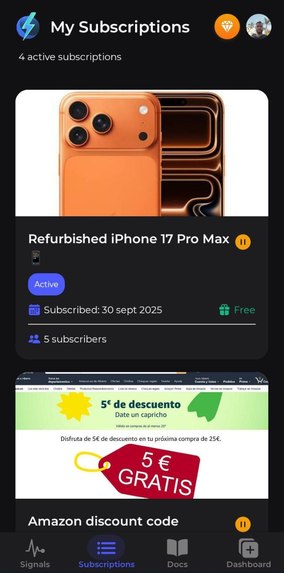
My subscriptions
-
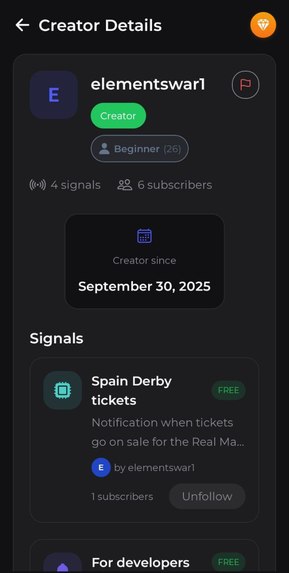
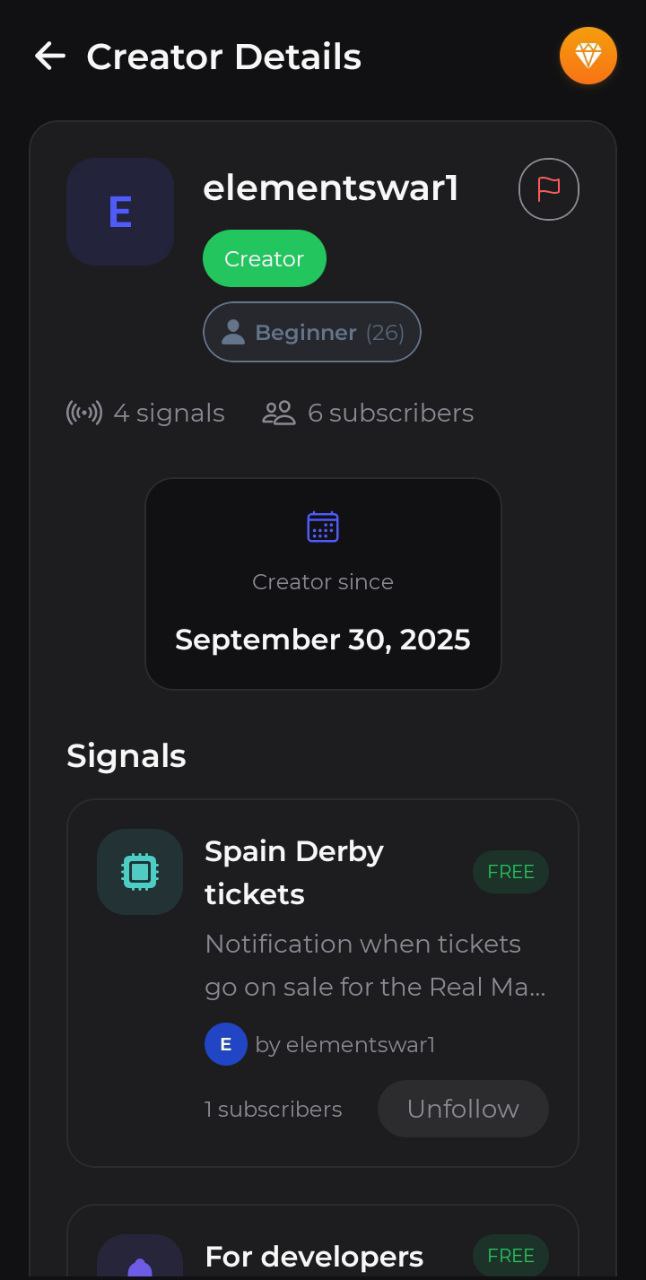
Creator Details
-
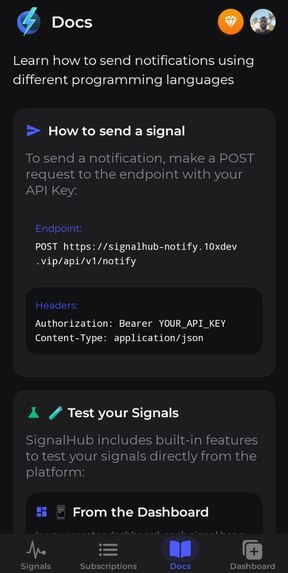
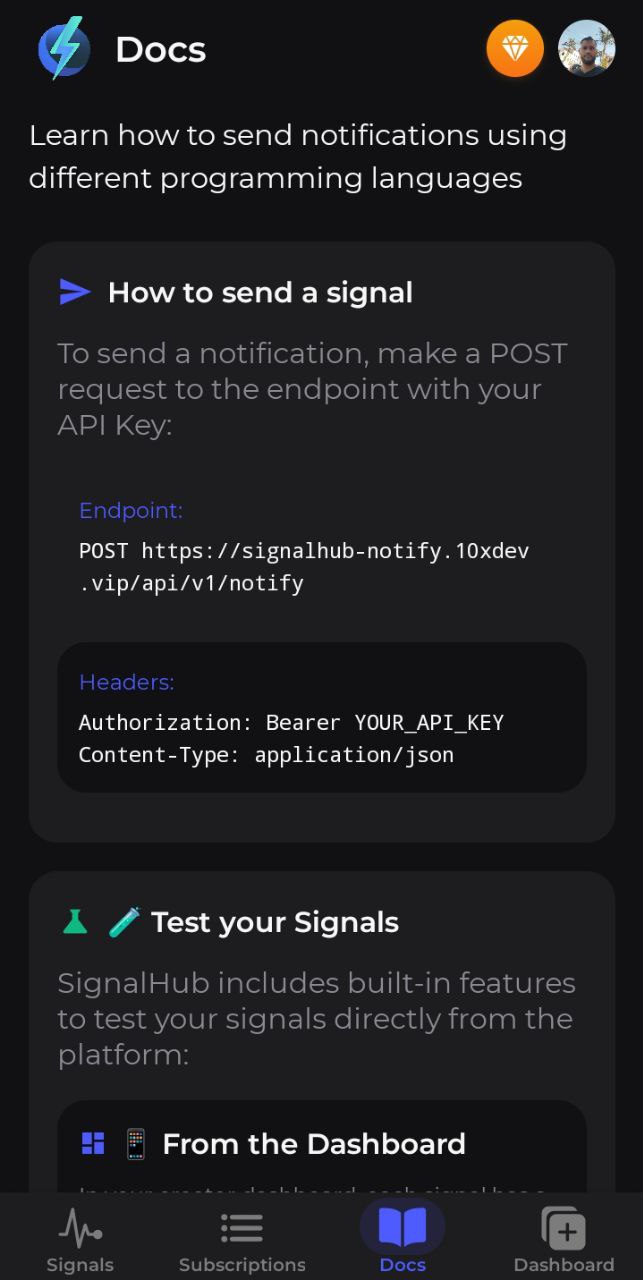
Docs
-
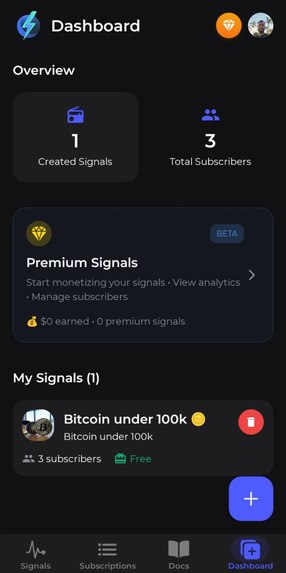
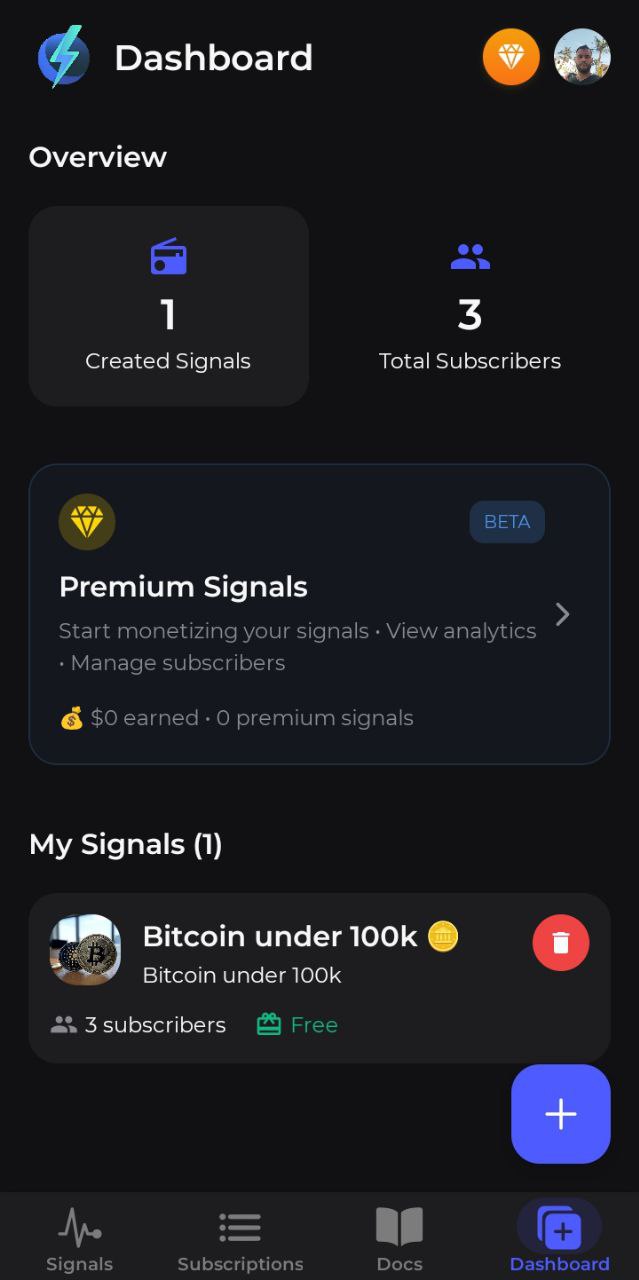
Dashboard
-
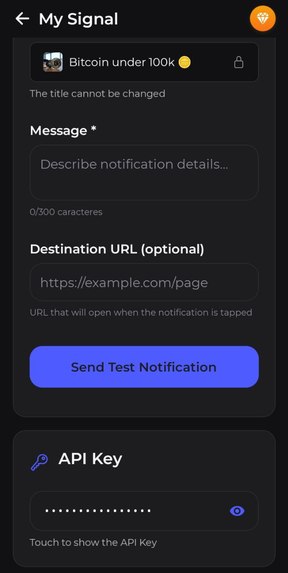
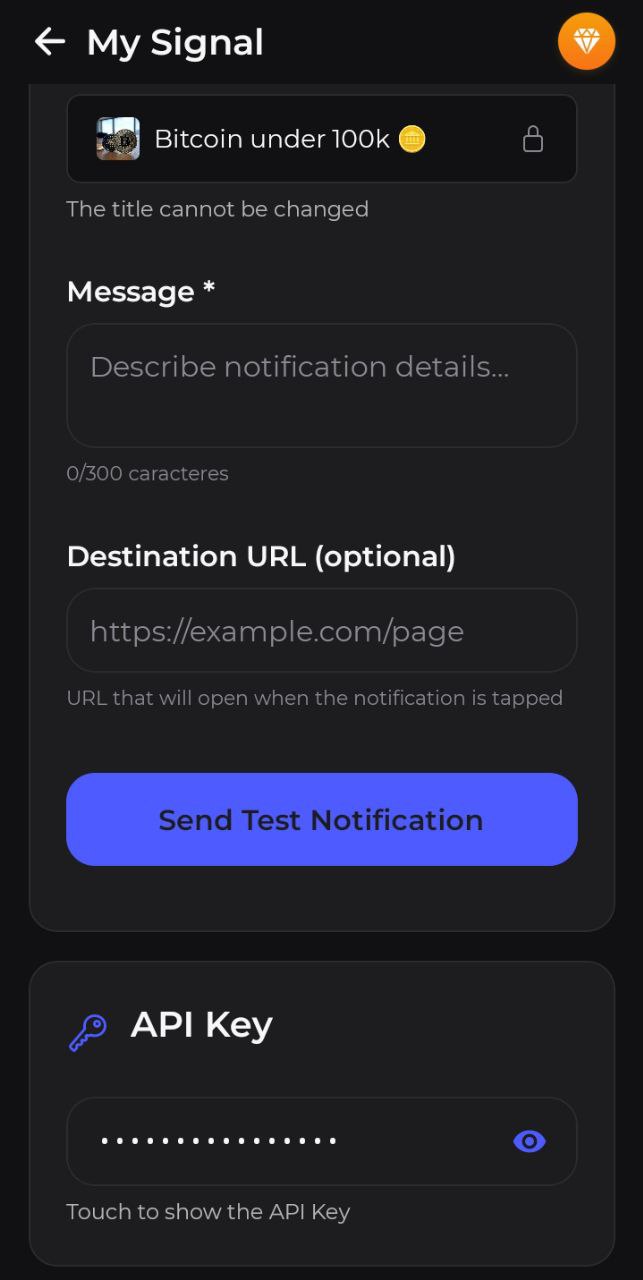
My Signal
-
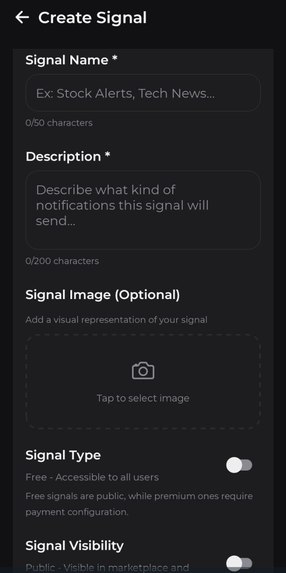
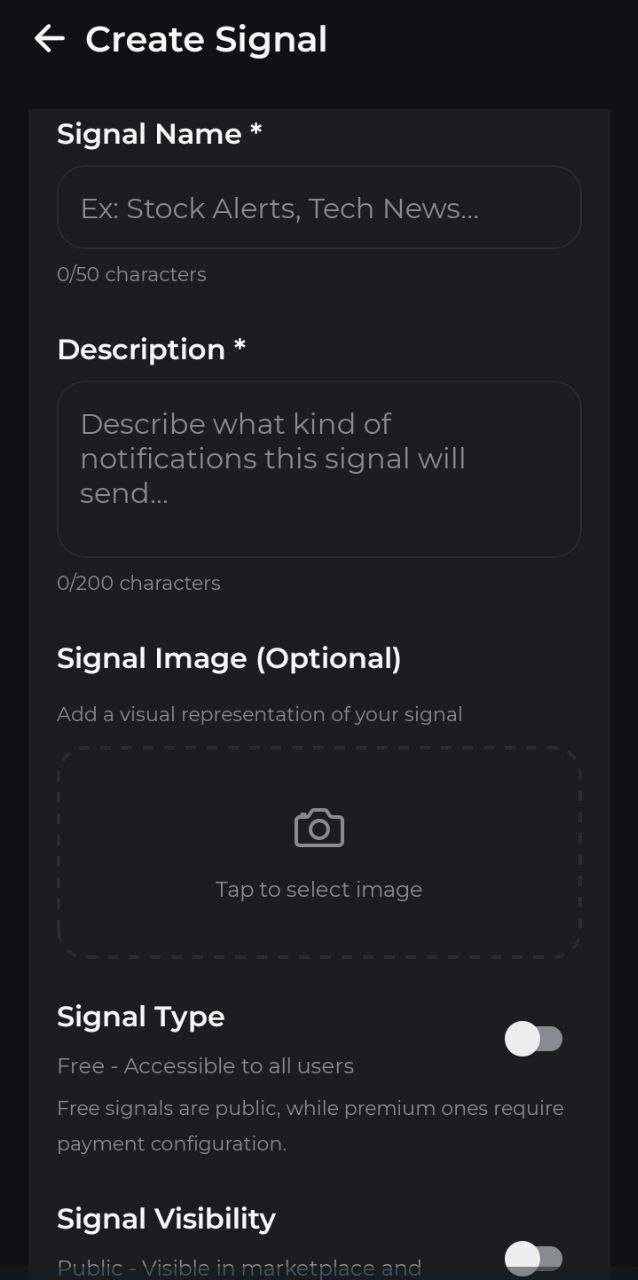
Create signal
-
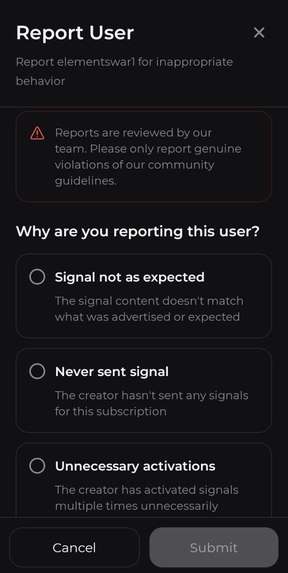
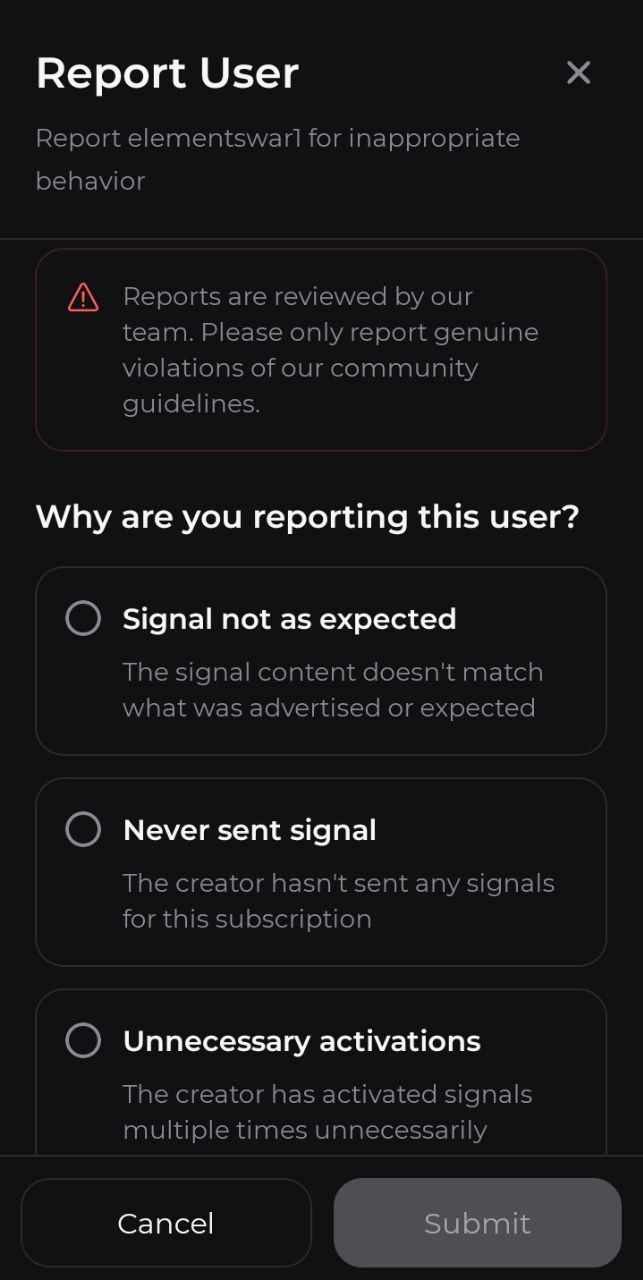
Report user
Inspiration
The hardest part of the RevenueCat hackathon was, figuring out what to build.
Nowadays, especially with the AI explosion, it feels like every idea has already been tried or is underway.
I decided to focus on building something with OneSignal because it's a tool I love and find incredibly valuable.
I spent a lot of time thinking about it, and I noticed a pattern: although OneSignal's integration is super powerful, it's almost always used as a complement to an existing process. Think about recovering abandoned carts, sending updates on a hiring process, or sending follow-ups... it's always an "add-on."
And that's where it came from:
What if, instead of being a complement, we made OneSignal the core value-driving ingredient of the application?
That's how Signal Hub was born.
I don't know how much traction the idea will get, or if there's even a real market for it, but I did my research and couldn't find anything similar. The question that drove me was: Why not make people eagerly want to receive a notification and subscribe to updates they are genuinely interested in and that provide them tangible value?
What it does
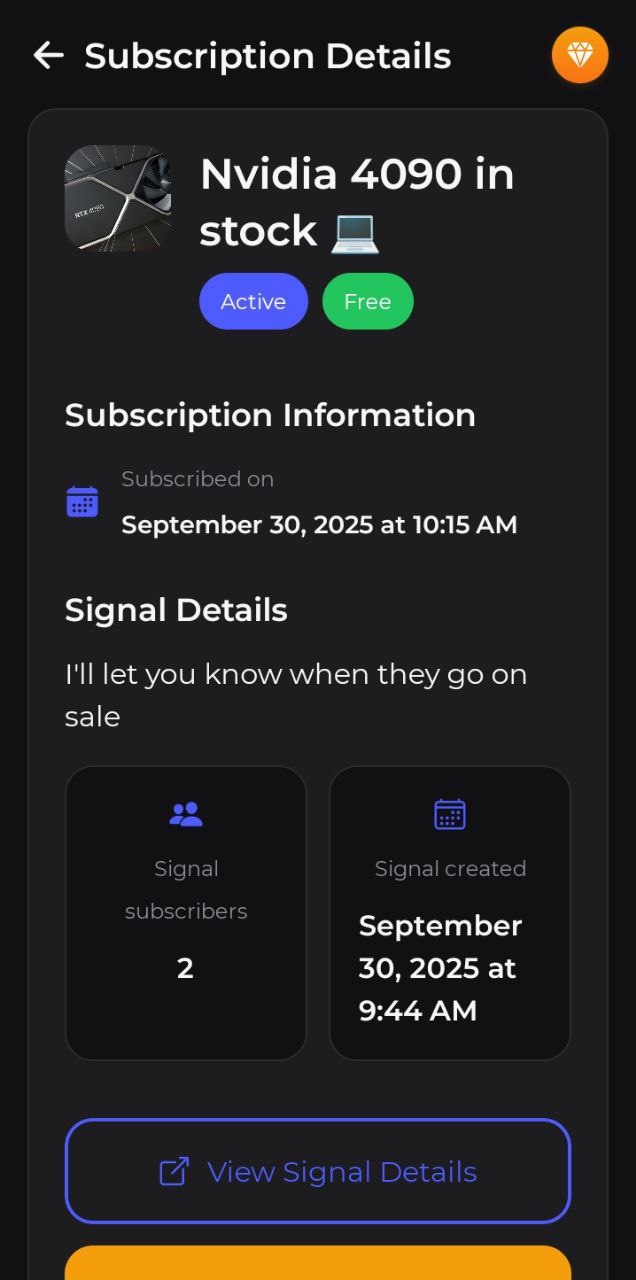
Signal Hub is the first marketplace for "Signals" (high-value notifications). It connects two types of users:
Creators (technical experts): People with skills in APIs, web scraping, or automation who can detect valuable events (an amazing deal, the restock of a highly-demanded product, a ticket for an event, etc.). They design and publish these Signals.
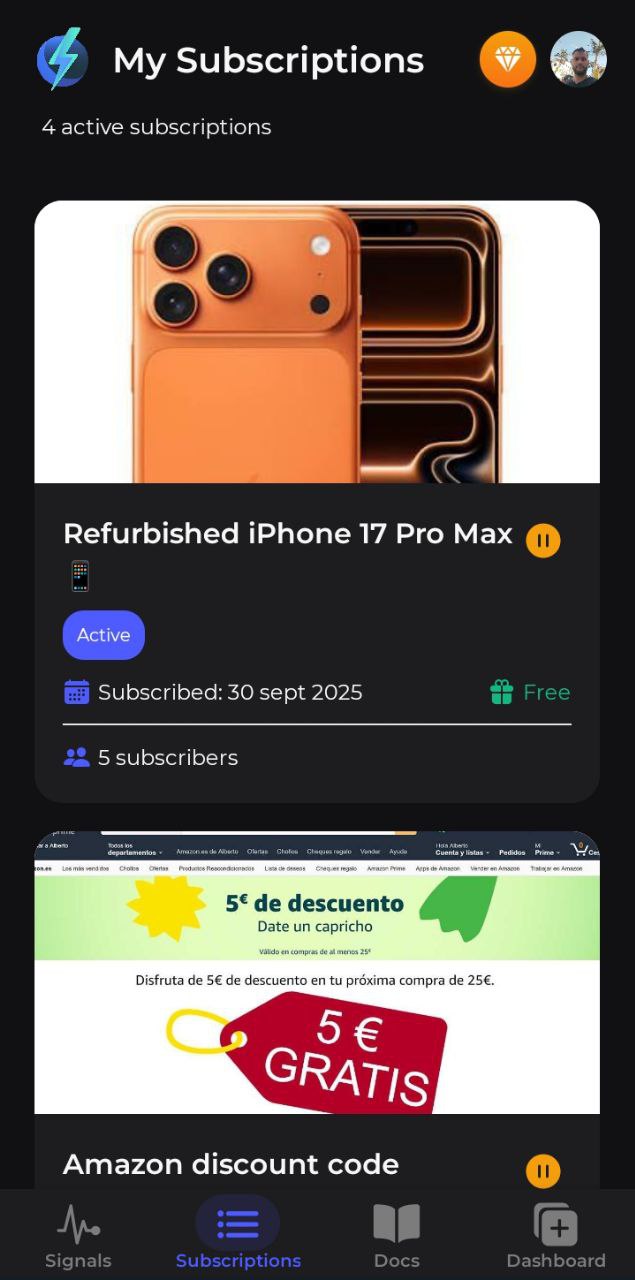
Subscribers (end-users): Anyone who wants to receive these real-time alerts. Instead of spending their day refreshing a webpage, they can "hire" an expert for a small subscription fee to notify them instantly.
For Creators, it's a way to monetize their existing skills and code as a passive income stream. For Subscribers, it's having access to privileged information and a personal 24/7 expert watching out for them.
How i built it
The main goal was to make the experience extremely smooth. To achieve this, built a solid and optimized architecture with the following technologies:
- Backend: Written in Deno to ensure robust, fast, and highly optimized performance.
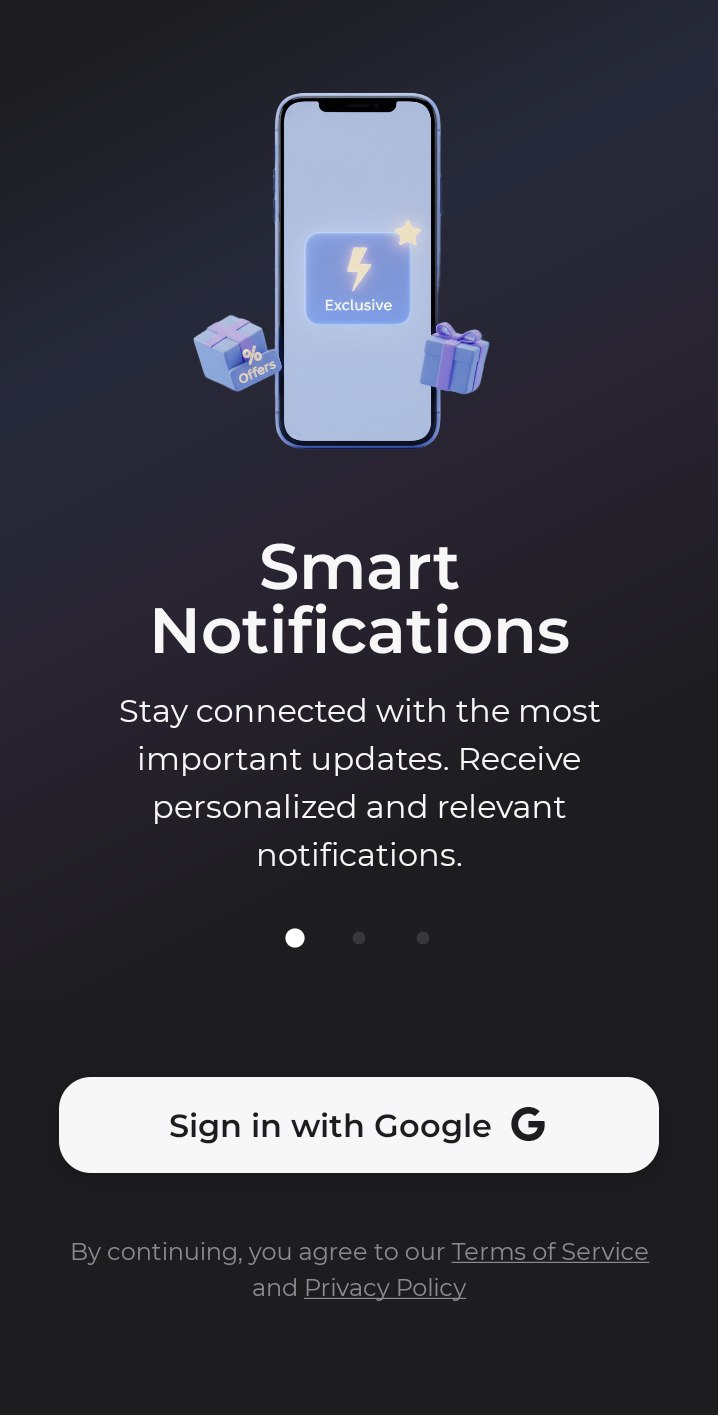
- Authentication: Secure Google integration for a fast and reliable login process.
- Subscriptions & Payments: RevenueCat to manage the entire subscription lifecycle, from free trials to premium upgrades. Its ease of integration was key.
- The Heart of the App: OneSignal is the jewel in the crown. It powers the entire core of Signal delivery, managing the instant and reliable delivery of push notifications to all subscribers.
Challenges we ran into
Once the idea was defined, the main technical challenge was offering a frictionless user flow.
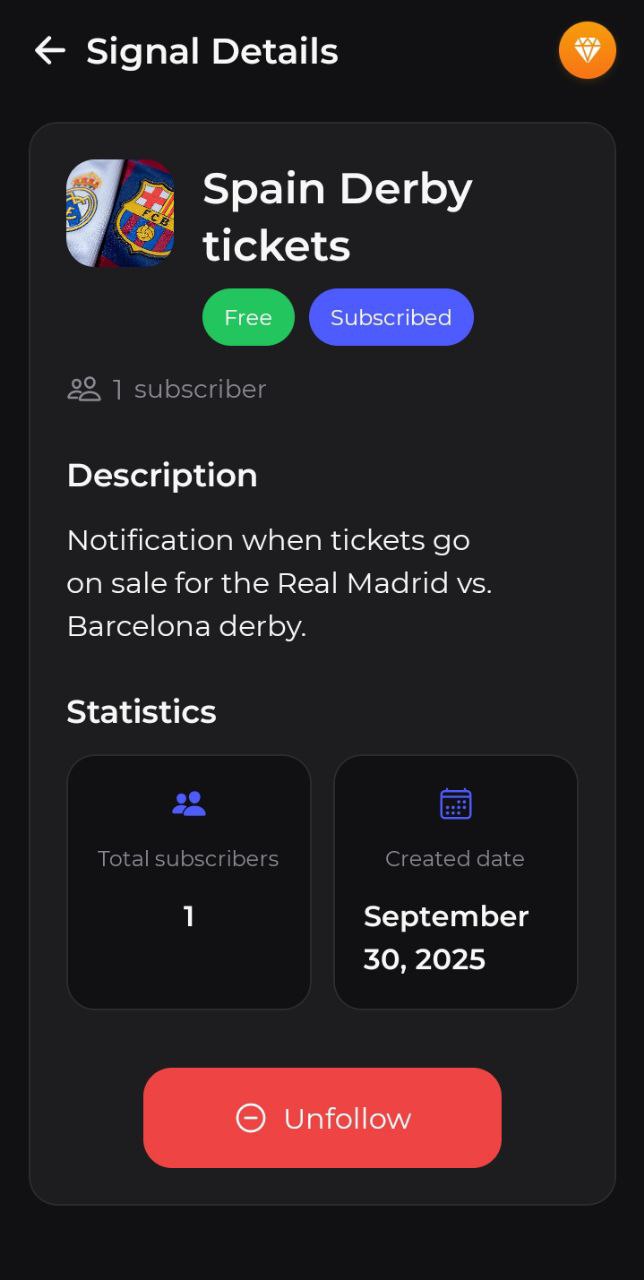
I wanted it to be super easy for a Creator to create a signal and send it with a simple POST request, and super easy for a Subscriber to find, follow, and unfollow a signal.
Halfway through development, a major concern emerged: spam.
If anyone could send anything, the platform would quickly lose trust and value. How could we ensure the notifications were always high-quality and prevent abuse?
Accomplishments that we're proud of
I'm very proud to have developed a proactive solution to the spam problem. To maintain trust in the application, I implemented a reputation system. Creators earn a publicly visible rank as their contribution to the community grows and their signals are well-regarded. Additionally, I added a very simple reporting system so the community can flag inappropriate behavior.
But, the biggest accomplishment is having packaged all of this into a functional MVP and published it on the Play Store in under a month. Seeing the idea come to life, with secure authentication, a responsive backend, subscriptions managed by RevenueCat, and the OneSignal notification system working in harmony, is incredibly satisfying.
What i learned
This project was a huge lesson. I learned that sometimes the best idea isn't to invent something completely new, but to shift the perspective on how we use existing tools.
Turning OneSignal from an "add-on" into the "main product" was the key to everything.
I also learned that you have to think about trust and safety issues from day one. Worrying about spam midway through the project forced me to build a more robust solution and think about the long-term sustainability of the community.
What's next for Signal Hub
Signal Hub's journey is just beginning. The MVP is on the Play Store, and initial feedback is crucial. The next steps are clear:
- Listen and Improve: Gather feedback from early users to polish the experience.
- Tools for Creators: Develop more advanced dashboards so Creators can see analytics for their Signals and better manage their subscribers.
- Expand Channels: Explore the possibility of adding other notification channels, like email or SMS, to give users more options.
- Foster the Community: Create more gamification elements and tools for Subscribers to rate and discover the best Creators, strengthening the quality of the marketplace.
Built With
- clerk
- deno
- expo.io
- one-signal
- react-native
- revenue-cat


Log in or sign up for Devpost to join the conversation.