-
-
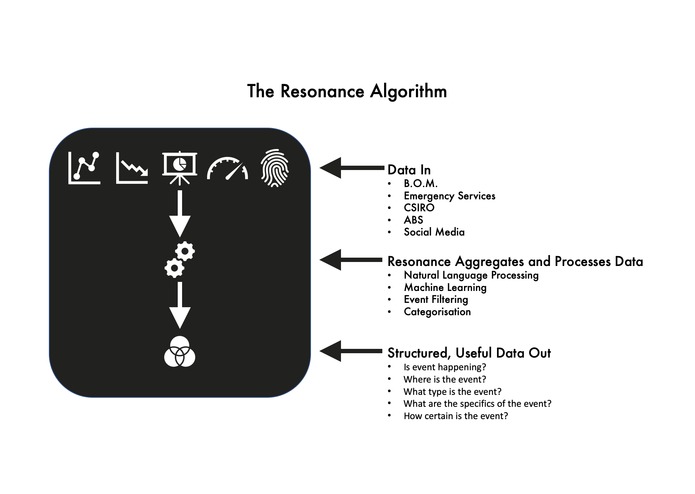
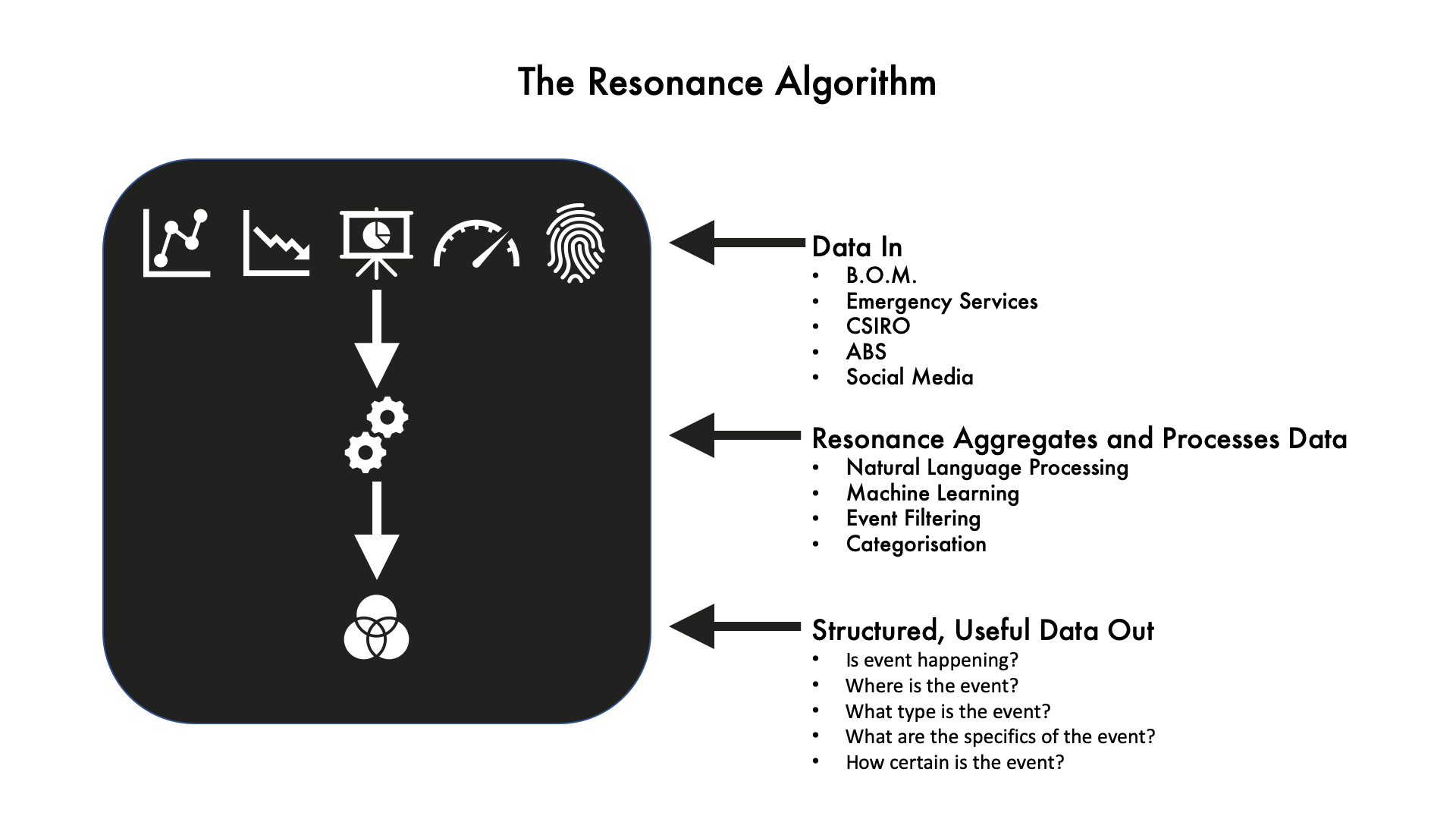
System Overview - The Resonance Algorithm
-
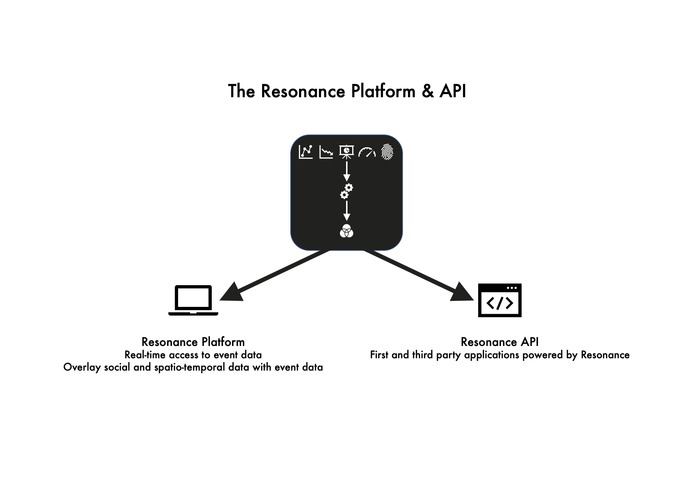
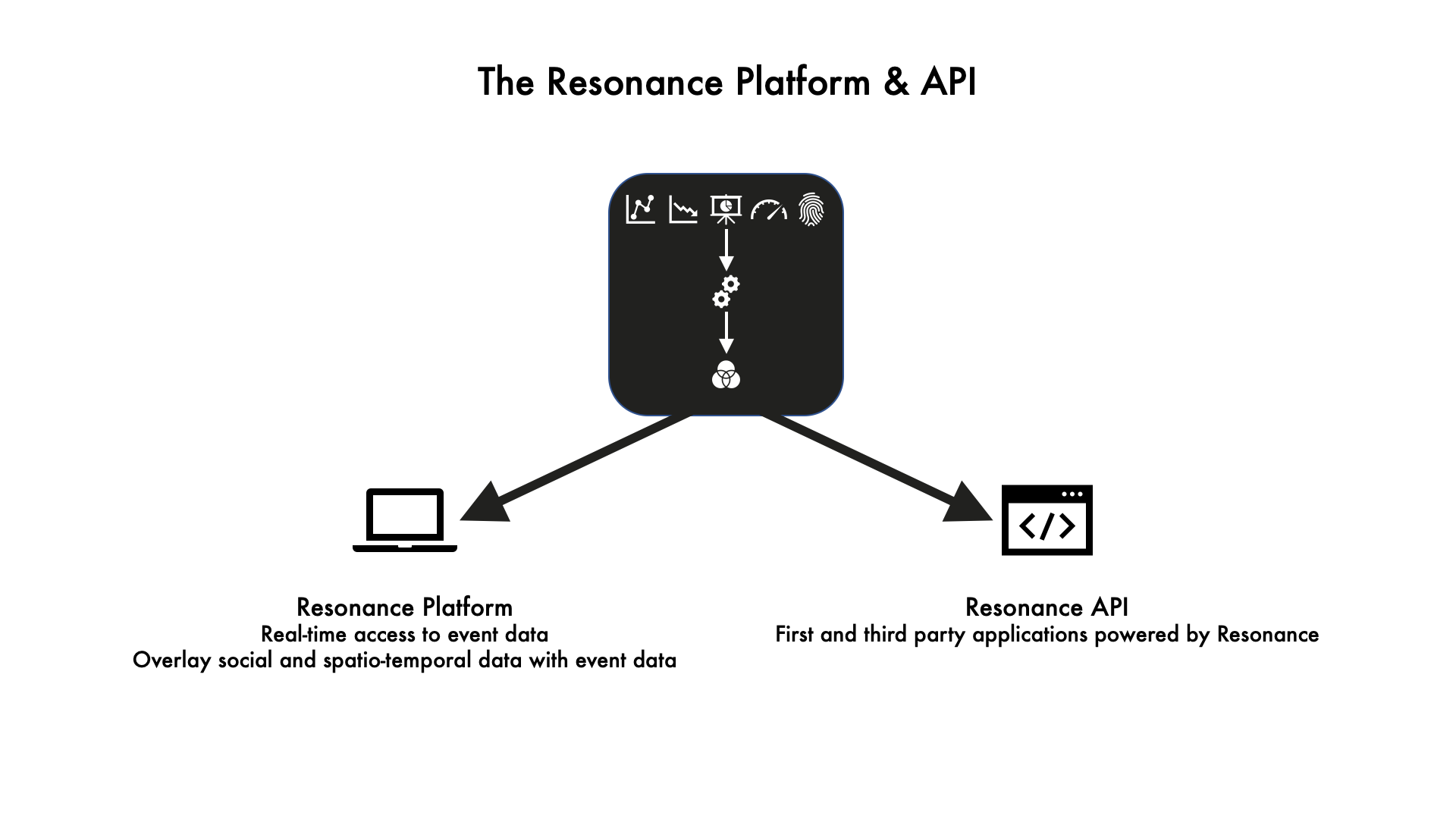
System Overview - The Resonance Platform and API
-
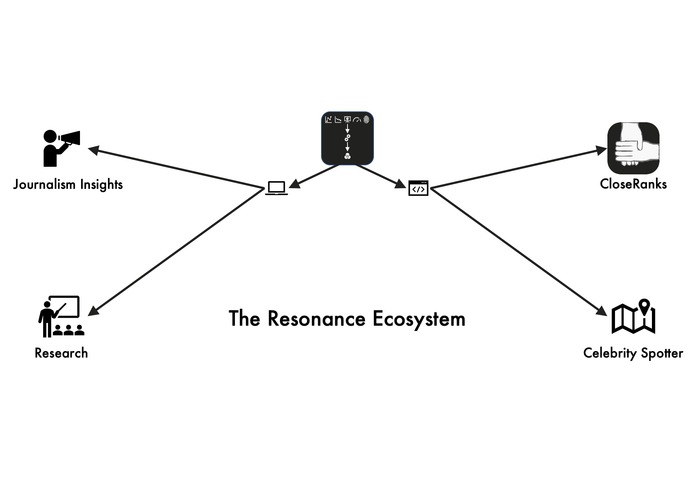
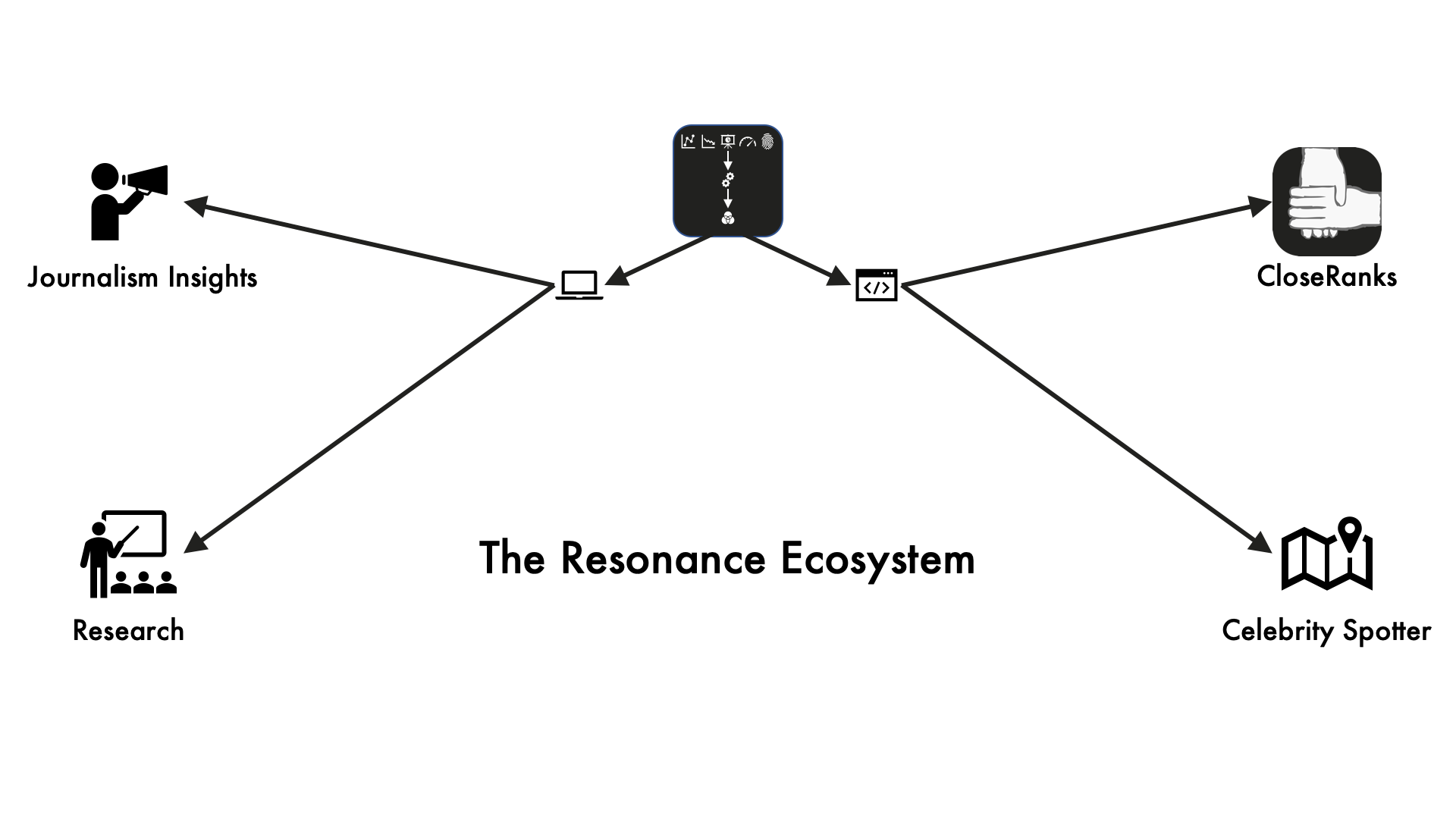
System Overview - The Resonance Ecosystem
-
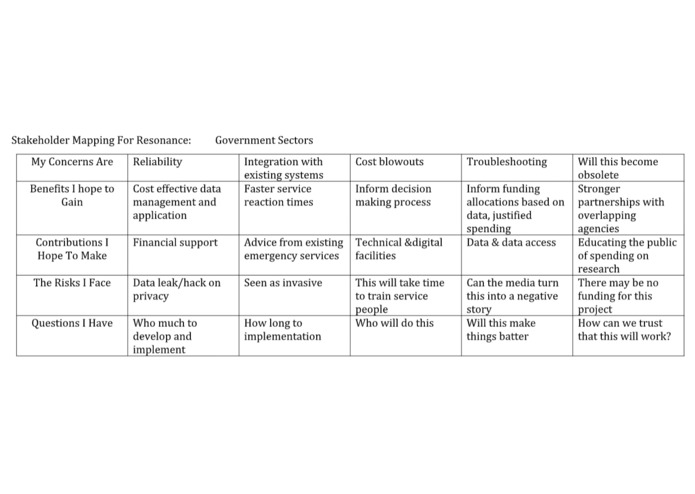
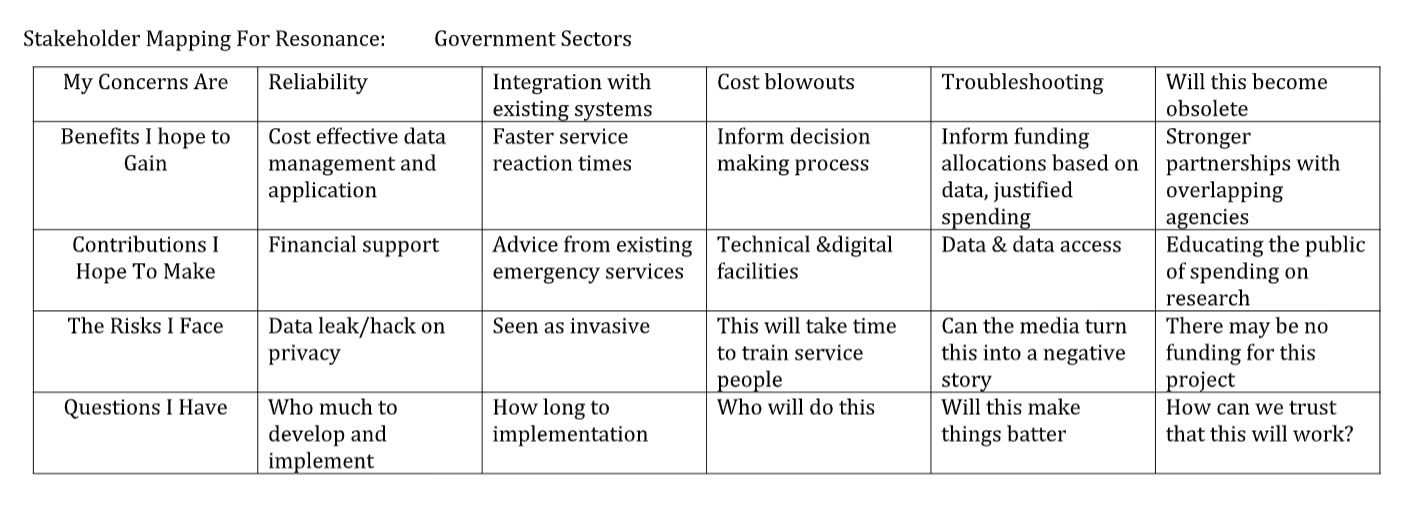
Stakeholder Map – Resonance
-
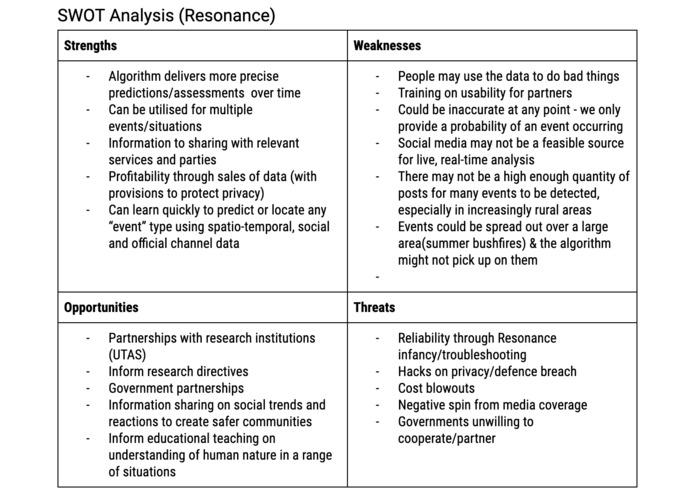
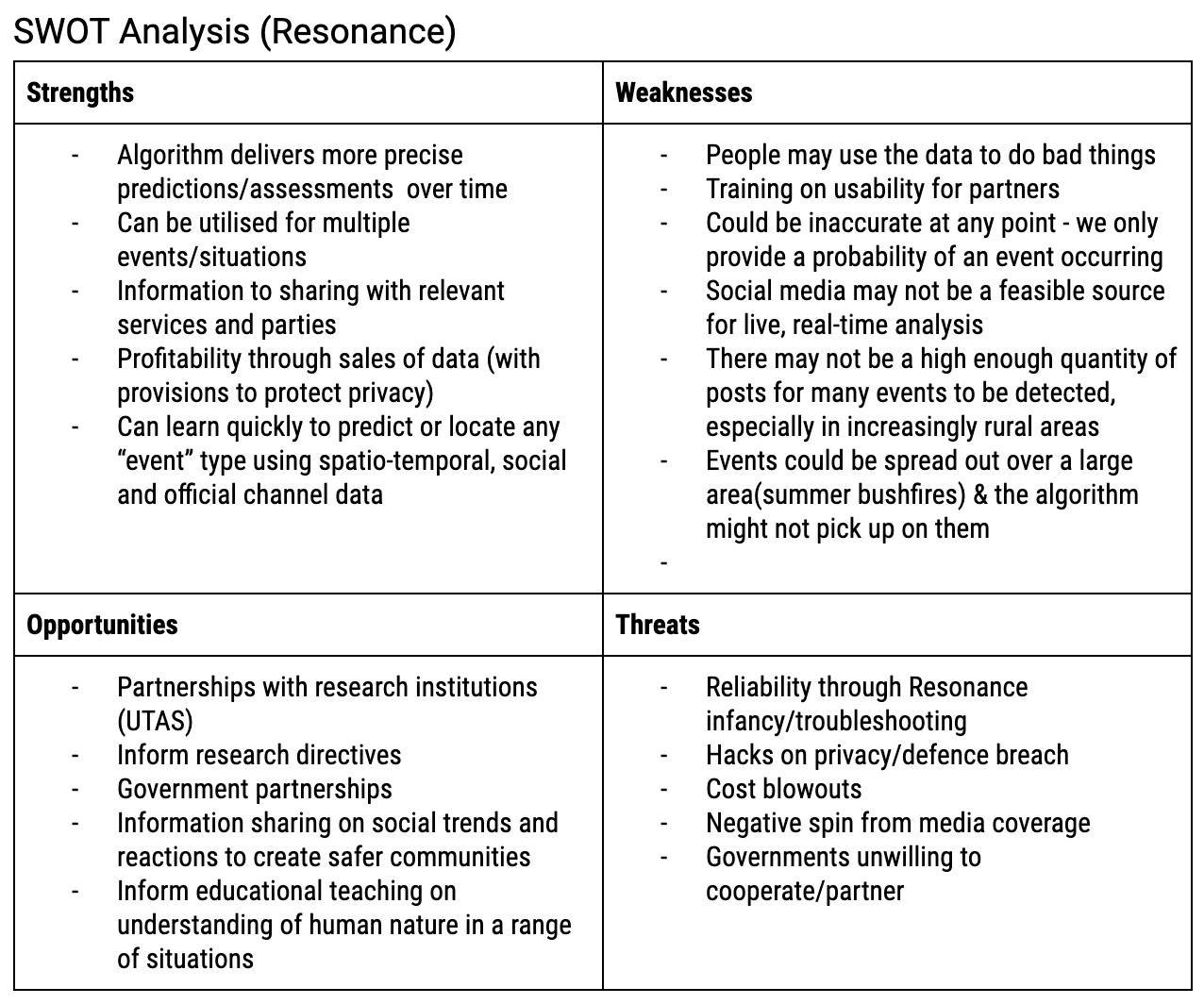
SWOT Analysis - Resonance
-
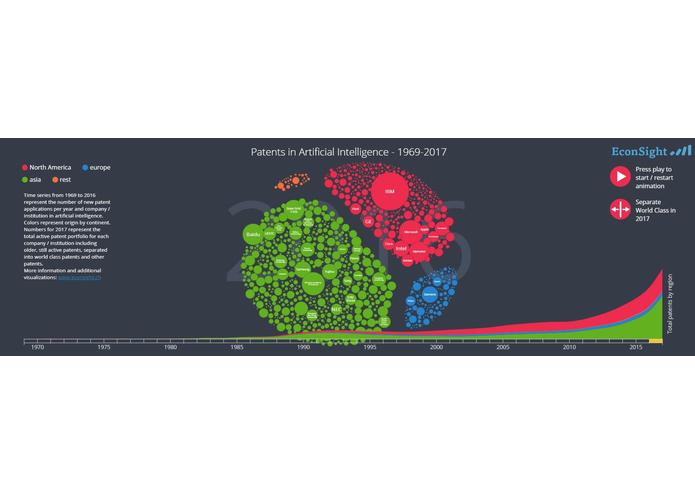
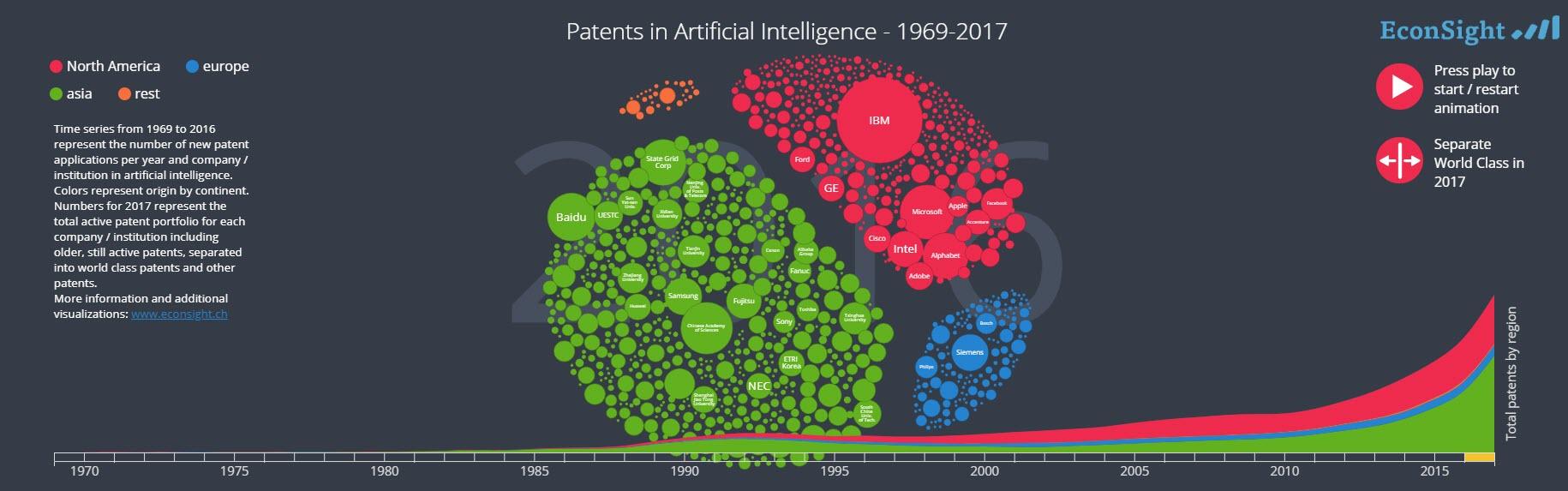
Supporting Research Patents in Artificial Intelligence
-
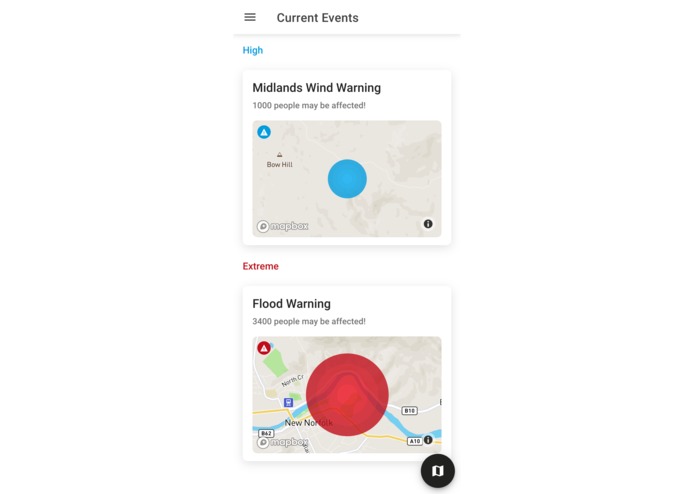
CloseRanks – Current Events
-
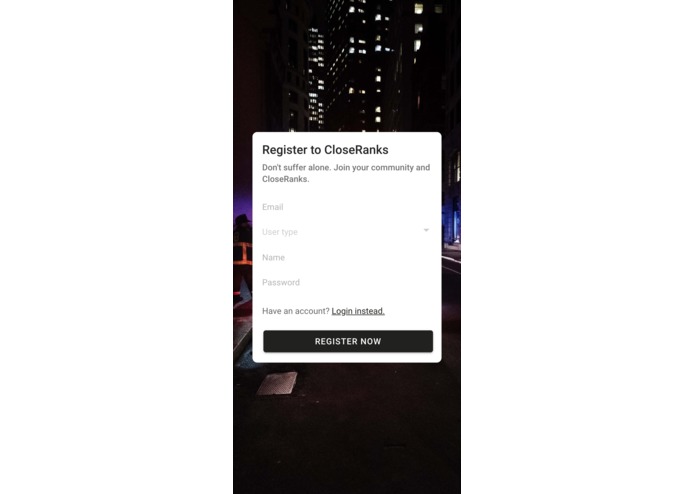
CloseRanks – Login/Sign-Up
-
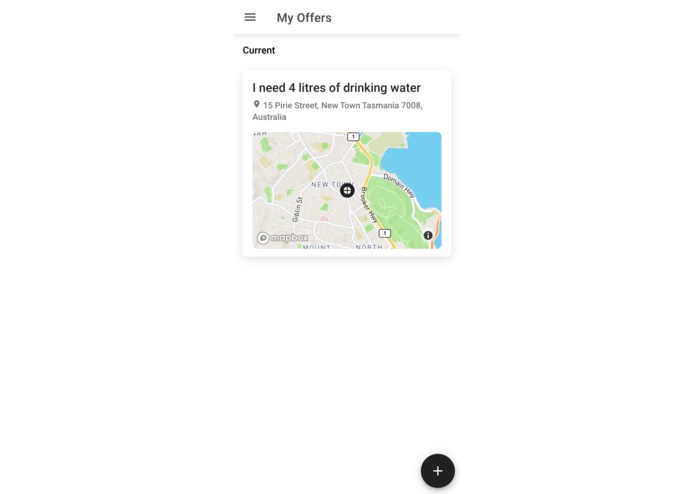
CloseRanks – My Offers (this should say I HAVE 4 litres of water - please excuse the typo)
-
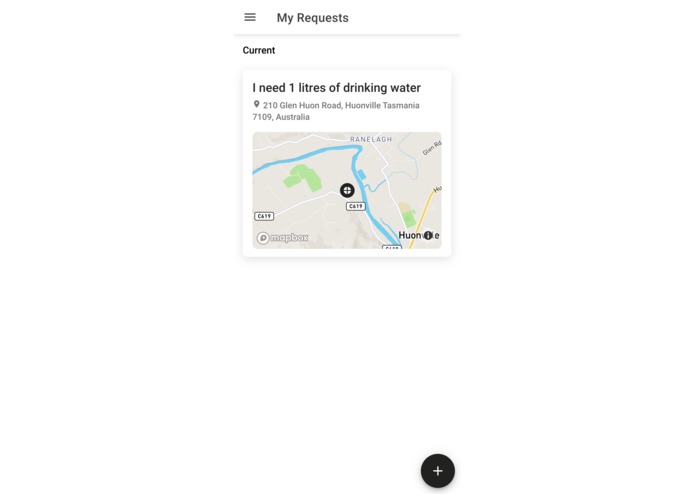
CloseRanks – My Requests
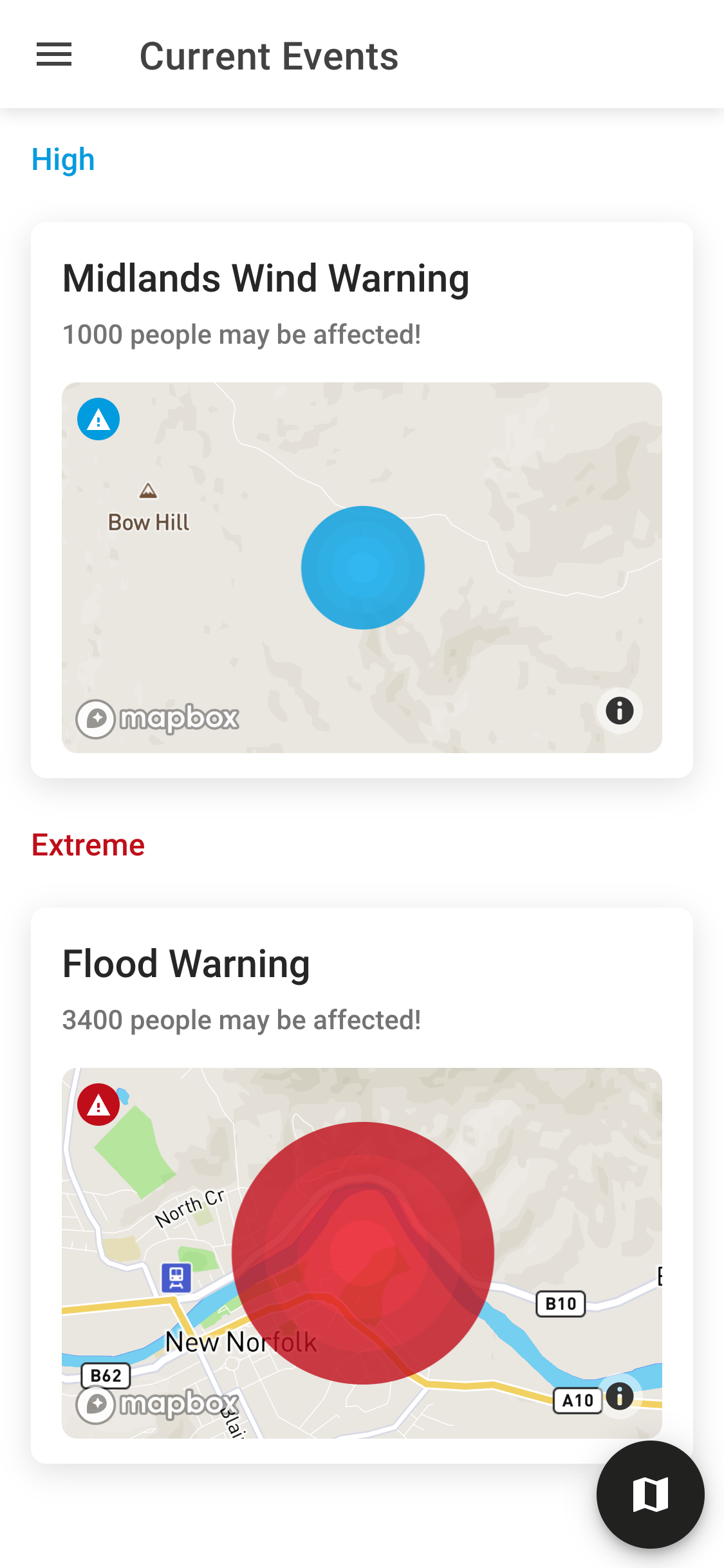
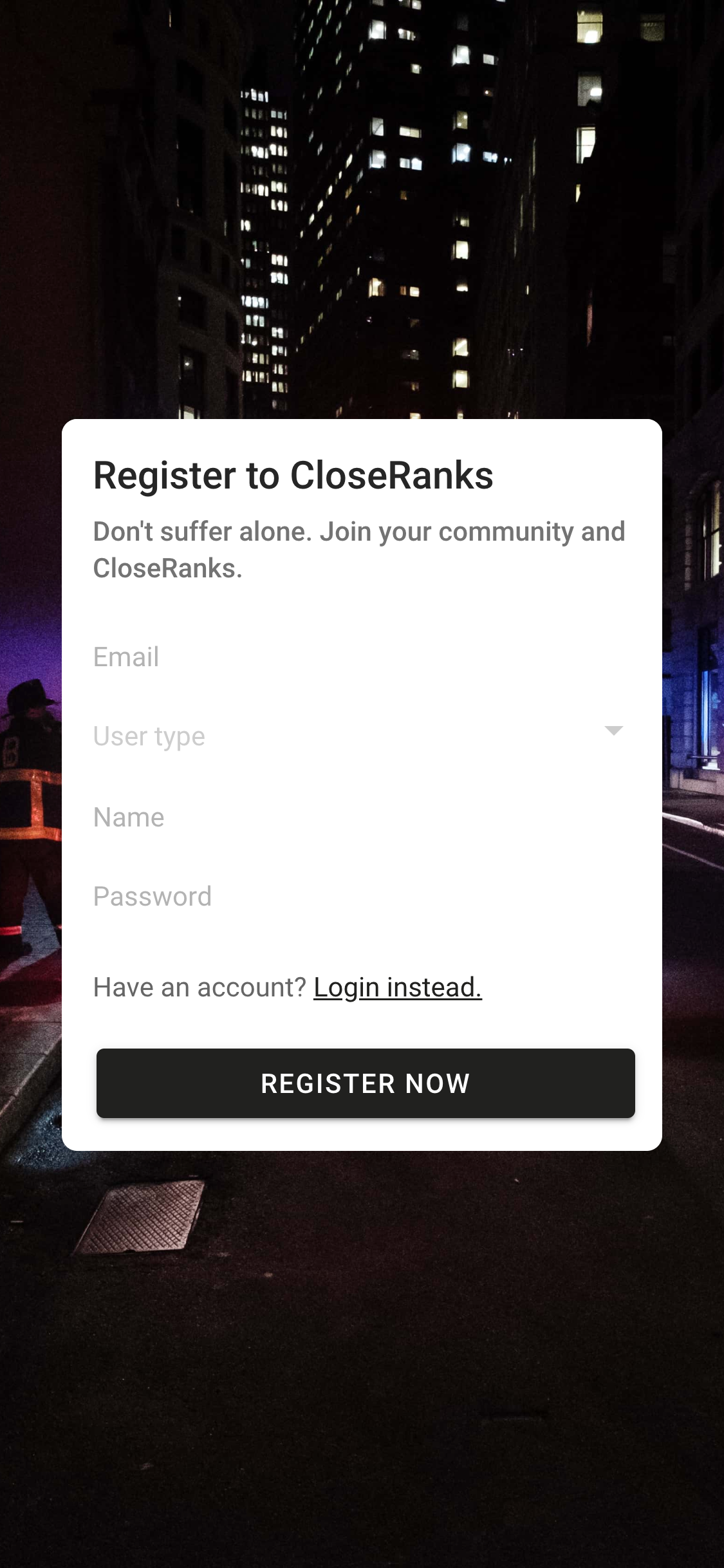
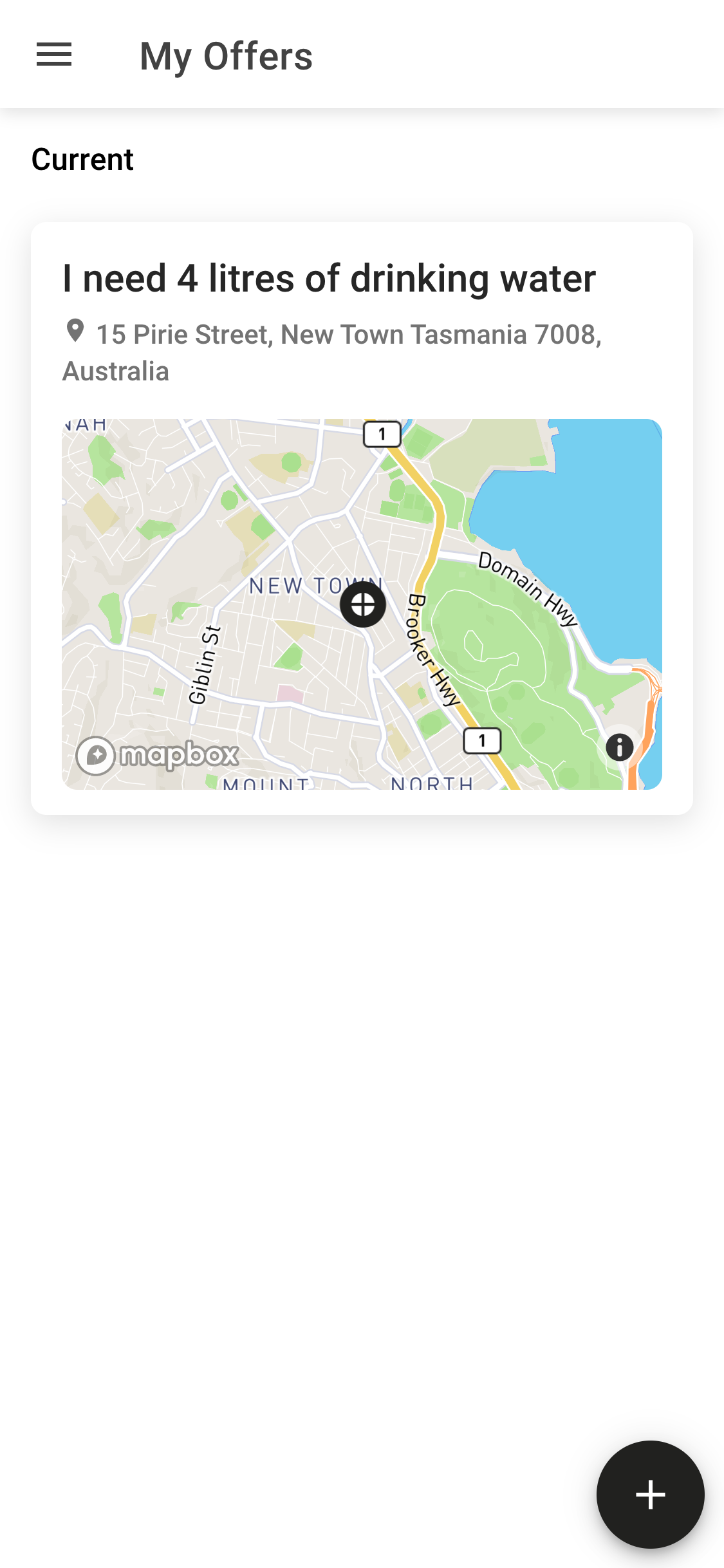
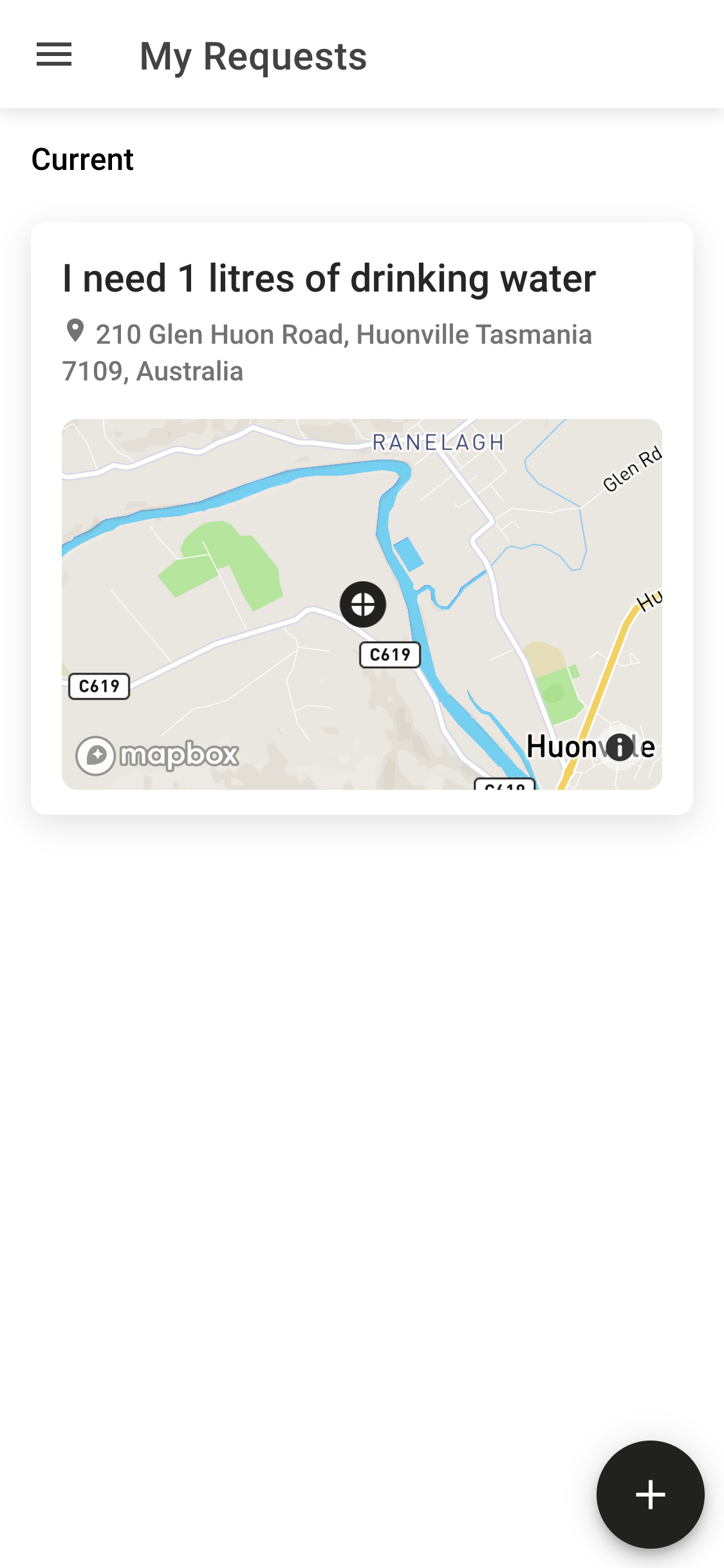
Editor's note: the software we have submitted (CloseRanks) is for a single application of Resonance, which is a multi-purpose algorithm described in more detail below. CloseRanks is intended to demonstrate the potential real-world impact of Resonance but is not designed to be a financial instrument or standalone business. Resonance is the business and the underlying (profitable) tech. As such we have not focussed on the business case for CloseRanks, rather the larger application of the algorithm and surrounding ecosystem – which is where the money is. We have explained why we did things this way below. Thanks!
Mission
To measure events in the real world and understand their impact on the physical and social space they occur in, as well as the people involved in them.
Values
- The practical application of data to help people
- Protecting and preserving our environment
- Access = Freedom
- Better understand human behaviour with data
High-Level Overview
A series of machine learning algorithms designed to identify events and categorise them from a large range of data sources. This structured data will be easy to consume by the relevant parties.
How it Works
Resonance consumes data from a range of sources including (but not limited to) official government sources (eg. BOM, Emergency Services, CSIRO) and social media. This data is collated and processed by Resonance to determine:
- If an event is happening
- The location and radius of the event
- The type of event
- The specifics of the event
The information is stored with a “certainty” score.
In the future, this data will be made available to journalists and other members of the public in real-time via the subscription-based Resonance platform, which displays the structured event data (alongside the source data) in real-time. If a user reviews the source data and determines that the algorithm has made a mistake, they can flag that event as inaccurate and provide reasoning as to why. This information will help train the algorithm over time.
For now, this structured data is published to an API which is consumed by applications within the Resonance Ecosystem. The Resonance Ecosystem is a collection of first and third-party applications built on top of the data provided by the Resonance algorithm.
Market Size and Growth Analysis
- Gartner predicts the business value created by AI will reach $3.9T in 2022. (reference)
- IDC predicts worldwide spending on cognitive and Artificial Intelligence systems will reach $77.6B in 2022. (reference)
- According to the Research On Global Markets' analysts, the global machine learning market will expand at a compound annual growth rate (CAGR) of 48.3% during the 2018-2023 period. (reference)
- FEMA is currently working closely with the National Oceanic and Atmospheric Administration and the U.S. Geological Survey to access real-time data and create predictive models that help prepare the organization for extreme weather events. (reference)
Competitor Overview
From our research, we were unable to uncover any direct competitors for Resonance. However, we did find that some governments are investing in similar data analysis projects to better manage and predict natural disasters and extreme weather events.
General competitors include Cloud Platforms such as Amazon Web Services, Google Cloud, Microsoft Azure and IBM Cloud. These platforms are well-positioned to be able to deliver such a solution, though our belief is that where these companies are within their own lifecycle, to do so would provide few advantages for them due to their size and present battles for dominance within their existing macro markets.
We did come across several relevant research papers in regards to applying machine learning to event detection and processing, emergency response and more. We also found research papers in the areas of detecting events with noisy data which was helpful when considering the use of social media data as a primary input to the Resonance algorithm. The existence of research papers and fact governments are investing in similar initiatives is promising. The lack of commercial players is a sign to us that we are on the cusp of opening a new sector of the machine learning industry.
Future Considerations
The Resonance Platform
A subscription-based data analysis platform which allows its users to view structured, processed event data in real-time. Source data (social media posts and other input data from official sources) is displayed with the structured event data to ensure the integrity and provide a simple way for users to train the algorithm – by flagging events as inaccurate and providing insight as to why.
The Resonance Platform presents massive value to media organisations who are under increasing pressure to report on events in real-time as they happen. By being able to view event hotspots and the social media conversations around those events will allow journalists to quickly, accurately and efficiently report on stories as they happen.
Predictive Analysis
A fully-trained Resonance Algorithm will allow the Resonance Platform and applications within the Resonance Ecosystem to predict events before they happen based on the predictive analysis of historical data.
Within the Resonance Platform, journalists can be notified of predicted events so that they may begin preparing content and collecting media before the event even happens. This gives journalists who use the Resonance Platform a huge edge over those who make use of existing social media monitoring tools.
This also presents huge value to governments in the scope of allowing a longer lead time when it comes to responding to emergency situations. In the US, FEMA is currently working with NOAA to create predictive models in the hopes it will allow the organisation to better prepare for extreme weather events.
Mass-Market Appeal Applications
The structured data output of the Resonance Algorithm is not only useful for governments and citizens in emergency situations! We are exploring applications with a mass-market appeal which can be added to the Resonance Ecosystem. Current thoughts include a “Celebrity Tracker” which shows celebrity sightings on a map based on social media conversations and confirmed sightings. Applications such as these could raise awareness around Resonance and the other great things we are doing.
Research
Our mission is to measure events and understand their impact on the physical and social space they occur in, as well as the people involved in them. Combined with our core values which boil down to the practical application of data to help people, we are excited to think about the research implications of Resonance. By mapping human behaviour around a known event with Spatio-temporal and social data, we are in a position to power research into a better understanding of human behaviour in a range of circumstances. We intend to make our data available to research institutions to support this initiative.
Supporting Research
- How To Apply Machine Learning And Big Data To Event Processing
- Machine Learning and Disaster Response
- Machine learning algorithms for event detection
- Learning to detect incidents from noisily labeled data
- A multivariate Bayesian scan statistic for early event detection and characterization
- Global Big Data Analytics Market, Forecast to 2023
The Ecosystem – CloseRanks
CloseRanks is the first application built on top of the Resonance algorithm and has been developed during UHack to demonstrate how the Resonance Algorithm can be applied to solve real problems in the world.
Overview
An application to assist with community coordination during times of emergency, by matching available community resources with members of the community who require them. CloseRanks leverages the Resonance API to determine if an emergency is happening and predict what type of emergency it is, even if there is no official government information available.
“The UberEats for emergency resource coordination”
User Flow
- A volunteer adds the resources which they have available in an emergency situation ahead of time
- Civilian, business or organisation uploads request for assistance with emergency labour/asset/transport
- “Resonance algorithm” matches a volunteer to an assistance request
- Request route is assessed for safety against data from emergency services
- The mission is approved for action
Key Partners
- Emergency Services
- B.O.M.
- Insurance Companies
- Government Departments
- Research Institutions (UTAS to start)
- Other charities & volunteer organisations
- Media Companies
- Social Media Platforms & Influencers
Overall Goal
To keep people, assets and infrastructure safe in emergencies by enabling grass-roots community involvement and support powered by helpful data.
Why we Started Here - but won’t end here.
We decided to develop CloseRanks during the UHack weekend to demonstrate the real-world impact of the Resonance algorithm. We believe that taking CloseRanks to market first (even before the Resonance Platform) will provide us with fantastic marketing and network expansion opportunities, as well as help us build momentum for the "bigger picture" implementation of Resonance.
Login Details
[email protected] 12345678
Why We’re Best Positioned to do This
Sarox is an operational business with a focus on assisting Tasmanian startup businesses to develop their tech and then take it to market. In this field, we have a great reputation for consistently delivering "the impossible". As a result of Sarox's day-to-day operations, we have existing networks, clients and resources (human and otherwise) which we can apply to this project in order to see it through. Given that we operate a business which delivers these kinds of services to clients, we are able to save costs by utilising our existing resources – and we are also able to leverage our existing infrastructure, people and processes to move quickly.
Timeline and Cost to Market
We expect the development of an MVP to cost under $40,000 over a 3-6 month period. Unfortunately, due to time constraints, we were unable to properly map out this timeline – but rest assured, it is a part of our process.


Log in or sign up for Devpost to join the conversation.