-
-
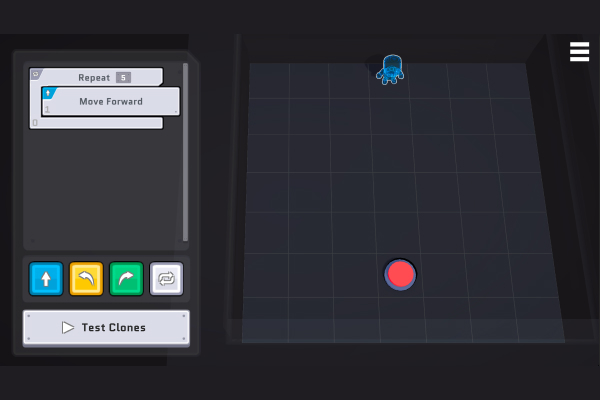
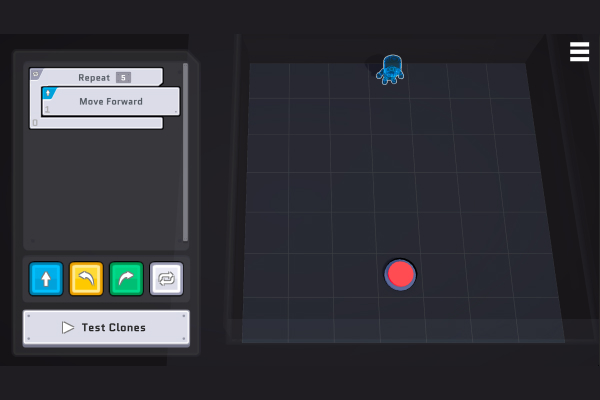
Level 1
-
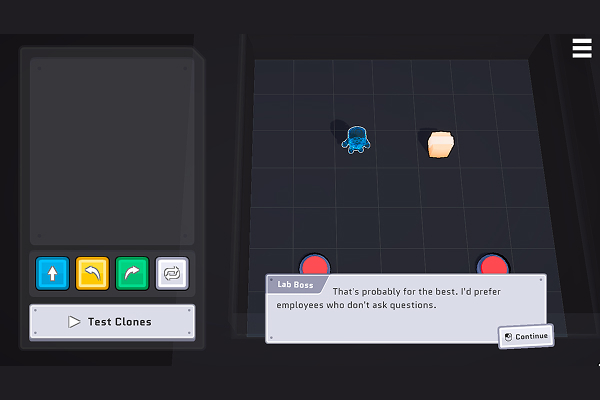
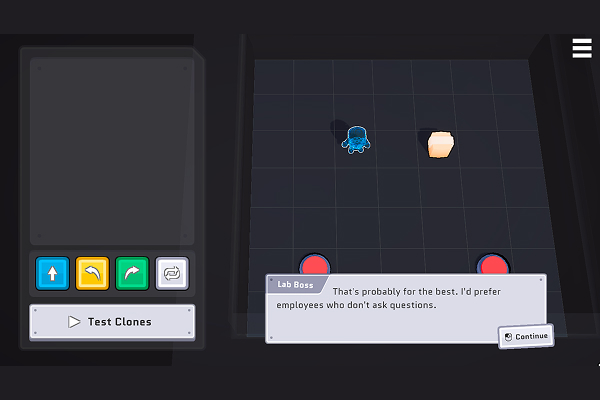
Level 8
-
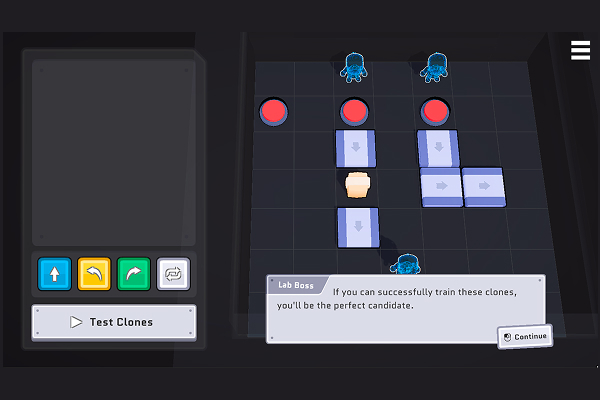
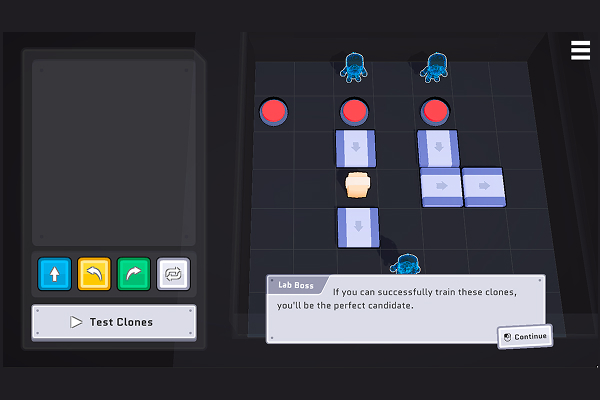
Level 10
-
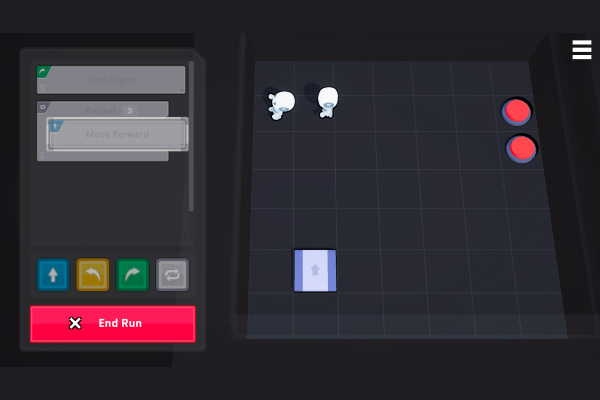
Level 7
-
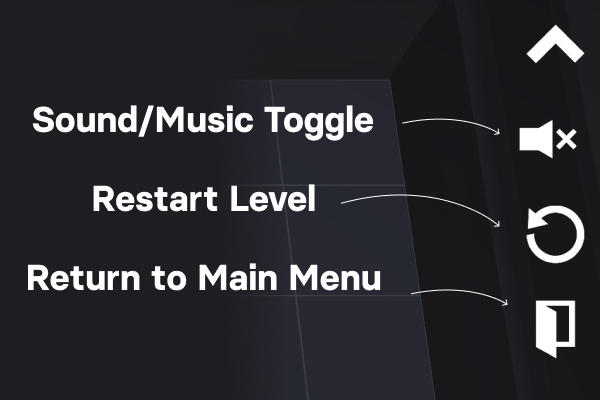
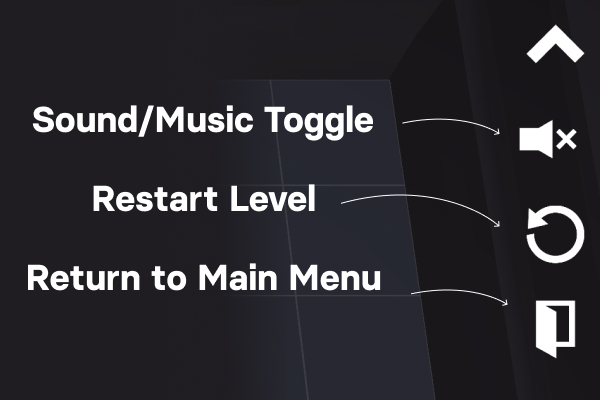
Hamburger Menu
Inspiration
I was inspired by developers who would go out of their way to create unique and interesting game ideas. Seeing other developers mix unconventional and random things with games motivated me to attempt this challenge myself, leading me to developing Clone Protocol. The theme of clones instantly made me think about some sort of lab environment, and after a few hours I settled on the idea.
What it does
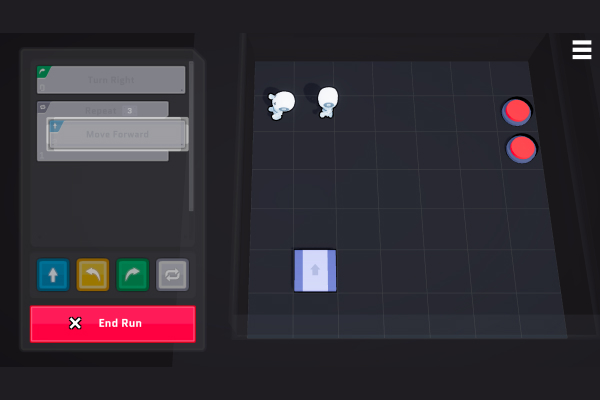
Clone Protocol is a puzzle game at its core. You are fresh out of college looking for a job, and got offered a highly competitive position. However, during your first two weeks there, you quickly realize that something is off. The position did not say anything about clones, and you end up stuck in front of a computer training intelligent digital clones of what you think are real human beings. As you get past each day of work, completing the puzzles, your boss seems more and more suspicious. In the end, there is an unsettling twist that explains everything.
How we built it
The game was coded in C# using Unity and VSCode. Many features in the game were coded in a modular way, which allows for easy integration of new puzzle elements and code blocks. The core mechanic, building programs, was created by traversing an array of commands where each command called clones’ methods when ran. The drag-and-drop system for program creation was created through Unity’s pointer event handlers, and the grid system was created by clamping and linear interpolating positions for secure grid-based movement. 3D, UI, and sound assets were all CC0 assets taken from sites like Kenney.nl and Freesound.org, with some textures and UI elements customly made.
Challenges we ran into
The biggest challenge was making the levels a balanced mix between easy and hard. Level design is a part of game development that usually takes tens to hundreds of hours to perfect, as a game can instantly be ruined if a level is created without user experience in mind. Attempting to introduce features slowly throughout the levels while also trying to ensure a balanced difficulty was a huge obstacle.
Accomplishments that we're proud of
I am proud that I was able to make a game that could motivate people to begin programming. Through mixing basic block-coding with a fun puzzle game, it would be easier and more likely for someone to pick up Clone Protocol and play around with block coding than to dive straight into coding.
What we learned
I learned that even developing a game with only a few mechanics is still extremely difficult. There are countless factors that can lead to a poor user experience. I learned how to slowly introduce new concepts in the puzzles, instead of throwing all of them at the player at once. I also learned a lot more about Unity’s libraries, as due to some difficulties with VSCode intellisense, I had to rely a lot more on documentation than usual.
What's next for Clone Protocol
I would like to touch up the storyline and the levels in the game. With the short time limit of the hackathon, I was able to successfully make a solid modular system that made level creation easily, but that left me with barely any time to think of more engaging and strategic puzzles. The storyline as well currently does not feel as immersive as I'd like it to be. Making a proper introduction and ending for the game is a likely path I will take.

Log in or sign up for Devpost to join the conversation.