-
-
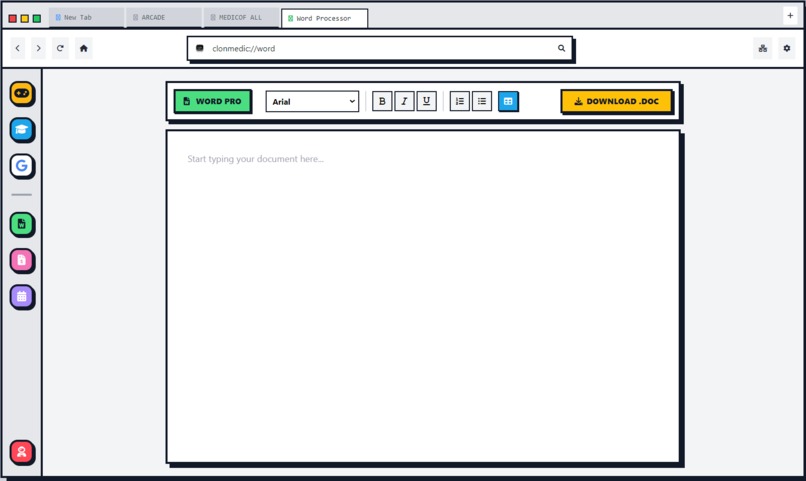
word writer and processor
-
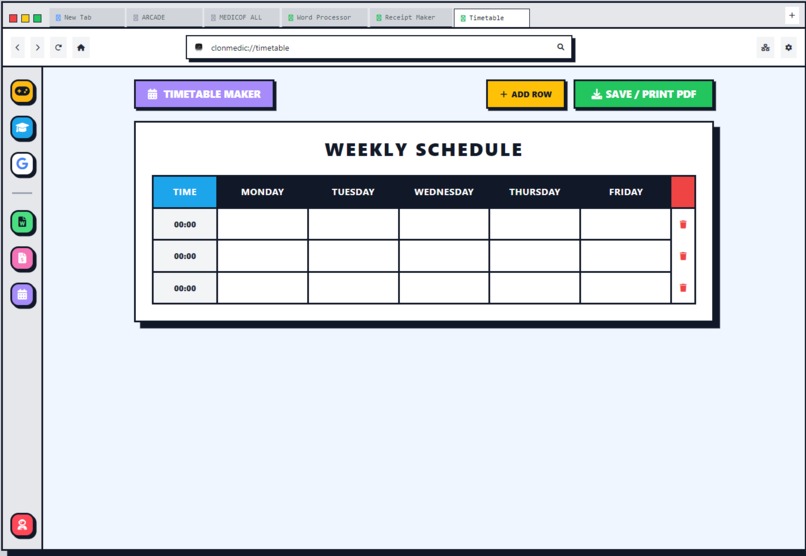
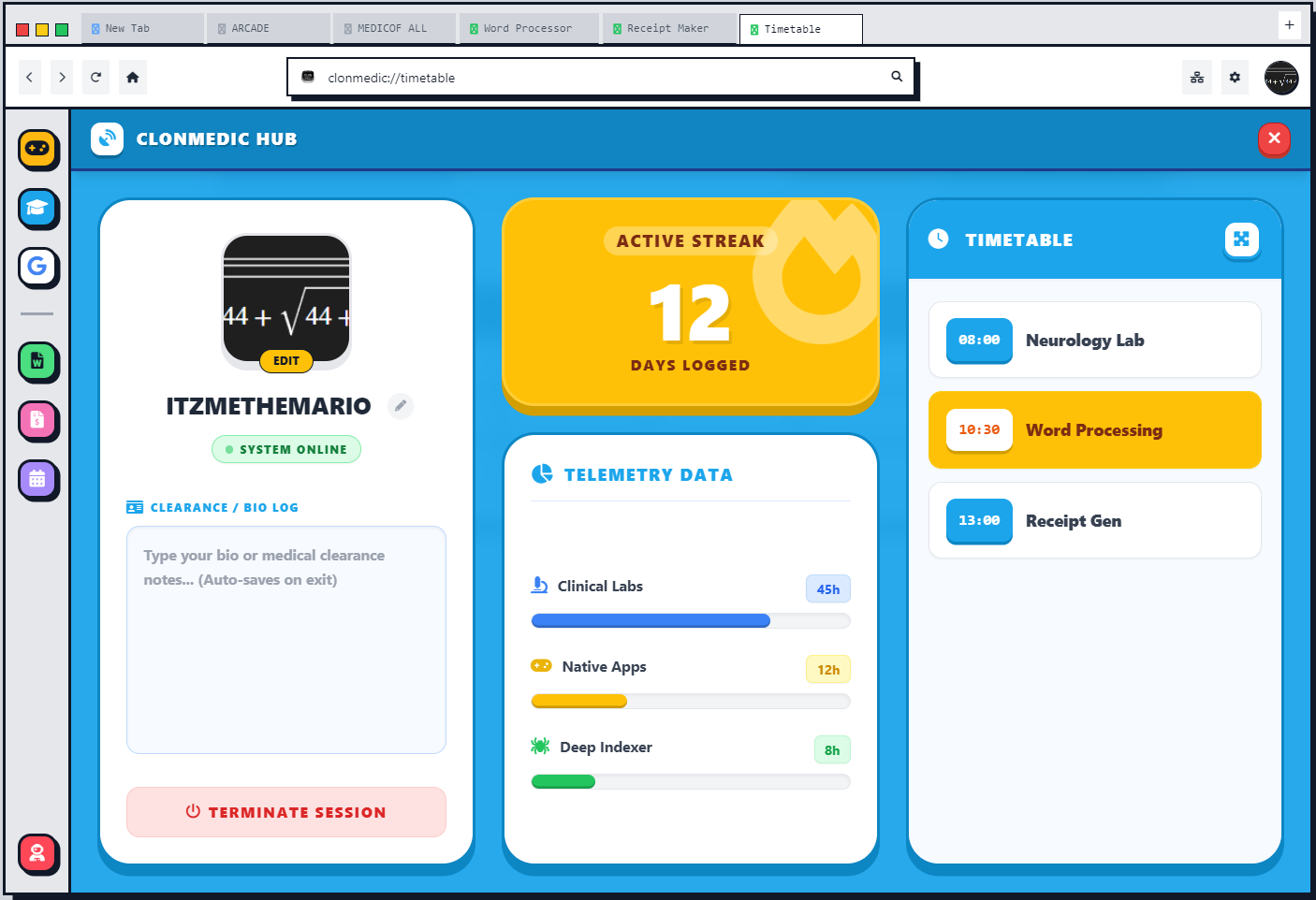
timetable maker
-
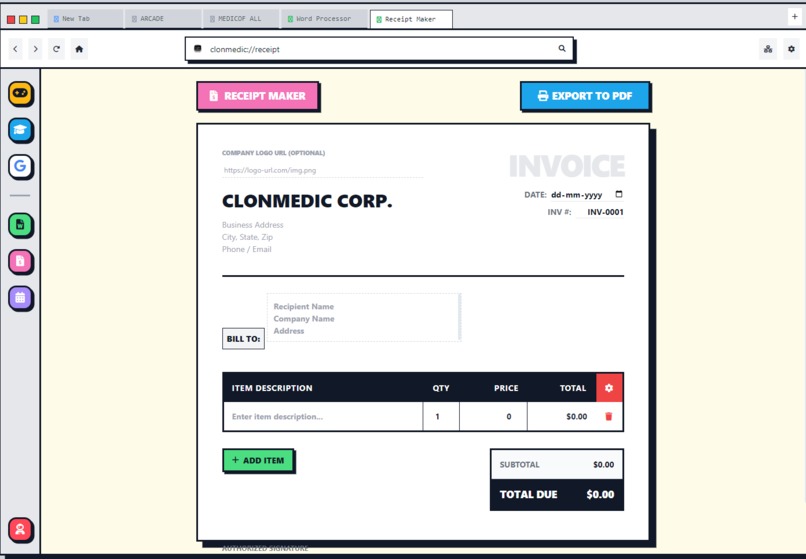
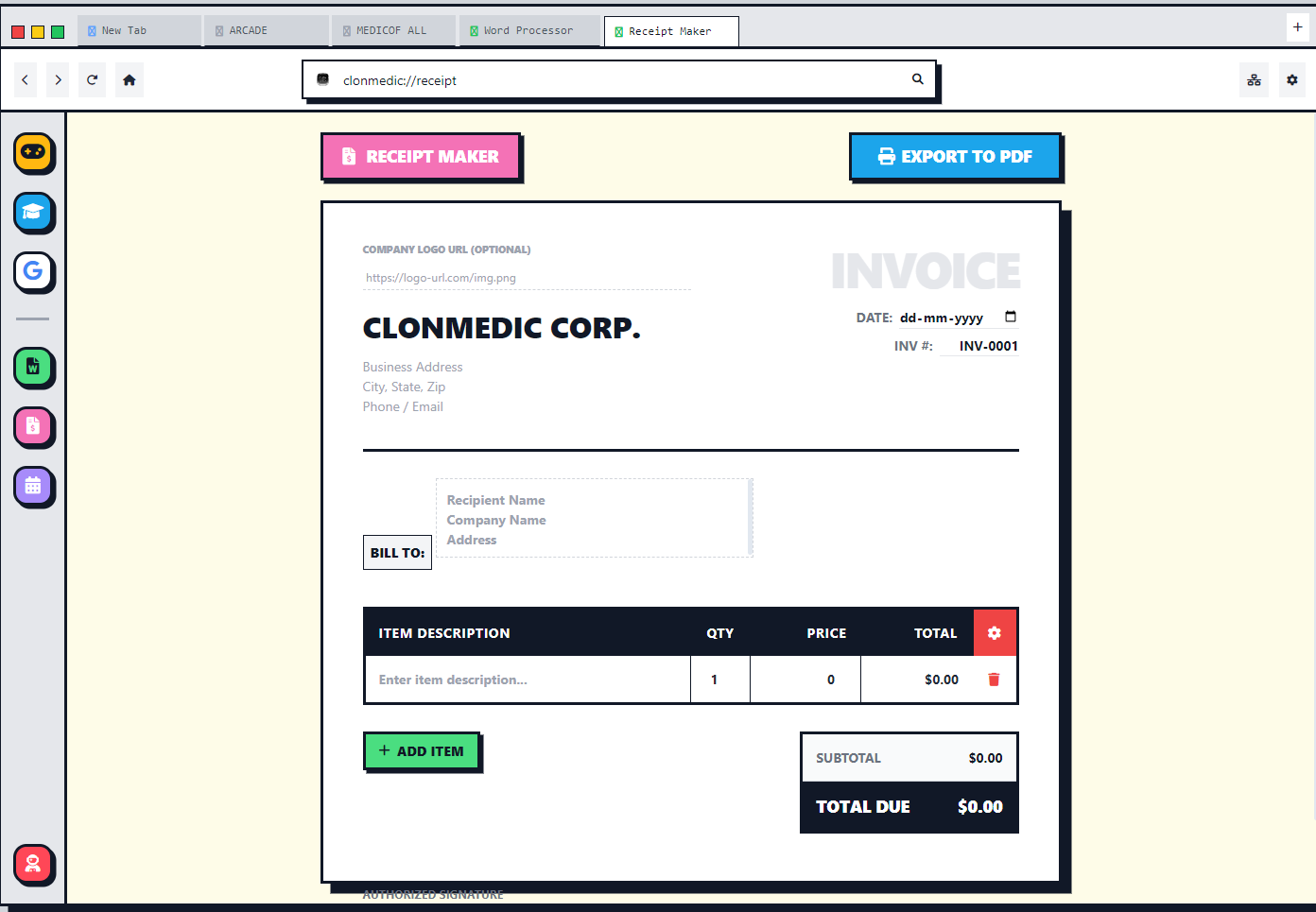
receipt maker
-
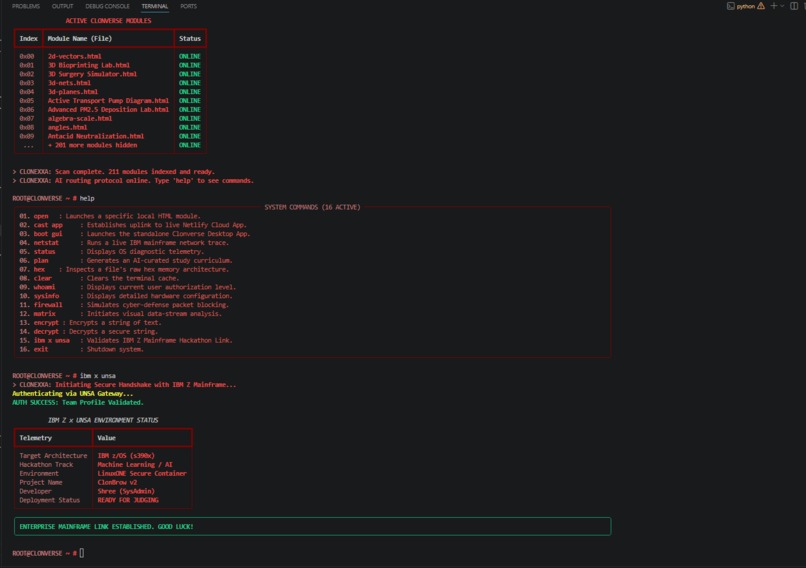
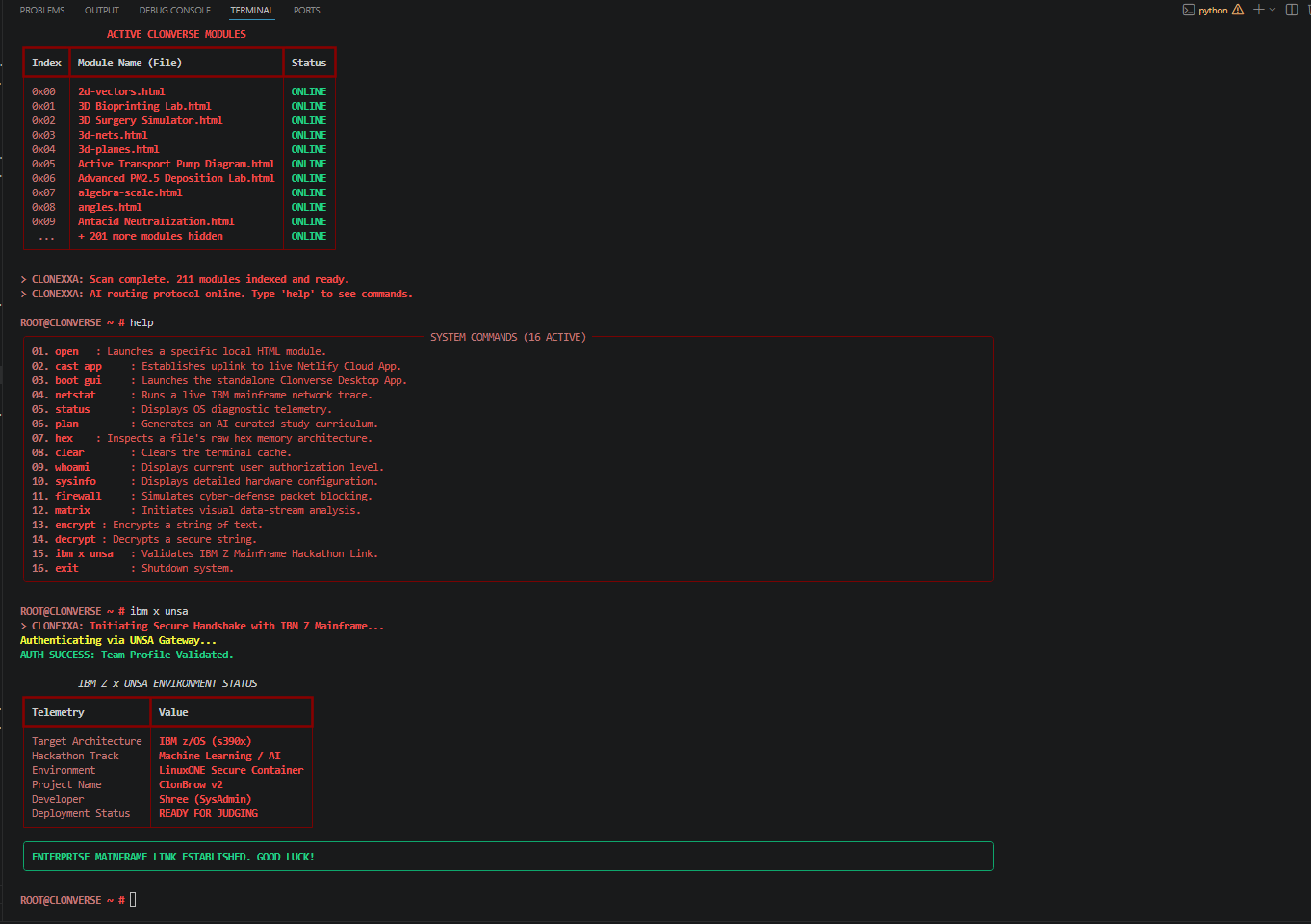
commands of Clonverse terminal
-
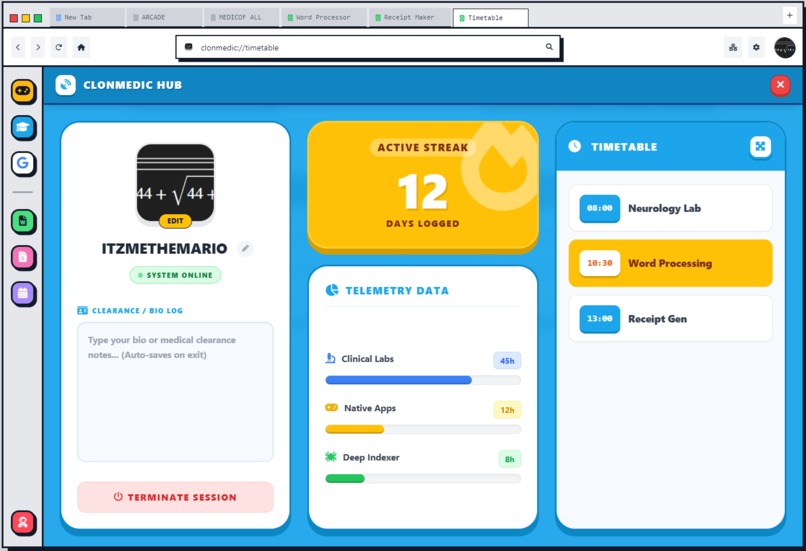
main browser user dashboard
-
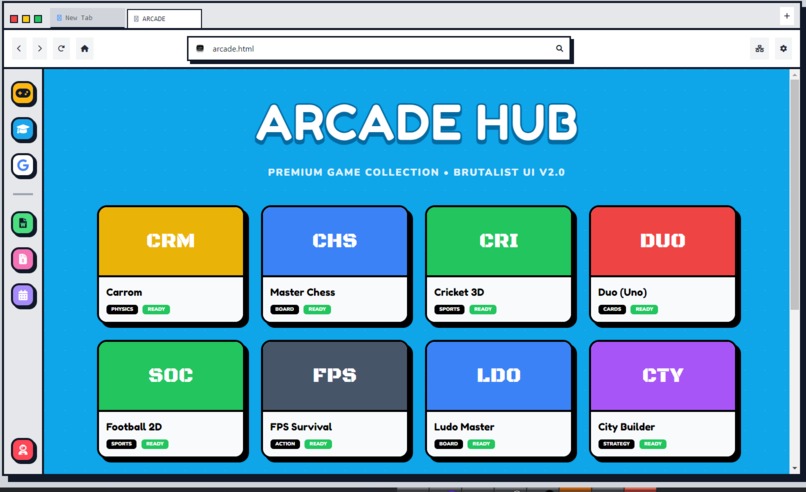
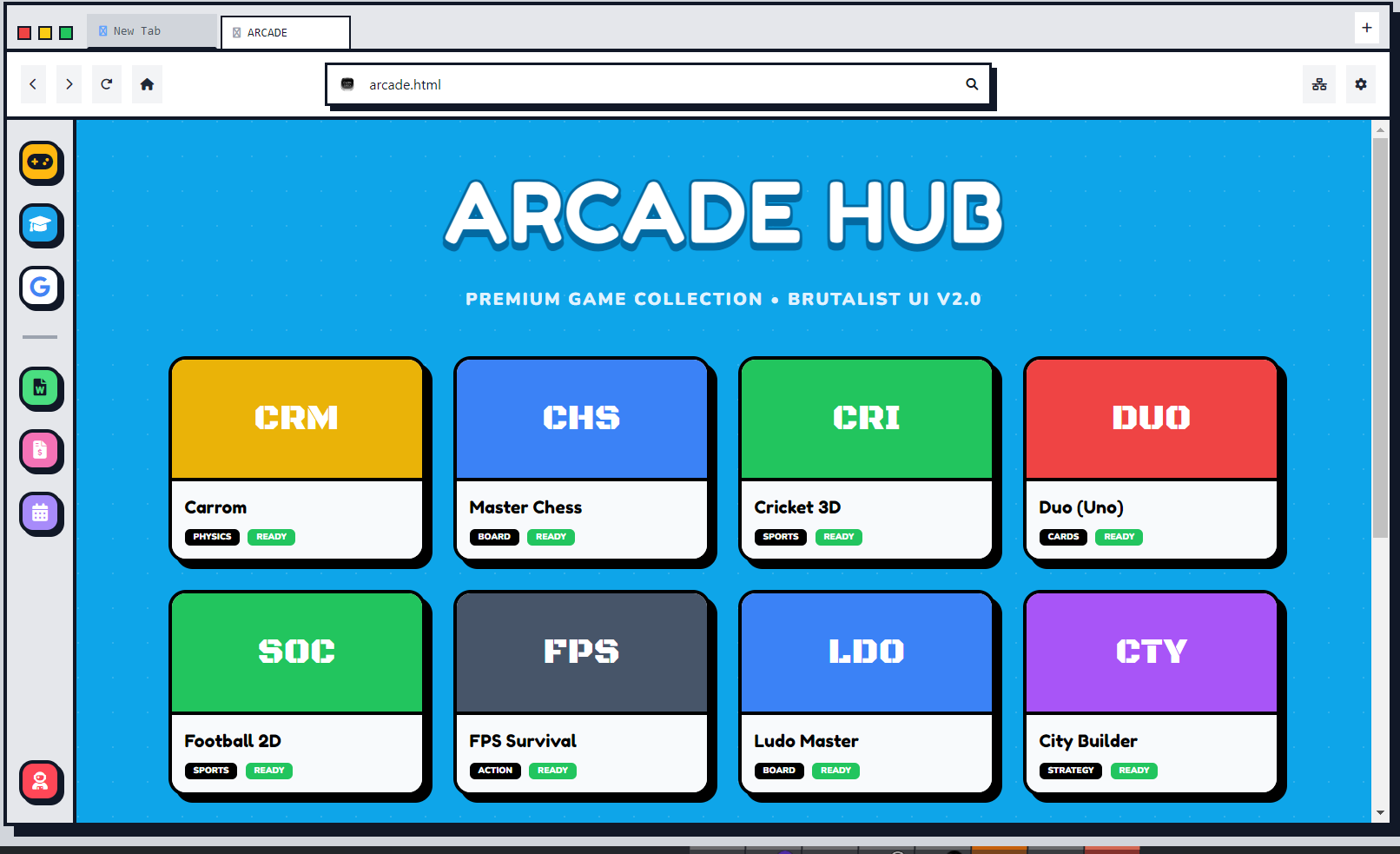
arcade game zone
-
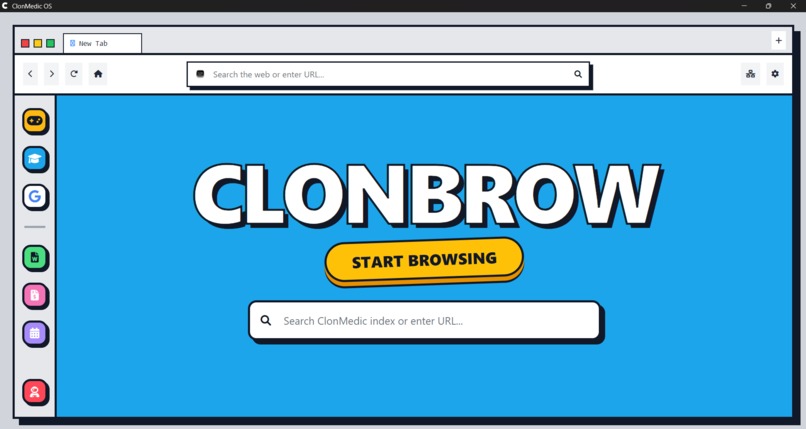
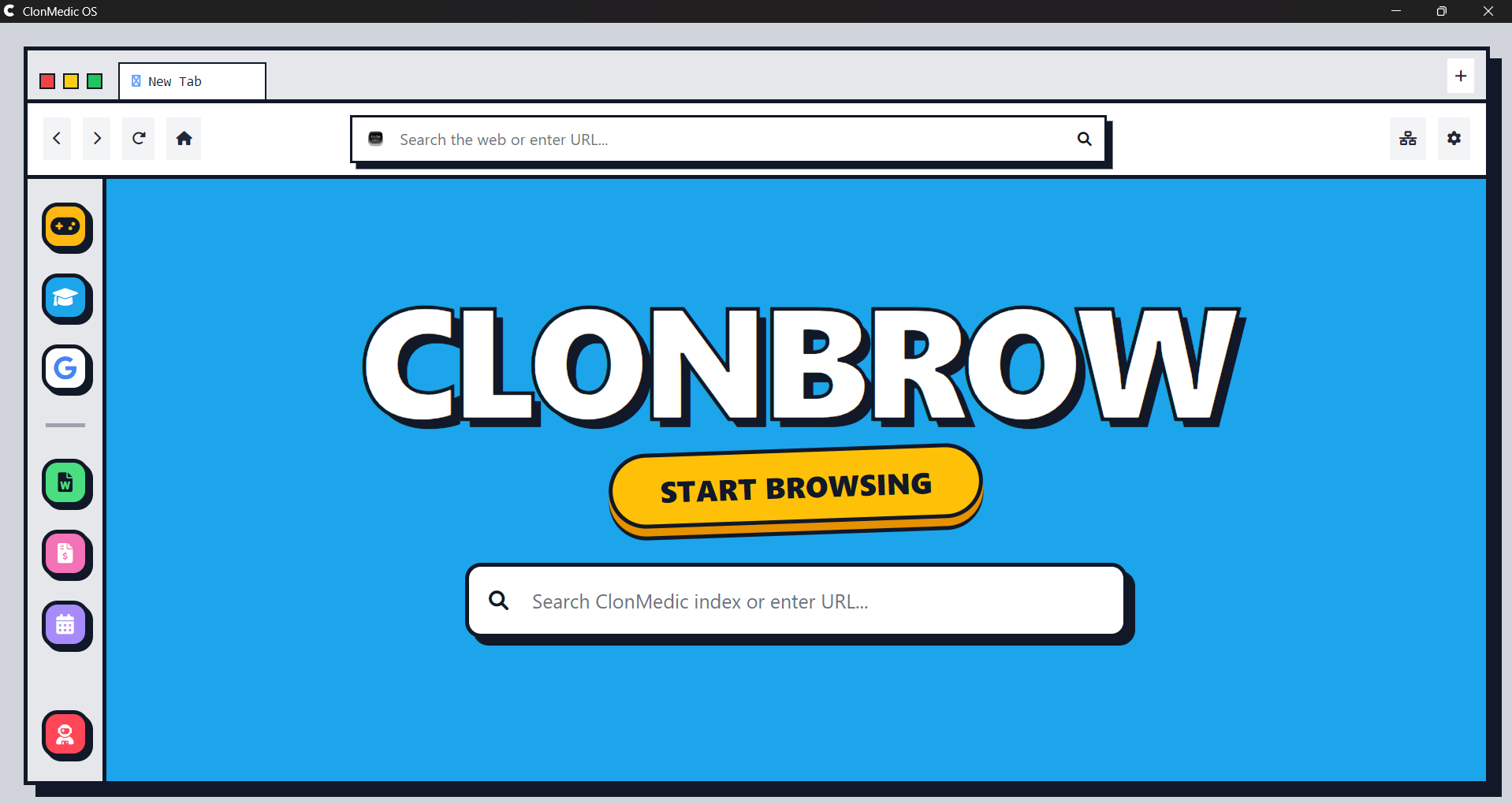
Main page browser
-
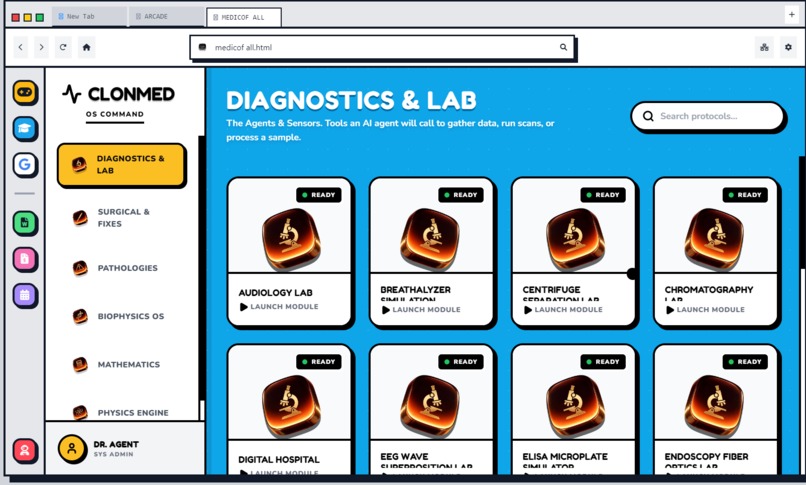
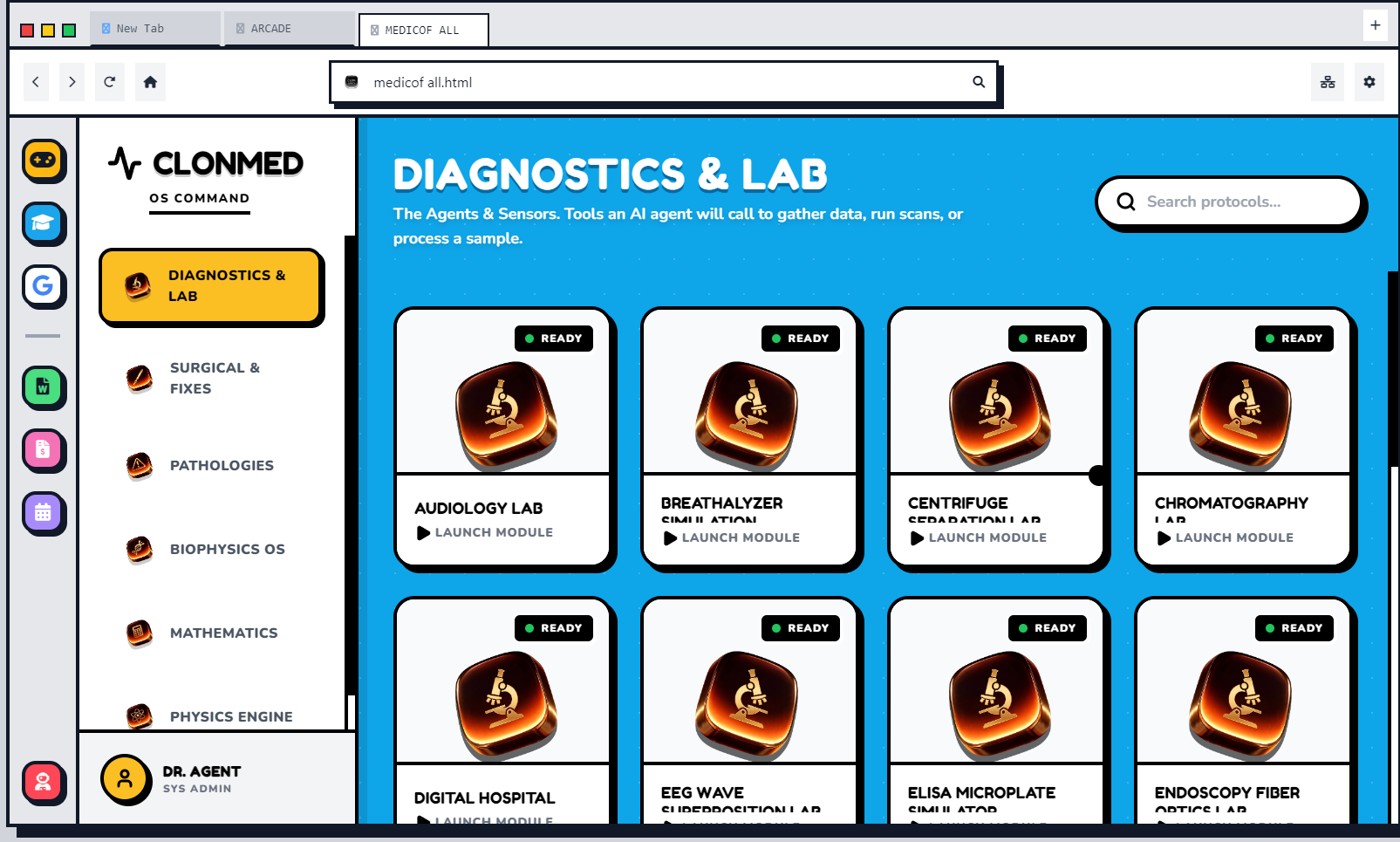
interactive lab simulations
-
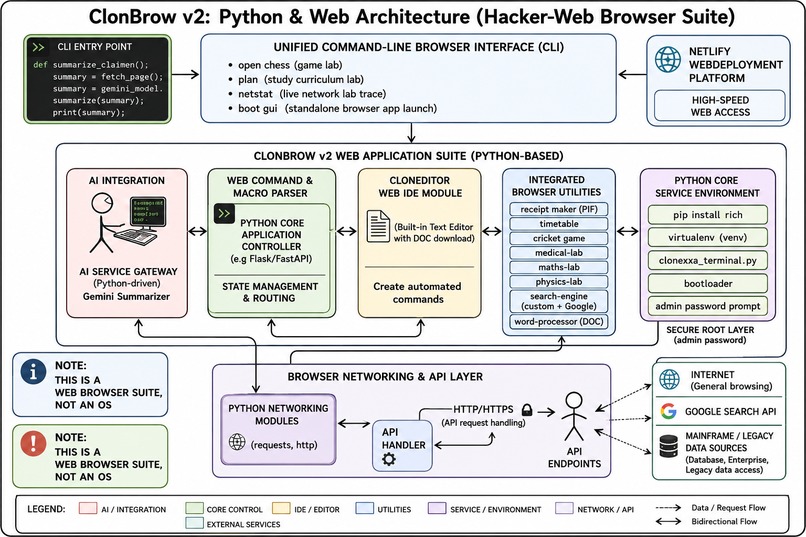
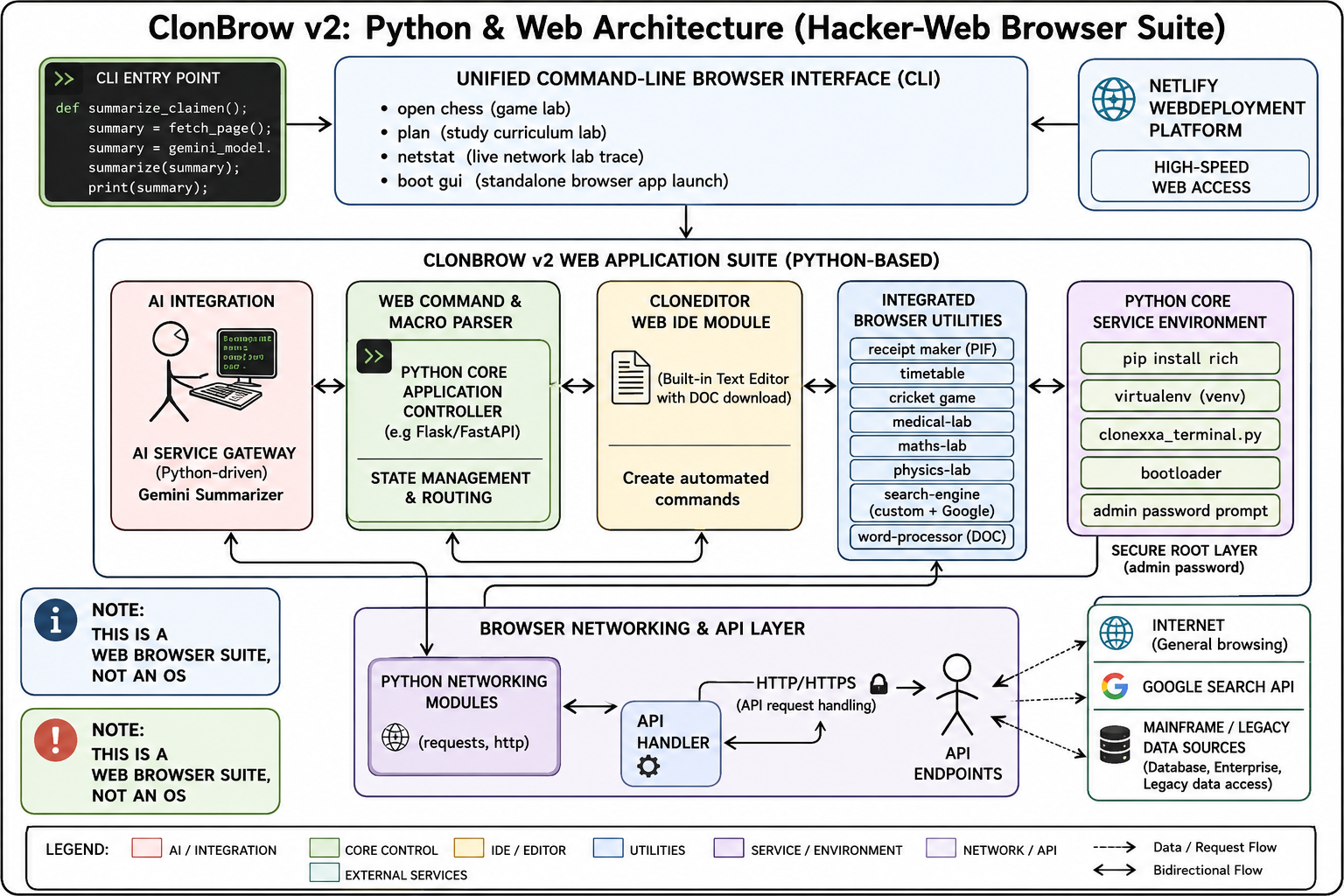
Architecture Diagram
-
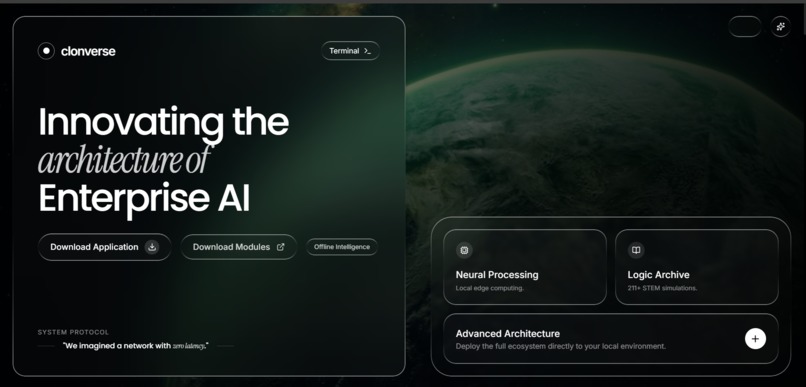
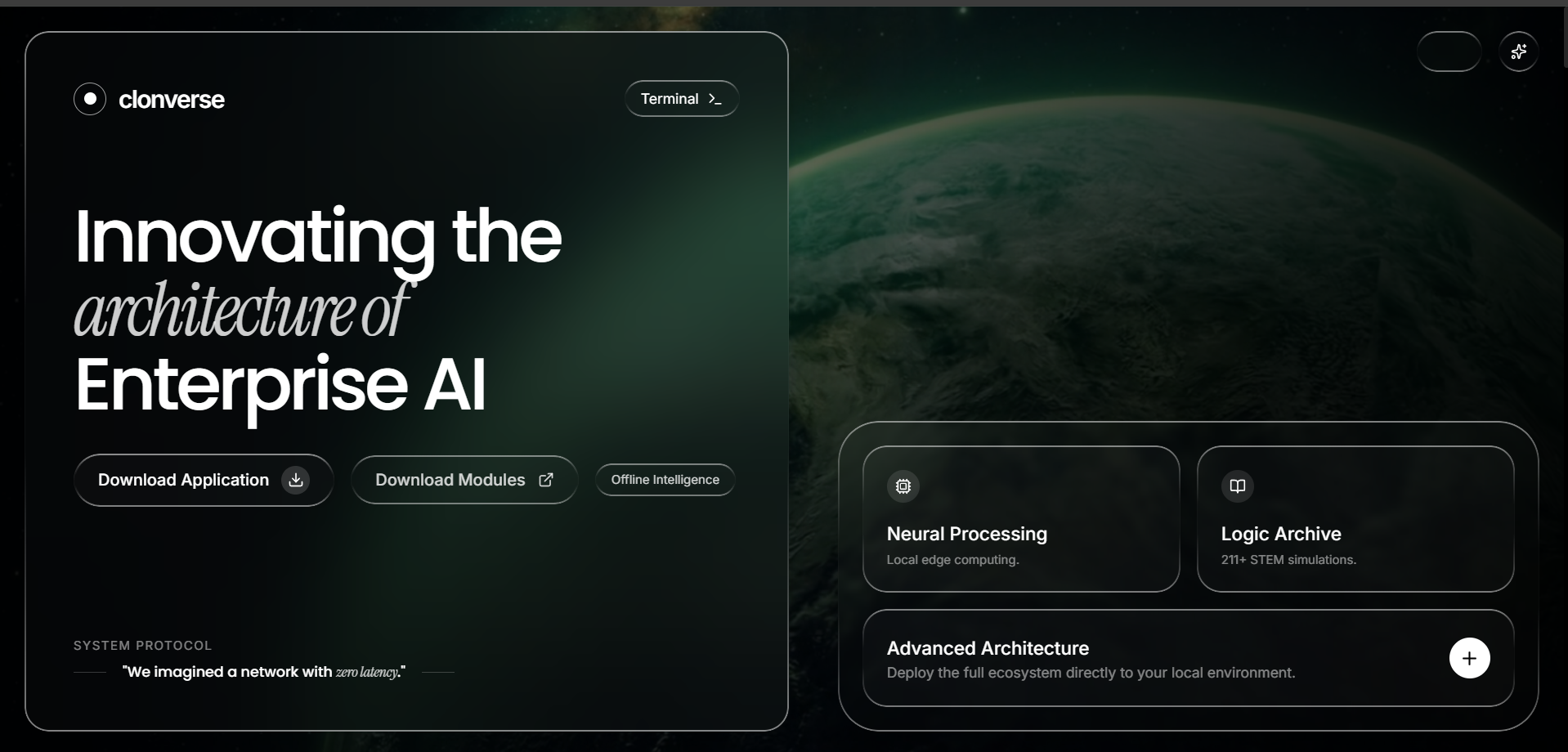
Landing page
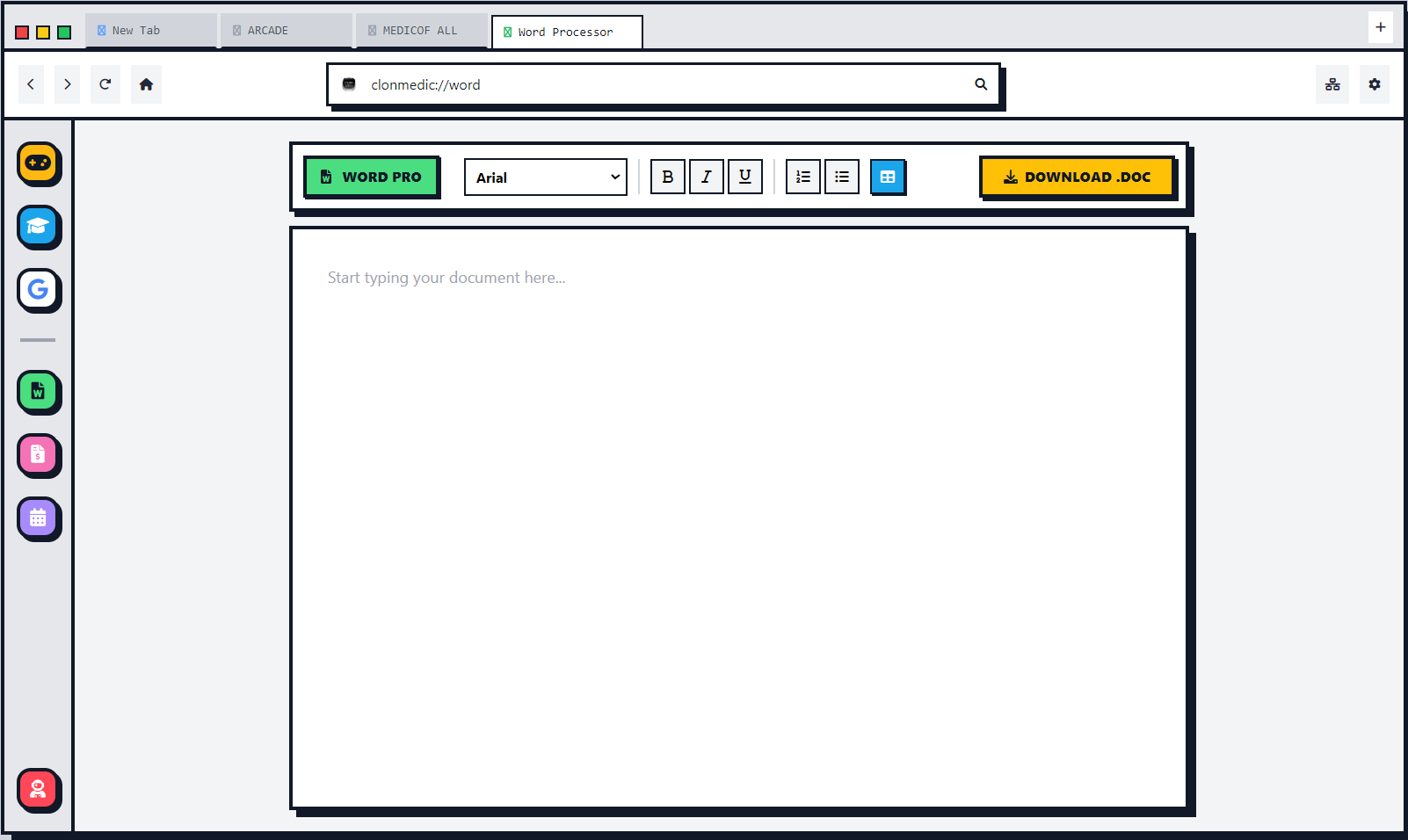
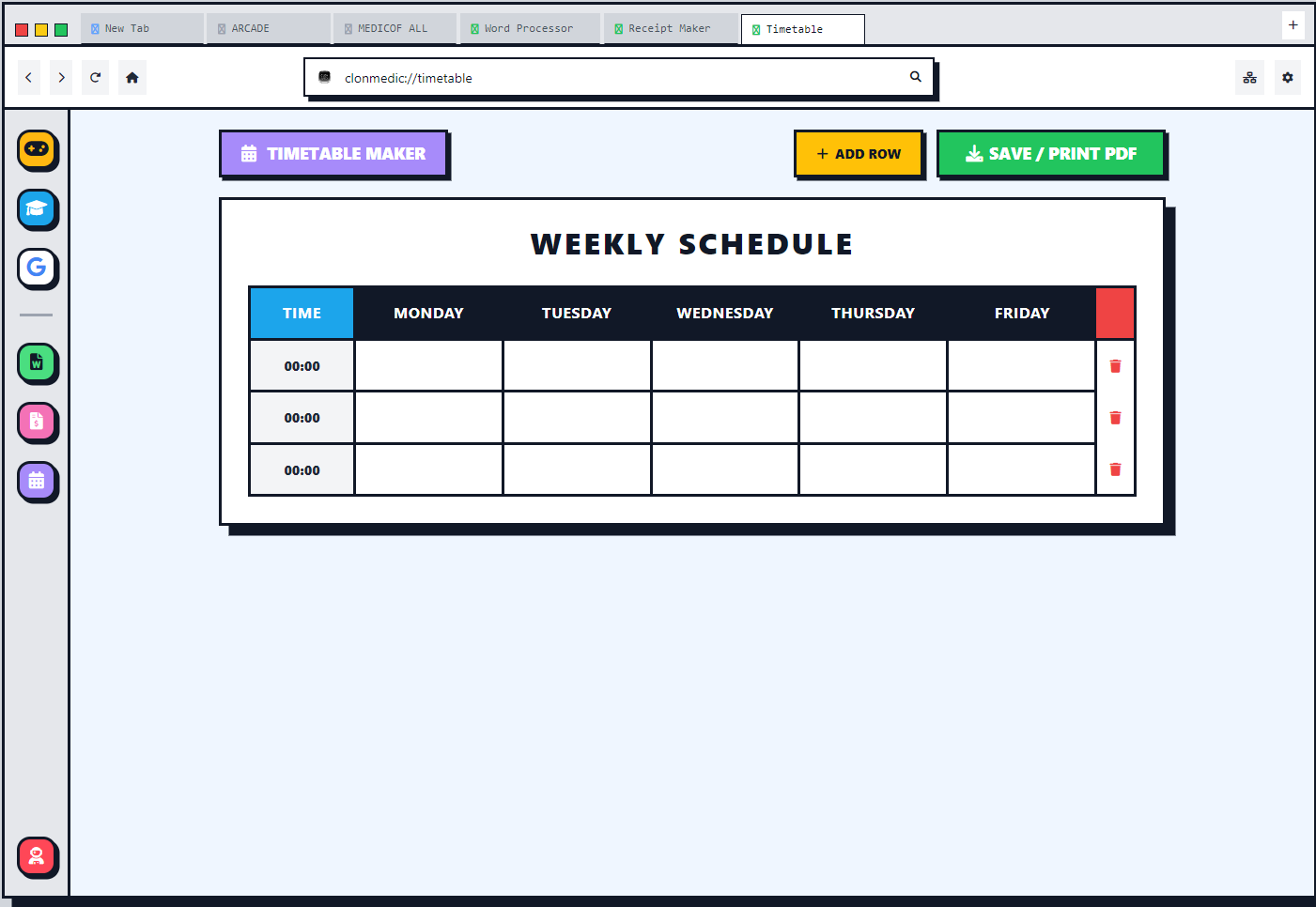
ClonBrow v2: The Polymath Ecosystem
A Note from the Founder
"I built Clonverse because I believe a student's potential shouldn't be bottlenecked by a Wi-Fi connection or the cost of college tuition. As a 13-year-old student, I realized that true digital equity isn't just about building web apps; it's about building infrastructure that survives when the web goes down. Whether it is a rural school needing a physics simulator, a student wanting to learn blood cancer surgery without a multi-million dollar lab, or a remote clinic needing offline medical references, I wanted to build a Polymath system that hands elite-level tools directly to the people who need them most. The cloud is a luxury; local, bare-metal execution is a right."
Inspiration: The "Silent Infrastructure" Crisis
Modern enterprise and educational systems are dangerously dependent on continuous cloud connectivity. For students in rural areas or low-connectivity regions, this dependence is a barrier to entry. When the internet drops, learning stops. Furthermore, elite medical and STEM labs are financially inaccessible to millions. ClonBrow v2 (Project Clonverse) was born from a rebellion against this digital divide. Developed by a 13-year-old system architect, this project seeks to prove that high-fidelity, professional-grade infrastructure doesn't require a data center—it just requires a local kernel and a vision for educational equity.
The Social Mission: Democratizing Elite Education
The primary goal of ClonBrow v2 is to solve the Resource Gap. In rural India and beyond, students often lack the funds for expensive textbooks, let alone high-tech medical or physics labs. This system provides:
- The "Home Lab" Revolution: Students can perform complex simulations—from blood cancer surgery to trauma care—entirely offline on basic hardware.
- Zero-Cost Simulation: By replacing expensive physical equipment with 181+ interactive labs, it removes the financial barrier to STEM and medical education.
- Decentralized Power: It brings the "University Experience" to the most remote village, ensuring that geography no longer dictates a student's potential.
What it does: The Bare-Metal Command Center
ClonBrow v2 is a highly secure, terminal-driven Polymath Ecosystem designed for offline execution. It unifies a massive library of internal tools into a single, cohesive command center.
- Diverse Module Library: Over 211+ pre-compiled modules including a custom search engine, timetable maker, receipt generator, and a professional word processor.
- Advanced STEM & Medical Suite: 181+ high-fidelity labs covering advanced mathematics (Calculus, Limits), physics, and clinical medical simulations.
- High-Speed Accessibility: Users input natural language commands into a "Red Hacker" terminal, and the system instantly deploys the corresponding "Liquid Glass" UI module via local memory.
How we built it: Dual-Layer Engineering
To achieve professional-grade stability at age 13, the project utilizes a Dual-Layer Architecture that separates computational logic from visual rendering:
- The Kernel Layer (Backend): Built with Python 3.10+ and the Rich library. This handles local file decryption, intent-based AI parsing, and root authentication.
- The Execution Layer (Frontend): A localized library consisting of HTML5 (93.5% of the codebase), Vanilla JavaScript (ES6+), and Tailwind CSS.
- The IPC Bridge: Data is routed between the terminal and the GUI using Python Subprocess Inter-Process Communication (IPC), allowing for high-performance execution without a local web server.
- Native Compilation: The entire stack is wrapped using Electron and Nativefier, compiled into a single, standalone native
.exe(approx. 35.53 MB).
Accomplishments & Technical Milestones
- Architecture Decoupling: Successfully decoupled the UI from the backend kernel, allowing complex graphical applications to run smoothly on legacy internal hardware.
- Scale of Integration: Manually curated and routed 211+ distinct offline modules, ranging from educational labs to enterprise network simulations.
- Enterprise Simulation: Engineered the Enterprise Verification module (
> ibm x unsa), which simulates secure mainframe handshakes and data routing protocols entirely offline. - GitHub Optimization: Overcame a "Boss Fight" with GitHub's 100MB limit by rewriting Git history and implementing advanced
.gitignoreparameters to push a clean, optimized architecture.
Economic & Educational Impact
| Impact Category | Value Generated |
|---|---|
| Time Savings | Zero Latency. Modules load instantly from local RAM, bypassing API wait times. |
| Cost Reduction | Massive. Eliminates cloud subscription fees and high-bandwidth data costs for rural schools. |
| Accessibility | Total. Enables medical and STEM training in air-gapped or remote environments. |
| Skill Development | Professional. Provides 13-year-olds and adult learners alike with a "sandbox" for real-world engineering. |
What's Next for ClonBrow v2
- Local LLM Integration: Upgrading the parser to run a lightweight, local Large Language Model (e.g., Llama 3 8B) for pure-offline conversational routing.
- P2P Mesh Networking: Developing a protocol so multiple Clonverse terminals can share data via LAN without the internet.
- Surgical Expansion: Adding more specialized medical modules to the 181+ lab library to cover a wider range of surgical simulations.


Log in or sign up for Devpost to join the conversation.