-
-
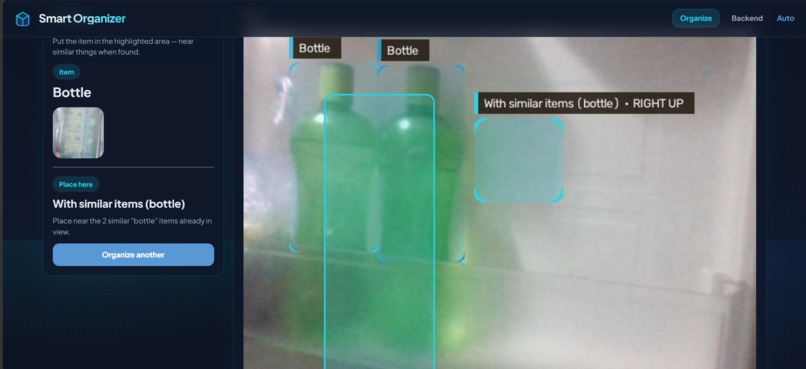
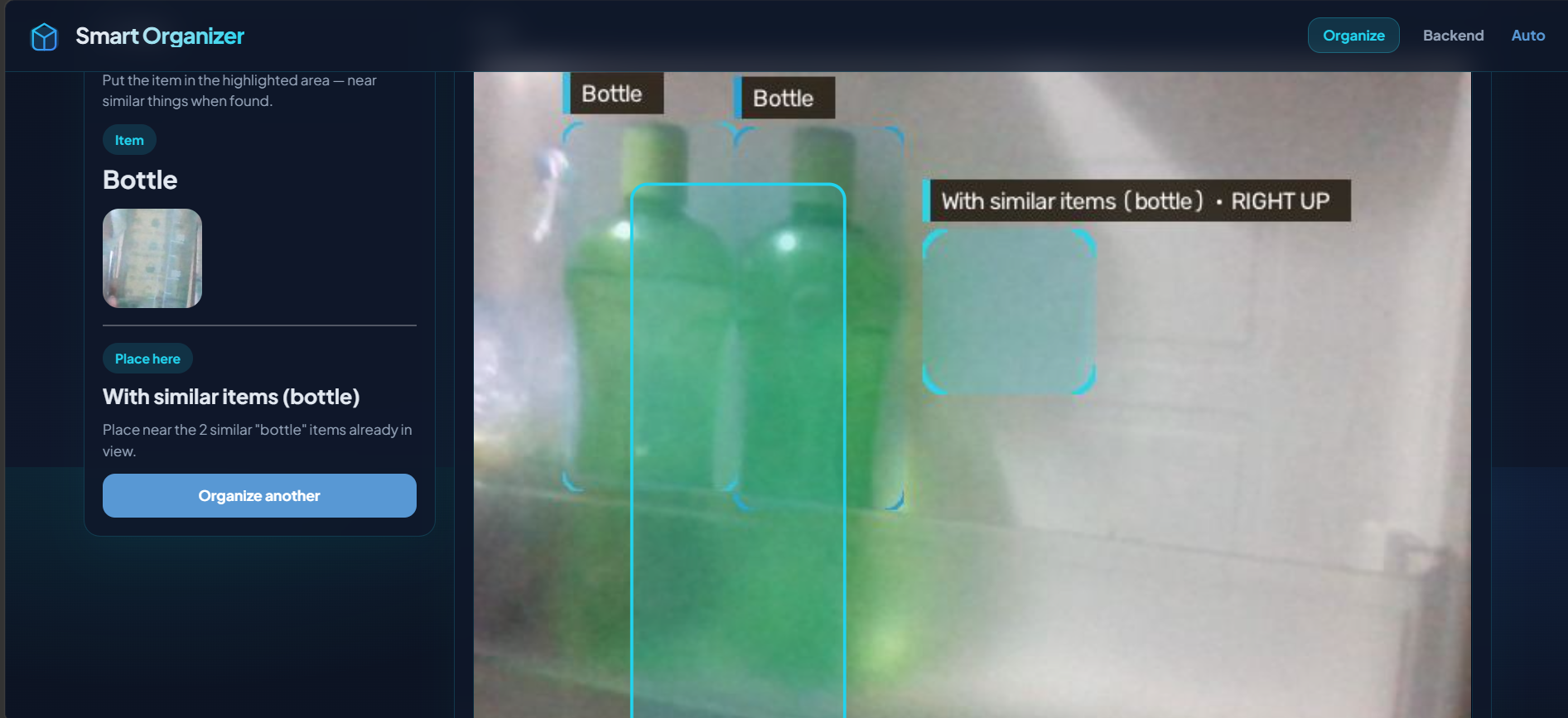
Detection of where the object is to be kept
-
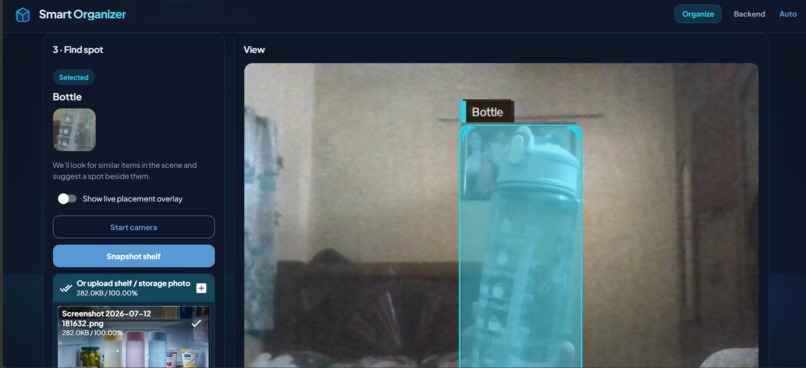
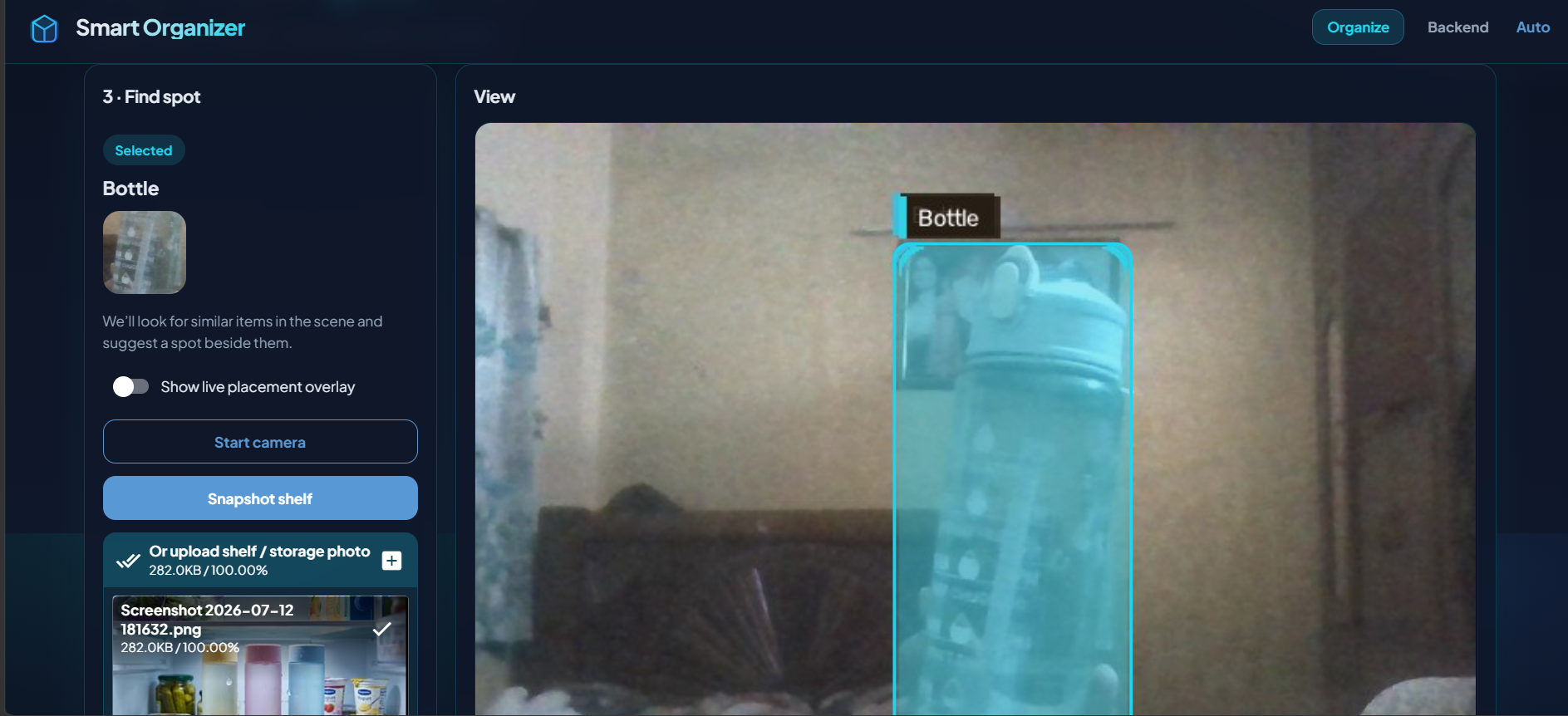
Object Detection
Inspiration
The idea for Clobot came from a simple everyday experience. While cleaning my room, I realised I had spent nearly an hour picking up objects and deciding where each one belonged. It made me wonder how much time people spend every day on repetitive organising tasks. We asked ourselves: What if a robotic assistant could instantly recognise an object and keep it exactly where it should be kept? That simple question became the inspiration behind Clobot.
What it does
Clobot is an AI-powered home organisation assistant that detects everyday household objects using computer vision and recommends where they should be stored. Users can upload an image, and the system identifies the object before suggesting its appropriate location, such as a certain place in a bookshelf, kitchen cabinet, or drawer. This prototype demonstrates how AI can simplify home organisation and serve as the foundation for a future autonomous housekeeping robot.
How we built it
We built Clobot using Python as the primary programming language. Object detection is powered by a pre-trained YOLO model, while OpenCV is used for image processing. Streamlit provides a simple and interactive web interface where users can upload images and receive recommendations. A rule-based mapping system links detected objects to their ideal storage locations, keeping the application modular and easy to expand.
Challenges we ran into
One of our biggest challenges was learning and integrating multiple technologies within a limited hackathon timeframe. Setting up the object detection model, connecting it with the user interface, and ensuring smooth communication between different modules required significant debugging. We also had to balance our ambitions with the available time to create a working prototype.
Accomplishments that we're proud of
- Built a working AI-powered object detection prototype.
- Successfully integrated computer vision with an interactive web interface.
- Designed a modular architecture that can easily support more objects and storage locations.
- Created a practical solution inspired by a real-world everyday problem.
What we learned
This project gave us hands-on experience with computer vision, Python development, OpenCV, Git, GitHub, and collaborative software development. More importantly, we learned how to rapidly prototype an AI solution and transform a simple idea into a functional application within a hackathon.
What's next for Clobot
This prototype is only the beginning. Future versions will support live webcam detection, voice commands, personalised storage preferences, and integration with robotic hardware capable of physically organising household items and mapping out your house layout. Our long-term vision is to develop Clobot into an intelligent home assistant that not only recognises misplaced objects but also actively helps users maintain an organised living space.
Built With
- code
- cv
- python
- vs
- yolo

Log in or sign up for Devpost to join the conversation.