-
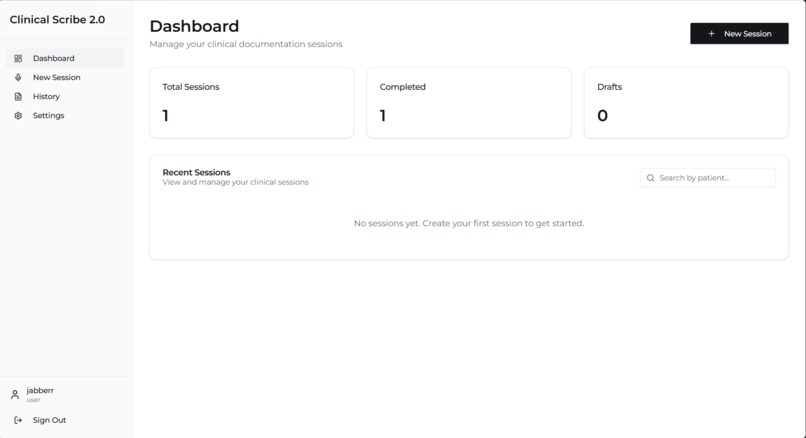
Home Screen
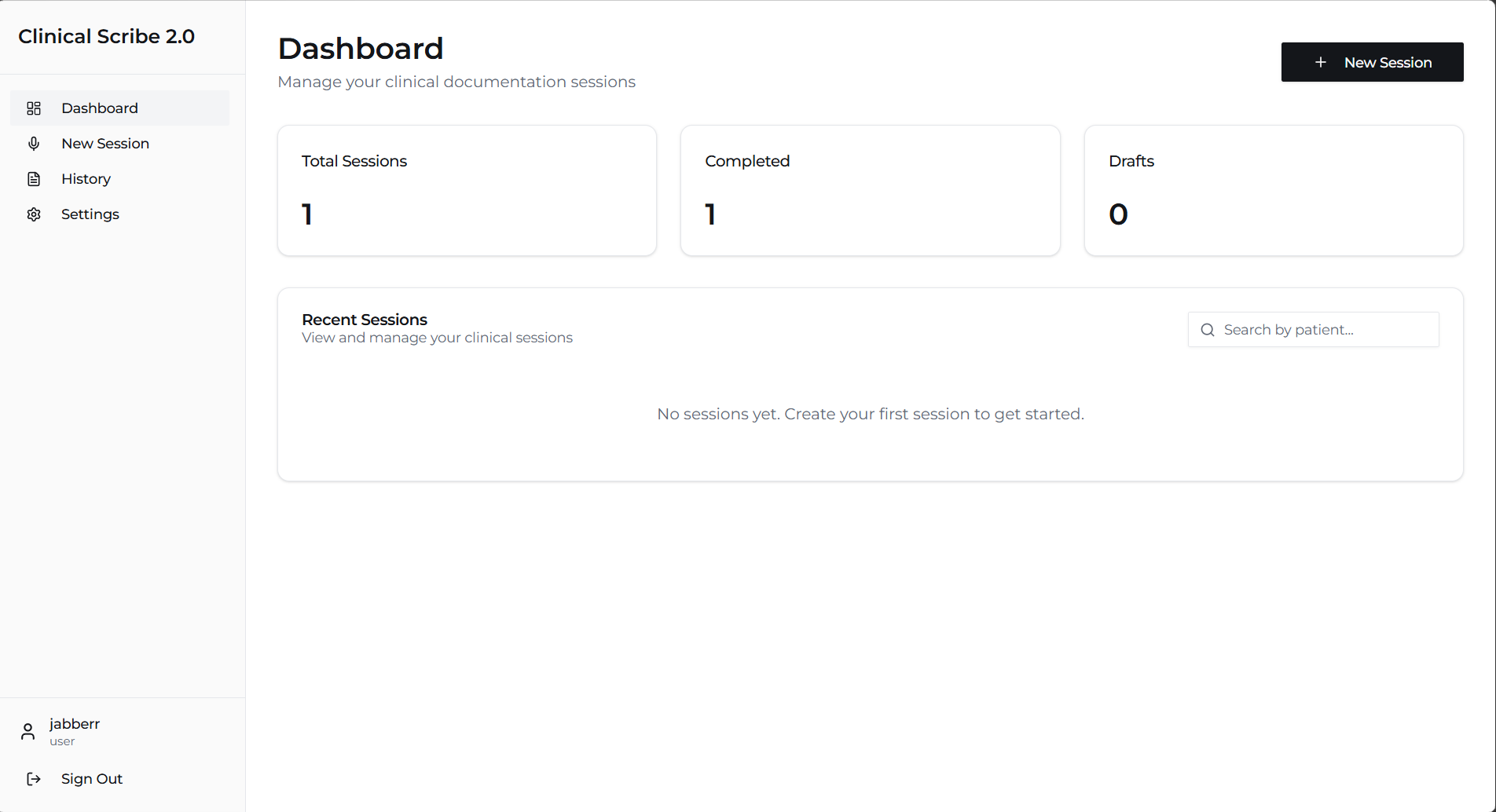
Inspiration Medical burnout is at an all-time high. We saw doctors spending more time staring at screens than at the patients they swore to heal. We wanted to build a "hidden assistant" that makes the computer disappear from the exam room.
What it does Clinical Scribe 2.0 uses ambient voice intelligence to listen to doctor-patient consultations. It filters out small talk, captures clinical data, and automatically populates a structured SOAP note (Subjective, Objective, Assessment, Plan) directly into an EHR-ready format.
How we built it We utilized a multi-speaker diarization model to separate voices and a specialized Medical-LLM for transcription accuracy. The backend is built with Python and utilizes FHIR-standard APIs to ensure the data is immediately interoperable with modern hospital systems.
Challenges we ran into The biggest hurdle was "medical noise"—distinguishing between a patient’s casual mention of a symptom and a doctor’s formal diagnosis. We also had to solve for low-latency processing to ensure the note is ready the moment the doctor leaves the room.
Accomplishments that we're proud of We successfully achieved a "zero-touch" workflow. A doctor can walk into a room, press one button, and walk out with a 95% accurate medical note without ever touching a keyboard during the visit.
What we learned We learned that healthcare tech isn't just about the best algorithm; it’s about trust and workflow. If a tool adds even one extra step to a doctor's day, they won't use it. Seamlessness is the ultimate feature.
What's next for Clinical Scribe 2.0 We are looking to implement real-time "Red Flag" detection—an AI layer that subtly alerts physicians if the conversation suggests a high-risk diagnosis (like sepsis or stroke) that hasn't been addressed yet.

Log in or sign up for Devpost to join the conversation.