Inspiration
Manufacturing plants rely heavily on experienced technicians whose knowledge is built over decades of hands-on work. They know which valve usually fails first, which vibration indicates a hidden problem, or the fastest way to diagnose a recurring fault. Unfortunately, much of this expertise is never formally documented.
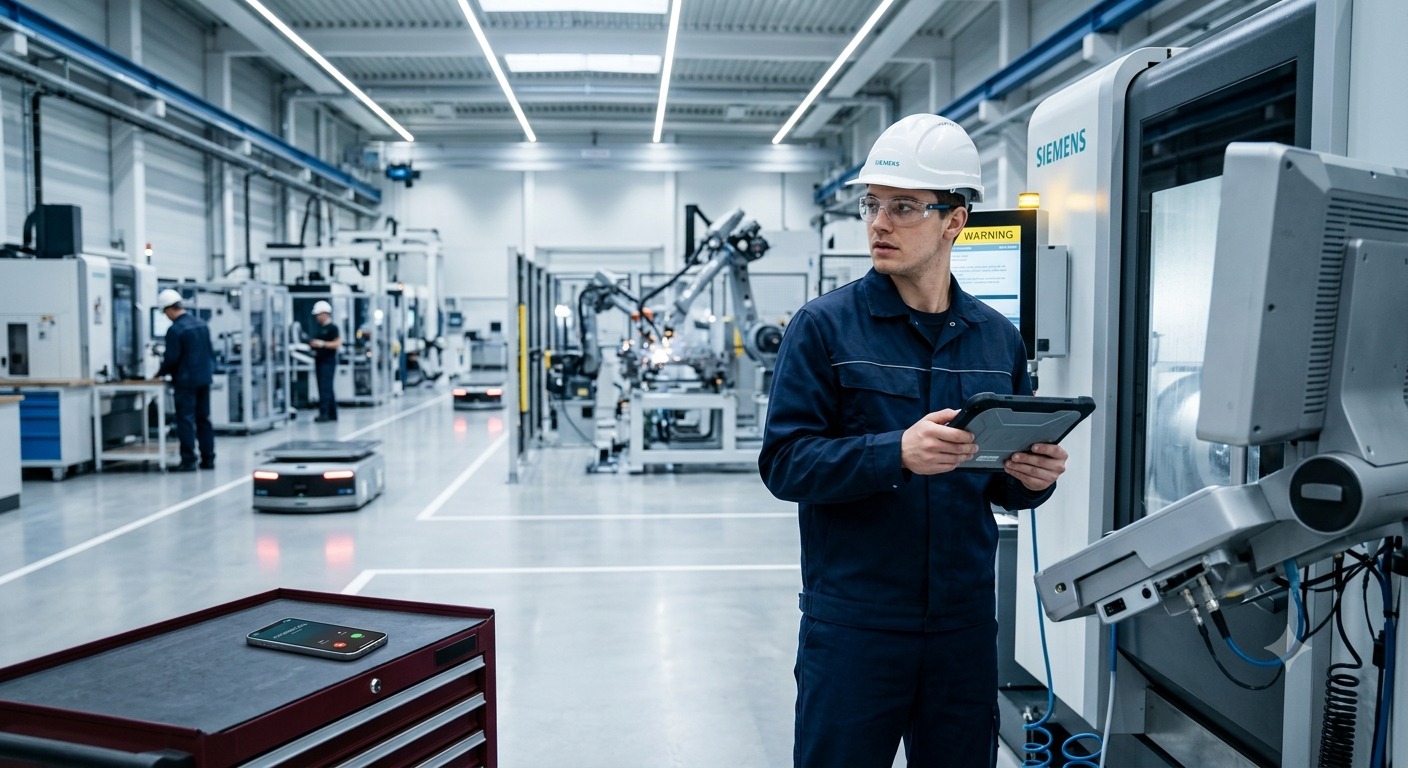
When these experts retire, change sites, or are unavailable, junior technicians are left searching through manuals, making phone calls, or relying on trial and error. The result is longer downtime, repeated mistakes, and the gradual loss of valuable institutional knowledge.
We wanted to answer a simple question:
What if the factory itself could remember everything its technicians had learned?
That idea became Living Memory of Spaces.
What it does
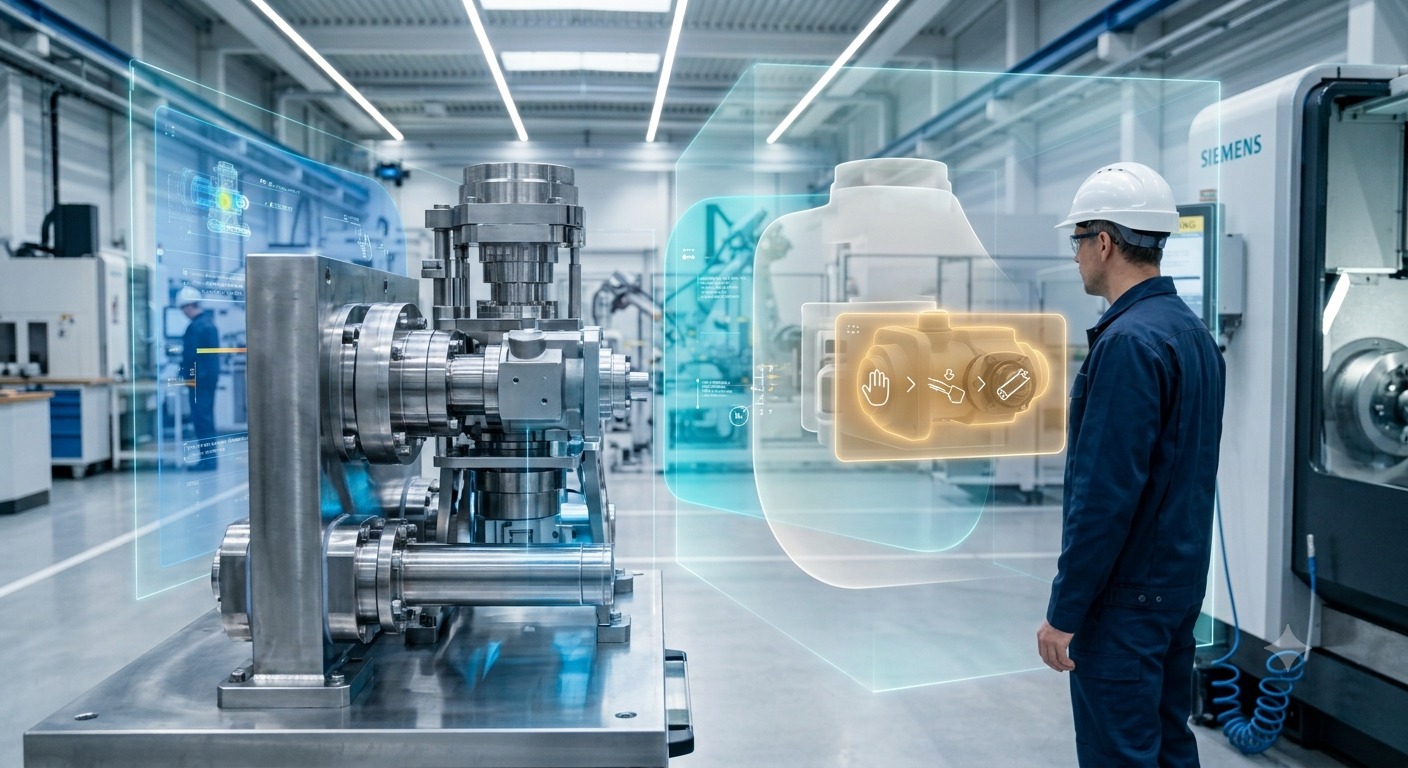
Living Memory of Spaces turns industrial equipment into a persistent, shared spatial knowledge layer using SGA-AR.
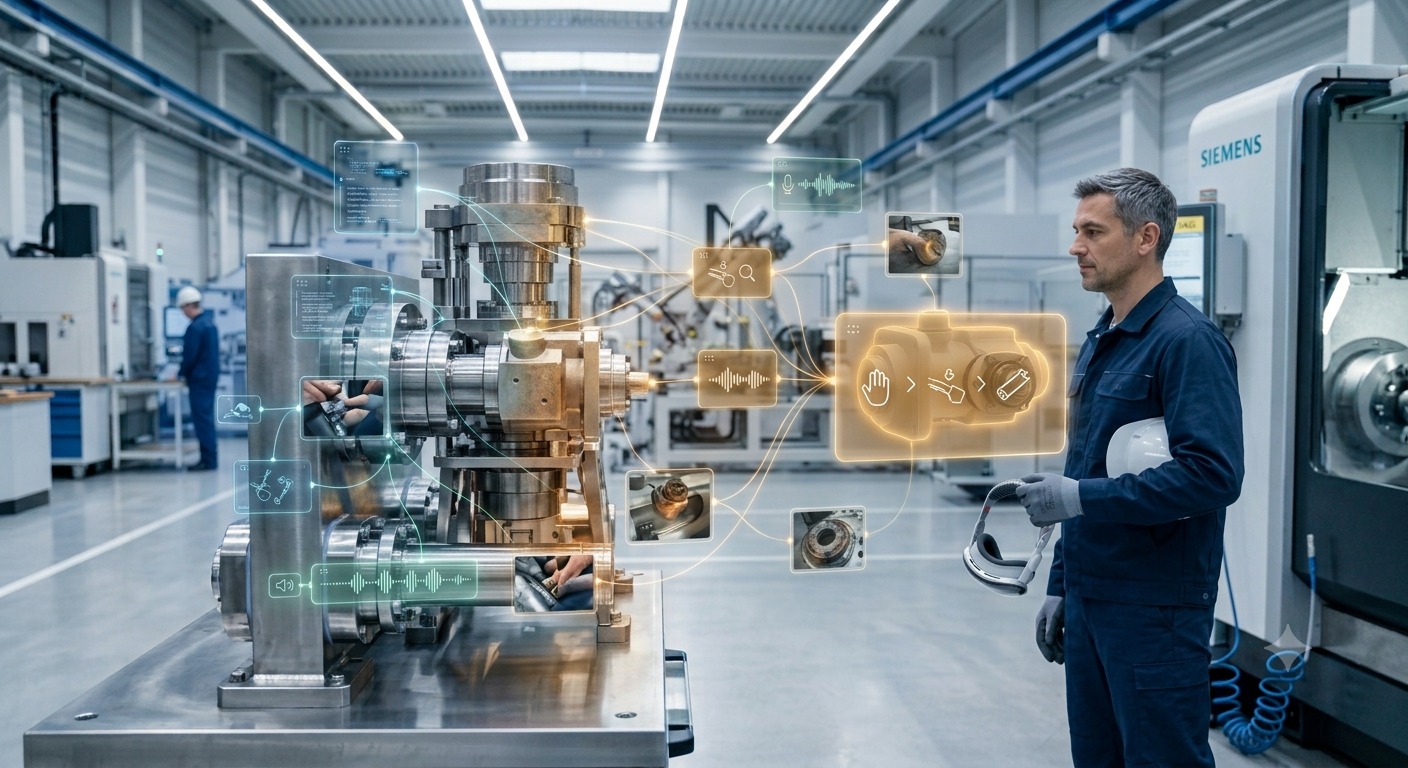
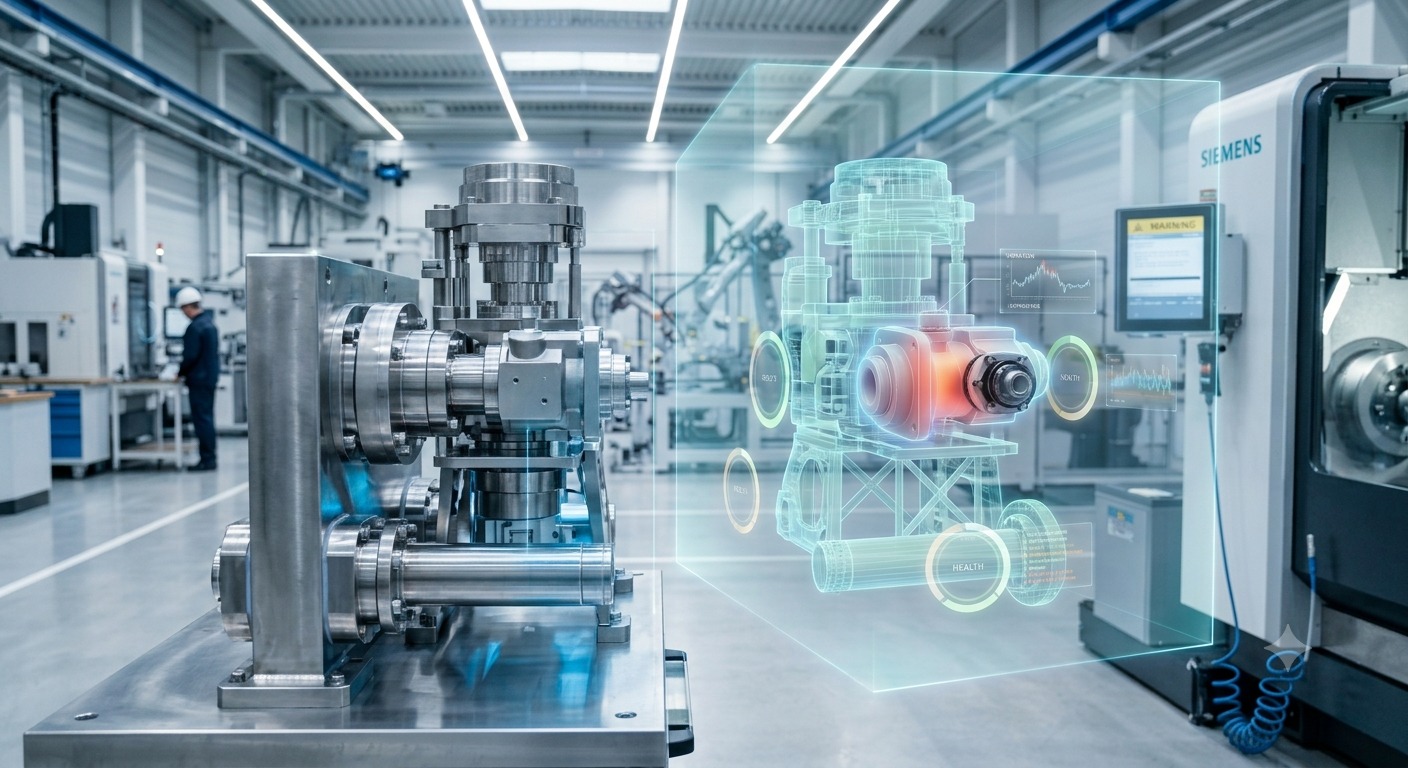
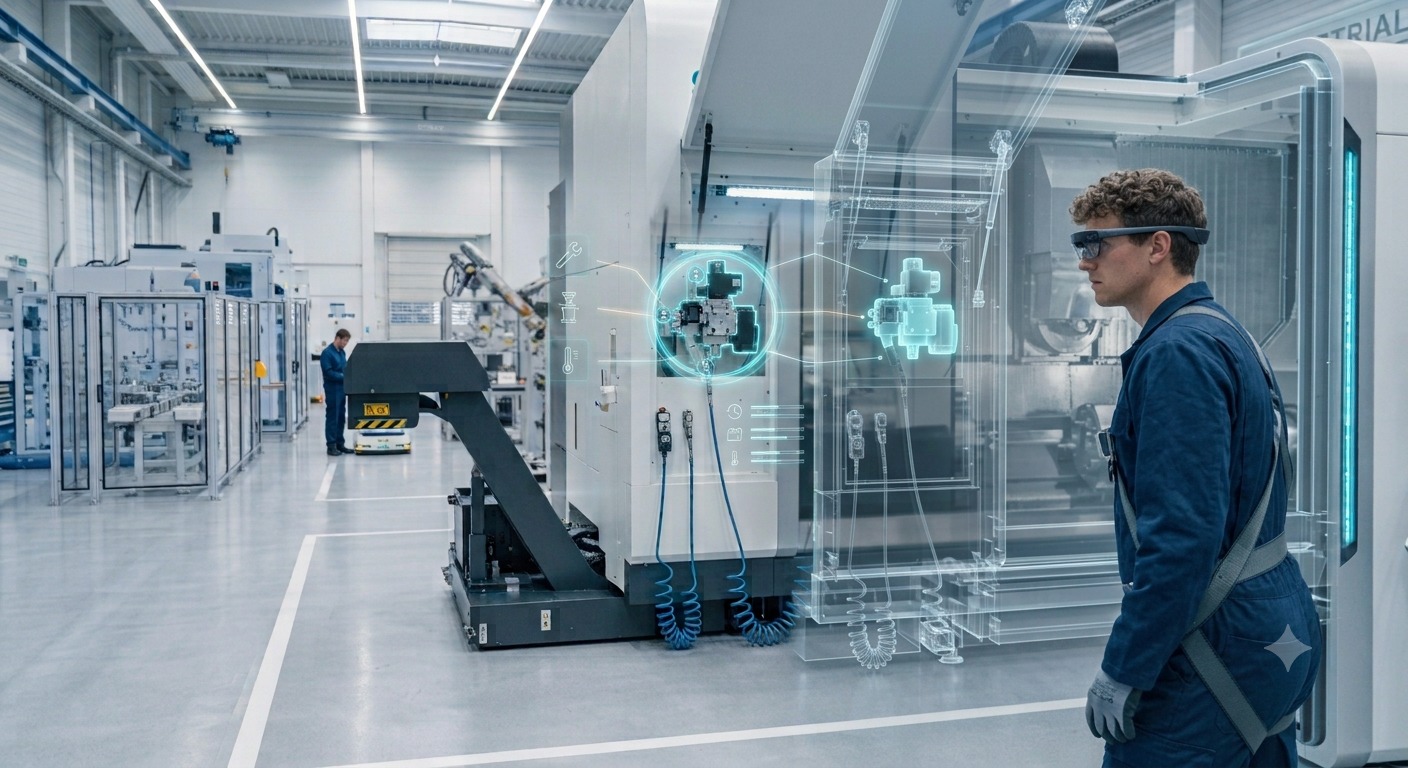
When a technician approaches a machine, the system recognizes the equipment and overlays contextual information directly onto the physical asset, including:
- Previous repair history
- Frequently failing components
- Live machine status from digital twins and IoT sensors
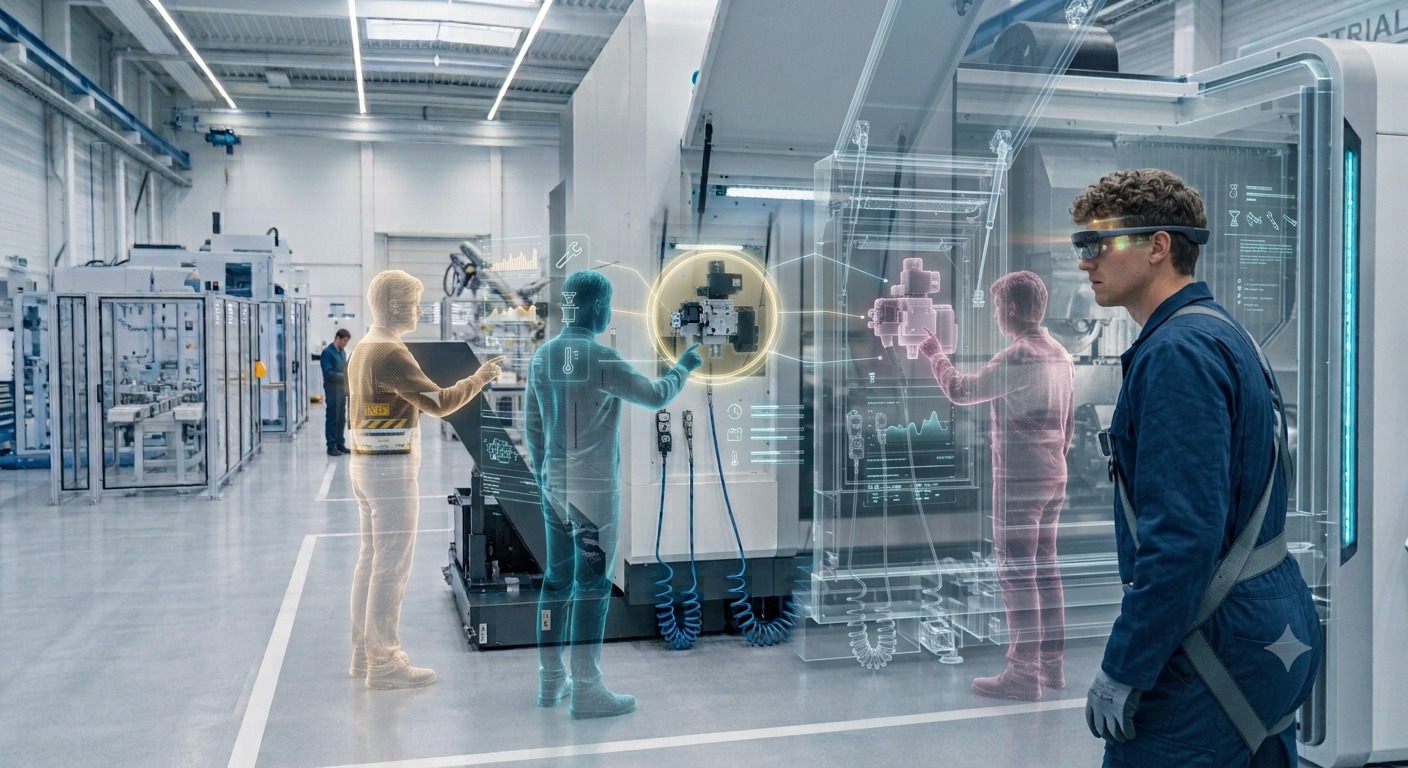
- Spatially anchored maintenance annotations
- Context-aware troubleshooting guidance
If additional help is needed, remote experts join the same shared spatial workspace. Instead of describing problems over the phone, both users see the exact same 3D view of the machine. Experts can highlight components, annotate repair steps, and guide technicians in real time.
Every repair session is automatically captured, organized, and attached back to the machine, allowing future technicians to benefit from previous experience rather than starting from scratch.
The Core Impact: Instead of knowledge leaving with people, it stays with the equipment where it is needed most.
How we built it
Because this ideathon focuses on venture creation rather than software implementation, we developed a complete product concept and technical architecture built around Professor Kevin Ponto's Spatial Grounding and Awareness for Augmented Reality (SGA-AR).
Our proposed system combines:
- SGA-AR for shared spatial mapping and persistent AR annotations
- Digital Twin and IoT integration for real-time machine status
- AI-assisted collaboration that consolidates multiple expert annotations into actionable guidance
- Automated session logging that transforms every repair into searchable institutional knowledge
To demonstrate the user experience, we designed high-fidelity interface mockups, realistic AI-generated visual assets, and a short product demonstration video illustrating how technicians interact with the system during equipment maintenance.
Challenges we ran into
- Designing for the Core Tech: The biggest challenge was designing a solution that truly depended on SGA-AR rather than simply adding AR to an existing workflow. Early versions focused primarily on persistent maintenance notes, but we realized that standard AR platforms could already support asynchronous annotations. We refined the concept to emphasize what makes SGA-AR unique: shared, real-time spatial awareness across multiple users.
- Balancing Ambition with Feasibility: While features like AI-assisted diagnosis, digital twins, and IoT integration create a compelling long-term vision, we carefully defined an MVP focused on one facility, one machine category, one AR headset, and one remote expert station to ensure the first deployment remains realistic.
Accomplishments that we're proud of
- Identified a real and costly industrial problem that affects manufacturers worldwide.
- Designed a solution where SGA-AR is fundamental to the workflow rather than an optional interface.
- Created a clear business model with defined users, buyers, and an achievable MVP.
- Developed a product vision that combines spatial computing, AI collaboration, and digital twins into a cohesive platform.
- Produced a compelling visual demonstration showing how institutional knowledge can remain with the factory instead of disappearing when employees retire.
What we learned
This project taught us that successful spatial computing products are not about adding holograms to existing workflows—they are about enabling entirely new ways for people to collaborate.
We also learned the importance of designing around a specific customer pain point instead of a technology. The most valuable part of our solution is not augmented reality itself, but the ability to preserve and share expertise exactly where and when it is needed.
Finally, we gained a much deeper appreciation for how emerging technologies like shared spatial mapping, digital twins, and AI can complement one another to solve practical industrial problems.
What's next for Industrial_Asset_Intelligence
Our next step is building a functional MVP for a single manufacturing facility focused on one class of recurring machine failures.
Future development includes:
- Real-time SGA-AR shared collaboration
- Integration with industrial IoT platforms and digital twins
- AI-generated repair summaries and knowledge extraction
- Predictive maintenance using accumulated repair history
- Integration with existing CMMS and maintenance management systems
- Expansion from a single production line to multi-site manufacturing operations
Our long-term vision is to create an industrial knowledge platform where every repair strengthens the next one, ensuring that expertise never disappears—even when the experts do.


Log in or sign up for Devpost to join the conversation.