🌱 Inspiration
With the growing impact of climate change — wildfires, floods, poor air quality, and rising temperatures — we noticed a major gap: most people don't have easy access to tools that help them understand their local risks or how to respond.
I was inspired to build ClimateForge to empower individuals and communities to take action, stay informed, and build resilience — all while protecting user privacy. I wanted something that works without needing personal data, doesn't require users to sign up, and can still deliver powerful, real-time insights using AI.
💡 What it does
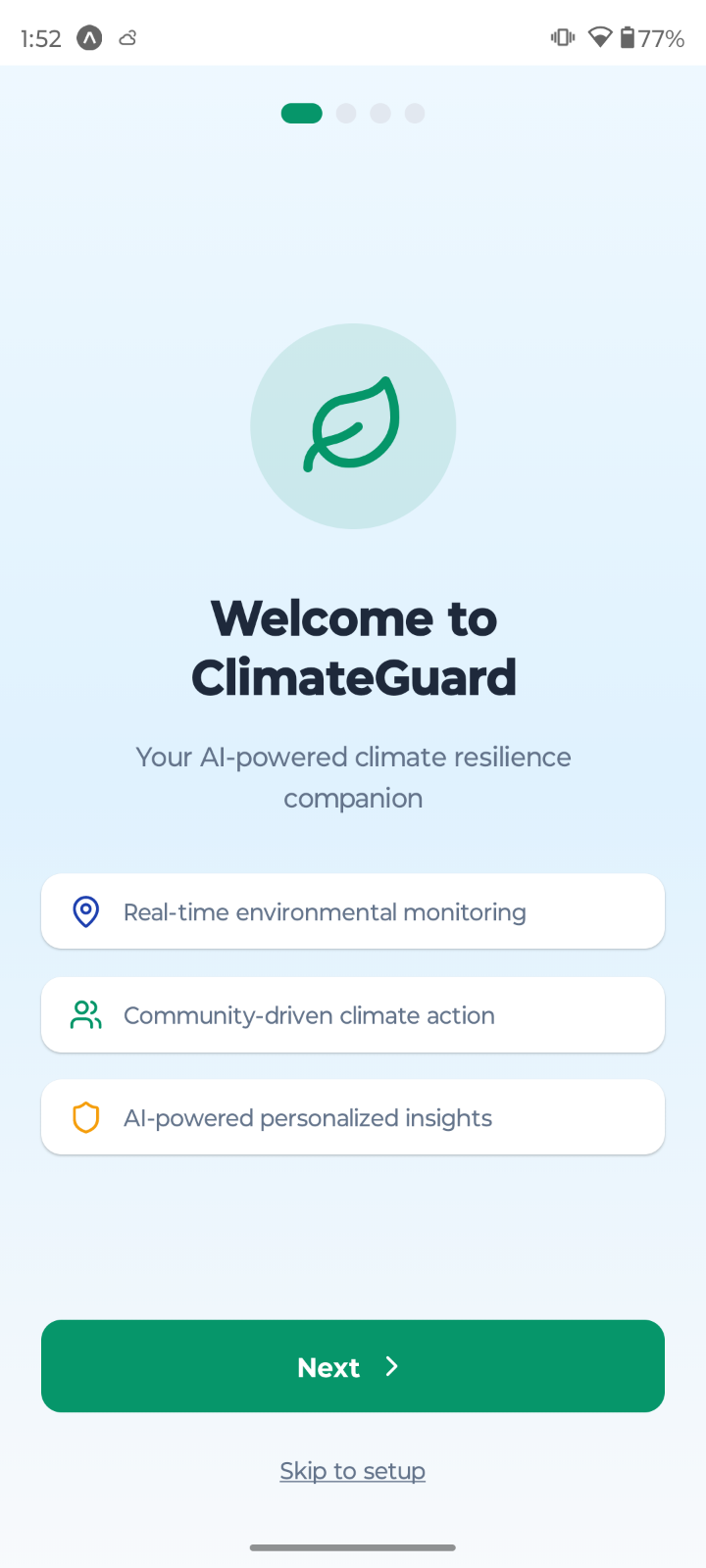
ClimateForge is an AI-powered climate resilience platform designed to:
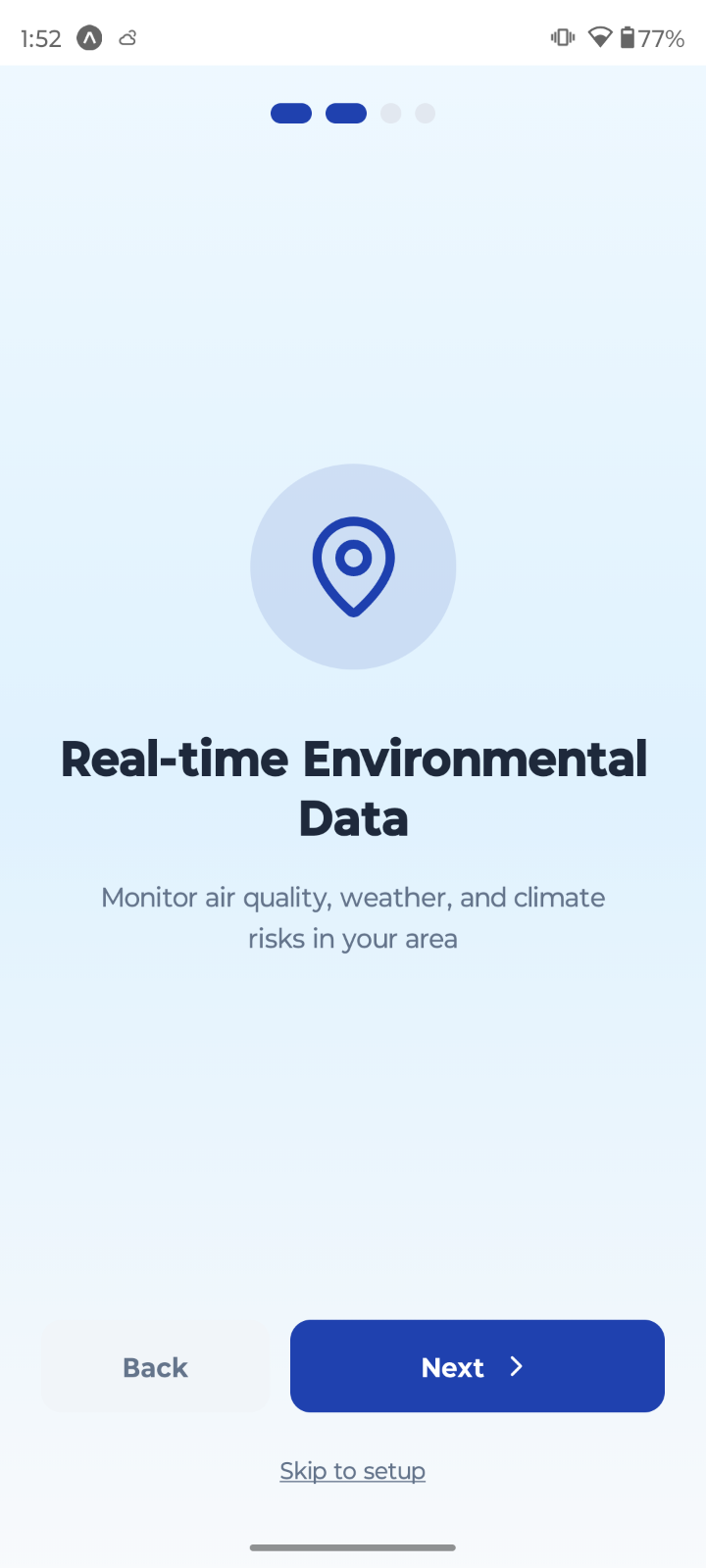
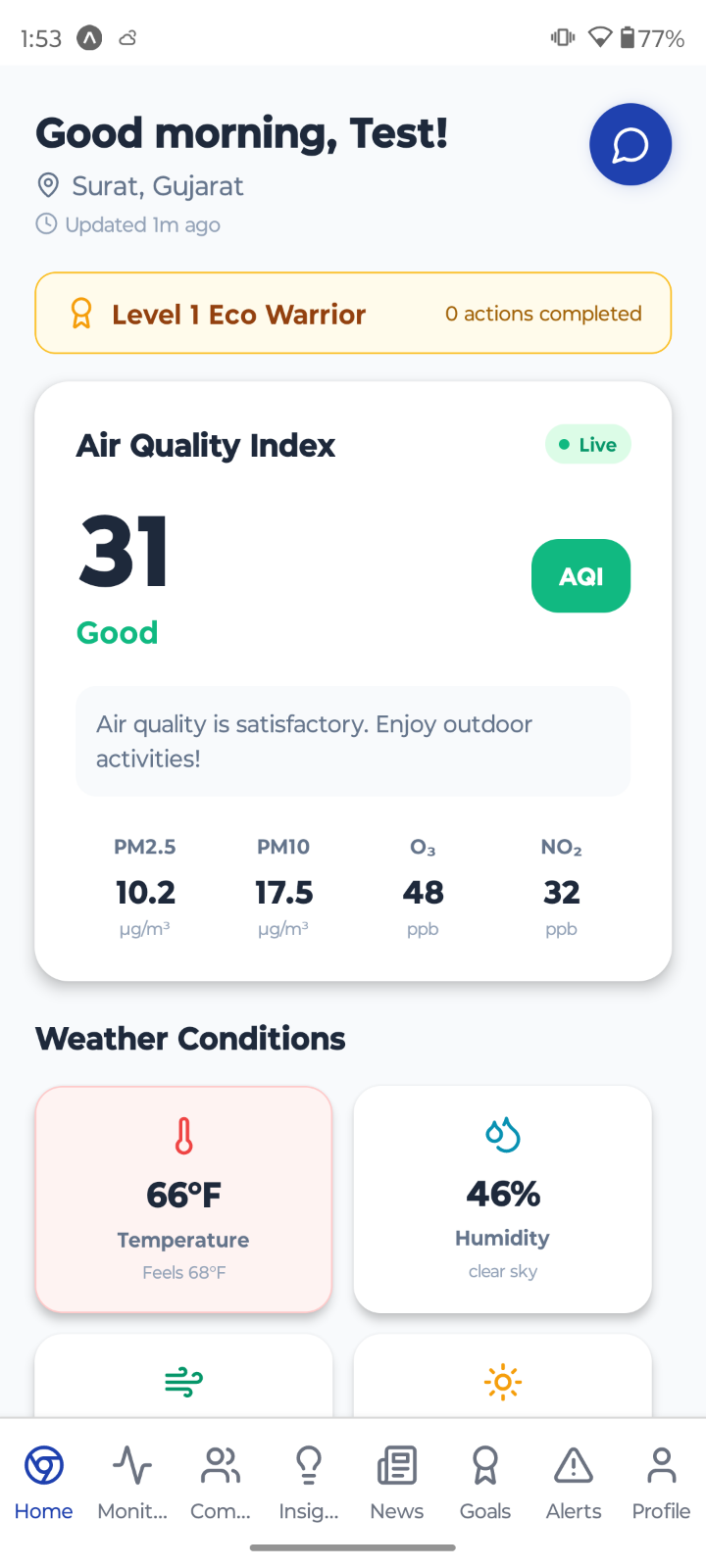
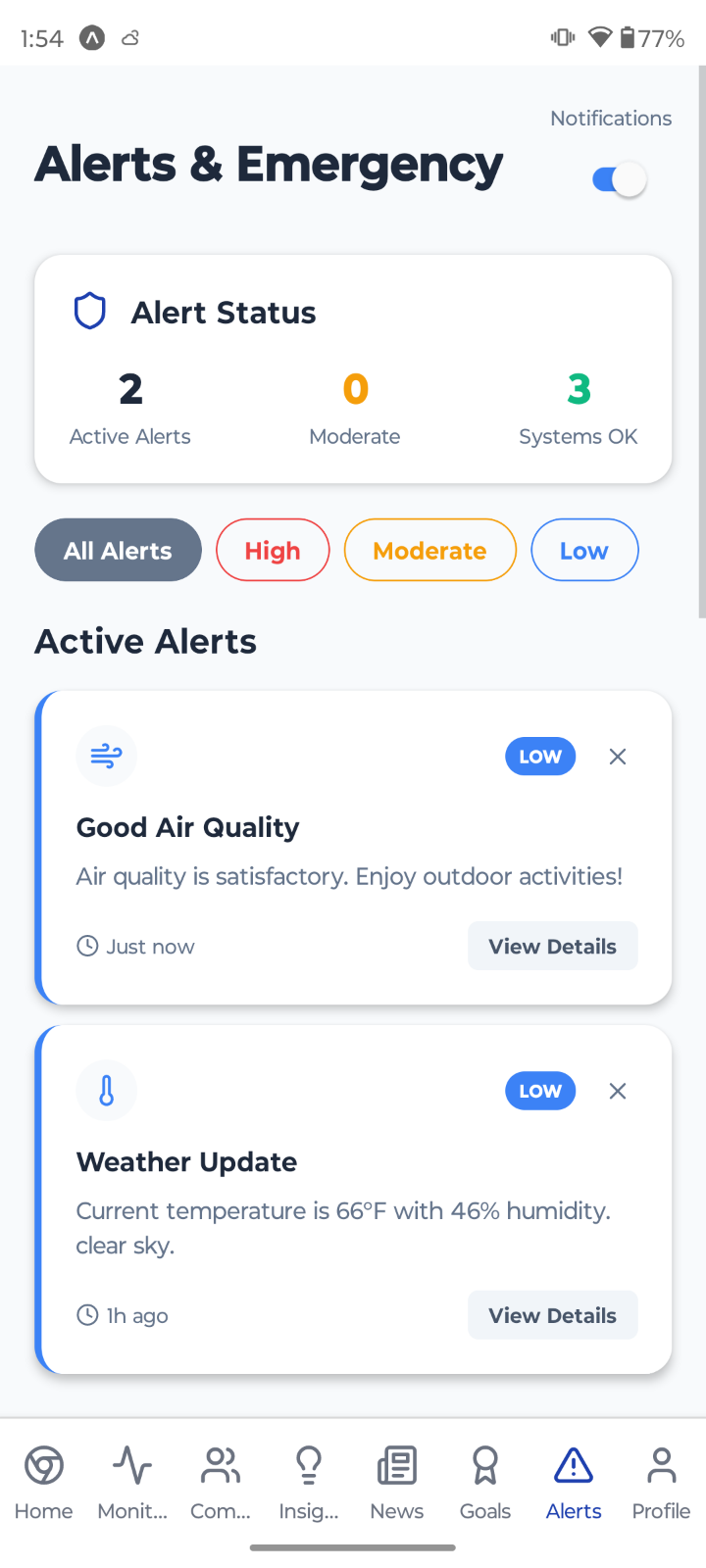
- 🌿 Provide real-time local environmental data (air quality, weather, climate risks)
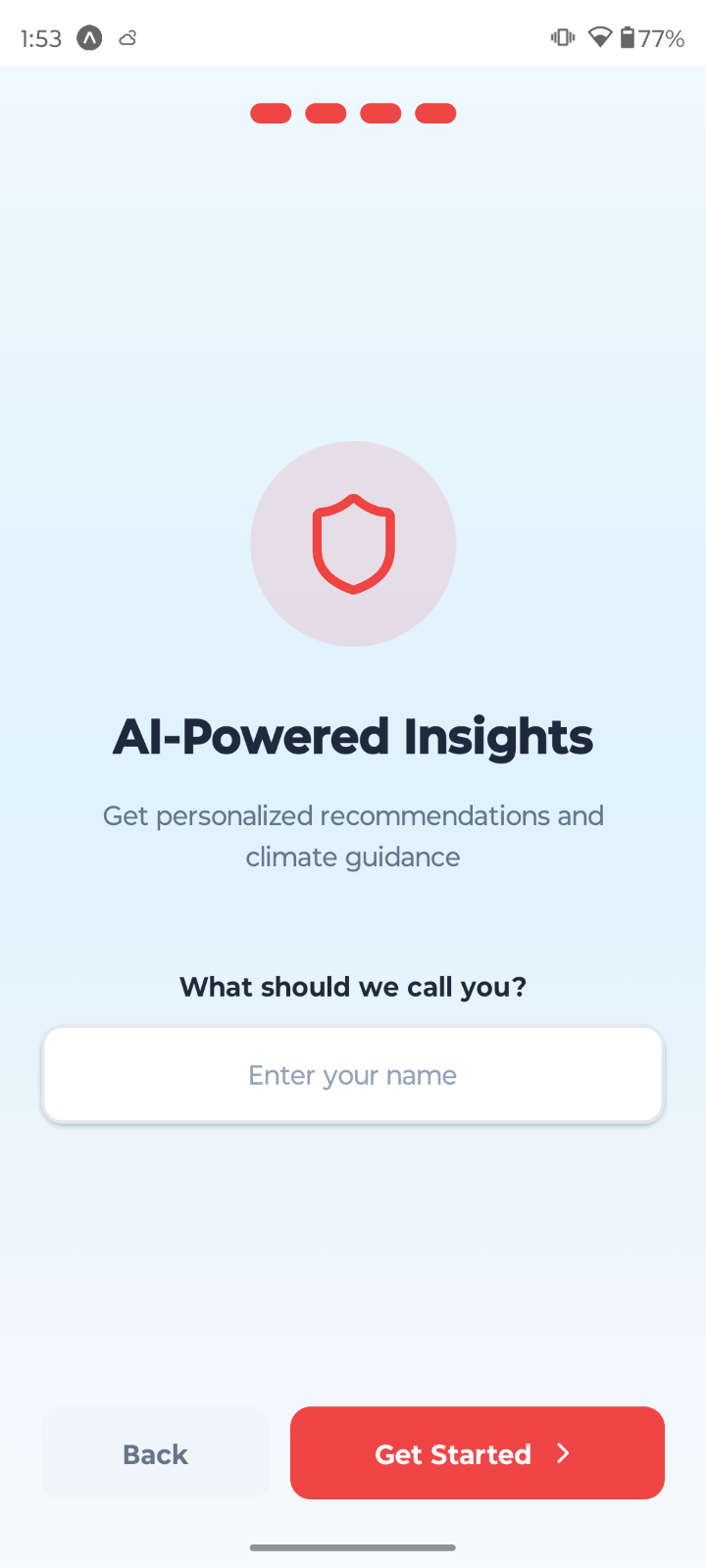
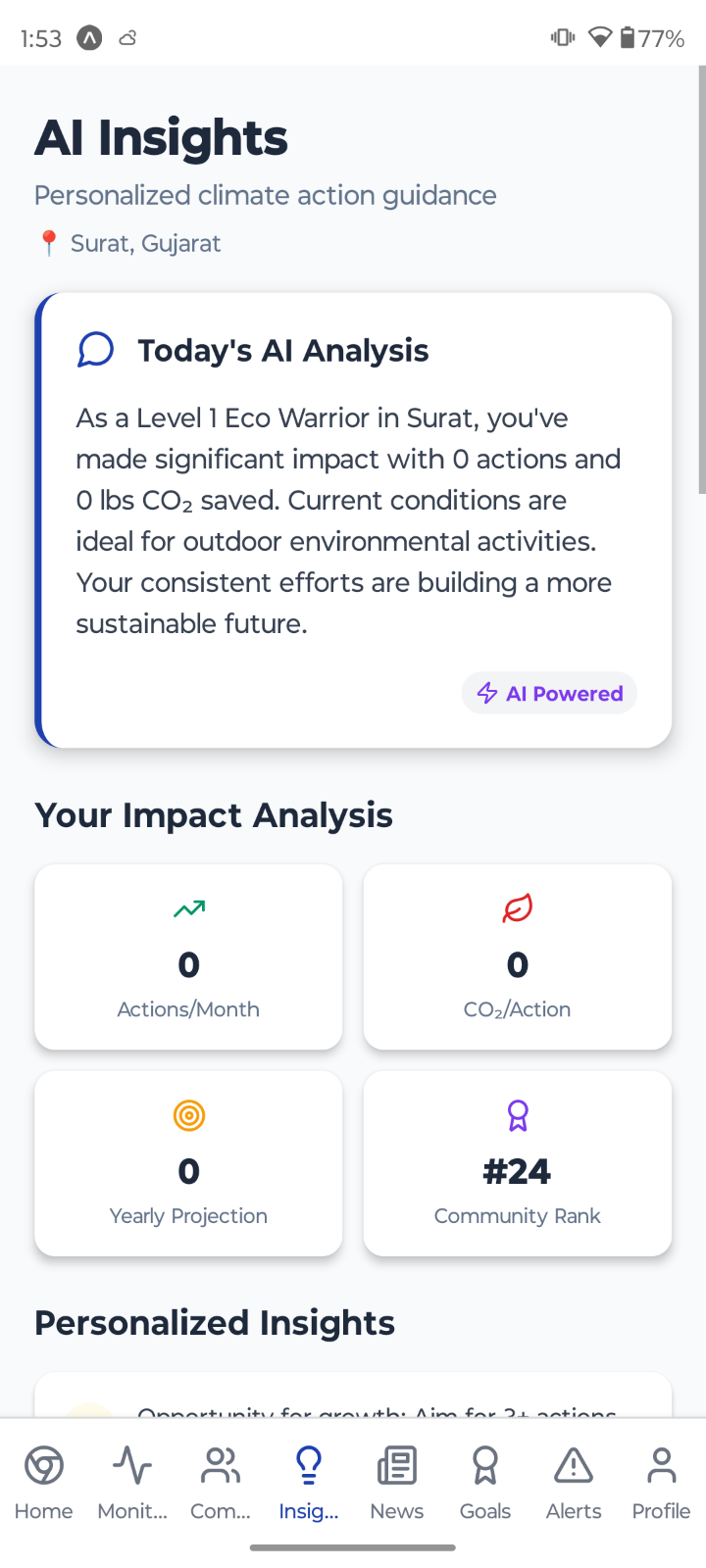
- 🧠 Deliver personalized AI insights and safety tips based on your location
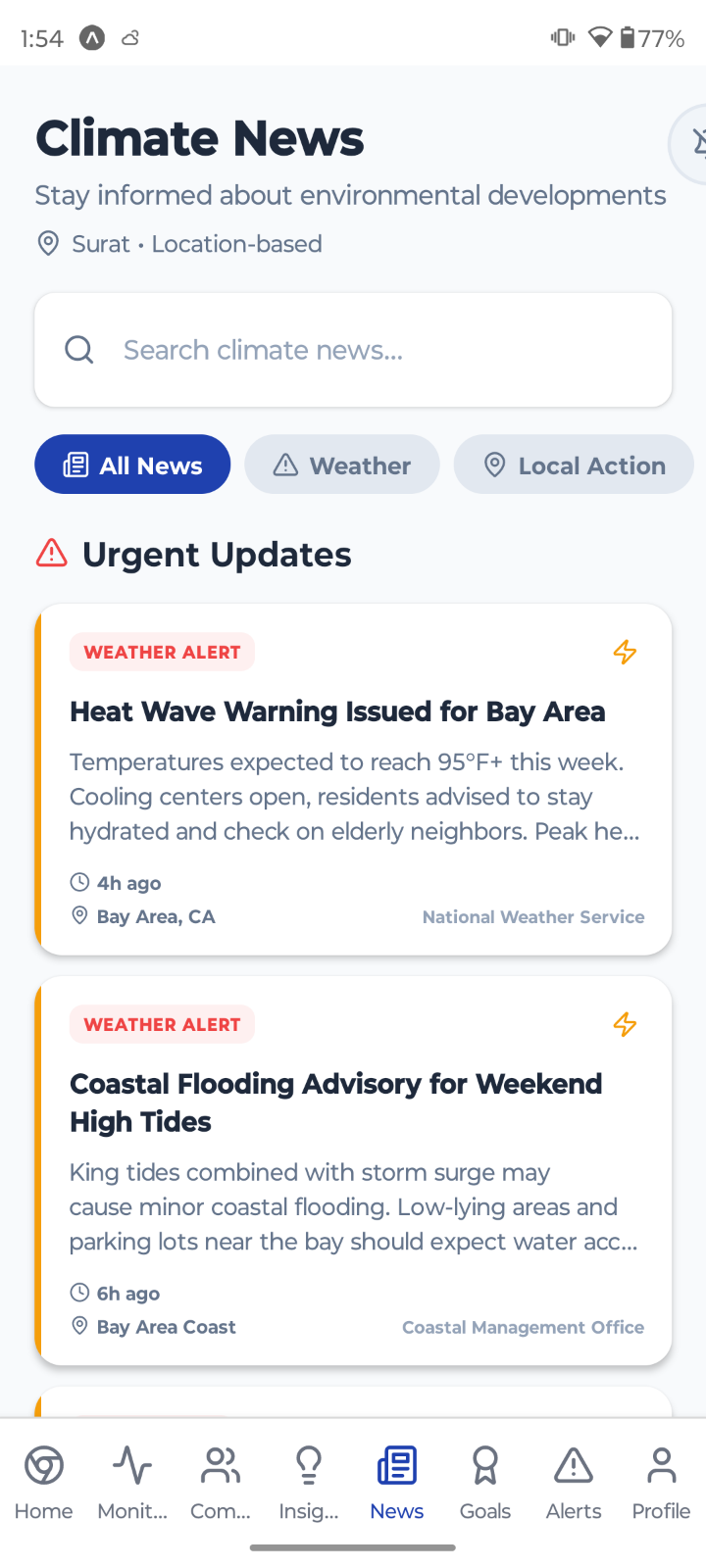
- 🚨 Offer emergency planning tools like digital kits and climate alerts
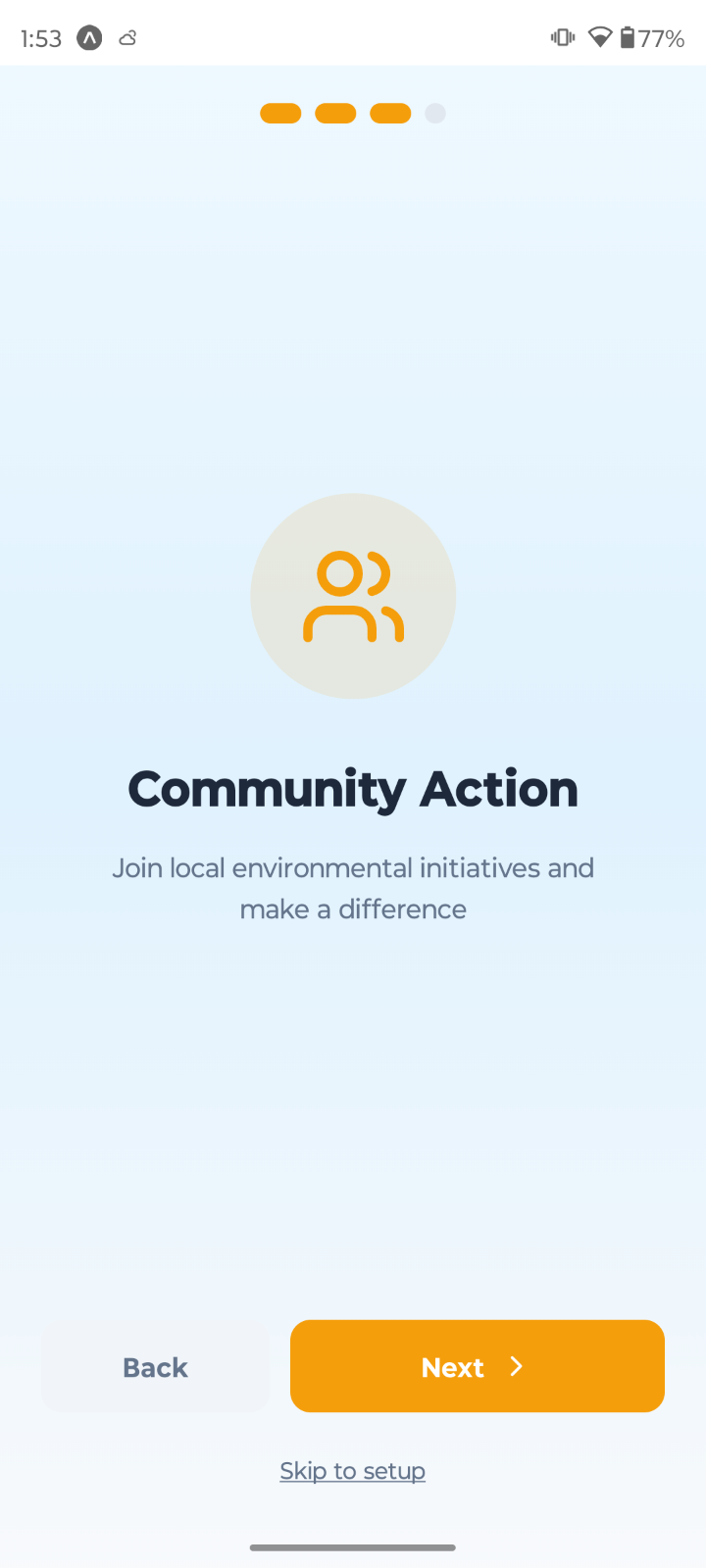
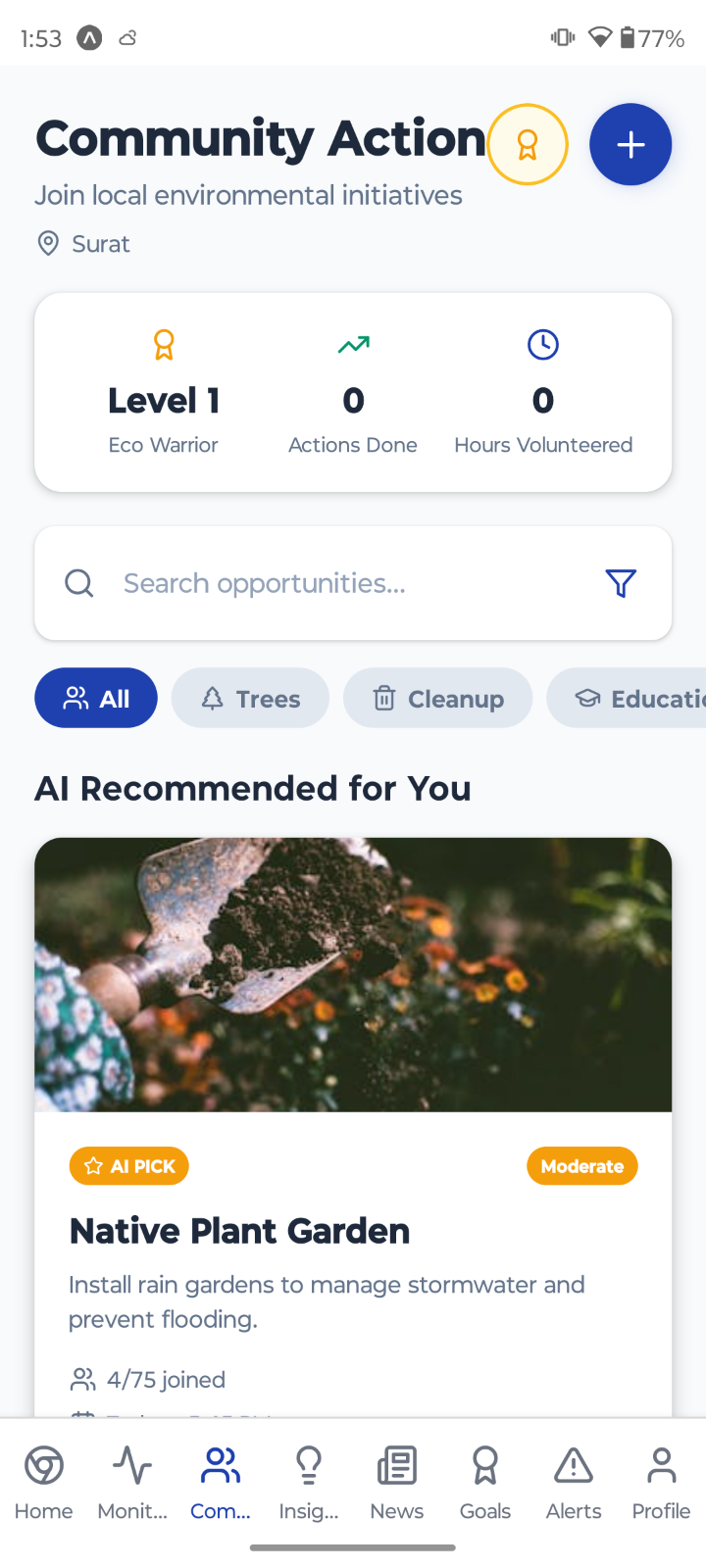
- 🏘️ Connect users with community-based climate action projects
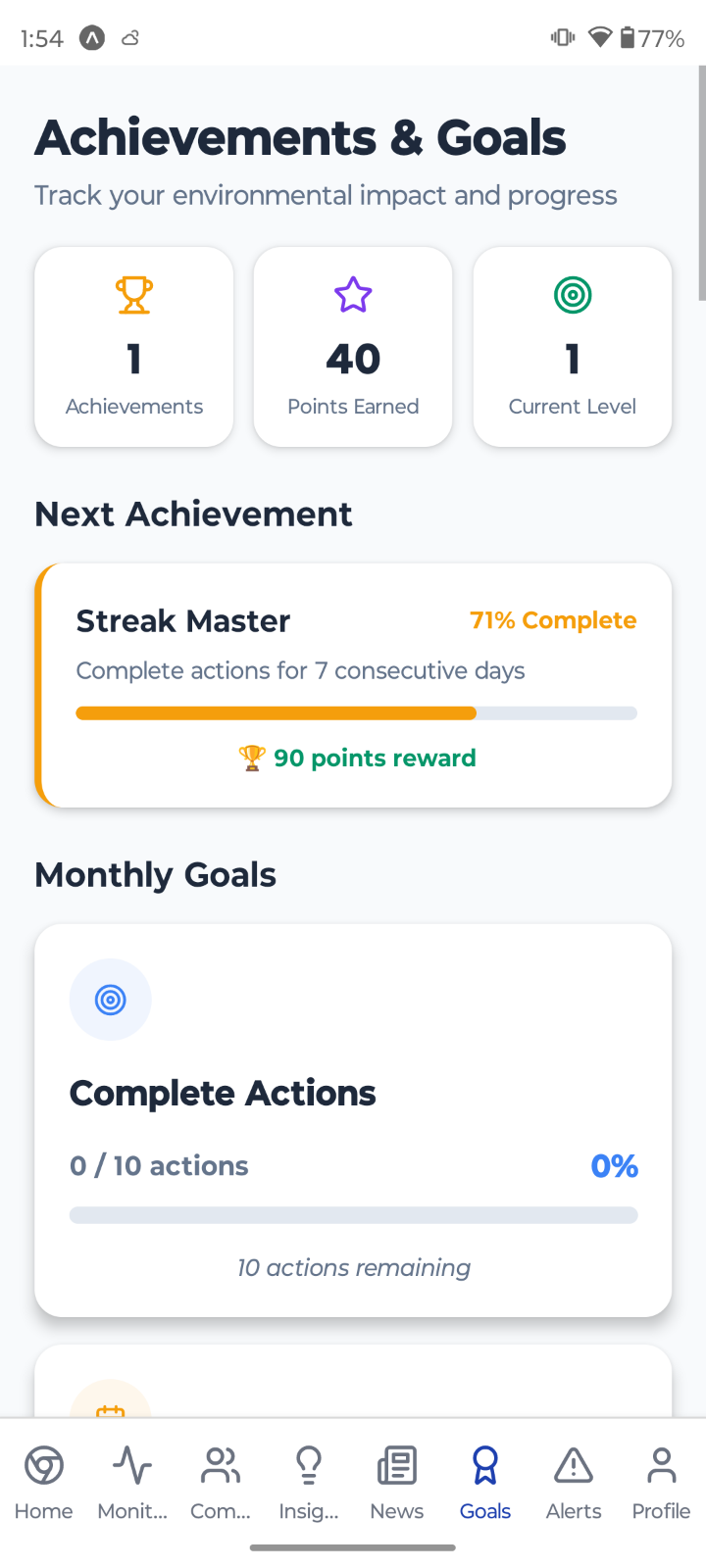
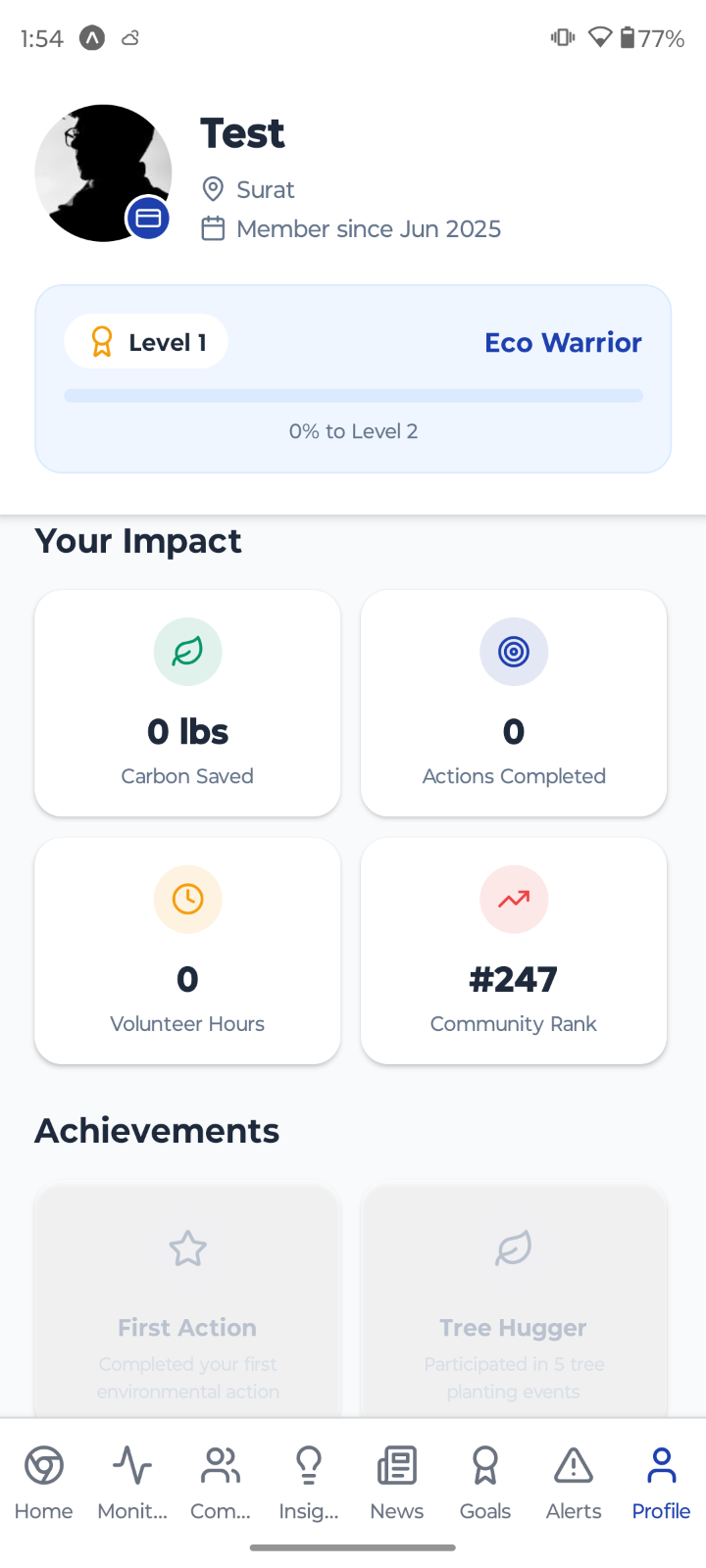
- 🎮 Gamify climate impact through badges and progress tracking
Best of all — it's completely anonymous. No Personally Identifiable Information(PII) is collected or required. Anyone can open the app and immediately take action.
🛠️ How I built it
I have used Bolt.new as our primary development platform to rapidly build and test across web and mobile.
- Frontend: React Native with Expo (SDK 53)
- Backend: Supabase (PostgreSQL, Auth, Storage, Realtime)
- AI Layer: Custom logic to deliver location-aware, non-personalized insights
- Deployment: Netlify (Web), Expo Go (Mobile)
- APIs: OpenWeatherMap, Air Quality APIs, and alert feeds
The app is fully responsive, mobile-first, and doesn't require login or sign-up to function.
🚧 Challenges we ran into
Privacy vs. Personalization
Designing a system that gives personalized tips without storing any user data was tough. We had to rethink how AI suggestions are delivered — all based on device context alone.Real-time + Resilience
Live environmental data can change quickly. We had to balance fast updates with fallback caching and graceful error handling for network failures.Designing for Accessibility
We wanted the app to be usable for visually impaired and non-technical users. That required minimal UIs, high contrast design, and voice-friendly layouts.API Rate Limits & Variability
Weather and air quality data vary by region and API availability. We handled this with redundancy logic and location-aware fallbacks.
🏆 Accomplishments that we're proud of
- ✅ Built a full-stack, production-ready web and mobile climate platform
- ✅ Fully privacy-first: No login, no PII, no tracking
- ✅ Delivered personalized AI insights without storing user data
- ✅ Enabled community collaboration tools with real-time data
- ✅ Designed a scalable architecture ready for expansion
I have also created a clean, accessible UI/UX that works seamlessly across devices.
📚 What I have learned
- How to balance privacy with personalization using stateless AI models
- How to build real-time apps with Supabase Realtime + RLS
- How to make climate data actionable and accessible to everyday users
- The power of gamification in motivating environmental behavior
- That design simplicity is key — especially for socially impactful apps
🚀 What's next for ClimateForge
- 🌐 App Store release for iOS and Android
- 🔔 AI-powered predictive alerts for extreme weather
- 🏘️ User-generated community projects and team actions
- 🛠️ API release for schools, NGOs, and third-party civic platforms
- ♻️ Community marketplace for eco-tools and local services
- 🤝 Partnerships with governments, climate orgs, and schools
PPT Presentation : https://drive.google.com/file/d/17PWfaLtBdBLdCD4hoMUsI31lFX8iAvf0/view?usp=sharing
ClimateForge is just the beginning — we believe this platform can help build more informed, prepared, and connected communities around the world.
Built With
- ai
- community
- expo.io
- mobile
- netlify
- reactnative
- supabase


Log in or sign up for Devpost to join the conversation.