-
-
title
-
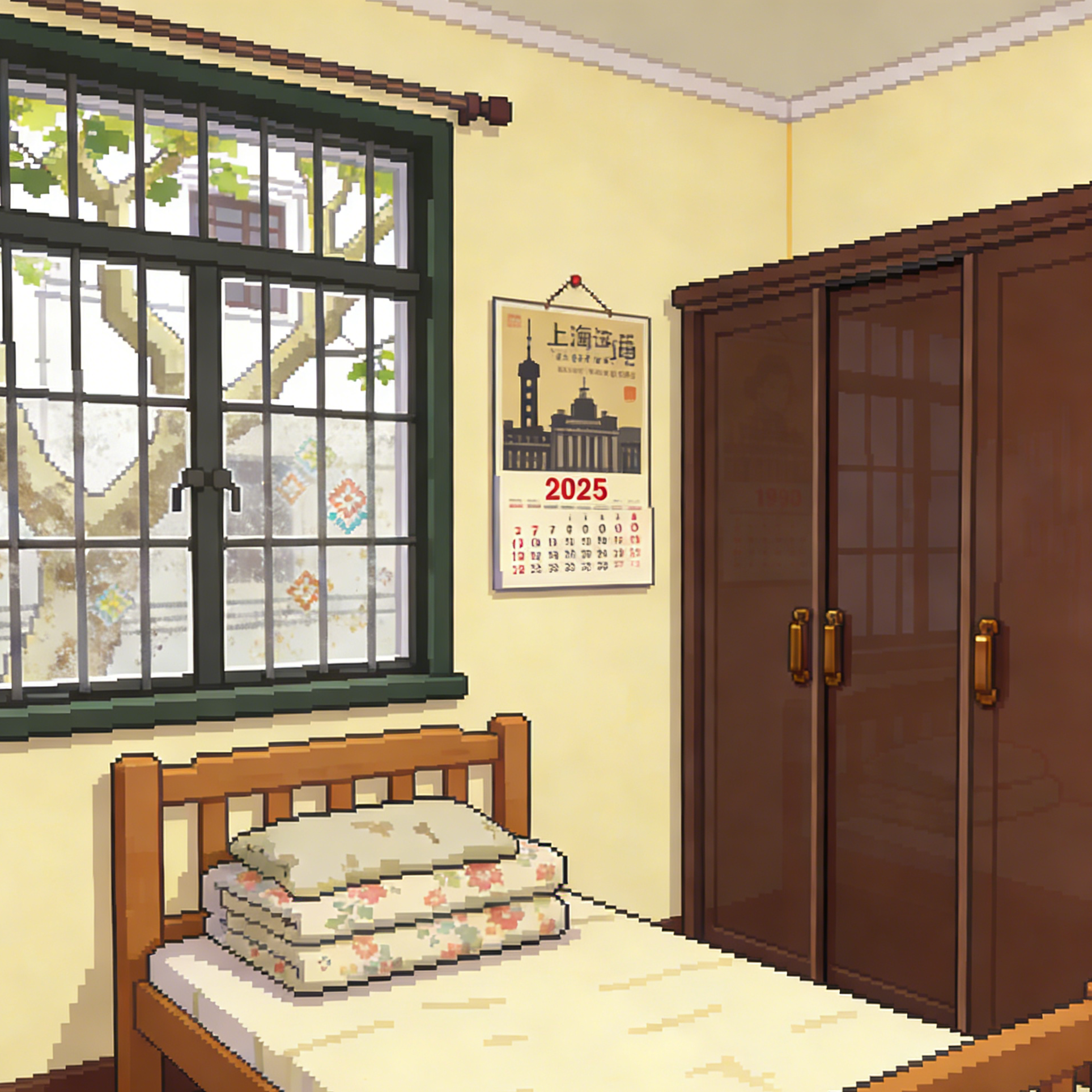
room
-
ending1
-
ending2
-
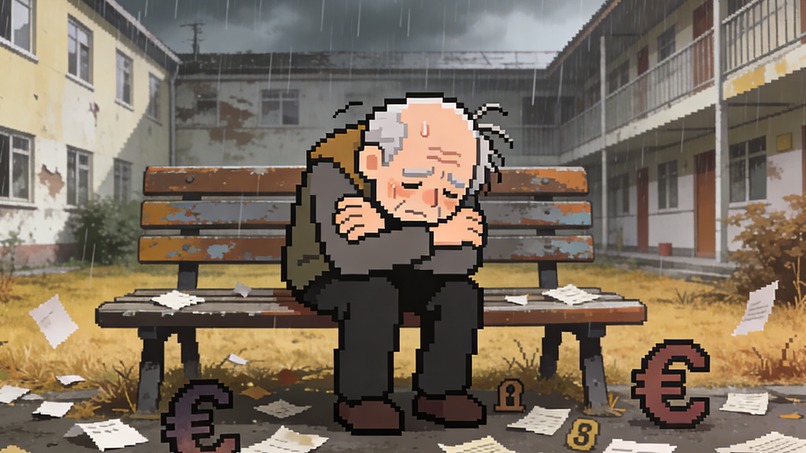
ending3
-
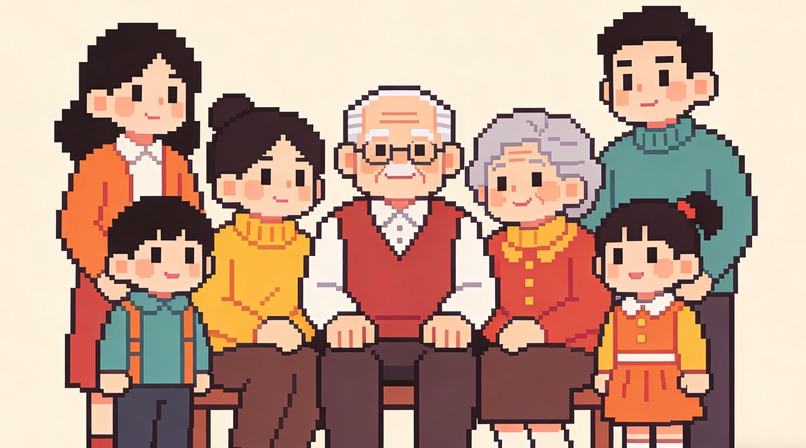
ending4
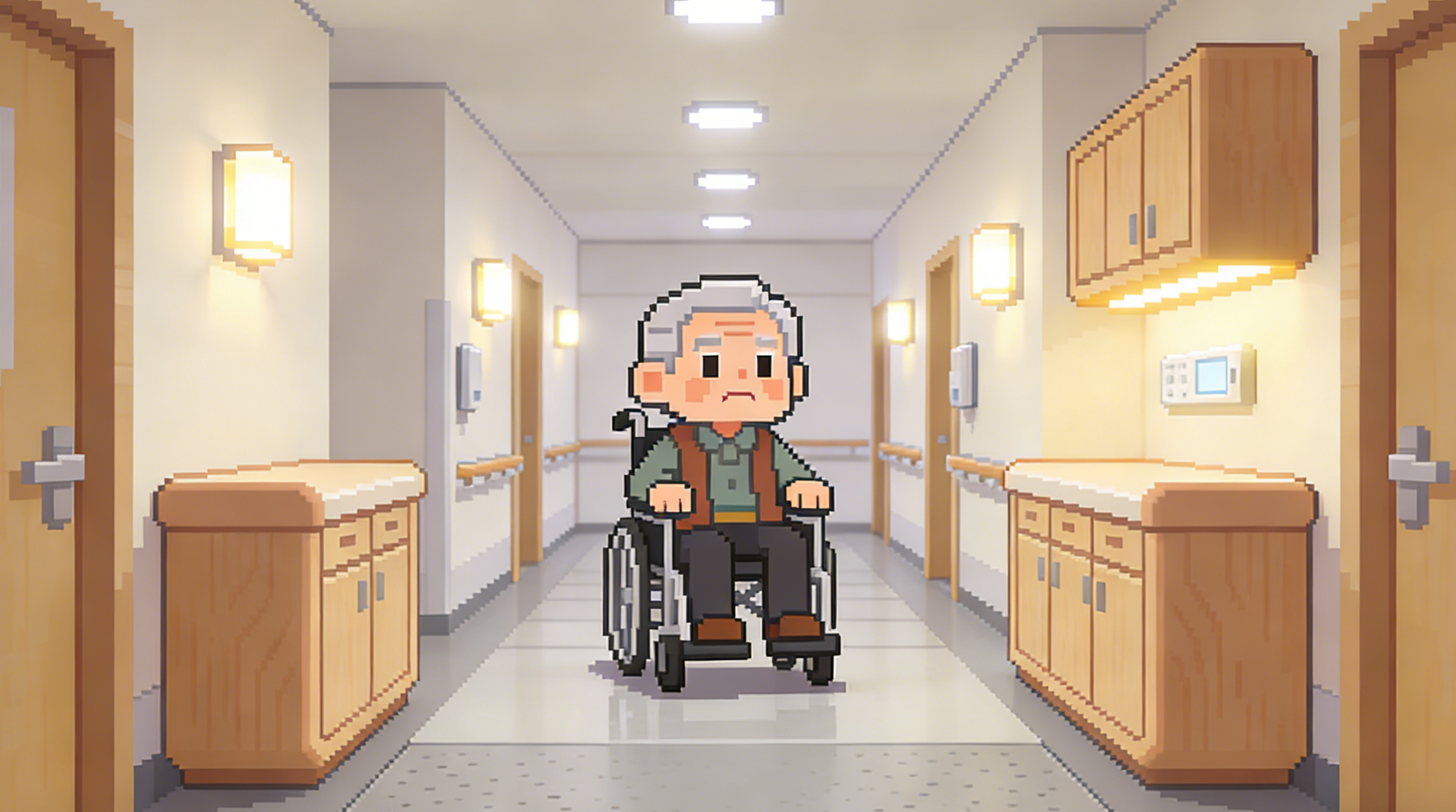
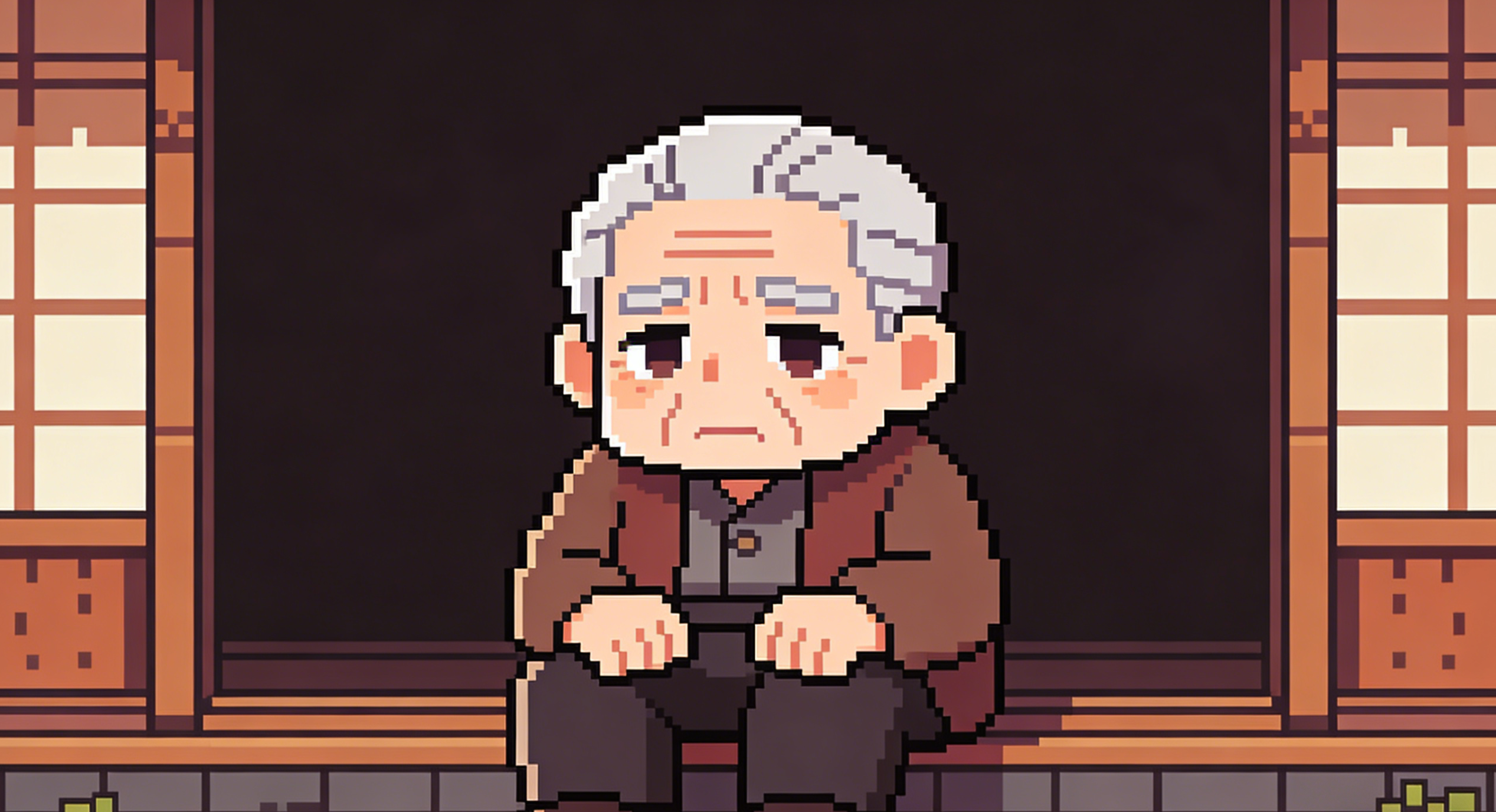
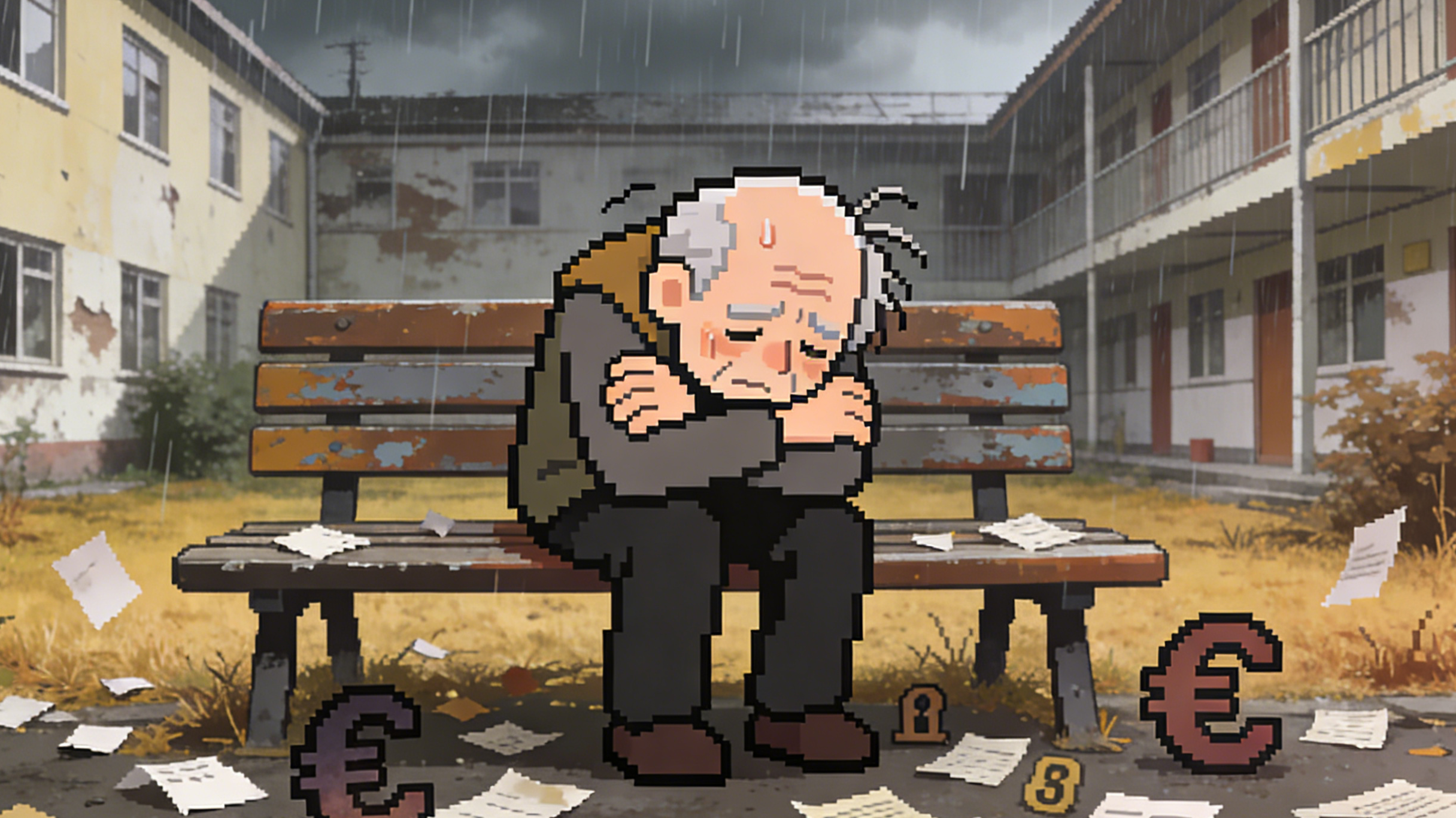
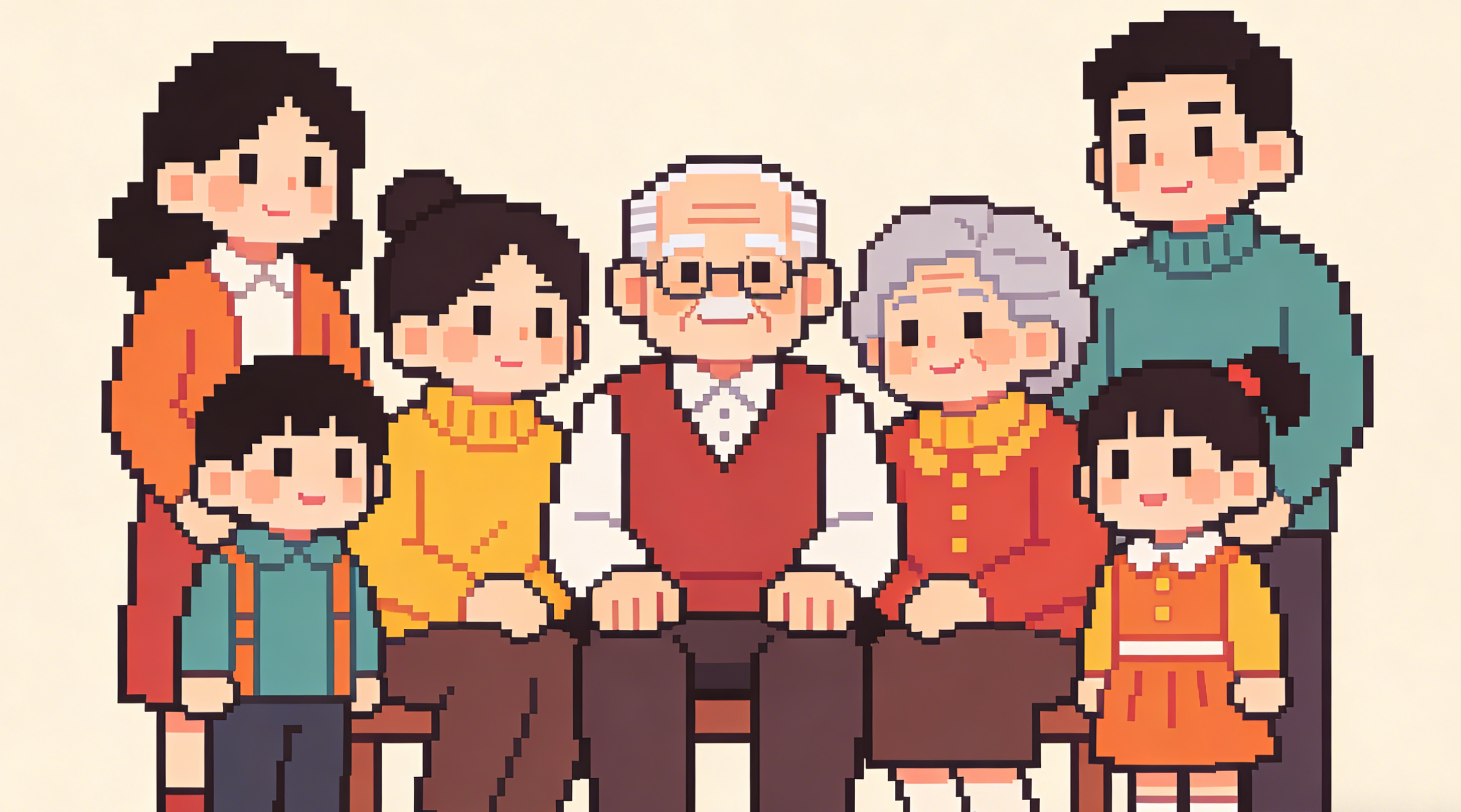
Inspiration
Climate Care Survival was inspired by a simple but often ignored reality: extreme weather does not affect everyone equally.
During winter cold waves in Chinese cities, elderly people living alone face layered risks—limited income, declining physical resilience, inadequate housing, and information gaps. These risks are rarely dramatic, but they accumulate silently.
The project draws from:
- Real-world cold wave alerts and community eldercare cases
- Research on aging, climate vulnerability, and daily risk exposure
- A desire to translate abstract climate risk into felt, human-scale decisions
Instead of disasters or heroism, we focused on ordinary survival.
What it does
Climate Care Survival is a narrative-driven survival simulation game.
Players act as the decision-maker for an elderly man during a week-long winter cold wave. Each day, players must:
- Allocate a limited pension budget
- Choose clothing and protective measures based on weather conditions
- Navigate daily events (indoor routines, outdoor errands, accidents, health risks)
Game systems translate environmental stress into outcomes affecting:
- Health
- Mood
- Cleanliness / dignity
- Financial stability
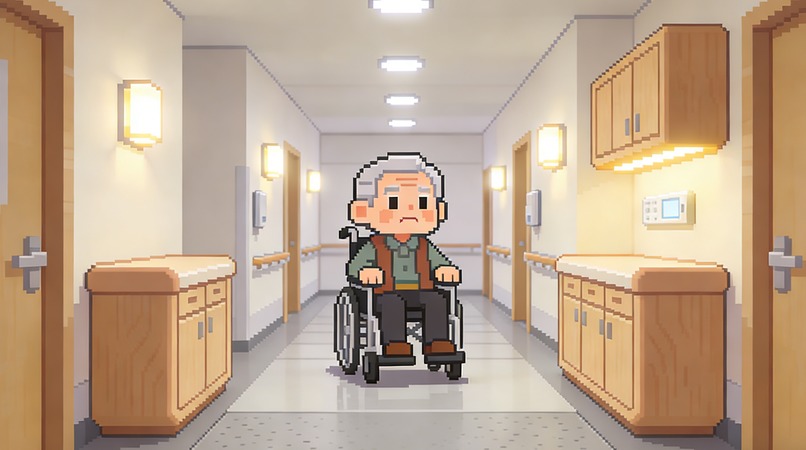
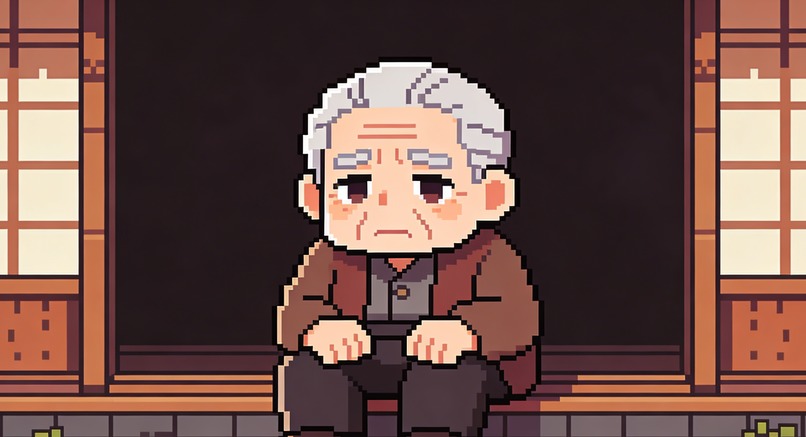
The game currently supports Chinese only. Multiple endings exist (four planned), reflecting different survival trajectories, though some CG endings are reserved for future updates.
How we built it
The project was built as a web-based interactive game using:
- HTML / CSS / JavaScript for structure and logic
- A modular architecture separating:
Data(weather, scripts, items)CoreLogic(state, rules, probability)UI(pure rendering with Promise-based input)
- Event-driven daily progression (Day 0 preparation → Day 1–7 survival)
Key design choices:
- A wardrobe system that maps clothing choices to environmental risk
- Rule-based + probabilistic event resolution
- Lightweight visuals focused on clarity and emotional feedback
Where needed, mechanics follow simple evaluative logic, e.g.:
[ \text{Outfit Match Rate} = \frac{\text{Correct Items}}{\text{Required Items}} \ge 0.75 ]
to determine success or failure under cold stress.
Challenges we ran into
- State synchronization: ensuring UI, logic, and data stayed decoupled but consistent
- Multi-choice preparation logic (Day 0): supporting multiple selections, budget constraints, and clean progression
- Narrative pacing: balancing realism with playability
- Scope control: many assets (CGs, character expressions, sound effects) were created but intentionally deferred to avoid system instability
A major challenge was resisting feature creep while keeping the system extensible.
Accomplishments that we're proud of
- Translating climate and aging research into playable mechanics
- Designing a survival game without combat, violence, or spectacle
- Building a clear, extensible architecture suitable for future expansion
- Creating multiple endings and character state variations at the design level
Even in its current demo form, the game already communicates vulnerability, trade-offs, and care.
What we learned
- Small daily decisions can be more impactful than dramatic events
- Empathy can be designed—not just written
- Clear system boundaries (UI vs logic vs data) dramatically reduce complexity
- Climate adaptation is as much about social systems as temperature
Most importantly, we learned how to turn policy and research themes into interactive experiences.
What's next for Climate Care Survival
Planned future updates include:
- English version support
- Integration of existing ending CGs and narrative cutscenes
- Expanded daily events and branching outcomes
- Dynamic character expression changes tied to health and mood
- Additional sound effects and ambient audio
- Richer long-term trait and risk accumulation systems
Climate Care Survival is designed as a growing project.
This demo is only the first winter.


Log in or sign up for Devpost to join the conversation.