-
-
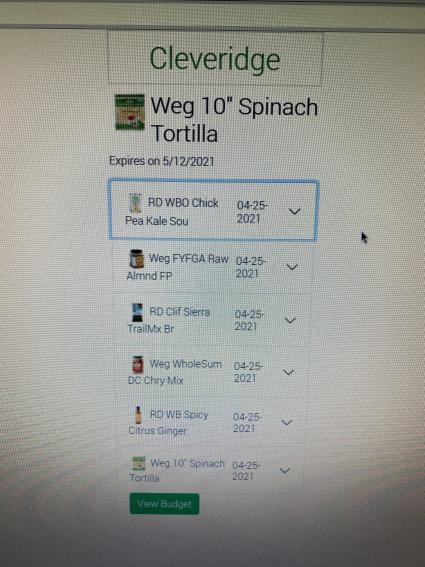
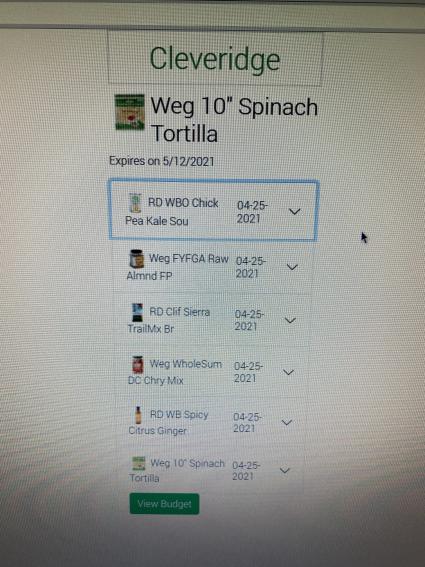
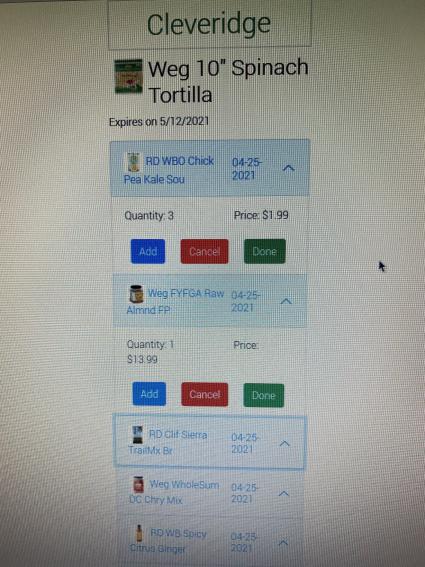
HomePage WebApp Screenshot
-
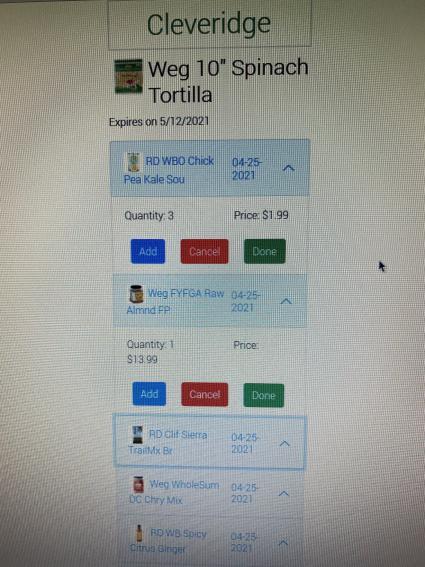
HomePage WebApp Screenshot-Item Detail
-
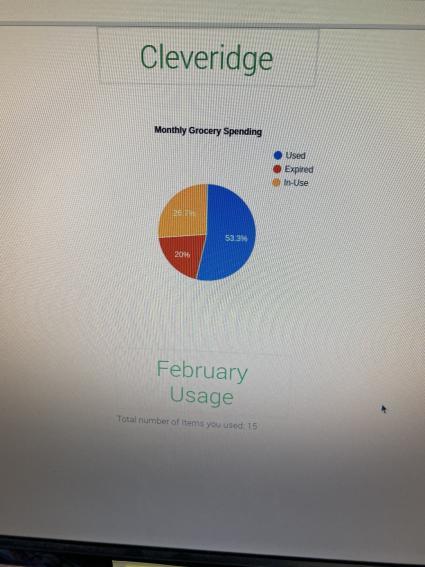
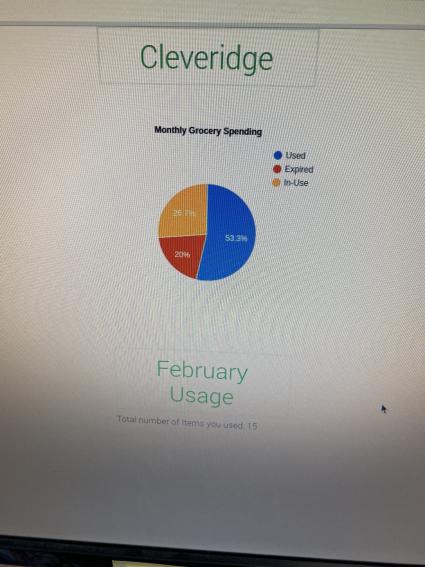
Budget WebApp Screenshot
-
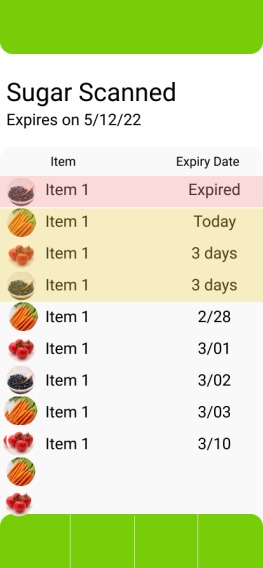
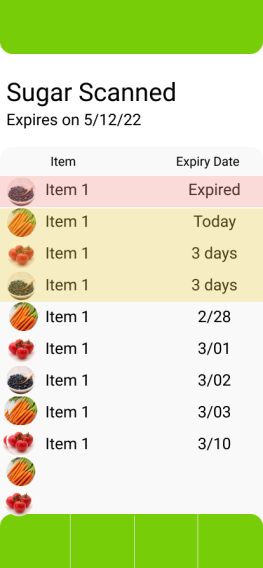
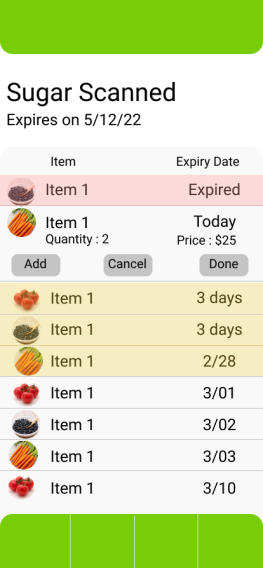
Prototype for future scope of Item list
-
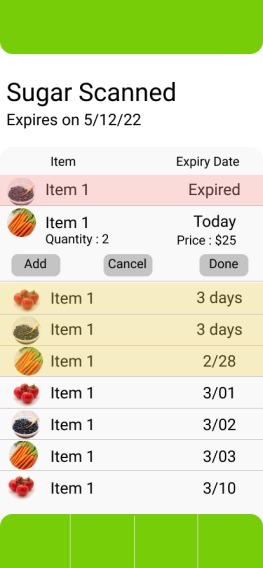
Prototype for future scope of Item list
-
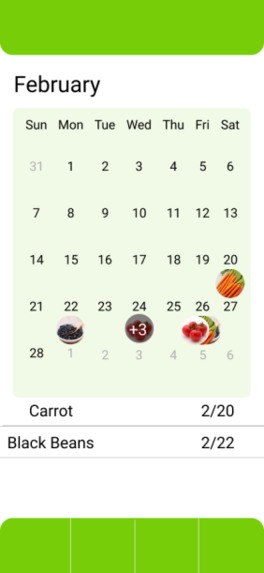
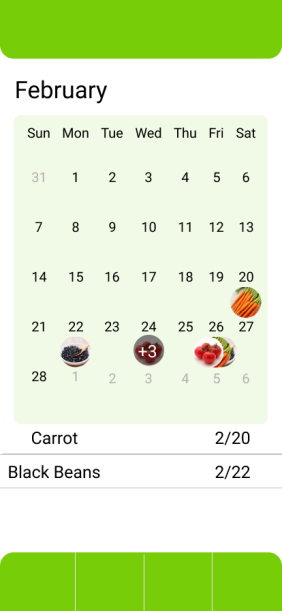
Prototype for future scope of calendar view
-
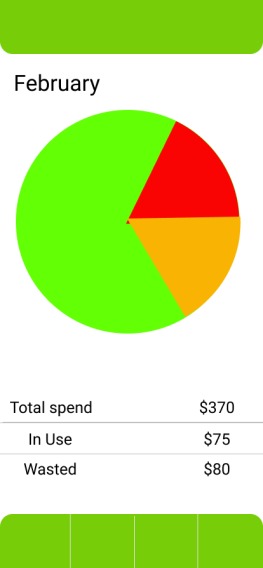
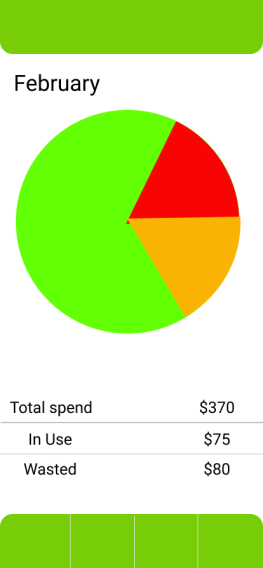
Prototype for future scope of budgeting
Inspiration
We spend so much time planning for groceries and meals, but in the end, it doesn't even matter...
But in all seriousness, food wastage due to bad planning and failure to monitor groceries properly not only burn holes in our pockets but also is damaging to the planet. Inspired by these ideas, we were motivated to create a device that would help anyone manage their groceries in a better and efficient way. It also provides you analysis of your monthly grocery budgeting and makes you realize how much wasted food costs you.
What it does
Our hardware first device enables you to scan the barcode on your grocery items and keep a record of what you bought. It monitors the expiry date of all the perishable items and notifies you when they are close to the date. It is compatible to use with any "Dumb" fridge and is "Smart" enough to provide a smartphone integration for data visualization.
How we built it
We used Raspberry Pi as our microprocessor which has a camera for scanning barcodes. We are using the Raspberry-pi PiCam library, to scan the barcode of the grocery item. We are using both, audio and visual, feedback to make it accessible for a wide audience including, Deaf and Hard-of-Hearing(DHH) and blind users. The green LED light enables a successful entry and the red light indicates a deleted entry. LCD display provides feedback for items being scanned.
After receiving the barcode data, we use it to fetch item details like Product Name, Image, Price, Calorie Count, Barcode, etc. from the Wegmans API. After fetching these details we store them in a MongoDB database. The WebApp then fetches this data using a Python Flask server to display it on the UI.
Challenges we ran into
The interfacing between all the different components was very challenging due to their incompatibility with each other.
This was our very first time working on a web app with Raspberry Pi connected to the PiCam and we faced a new challenge in every step of the project.
Accomplishments that we're proud of
We were able to successfully set up all the Raspberry Pi connections and achieved barcode scanning and fetching product details from the Wegmans API. We also successfully created a connected WebApp with a Python server connected to the MongoDB database and did a prototype design for the future scope of our project.
What we learned
We need to plan better for developing projects with a much larger scope. A better understanding of IoT technologies, Databases, and WebApp.
What's next for Clever fridge
Develop an independent and compact IoT device to be used with any fridge. Implement the prototype to include integration with a mobile app that would notify you when the expiry date of a grocery item is within 3 days. The application can be expanded to have an OCR feature for scanning receipts to remove the hassle of scanning each individual item. Integrating with a recipe API like Noom, we can suggest recipes based on the items in our fridge and pantry. Along with that, we can use the Wegmans API to provide calorie and nutrient counts for healthy eaters. The device will be compatible with any fridge and it has a low production cost ($20-$30), making it a viable consumer product.

Log in or sign up for Devpost to join the conversation.