-
-
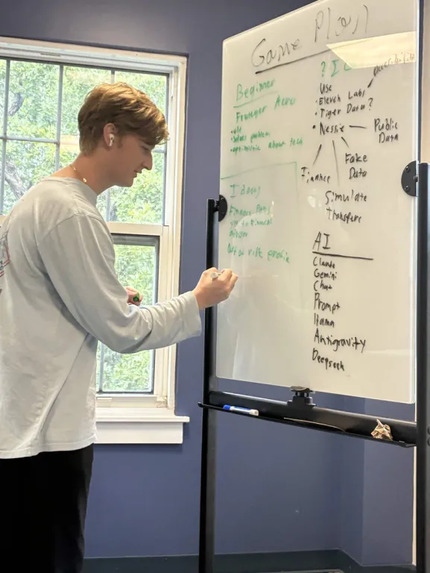
LET HIM COOK (brainstorming)
-
YAP SESSION
-
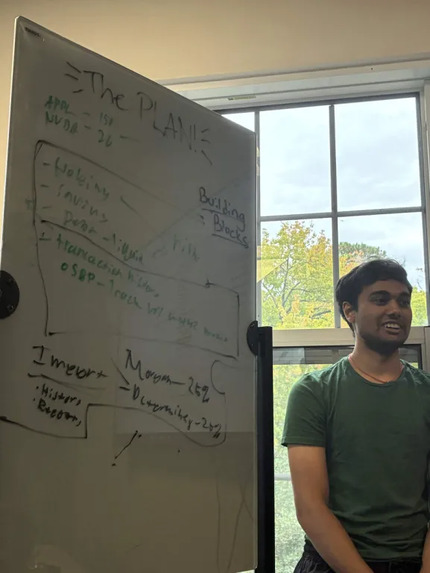
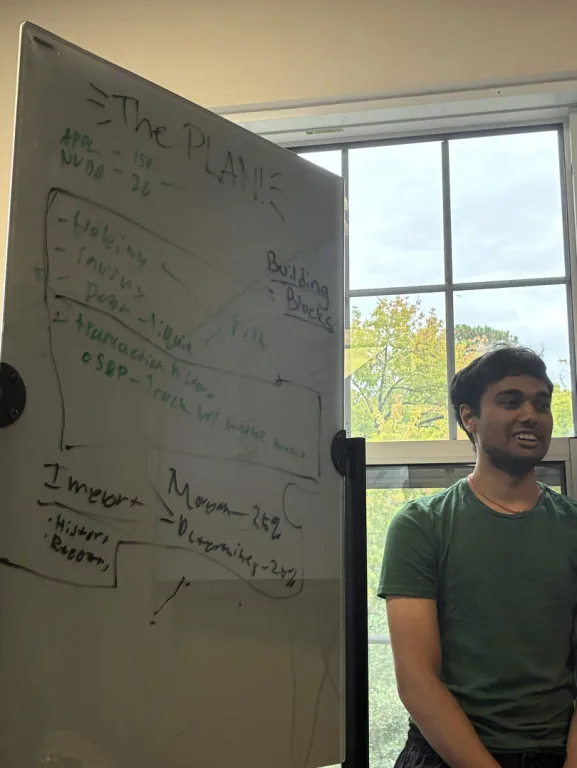
THE PLAN
-
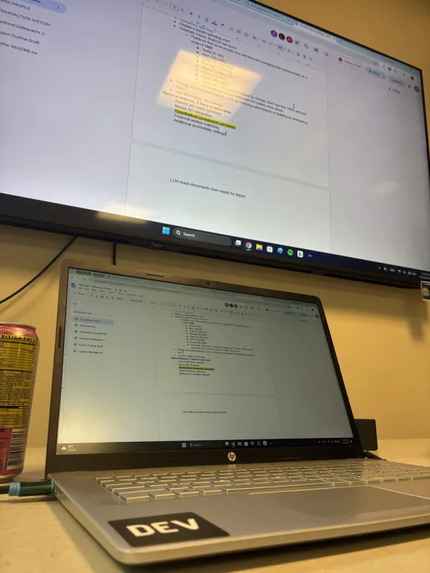
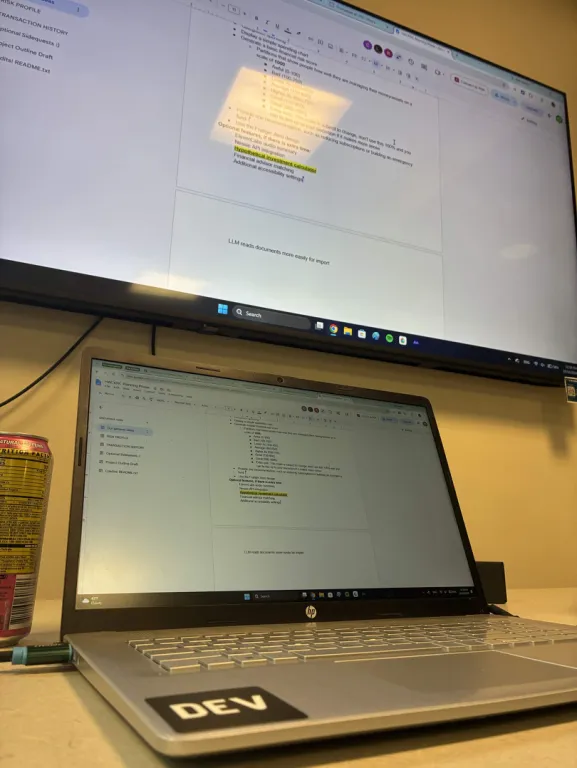
OUTLINE
-
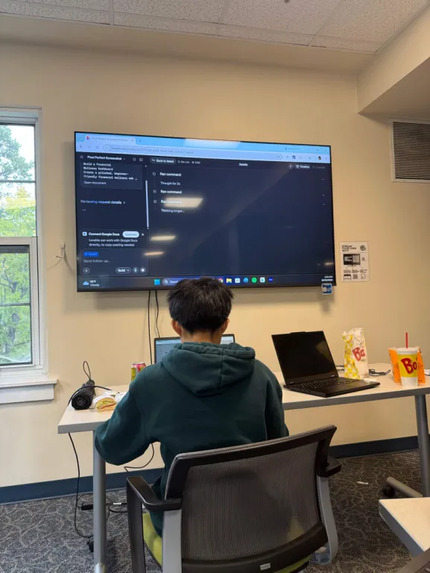
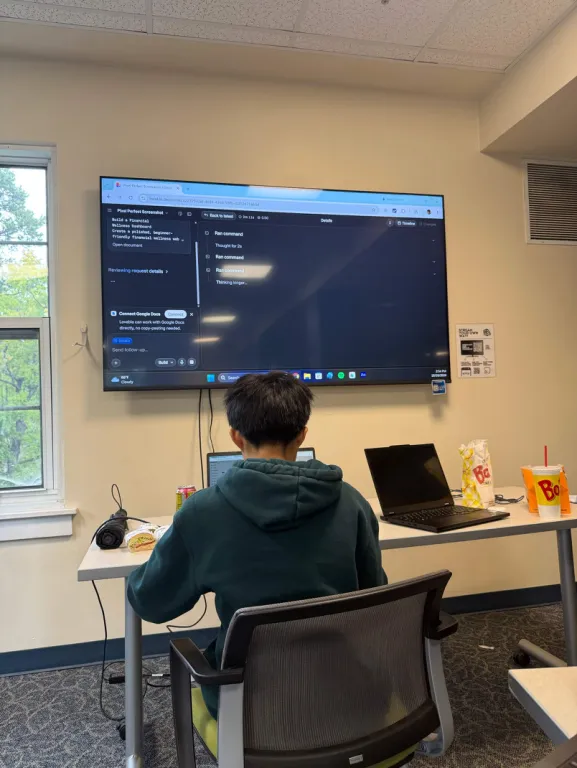
SENIOR DEVELOPER IN ACTION
-
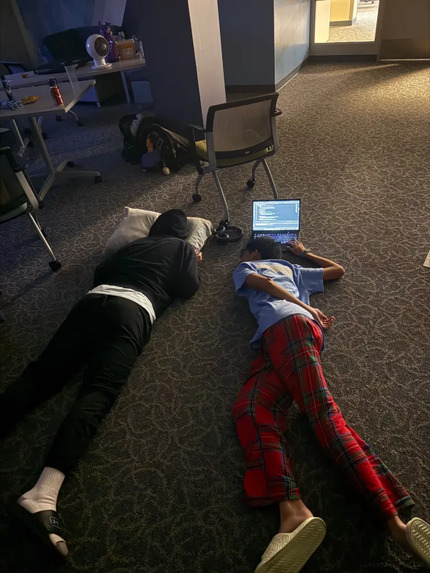
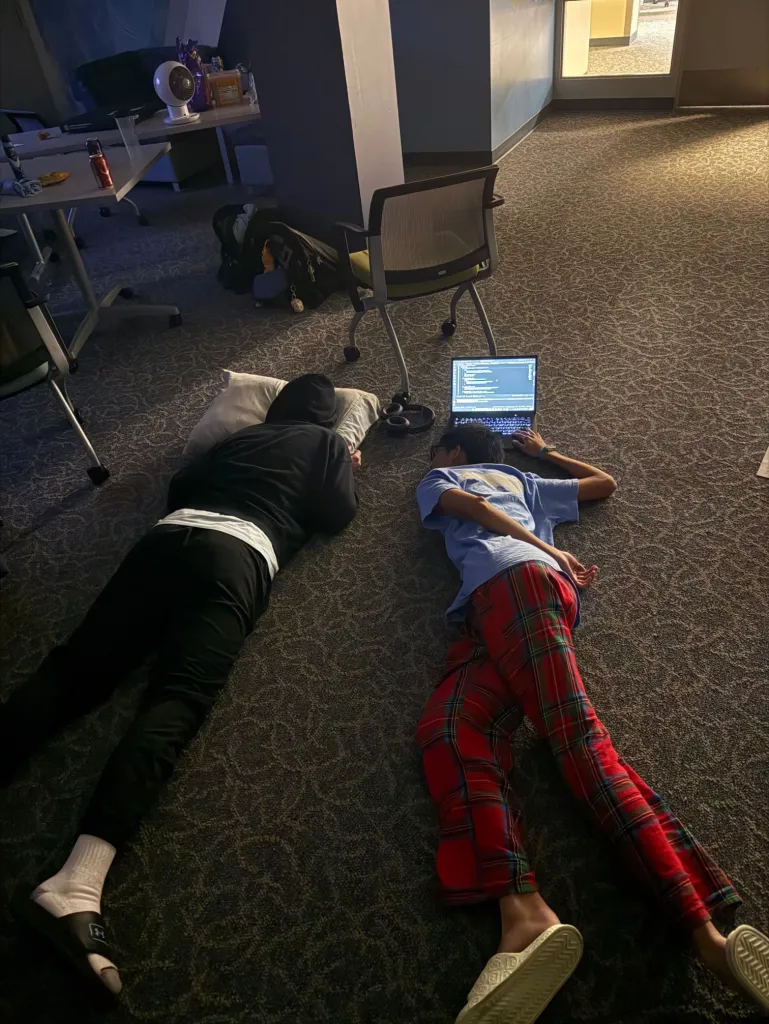
The results... 6:00am
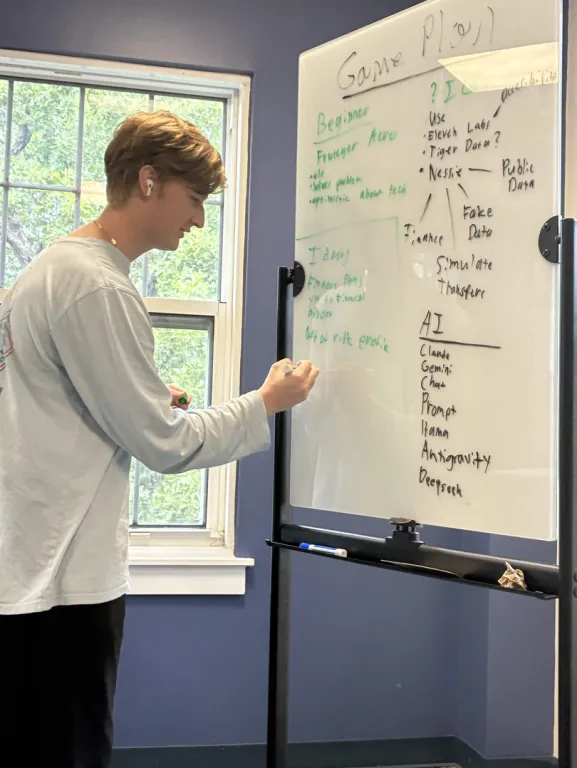
Inspiration
Financial information can be overwhelming, especially for students and people just starting to manage their money. A bank statement shows transactions, but it rarely explains what those transactions mean for someone’s financial habits.
We created ClearWater to make that information easier to understand. Our Frutiger Aero design uses water-inspired colors and visuals to make the experience feel approachable and reflect optimism about technology.
What it does
ClearWater helps users understand where their money goes and how their financial situation changes over time.
The dashboard organizes transactions, visualizes spending, identifies likely recurring payments, and highlights potential savings opportunities. Its educational cash-flow score explains each point deduction using the user’s recorded income and expenses.
A financial questionnaire collects information about goals, upcoming obligations, financial capacity, and comfort with investment uncertainty. Our investment interface separates account types, such as a 401(k) or Roth IRA, from the assets held inside them.
ClearWater presents estimates and supporting information so users can understand the reasoning behind the results.
How we built it
We used Lovable to build the interface and initial application structure, with GitHub supporting our development workflow. Google sign-in and MFA support user authentication.
TigerData stores financial records and score history. We implemented a TimescaleDB hypertable and continuous aggregate to support spending analysis over time, with results displayed on the dashboard.
We used sample transactions to test recurring-payment detection and data persistence. Our integrations include work with Nessie for simulated financial data and Alpaca for stock-market data.
We separated calculations, data connections, and interface components so we can extend the application without rebuilding it.
Challenges we ran into
One challenge was making the financial score understandable. Showing a number was not enough—we needed to explain which factors affected it and what the underlying transactions showed.
Connecting multiple services also required careful attention to database schemas, authentication, API credentials, and data formats. We had to distinguish expenses from account transfers and ensure that refreshing or importing data would not create duplicate records.
Another challenge was separating a person’s willingness to take investment risk from their financial ability to absorb losses. We designed the questionnaire and future-risk integration around that distinction.
Accomplishments that we're proud of
We’re proud of connecting the dashboard to a working TigerData database and verifying that transactions entered through the website were saved successfully.
We also implemented stored score breakdowns, a time-series analytics structure, and an interface that makes financial information easier to explore.
Our scoring explanations are especially important to us: users can see the numbers and rules behind an assessment rather than receiving an unexplained rating.
What we learned
We learned that a useful financial application depends on consistent data and clear explanations as much as its visual design.
We gained experience with database schemas, time-series analytics, authentication, secure API integration, and testing data persistence. We also learned that stored data becomes more valuable when it is analyzed and returned to users as understandable trends.
What's next for ClearWater
Next, we plan to complete and test our future-risk methodology using questionnaire responses, financial history, and investment data.
We also want to finish advisor matching, expand investment-history analysis, and add AI explanations grounded in verified calculations. An optional audio summary will make the dashboard more accessible.
As we develop these features, we will keep explanations transparent and clearly distinguish available evidence from missing information.
Built With
- chatgpt
- claude
- gemini
- lovable
- promptlab


Log in or sign up for Devpost to join the conversation.