Inspiration
According to the World Health Organization (WHO), approximately 2 billion tonnes of waste are generated in the world each year. This amount is increasing with population growth, economic activity, and changes in consumption patterns. Most of this waste is comprised of garbage generated in cities, such as municipal solid waste, construction waste, and industrial waste. Human-generated waste has been causing damage to the environment for quite some time. More than half of the world's population does not have access to regular waste collection, and therefore, more and more waste ends up on the streets of our cities.
What it does
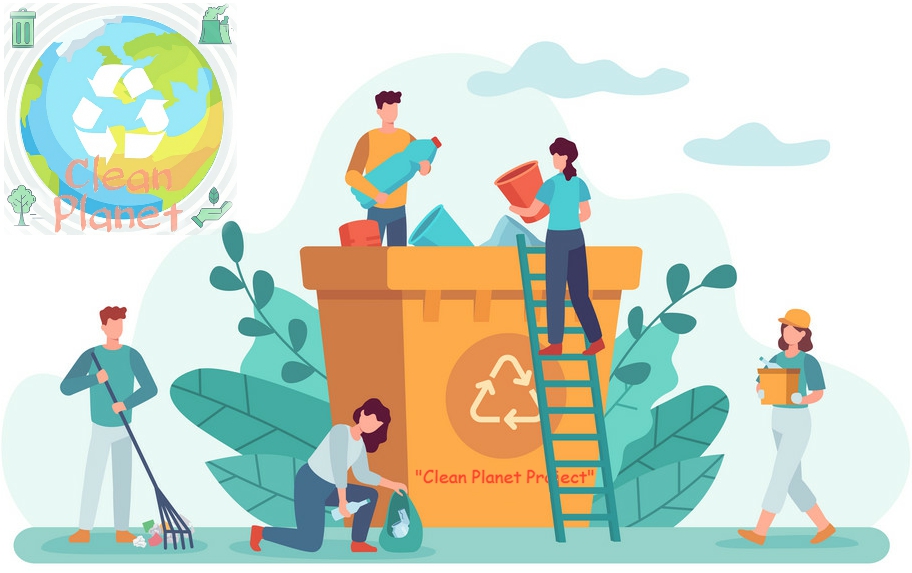
Inspiring people and society to collect and recycle waste is crucial. The "Clean Planet Project" is tackling the waste epidemic using blockchain solutions, laying the foundation for scalable blockchain applications to reduce the waste burden worldwide.
We aim to use blockchain to incentivize better waste collection and sorting. We have developed a blockchain-based platform that allows ordinary city and rural residents to participate in cleaning up the planet and earn money from waste.
All transactions on the platform are carried out using a smart contract, which reliably records receipts and payments, ensuring transparency and accountability for investors.
How I built it
In the first stage, we created two earning options, "Seeker" and "Volunteer," and two corresponding reward types. To operate the project, the "Clean coin" was created, which is distributed as a reward for searching or cleaning up garbage.
Here are a few programs and initiatives that "Clean Planet Project" will participate in after launching the platform:
World Bank :Since 2000, the World Bank has allocated about $4.5 billion to support solid waste collection and disposal programs worldwide.
Coca-Cola: Coca-Cola has committed to collecting and recycling several times more plastic bottles than it produces by 2030. It also invests $100 million in supporting plastic recycling and developing new materials that are more resistant to recycling.
Procter & Gamble: Procter & Gamble plans to invest $2 billion in plastic collection and recycling by 2030, and has committed to reducing its use of plastic in its packaging by 50%.
Nestle: Nestle is investing €1.5 billion in waste collection and recycling, including plastic, by 2025.
Unilever: Unilever has committed to collecting and recycling 25% more plastic packaging than it produces by 2025.
Walmart: Walmart plans to spend $1 billion on transitioning to secondary resources and reducing waste from its own production by 2025.

Log in or sign up for Devpost to join the conversation.