-
-
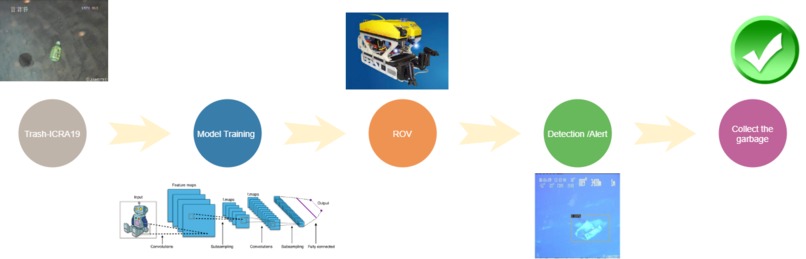
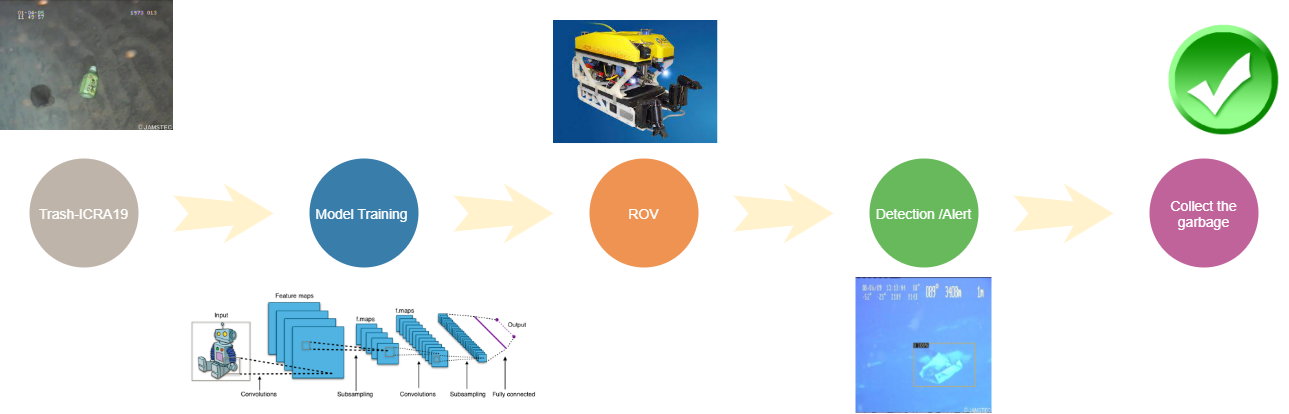
our pipline
-
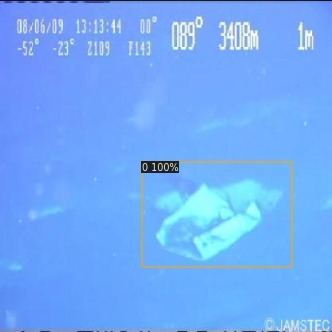
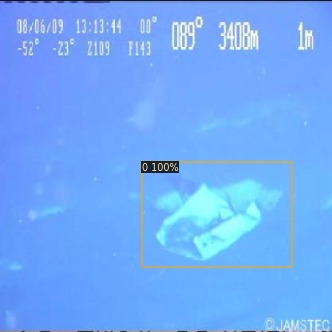
model result
Our inspiration
As Egyptians, we live by the sea almost since childhood, we used to see the Mediterranean sea as clean, blue and many people used to work as fishers. After years the consumption of plastic increased and the management of the waste becomes a critical point because people don't understand the impact of throwing this trash in the sea... Years after years the problem of global warming increases and water pollution becomes a major problem for many countries that need an automated solution for trash gathering and trying to clean their shores.
What it does
Our project "Clean-H2O" is a computer vision model implemented on an ROV (Remotely operated vehicles), the ROV will help to detect and gather the trash So it will help to collect the waste in the water instead of the human intervention to collect the garbage by himself, the vehicle will do all the task.
How we built it
We used a dataset from Trash-ICRA19 which contains images from underwater video frames. by RoboFlow, we obtain annotation files for the model. Finally, in the modeling phase, we have tried different architectures and decided Detectron_2 due to its best results
Challenges
Our main challenges are the time and cost needed for building an ROV and full idea implementation. We tried only to implement the code needed for detecting the trash, we dream to implement our idea on a real ROV one day and bring our project to the light and have a real impact on the environment. ## What we are proud of As our team consists of young people we always have a dream to see a real impact on the planet and be leaders or pioneers in a subject on of these topics is the environment and how to protect our planet, and we are really proud of the accomplishment that they achieved that we came with an idea that maybe with a little of investment we can build a real prototype, so this will engage many young people to know the importance of the environment. We are really proud of this small accomplishment.
What we have learned
- Each year an estimated 8 million metric tons, or 17 billion pounds, of plastic flows into the ocean, this Trash and debris such as fishing gear, straws, and plastic bags pose a deadly threat to marine life.
- 80% of ocean trash is a product of land-based sources (trash coming from activities on land) including the items listed above—plastic bags, straws, bottles—plastics that are used once and then discarded can end up in the ocean.
- Computer vision is our hero to save our planet
Future Steps
- Having a fund will be a great opportunity to continue our implementation and build our whole system.
- Iot integration technology implementation by sending an alert to the smartphone if we have a dangerous situation.


Log in or sign up for Devpost to join the conversation.