-
-
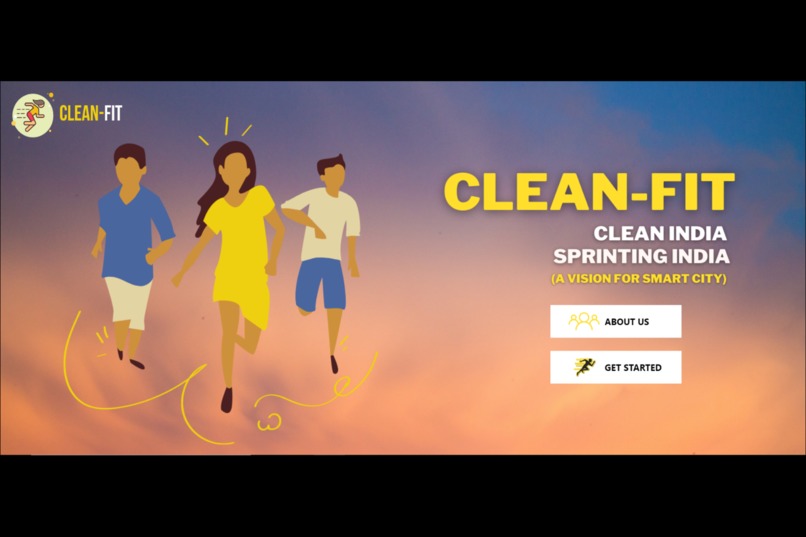
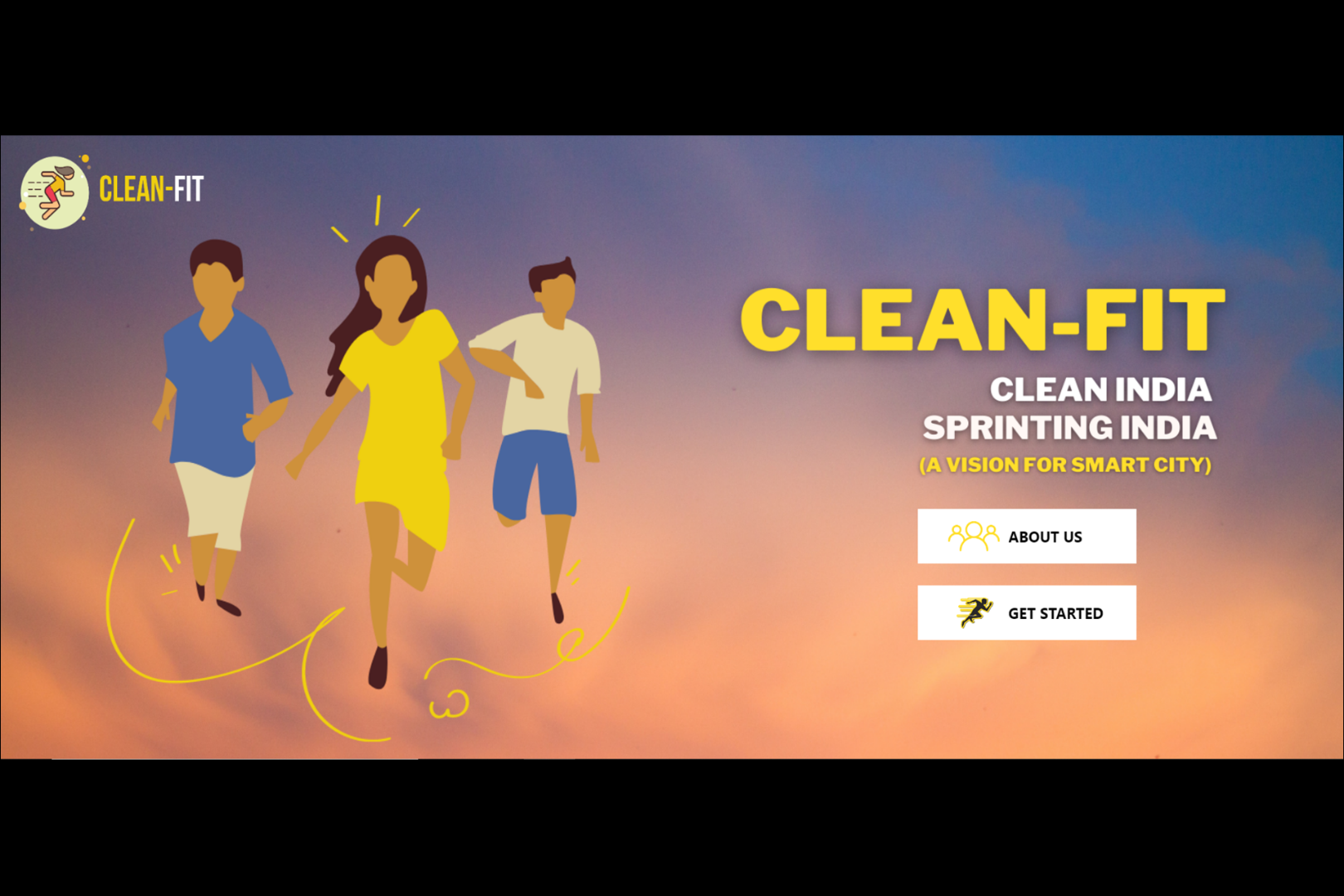
Home Page
-
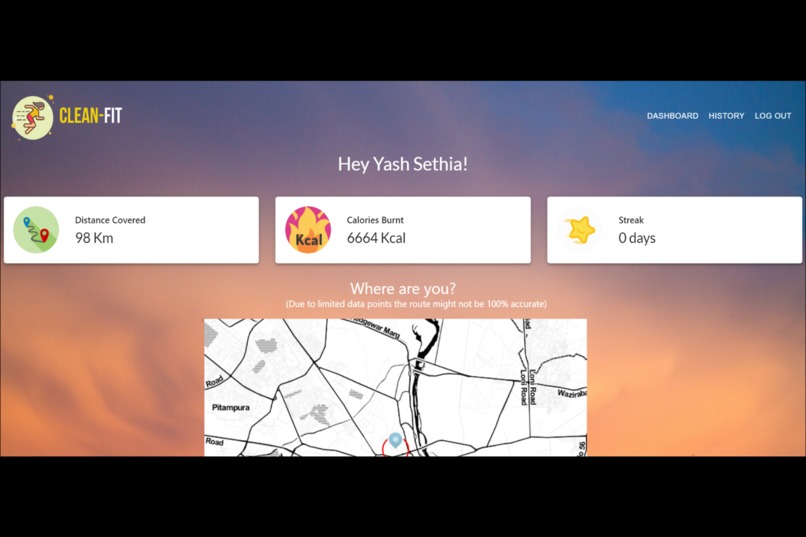
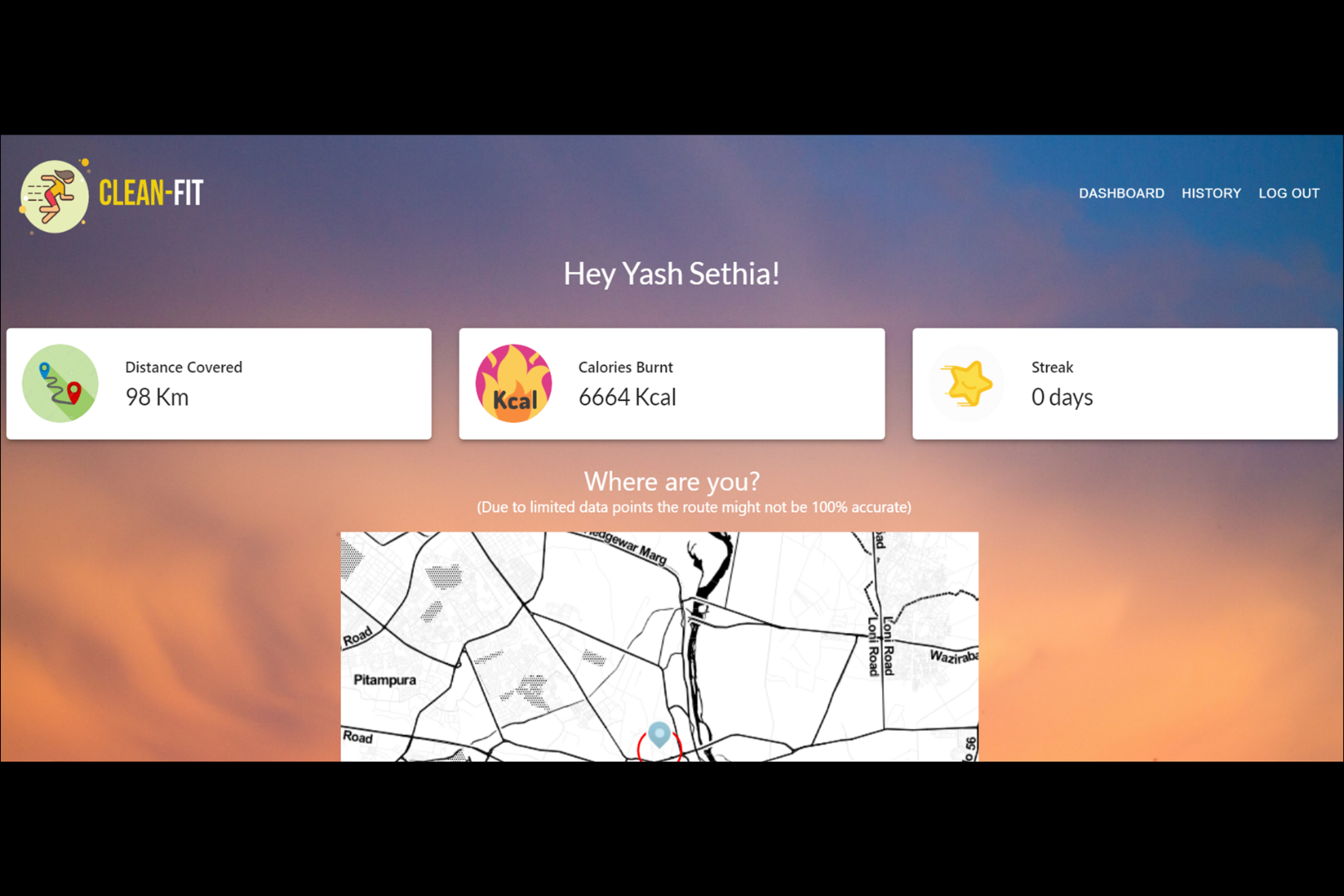
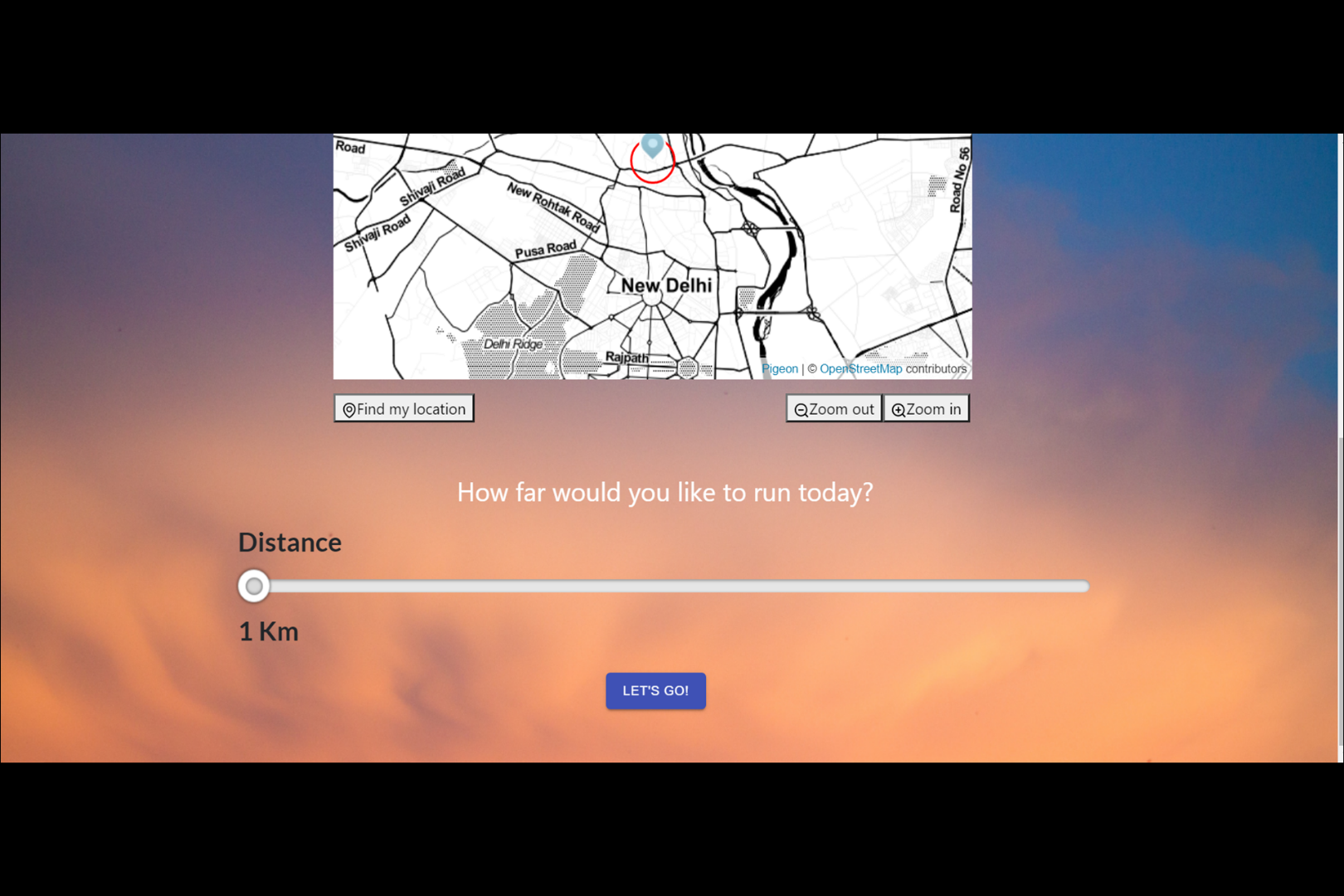
Dashboard
-
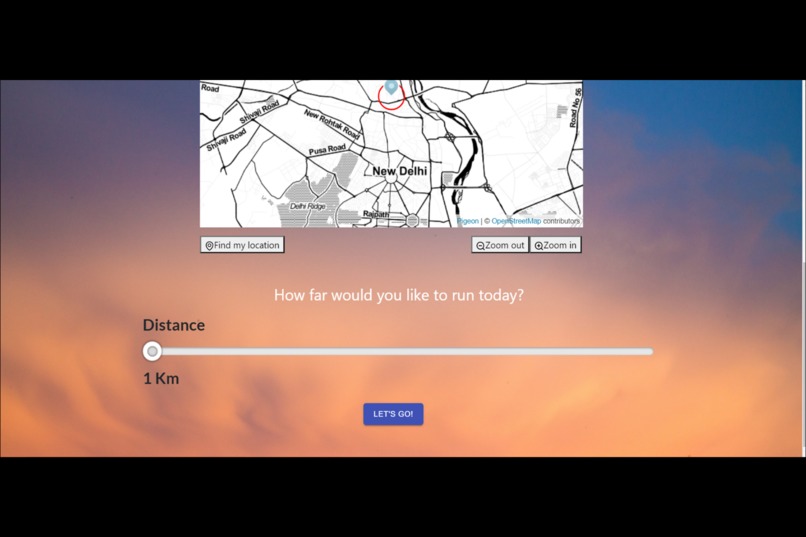
Dashboard
-
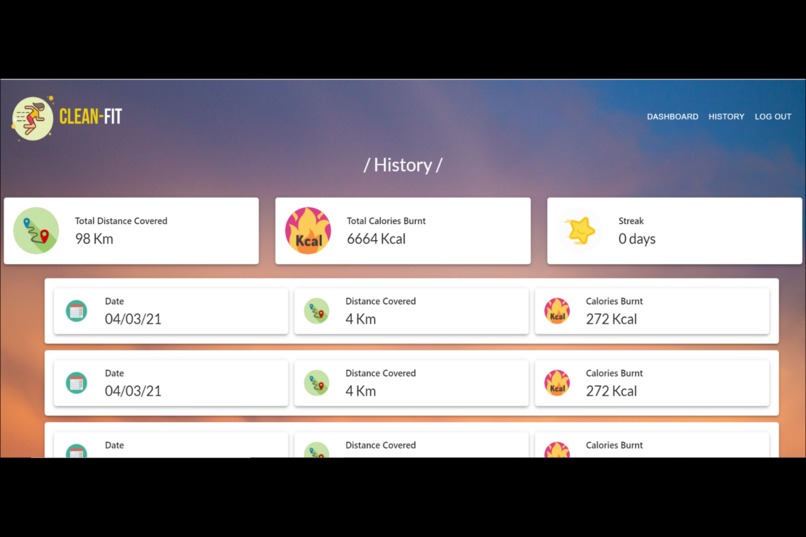
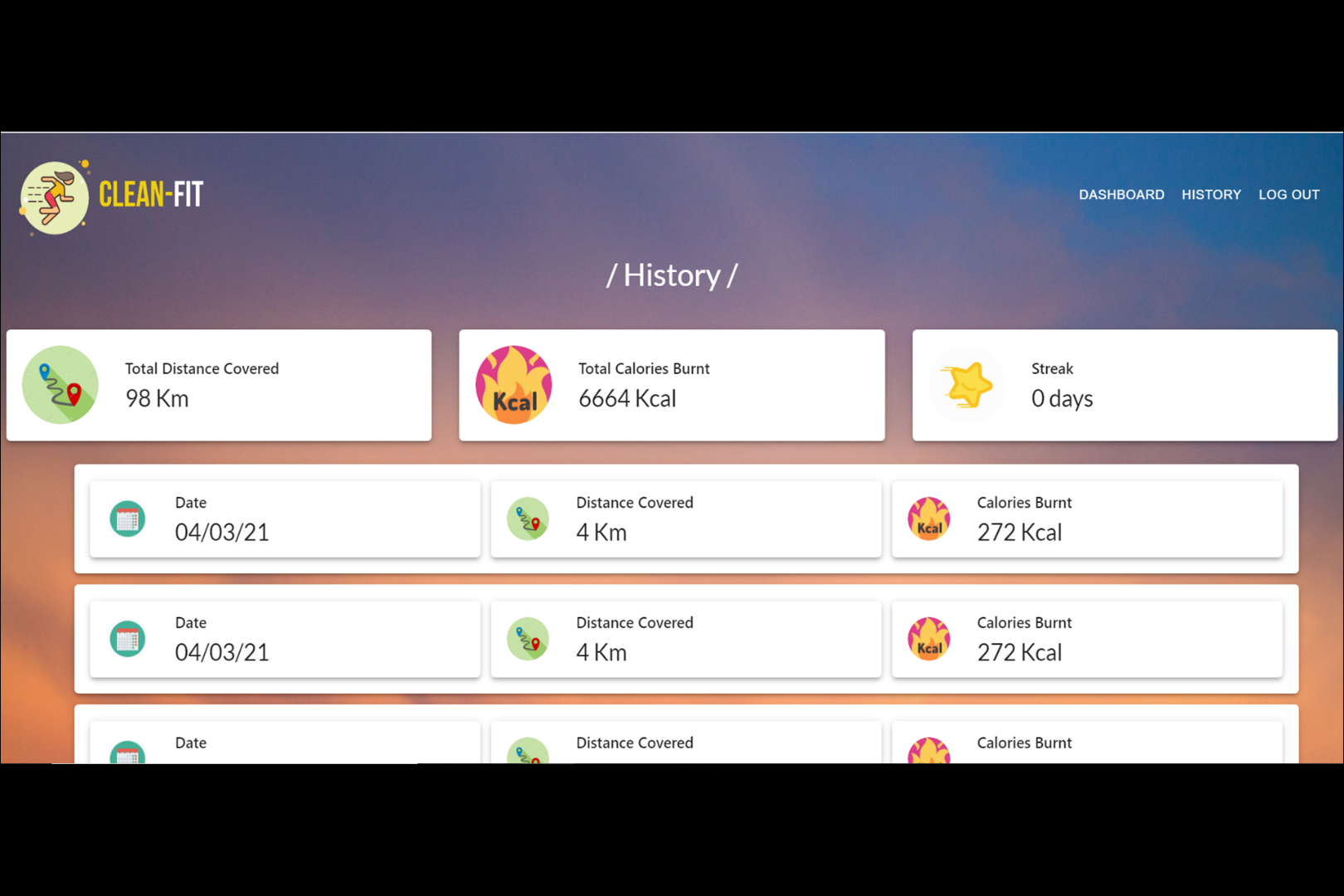
History
When were things created and who are we? 👨🦱
We are actually members of the official journalism club at NSUT Delhi, The Alliance. We have been working together here for a year and a half now. We mutually decided to take part in a hackathon a few days back, and here we are; finally ready to show our project to everyone.
Inspiration🚀
Our inspiration was derived from the deteriorating health of our citizens and the dirtiness of our streets in India. The sedentary lifestyle that people have grown accustomed to is going to derail us from the path of progress. At the same time, we realised that another problem with similar roots is cleanliness. India is ranked 168 out of 200 countries in the 2020 Environmental Performance Index. These statistics have coerced us to confront these serious problems with an innovative but simple solution.
How we built it🔥
We divided the complete work of our project into 4 major parts: Front-end design and functionality, backend set up and computation, machine learning and deep learning integration and custom map technology. Our team has 4 members, and thus each one of us took one of these jobs, and we all have tried our best to complete our tasks within the given time while keeping the essence of our idea as our motivation and guide.
Challenges we ran into 😥
In the machine learning part, running the model was a daunting task, as data from two different datasets were joined together to be run on a deep learning model. Improving accuracy also was an obstacle, which was overcome by running a pipeline function to check its accuracy with other regression standards. Searching for sites to scrap Delhi cities’ data also became a problem in the middle stages of the project. Finally, a site was found which had the names of all Delhi cities along with coordinates of each and every city. Handling the routing of different pages on the frontend was the challenging part. Not just that, passing states (data) along with these routes from parent component to child components and to non-related components via React Context API was also something that we had not used before. And so managing these routes was one of the major challenges we faced for the client-side. Integration of Backend with ML was a bit challenging at first but after several cups of coffee and tons of bugs later, we were able to finally integrate it. We also faced some issues while redirecting our GoDaddy subdomain to point to our Heroku domain and we are still working on it, though we originally wanted to deploy our project to Google Cloud we were not able to deploy it.
Accomplishments that we're proud of 🙌
We successfully integrated the front and the back end, which seemed to be really difficult in the initial stages. The Deep Learning model was finally completed and implemented, which was a daunting task because of the complex joining of two very different datasets in the pre-computation and data cleaning part. Being able to integrate our web application with Google Login API and use React Context API instead of redux as our primary state management tool was also a huge accomplishment. The app is now fully functional with additional user-centric and analytic tools. We have seen to it that the web app is light and hence can be used by all, considering bad networks are a prevalent problem in India. For most of us, this being our first hackathon, we are very content that we were able to put forward such a project within the stipulated time.
What we learned ❤
We learned a lot about the integration of the front and back end. We learnt how ML/Python files can be integrated with the back end to complete the workflow of the project. We also had some new experiences with various new libraries of python, which helped us to set up our deep learning model. We also learned how to scrape data from websites, and thus learned an important aspect of data mining. We had never used Map APIs before so working on a project centred around one taught us a lot.
What's next for Clean Fit ✨
- Get data about the cleanliness of streets via automated social media analysis or direct user input.
- Make it more collaborative by allowing users to form groups that will have common routes.
- Add social media features to increase awareness, boost usage of the product and form a network of responsible citizens.
- We will improve upon the responsiveness of the site, in later iterations.
- We plan to also convert this web application into a mobile application, and users can track the route generated for them and also gain some incentives by completing their goals.


Log in or sign up for Devpost to join the conversation.