-
-
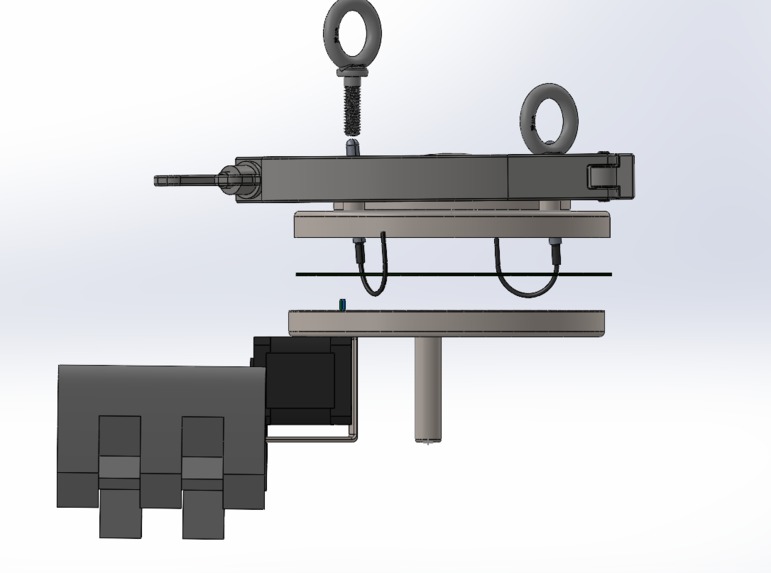
Side View
-
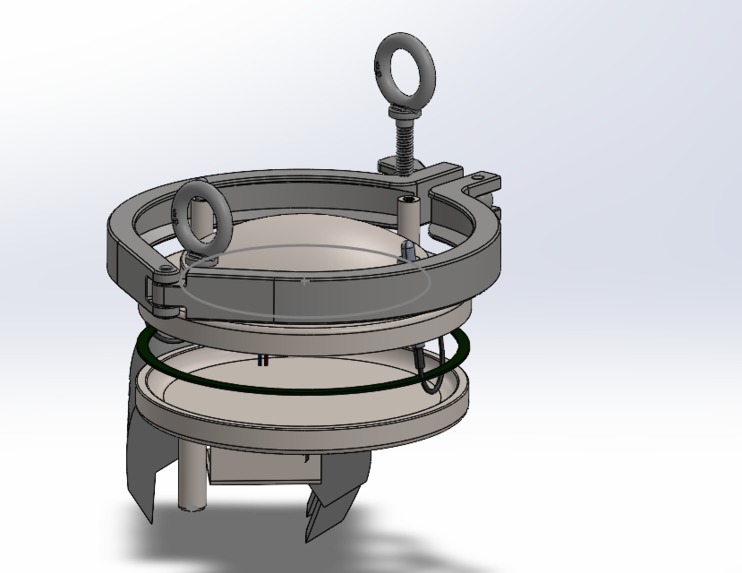
Diagonal View
-
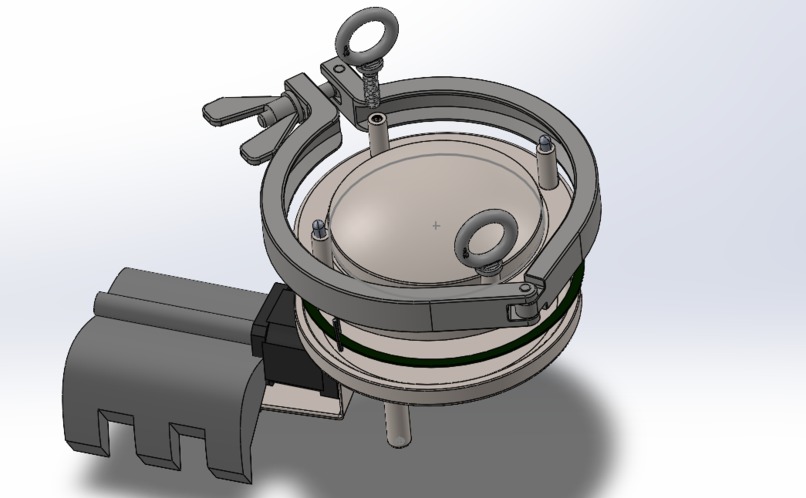
Top View
Inspiration
In the past decade water pollution due to wastewater has affected the life of thousands of lakes around the world. In 2021, 40 tonnes of dead carp washed up on the banks of Lebanon's highly polluted Lake Qaraoun due to toxic algal blooms occurring due to wastewater pollution. This makes surveying and monitoring water health a problem of utmost importance, particularly for aquaculture wherein fish are highly sensitive to water temperature, pH, and bethnic environment changes. Current techniques to sample waterbodies involve tedious sample collection with separate sampling required for water and soil. We aimed to make the process of preliminary sampling easier, faster, and more efficient.
What it does
Our solution, CLAWS is a deployable robotic claw with sensors to measure water quality parameters, namely temperature, pH, dissolved oxygen, turbidity for determination of waterbody "health". It is miniature, cost effective, and makes lakebed soil sampling less time consuming, providing solution for making preliminary waterbody analyses to be more efficient.
How we built it
We created an Arduino demonstration using the provided kit and sensors. We created a circuit on the breadboard and connected three sensors with the arduino, using the arduino IDE to program and integrate the sensors - enabling them to provide reliable data. We created a model of our enclosure using 3D printing that is meant to give an idea of the size and the shape of what a final version would like. A fully waterproof version would be constructed from stainless steel.
Challenges we ran into
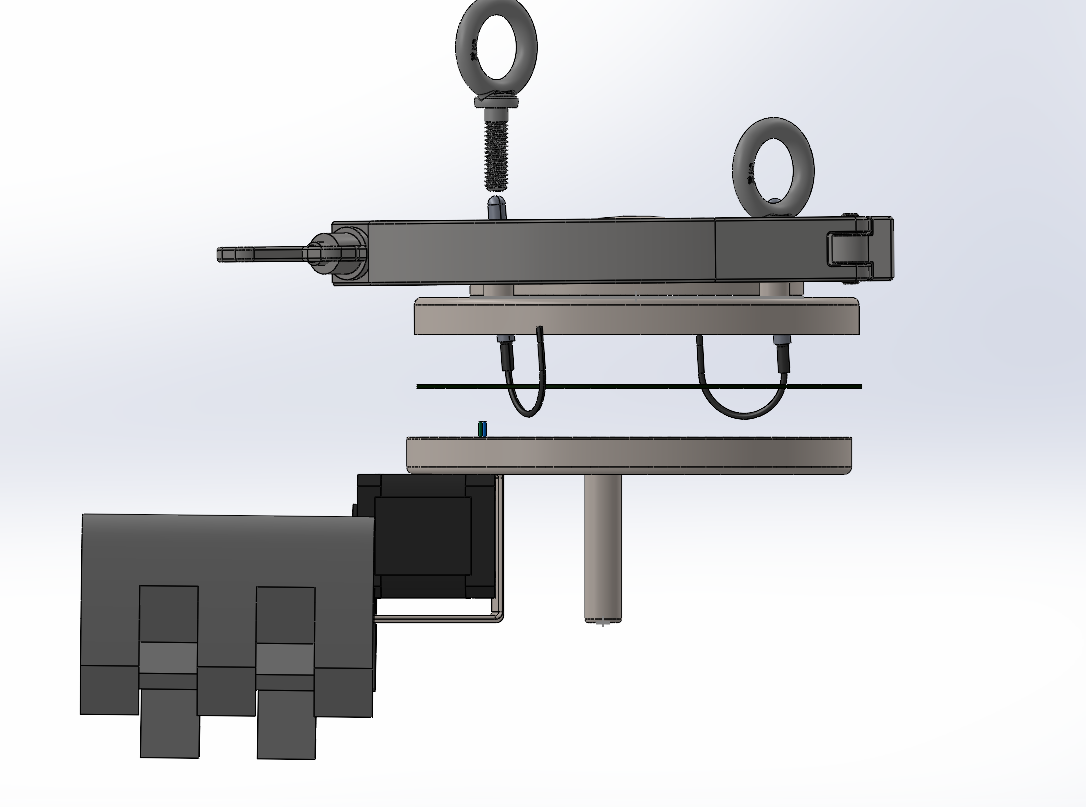
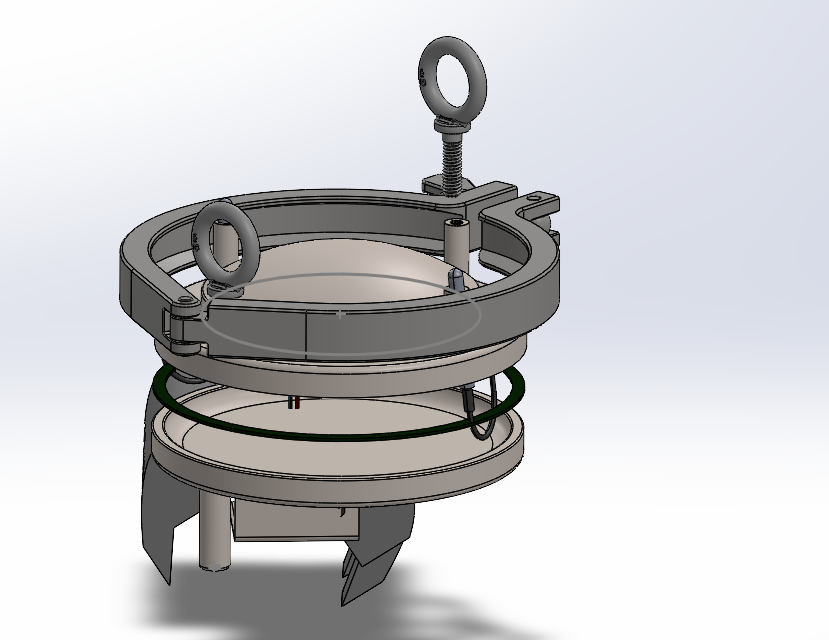
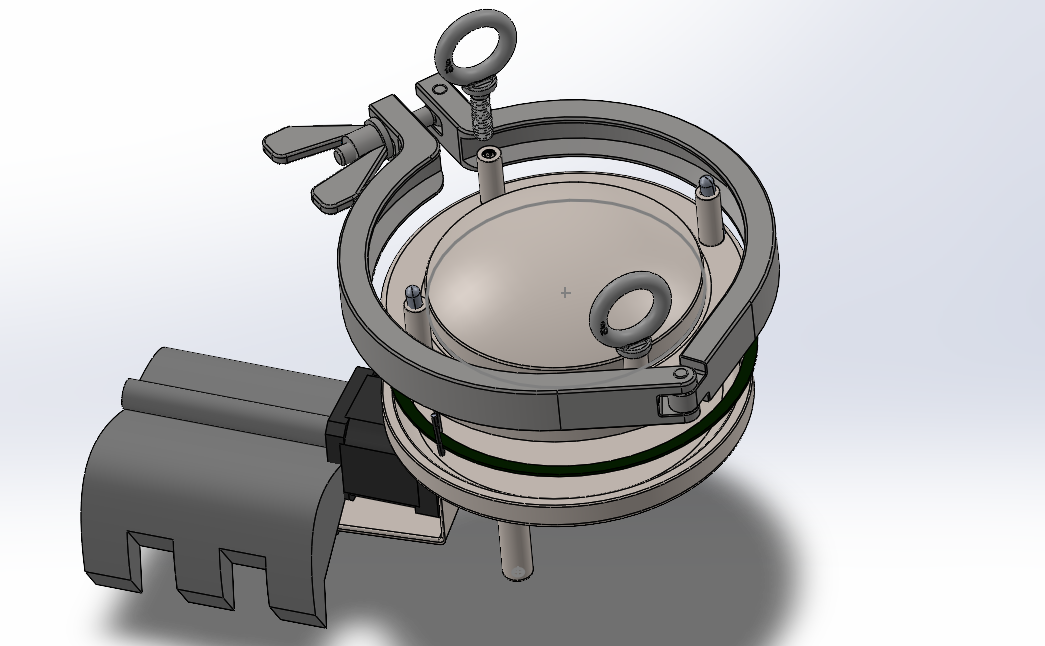
Some challenges we faced are determining a design for the claw that would be strong enough to grip dense or rocky sediment. We thus modelled the it based on an excavator claw. We also had to reliably waterproof the housing for the electronics while also making it able to withstand the pressure at lakebeds. To solve this, we created a stainless steel enclosure out of two plates, an o-ring, and a triclamp, which can withstand a pressure of 300psi, far greater than that at lakebeds. This is similar to how hoses and clamps are secured in industry settings to deal with pressurized water. All sensors will be threaded into the plates to ensure proper sealing. These measures will allow us to reach IP69 ratings for waterproofing.
Accomplishments that we're proud of
We successfully created a comprehensive CAD design of CLAWS with it's sensor housing and layout. We were also able to connect sensors to an arduino, thus creating a demonstrative prototype of a microcontroller with sensors similar to those that would be used in the final design.
What we learned
We expanded our knowledge of environmental issues, water and underwater soil sample collection. We learned IP69 waterproofing standardization. Additionally, we improved our skills with Arduino.
What's next for CLAWS (Collecting Lakebed Analysis With Sensing)
Addition of a radiofrequency transmitter, to transmit ultrasound data in real time and establish a closed-loop system to automatically stop the claw at the lakebed using the ultrasound sensor. Surface displays can be added to show users on the boat when the soil sample has been collected. Electrochemical sensors to detect contamination from heavy metals, such as lead, in-situ are another crucial addition.
Built With
- arduino
- autodesk-fusion-360
- solidworks


Log in or sign up for Devpost to join the conversation.