-
-
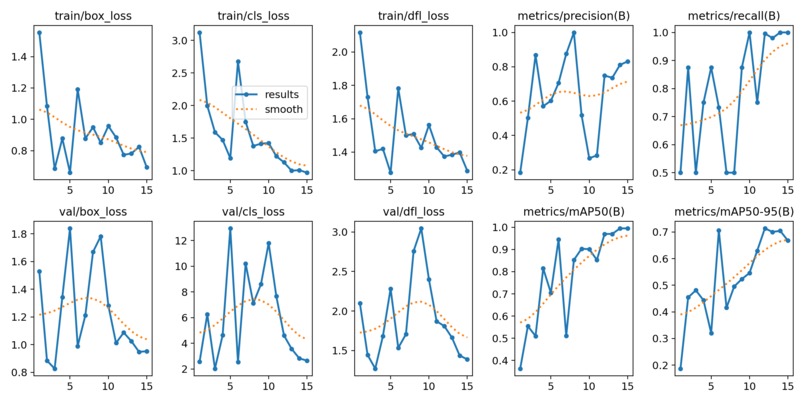
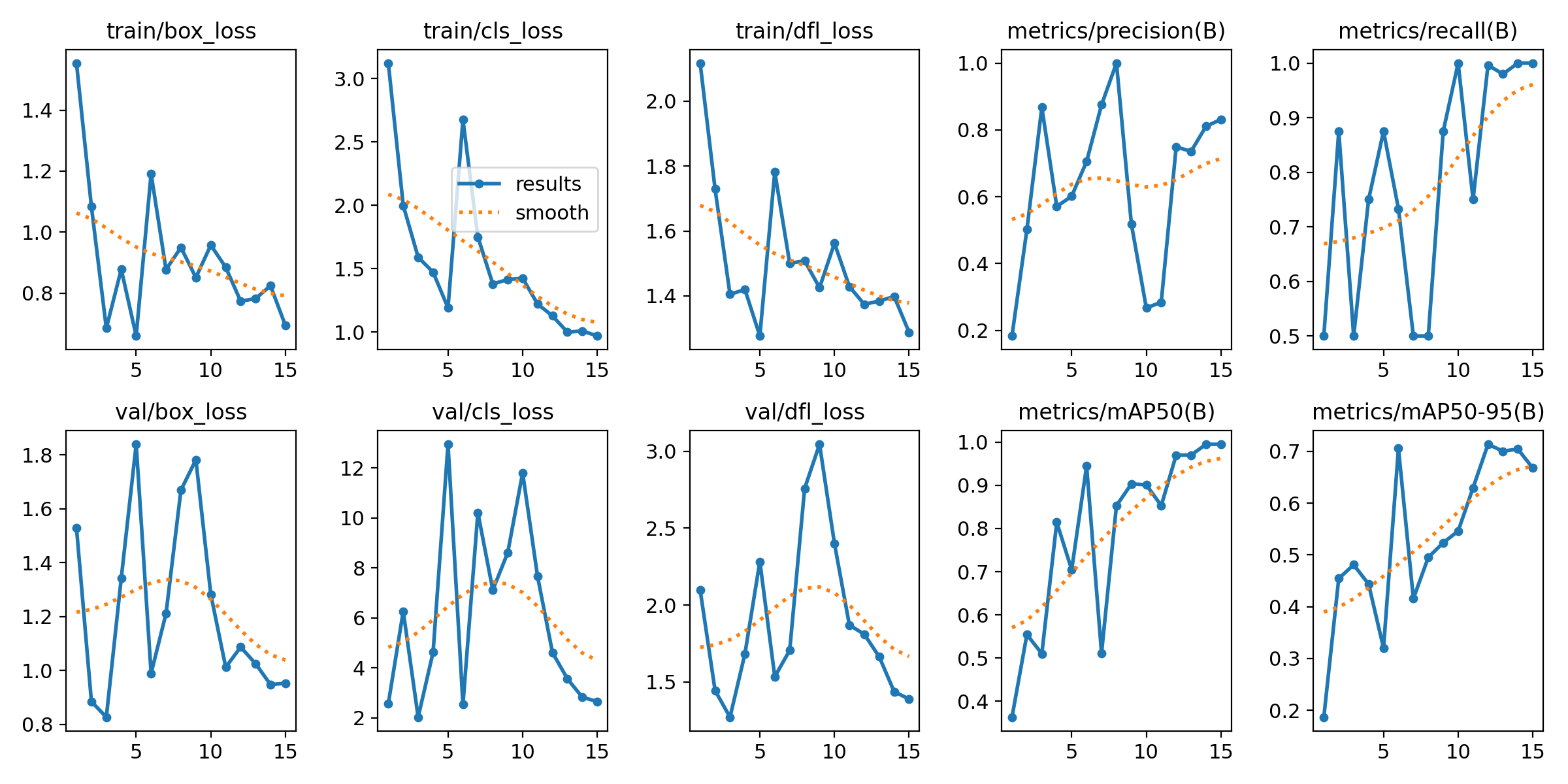
Training Result Graph
-
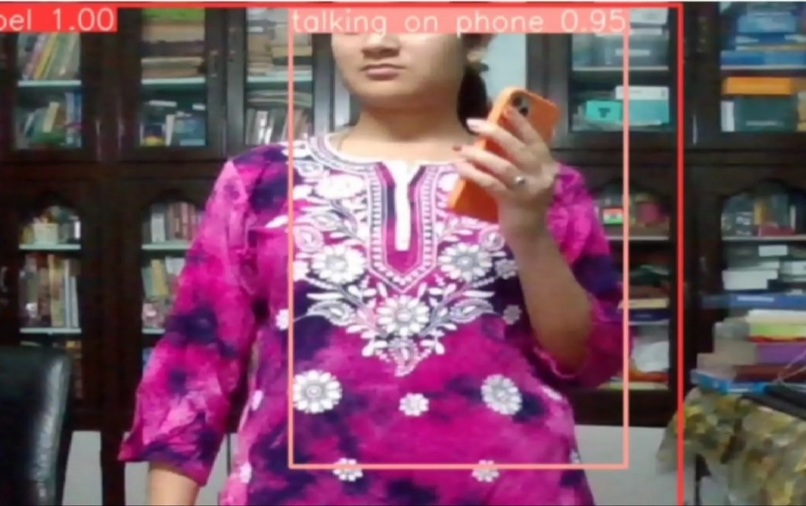
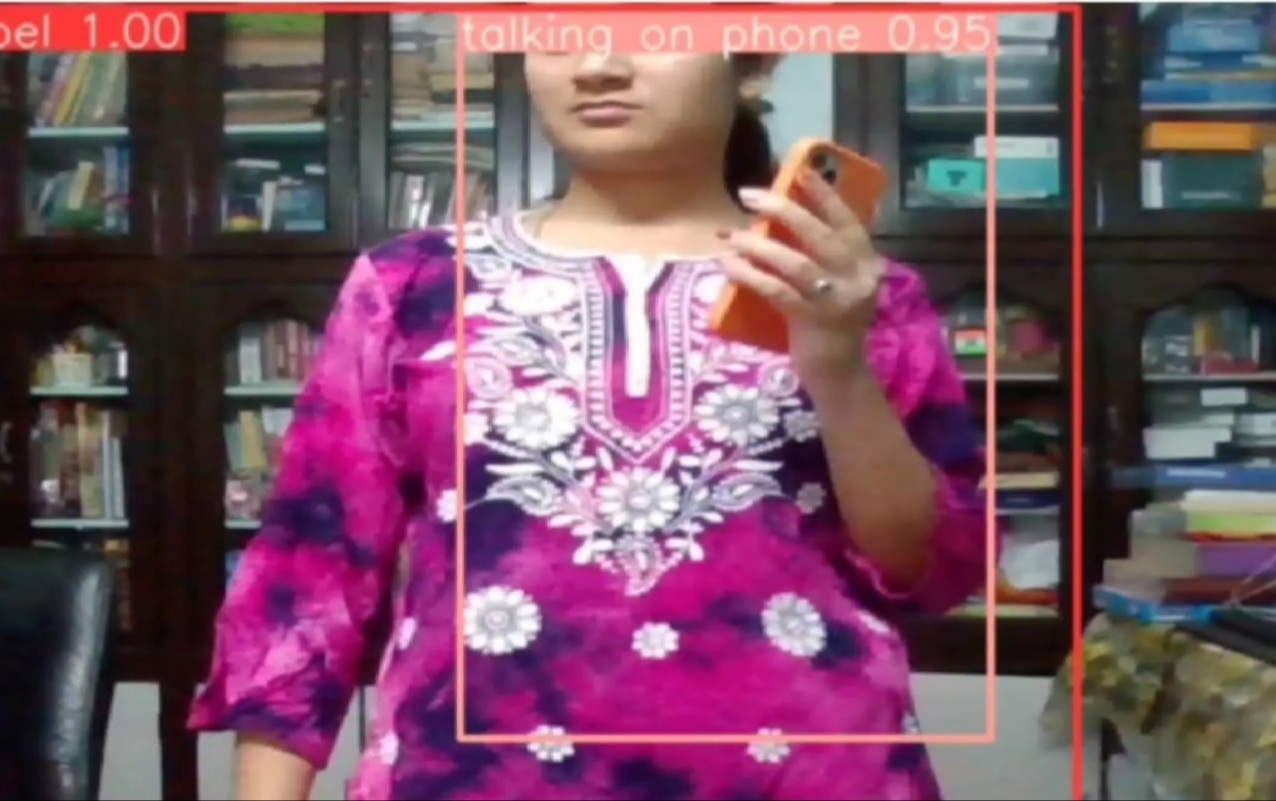
Detected Result
Inspiration
The rising issue of phone distractions in classrooms inspired us to create a system that could help educators maintain a focused learning environment. We aimed to develop a solution that automatically detects phone usage during class, helping teachers address distractions and improve student engagement.
What It Does
The Classroom Phone Usage Detection System utilizes advanced computer vision techniques to identify and flag instances of phone usage in real-time. By monitoring classroom footage, the system detects when students are using their phones and alerts educators, allowing them to take appropriate action.
How We Built It
- Data Collection: We gathered and annotated classroom images and videos, focusing on scenes where students were using their phones.
- Model Development: We implemented the YOLOv8x model, which excels at real-time object detection, to identify phone usage in the classroom.
- Training and Fine-Tuning: The model was trained on our custom dataset with careful tuning to improve accuracy and reduce false positives.
- Integration: The trained model was incorporated into a real-time system that processes classroom video feeds and detects phone usage.
Challenges We Ran Into
- Data Acquisition: Collecting and annotating relevant classroom footage was challenging due to privacy concerns and limited access to appropriate datasets.
- Balancing Accuracy: Achieving a balance between detecting phone usage accurately and avoiding false alarms required extensive model tuning and experimentation.
- Real-Time Processing: Ensuring that the system could analyze video feeds in real-time without lag was a significant technical challenge.
Accomplishments That We're Proud Of
We’re proud of successfully developing a system that can detect phone usage in classrooms with high accuracy. Our model’s ability to operate in real-time and its potential to positively impact classroom dynamics are accomplishments we’re particularly excited about.
What We Learned
Through this project, we deepened our understanding of object detection models, particularly YOLOv8x, and the intricacies of real-time video analysis. We also learned valuable lessons in data annotation, model training, and the importance of balancing model sensitivity with specificity.
What's Next for Classroom Phone Usage Detection System
Moving forward, we plan to:
- Enhance Detection Capabilities: Improve the model's ability to differentiate between different types of phone usage, such as texting versus calling.
- Expand Use Cases: Adapt the system for use in other environments where phone usage is restricted, such as libraries and exam halls.
- User Feedback Integration: Incorporate feedback from educators to refine the system's functionality and make it more user-friendly.


Log in or sign up for Devpost to join the conversation.