-
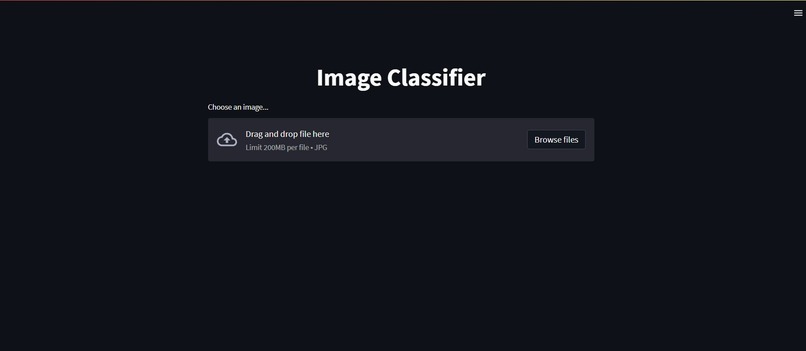
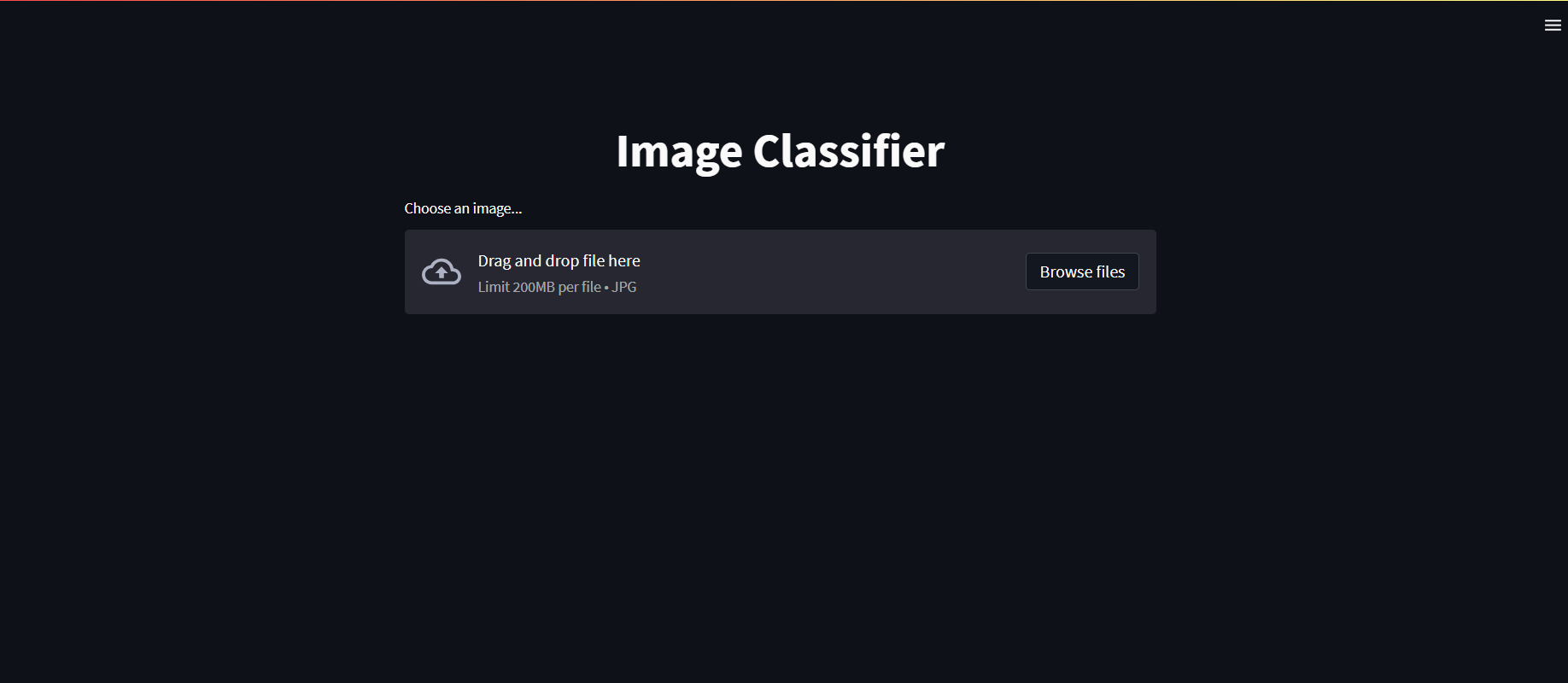
Front screen
-
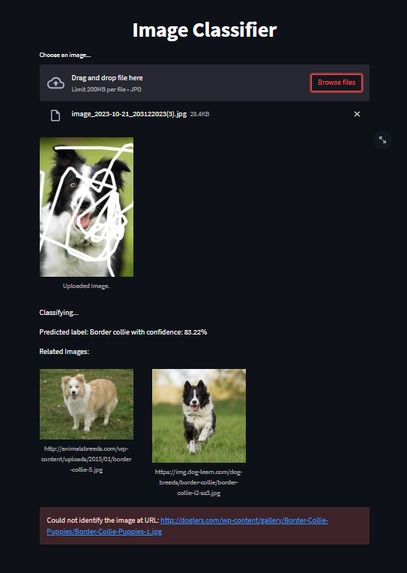
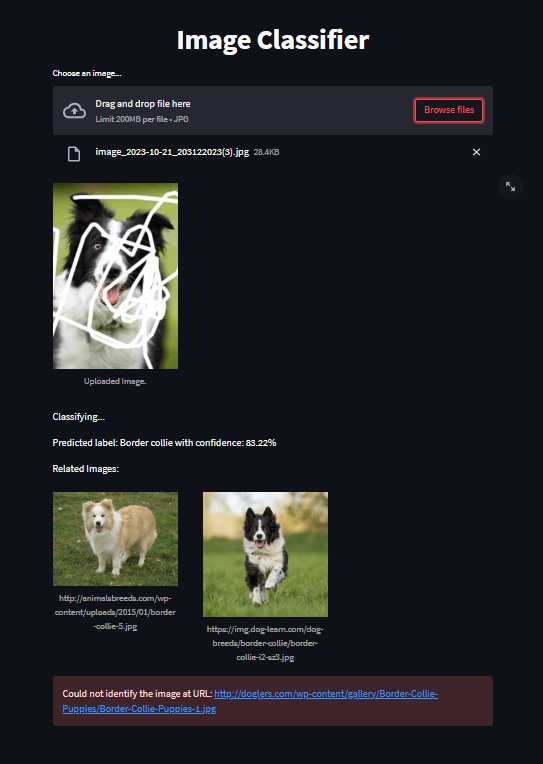
Even with low resolution and scribbled picture the AI can semi-accurately find the content
-
-
Inspiration The inspiration behind Classification AI stems from a desire to bridge the technological divide for individuals with visual impairments. In a digital age, navigating through screens has become a requisite part of daily life, yet not everyone can do this with ease. We aimed to build a tool that could interpret the physical world and translate it into actionable, digital information, making the digital realm more accessible to those with sight challenges.
Learning Journey Embarking on this project was both a technical and empathetic learning curve. We delved into the realms of Edge AI and machine learning, gaining insights into real-time data processing and on-device computations. We also learned about the daily challenges faced by those with visual impairments, which drove us to refine our tool to be as intuitive and helpful as possible.
Building Process We utilized the HyperAIBox for developing and deploying our machine learning models. Our tech stack comprised of Python for backend development, Flask for setting up the REST API, and various machine learning libraries for model training and inference. We focused on creating a lightweight, efficient model that could run on various edge devices, ensuring real-time feedback.
Challenges One of the main challenges we faced was ensuring the accuracy and speed of our model, given the real-time requirements. Balancing between computational efficiency and model performance was a tough nut to crack. Also, understanding the varied needs of our target user base and ensuring that our tool was genuinely useful and easy to use was another hurdle we encountered.
Through collaborative efforts, continuous testing, and feedback from other hackathon members, we managed to build a tool that we believe can make a meaningful impact in making the digital world more inclusive and accessible.


Log in or sign up for Devpost to join the conversation.