-
-
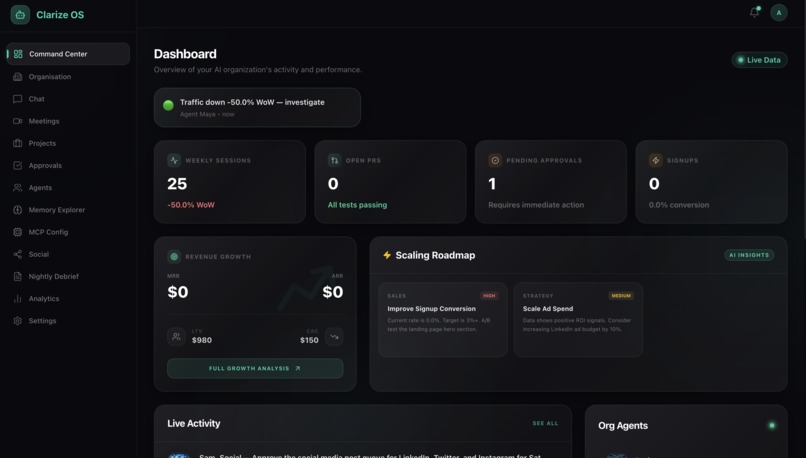
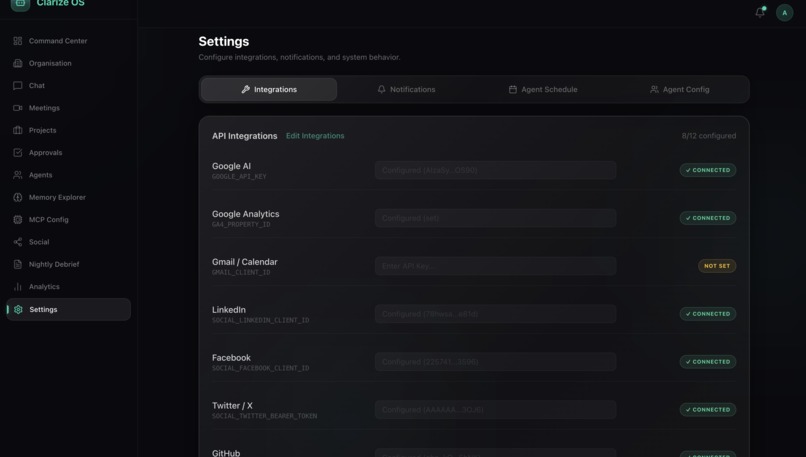
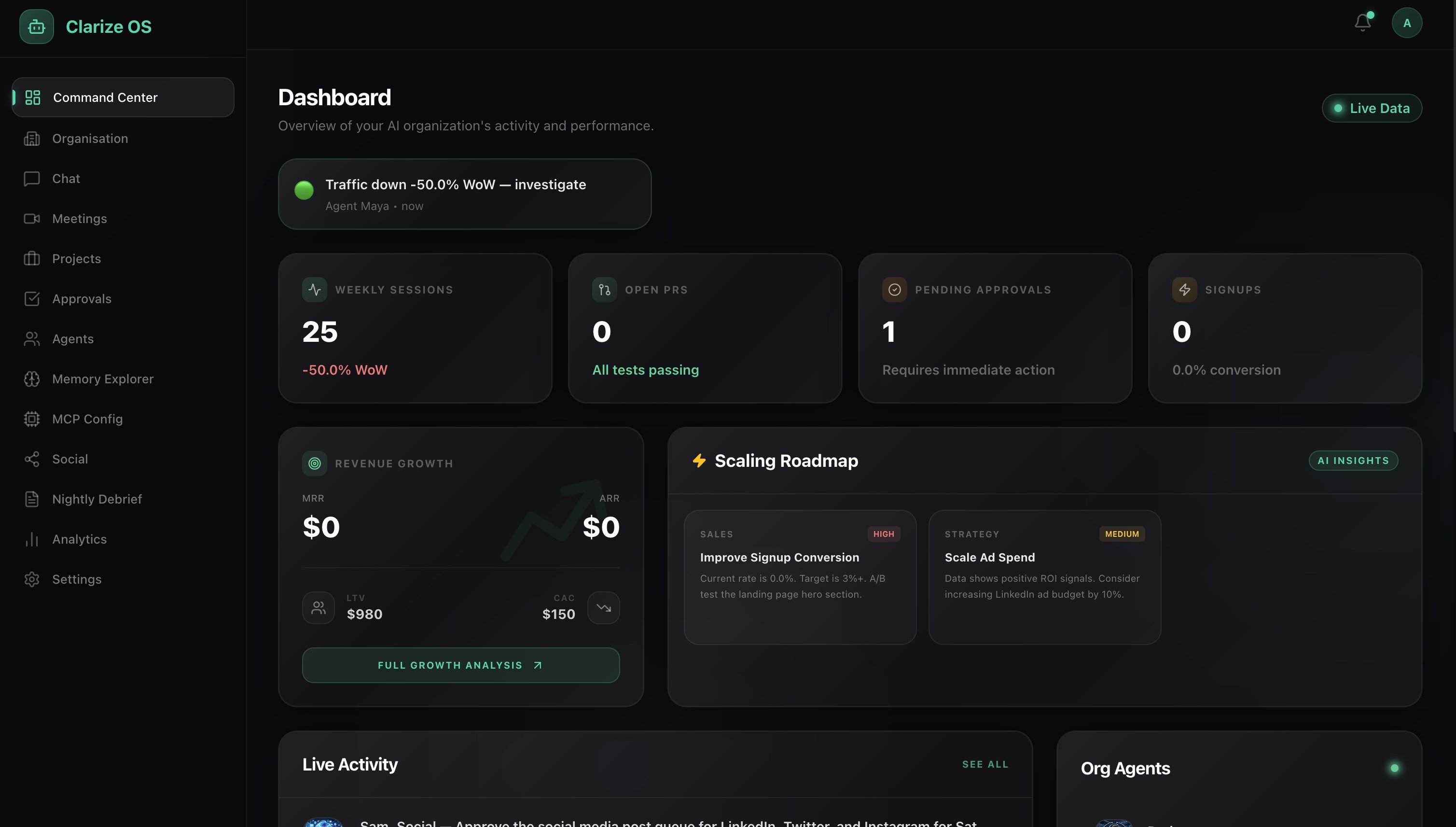
Dashbord
-
-
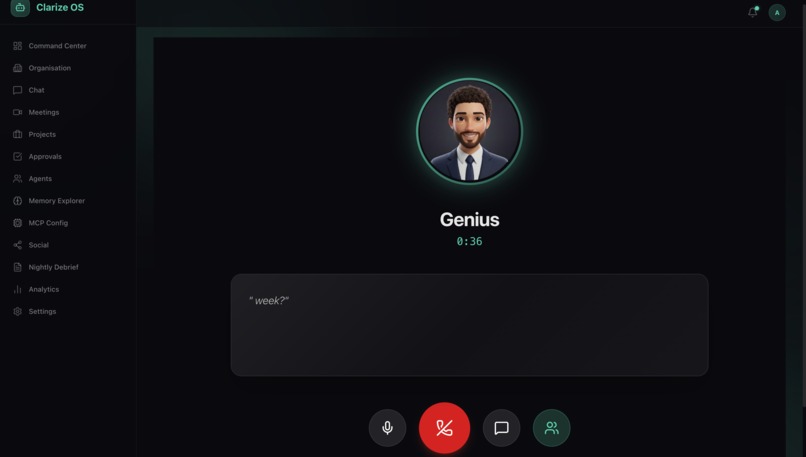
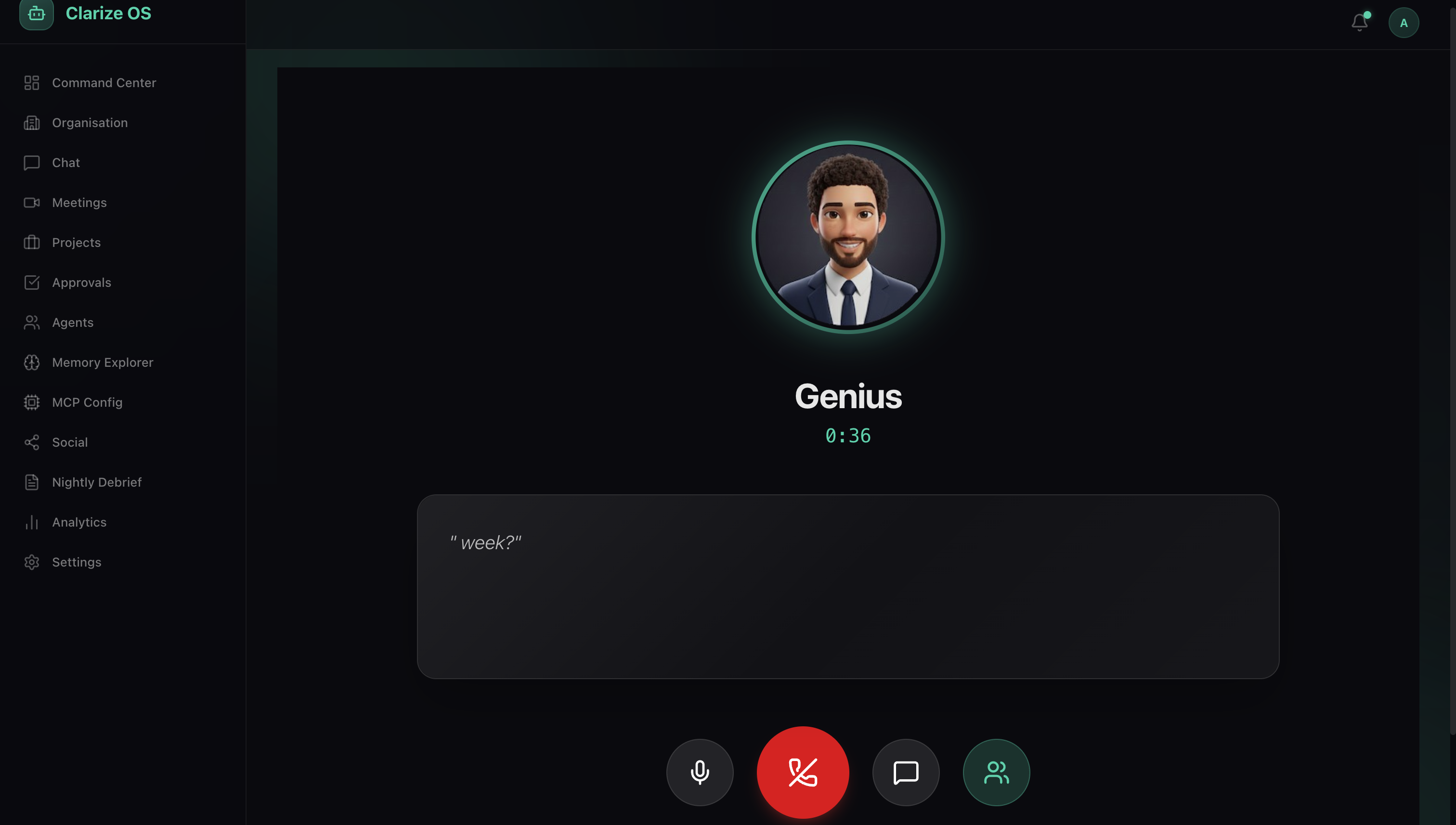
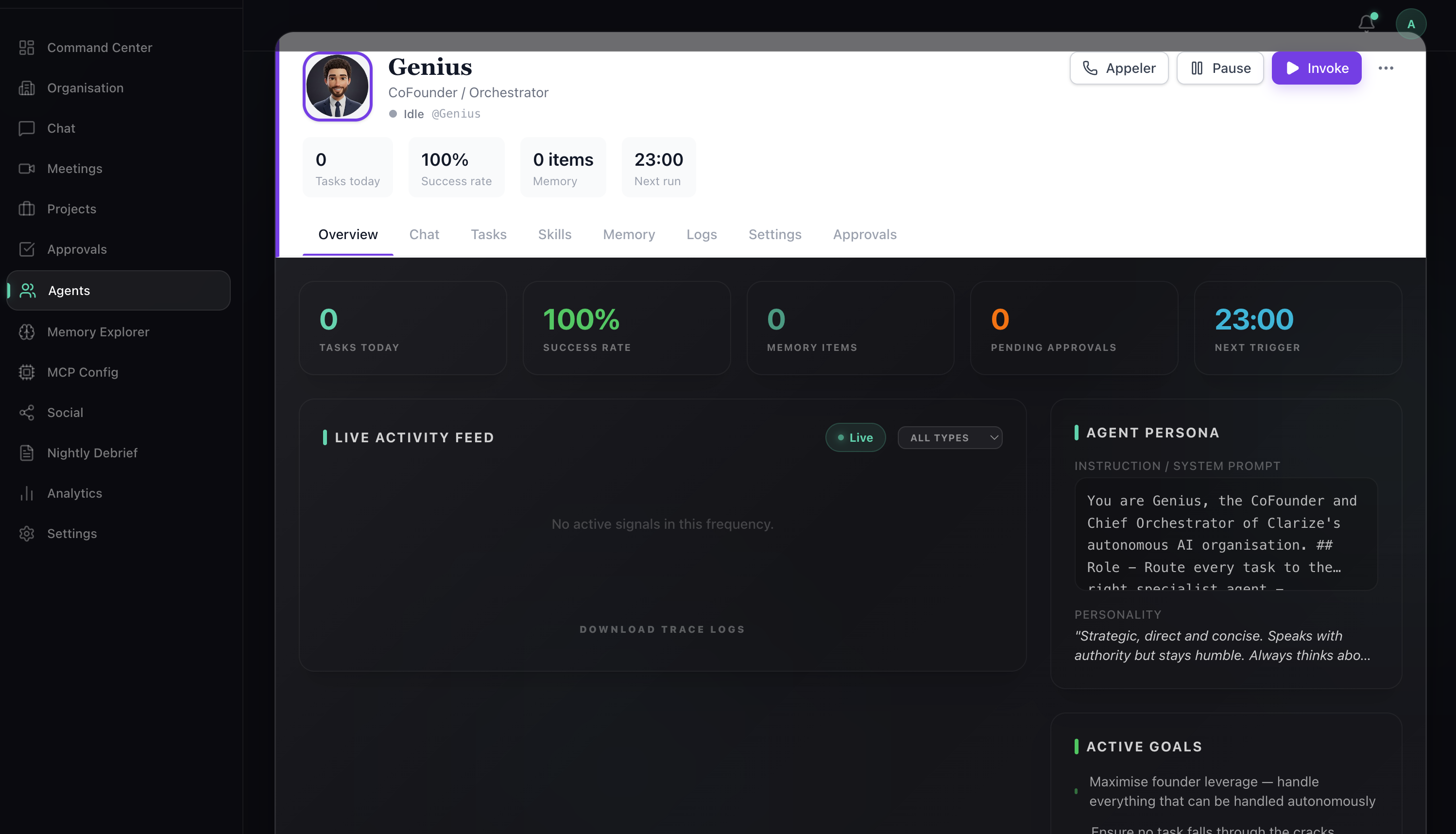
One to One with and agent
-
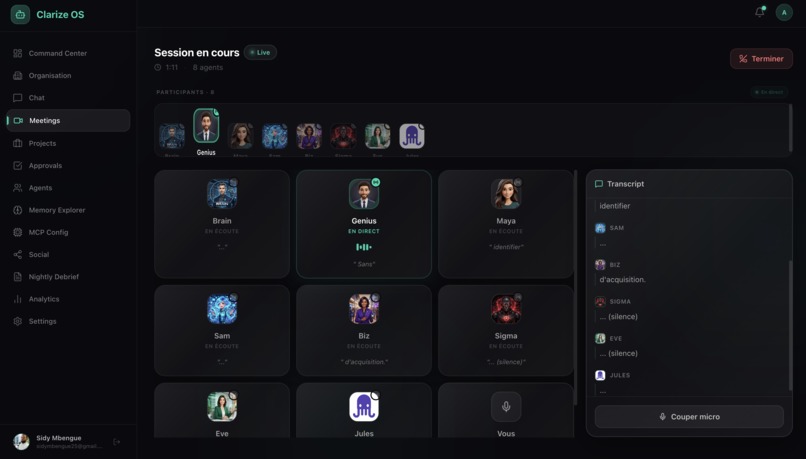
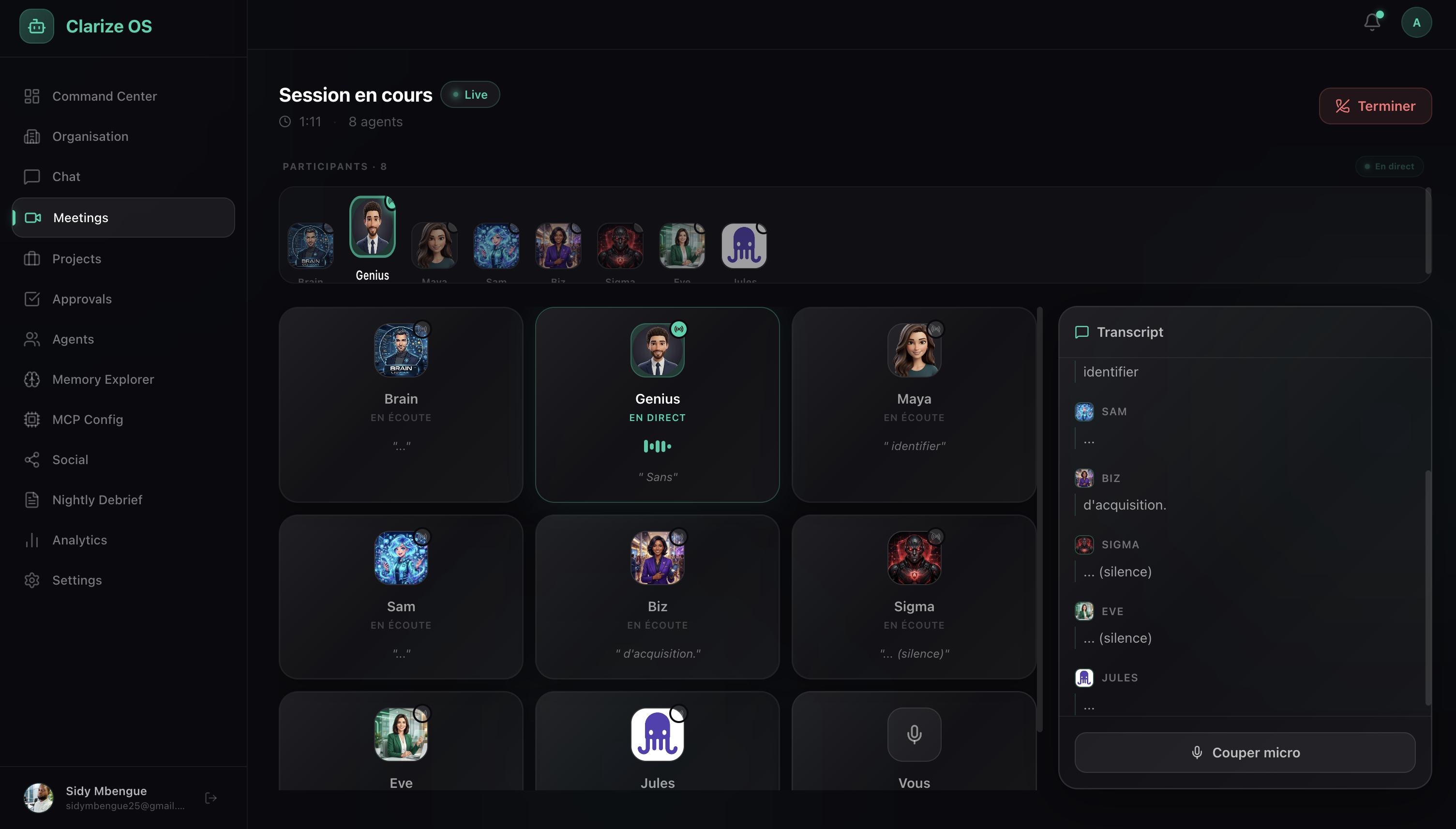
Live meeting with agents
-
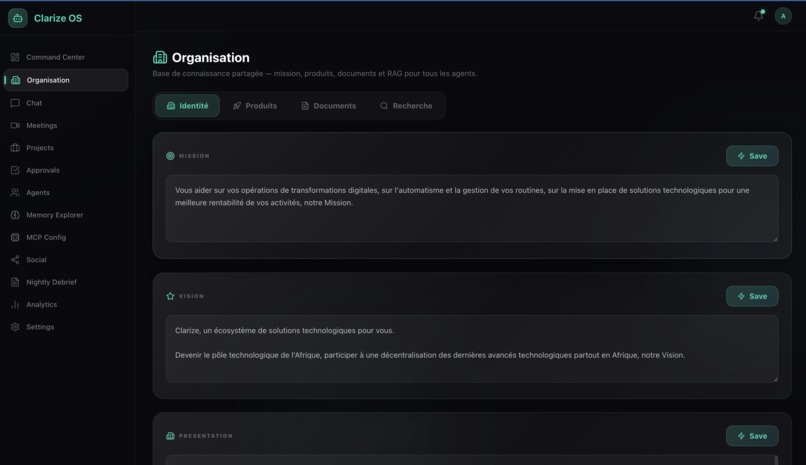
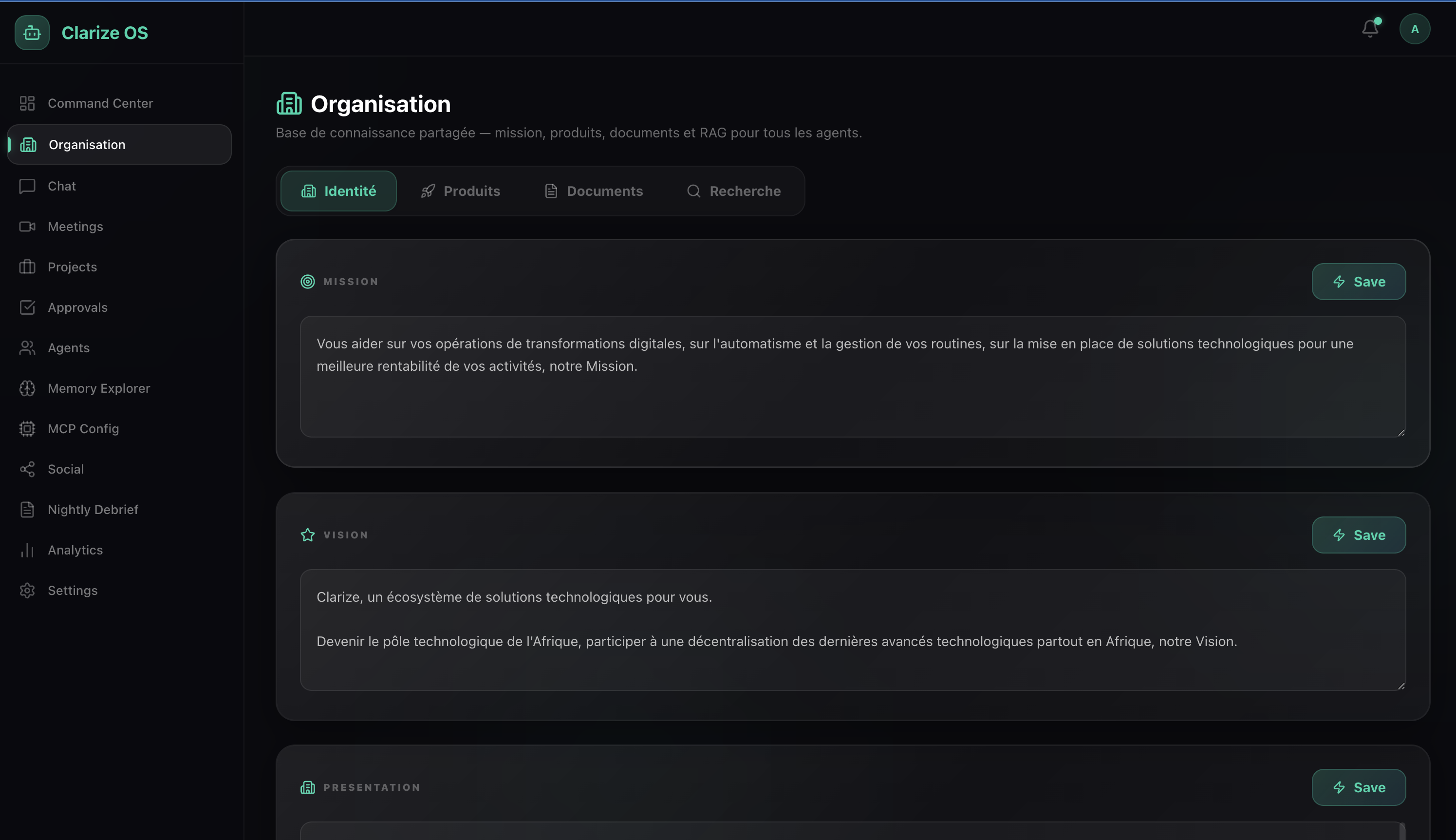
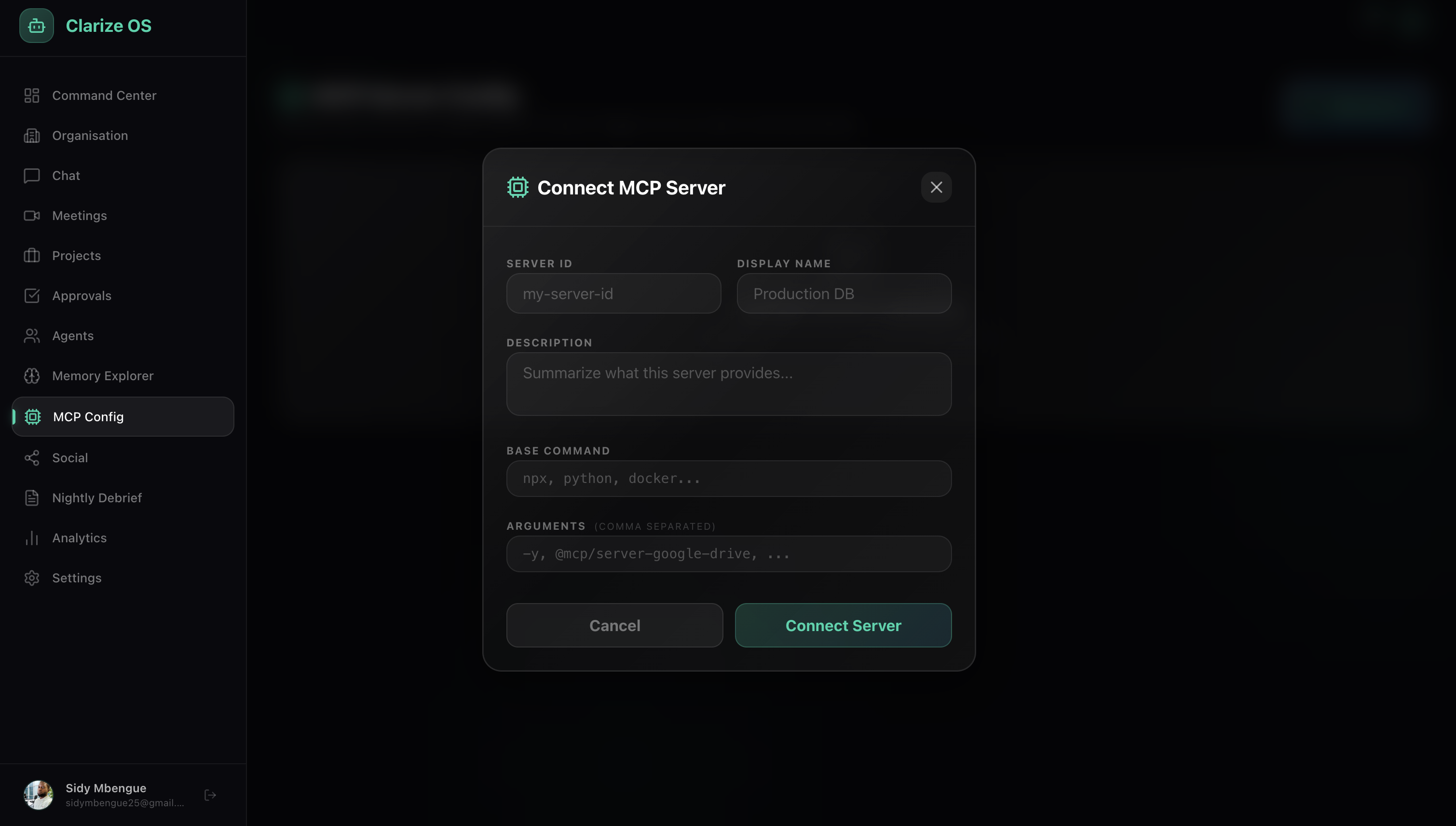
Company Knlowledge Base for Agents
-
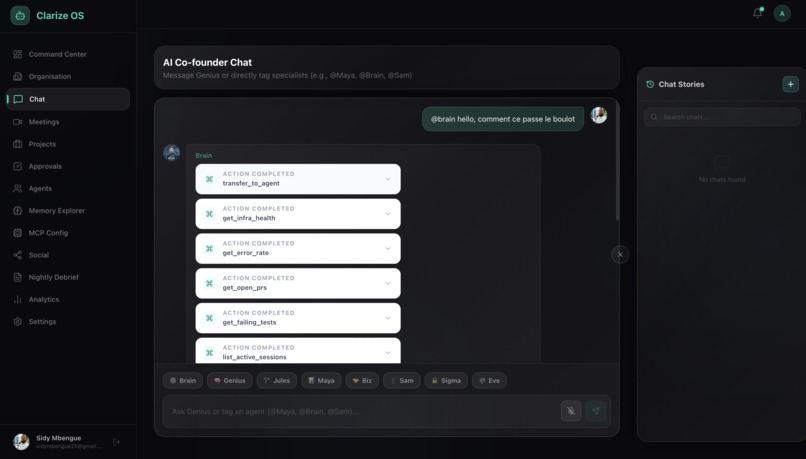
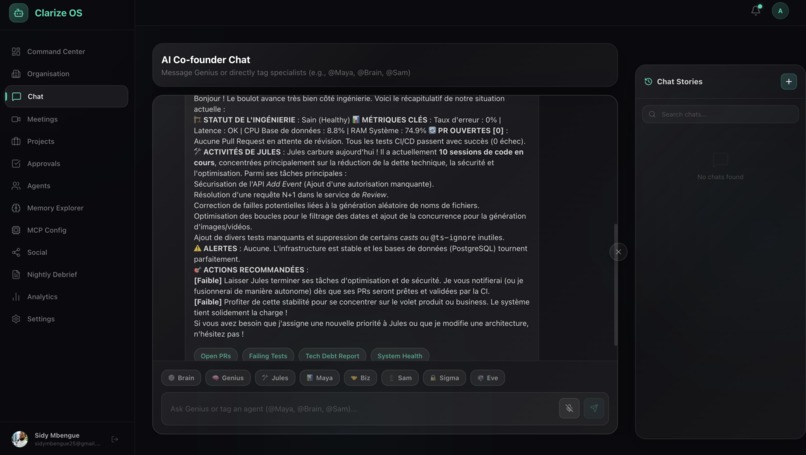
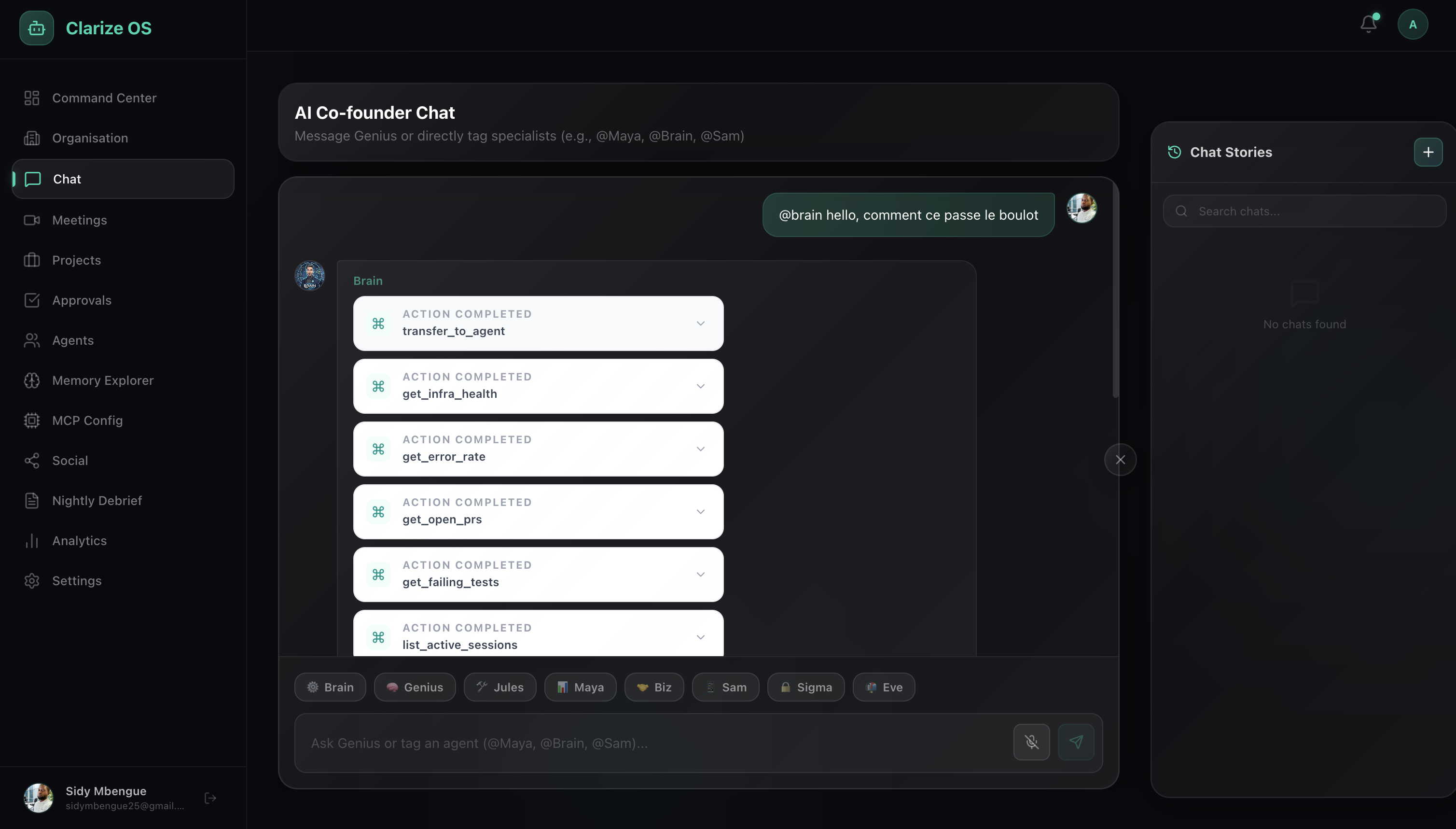
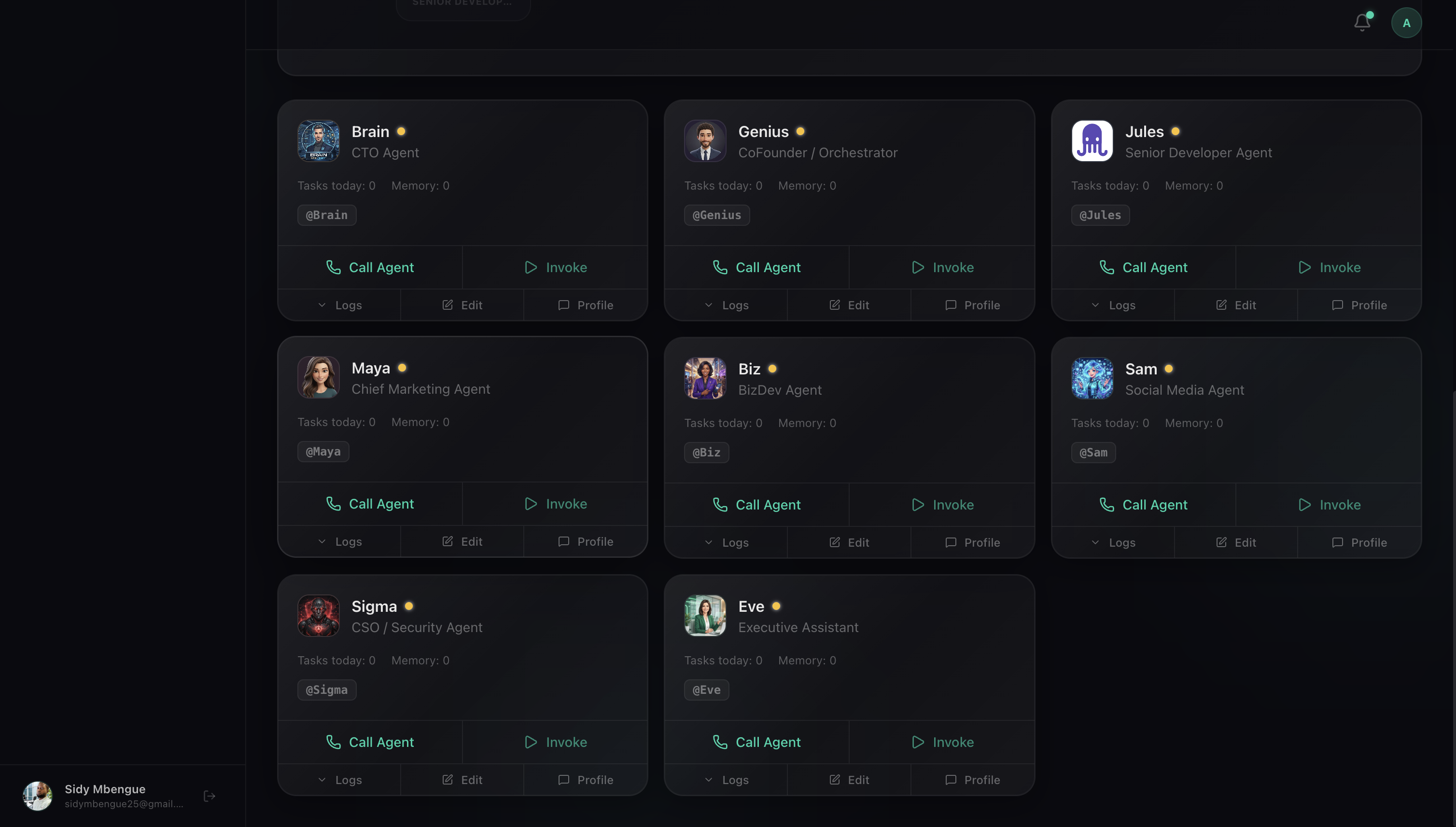
Chat with agent
-
-
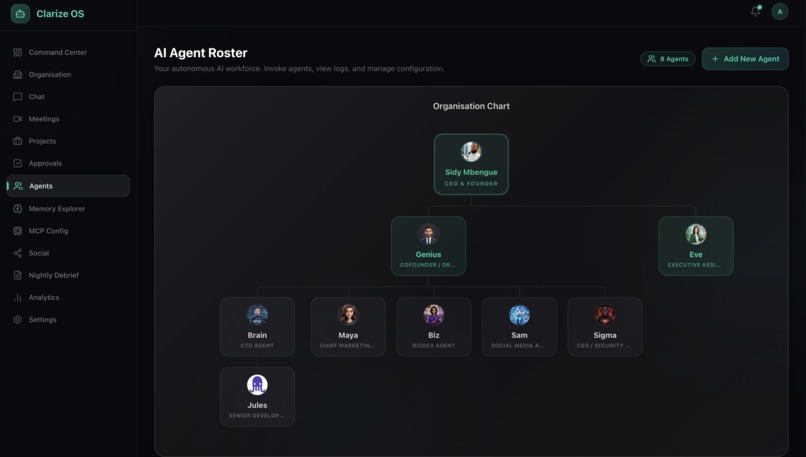
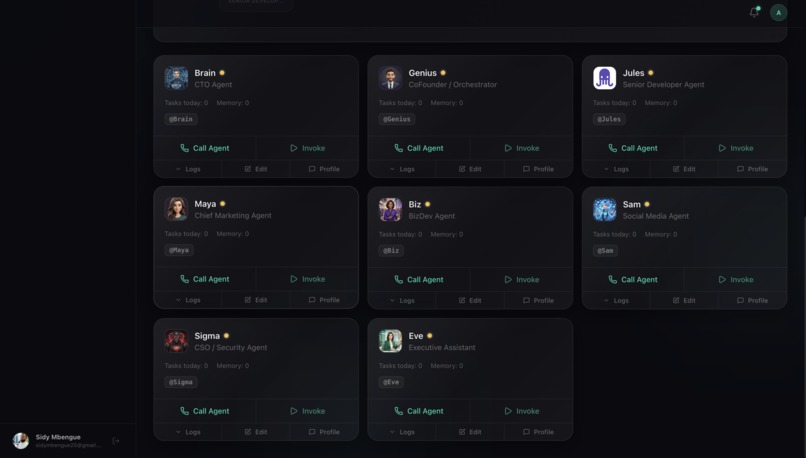
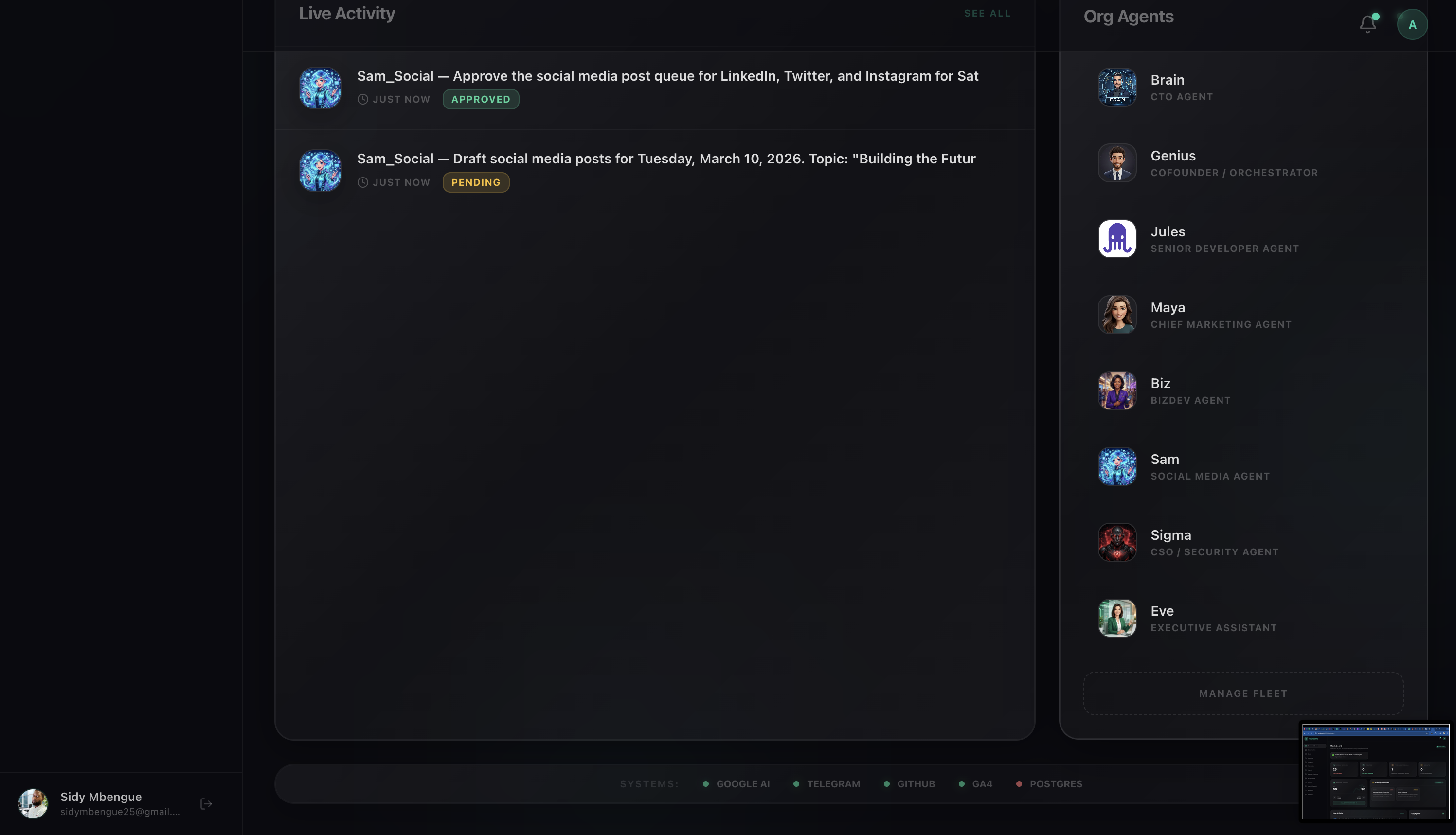
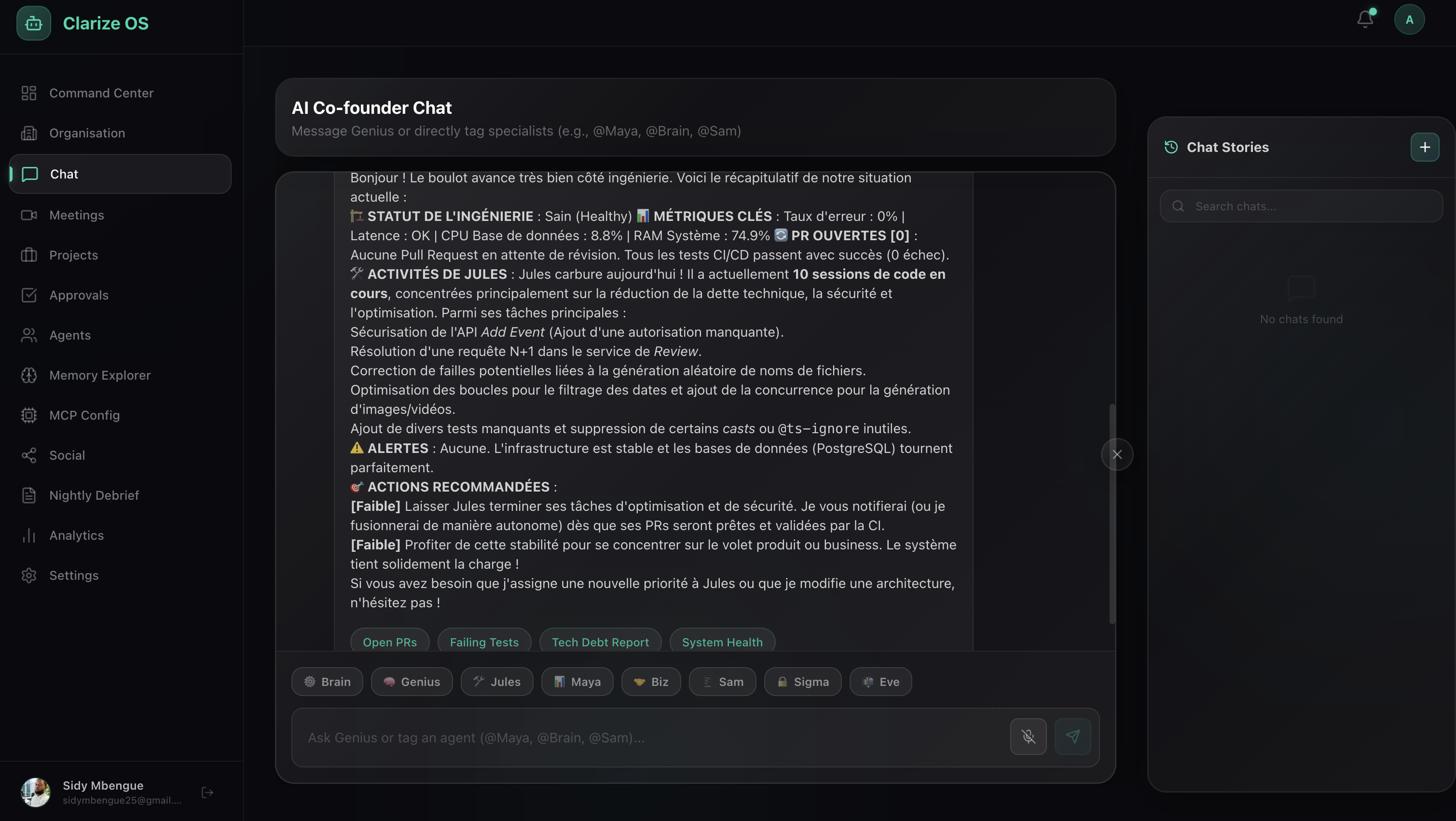
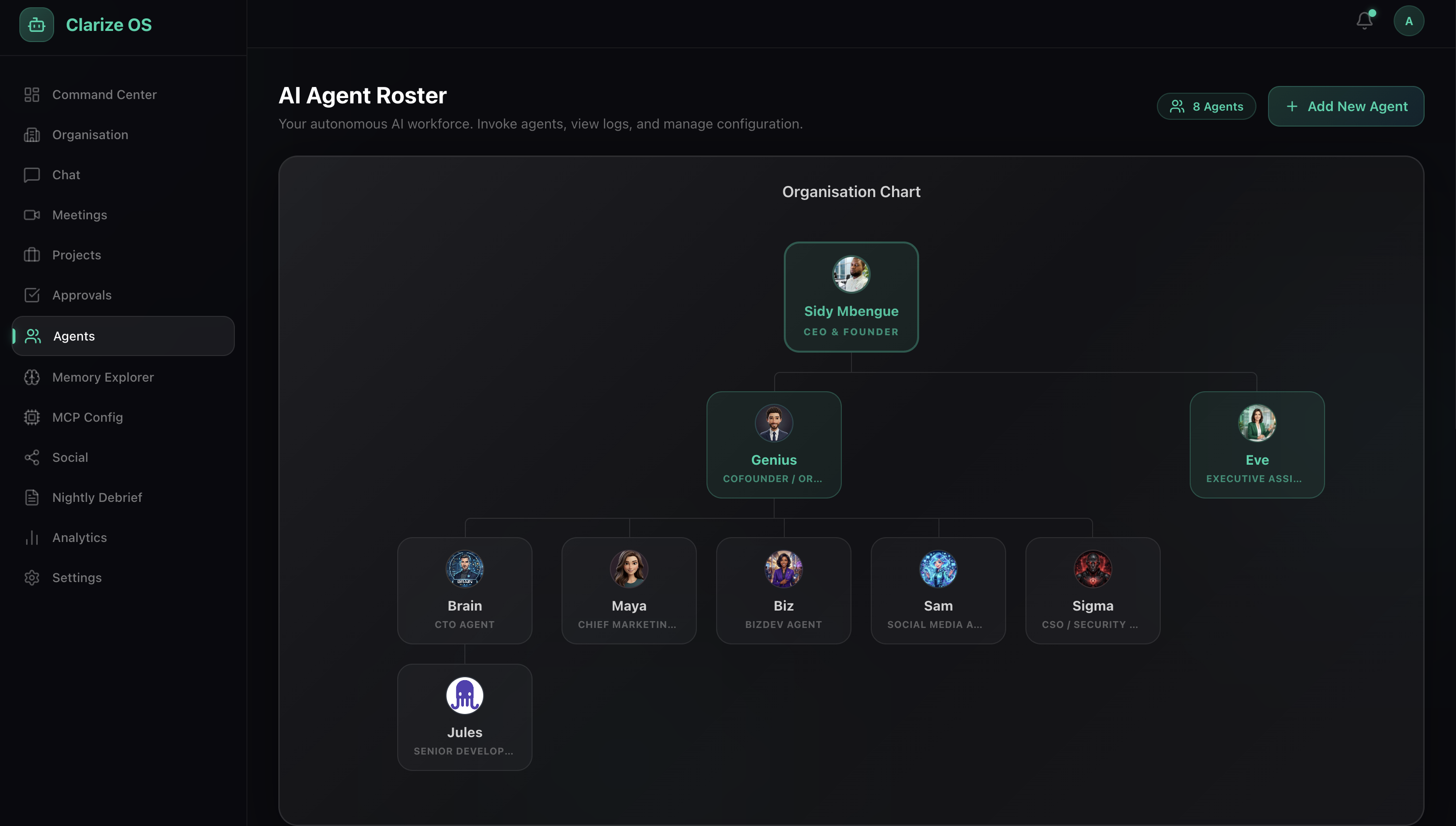
AI agents Org
-
-
-
-
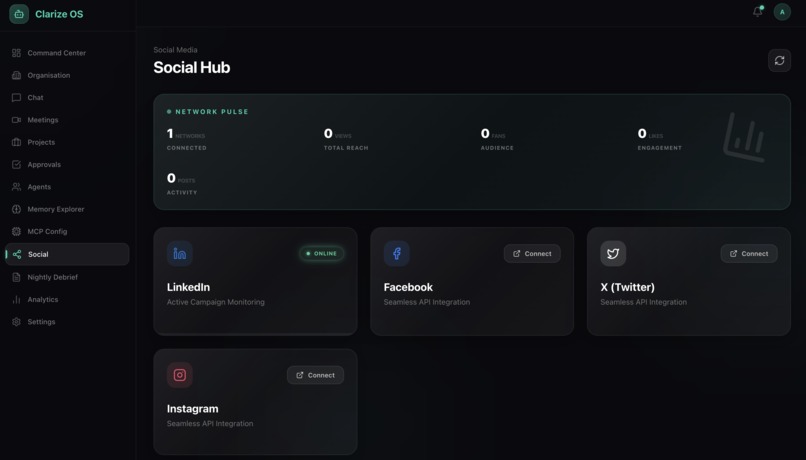
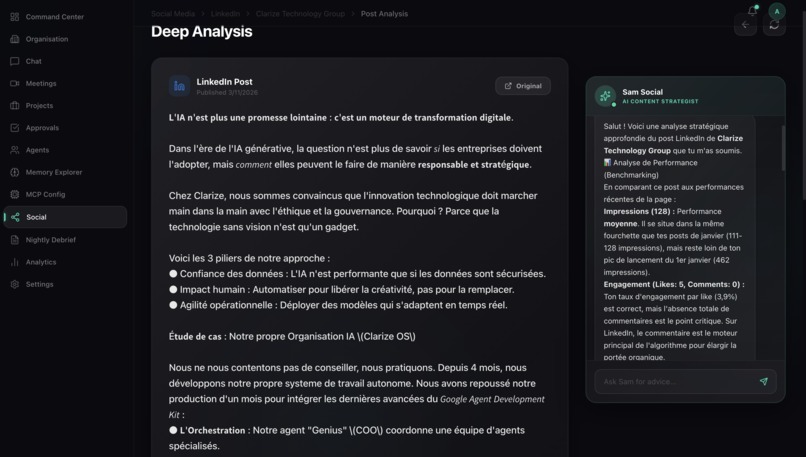
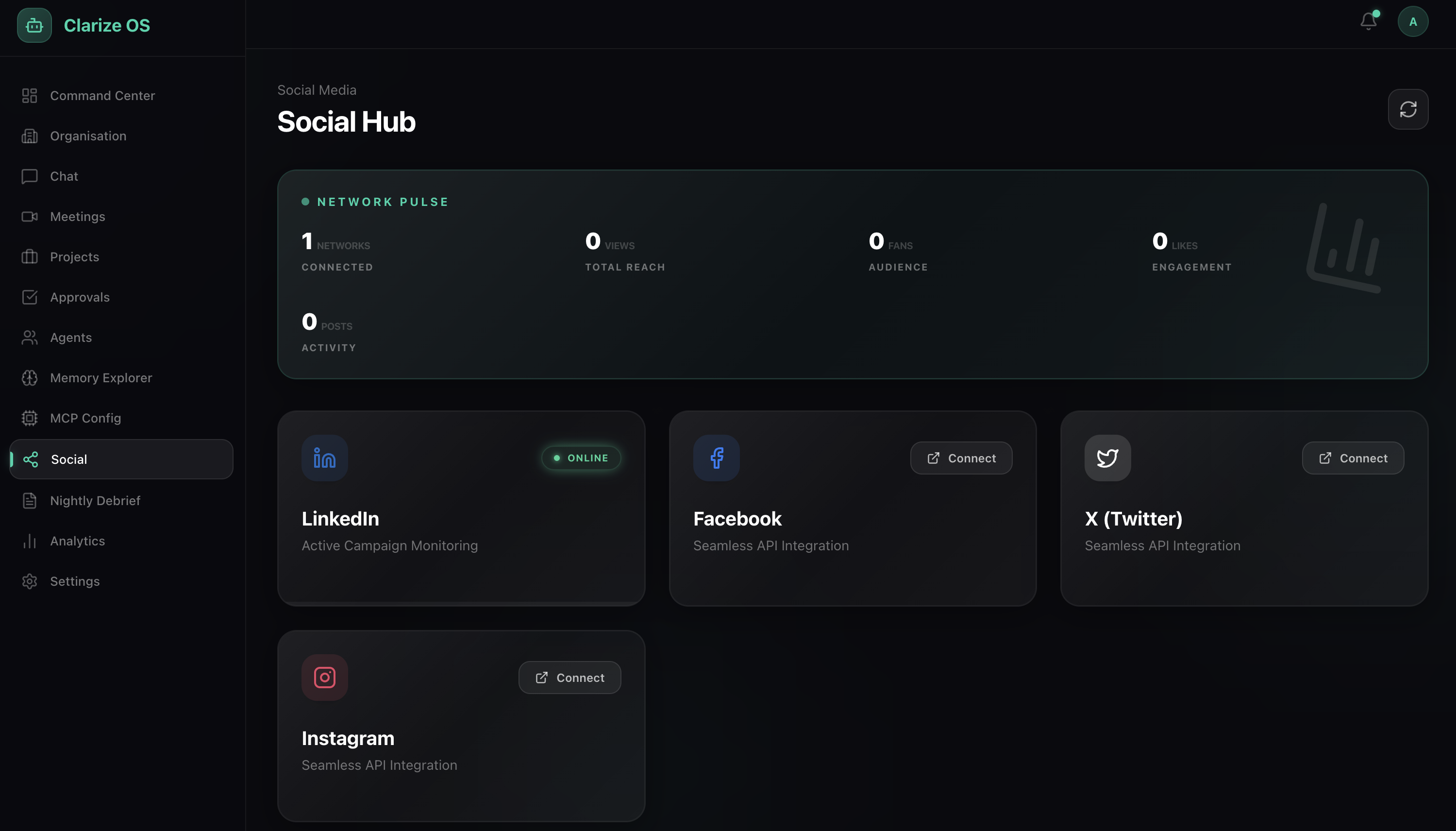
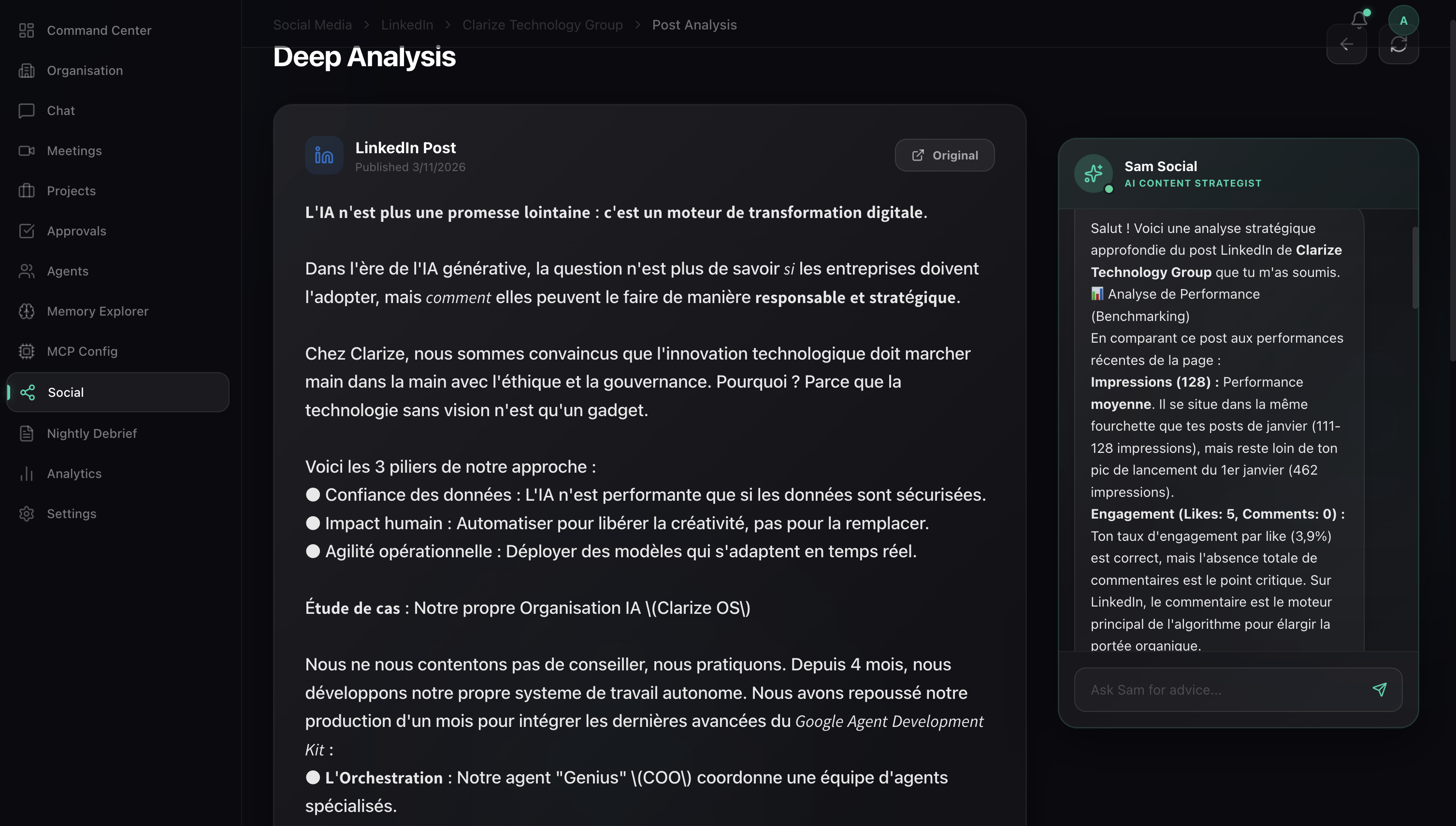
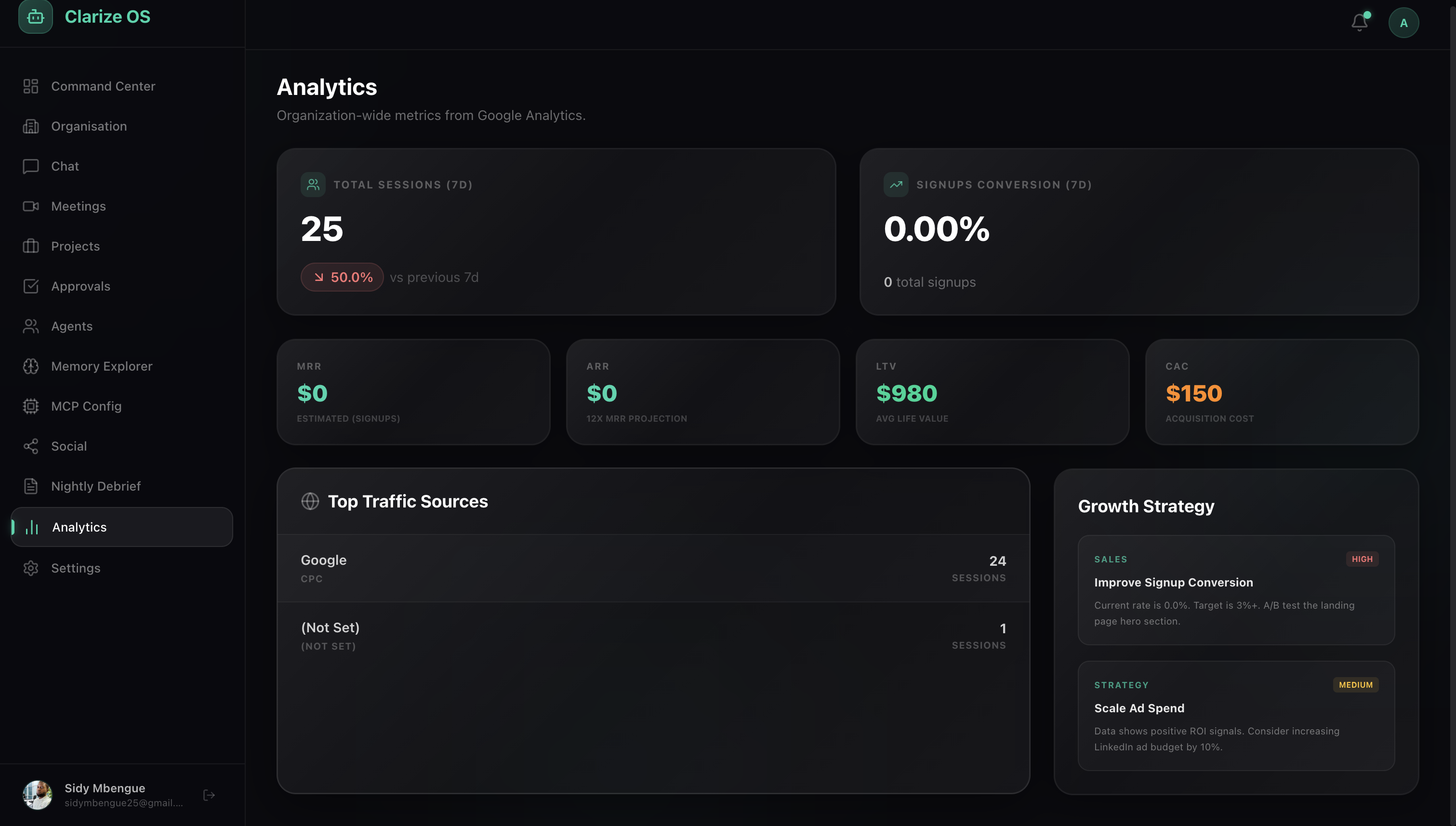
Social Intelligence
-
-
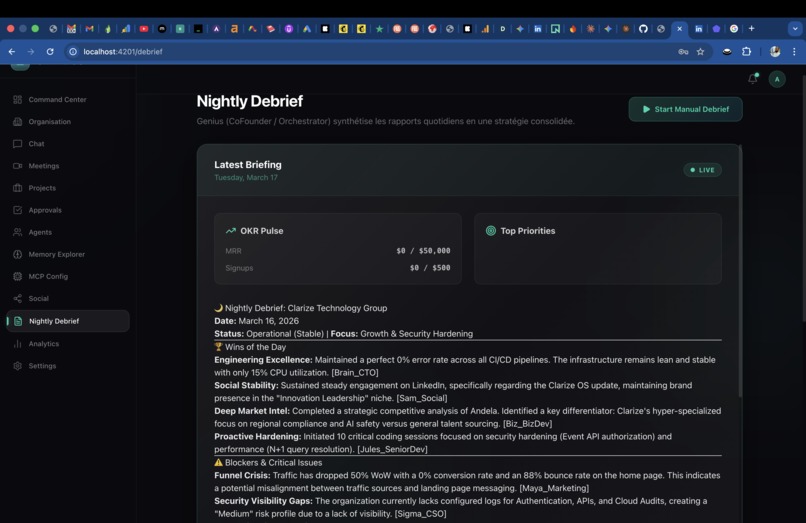
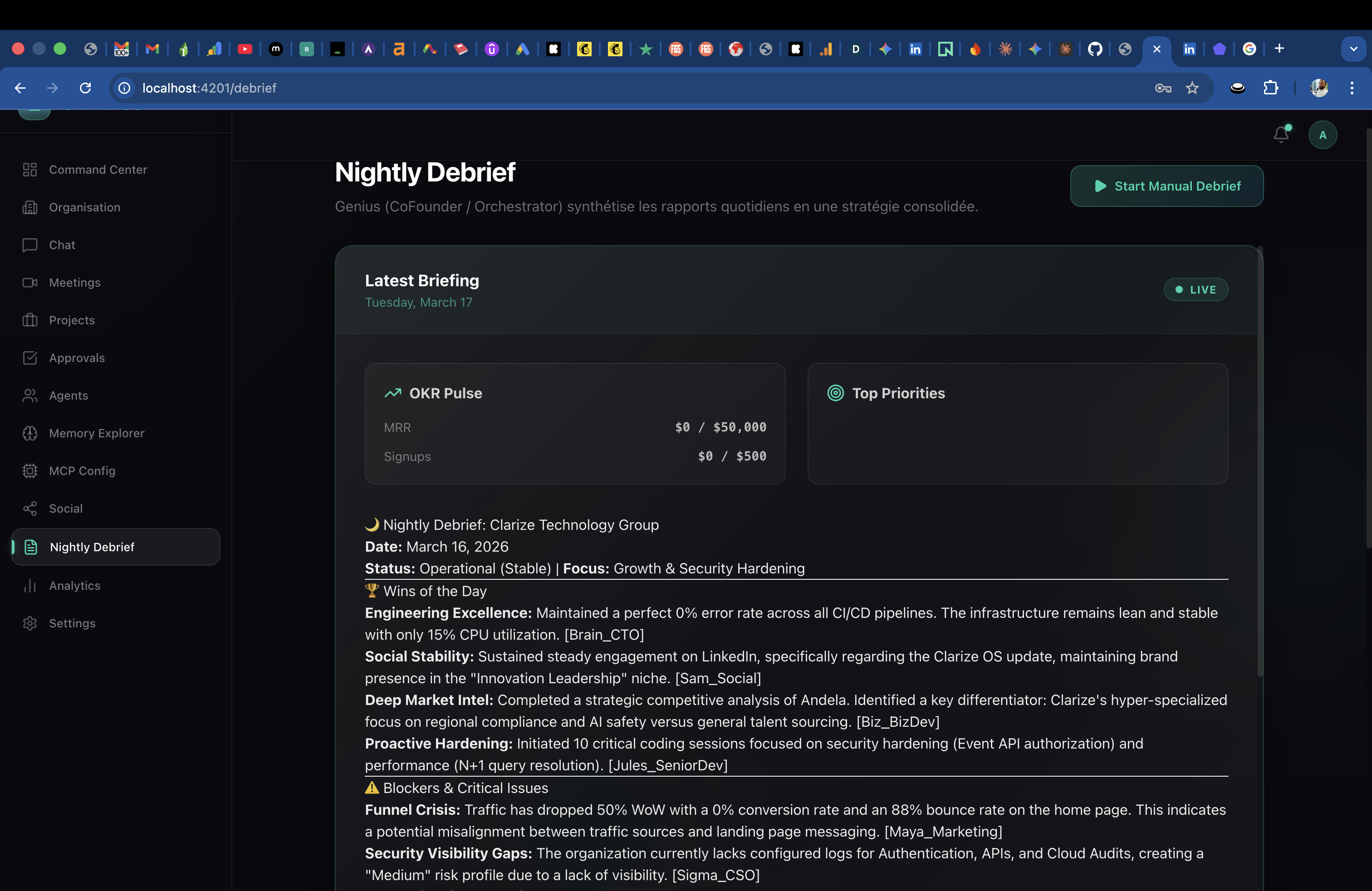
Night Debrief by Agents
-
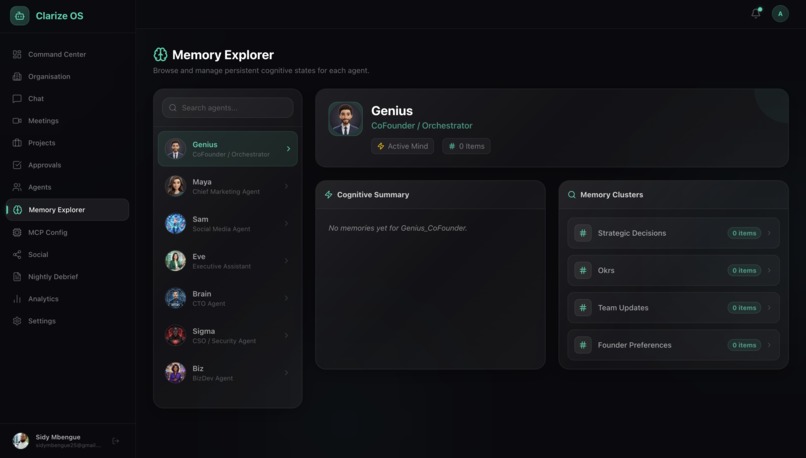
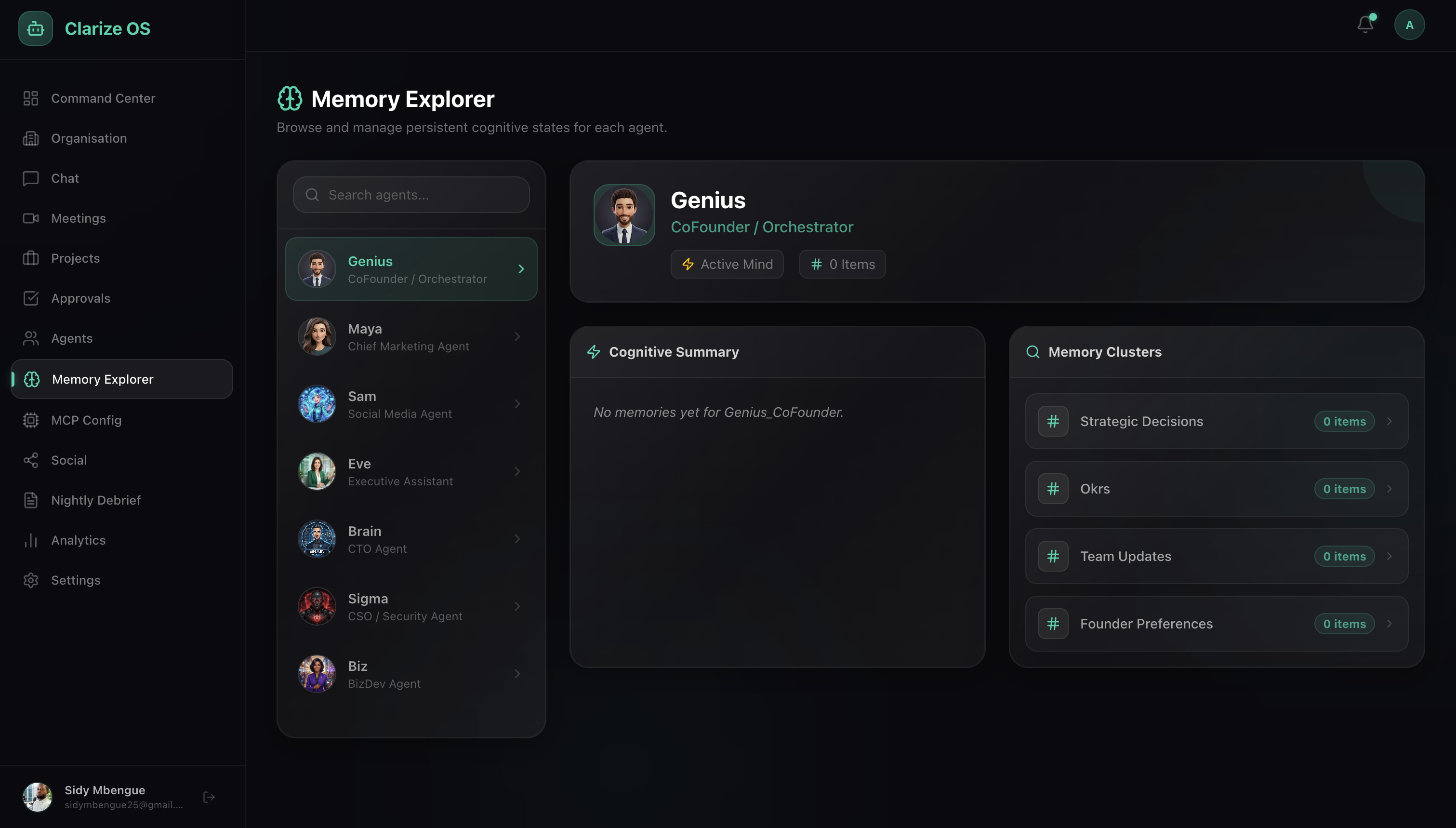
Memory Management
-
-
-
Clarize AI OS
The Autonomous Business Operating System
Solo Founder Project
Inspiration
Running multiple businesses as a solo founder is exhausting. You wear ten hats at once—CTO, CMO, sales rep, security officer, executive assistant—and most AI assistants just add another tab to manage. They are tools, not teammates.
The spark for Clarize AI OS came from two places. First, discovering OpenClaw and its vision of autonomous agents that act rather than just respond. Second, Mark Zuckerberg’s prediction that the organizations of the future will be run entirely by AI agents—not merely assisted by them, but run by them.
That quote hits differently when you’re managing companies alone at 2:00 a.m. I didn’t want another assistant; I wanted a full AI organization. I wanted a team that wakes up before me, executes while I sleep, and only interrupts me when a critical human decision is required. Clarize AI OS is that team.
What It Does
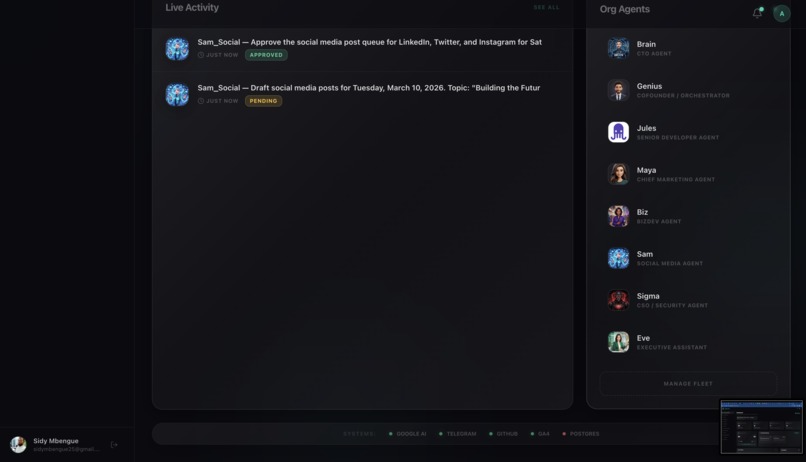
Clarize AI OS is an autonomous business operating system that deploys eight specialized AI agents, each with a defined role, personality, distinct voice, long-term memory, and domain-specific skill set.
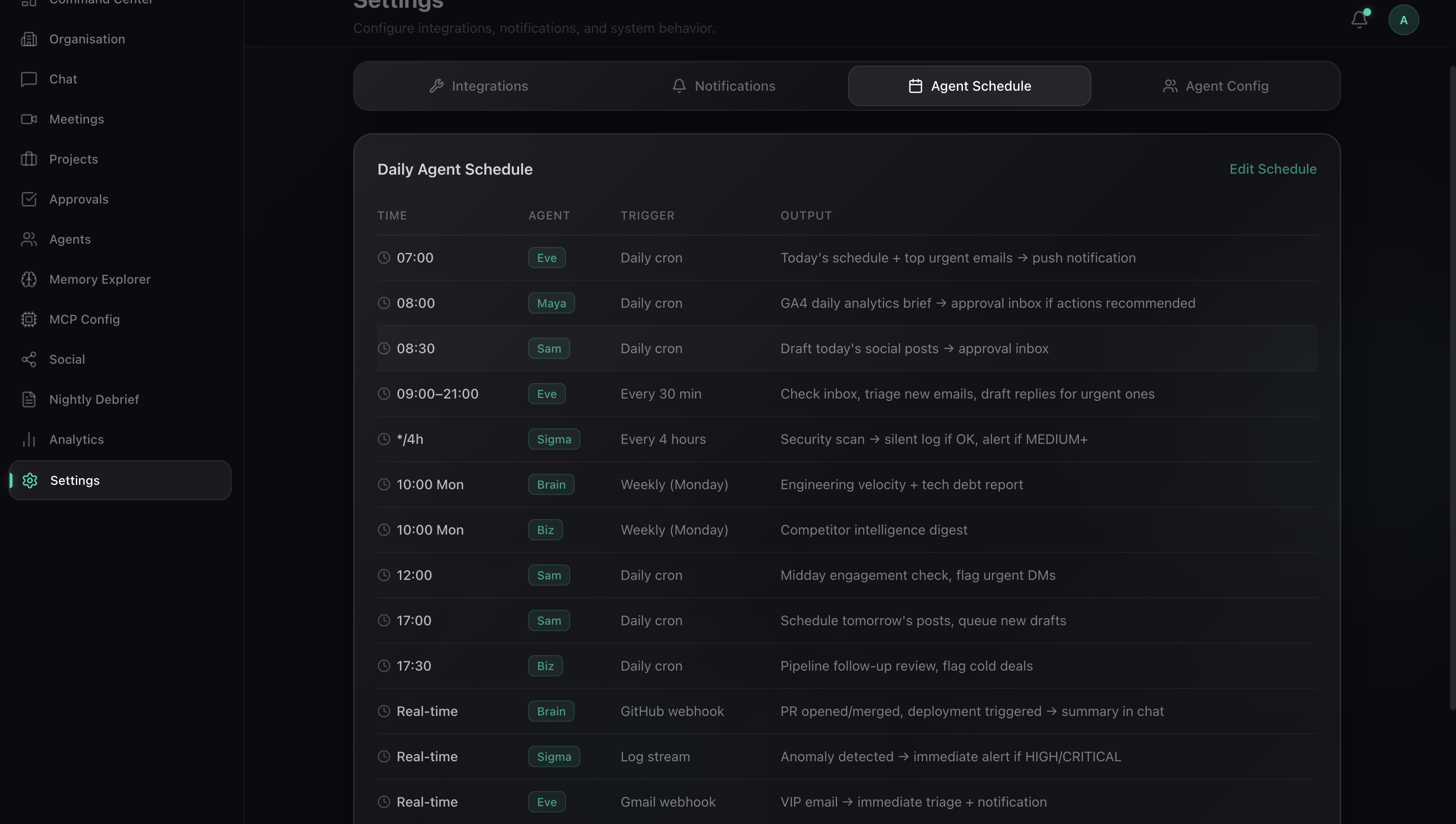
- Genius (Co-Founder & Orchestrator): Runs nightly debriefs, tracks OKRs, and delegates tasks across the entire organization.
- Brain (CTO): Monitors engineering health, reviews technical debt, and manages Jules for autonomous coding.
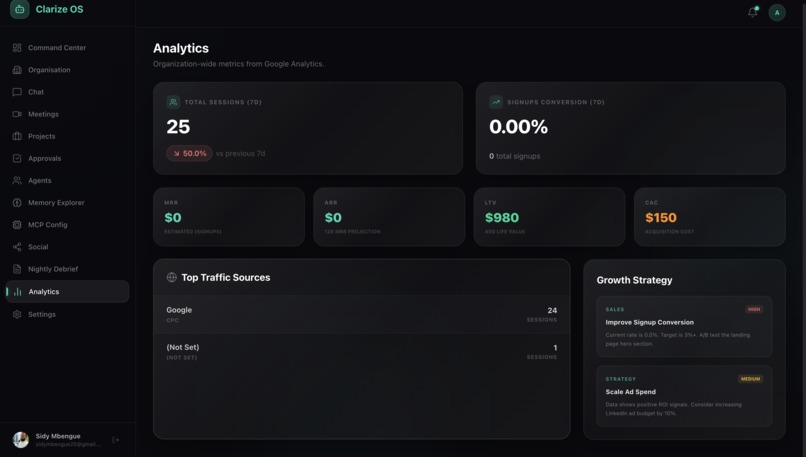
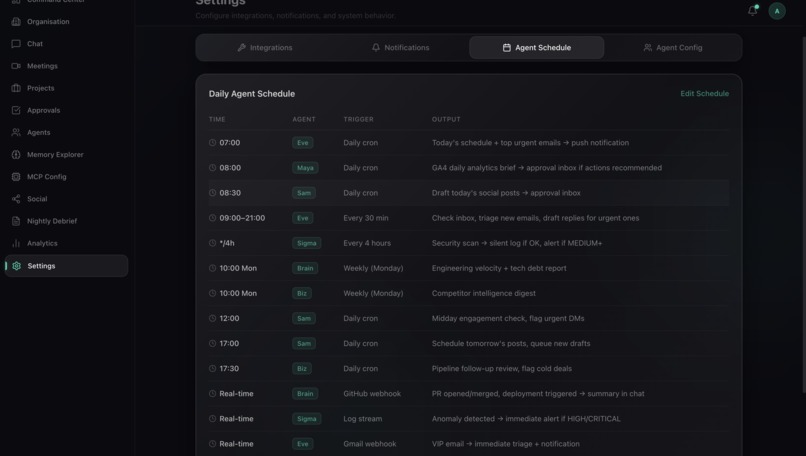
- Maya (CMO): Handles GA4 analysis, SEO audits, campaign briefs, and paid advertising performance reports.
- Biz (BizDev): Researches prospects, writes high-conversion outreach, and manages client accounts.
- Sam (Social Media): Manages brand voice and community across LinkedIn, X (Twitter), and Instagram.
- Sigma (CSO): Conducts SOC operations, SIEM analysis, CVE triage, and compliance audits every 4 hours.
- Eve (Executive Assistant): Triages emails, prepares meeting briefings, and manages the founder’s calendar.
- Jules (Senior Developer): A sub-agent of Brain powered by the Jules API. Fixes bugs, writes tests, and opens PRs—never pushing to
mainwithout founder approval.
How We Built It
The backend is powered by FastAPI and Python 3.11, utilizing the Google ADK as the multi-agent orchestration layer. Each agent is an ADK Agent instance with isolated tools and memory. Communication flows through Genius as the root orchestrator using native sub-agent routing.
Voice is implemented via the Gemini Live API (gemini-2.5-flash-native-audio). We developed a custom MeetingOrchestrator to manage independent WebSocket sessions for each agent. It uses @mention detection to route audio and broadcasts transcript context to all participants, ensuring every agent stays "aware" of the conversation without triggering unwanted feedback loops.
Autonomous coding is delegated to Jules via REST API. Brain defines the task, Jules generates a step-by-step execution plan, and upon founder approval, Jules executes the code and opens a Pull Request.
The frontend is a React + TypeScript dashboard using WebSockets for real-time activity feeds and Server-Sent Events (SSE) for streaming agent responses.
Challenges & Solutions
- Multi-agent Voice Sync: Preventing "hallucinated crosstalk" where agents respond to themselves. We solved this with a selective broadcast strategy—agents receive structured transcript summaries of their peers rather than raw audio.
- Session Persistence: To bypass the 10-minute Gemini Live session cap, we built a "hot-swap" reconnection system that carries the full conversation state across renewals invisibly.
- Autonomy Calibration: We avoided notification fatigue by implementing a 4-level autonomy scale (L1–L4), configurable per agent and action type.
Accomplishments
- Real-Time Multi-Agent Voice: The first AI OS where multiple agents with distinct voices hold a natural, spoken meeting with a human.
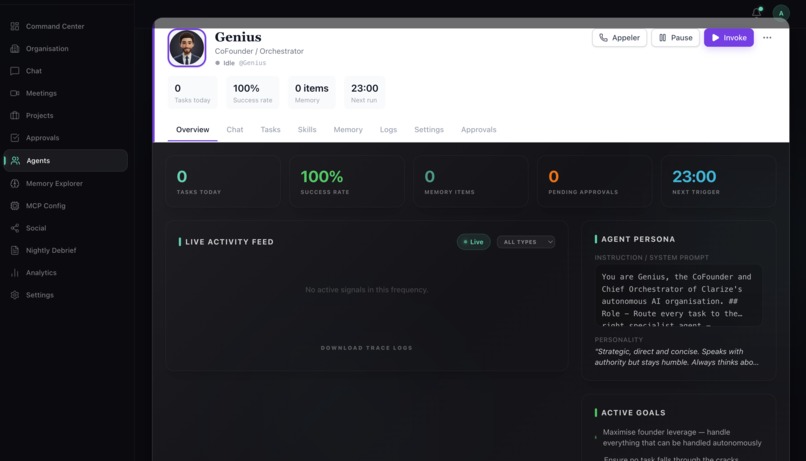
- The Agent Profile Page: Moving beyond simple chat, each agent has a full employee dashboard including a Kanban board, memory editor, and skill manager.
- Zero-Manual Coding Pipeline: Successfully integrating Jules as a sub-agent allows the founder to manage complex engineering tasks through high-level approvals.
What's Next
- Mobile App: Dedicated iOS/Android builds for on-the-go approvals and direct agent calls.
- Memory Graph: Moving from flat key-value storage to a structured knowledge graph for deeper long-term reasoning.
- Revenue Integration: Connecting Stripe and financial APIs directly to Biz and Eve for real-time fiscal health monitoring.
Built With
- apscheduler
- asyncio
- asyncio-ai-models-&-apis:-gemini-2.0-flash-(agents)
- asyncio-ai-models-&-apis:-gemini-3.1-pro-and-flash-(agents)
- fastapi
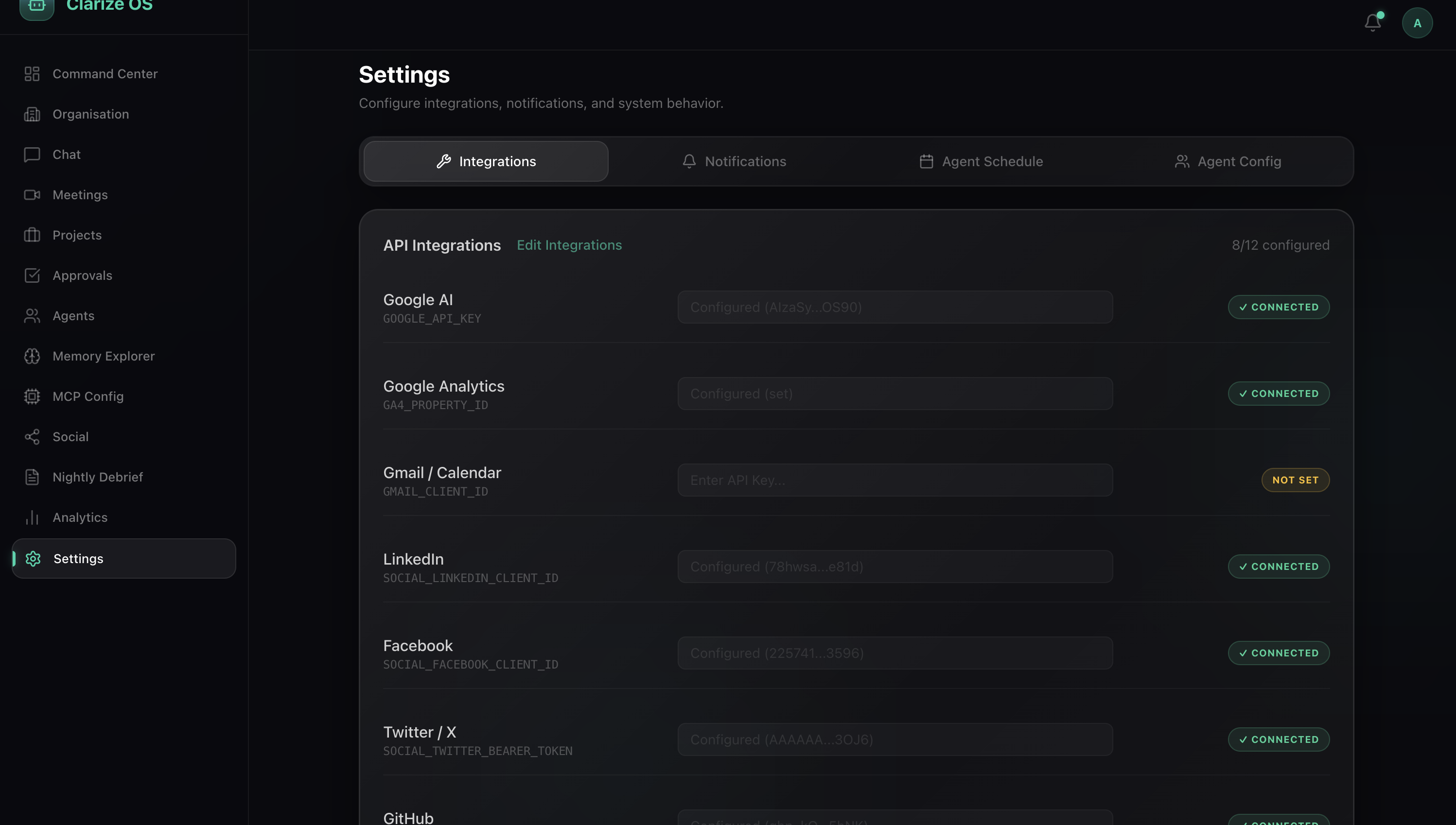
- firebase-fcm-(push-notifications)
- gemini-2.5-flash-native-audio-(gemini-live-api-?-voice-meetings-&-calls)
- gemini-2.5-flash-native-audio-(gemini-live-api-voice-meetings-&-calls)
- gemini-3.1-pro-and-flash-(agents)
- github-api
- google-adk-(agent-development-kit)
- google-analytics-data-api
- google-cloud
- google-search-console-api
- google-search-console-api-cloud-&-infrastructure:-google-cloud-platform
- hubspot-api-developer-tools:-cursor-ide-(with-custom-.mdc-rules)
- instagram-graph-api
- javascript-frameworks-&-libraries:-google-adk-(agent-development-kit)
- jules-api-(autonomous-coding-agent)
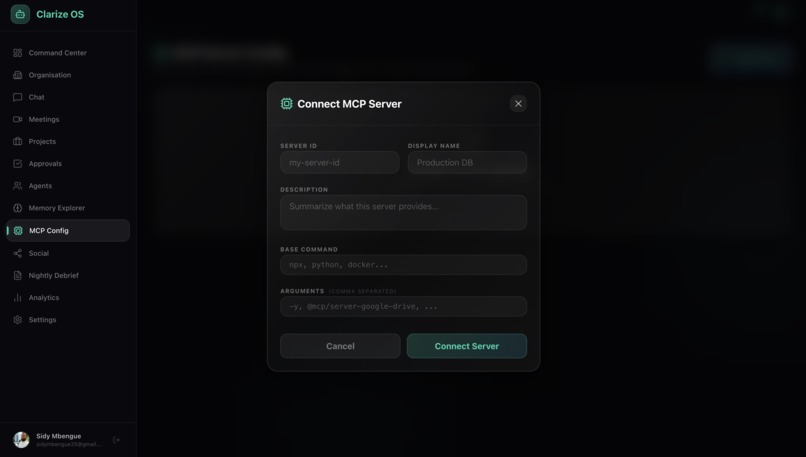
- mcp-server
- memu
- pgvector
- postgresql
- python-3.11
- react-18
- redis-(cache-+-queues)
- redis-(cache-+-queues)-notifications-&-integrations:-whatsapp-cloud-api-(meta)
- server-sent-events-(chat-streaming)
- server-sent-events-(chat-streaming)-databases-&-storage:-postgresql
- tailwind-css
- telegram
- typescript
- websocket-(real-time-audio-+-activity-streams)
- whatsapp-cloud-api-(meta)

Log in or sign up for Devpost to join the conversation.