-
-
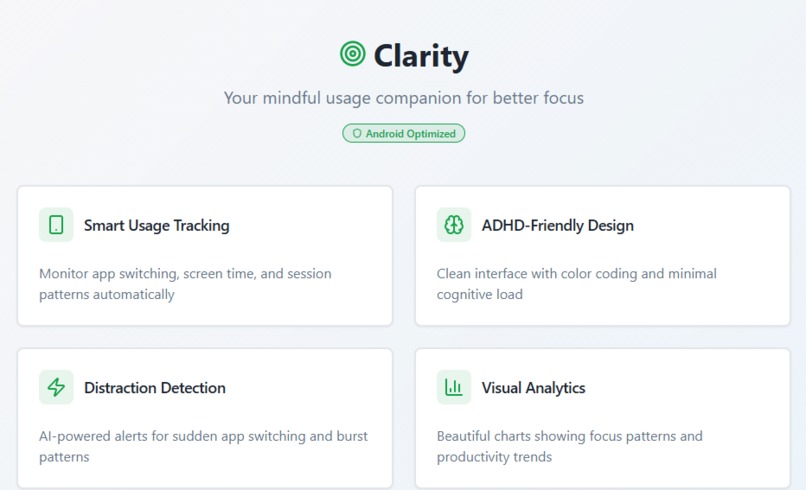
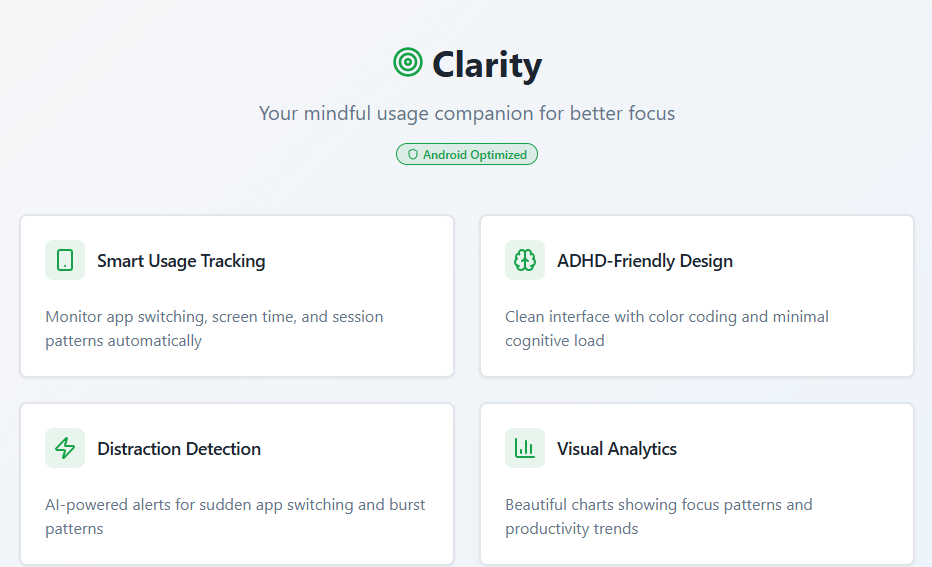
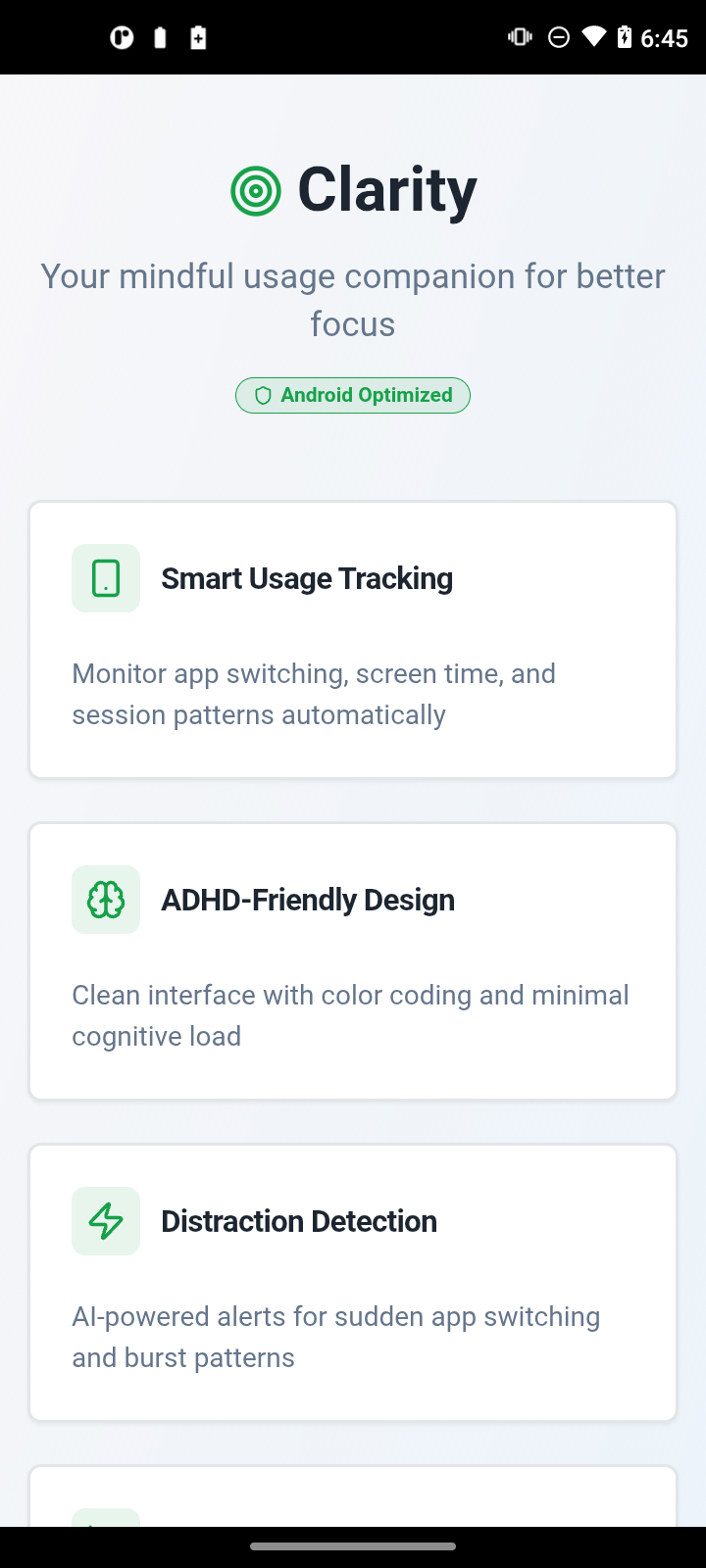
Welcome/tutorial Page
-
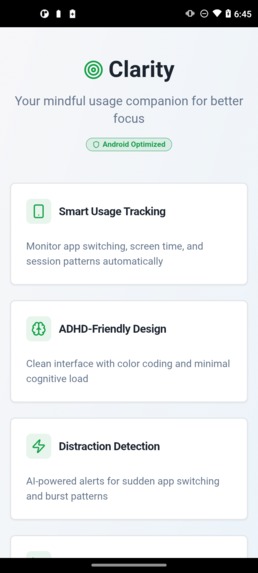
Dashboard on Android
-
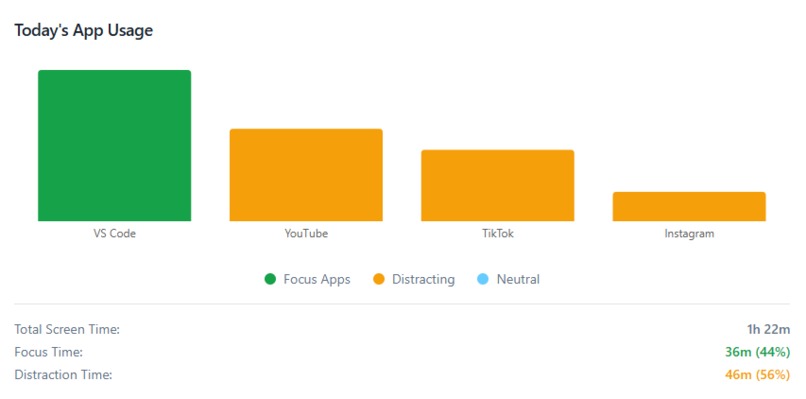
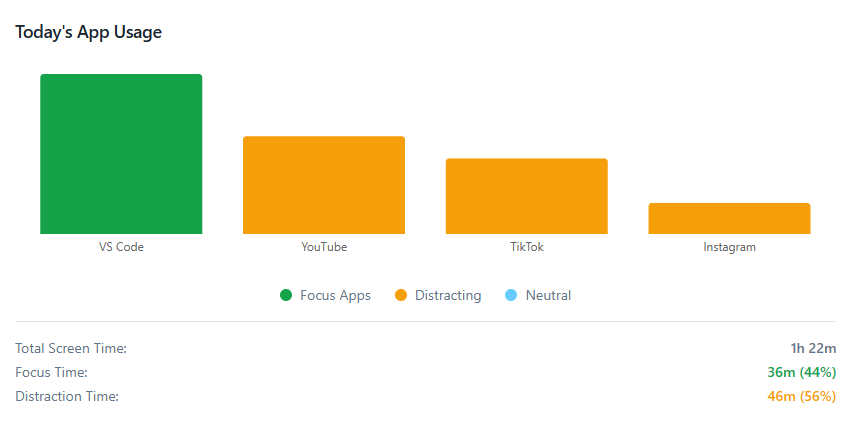
App Usage Graph on Dashboard
-
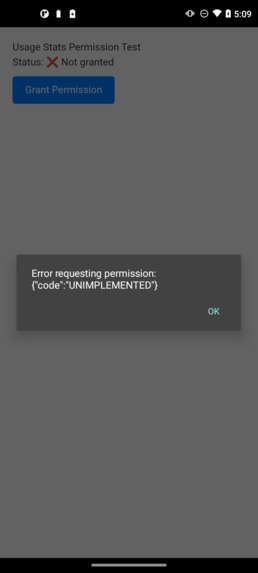
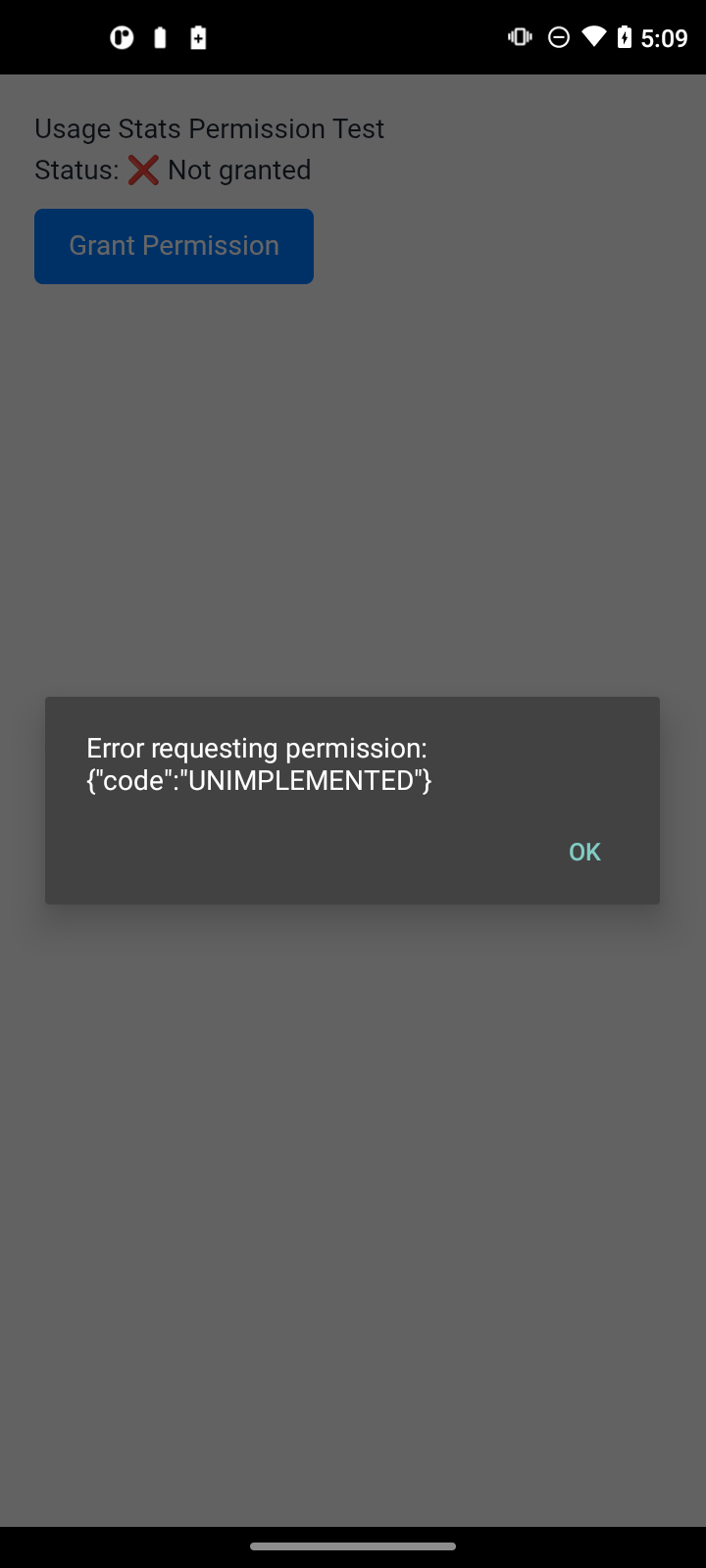
First try to implement custom Capacitor plugin - didn't work!
-
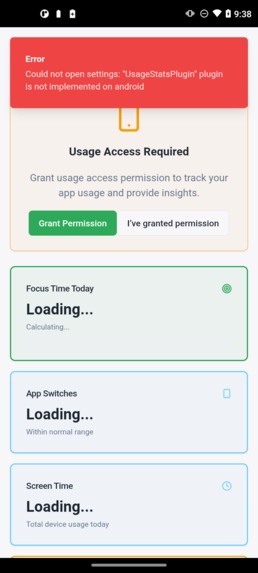
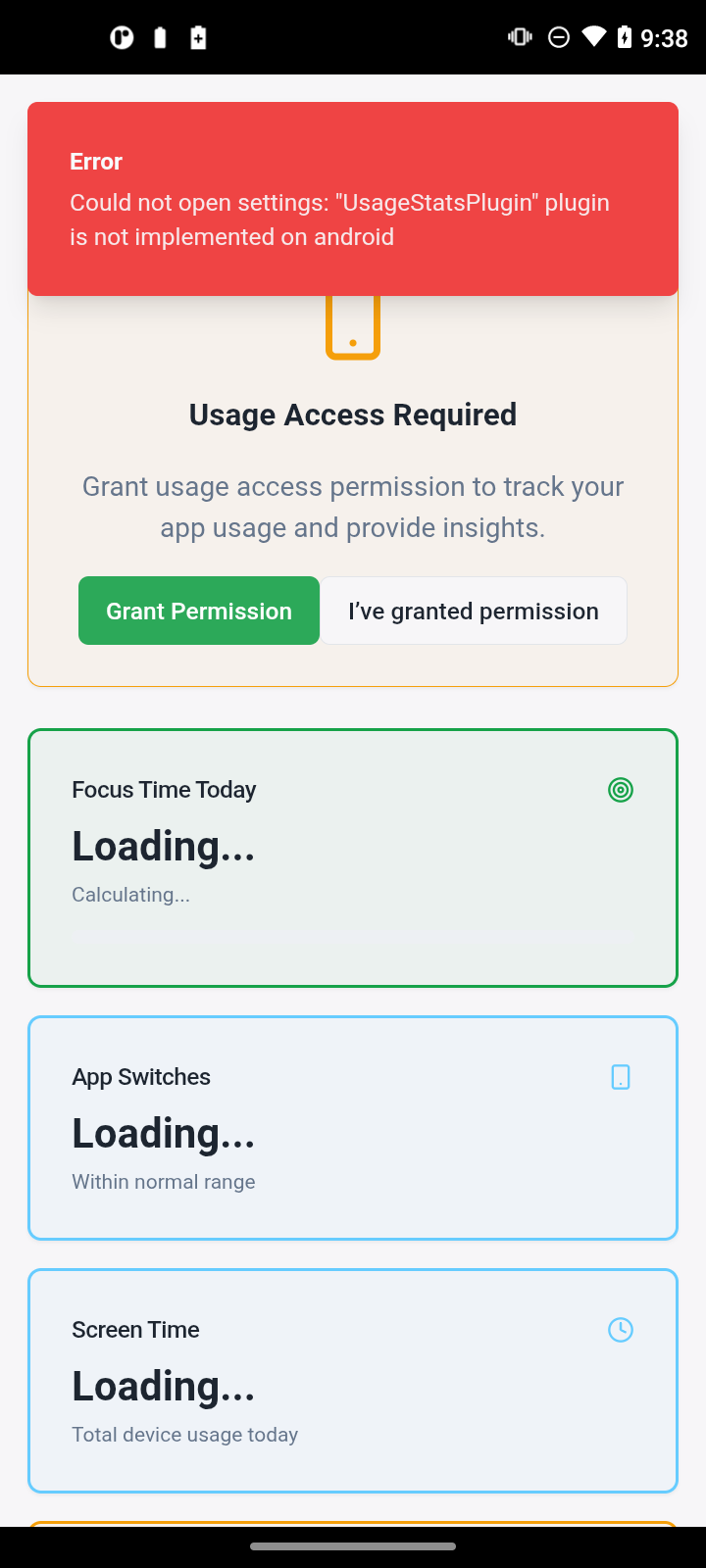
Worked on UI, then tried again to implement custom Capacitor plugin - didn't work!
-
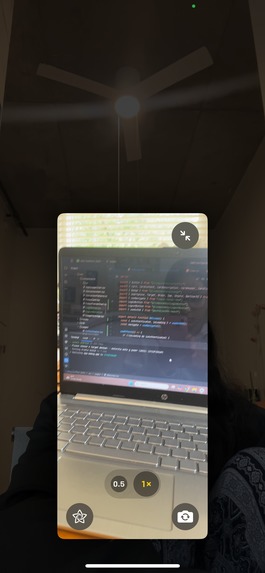
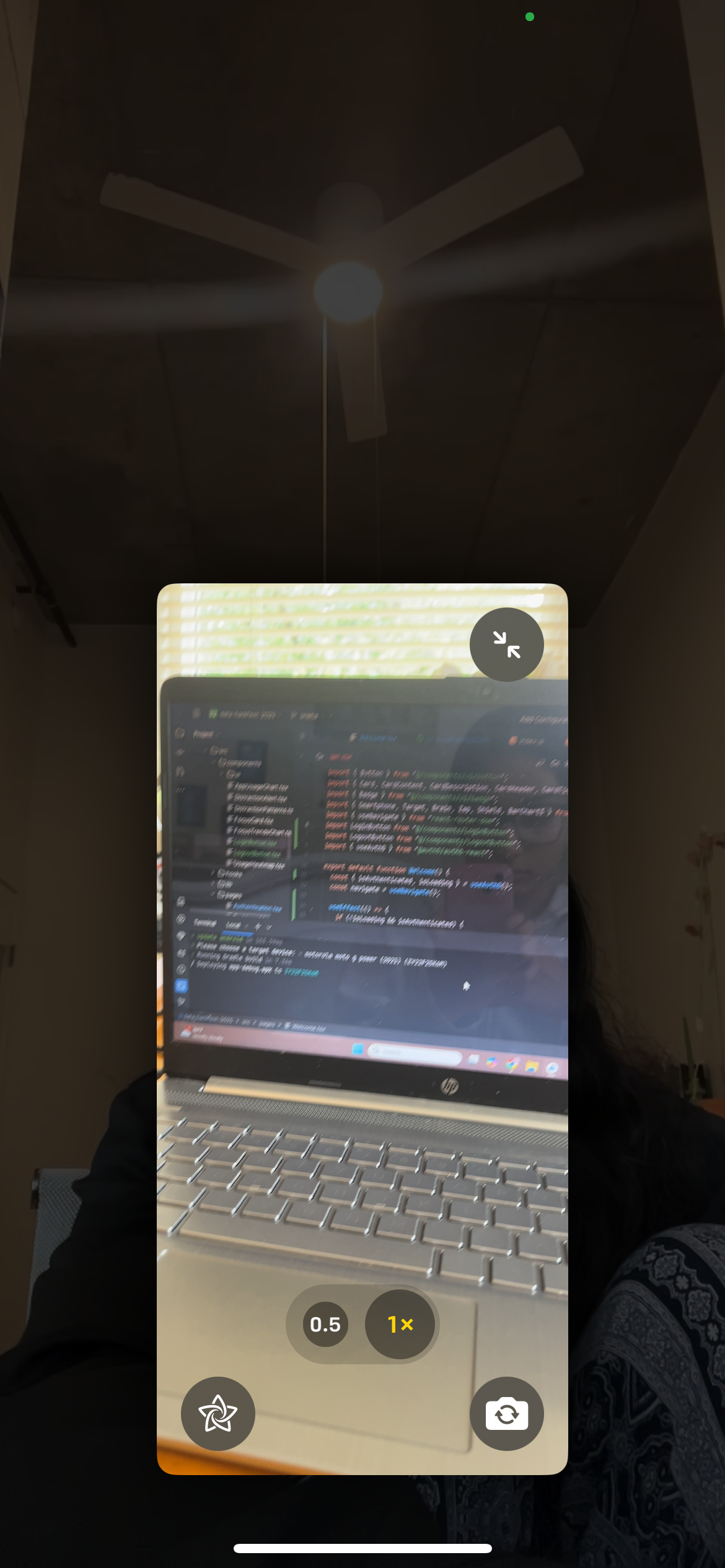
Us sisters live in different places (one is in university and one is in high school), so we called throughout the hackathon to communicate!
Inspiration
We built Clarity because staying focused is something we both struggle with, and we know we’re not alone. A lot of our friends have ADHD, and they've told us how most focus apps either overwhelm them with features or end up being distracting themselves. We wanted to help them by creating something something simple, supportive, and actually usable for people who think and work differently.
Though we don't have ADHD, the idea was also inspired by our own experiences. Sneha was guilty of doomscrolling while working and wished there was something that could snap her out of it in the moment. Brinda liked that base idea, but she thought about how hard it is to stay focused while working on a laptop, and how there’s nothing that really works across devices. We decided to tackle both of these issues this weekend, through a tool that "notices" when you’re losing focus and gently help you get back on track, without you needing to input anything.
Since this is a data-focused hackathon, we also saw an opportunity to learn how to collect and work with our own data. We didn’t just want to analyze a dataset that already exists. Instead, we were excited to understand how to passively gather real signals from device usage and turn that into meaningful insight for the user, further pushing us to pursue this project idea.
What it does
Clarity is a native Android app that passively monitors distraction patterns and gives users personalized daily summaries and focus insights. It’s built for ADHD users who want something clean and simple that works in the background and doesn’t require constant input.
We completed three core features over the weekend:
Passive Focus Monitoring: Clarity tracks foreground apps, session lengths, and app-switching behavior through Android’s Usage Stats. It flags likely distractions based on sudden switches from productive tools to social apps.
AI-Generated Daily Summary: Clarity uses Google’s Gemini API to turn daily usage data into a short, helpful recap. For example:
“You had your strongest focus streak from 9:30 to 11:00 AM. Instagram and Discord caused most interruptions in the afternoon. You stayed focused 42% of the time, which was 7% higher than yesterday.”
Insights Dashboard: A clean, ADHD-friendly dashboard shows the most distracting apps, hours of strong and weak focus, and changes in focus patterns over time.
We also implemented a sleek Pomodoro timer, with minimal UI elements to limit distractions. The timer can be paired with in-app sounds, which we plan on expanding in the future based on feedback on what people like to listen to while working. We will also add a vibration feature to improve UX when the user ends a focus session.
How we built it
We used React with TypeScript and Tailwind CSS to build the frontend. Since we wanted the UI/UX of the app to be lightweight and knew we'd be working with lots of charts, which our previous apps haven't featured, we experimented with new UI libraries. This was our first time using shadcn/ui and Recharts for visuals. Sonner helped with toast notifications, and Lucide provided icons.
We used Capacitor to wrap the app for Android and access native permissions like Usage Stats. iOS does not allow easy access to user usage data, prompting us to make Clarity an Android-only application for this hackathon. Auth0 handles authentication, and data is stored in MongoDB Atlas for cloud-based dynamic collections that allow data to be read and wrote to from any device. Gemini powers our natural-language summaries in the Pattern Analysis page.
It was also our first time using Vite with React in a mobile-focused project. We used AI helpers like Builder.io, Lovable.dev, and ChatGPT to troubleshoot errors and learn fast this weekend.
Challenges we ran into
- Capacitor plugins and Android permissions were hard to figure out. It took time to make sure the app could safely access usage data.
- Integrating and customizing shadcn/ui was new for us, so styling clean UI took extra effort.
- Getting Gemini to generate helpful summaries required a lot of prompt tuning.
- Debugging Vite and Capacitor together was difficult, especially with cross-platform build issues.
Accomplishments that we're proud of
- We built a fully working native Android app & website in one weekend that can passively monitor focus and summarize user behavior!
- We learned a ton about new frameworks and libraries, which we wouldn't have considered exploring without the prize categories from this hackathon.
- We designed an experience that was approved by ADHD users, focusing on usability, clarity, and minimal friction.
- We learned to use AI not just as a feature, but as a way to speed up our own learning and building process.
What we learned
- How to design UI/UX with limiting distractions in mind
- How to integrate Android-specific functionality into a React-based app using Capacitor
- How to build with shadcn/ui and manage clean, consistent UI states
- How to use Gemini effectively for generating summaries from structured usage data
- How to build and iterate quickly by combining multiple platforms and using AI tools to fill knowledge gaps
What's next for Clarity
There are two major features we couldn’t finish in time but plan to add:
Distraction Predictor: A lightweight model running on-device with TensorFlow Lite to detect when focus is slipping and prompt the user before they spiral into distraction.
Smart Notification Filter: Tracks which notifications tend to interrupt deep work and recommends quiet hours or automatically enables Do Not Disturb.
We're also planning to add Clarity as a browser extension, so users don't have to open an app whenever they want to stay focused. We're excited to keep working on Clarity and build something that truly supports how neurodivergent brains work.
Built With
- auth0
- capacitor
- css
- geminiapi
- lucide
- mongodb-atlas
- react
- recharts
- shadcn/ui
- sonner
- tailwind
- typescript
- vite


Log in or sign up for Devpost to join the conversation.