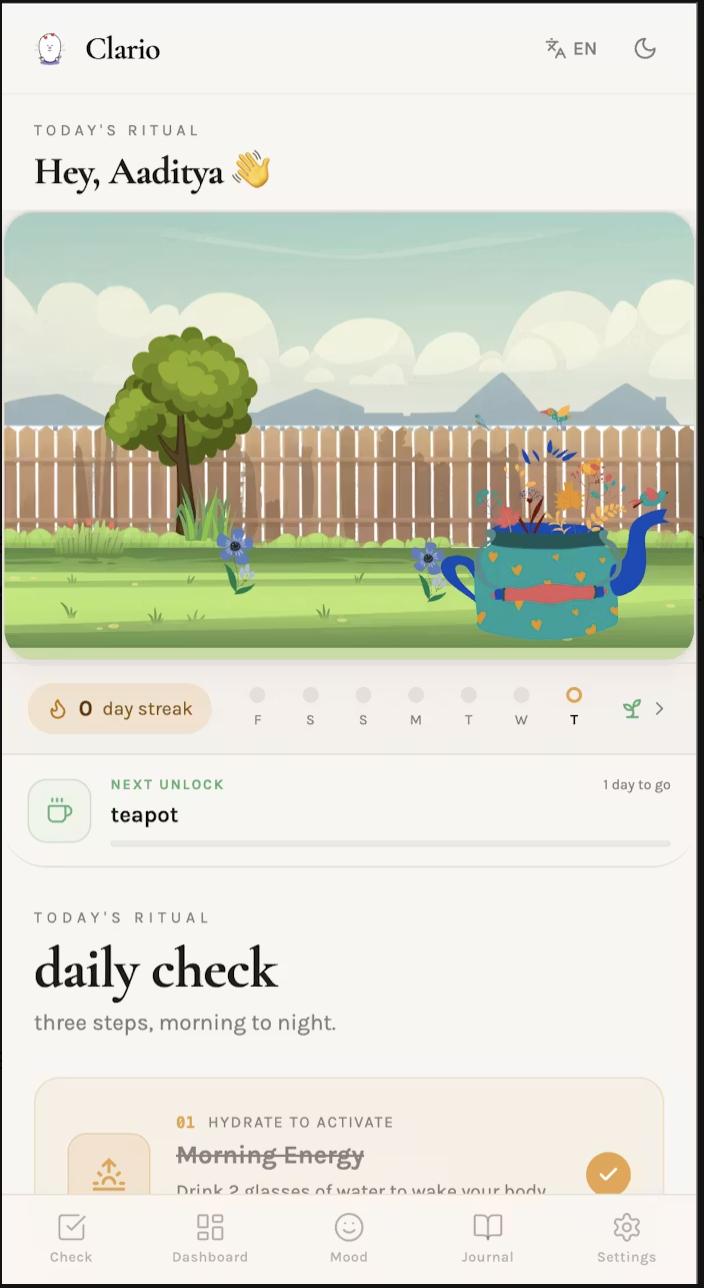
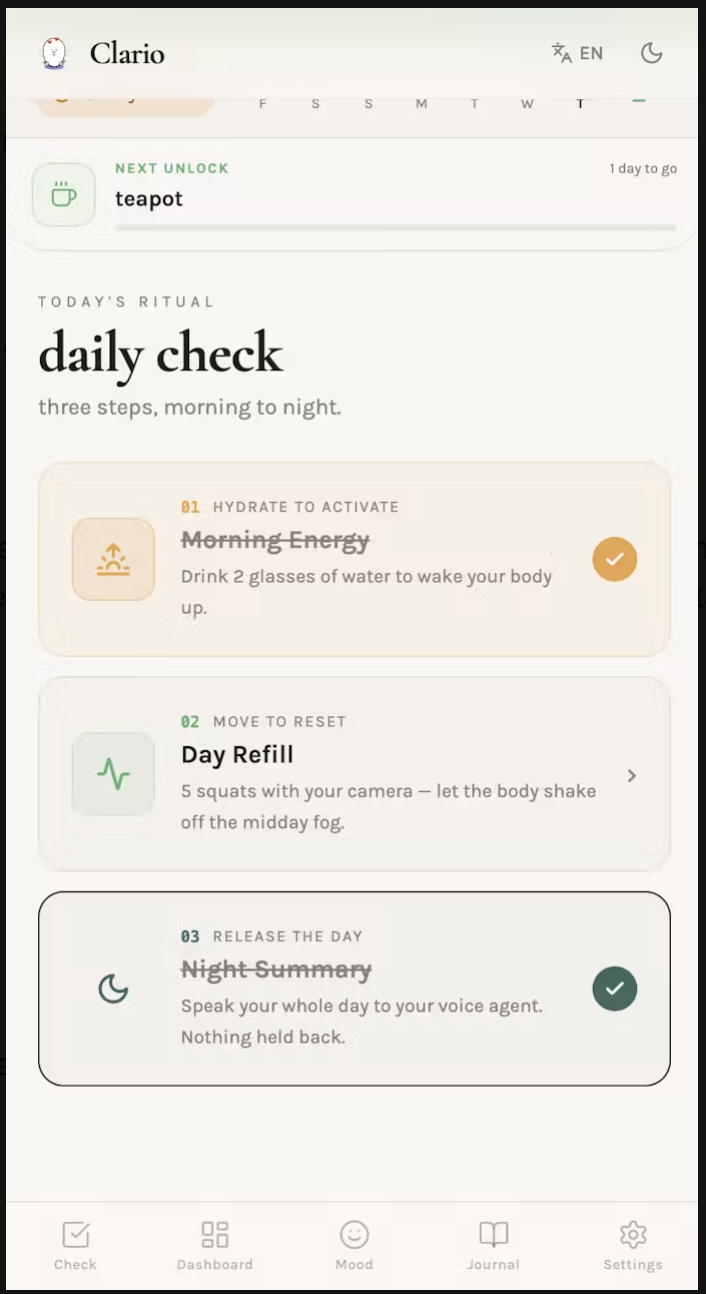
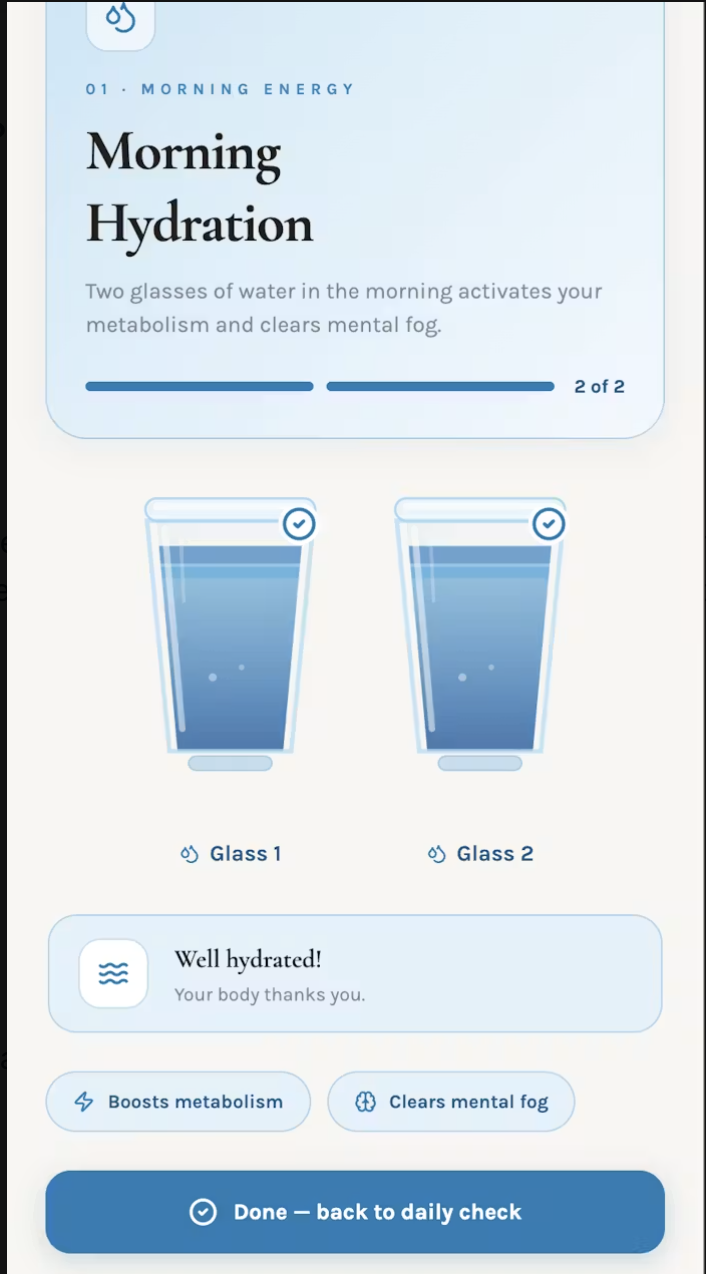
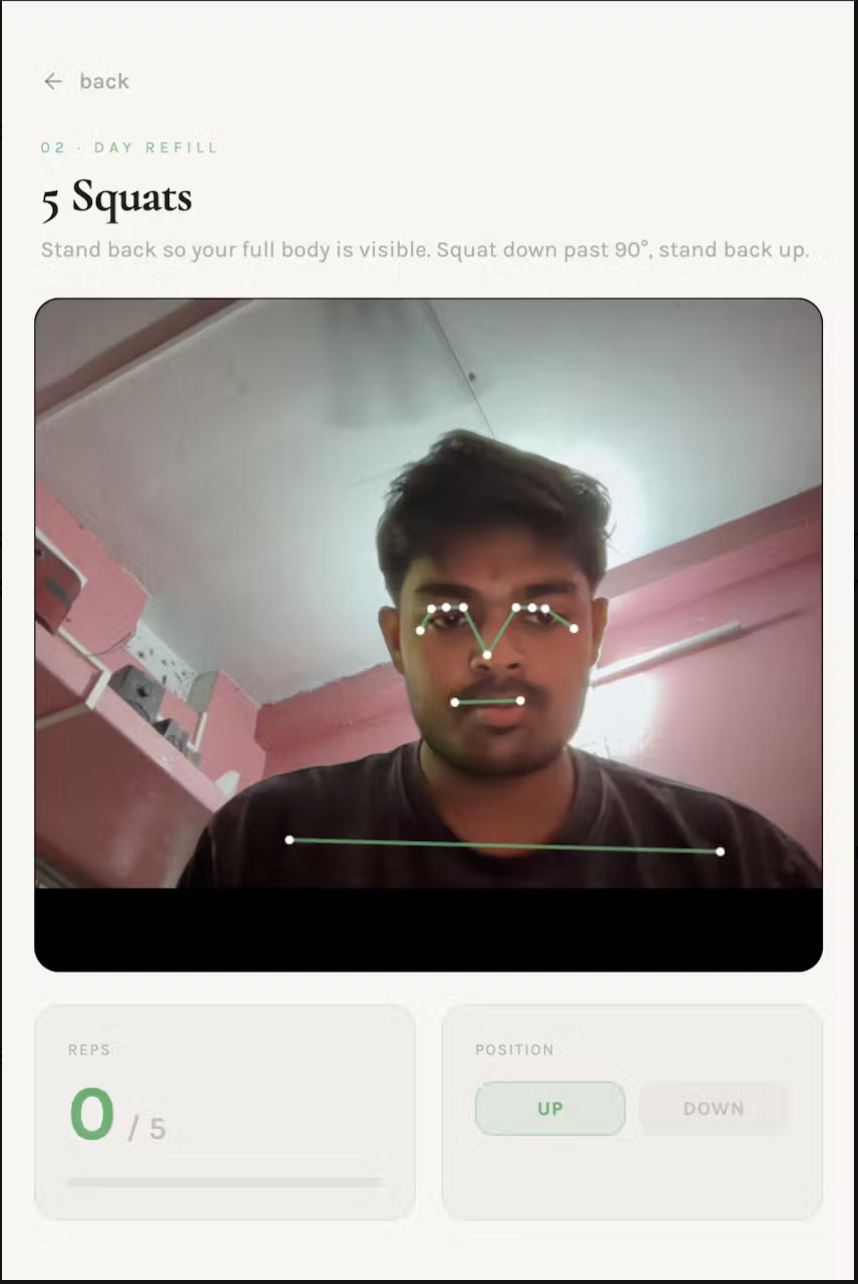
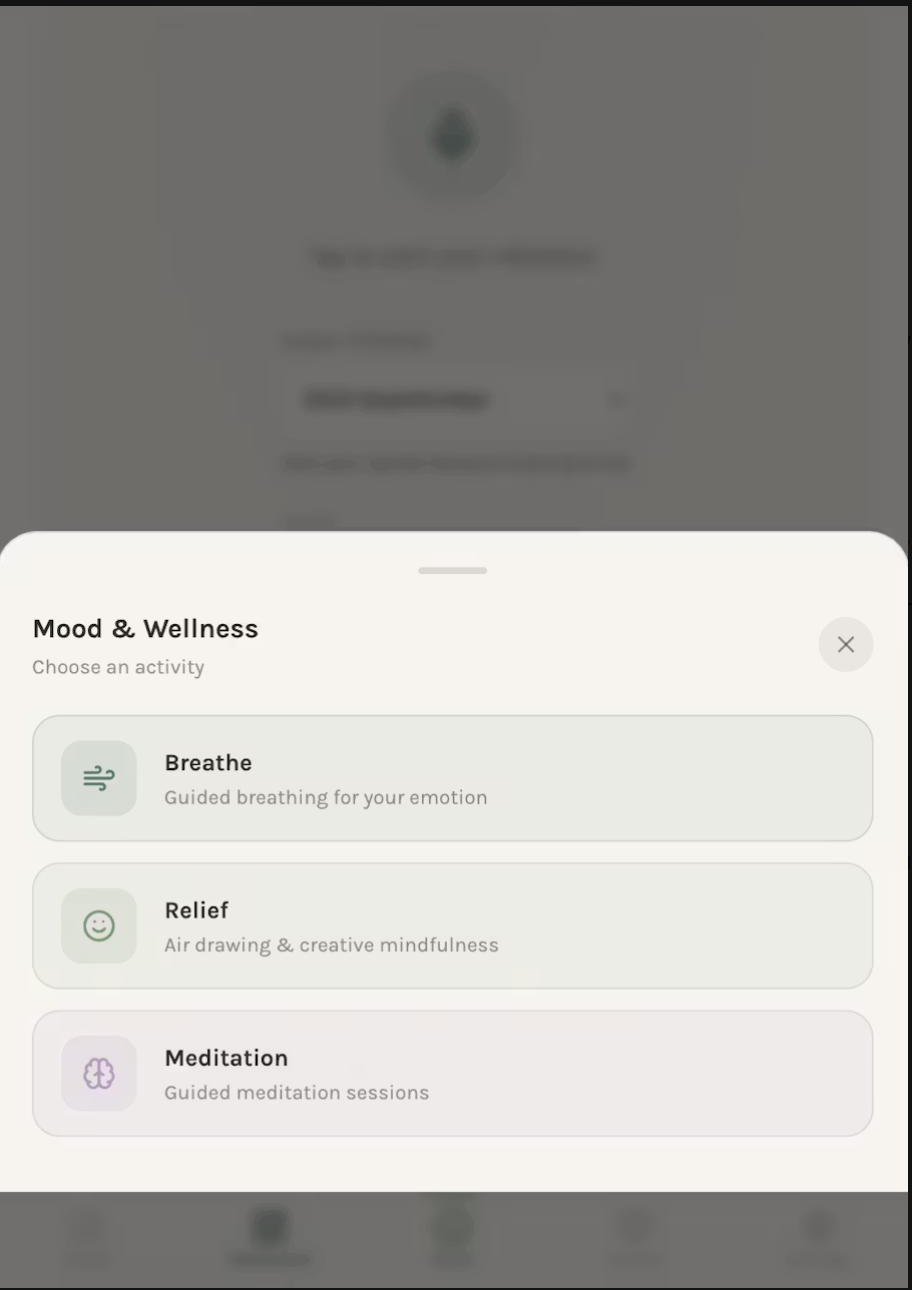
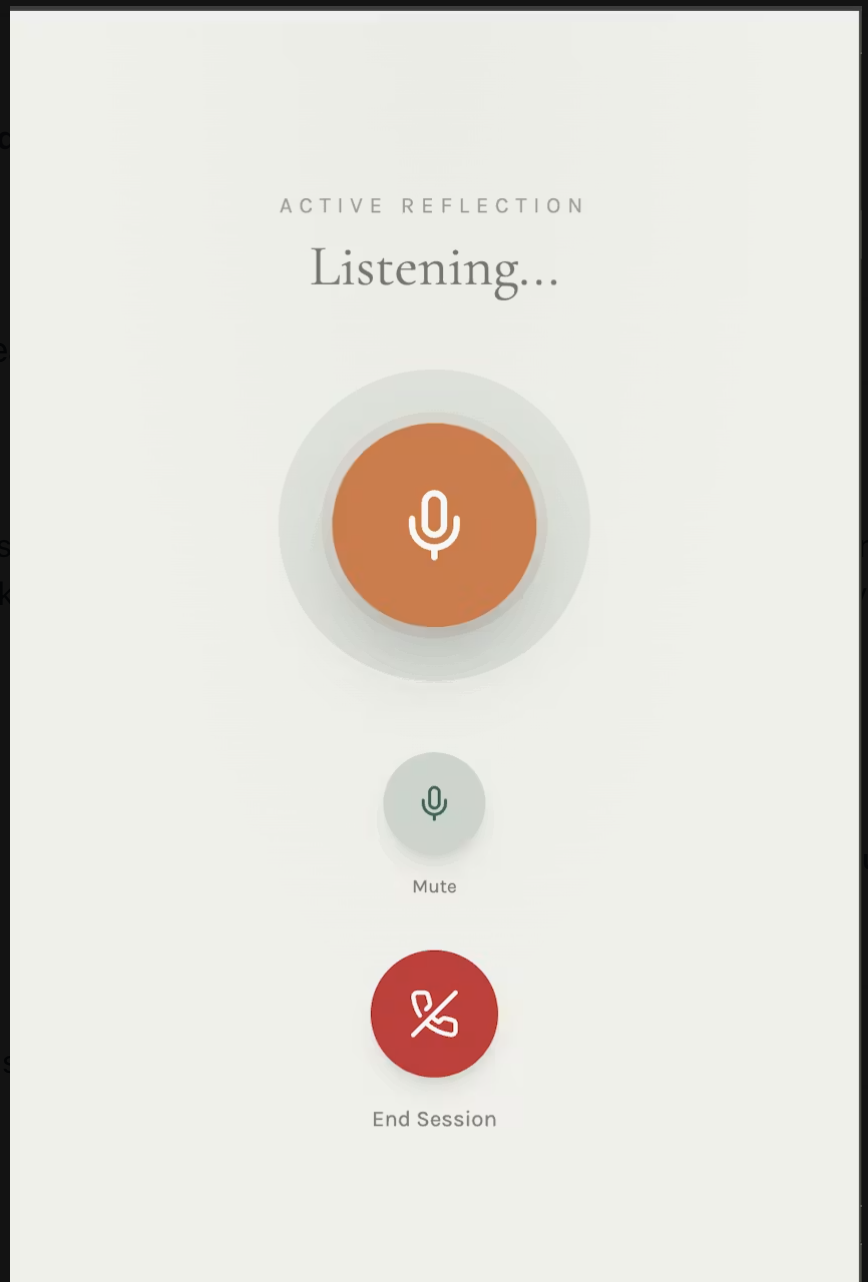
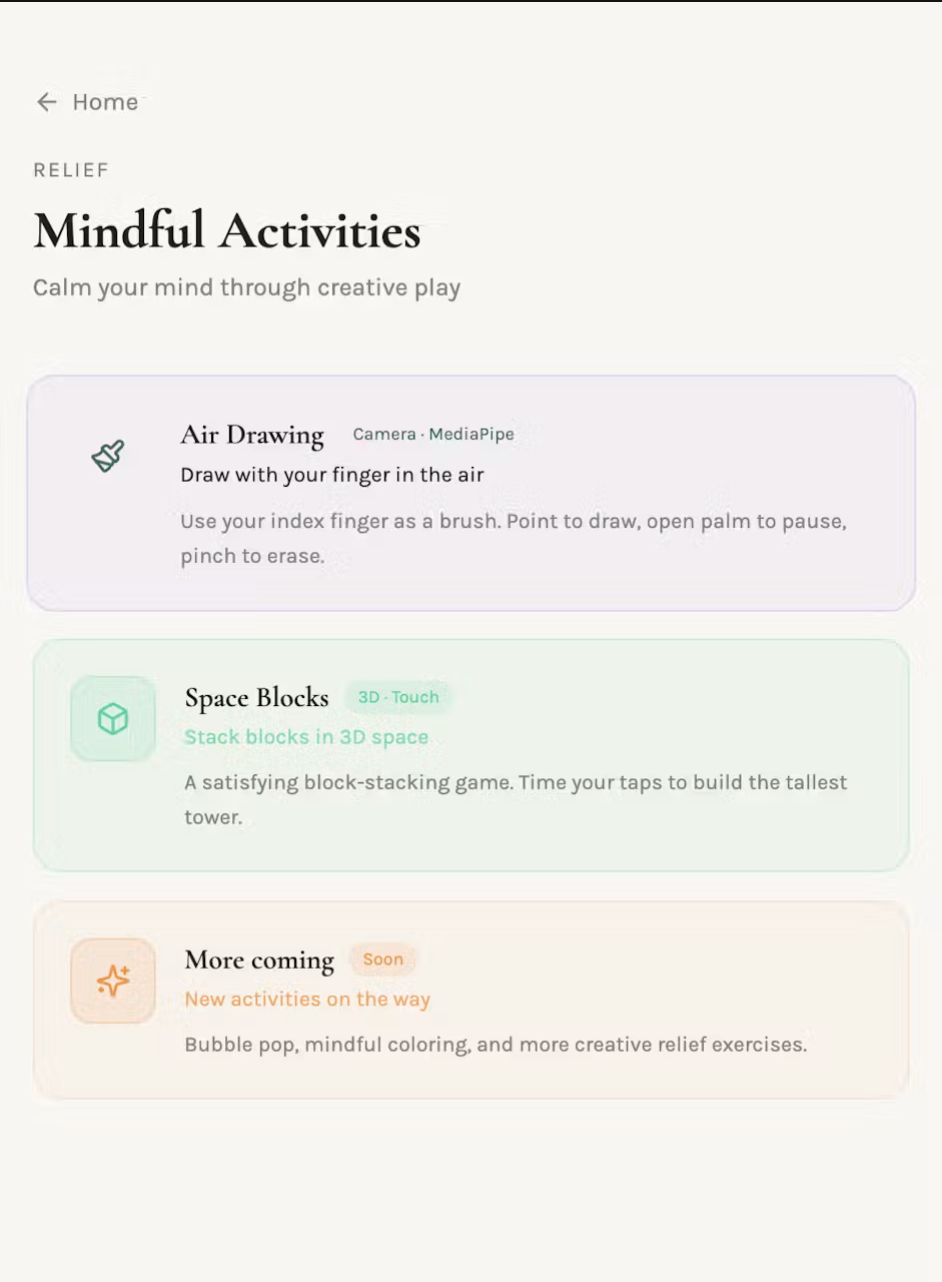
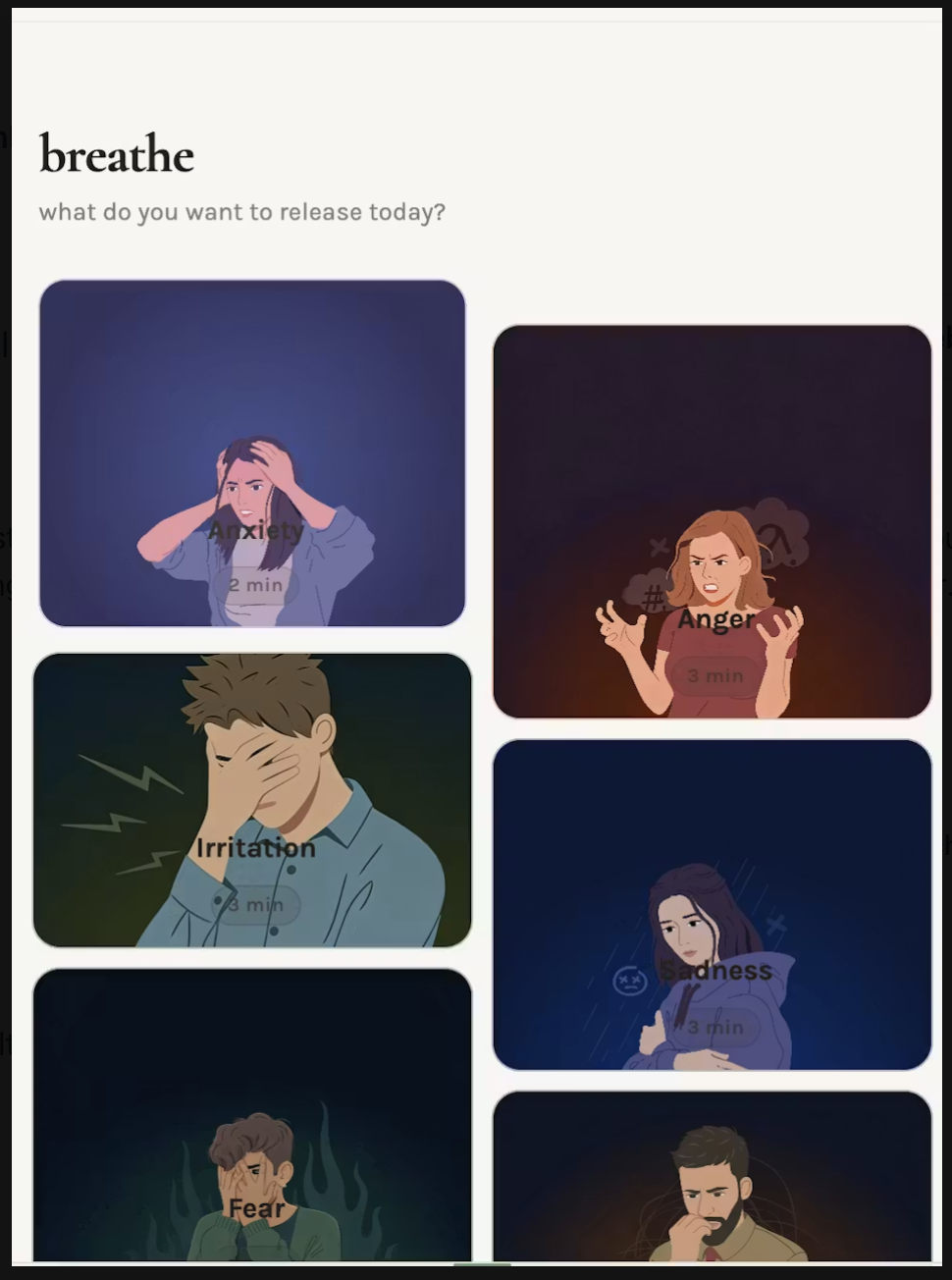
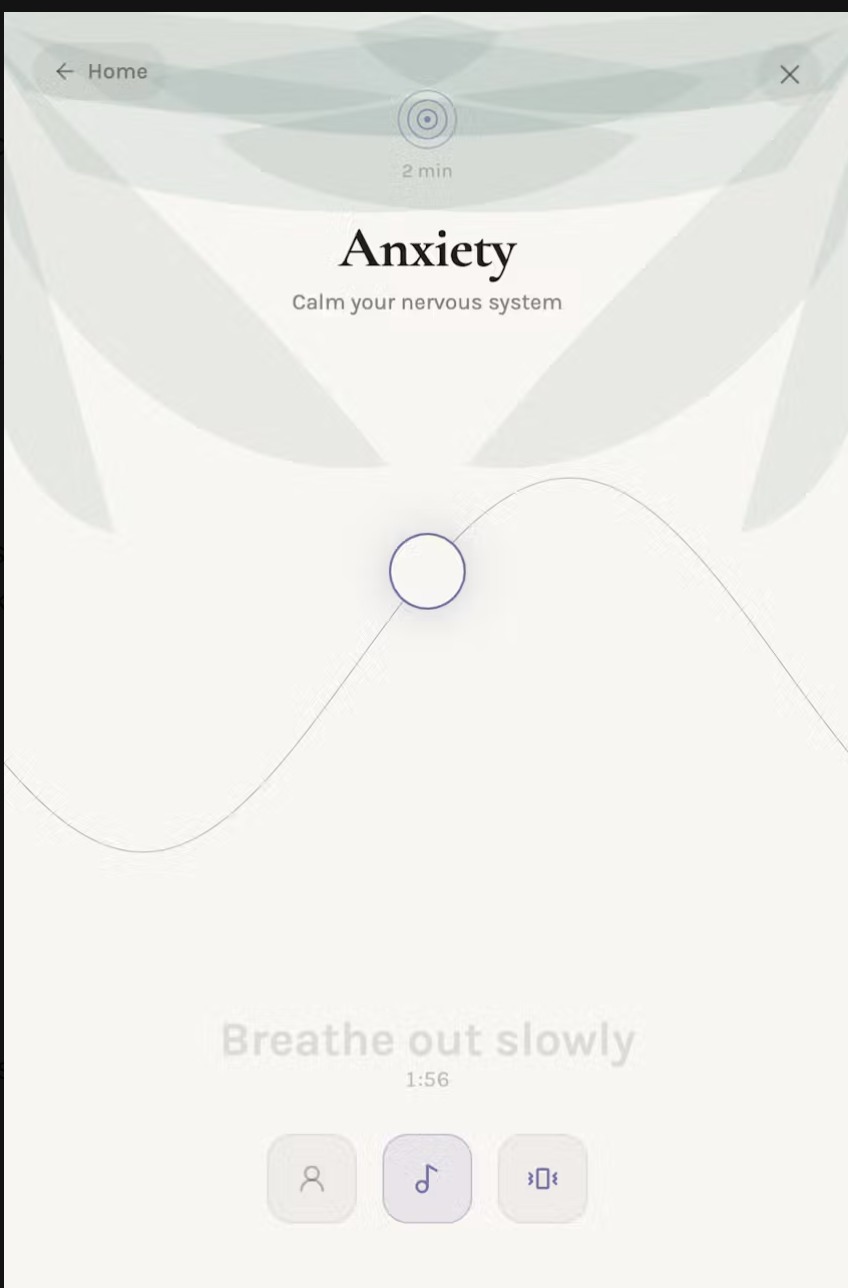
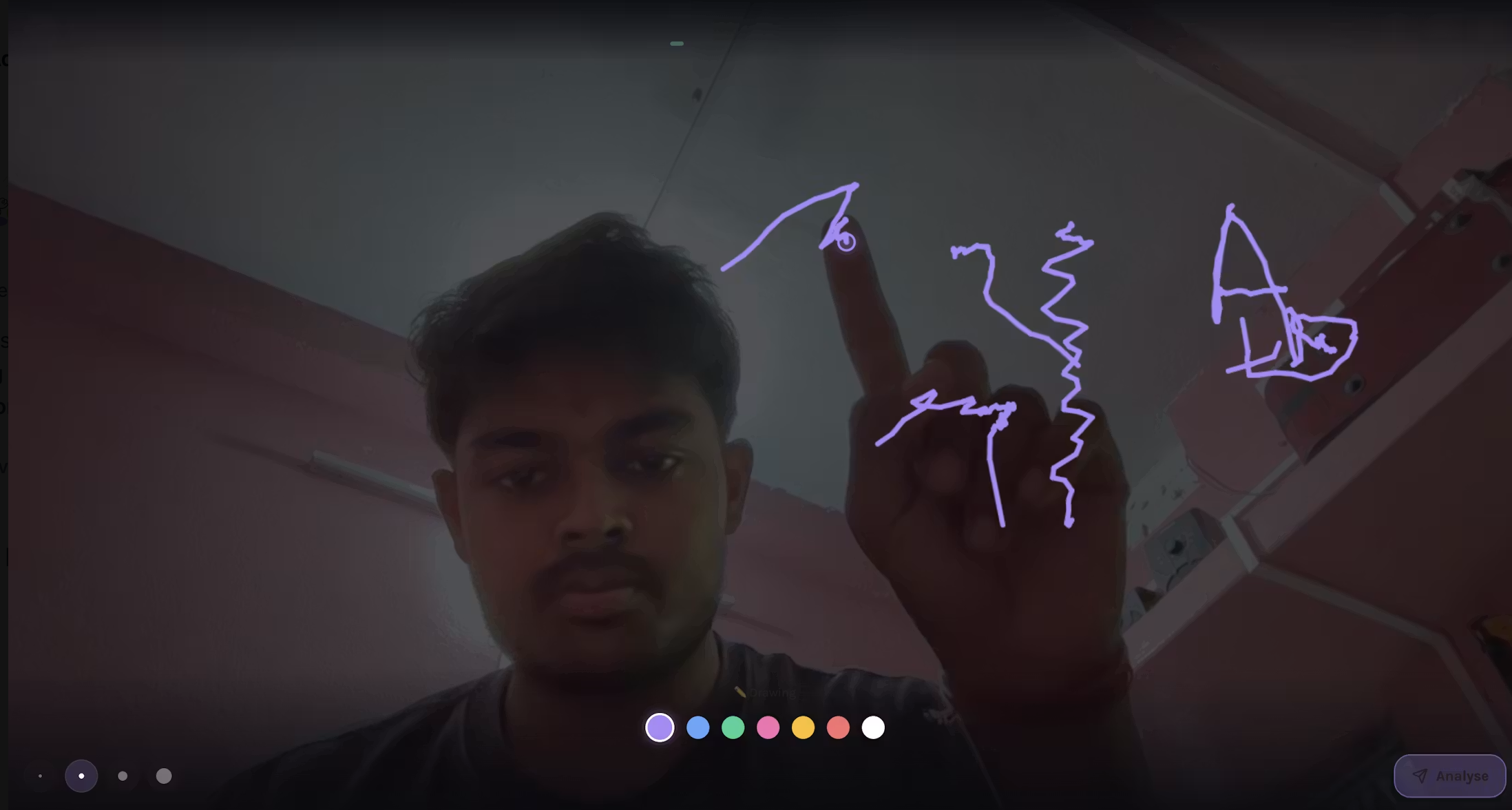
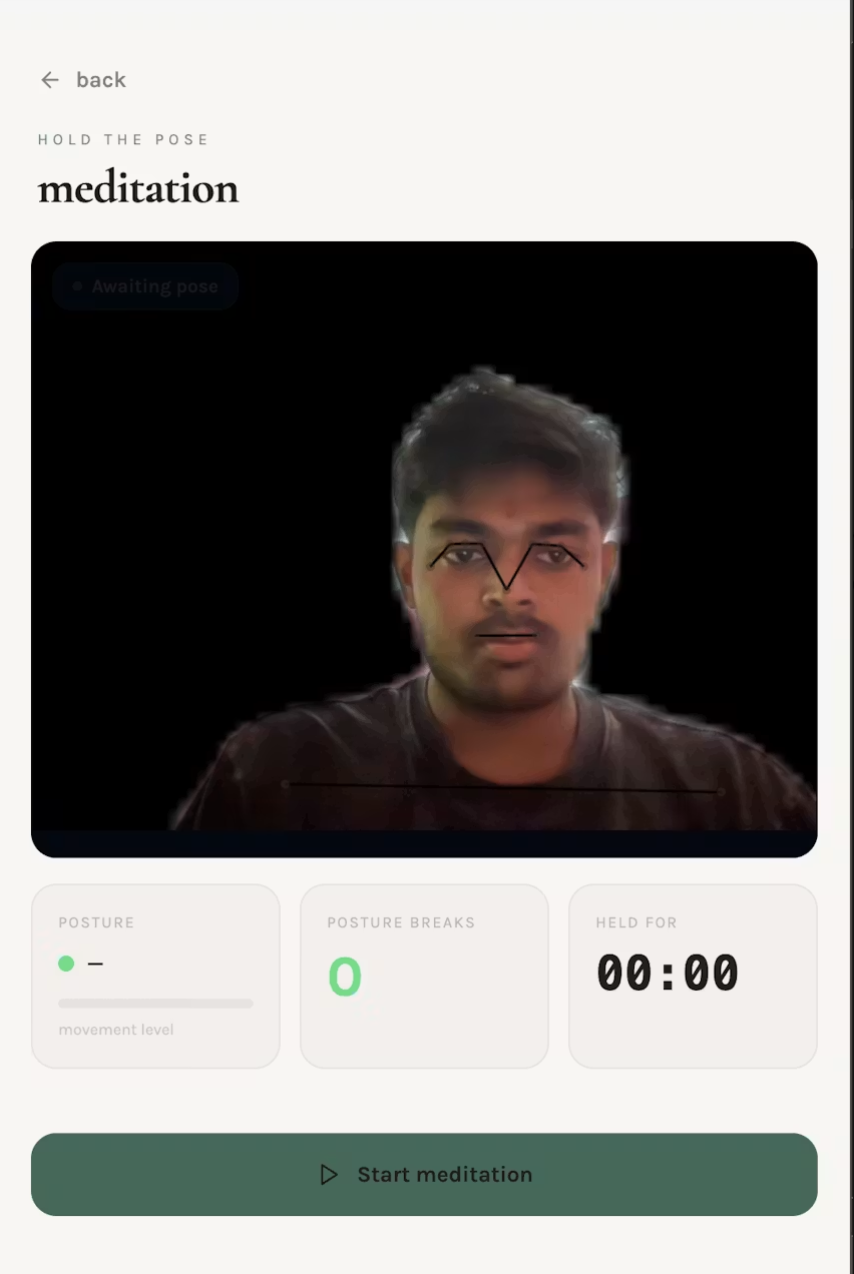
Inspiration Clario was inspired by the quiet moments when mental health feels hardest to manage: the 2 AM anxiety spiral, midday brain fog, a breakup you cannot stop replaying, or the feeling that everyone else is ahead. We wanted to create something gentler than a productivity app and more personal than generic wellness advice—an emotional companion that meets people where they are. What it does Clario is a daily mental-wellness companion that combines mood tracking, guided breathing, AI reflection, meditation, journaling, and creative stress relief. Users complete three small daily check-ins: a mindful morning reset, a short midday movement break, and an open-ended nighttime voice reflection. Clario remembers their progress and grows a calming digital garden as they show up for themselves. When a user is anxious, angry, sad, worried, or overwhelmed, Clario recommends a breathing pattern tailored to that feeling. For moments when words are not enough, users can draw in the air using hand gestures or build calming virtual spaces with gesture-controlled blocks. Their emotional history, mood patterns, and journal entries are then brought together in a private dashboard. How we built it We built Clario as a full-stack Progressive Web App using React, TypeScript, Vite, Tailwind CSS, shadcn/ui, Framer Motion, and React Router on the frontend. The backend uses FastAPI, SQLite, Docker, Uvicorn, and JWT authentication. Google Gemini powers voice-based daily reflection and personalized analysis of submitted air drawings. MediaPipe Hands runs directly in the browser to enable real-time hand tracking for air drawing and gesture-controlled building, avoiding unnecessary server round trips. We deployed the frontend on Vercel and the backend on Render, and made the experience installable on both iOS and Android through PWA support. Challenges we ran into One of our biggest challenges was making the app feel calming instead of overwhelming. Wellness products can easily become cluttered with too many metrics, streaks, and reminders, so we focused on a minimal experience with only the tools a user needs in the moment. Technically, synchronizing breathing visuals with recorded audio cues—especially on iOS—required careful handling of mobile audio restrictions. Building reliable gesture interactions was another challenge: hand tracking needs to feel responsive enough for air drawing and block placement to be therapeutic rather than frustrating. We also had to balance meaningful AI reflection with privacy and emotional sensitivity. Clario is designed to support reflection, not diagnose users or replace professional mental-health care. Accomplishments that we're proud of We are proud that Clario brings several kinds of emotional support into one thoughtful daily ritual: reflection, movement, breathwork, creativity, and journaling. We are especially proud of: A three-part daily check-in flow that feels achievable, even on difficult days. Emotion-aware breathing sessions with precisely timed visual and audio guidance. Real-time camera-based air drawing and gesture-controlled building with MediaPipe Hands. Gemini-powered voice reflections and personalized drawing insights. A private dashboard that helps users notice patterns without making them feel monitored. A garden that grows with care but never punishes users for missing a day. What we learned We learned that small interactions can have a big emotional impact. Five squats, one glass of water, a few minutes of breathing, or speaking freely about a difficult day can be more sustainable than asking users to completely transform their routines. We also learned that AI works best in wellness when it listens, reflects, and gives users space—rather than pretending to have all the answers. Finally, we learned how important smooth mobile interactions are when building tools for vulnerable moments; if a calming feature feels slow or complicated, people will not reach for it when they need it most. What's next for Clario Next, we want to build a dedicated No Contact mode for people healing from breakups or difficult relationships. It would help users pause before sending a message, log urges, write unsent letters, track no-contact milestones without shame, and receive grounding exercises in the moments they are most tempted to reach out. We also plan to add deeper long-term mood insights, more personalized meditation paths, optional reminders, encrypted cloud sync, and expanded accessibility support. Our goal is to make Clario feel less like another app to maintain and more like a quiet place users can return to whenever life feels heavy.
Clario no contact
Clario helps you track moods, ease stress, spot emotional patterns, and build a calmer, more focused mind—one beautiful day at a time. Through breakups, brain fog, or feeling left behind.
Updates

Leave feedback in the comments!
Log in or sign up for Devpost to join the conversation.