Inspiration
Our project sprouted from deeply personal experiences that revealed the human cost behind every clinical decision. For one team member, watching his sister suffer through constant dermatologist visits where steroid after steroid was administered without a definitive cure left him frustrated. For another, the motivation stemmed from his mother's sudden fight with a life threatening fungal infection. He had to put college on hold in order to make long distance trips to stand by her hospital bed during her month long hospitalization. These experiences showcased a haunting reality: behind every delay and uncertainty, there is a life that hinges on informed decisions in a timely manner. This inspired us to address the knowledge gap that exists through the rapid evolution of medicine. Our mission became crystal clear: to empower HCPs with a functional agentic AI that continuously evaluates existing prescriptions against readily available pharmaceutical data. By focusing on prescription affirmation, we reduce uncertainty for physicians and prevent unnecessary patient visits. Furthermore, we develop relationship pipelines amongst doctors of different calibers as they investigate new cutting edge solutions. While many healthcare tools chase efficiency, our solution solidifies that concept without sacrificing the clarity and reinforces the human impact behind every decision.
What it does
Our platform is designed to give HCPs an assistant in their clinical decisions. It allows the doctor to type in the patient's ID, any symptoms the patient is feeling, and a potential drug that the doctor wants to suggest. The agentic AI then evaluates the compatibility of the proposed drug and utilizes a rating system to not only flag potential conflicts, but also suggest safer alternatives with dosages according to the latest evidence. Beyond prescription verification, the system has the capability to summarize relevant PubMed articles and connect doctors with specialists familiar with specific conditions. By combining these two concentrations, our solution keeps the patient in mind by prevent unnecessary visits while bolstering the doctor's confidence in making informed decisions in a timely manner. Overall, it makes the process more transparent for providers and patients.
How we built it
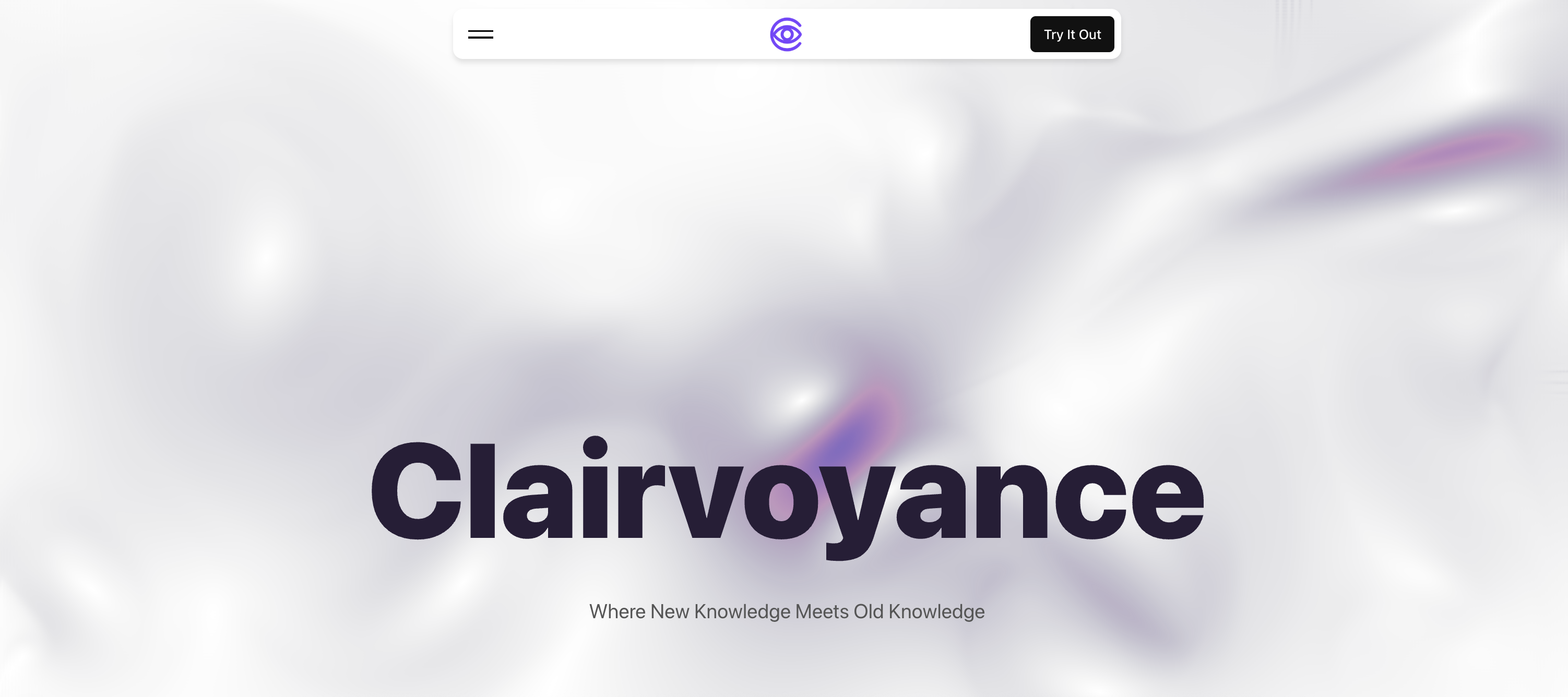
Our backend is powered by a Flask API that exposes API endpoints to send patient data, ongoing medications, allergies, and conditions from a cleaned master CSV. Using pipelines built on LangChain, the system consists of two different AI agents. One agent is responsible for measuring drug compatibility in real time, flagging potential conflicts with the current doctor's diagnosis. The other agent is responsible for querying PubMed to search for alternative drugs that are compatible with the patient's condition. The frontend was built with Next.js and was visually enhanced by React Bits. By focusing on usability and efficiency, we designed a system for doctors to input baseline patient information with proposed medications in order to derive recommendations in minutes. Our approach emphasizes reliability and efficiency, ensuring that all HCPs have the capability to make informed decisions quickly.
Challenges we ran into
This project definitely brought forth a handful of challenges for our team. Due to HIPAA compliances, we had to obtain synthetic data and carefully clean/standardize the information while maintaining the integrity of clinical data. We had to be very strategic with how to merge all the data from these contrasting sources, without any inaccuracies. The process of integrating the agentic AI was also a hurdle. We needed to design pipelines that were interpretable for physicians to make their decisions. Adding a PubMed integration paired with the connection between old and new medicine maintained the concepts of ethics and data privacy. Without a doubt, the time constraint deemed to be the biggest issue, as we had to consistently revise and tweak our ideas up until the final 8 hours of the hackathon.
Accomplishments that we're proud of
For one of our members, this was his first ever hackathon. He learned how teams of different roles worked hand in hand, along with the importance of connecting backend with frontend. For the other members, they had to deal with the constant bugs arising in the code and switching AI agents three times in order to obtain the one most suitable for our purpose. We are beyond proud of how we were able to take four extremely different individuals who shared one common purpose, and pour our hearts out into something that truly makes a difference.
What we learned
We each gained a deeper appreciation for the human aspect of healthcare. Every single action impacts a life directly, and so it was really important for us to create designs that were intuitive and function for doctors and patients alike. We also learned how to handle messy real world data without losing the critical pieces. With this, we gained experiences in building agentic AI pipelines and integrating research databases like PubMed. Finally, we learned how to work as a team under pressure, turning our personal motivations into a shared mission.
What's next for Team Plantation Buffet
We are going to return to UGA and prepare for our badminton competition. Who knows, we might meet new people and pitch our idea to them to gain further insight and develop our ideas.
Built With
- auth0
- flask
- javascript
- langchain
- nextjs
- openai
- pandas
- primereact
- python
- react
- reactbits
- tailwind
- typescript


Log in or sign up for Devpost to join the conversation.