-
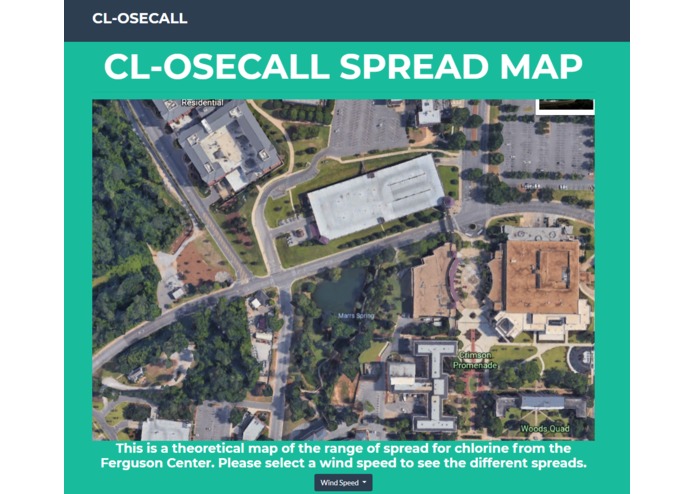
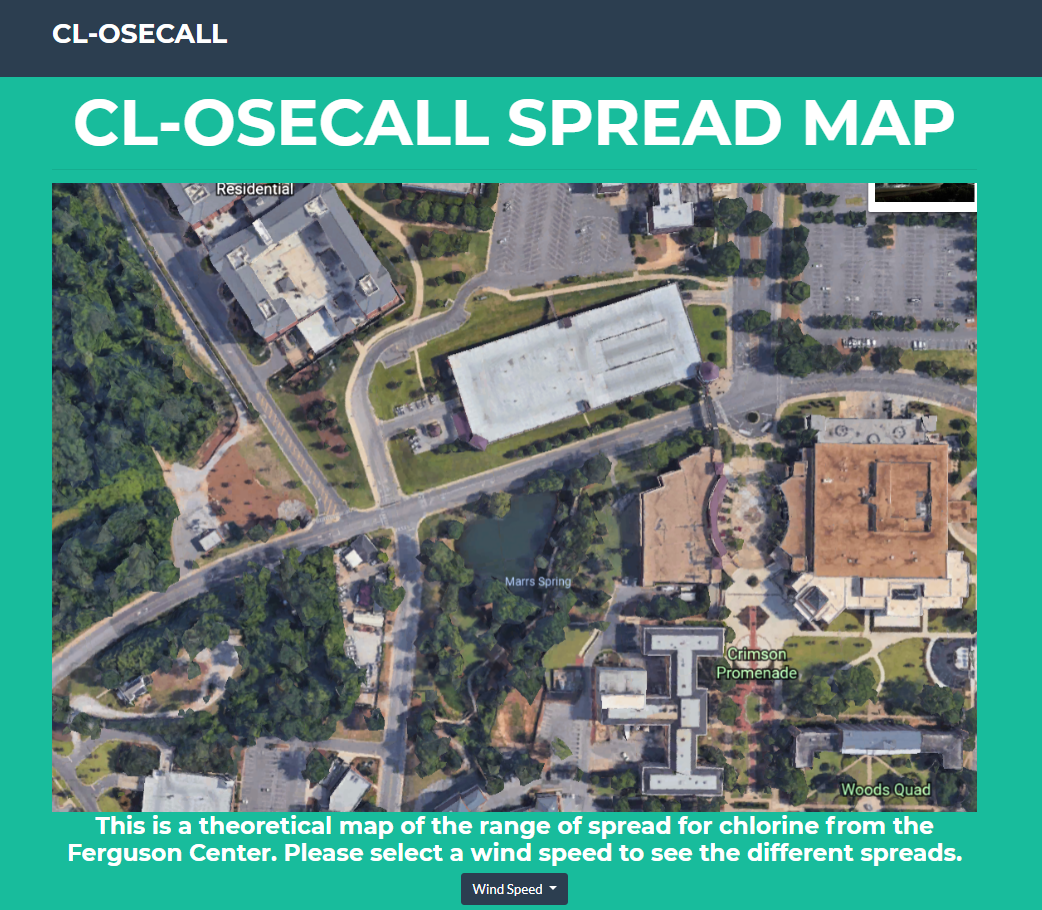
Map of chlorine spread, before leak
-
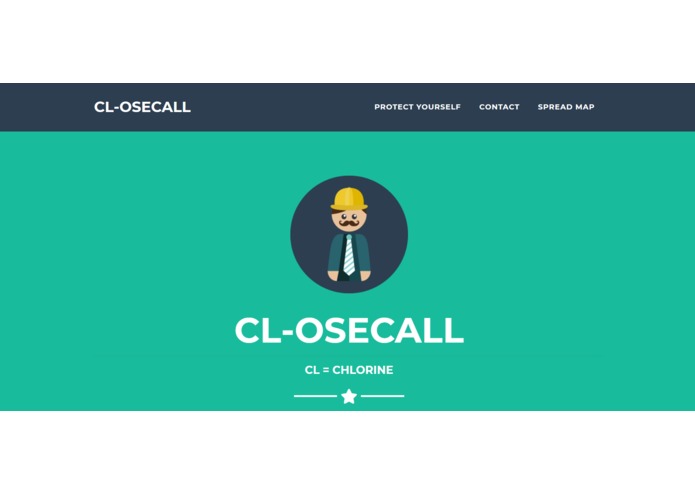
Main page of website
-
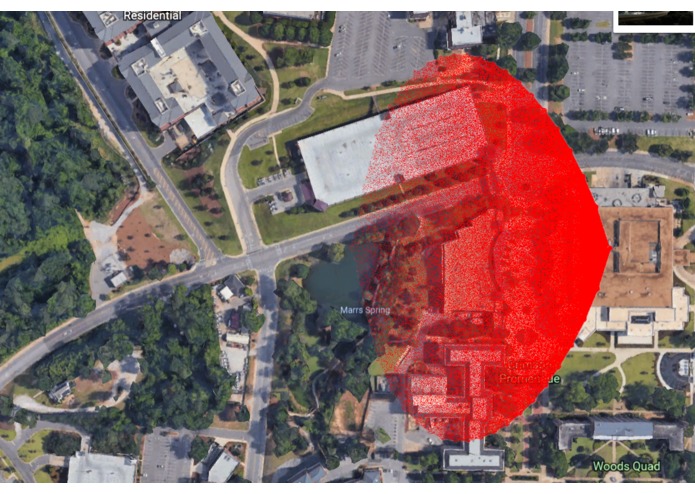
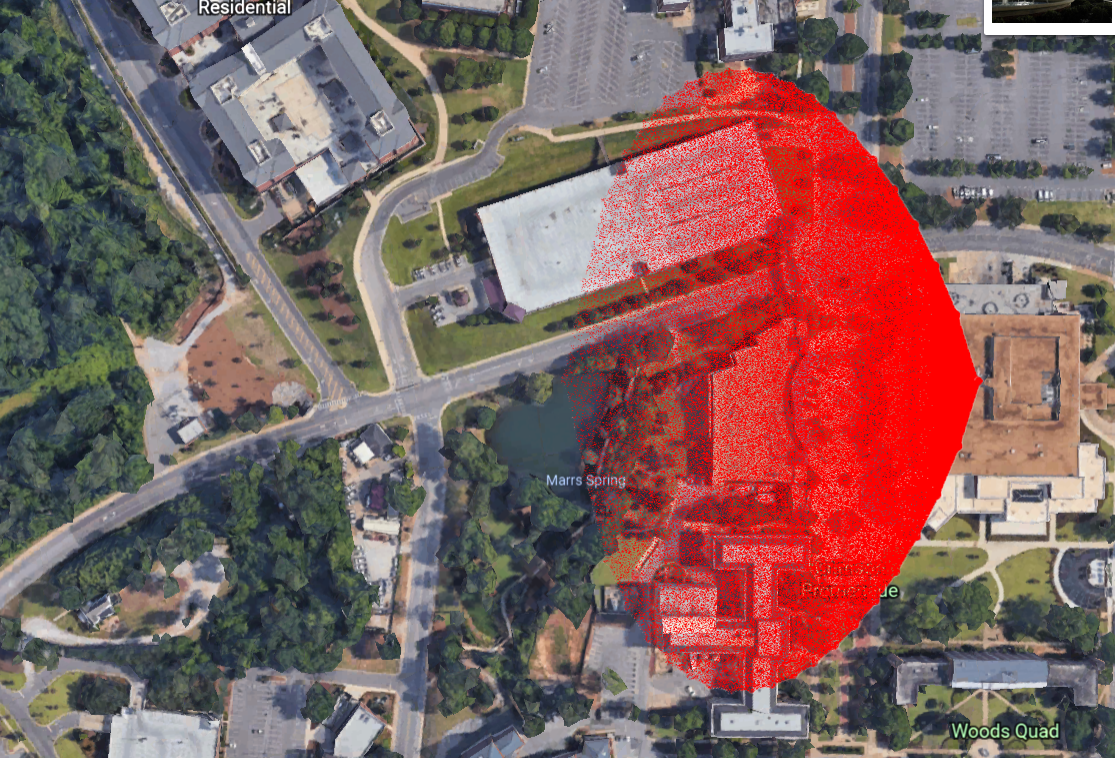
Chlorine leak: wind speed of 4 m/s
-
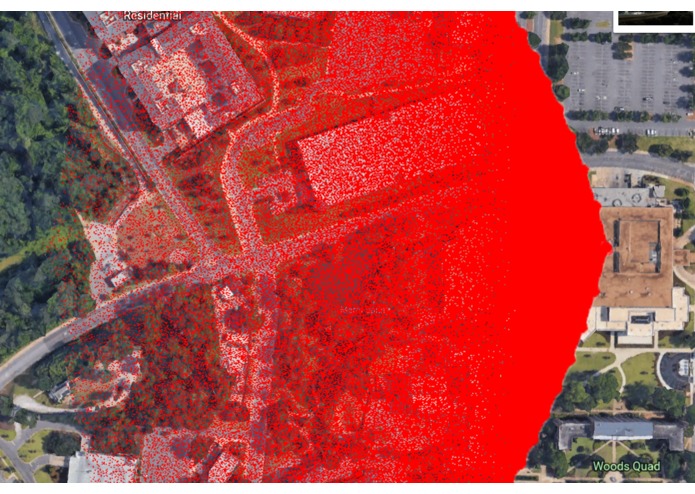
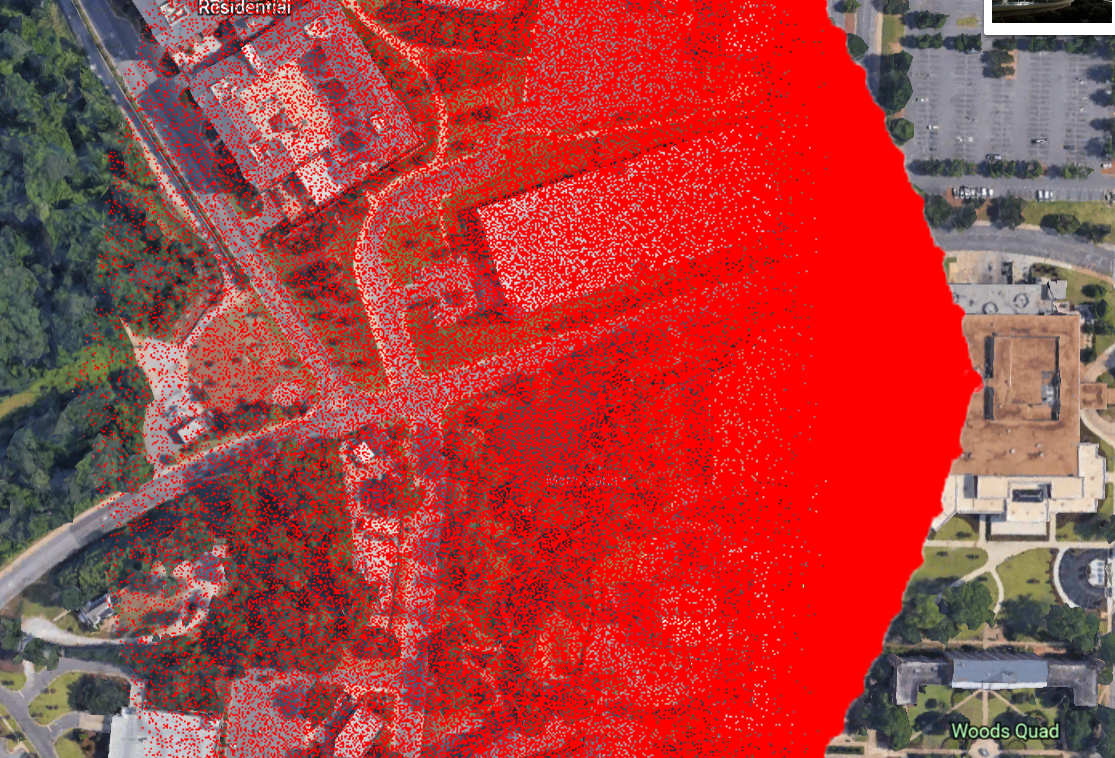
Chlorine leak: wind speed of 6 m/s
Inspiration
Chemical gas spills are extremely dangerous, but with mathematical formulas, we can more accurately predict where they will affect. The team sought out to create a website to have a dual purpose: map out a theoretical chlorine gas leak and have information on precautionary tips and first aid to those who could be affected by such a leak.
What it does
The website contains accurate models for a chlorine gas leak in an urban environment given a wind speed. Assuming hypothetical gas leak coming from the Ferguson Center, we are able to show a map of the affected area based on the wind speed entered by the user. The website also contains a PDF file which gives precautionary tips, useful facts, and first aid in the event of a chlorine gas leak.
How we built it
The team calculated the many formulas we needed for the equation for many hours before checking our math on excel. Then the team built an algorithm in python which would accurately reflect the chemical leak (given a wind speed) based on the formulas from chemical engineering (Chemical Process Safety, Crowl & Louvar). The python script outputs a given x and y (in meters) that matplotlib uses to create a graph off of. The website was built in HTML/CSS/Bootstrap to showcase the maps and the PDF.
Challenges we ran into
The mathematical formulas were the largest challenge. Trying to accurately portray the leak of this single chemical requires multiple high-level formulas that build on one another. Also, it is still challenging us to remove a 403 error from our website after forwarding the name servers to a hosting service.
Accomplishments that we're proud of
An intense amount of math went into this project and we are most proud of the fact that the program accurately portrays a realistic gas leak. Also, web development was a new thing to all of us, so to get a great looking website together was very encouraging. All of this as a majority rookie team.
What we learned
Chemical Engineering math, bootstrap and web development were the biggest learning curves. But, the final product reflects that we have overcame most of this learning difficulties.
What's next for Cl-ose Call
Create models for other kinds of gasses, as well as extend the map to be centered on whatever building the user wants. Also to extend the algorithm to support rural wind speeds.


Log in or sign up for Devpost to join the conversation.