-
-
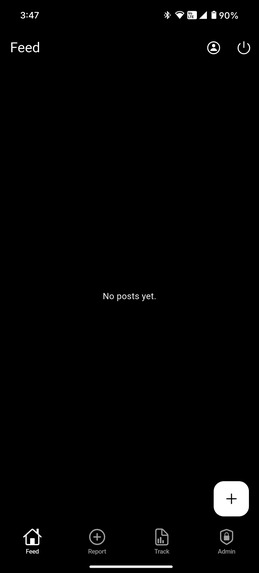
Screenshots from various parts of the app
-
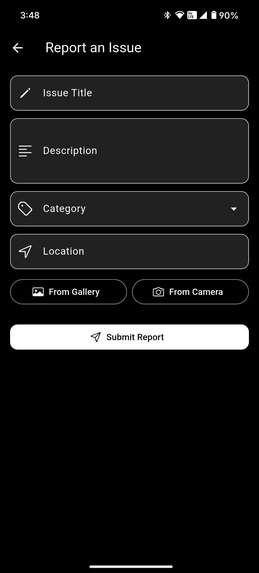
Screenshots from various parts of the app
-
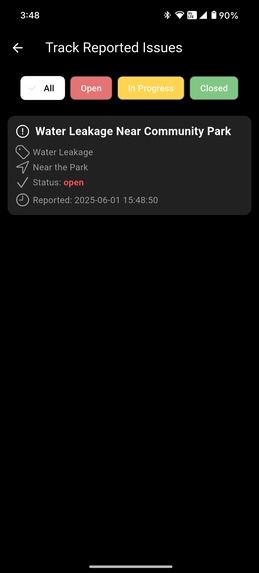
Screenshots from various parts of the app
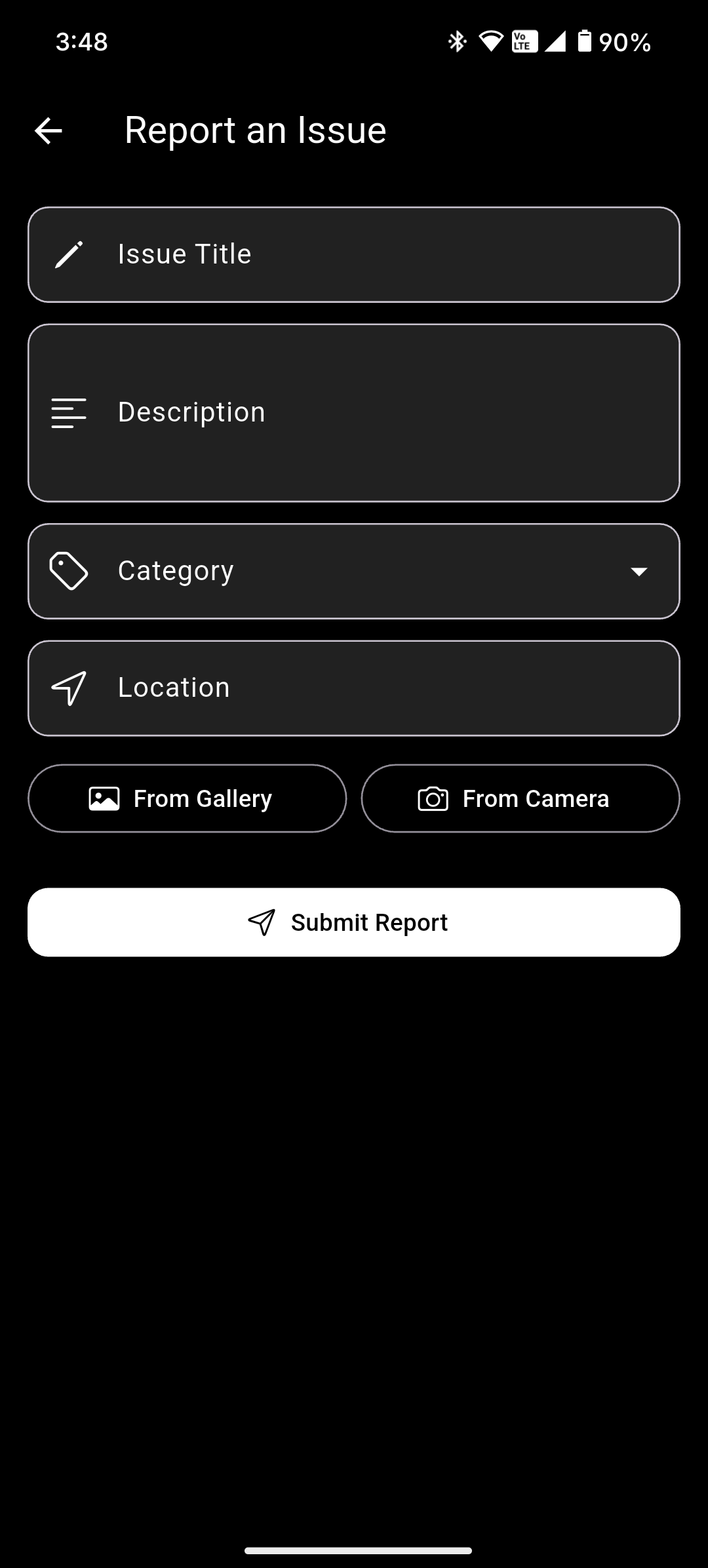
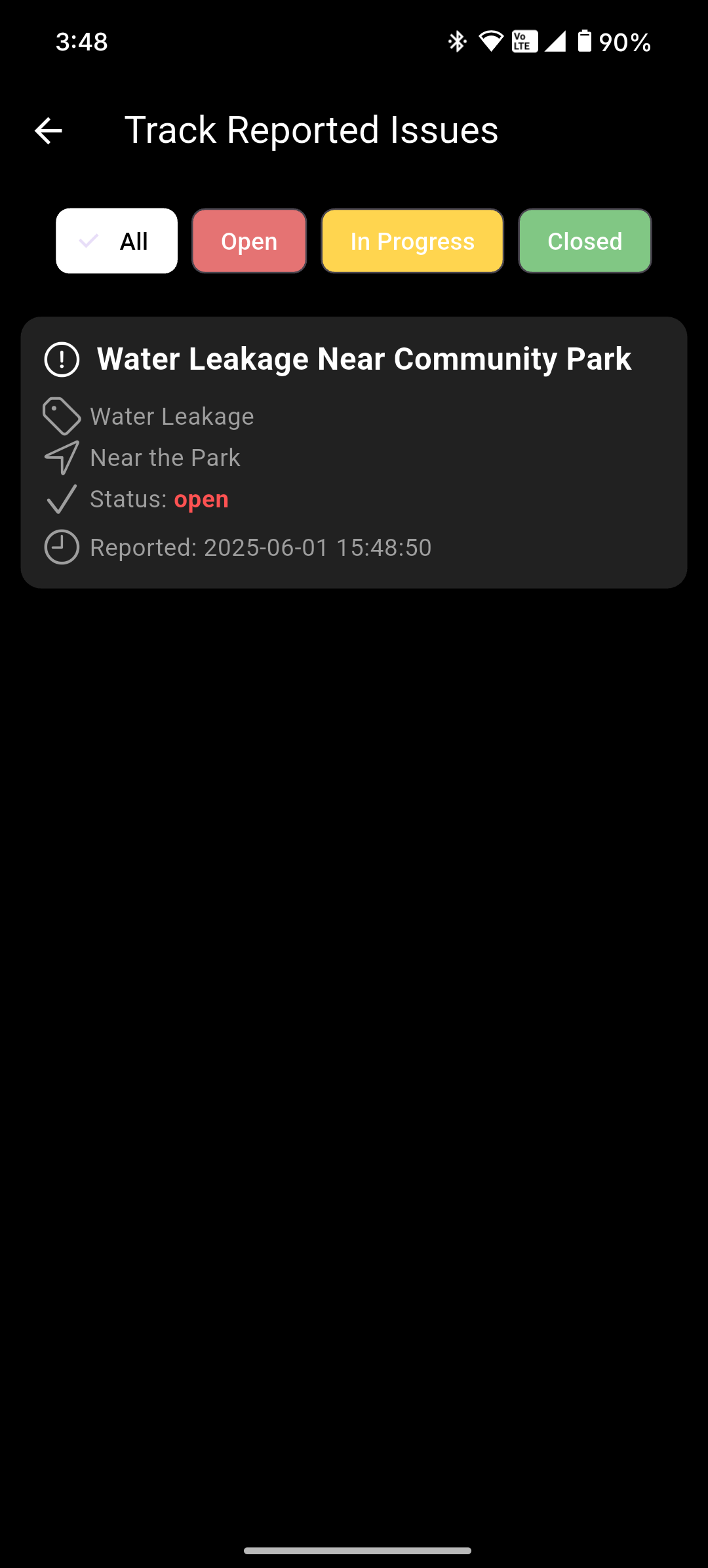
Participating in Programmers with Experience category
🛤️ My Story
📌 The Inspiration
It all started with a thought "what if communities had a voice as loud as a city council?" I often noticed broken streetlights, uncollected garbage, and unsafe alleys in my own neighbourhood. Despite these issues being right in front of us, they often went unreported due to lack of a simple, accessible solution. That frustration gave birth to the core idea of this project: a community-driven app to report, track, and solve local problems collaboratively. I wanted technology to bridge the gap between silent observation and impactful action.
🛠️ How I Built It
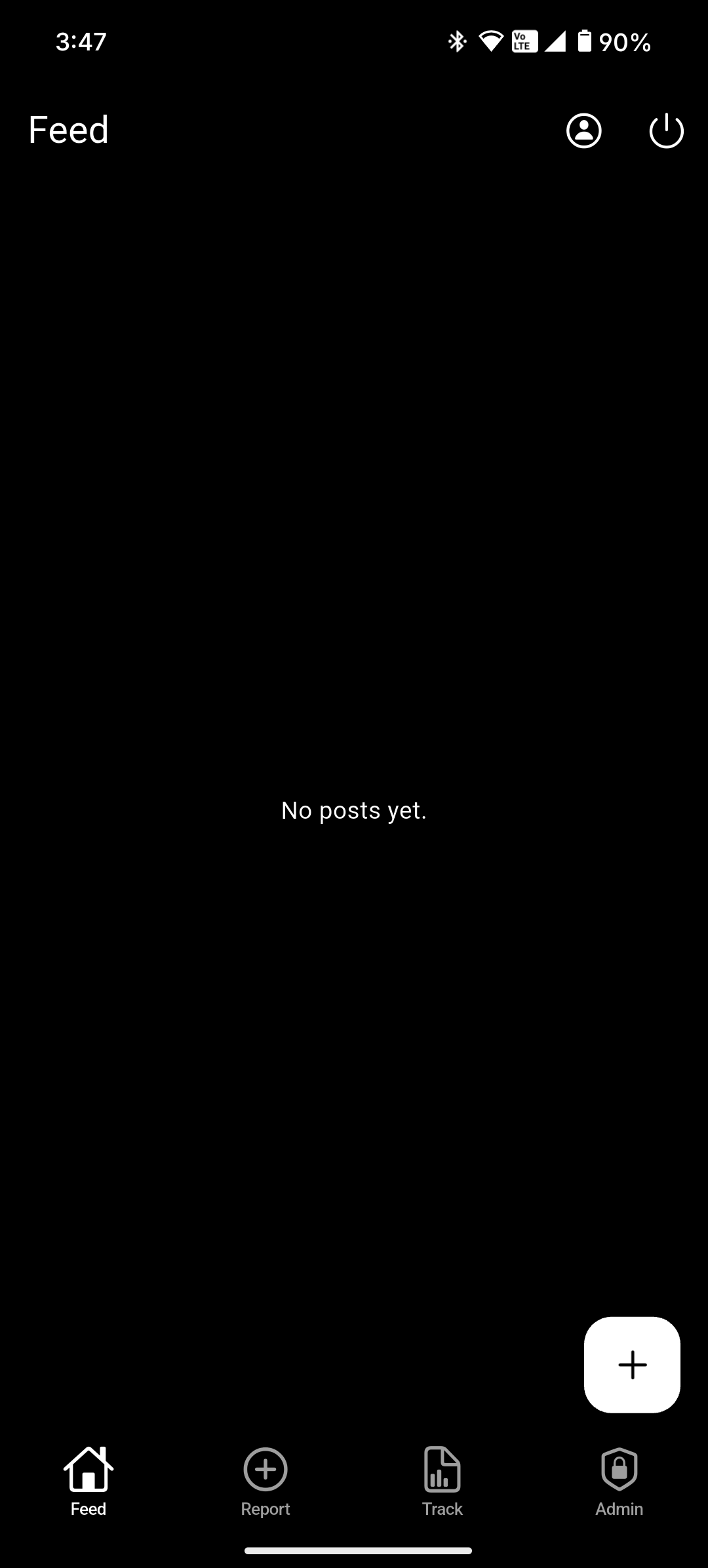
The development process was layered and intensive. I chose Flutter for its flexibility and ability to deliver beautiful cross-platform applications from a single codebase. Firebase was the perfect backend it was real-time, scalable, and developer-friendly. I started by designing the core structure: user authentication, post creation, and feed display. Gradually, I added more sophisticated features like role-based post deletion (admins can remove any post, users only their own), real-time replies with timestamp formatting, and filtering options to let users view only their posts.
UI was just as critical. Every screen was built with dark-themed consistency to give the app a sleek, modern look. I used Cupertino widgets where necessary to ensure the design stayed fluid and intuitive across both Android and iOS. Each feature was tested with real users to fine-tune navigation flows and usability. The entire app structure now allows modular expansion whether it's notifications, image uploads, or community moderation tools.
🚧 Challenges I Faced
Building the app was no walk in the park. One major hurdle was managing asynchronous data in real-time. Firebase’s snapshot listeners are powerful, but they can become chaotic without careful state management. Another challenge was preserving UI consistency across navigation especially when opening and closing reply modals or returning from background state. Unexpected screen blackouts and theming inconsistencies required deep debugging and an understanding of Flutter’s widget lifecycle.
Designing admin permissions securely was also tricky. I had to ensure that data integrity wasn’t compromised for instance, if an admin deletes a post, its replies must also vanish, but user rights should never be overextended. I implemented multiple safeguards to keep this structure tight and logical.
🎯 What I Learned
This project taught me more than any tutorial ever could. I learned:
- How to build robust UI/UX that adapts to real-world user habits
- Firebase’s full capabilities including Firestore, Auth, and real-time syncing
- Proper error handling and debugging techniques for state-related bugs
- How to use Firestore indexes effectively for advanced querying
- Importance of balancing backend rules with frontend validation
But more than anything technical, I learned that good software is empathetic software. It’s not just about making things work; it’s about making them matter.
Whether it’s helping someone feel heard or making the streets a little cleaner, I believe this app can spark change. It’s built on the belief that if we all take small actions, we can build better communities together.
🚀 Future Plans
Our mission doesn’t stop at reporting issues — it grows with the community it serves. Here’s what lies ahead:
-🧓 Elderly Assistance Features Voice-Based Reporting: Allow elderly users to report issues using simple voice commands, reducing dependency on typing or navigation.
Simplified UI Mode: A dedicated accessibility mode with larger text, high-contrast colours, and one-tap actions for ease of use.
Caregiver Connect: Enable family members or local volunteers to assist elderly users by linking accounts and managing reports on their behalf.
-🛠️ Smart Integrations Real-Time Alerts: Notify residents when issues in their area are being worked on or resolved.
Geo-Fencing & Maps: Visualise all reported issues on a live map, helping communities prioritise urgent matters.
Analytics Dashboard: Equip local authorities or RWAs with dashboards to identify problem hotspots and recurring concerns.
-🧑🤝🧑 Community Engagement Upvote Feature: Let users support or prioritise issues by upvoting, helping local bodies allocate resources smartly.
Reward System: Recognise active reporters and volunteers with badges or community perks.
Local Events & Drives: Integrate announcements for cleanliness drives, maintenance schedules, and awareness campaigns.
-🧱 Scalability & Partnerships Multi-Language Support: Expand accessibility with regional language options.
NGO & Municipal Collaboration: Partner with civic bodies to turn reports into real action.
Emergency Reporting: Enable rapid reporting of critical issues like fallen trees, fires, or blocked roads directly to emergency services.
💡 The Impact
This app is more than a tech showcase. It’s a vision for civic empowerment. In an era where community voices often get lost in bureaucracy, this tool hands the megaphone back to the people. It’s a prototype, yes but one that reflects a larger truth: that innovation isn't always about cutting-edge tech; sometimes it’s just about solving a simple problem in a smart way.


Log in or sign up for Devpost to join the conversation.