-
-
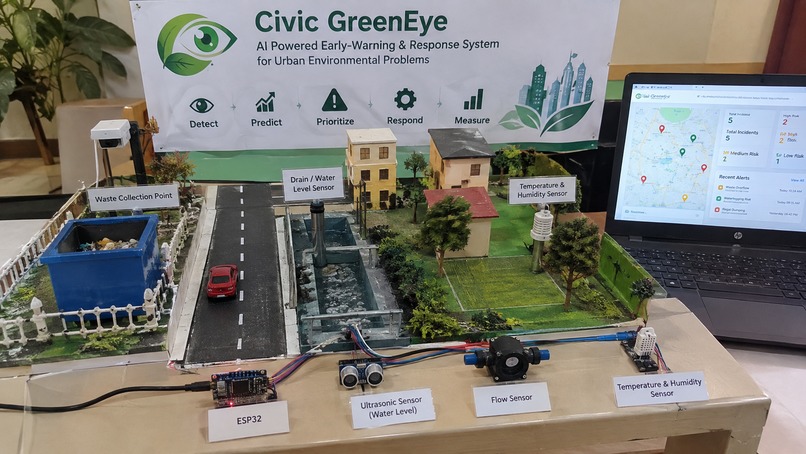
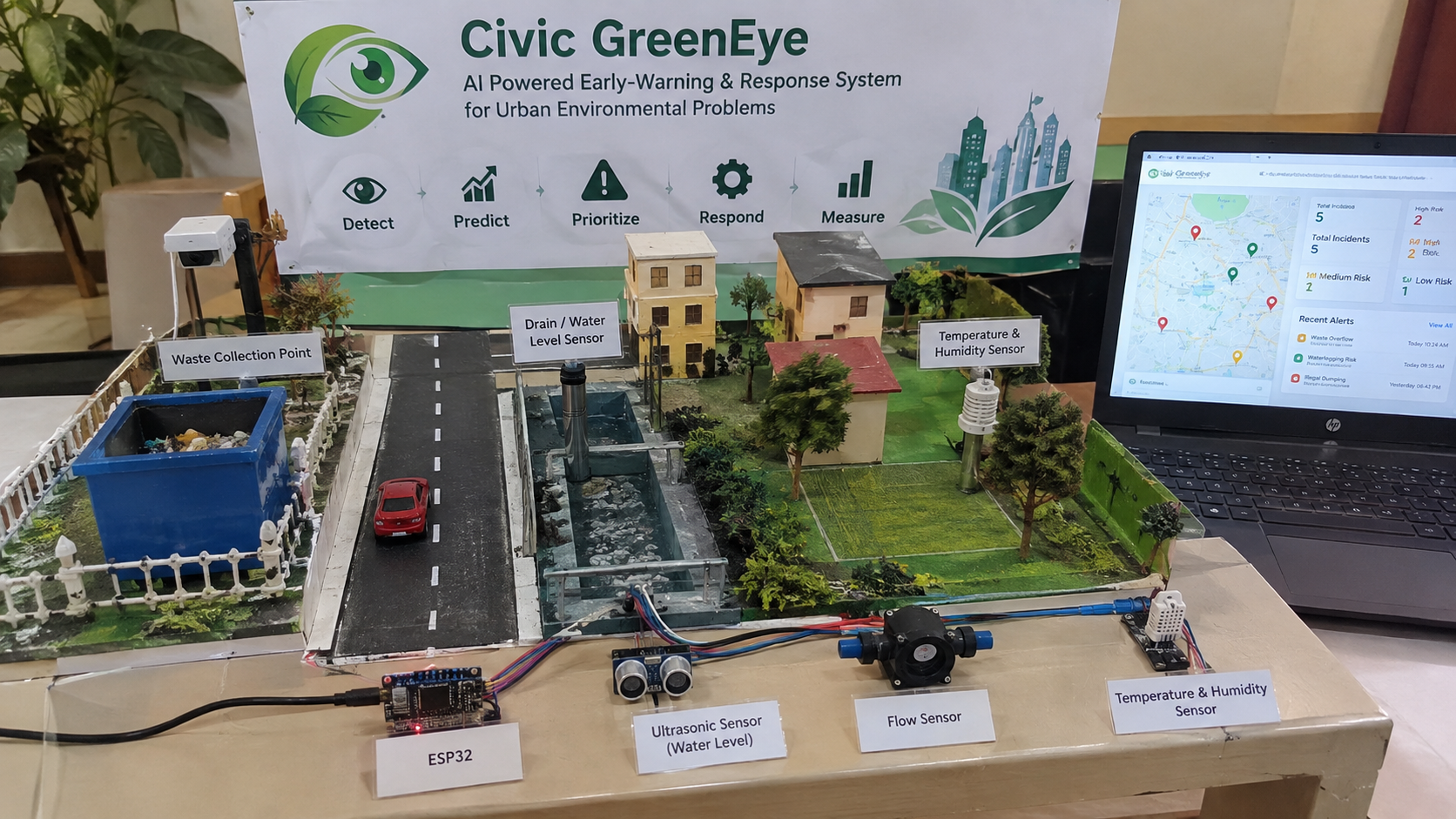
The prototype
-
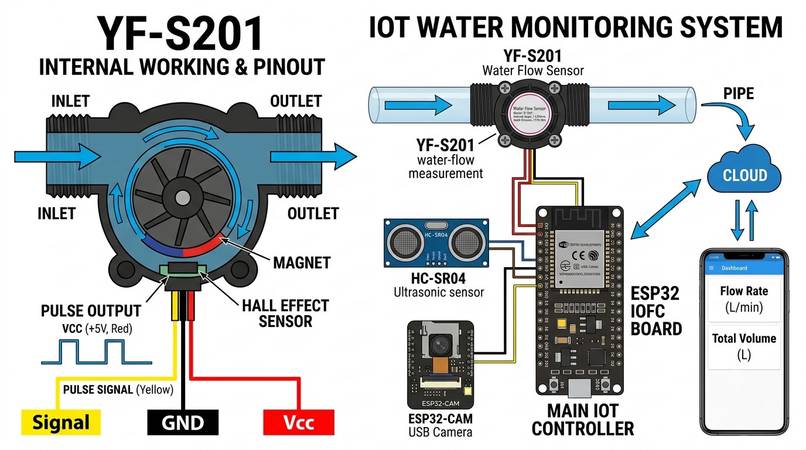
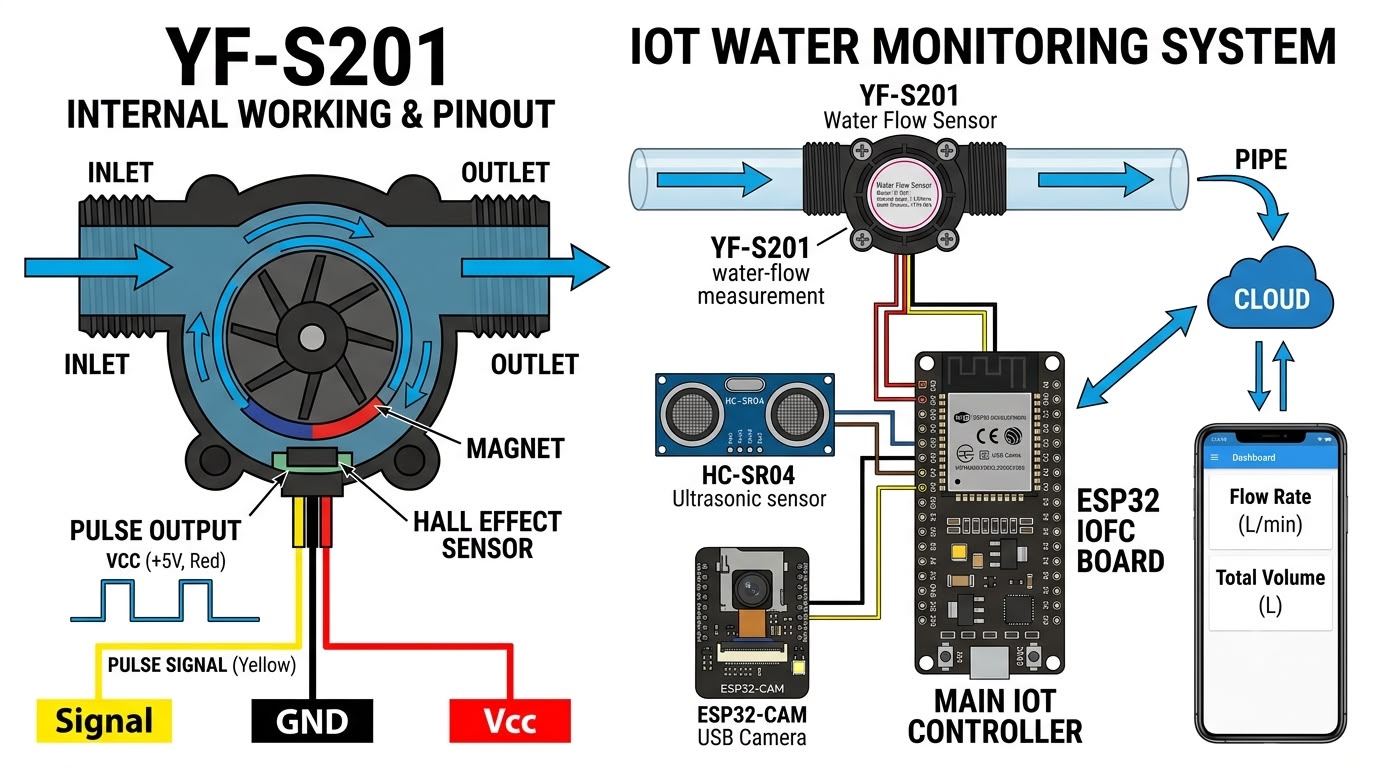
architechture
-
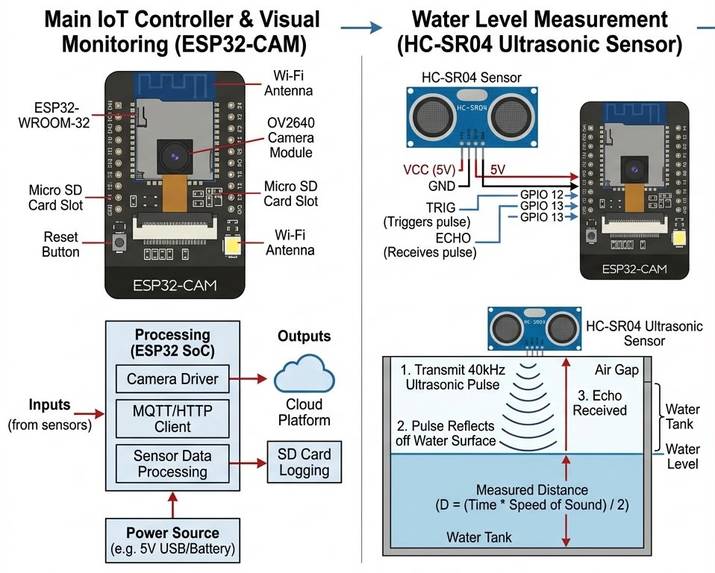
architechture
-
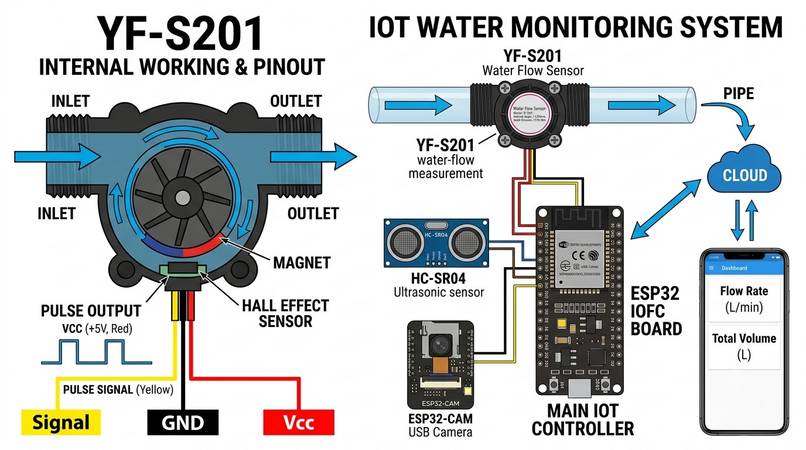
architechture
-
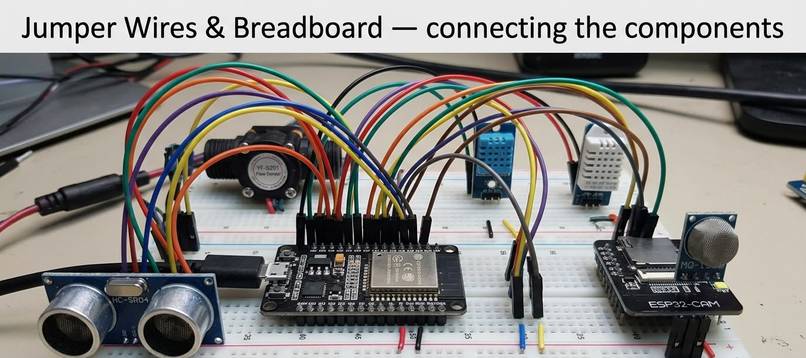
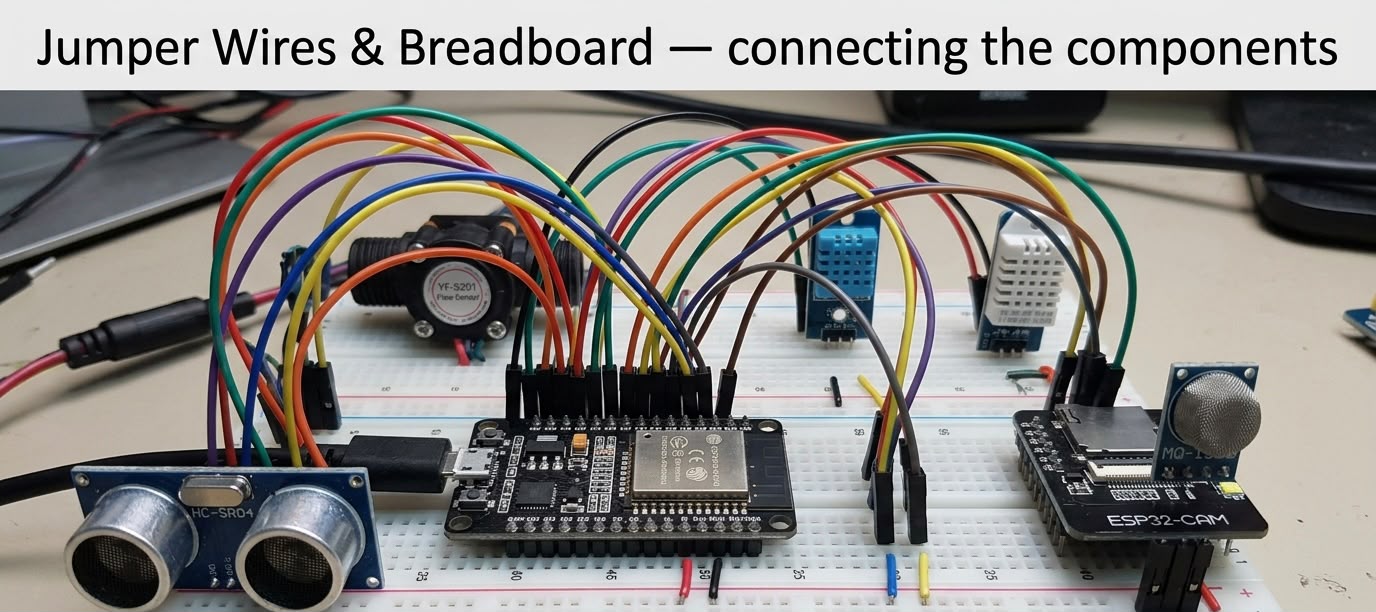
connections
Our Project Story: Civic GreenEye
What Inspired Us
The idea for Civic GreenEye came from noticing how many environmental problems in cities are identified only after they become serious. Overflowing waste, blocked drains, illegal dumping, waterlogging, and smoke from waste burning are often noticed manually or through complaints.
We wanted to think beyond a simple complaint-based system. Instead of waiting for people to report a problem, we asked ourselves:
What if a system could identify an environmental problem early and warn authorities before it becomes worse?
This led us to the idea of Civic GreenEye a low-cost system that combines AI, cameras, sensors, and data to monitor different environmental conditions and help prioritize problems that need attention.
What We Learned
While working on the project, we learned that building an AI-based solution is not only about creating an AI model. The complete system needs different technologies to work together.
We learned about:
Computer vision-for identifying waste and other visible environmental problems. Sensors and IoT- for collecting information such as water level, flow, temperature, and humidity. Anomaly detection - for identifying unusual environmental conditions. Risk scoring to determine which problem needs attention first. Prediction to estimate whether a detected problem may become more serious. Backend and databases for storing sensor readings and detected incidents. Dashboards and visualization for presenting environmental information clearly. The importance of testing and measuring results instead of simply claiming that a system works.
One of our biggest learnings was that the useful part of AI is not just detection. The real value comes from connecting detection -> prediction -> prioritization ->action -> measurement>
How We Built the Project
We designed Civic GreenEye as a small-scale prototype of how an intelligent environmental monitoring system could work in a real city.
Our prototype uses a miniature urban environment containing elements such as a road, drain, waste collection area, building, and water channel.
The system follows this basic workflow: {Sensors + Camera}
{Data Processing}
{AI Detection}
{Risk Analysis}
{Priority}
{Alert/Action}
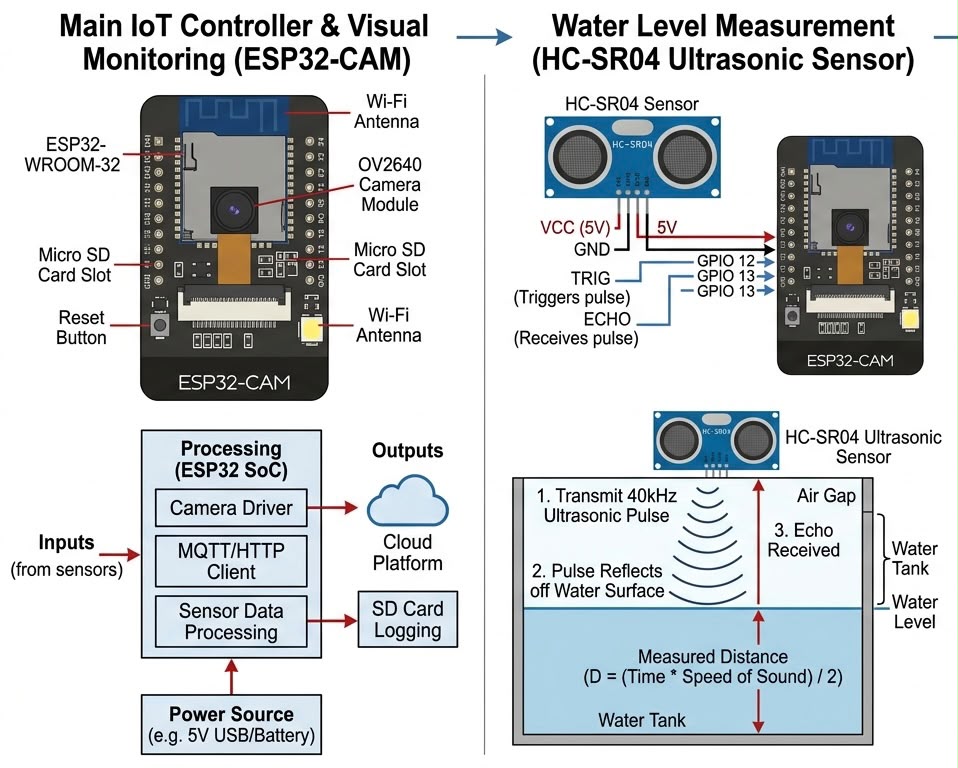
A camera can provide visual information for detecting situations such as waste accumulation or dumping. Sensors can provide information such as water level and environmental conditions.
The collected information is then processed by the system. Instead of treating every incident separately, Civic GreenEye combines different signals to calculate an overall environmental risk.
For example, if the camera detects increasing waste near a drain while the water-level sensor shows that the water is rising during rainfall, the system can combine these signals and identify the location as a higher-risk area.
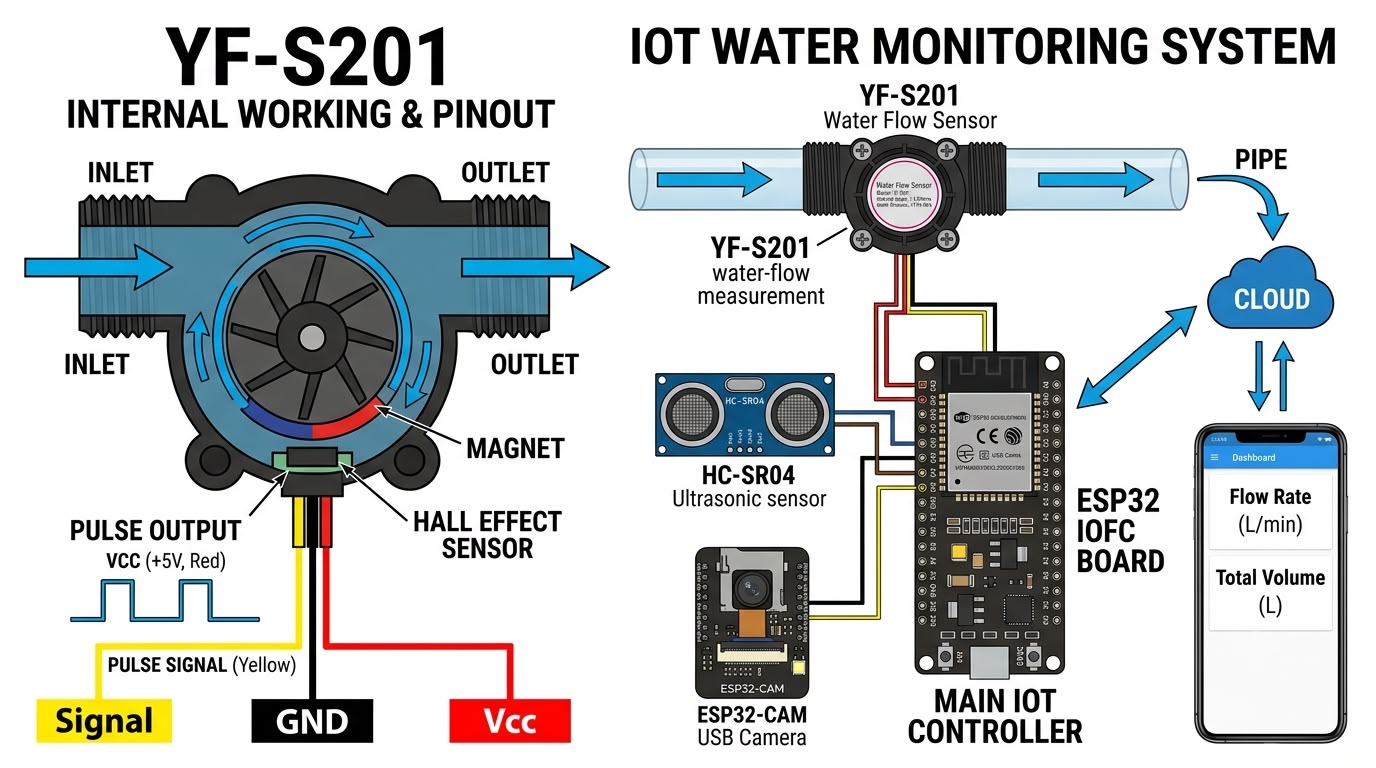
The prototype is designed around technologies such as ESP32-based sensors, camera input, Python/OpenCV, machine-learning methods, backend APIs, databases, and a monitoring dashboard.
The Challenges We Faced
One of our main challenges was deciding how to make the project different from existing smart-city monitoring systems. We found that AI and IoT are already being used for waste management, sanitation, and environmental monitoring.
Because of this, we did not want to claim that Civic GreenEye was simply the first AI system for environmental monitoring. Instead, we focused on combining multiple environmental signals into a single predictive risk-monitoring system.
Another challenge was keeping the prototype realistic while working with limited resources. A real city would require many cameras, sensors, communication systems, and large amounts of data. We therefore designed a smaller prototype that could demonstrate the same basic concept.
We also had to think about false alerts and unreliable sensor readings. A single abnormal sensor value should not automatically mean that there is a serious environmental problem. This is why combining multiple signals and using confidence and risk levels became an important part of our design.
Finally, connecting the different parts of the project -hardware, AI, backend, database, and dashboard -was challenging. It taught us that a real-world technology project requires good integration between different components rather than working on each component separately.
What Makes the Project Meaningful to Us
Civic GreenEye helped us understand how technology can be used for a practical problem that affects everyday life.
Our goal is not just to detect environmental problems after they happen. We want the system to help identify early warning signs, understand how a situation is developing, and support faster and more informed intervention.
The project can start as a small prototype and potentially scale from a campus or residential area to larger urban environments by using existing cameras and selected sensors.
Our Final Takeaway
The biggest lesson we took from this project is that solving a real-world problem requires more than one technology. AI, IoT, data, hardware, and human decision-making need to work together.
Civic GreenEye represents our attempt to build that connection and move environmental monitoring from simply reacting to problems toward detecting and preventing them earlier.
Built With
- amazon-web-services
- arduino
- azure
- backend-development
- c++
- cloud
- computer-vision
- esp32
- esp32-cam
- fastapi
- firebase
- git
- github
- iot
- javascript
- microsoft
- opencv
- postman
- python
- react.js
- risk-analysis
- scikit-learn
- sensor

Log in or sign up for Devpost to join the conversation.