Inspiration
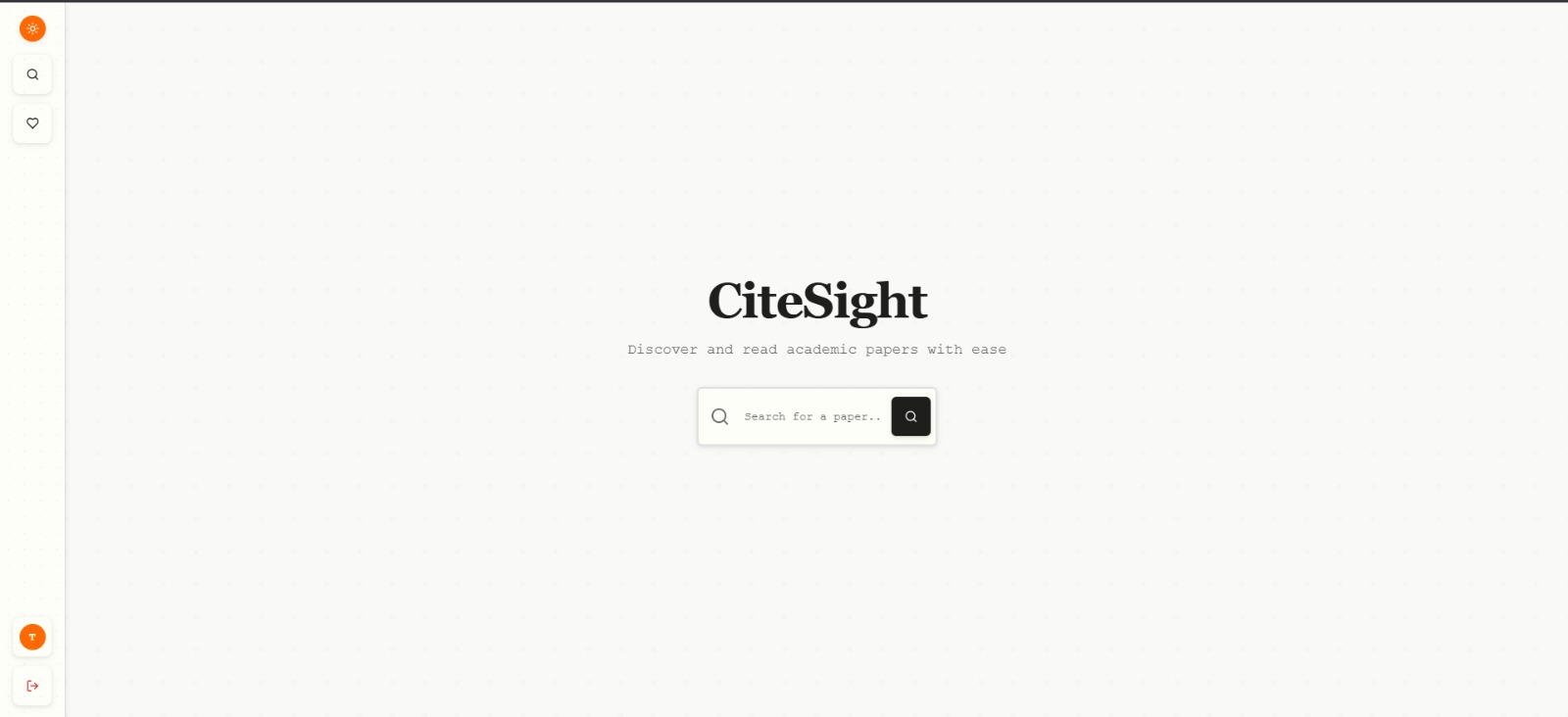
We realized how frustrating it is to sift through piles of research papers on Google Scholar without getting a quick sense of what they’re about. Researchers have missed out on so many papers because of the untimely 'mouse-slip', or a missing citation they really needed to quote, to give their research some meaning. Opening link after link just to find irrelevant info wastes time and energy. We wanted to build a smarter, faster way for researchers to find and understand papers—an AI-powered tool that brings clarity and context before diving in.
What it does
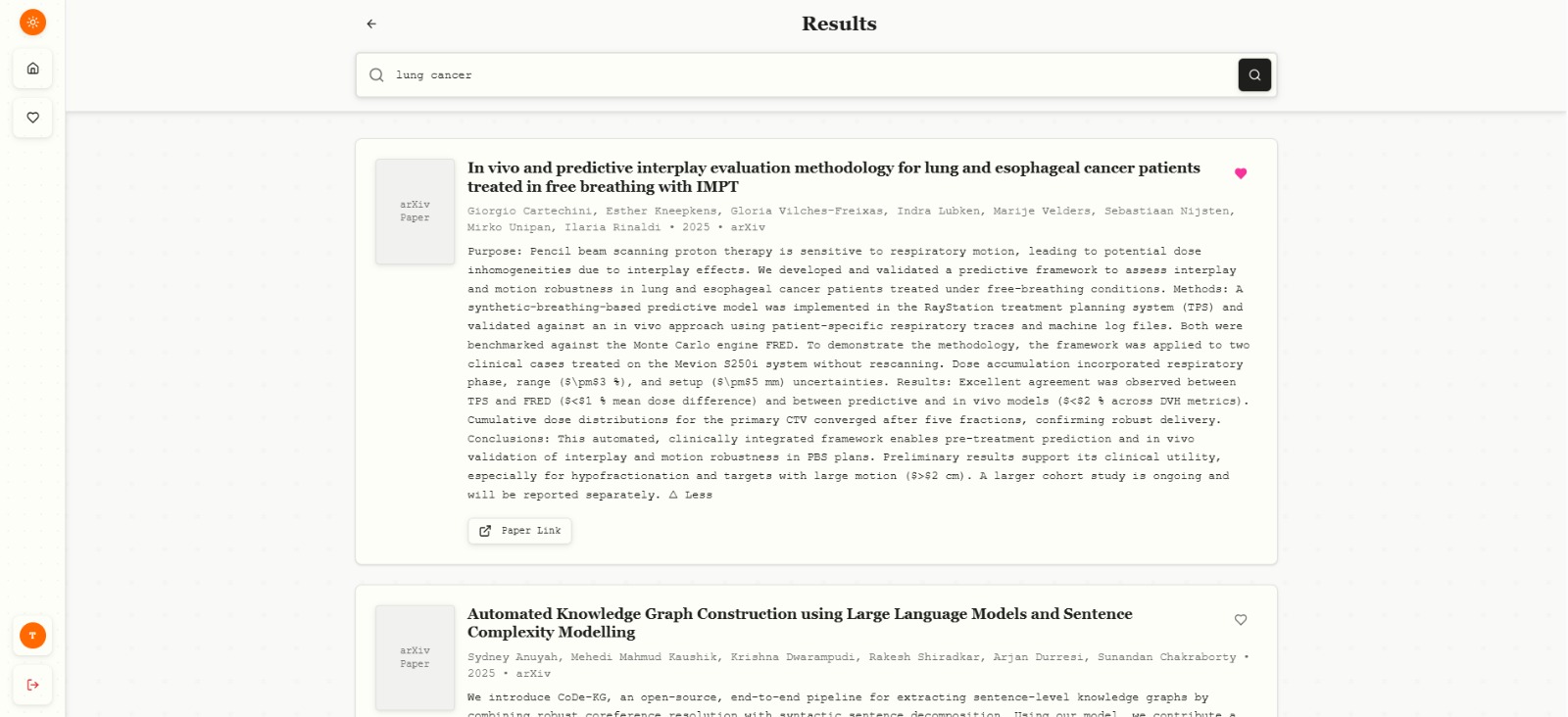
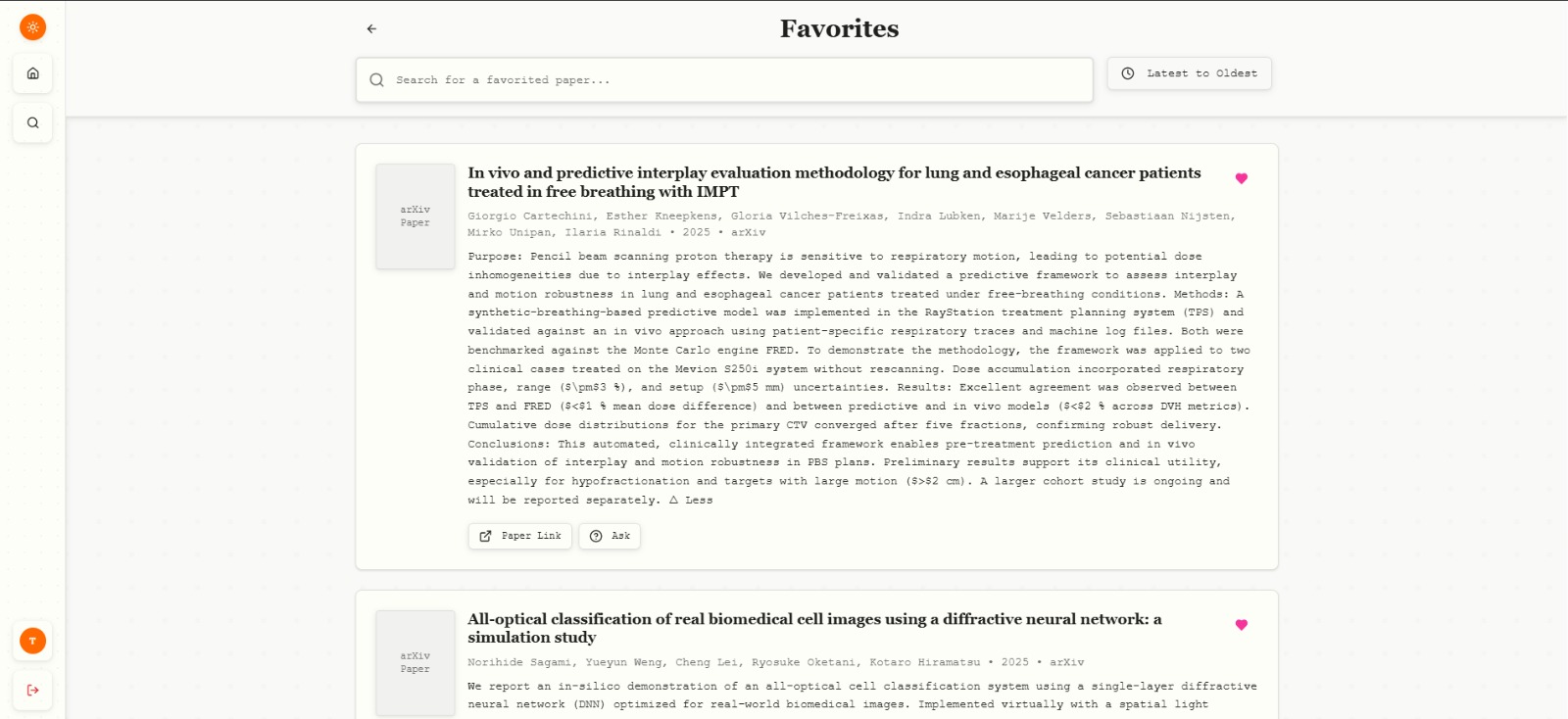
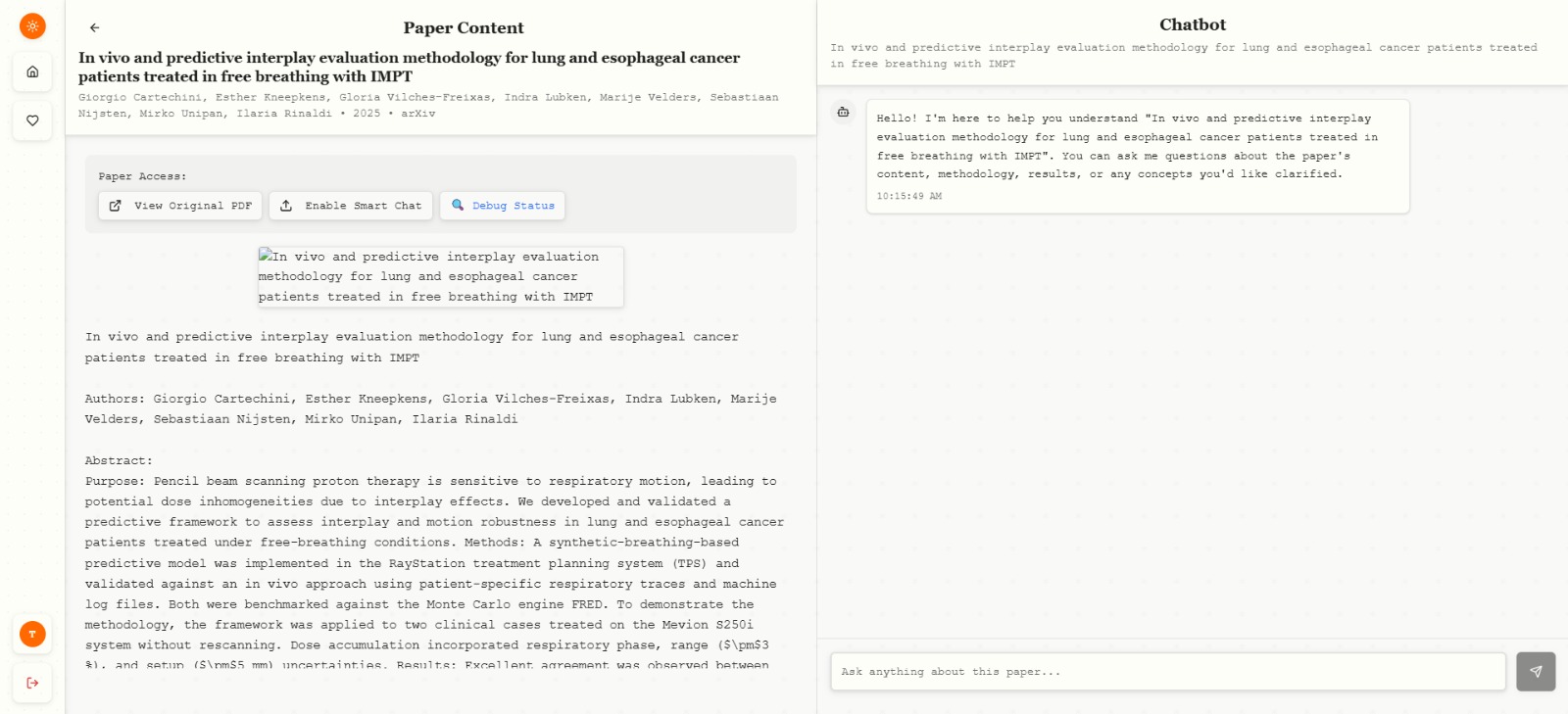
CiteSight is like Google Scholar on steroids. But instead of simple keyword search, we use contextual search with layers of personalization, so the papers you find are more relevant to you. Every step of the way, a programmed chatbot is there to help - you can ask what a paper means, get clarifications, and explore related ideas in real time. It doesn’t stop there: the chatbot remembers your interactions, so over time it understands your needs better and tailors its support to you. You can favorite papers, and for each saved paper, you’ll have your own dedicated AI assistant ready to dive deep into details and provide instant insights.
How we built it
NextJS for frontend TailwindCSS for styling SQL for database Gemini and Supermemory for intelligent web searching and follow-up questions.
Challenges we ran into
The real nightmare was the backend. Ingesting every single paper we pulled and storing it in our database turned out to be ridiculously expensive. On top of that, we wanted lightning-fast latency, but all the extra loads slowed everything to a crawl. Figuring out how to design an architecture that balanced speed, cost, and reliability was… let’s just say, a pain.
On the AI side, summaries were a balancing act—too much jargon and you lose people, too little and you lose meaning. Teaching the chatbot to actually understand each paper on its own (instead of mashing them all together into one mega-paper) was another big challenge. And keeping the interface clean while juggling so many features meant constantly tearing down and rebuilding our flow.
Oh, and let’s not forget the “human error” saga—like when a teammate heroically derailed the whole system by mistyping the API key. Nothing like being sabotaged by your own sidekick.
Accomplishments that we're proud of
We pulled off dynamic, paper-specific chatbots—a total game-changer for research. Instead of slogging through static PDFs, the platform lets you actually talk to a paper, turning research into an interactive conversation.
We’re proud that the experience feels smooth and intuitive, stripping away the usual pain of academic digging and making it feel more like discovery. Even under the weight of heavy data loads and tricky architecture, we managed to keep things fast, responsive, and user-friendly.
And the best part? The app actually gets better the more you use it. It learns about you, remembers your quirks, and levels up like your own personal research sidekick—always a little sharper, faster, and more helpful the next time you log in.
Honestly, we still have no clue how we got all of that done in time.
What we learned
-Copy your API key correctly. -Don't take a break for table tennis. -Probably skip out on the line for seconds during dining.
What's next for CiteSight
More papers, faster retrieval, and smarter user profiling—a recipe for knowledge. And as they say, knowledge is power!
Built With
- gemini
- google-cloud
- nextjs
- sql
- supermemory
- typescript


Log in or sign up for Devpost to join the conversation.