-
-
Optimal Locations for Cloud Kitchens
Inspiration
While Covid-19 has decimated the brick and mortar restaurant industry, the online food delivery sector is projected to double in size in the next five years. Passionate about geography and intrigued by the recent rise of ghost kitchens (or cloud kitchens), our team sought to leverage cartographic data to help restaurants expand their operations through ghost kitchens.
What it does
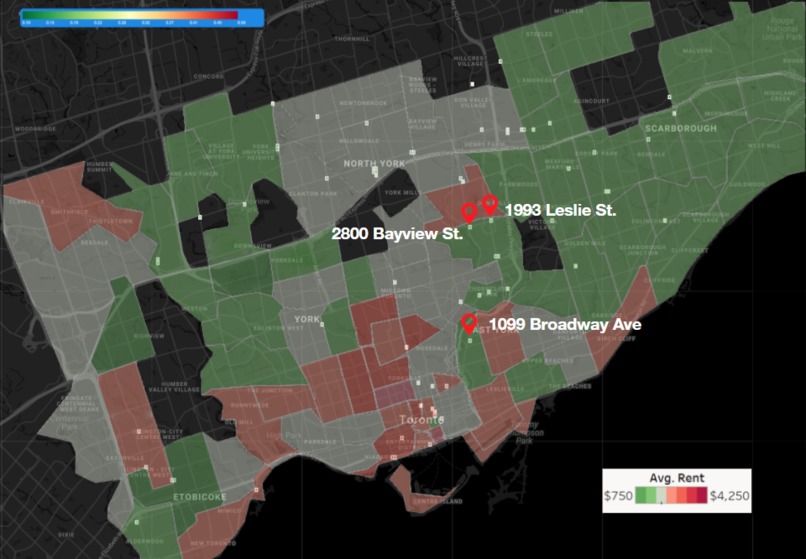
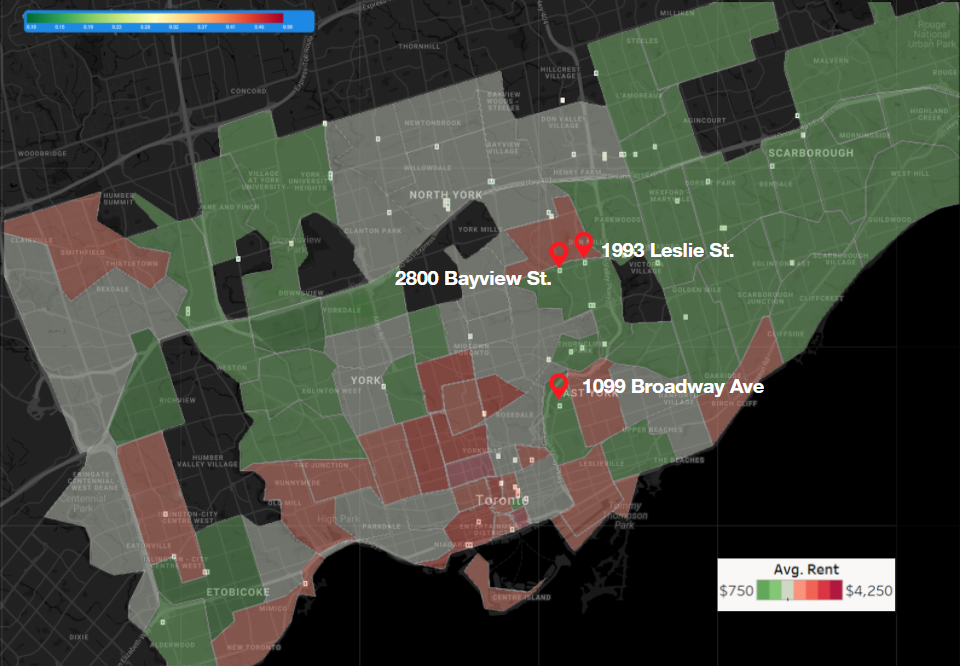
Cirrus Systems leverages extensive databases from Geotab and other publicly available databases to determine the optimal locations for entrepreneurs and companies to set up cloud kitchens. We took into consideration regional population density, rental prices, and traffic congestion, and developed recommendations for cloud kitchen locations with low rent, low congestion, and high customer concentration.
How we built it
We built our demonstration based on Geotab’s Ignition tool, which aggregates data from fleet vehicles into geography-based statistics. We leveraged the FuelStationMetrics and IntersectionMetrics datasets to determine the best locations for cloud kitchens and optimize for delivery efficiency. Using SQL, we joined data from the two datasets to find the optimal locations for cloud kitchens to reach the most customers and minimize delivery time.
Challenges we ran into
The large volumes of data needed to form meaningful conclusions often resulted in us having to analyze tens of millions of data points, which dramatically hindered software performance. The difficult part was paring down the data, choosing which data was important to use in our analysis and how to filter the data in an effective way while maintaining efficacy of our system but increasing performance to an acceptable level.
Accomplishments that we're proud of
None of us have a coding background, and it was a proud moment when we pieced together the datasets that we need along with help from the mentors at Geotab. It was also a proud moment when the SQL code worked as expected (Toronto-only data points) instead of returning data that we knew was incorrect. At the end, we had just a few simple lines of SQL code that took us hours to get to. But we suppose that’s the fun in coding :)
What we learned
Our team was fascinated by the power of big data and how combining multiple sources of databases can yield highly useful insights. Coming from Nanotech, Health Sciences, and International Business backgrounds, we certainly learned a lot from our first Hackathon experience.
What's next for Cirrus Systems
We look forward to engaging with Geotab and using their feedback to improve on this technology. Moreover, we would be interested to further investigate the commercial feasibility of this project.

Log in or sign up for Devpost to join the conversation.