-
-
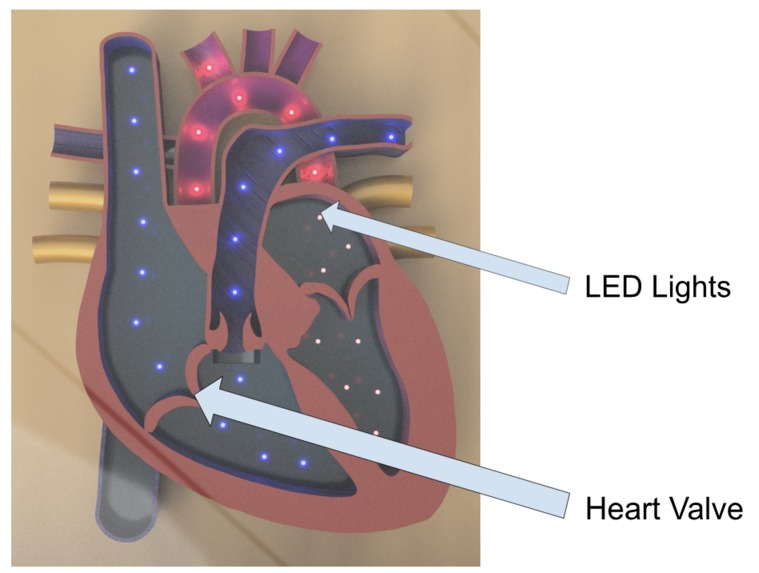
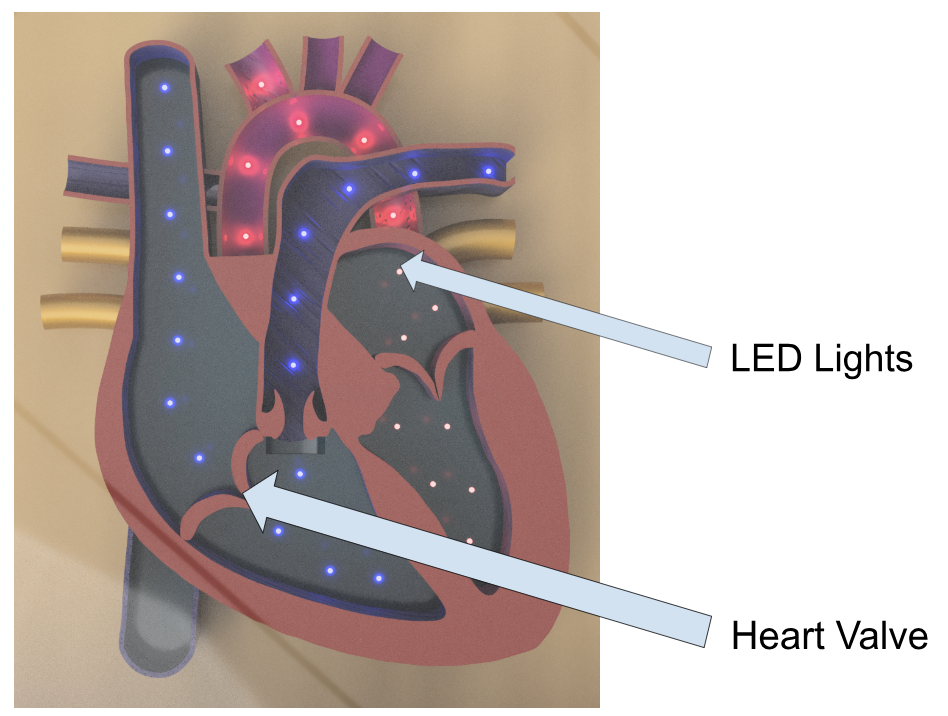
Rendering of the heart
-
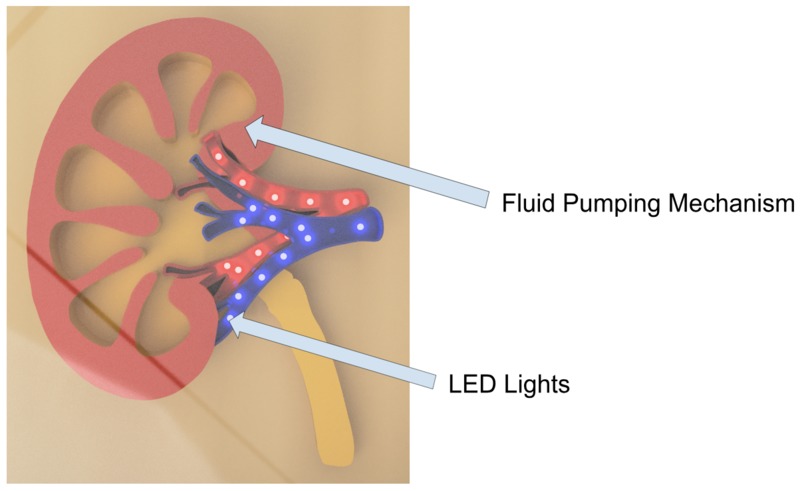
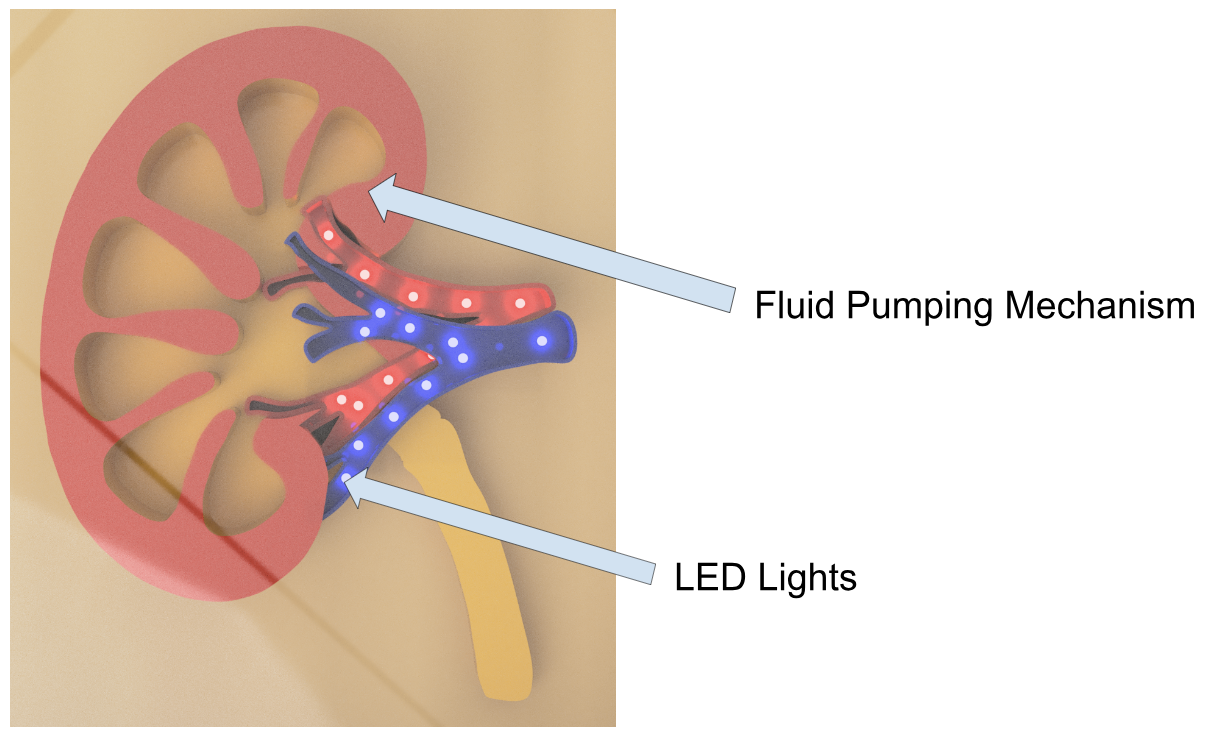
Rendering of the kidney
-
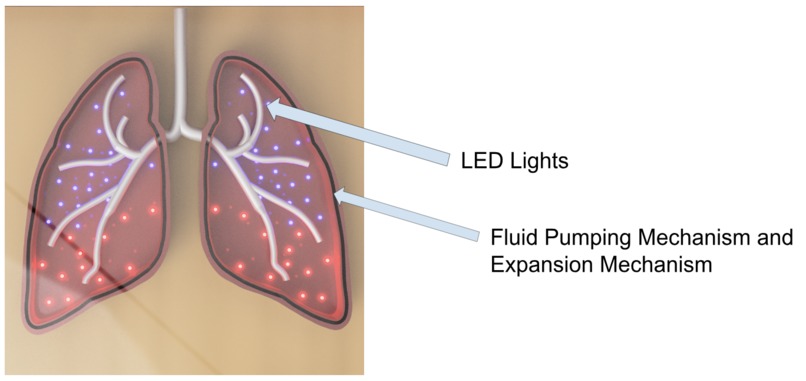
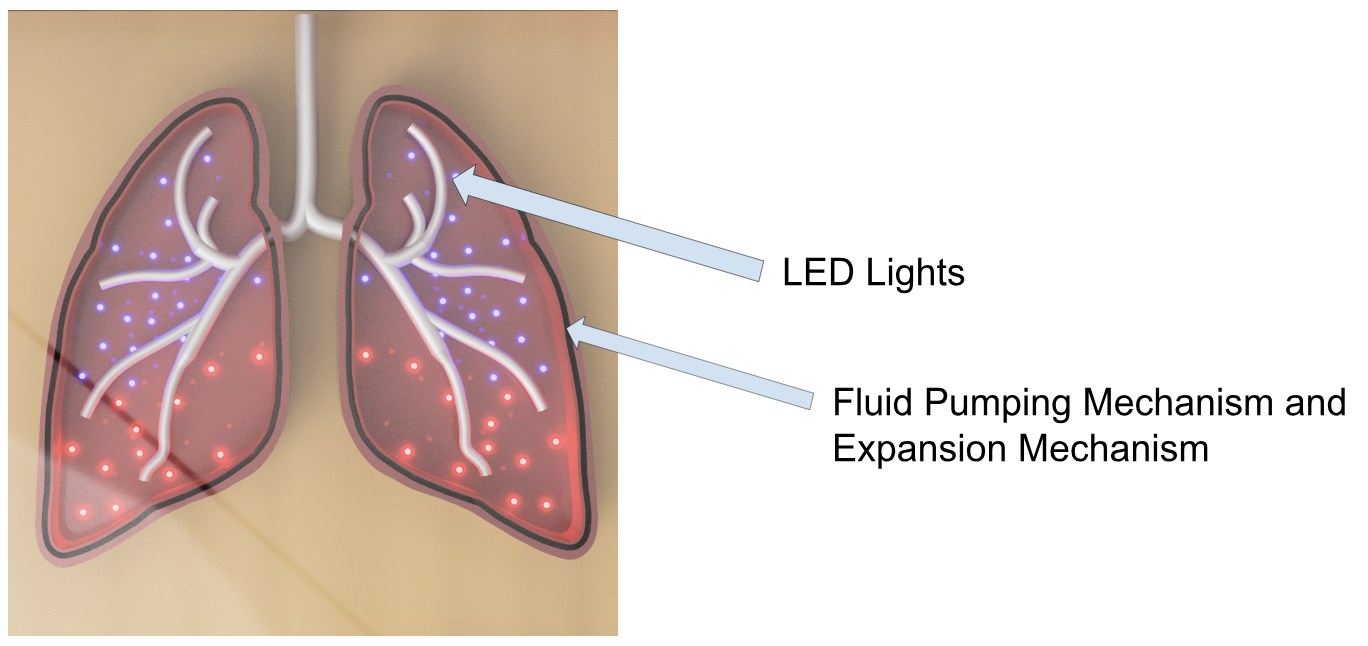
Rendering of the lung
-
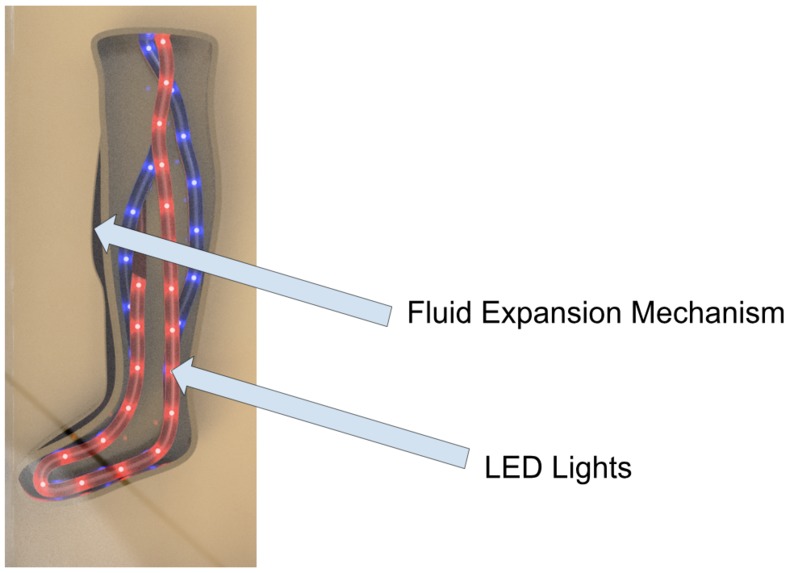
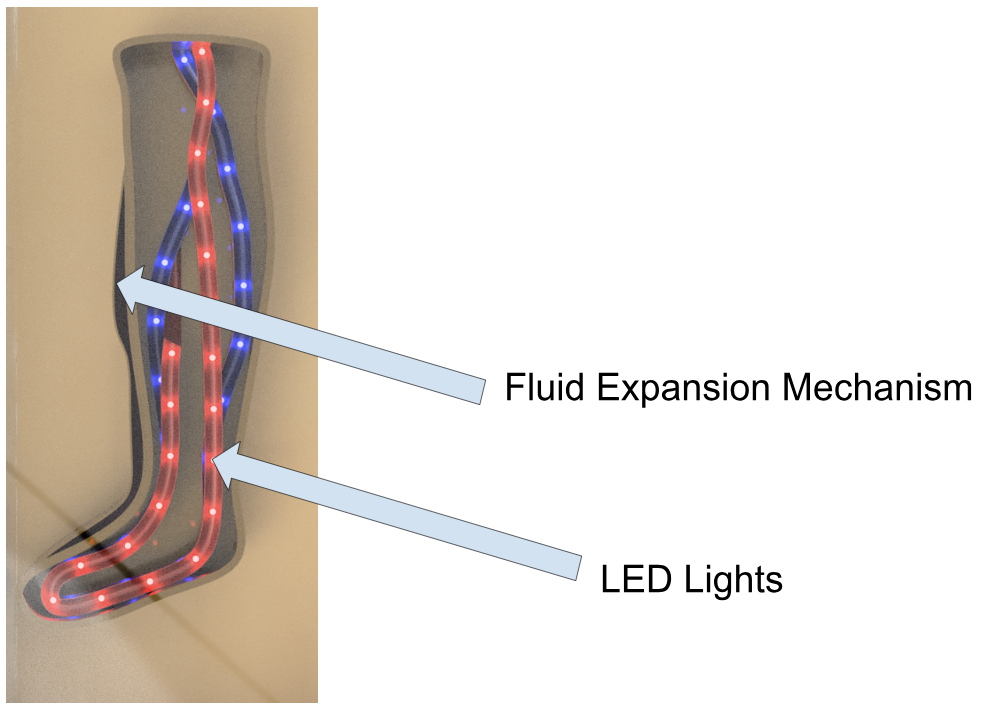
Rendering of the shin
Inspiration
We were inspired by concepts behind science museum exhibits. These exhibits communicate complex concepts through visualization and interactivity allowing people of all knowledge levels to understand otherwise complex ideas. We wanted to make something similar but more portable for use in hospitals and/or schools.
What it does
Key Features: Portable Design: The entire model is housed inside a compact, briefcase-style case with foldable legs for easy setup and transport. The top lid opens to reveal a screen, while the bottom contains the interactive model of the body parts.
3D-Printed Models: The educational tool includes four 3D-printed models representing key organs and body parts affected by CHF: the heart, lungs, kidneys, and a foot/shin. These are enclosed behind a clear plastic covering to protect the components.
Interactive Learning: Small LED lights inside each organ light up in moving patterns to simulate blood flow. The lungs, kidney, and shin models can fill with water to demonstrate the fluid buildup that occurs as a result of CHF. Pressing Buttons allow users to simulate different types of heart failure as well as various treatments and observe how the conditions/treatments affect blood flow and fluid retention. The included buttons are
Types of Heart Failure:
- Healthy Heart
- Left-Side Heart Failure
- Right-Side Heart Failure
- Biventricular Failure
Medicative Treatments:
- Diuretics
- ACE Inhibitors
The device responds by changing the LED patterns to simulate changes in blood flow and redistributing the water to simulate fluid buildup and swelling.
Educational Screen: When a user presses a button to simulate heart failure or the effects of treatment, an informational video or clip plays on the screen, providing a detailed explanation of what is happening inside the body.
How we built it
We built this model using Autodesk Fusion by marking individual parts and combining them in a Fusion assembly.
Challenges we ran into
The main challenge we ran into was modeling complex geometries of bodily organs, which cannot be accurately modeled through simple polygons. This required the use of complex spline patterns to trace 2D sketches to create a 3D object. Another challenge was making the GIF animations of the LED light system. This required the repeated modification of the individual components as well as lengthy waiting times for renderings to be created.
Accomplishments that we're proud of
We are proud that we made several realistic cross sections of bodily organs. This is the first time our team made complex, irregular geometries in a CAD program and we are proud of the way they turned out and the detail included in the final model. We are also proud of our light system concept and how we implemented spline paths to make linear patterns for the lights. We are also proud of our renderings and the animations we made for the proof of concept.
What we learned
We learned about how to make assembly animations in Fusion as well as how to use splines to accurately model complex geometries and linear patterns.
What's next for Circulatory Connect
Our next steps would be to explore manufacturability options as well as implement more treatment options in this model. We would also look further into fluid and pump design to make our fluids travel efficiently and with no leakage.

Log in or sign up for Devpost to join the conversation.