-
-
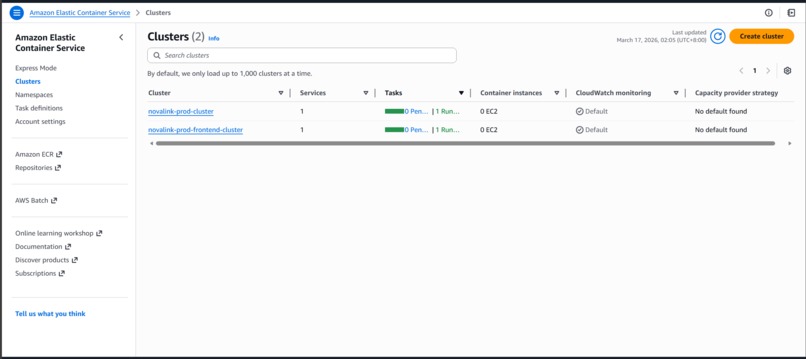
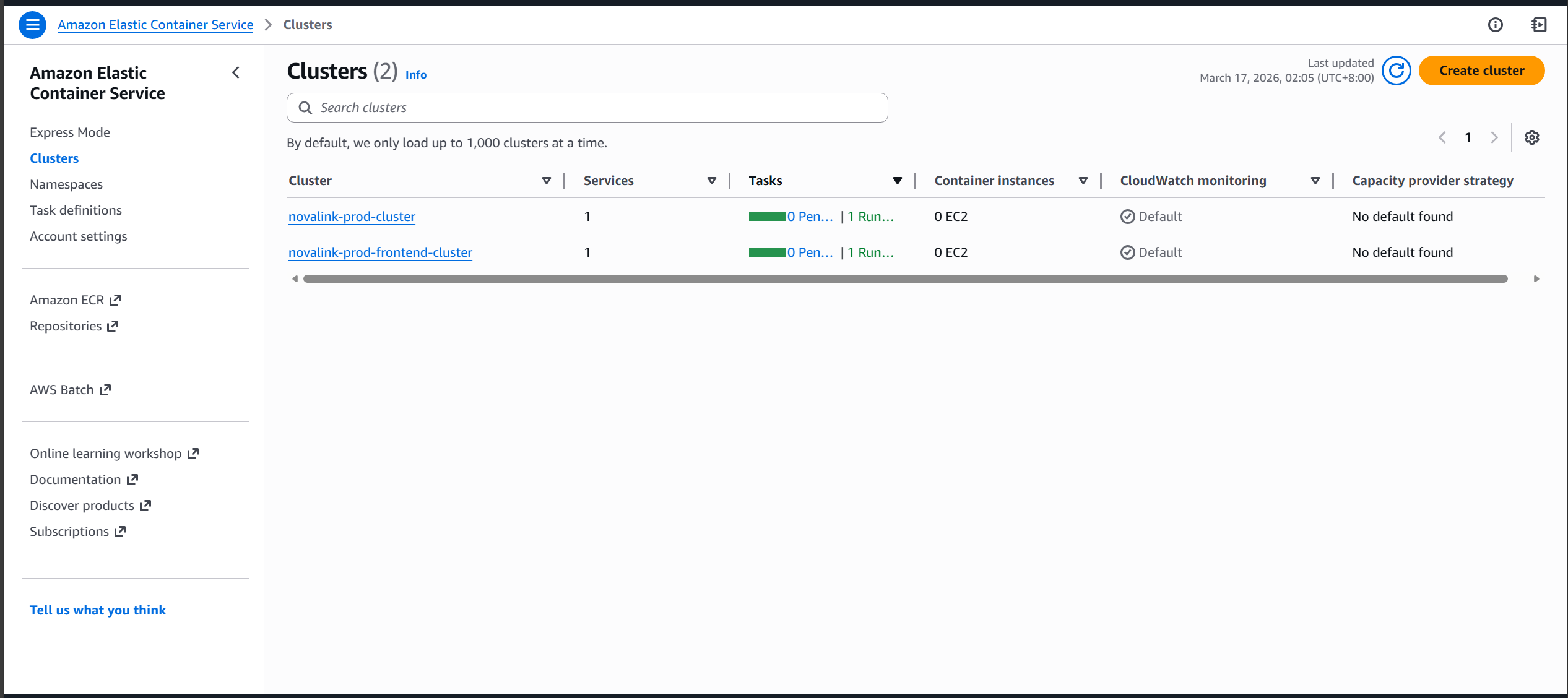
Proof of ECS Deployment
-
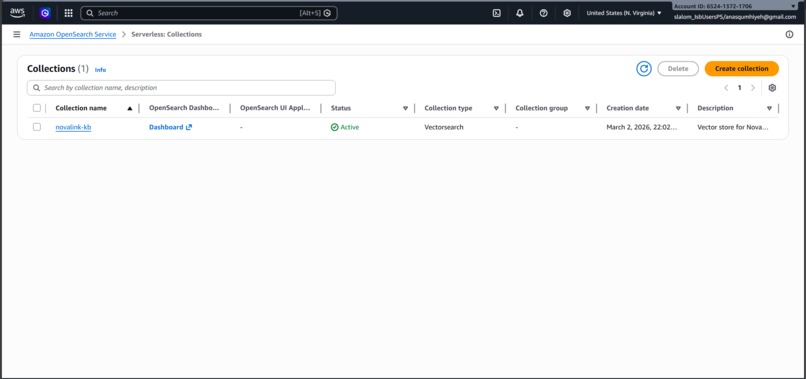
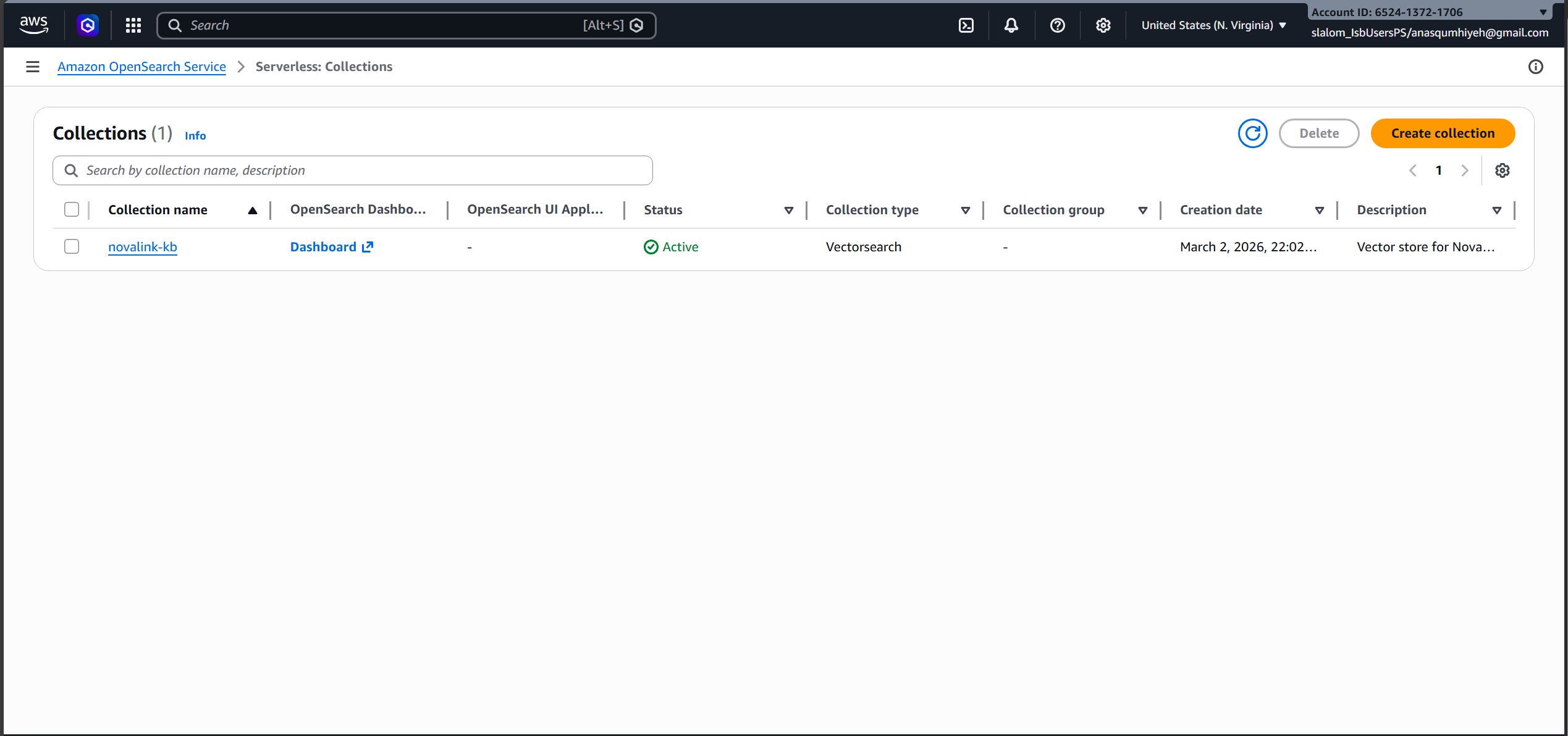
Proof of OpenSearch Serverless Deployment
CircuitMindAI: From "Magic Smoke" to a Master Maker’s Workbench
Inspiration
Every maker knows the heartbreak of the "magic smoke" that pungent smell that means weeks of design and soldering just vanished in a flash. As a hobbyist, I’ve spent countless nights hunched over my desk, squinting through a $20$ magnifying glass at microscopic solder bridges and hunting through 500-page PDF datasheets. I realized that while industrial factories have $50,000$ automated inspection machines, we just have our eyes and Google. I built CircuitMindAI to put an industrial-grade expert right on my shoulder, helping me build, troubleshoot, and repair with confidence.
What it does
CircuitMindAI is an agentic workbench companion that transforms how hobbyists interact with their electronics projects. It provides:
- Visual Inspection: Uses Amazon Nova Pro to identify faults like cold solder joints, polarity errors, or burnt components in real-time.
- Hands-Free Guidance: Powered by Amazon Nova Sonic, it offers low-latency, bidirectional audio so you can get answers without ever taking your hands off the soldering iron.
- Autonomous Procurement: Using Amazon Nova Act, the system doesn't just suggest parts, it autonomously navigates supplier workflows to find and order the exact replacement components you need.
How we built it
My goal was to master the AWS ecosystem while solving a real problem. The architecture is a cohesive, event-driven loop:
- Frontend: A responsive dashboard for real-time camera feedback and procurement logs.
- Intelligence Layer: I used the Amazon Nova suite integrated via Amazon Bedrock.
- Grounding: To prevent AI hallucinations, I utilized Amazon OpenSearch Serverless to index actual component datasheets, ensuring all technical guidance is factually accurate.
- Security & Reliability: I managed the Nova Act agent using AWS IAM roles for secure procurement, with a custom browser-based fallback layer to ensure success even when supplier APIs are complex or non-linear.
Challenges we ran into
The biggest hurdle was the "Action" phase. Hobbyist supplier websites are notoriously non-linear and messy. I learned that an agentic workflow isn't just about the LLM; it's about the safety rails. I had to build a robust system where Nova Act handles the primary logic, but pivots to a custom automation fallback if it encounters an unexpected UI element. Ensuring the AI's technical advice was grounded was also a challenge; I used vector similarity calculations to ensure the retrieved data was relevant:
$$\text{similarity} = \frac{\mathbf{A} \cdot \mathbf{B}}{|\mathbf{A}| |\mathbf{B}|}$$
Accomplishments that we're proud of
I am most proud of successfully integrating the full Nova suite to create a true "Agentic" loop. Moving from a passive chatbot to an agent that actually takes action (like ordering parts) felt like a huge leap in functionality. I’m also proud of the architecture, it’s not just a prototype, but a production-ready design that leverages OpenSearch and IAM to create a secure, scalable experience.
What we learned
Building CircuitMindAI was a deep dive into the AWS cloud. I gained hands-on experience in configuring WebSockets for live audio streaming, mastering IAM for agent permissions, and building vector-based search using OpenSearch Serverless. I learned that the most powerful use of AI in the maker community isn't to replace the human, but to remove the friction of the "boring stuff"—like searching for part numbers—so we can get back to the joy of creating.
What's next for CircuitMindAI
I plan to open-source the core agent logic to empower the maker community. My immediate technical roadmap focuses on two key areas:
- Real-Time Vision-Voice Synchrony: I am working to optimize the integration between Nova Pro and Nova Sonic to achieve true "Live-View" responsiveness. This involves reducing inference latency so the AI can track a moving soldering iron or component with millisecond precision, creating a seamless "live" augmentative reality experience.
- Proactive Guidance: I aim to train the voice model to detect "stress markers" in a technician’s workflow. By monitoring the live video feed, the system will eventually move from being reactive to proactive anticipating a tricky component placement and offering guidance before the user even asks.
Built With
- amazon-web-services
- bedrock
- express.js
- nextjs
- nova
- opensearch
- websockets

Log in or sign up for Devpost to join the conversation.