Project Story Inspiration
Electronic circuit troubleshooting is often time-consuming, especially for beginners who struggle to identify faulty components or interpret circuit behavior. Existing diagnostic tools typically require significant technical knowledge or expensive equipment.
We wanted to build an AI-powered assistant that makes circuit analysis more accessible. Our goal was to enable users to upload circuit images or describe electrical issues in natural language and receive intelligent guidance, helping students, hobbyists, and engineers troubleshoot circuits more efficiently.
What it does
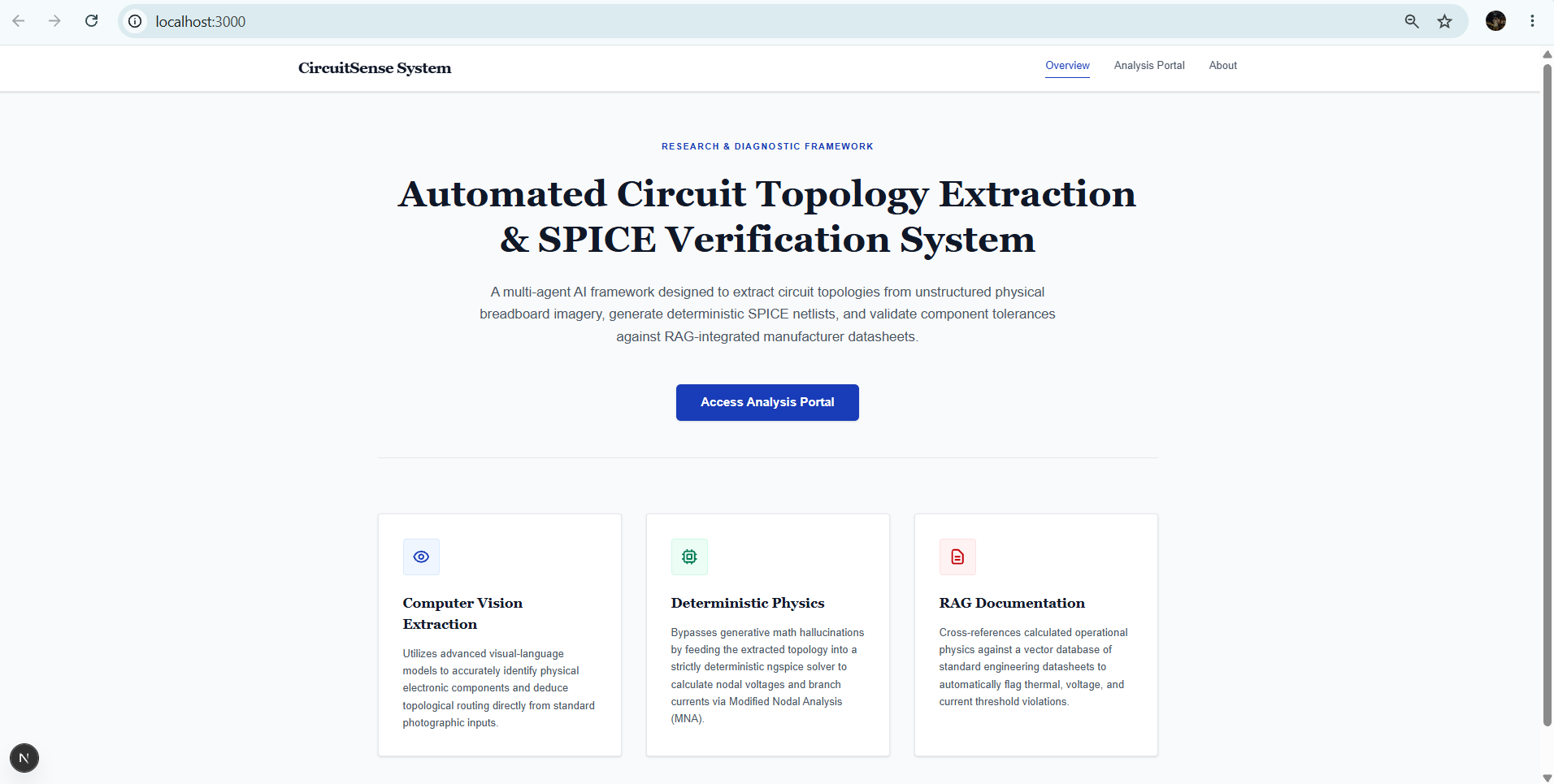
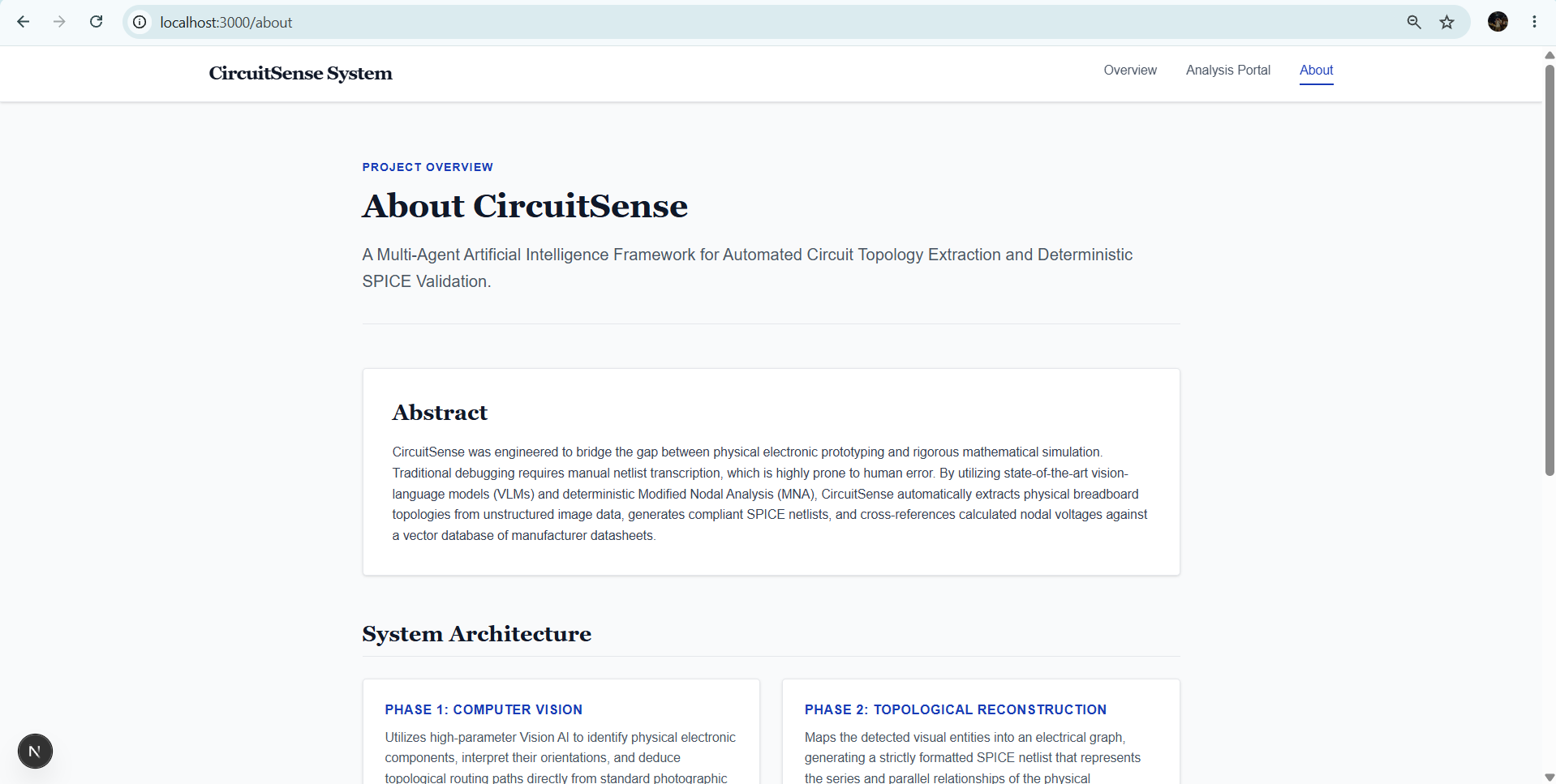
Circuit Sense AI is an intelligent circuit troubleshooting assistant that leverages AI to analyze electronic circuits and provide diagnostic support.
Key features include:
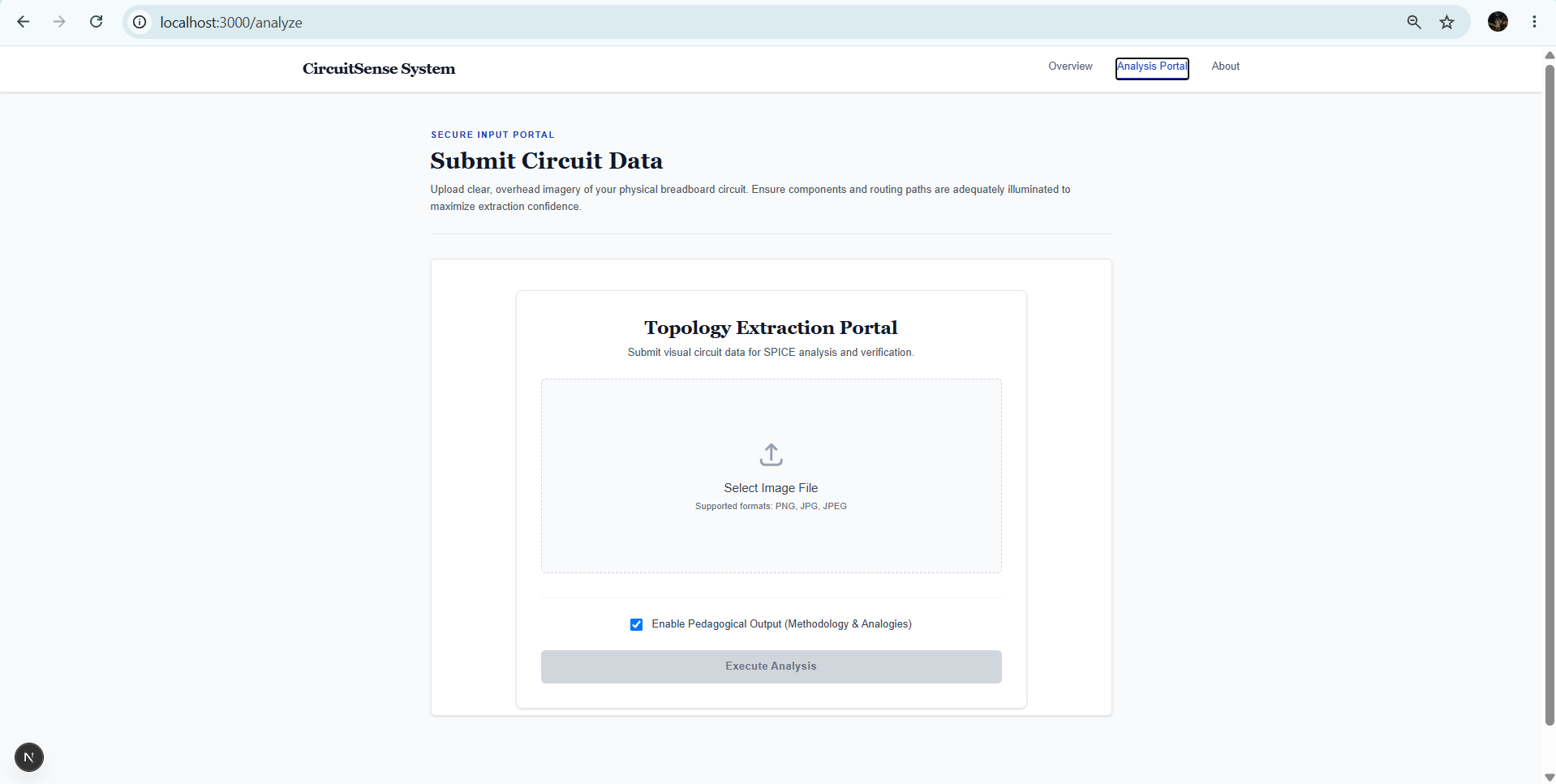
Analyzes uploaded circuit images. Uses AI to identify potential faulty components and common circuit issues. Allows users to ask circuit-related questions in natural language. Provides explanations and troubleshooting suggestions instead of simply giving answers. Helps users understand why a circuit may not function correctly, making it both a diagnostic and learning tool.
Our objective is to reduce the time spent debugging circuits while making electronics education more approachable.
How we built it
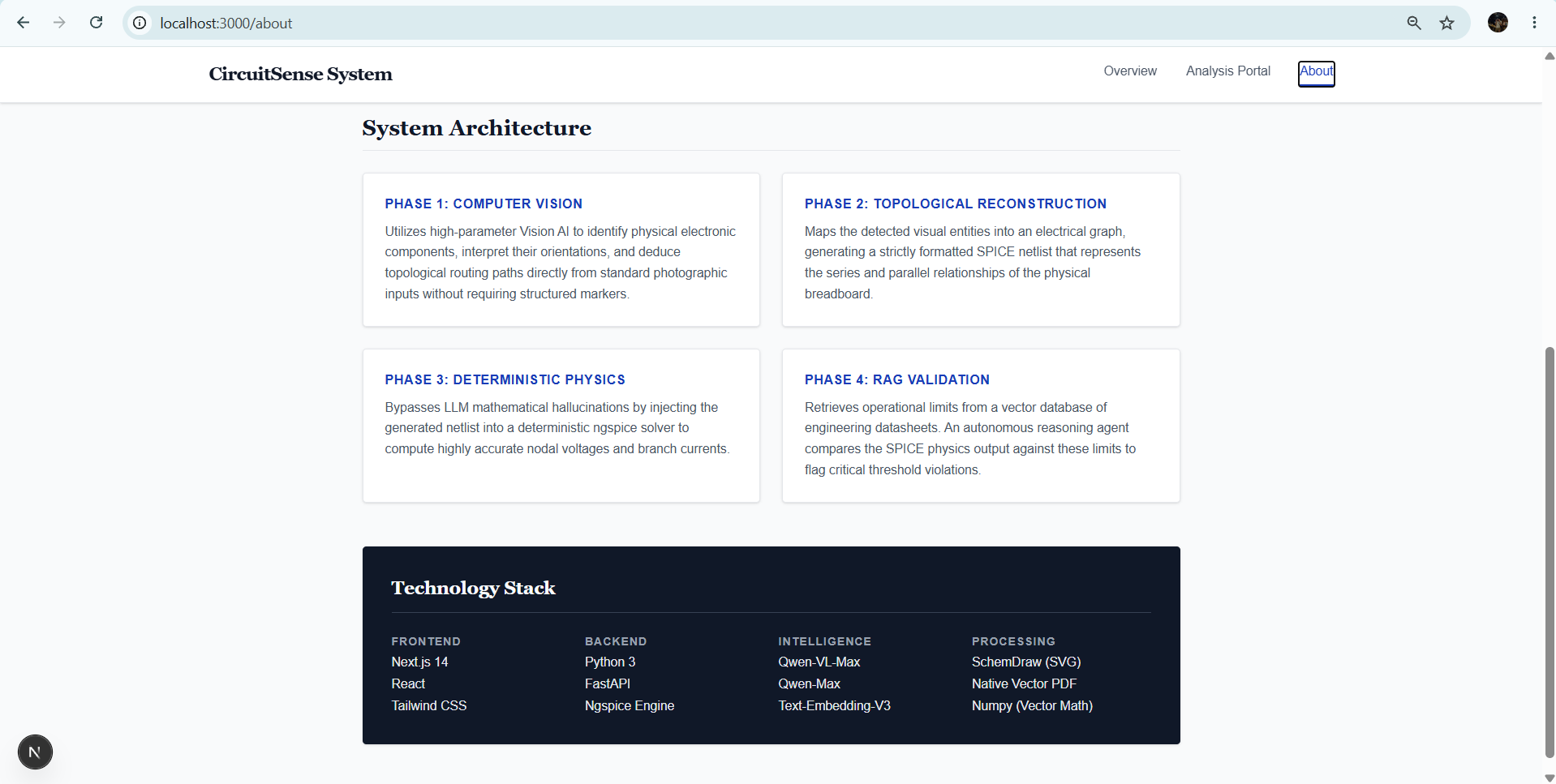
We developed Circuit Sense AI by combining modern web technologies with large language models.
Our workflow included:
Building a responsive web interface for users to upload circuit images and interact with the AI. Integrating AI models capable of understanding both visual circuit information and textual questions. Designing prompts that encourage the AI to provide structured troubleshooting steps rather than generic responses. Connecting the frontend with backend services that manage image processing, AI inference, and user interactions. Iteratively testing with different circuit examples to improve response quality and reliability.
The project combines computer vision, natural language processing, and web development into a single user-friendly application.
Challenges we ran into
Some of the biggest challenges included:
Ensuring the AI interpreted different circuit diagrams accurately despite varying drawing styles and image quality. Reducing AI hallucinations when diagnosing complex circuits. Designing prompts that generated consistent, technically meaningful troubleshooting advice. Balancing response speed with analysis quality. Handling ambiguous or incomplete circuit information while still providing useful guidance.
These challenges required multiple rounds of prompt engineering, testing, and refinement.
Accomplishments that we're proud of
We are proud that Circuit Sense AI successfully combines image understanding and conversational AI into an intuitive troubleshooting assistant.
Highlights include:
Successfully analyzing circuit images and generating meaningful diagnostic suggestions. Creating an interface that is easy for beginners while remaining useful for experienced users. Demonstrating how generative AI can support electronics education and practical debugging. Building a functional end-to-end prototype within the limited time of the hackathon. What we learned
Throughout this project, we learned:
Effective AI applications depend heavily on prompt engineering and iterative testing. Combining computer vision with language models creates far more useful user experiences than using either independently. User experience is just as important as model accuracy—clear explanations build trust. Building AI-powered engineering tools requires balancing technical correctness, usability, and performance.
We also gained valuable experience integrating AI services into a full-stack application and designing workflows around multimodal inputs.
What's next for Circuit Sense AI
Our roadmap includes:
Supporting more complex circuit diagrams and PCB layouts. Detecting individual electronic components with higher accuracy using dedicated vision models. Providing interactive step-by-step debugging workflows. Integrating circuit simulation so users can validate suggested fixes before implementing them. Building a knowledge base of common circuit failures and repair techniques. Developing a mobile version so users can diagnose circuits directly from their phones using the camera.
Ultimately, we envision Circuit Sense AI becoming an AI-powered electronics companion that helps learners, makers, and engineers design, understand, and troubleshoot circuits more efficiently.

Log in or sign up for Devpost to join the conversation.