-
-
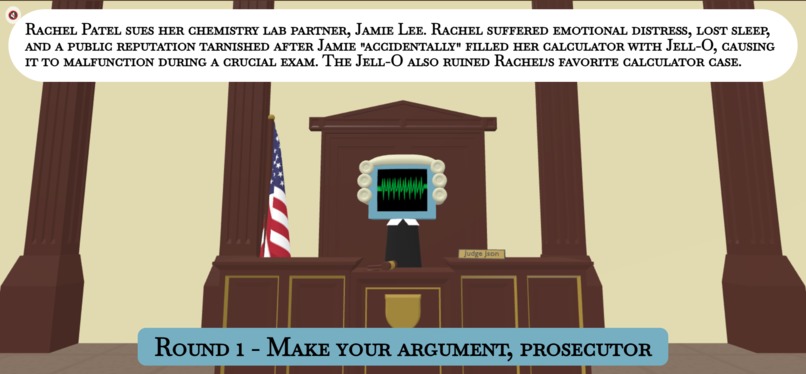
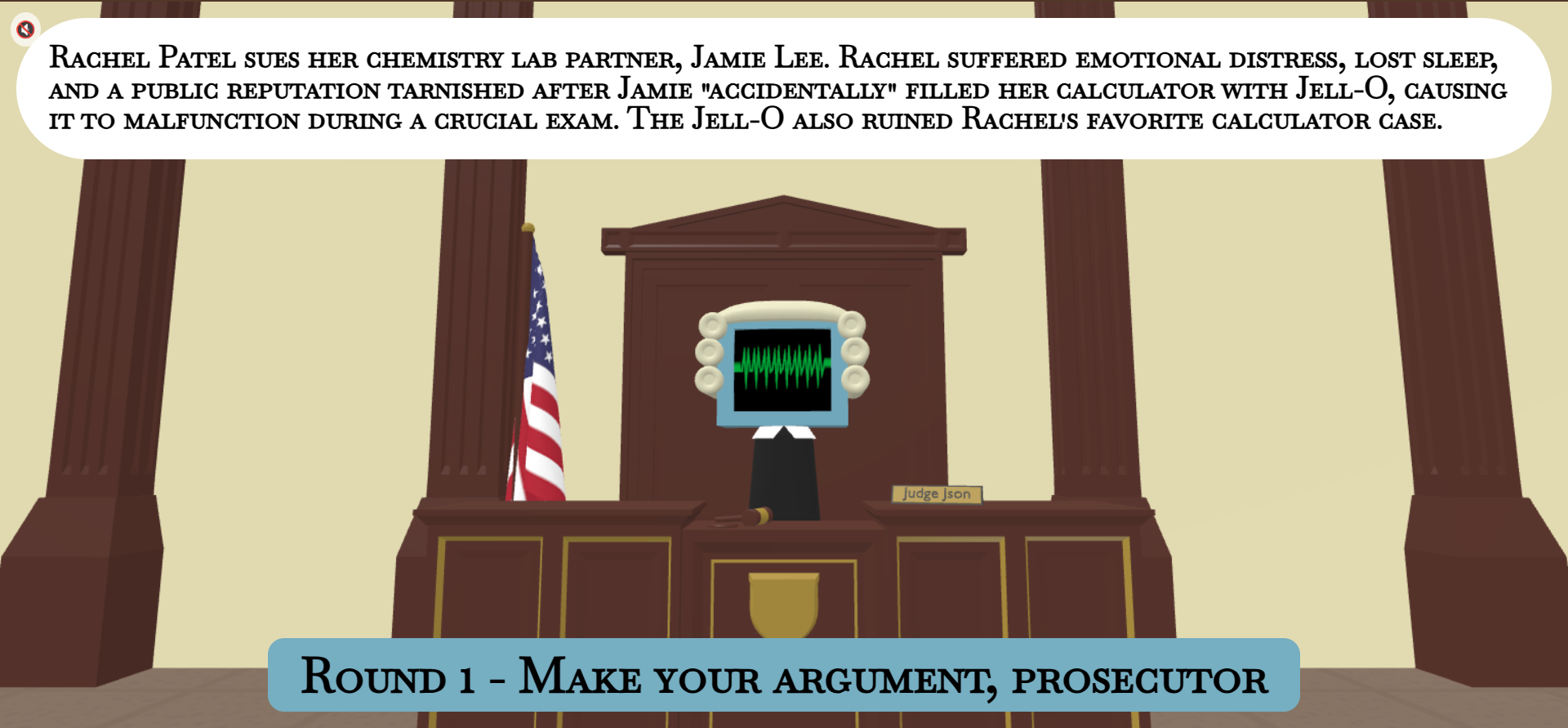
Scenario Brief
-
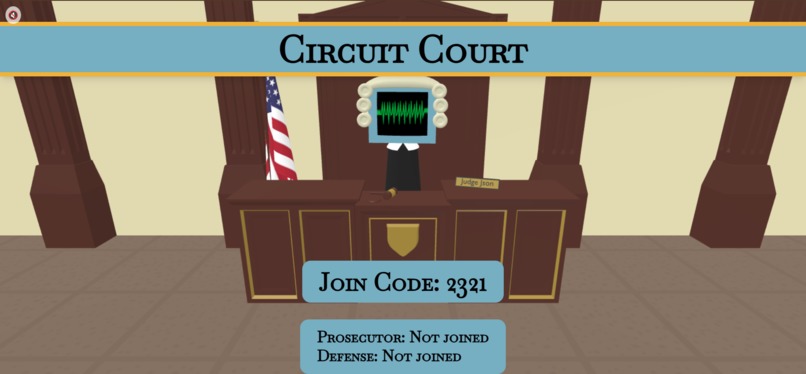
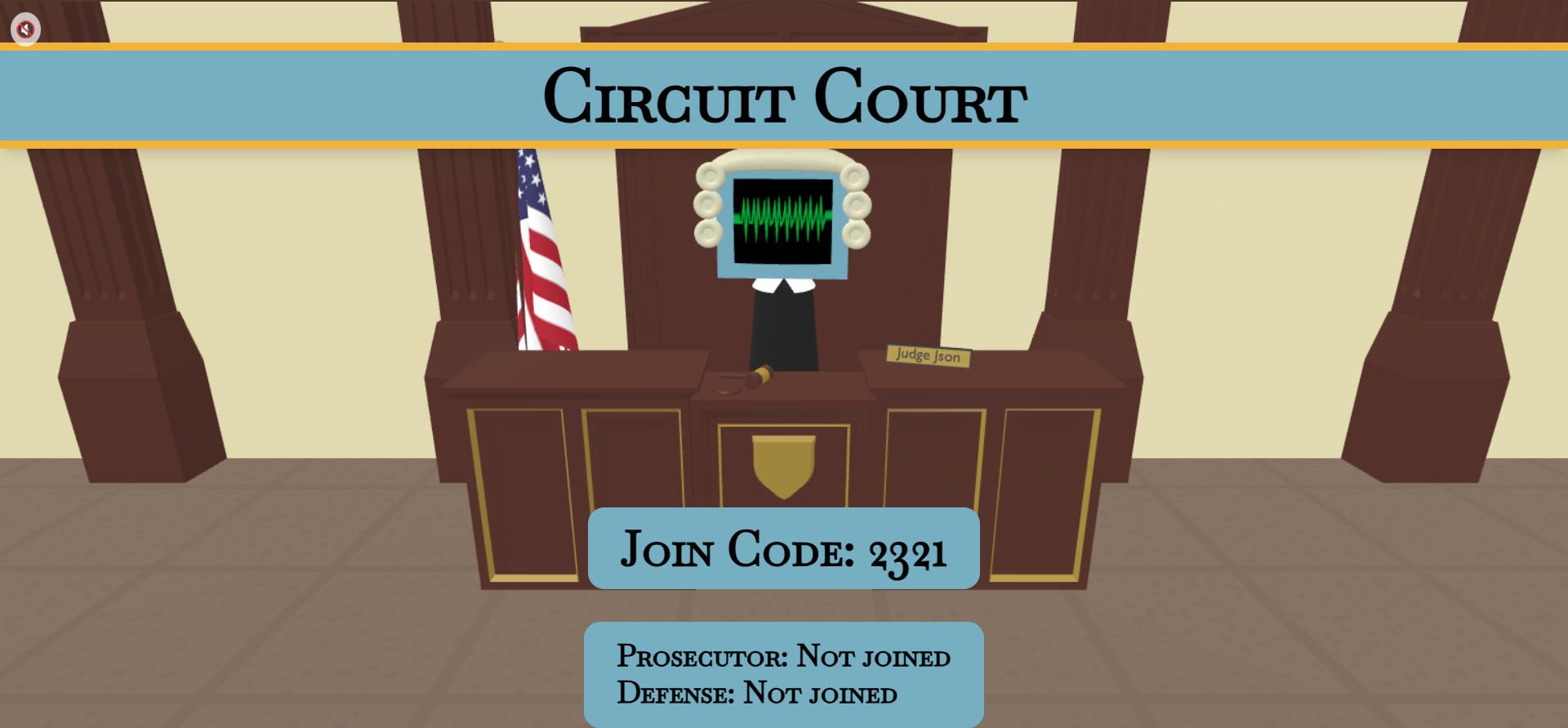
Main Menu
-
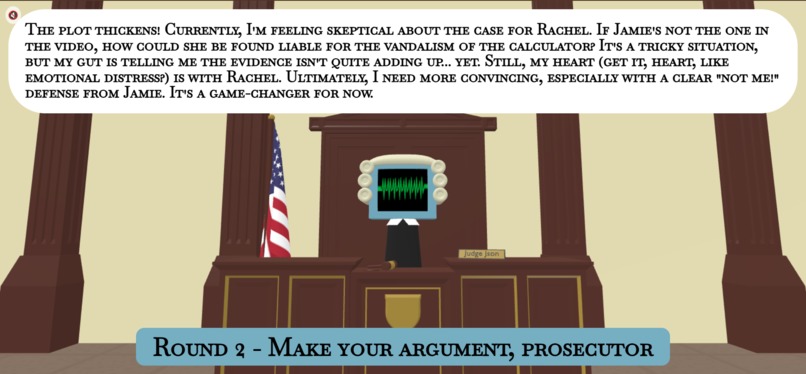
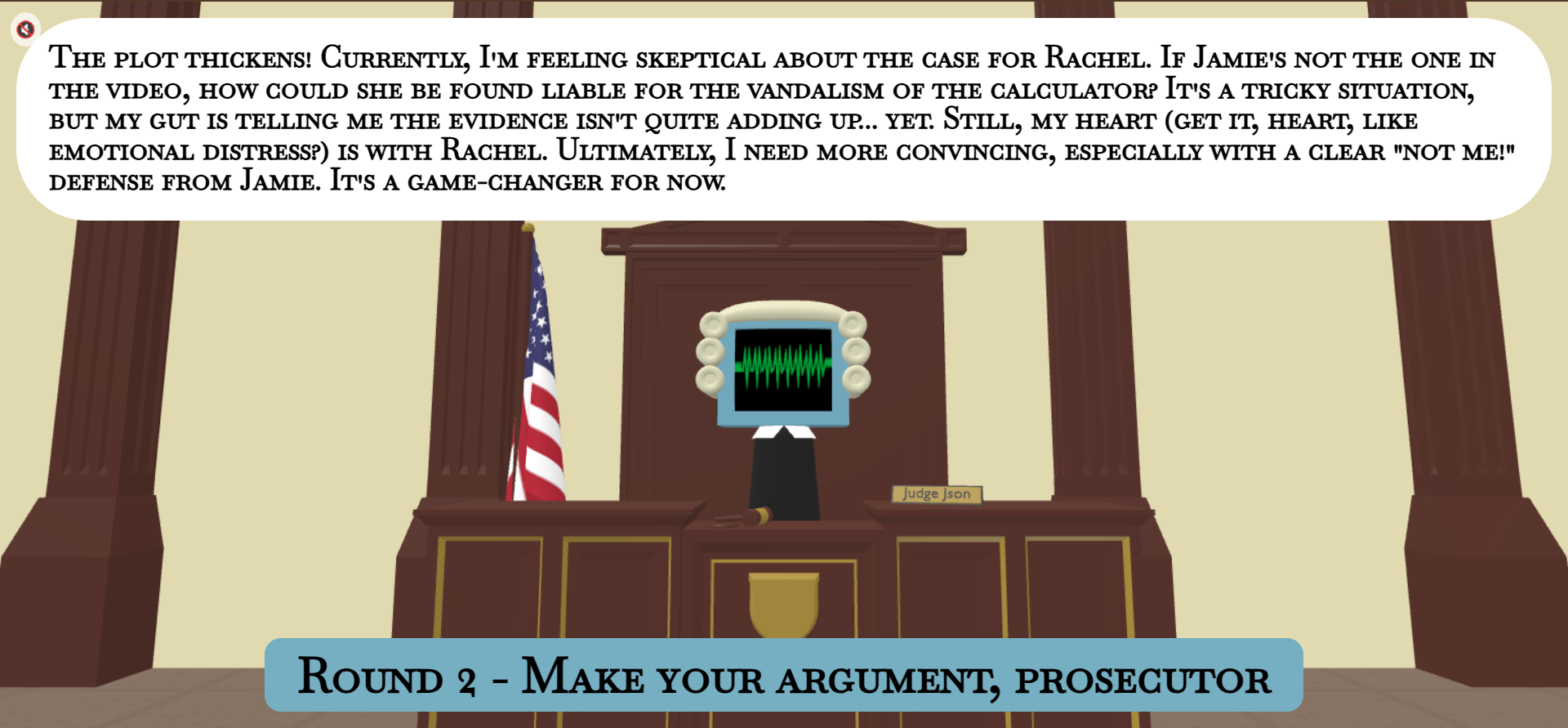
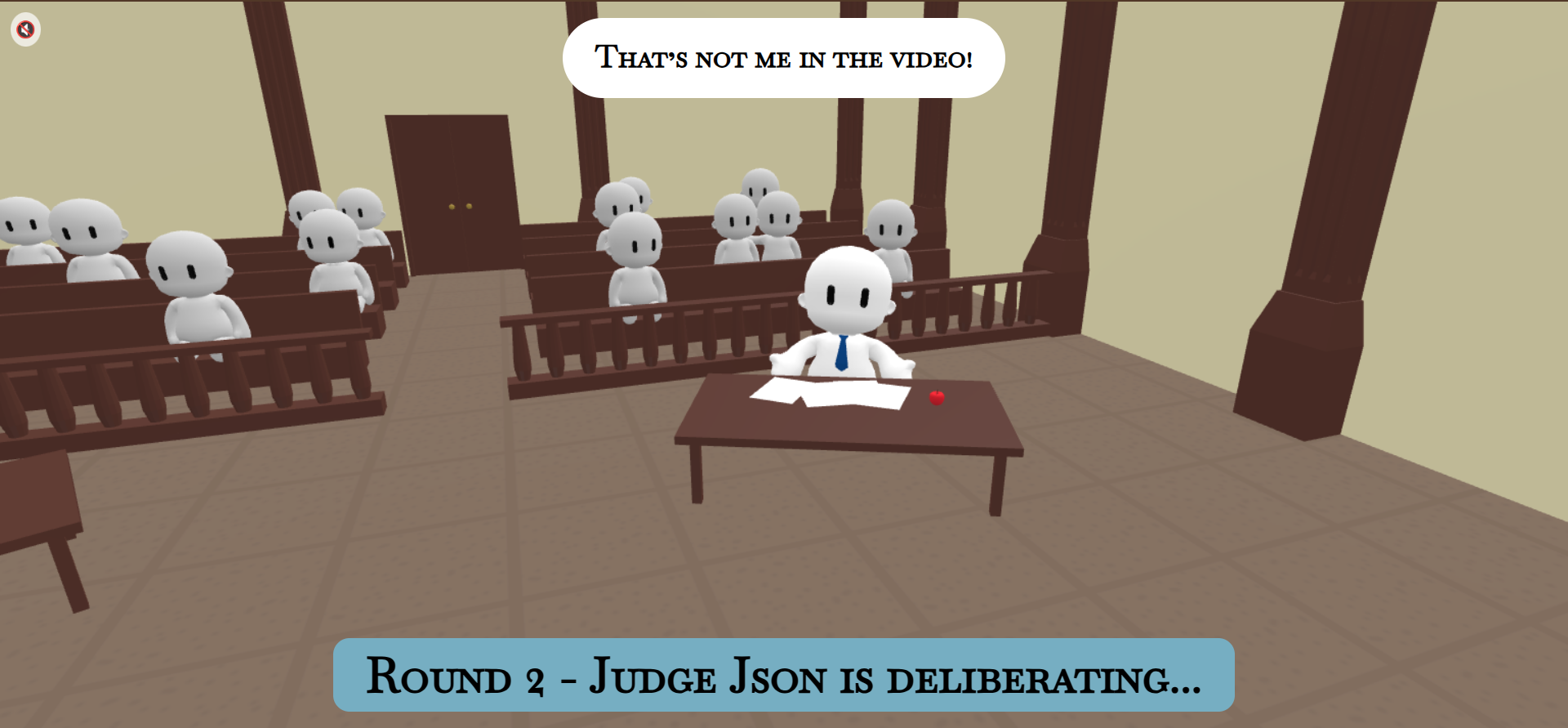
Thoughts from the LLM
-
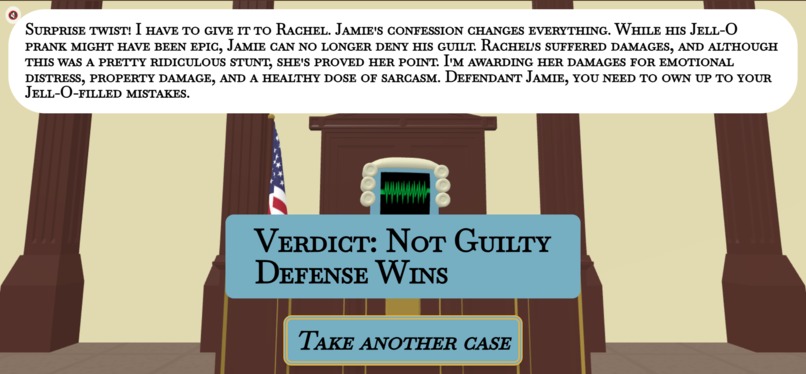
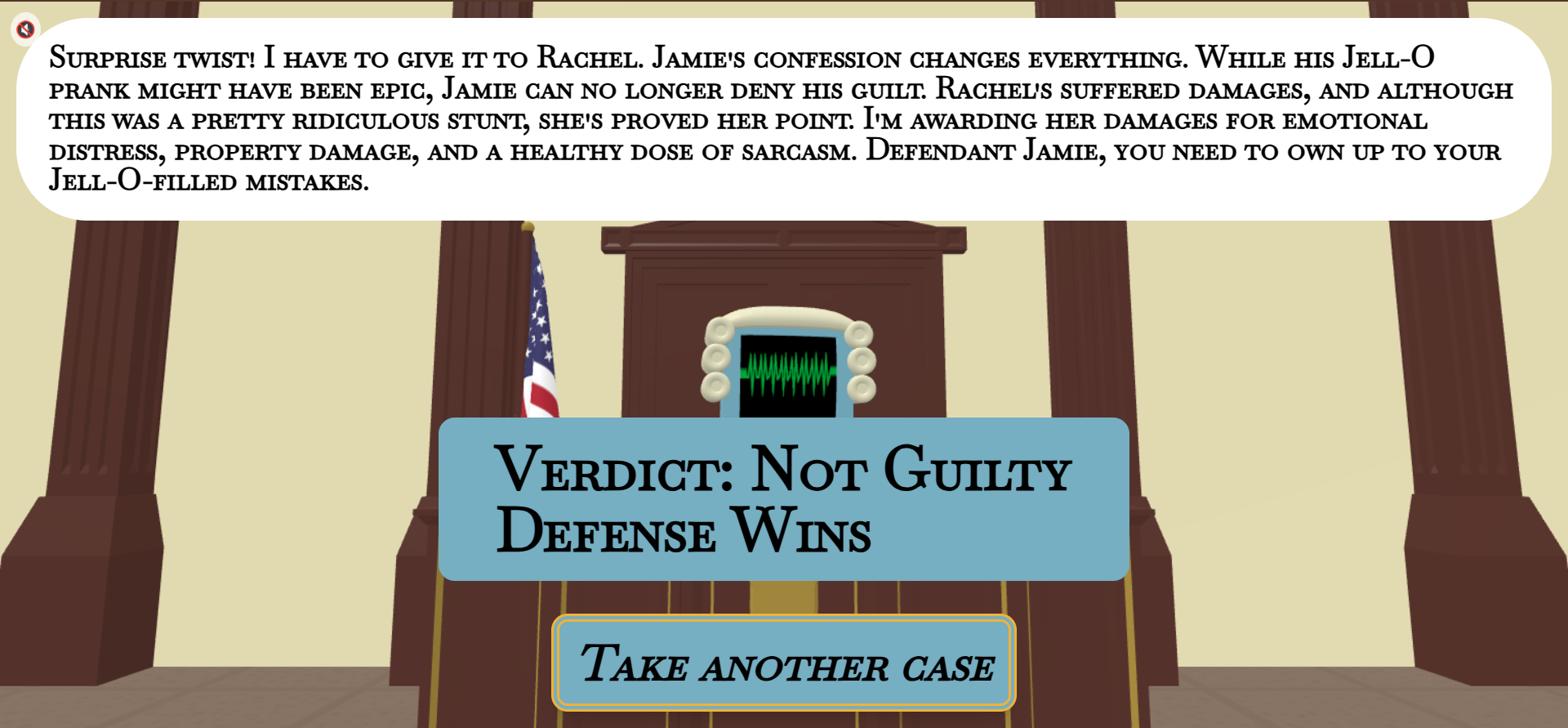
Verdict
-
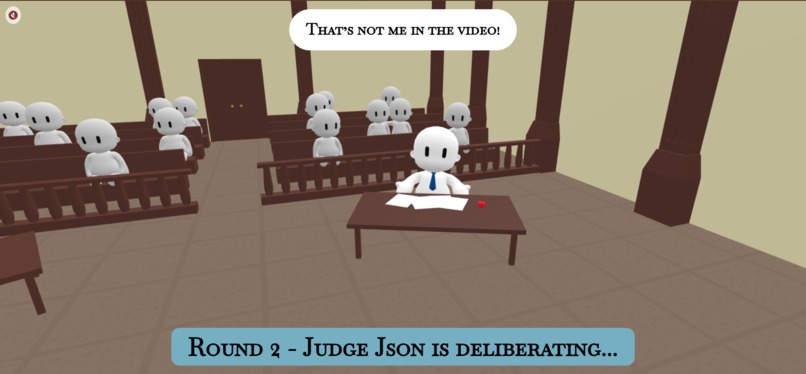
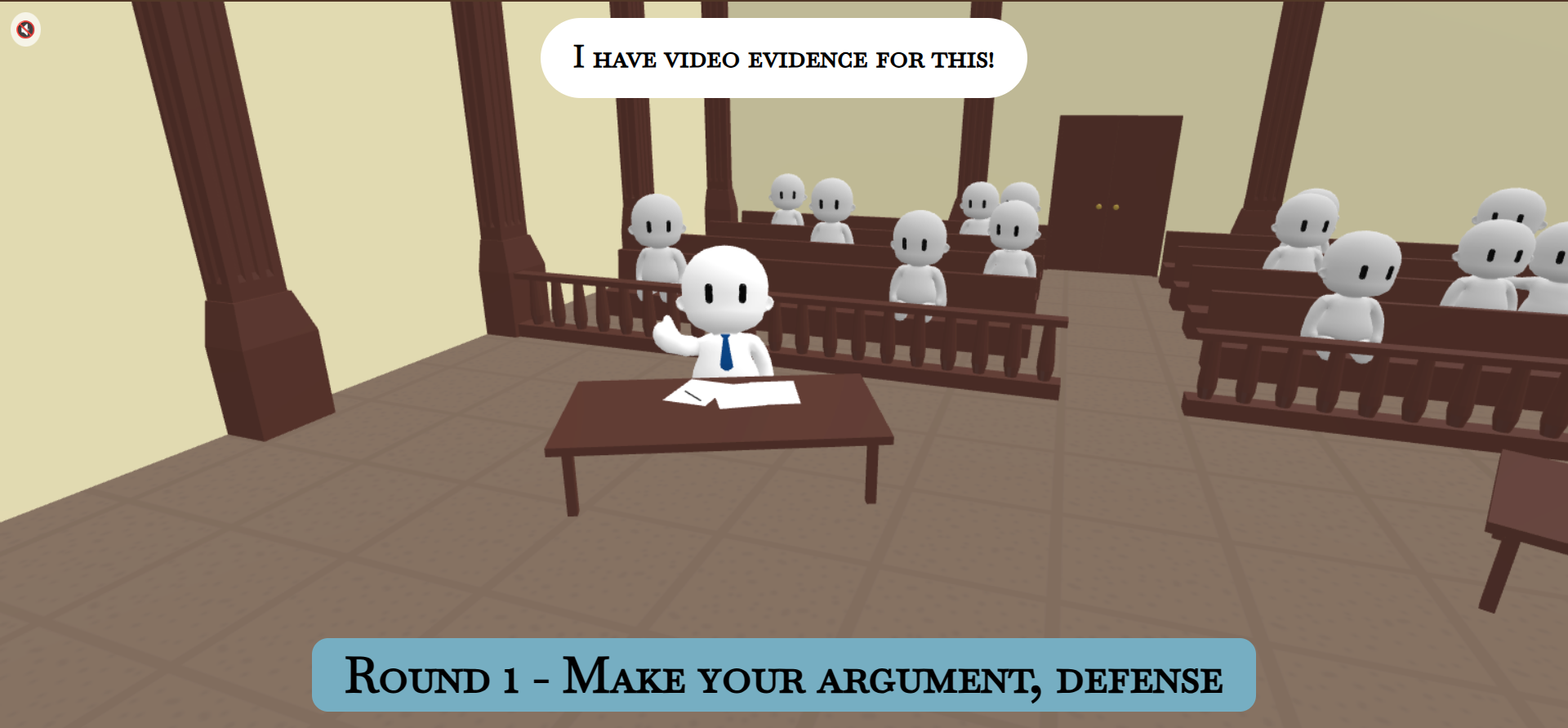
Defendant Talking
-
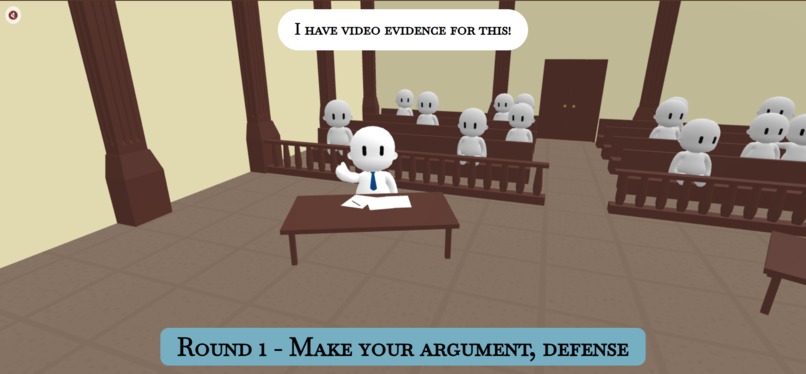
Prosecutor Talking
-
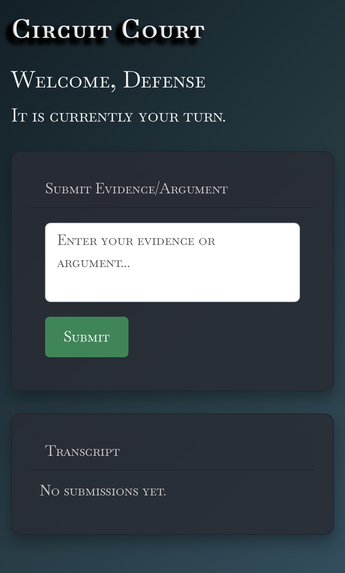
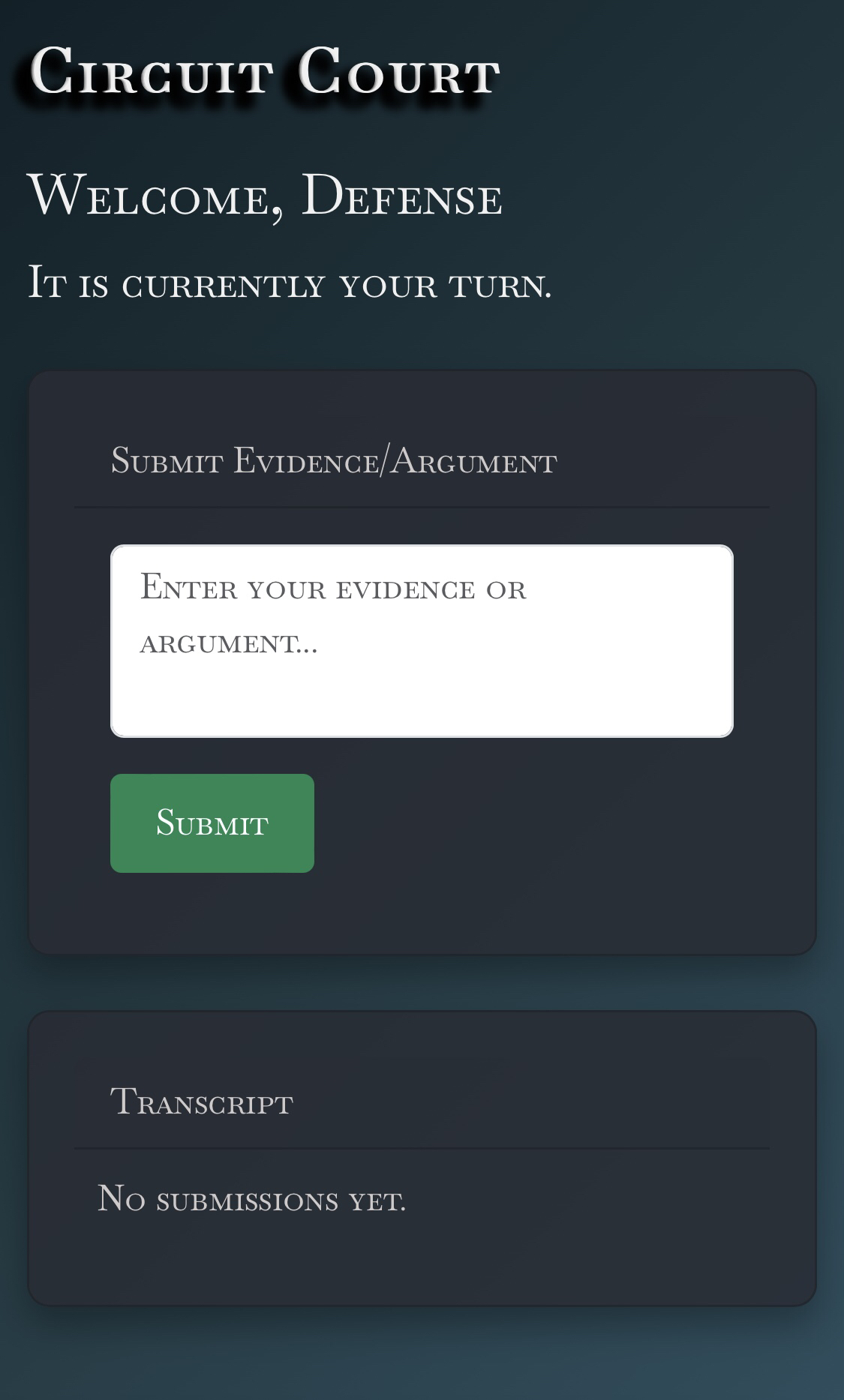
Giving Arguments (Phone)
-
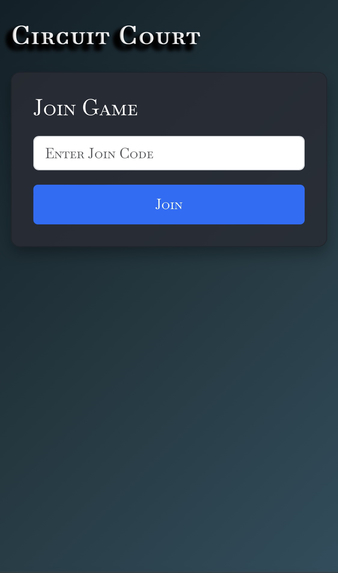
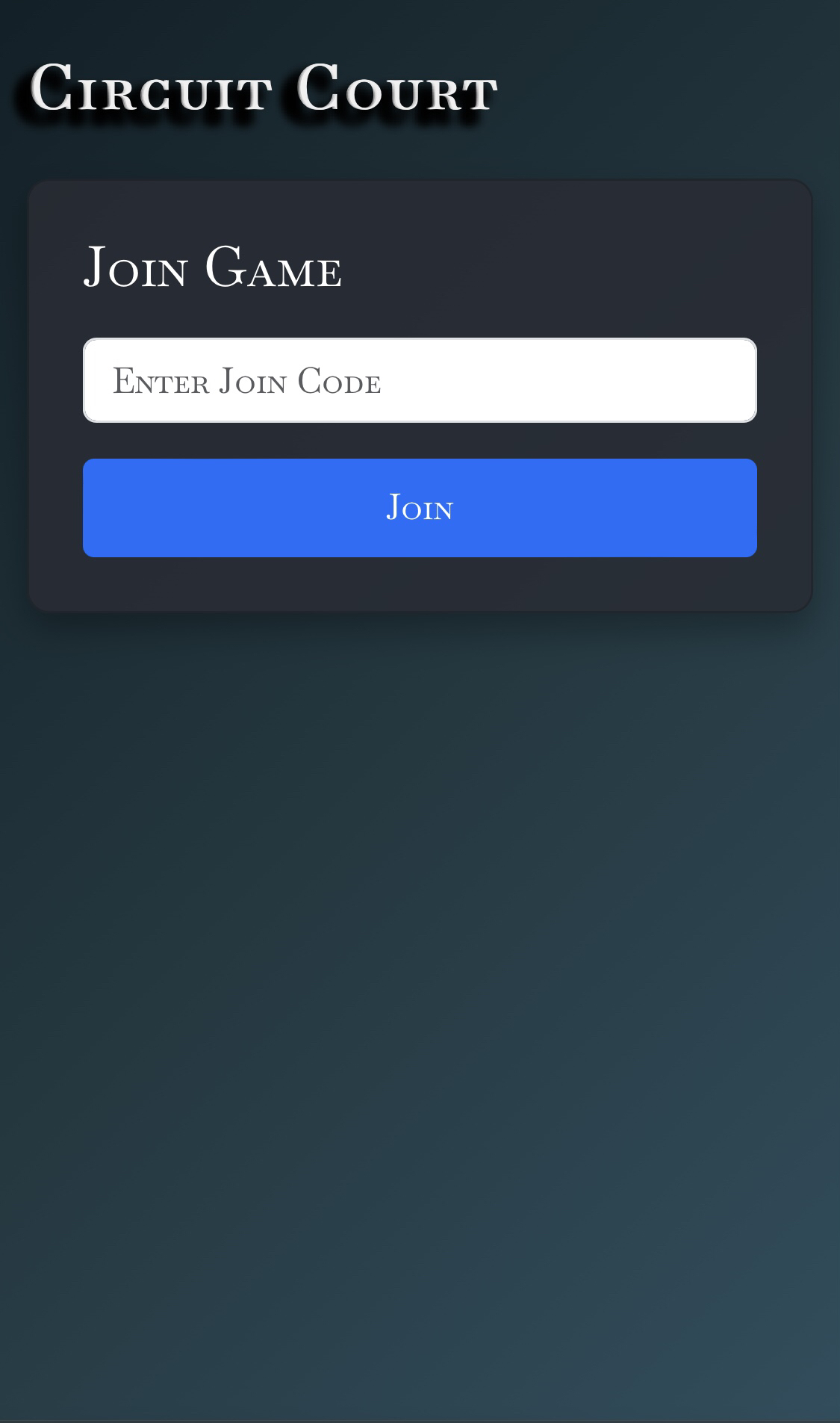
Joining Game (Phone)
Circuit Court
Battle as Prosecutor or Defense in AI-generated legal cases! Present arguments across 3 rounds, adapt to the AI judge’s live feedback, and sway its verdict.
Inspiration
We enjoy party games like Jackbox and the drama of courtroom shows, and wanted to join the two in our project. Brainstorming led to Circuit Court, a fun game that harnesses generative AI to act as a dynamic “judge,” where players argue not just against each other, but against an LLM’s logic.
What It Does
Players join from their mobile devices as Prosecutor or Defense in AI-generated legal battles. Over three rounds, they present arguments to sway the AI judge, which reacts with live feedback before delivering a verdict.
How We Built It
- Frontend: Host screen built with React and Babylon.js for real-time visuals, 3d graphics, and animations.
- Backend: A Python Flask server handles game logic and player connections.
- AI Core: A self-hosted Llama model generates scenarios, evaluates arguments, and writes feedback.
- Multiplayer: WebSockets sync inputs and game state between the server, host, and players.
Challenges We Ran Into
- Protocol design: Syncing game state between the server, host, and players was surprisingly tricky to design efficiently.
- React Rendering: Mixing rendering logic with dynamic game state in React was difficult to get working.
- Hosting: Hosting the LLM on Modal and the server on Google Cloud introduced complexity in managing cross-platform communication.
Accomplishments We’re Proud Of
- Dynamic Scenarios: No two cases are alike. The AI crafts everything from stolen cupcakes to robot rebellions, keeping gameplay fresh and unpredictable.
- Interesting Graphics: Using a 3D scene for the visuals was very challenging in the relatively short time constraints, so we were proud to produce graphics we are happy with.
What We Learned
- Networking is Hard: Syncing multiple clients in real-time requires mindfulness of various errors
- React Best Practices: Separating rendering logic from game state management is crucial for performance and maintainability.
- Using Modal and Google Cloud required us to keep things consistent across multiple platforms.
What’s Next for Circuit Court
- Additional roles: Spectators can join as jurors and give their input.
- Objections: Players can interrupt and object to their opponent's arguments
- Custom Scenarios: Let players input their own conflicts (e.g., “Roommate ate my pizza”).
- Mobile App: Scan a QR to jump into the courtroom!


Log in or sign up for Devpost to join the conversation.