-
-
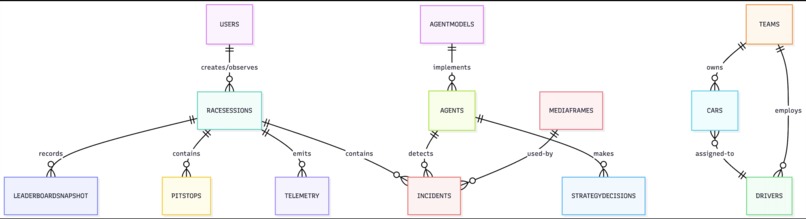
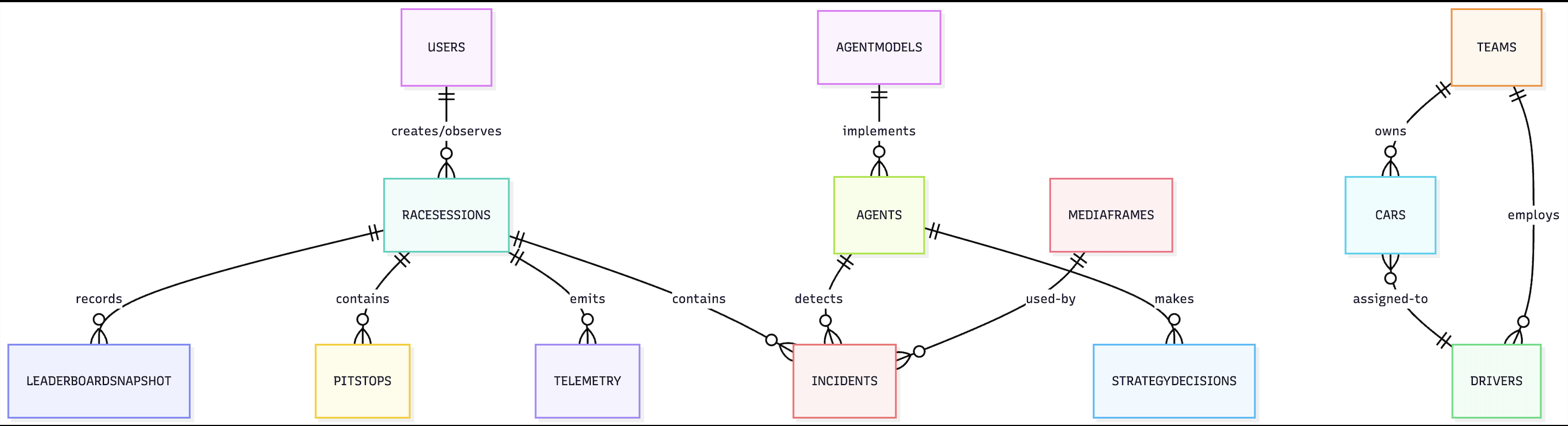
ER-diagram (High Level)
-
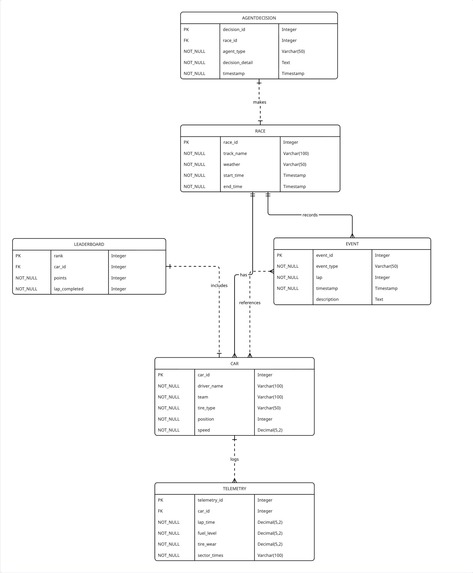
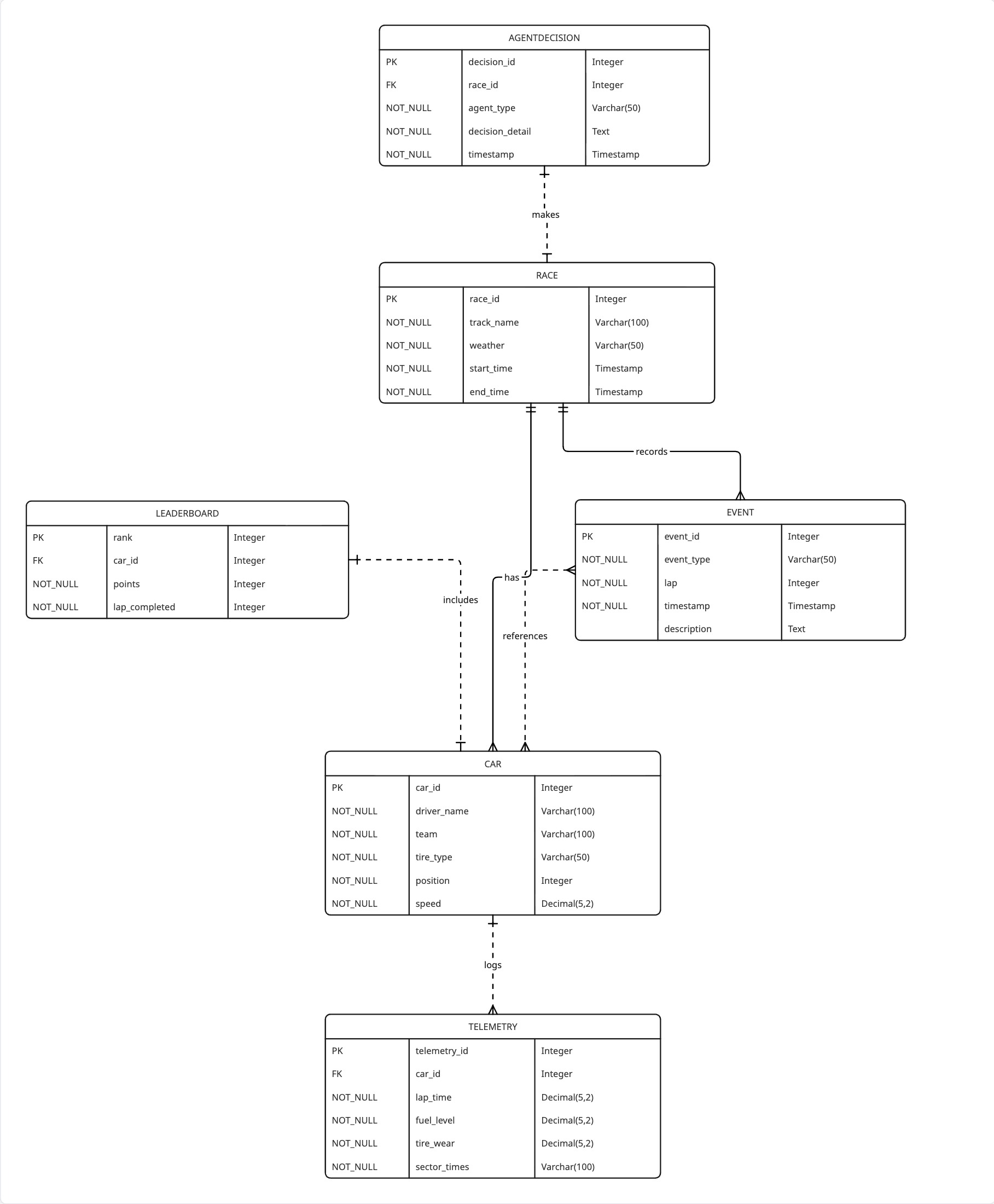
ER Diagram(Low Level)
-
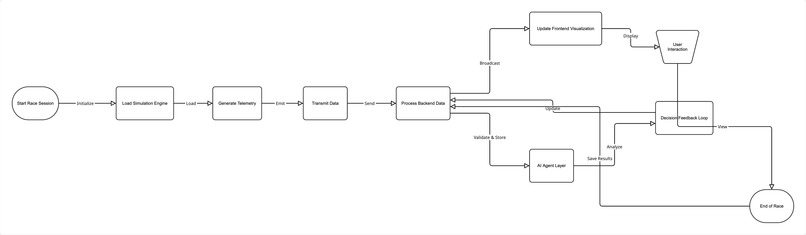
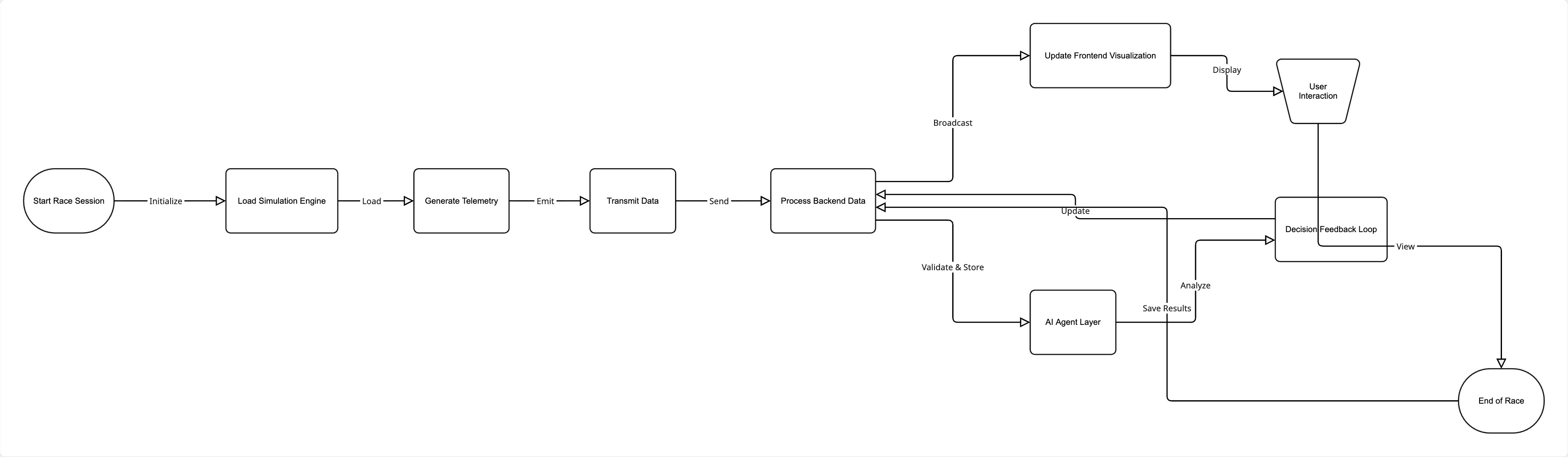
Data Flow Diagram
-
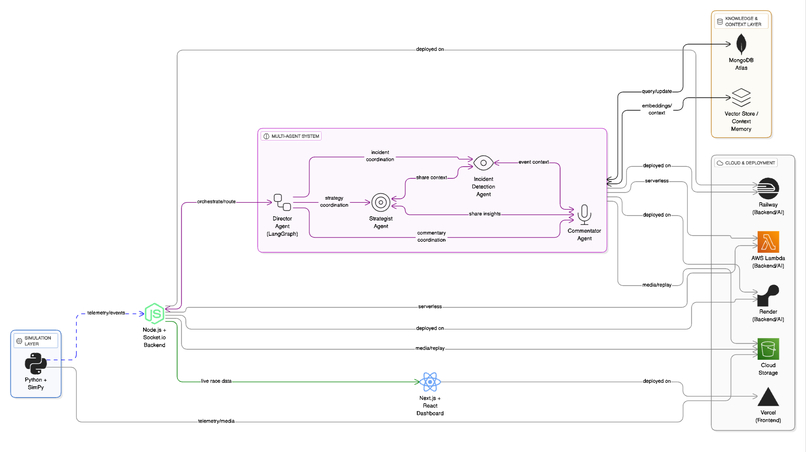
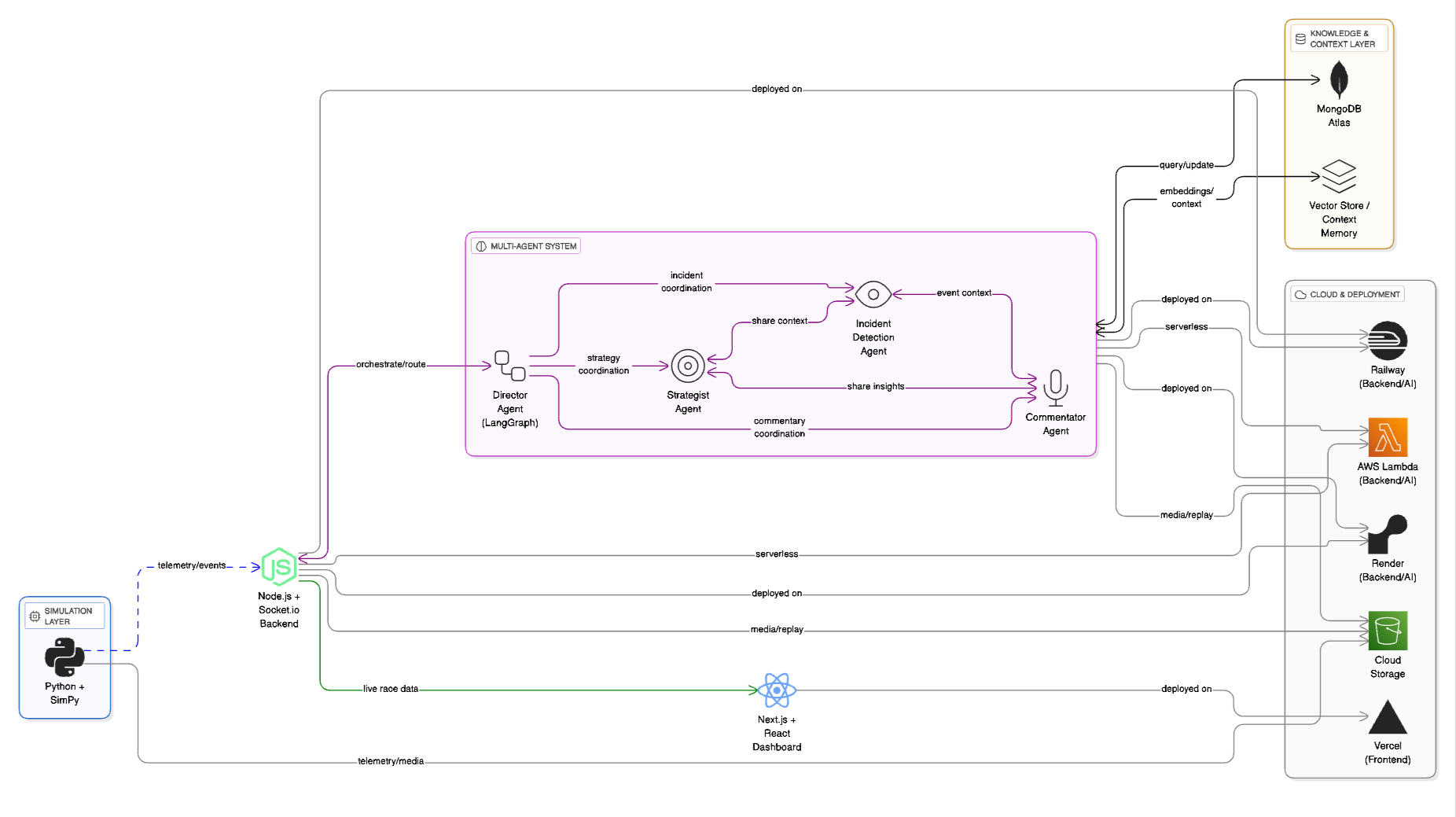
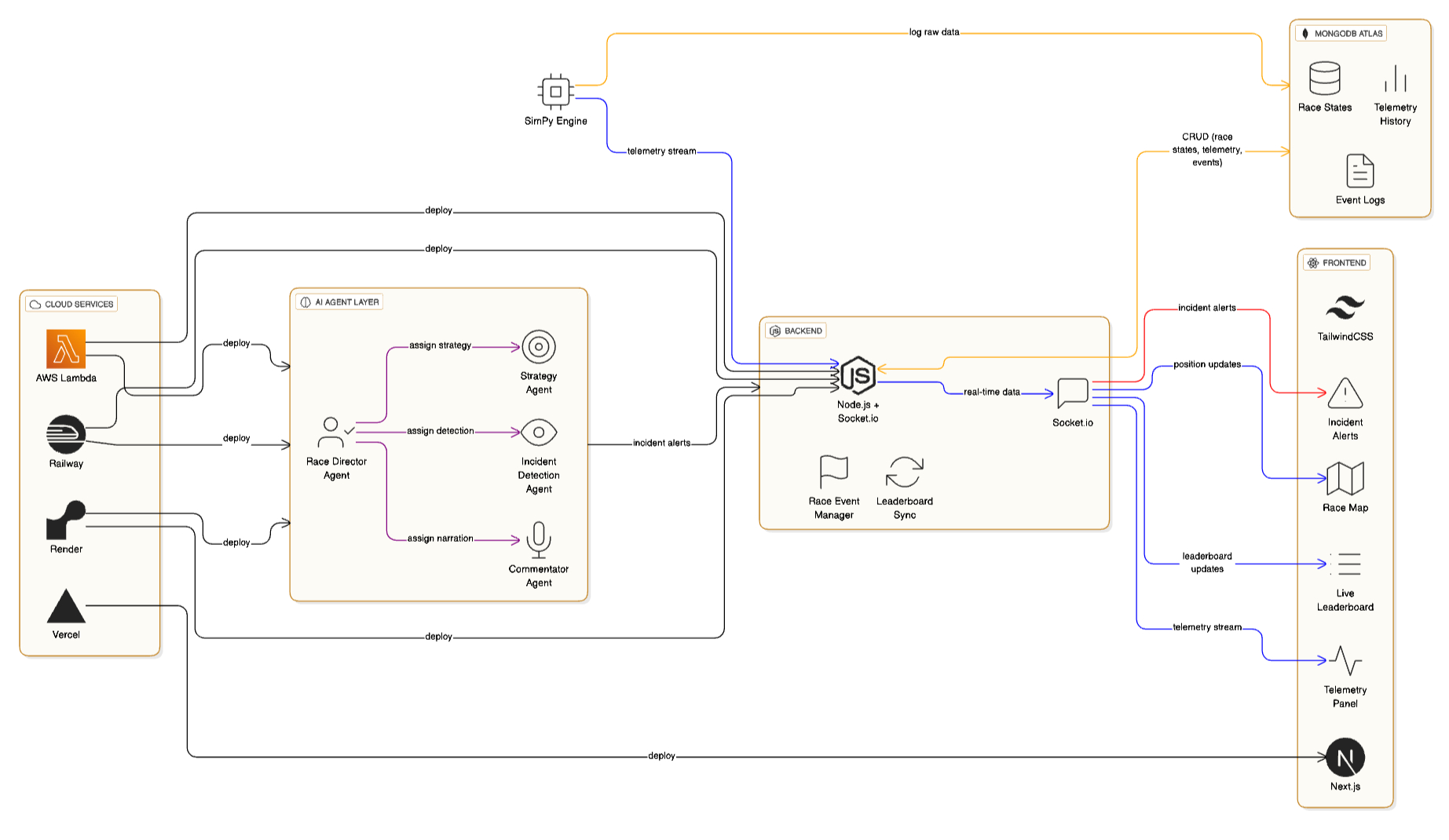
System Architecture
-
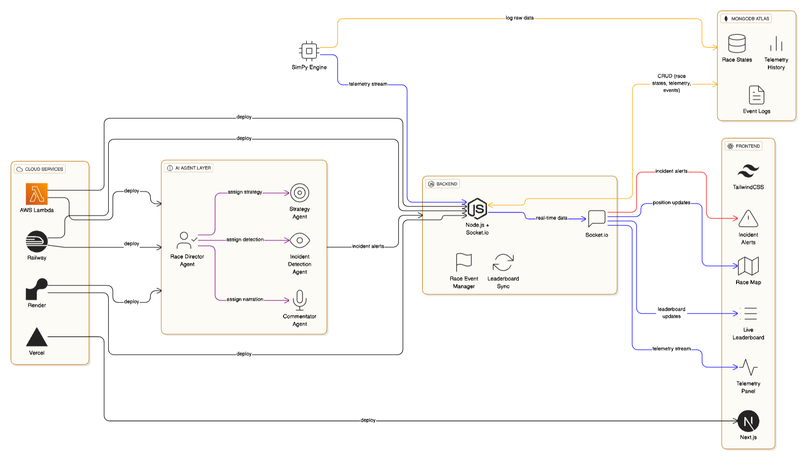
Race Flow Visuals
-
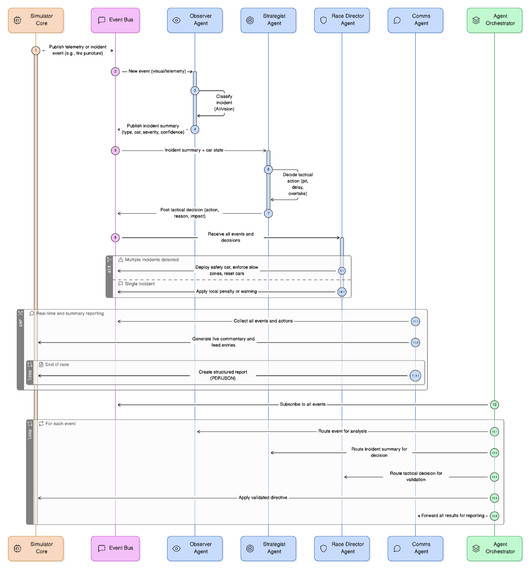
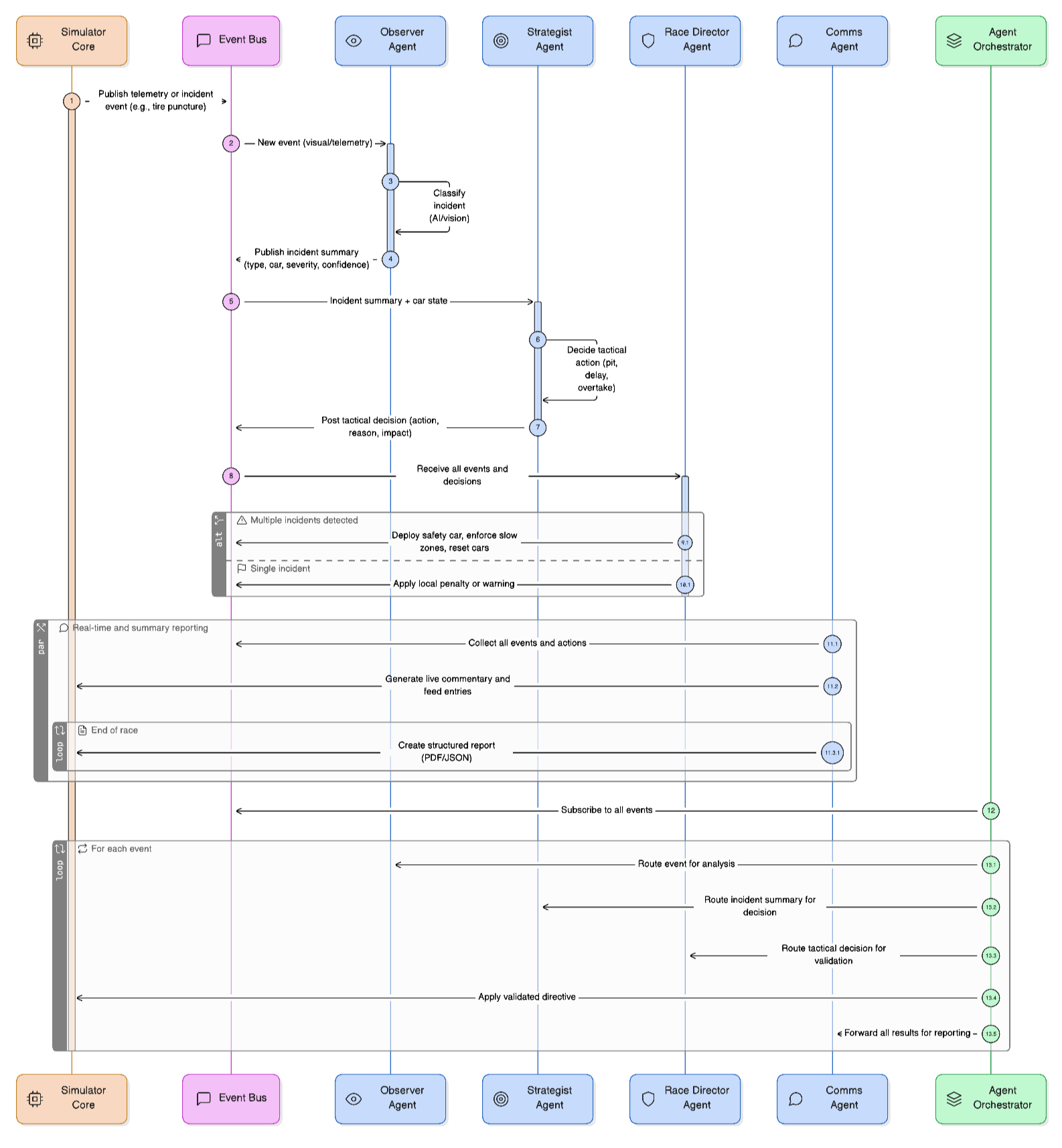
UML Sequence Diagram
Inspiration
What if we could build a living, breathing simulation where AI agents act as real race engineers — detecting incidents, optimizing strategy, and evolving with every lap?
With Haas F1 as the sponsor, we wanted to create something that enhance the potential of race analytics and operations — Circuit an Agentic AI mobility simulator where decisions-making is estimated in milliseconds and every event is backed by data. The craze of motorsport lies not just in the speed, but in its strategic decisions — when to pit, how to recover from incidents, and how teams adapt in real-time. most race operation systems today are either static visualisations or closed simulators with no autonomous intelligence, usually controlled and monitored by human intervention.
What it does (Workflow)
Circuit is an agentic AI-powered race operations simulator that models complex competitive mobility systems — from Formula One style races to drone swarms and autonomous fleets. It visualizes live races with:
- Live leaderboards that will refresh in real-time with results while AI racers are racing virtually.
- An AI agent will act as race strategists, pit crew members, and incident investigators.
- Visual incident investigators specifically scanning crashes or mechanical issues from simulated camera feeds.
- An AI that will autonomously choose to make pit stops, decide on tires, and recover from events.
- Dynamic web dashboard system that brings the entire operation to life — complete with live commentary, telemetry analytics, other in-race suggestions, alert notifications to the engineer-crew and track visualisation
How we will built Circuit ? (Architecture and TechStack)
We will build Circuit as a distributed multi-agent system combining modern web tech, simulation engines, and LLM-driven reasoning:
- Frontend: Using React, TailwindCSS, and Framer Motion to deliver a sleek, real-time racing dashboard.
- Backend: Using Node.js, Web Socketing through Socket.io, enabling bi-directional, low-latency telemetry streams and event updates.
- Simulation Engine: Designed in Python (SimPy) to model race dynamics — agents, physics, and event loops.(Still in Works)
- Agentic AI Architecure: specialised AI agents for strategy, incident detection, and commentary. Using best available LLM Models for vision, decision making and implementation workflows and simulations
- Database: Managed via MongoDB Atlas, storing race history, telemetry, and agent states.
- Deployment: Hosted using Vercel (frontend) and Render (backend/Agentic AI services).
Calculated Challenges we are taking :
Synchronizing AI and real-time simulation: Keeping multiple AI agents, simulation states, and frontend updates in sync without lag was a major architectural challenge.
Designing believable agent behavior: Building agents that make strategic decisions (not random ones) required balancing LLM reasoning with structured rule-based logic.
Visual data generation: Creating synthetic “incident” frames for the vision module was tricky without real-world race feeds.
Performance constraints: Running real-time simulations with multiple agents and live telemetry within hackathon time limits pushed us to heavily optimize our architecture.
Things we are learning while Ideating Circuit
The beautiful correlation of motorsport with the metric engineering and how synchronously they work with each other to achieve accuracy
- The power of agentic AI lies in orchestration — not just one model, but many specialized ones collaborating intelligently.
- Real-time simulations demand a fine balance between computational efficiency and visual fidelity.
- How AI reasoning can complement deterministic systems (like race simulations) to create more lifelike dynamics.
- The value of tight frontend–backend–AI integration, especially when milliseconds matter.
Future Plans for Circuit
We plan to develop Circuit into a robust platform for complex mobility and racing simulations. Next, we aim to: -Build multi-race tournament modes where agent performance and learnings persist across events. -Integrate real-world telemetry APIs (e.g., Formula E, drone racing) to run simulations based on live data feeds. -Implement autonomous racing agents that improve their strategic models using reinforcement learning. -Open the platform as a shared testbed for universities and e-sports teams to validate their own strategy models.
Ultimately, our goal is to build a high-fidelity digital twin for motorsport strategy, allowing teams to test and refine complex, AI-driven decisions in a realistic, risk-free environment.
Built With
- agentic-ai
- express.js
- framer-motion
- langchain
- llm
- mongdb
- node.js
- python
- react
- redis
- render
- tailwindcss
- vercel
- vision-models
- websockets


Log in or sign up for Devpost to join the conversation.