-
-
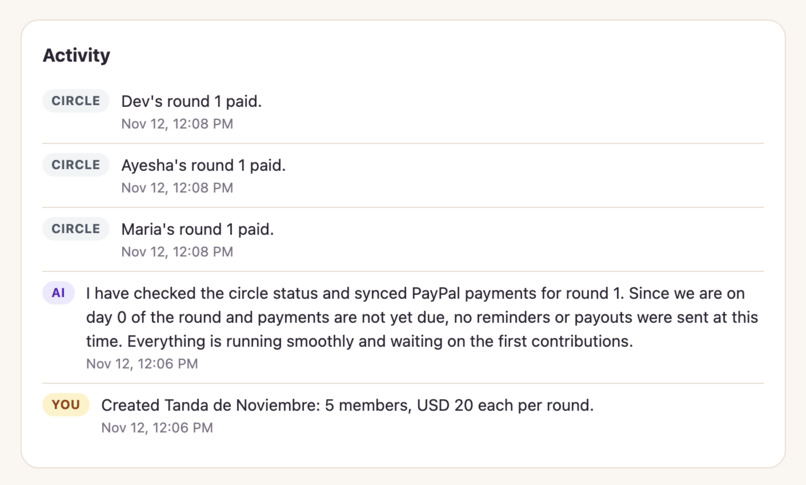
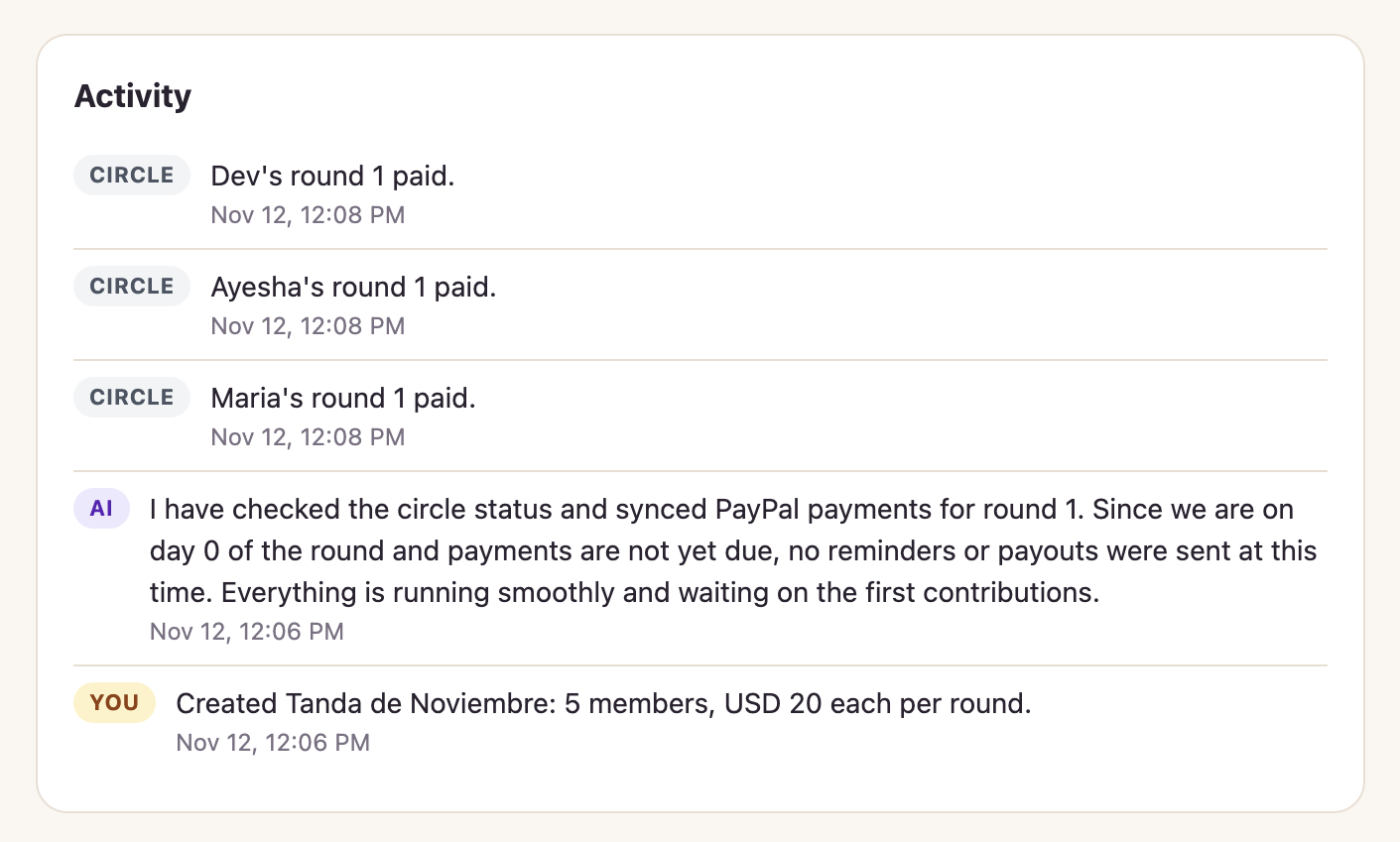
Every action is logged, from contributions to the AI coordinator’s check-ins, so the organizer can see exactly what happened and why
-
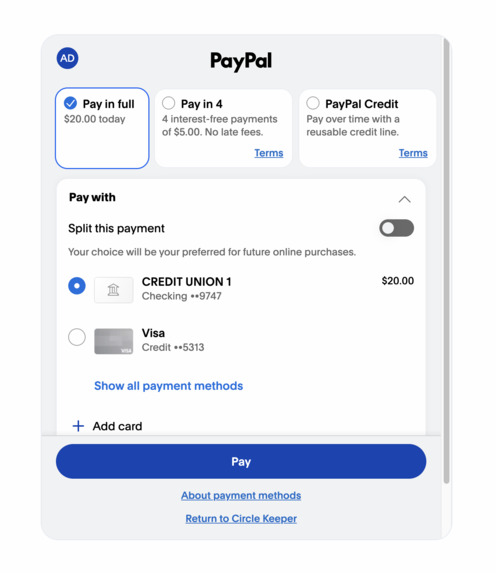
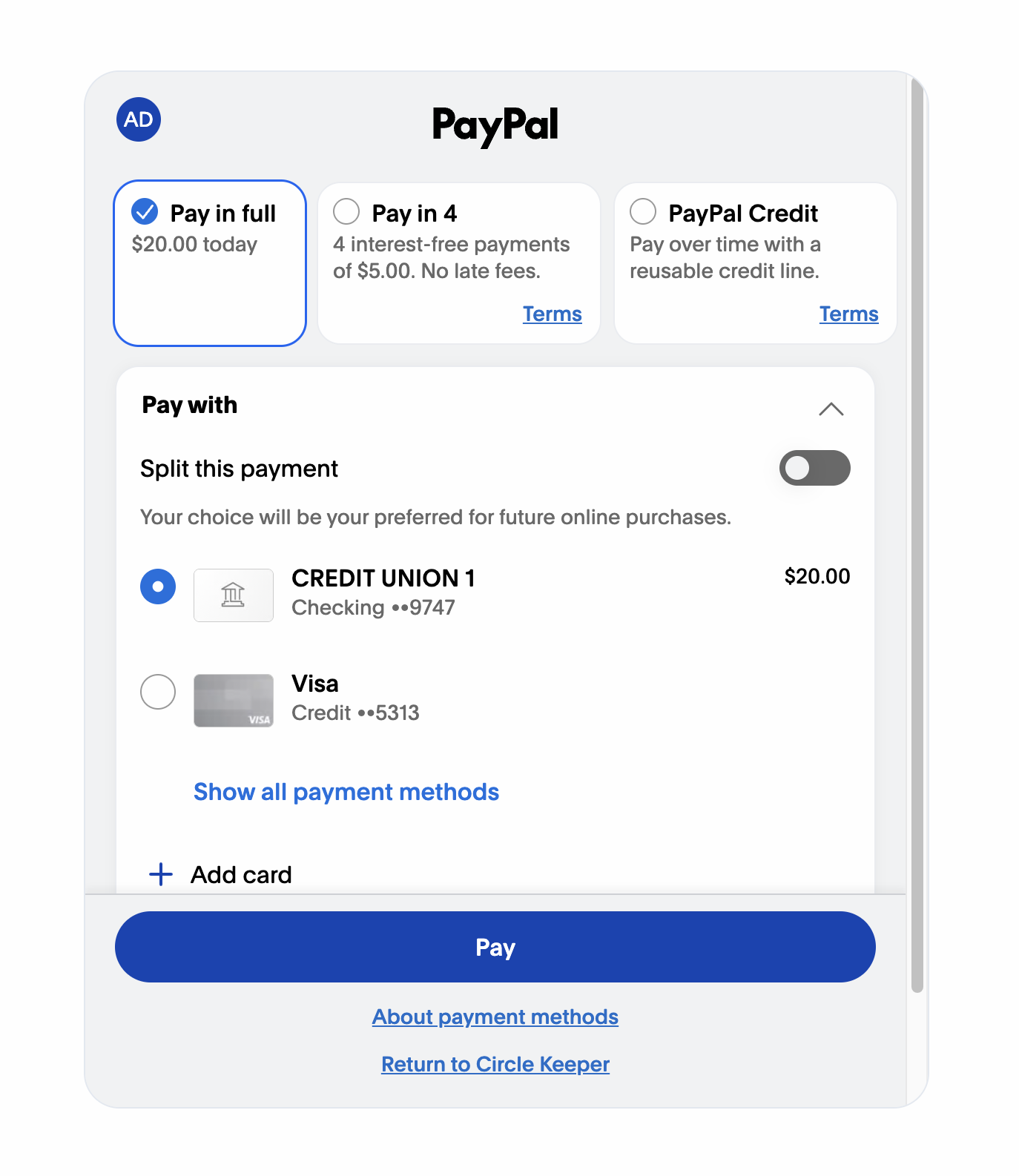
Each member pays their contribution through PayPal checkout (Orders API v2, sandbox, no real money)
-
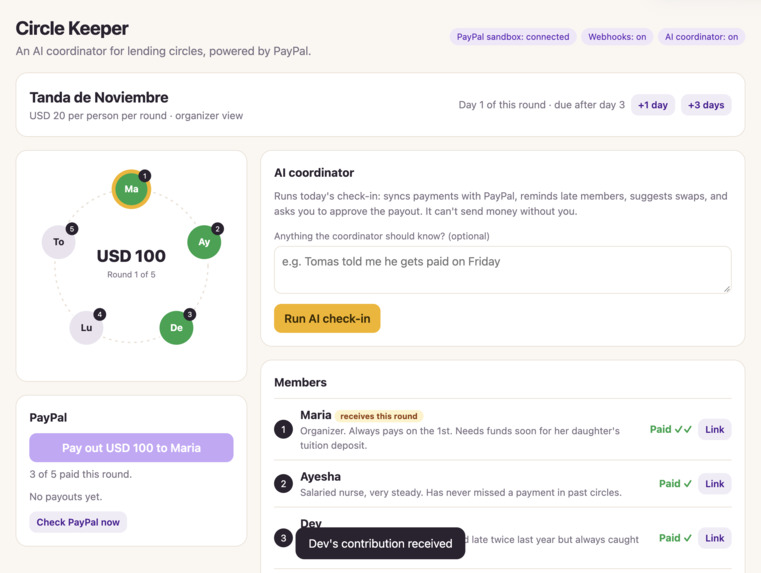
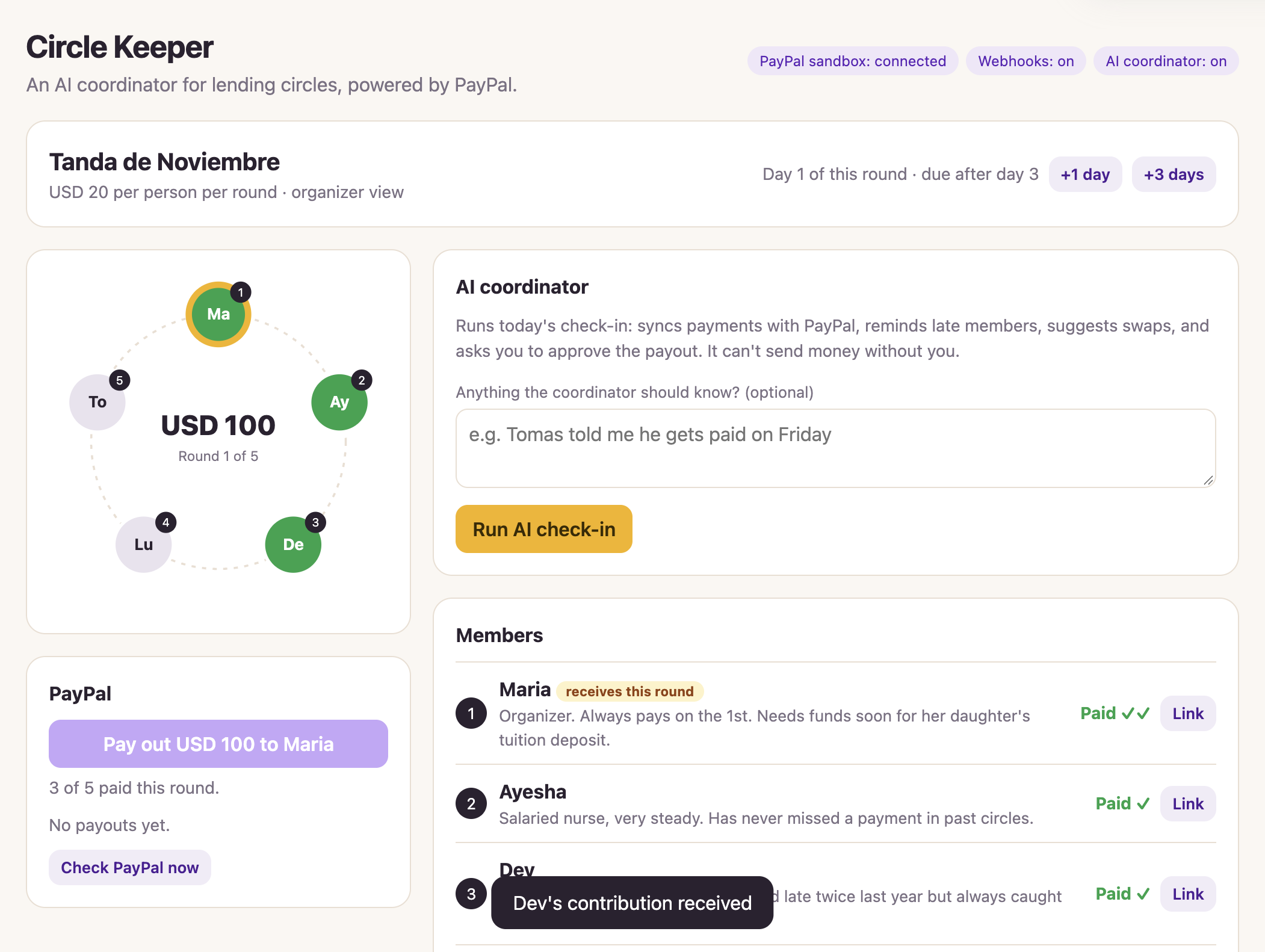
The organizer view: a USD 100 pot, members turning green as they pay through PayPal, and the AI coordinator ready to run the round
-
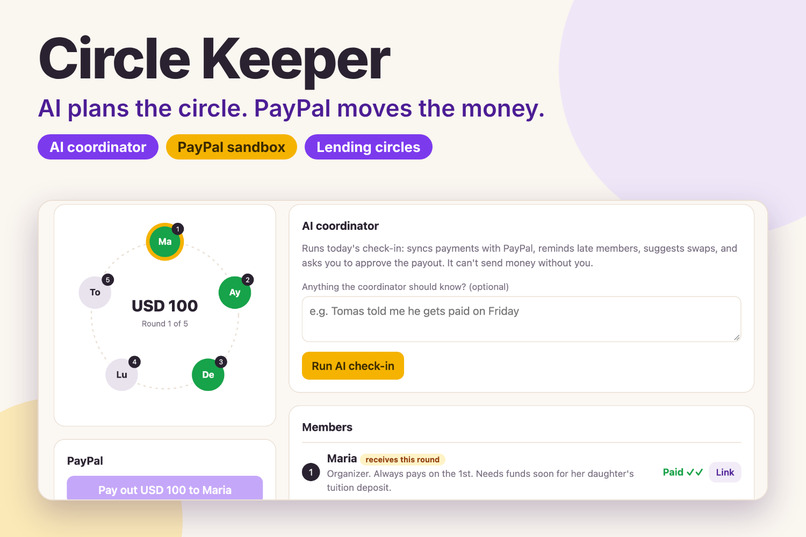
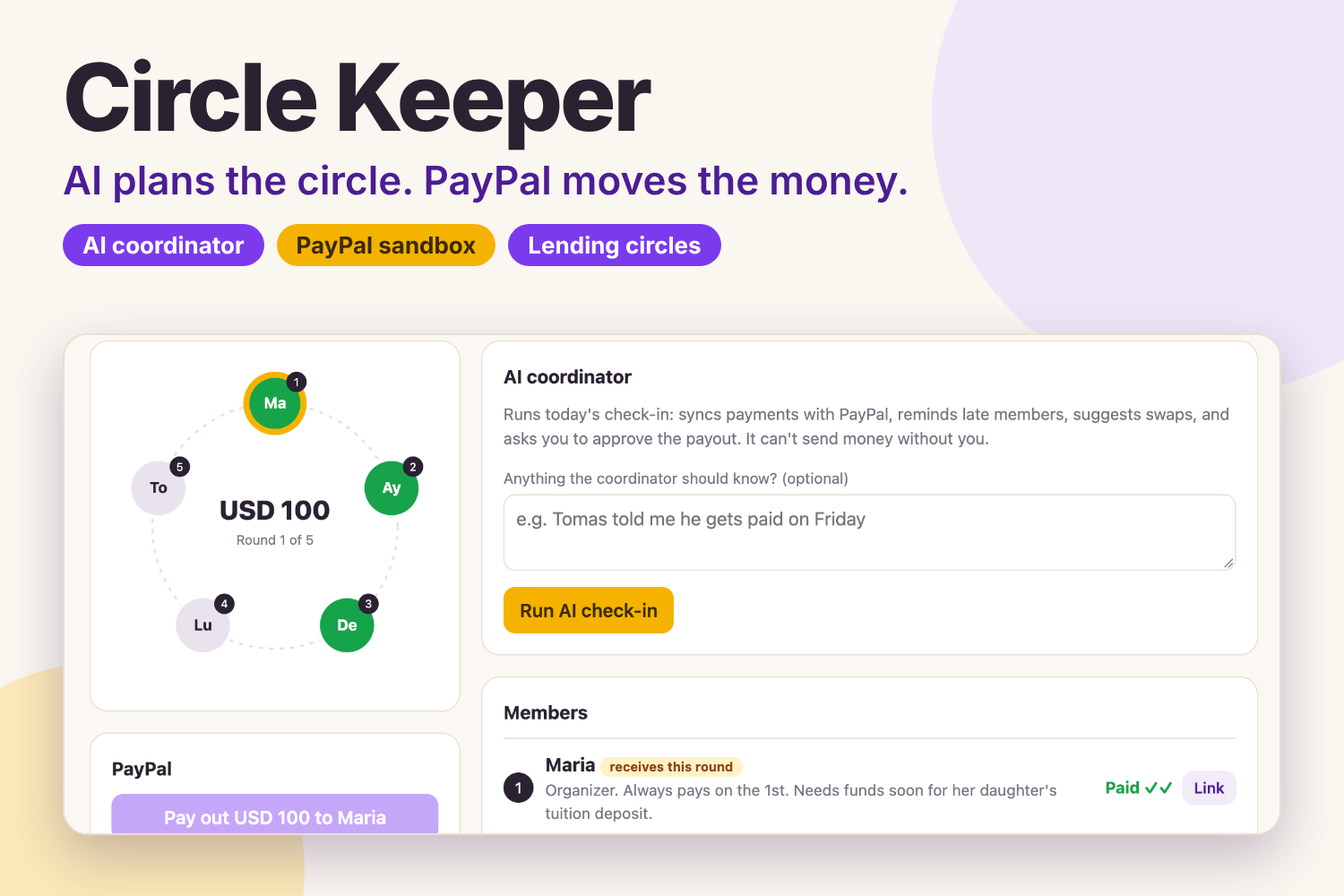
Circle Keeper: an AI coordinator for lending circles, with PayPal moving the money
Inspiration
I'm a computer science student and, in a field where women are still a minority, I wanted to build something that matters to real people, not just another chatbot demo.
When I started looking for a project at the intersection of AI and payments, I came across lending circles (tandas, susus, chit funds, hui), one of the oldest ways people save and borrow together. Everyone pays in each round and one person takes home the whole pot. It's a beautiful system built on trust, and millions of people still run it on group chats, spreadsheets, and one organizer's memory. That organizer has to remember who paid, chase whoever is late, and decide who gets the money when, all without a bank, a contract, or a tool built for the job.
That felt like a problem AI and PayPal could actually help with, so long as the organizer stays in charge. So I built the coordinator those circles never had: AI for the judgment calls, PayPal for the money, and a human approving every payout.
What it does
- Use AI for judgment and plain code for money. The agent can recommend an order, a tone, or a swap, but every money rule lives in deterministic code the organizer controls.
- Design for AI failure from day one. Timeouts, retries, fallback models, and honest error messages mattered as much as the happy path.
- Small prompt changes matter a lot. Spelling out what "firmer" means in each tier fixed what vague wording couldn't.
- I can ship a real payments product solo, fast. I went from an idea to a live PayPal sandbox app with an AI agent in four days, and I'm leaving this hackathon more confident building at that speed.
How I built it
Plain Node.js with zero npm dependencies and a plain HTML/JS frontend, hosted on Render. Gemini (with Claude as an alternative) powers the planner and agent.
The key design choice is that the AI advises and the code enforces. A payout is only possible when every member has paid, and it uses a deterministic batch ID per round so a repeated request can't pay twice. A member can't be charged twice in a round, and the agent can't remind someone who already paid or the same person twice in a day. These rules live in code, not in the prompt.
Challenges I ran into
- Keeping AI away from the money. It would have been easy to let the agent do everything. I limited it to advice and requests, because an AI that can move money on its own isn't something people should trust.
- AI reliability in the real world. Mid-build, my Gemini model was retired for new users, then hit "high demand" errors, then the agent's multi-step calls timed out. I added retries with backoff, fallback models, longer timeouts, and a rule-based fallback so the app keeps working when the AI is slow or down.
- Making tone visibly change. My first reminder prompt sounded identical at 1 and 10 days late. Spelling out what each tier should sound like made the escalation clear while staying kind.
- PayPal sandbox setup. Bulk-creating test accounts and getting Payouts working took trial and error.
Accomplishments that I am proud of
A full round works end to end on a live site: AI plans the order, five members pay through PayPal checkout, the organizer approves, and the pot lands in the recipient's PayPal account, with guardrails that keep it safe when the AI is wrong or unavailable.
What I learned
- Use AI for judgment and plain code for money. The agent can recommend an order, a tone, or a swap, but every money rule lives in deterministic code the organizer controls.
- Design for AI failure from day one. Timeouts, retries, fallback models, and honest error messages mattered as much as the happy path.
- Small prompt changes matter a lot. Spelling out what "firmer" means in each tier fixed what vague wording couldn't.
- I can ship a real payments product solo, fast. I went from an idea to a live PayPal sandbox app with an AI agent in four days, and I'm leaving this hackathon more confident building at that speed.
What's next for Circle Keeper by RY
Email and SMS reminders, real accounts, and PayPal's marketplace features so money moves between members without the app holding it. A real launch would also need KYC and compliance work for each country. This is a sandbox prototype.
**Try it: https://circle-keeper.onrender.com (sandbox only, no real money; test login is in the README)
