Our project “CircaLight” is a smart house system that implements circadian lighting. It is designed to show how lighting systems can adapt to human biological rhythms to enhance comfort, well-being, and productivity.
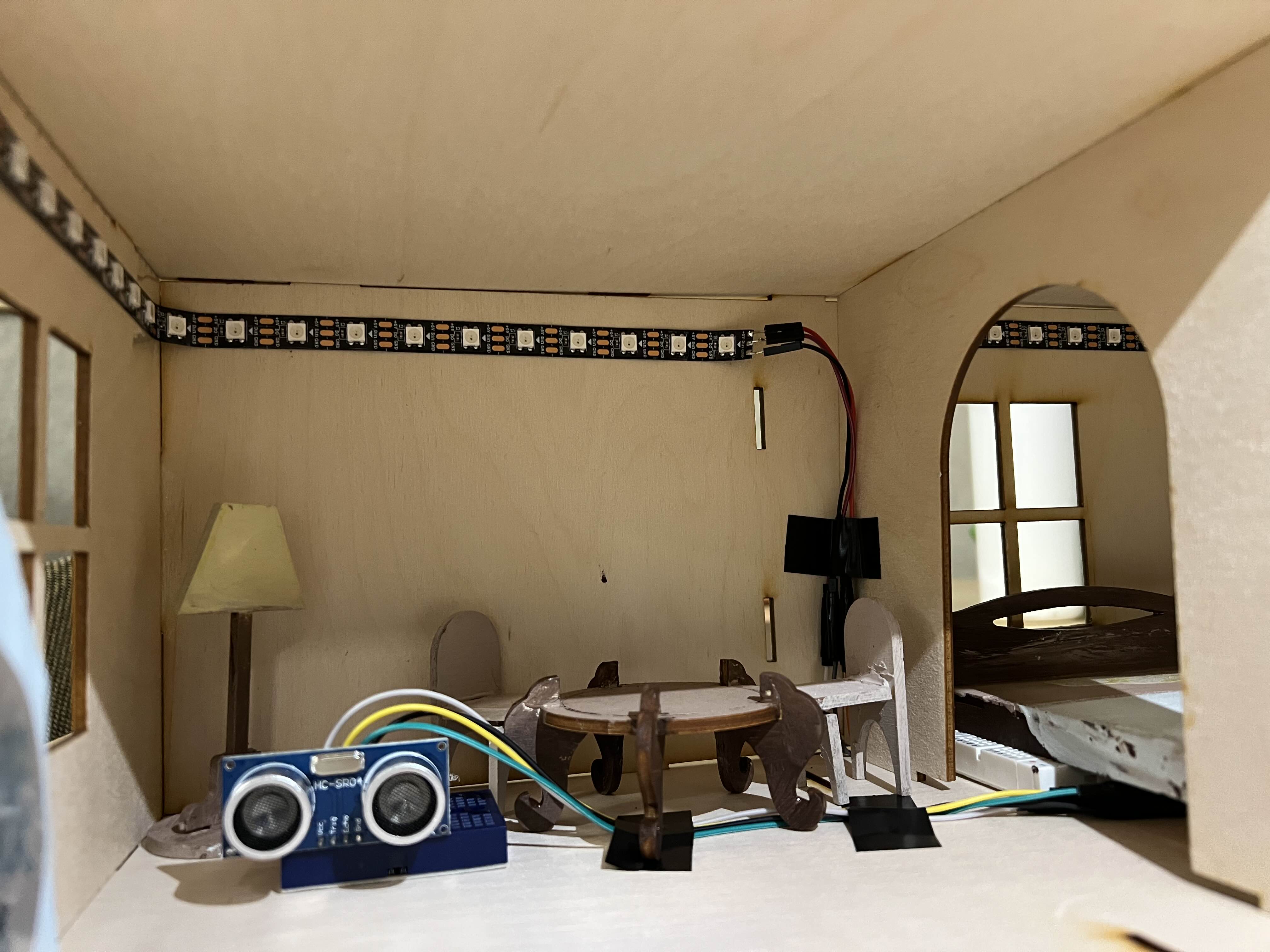
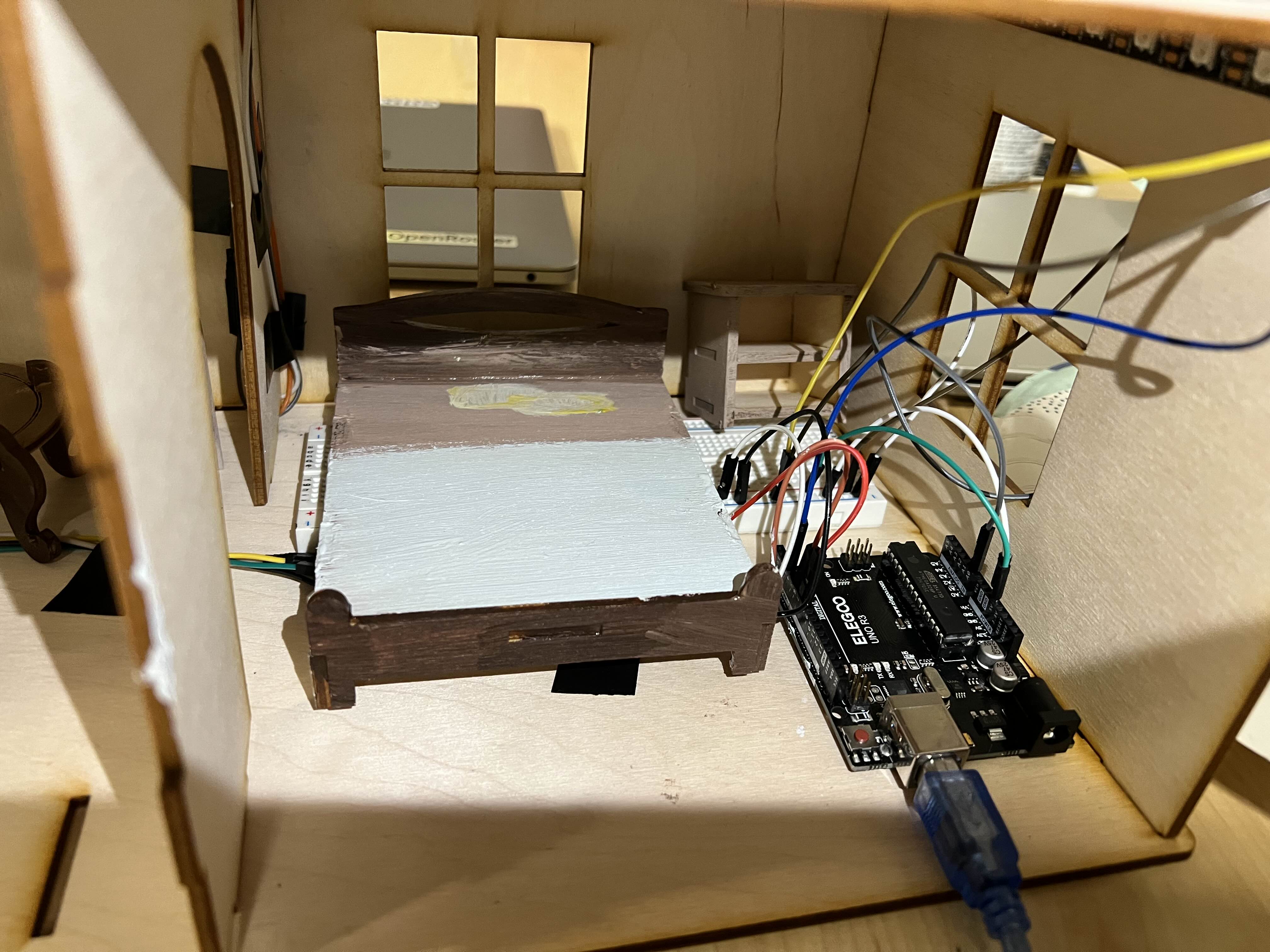
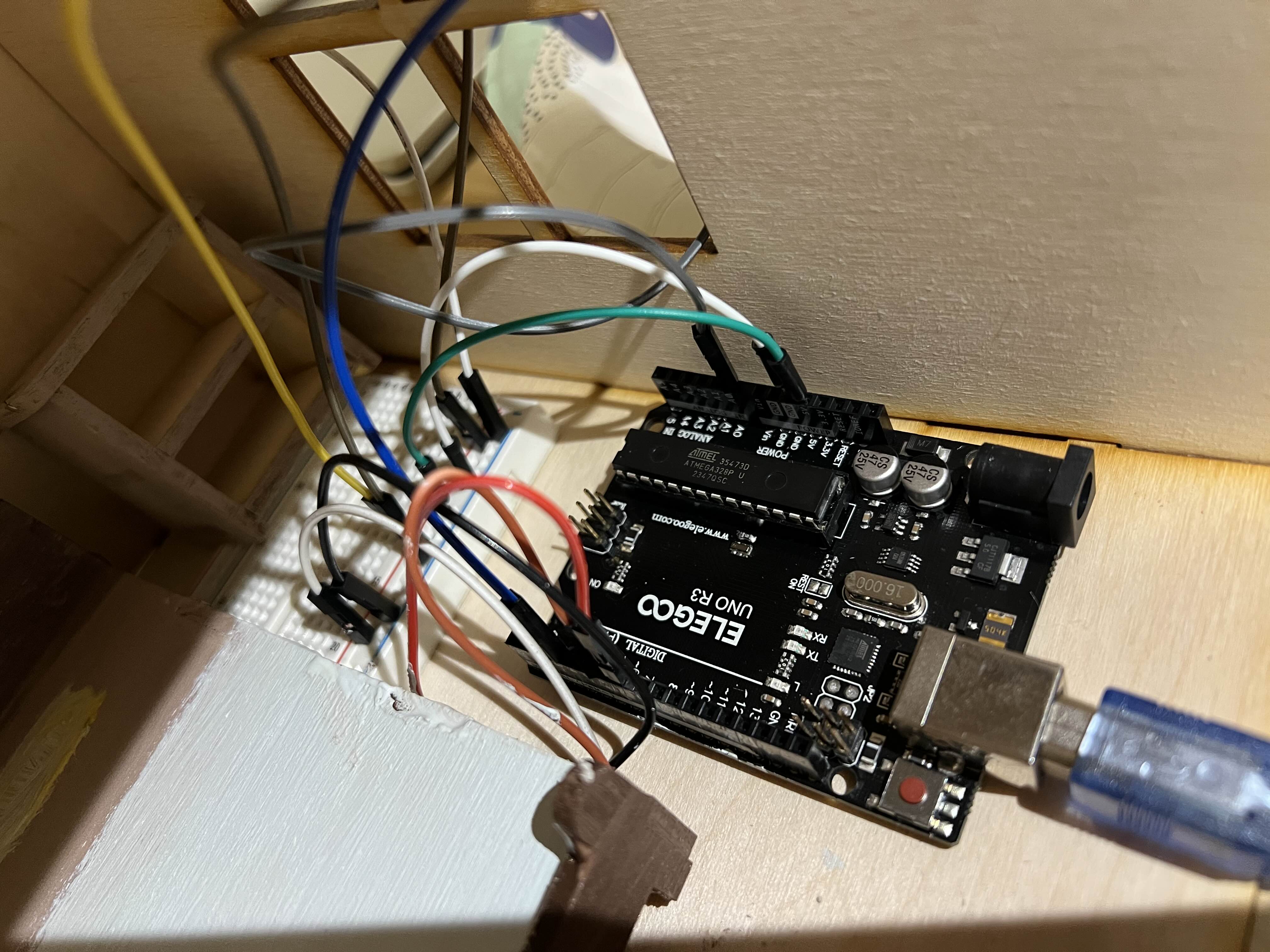
We built our circadian rhythm lighting system using an Arduino UNO R3 to control the entire setup inside a model house. LED strips were programmed to automatically adjust brightness and color over time, simulating natural daylight patterns throughout the day.
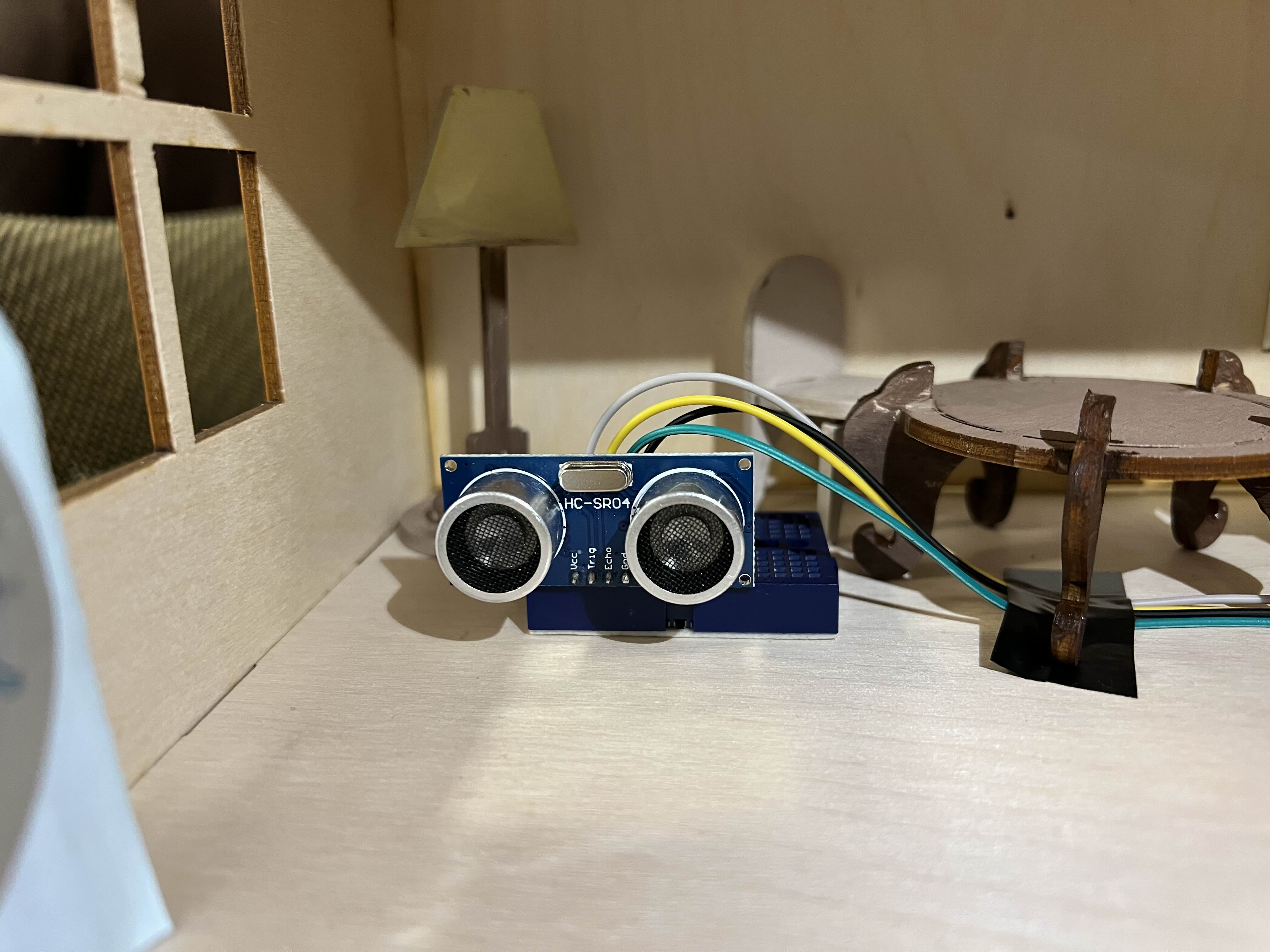
An ultrasonic sensor was added for basic detection and interaction, allowing the lights to respond when someone is nearby. Once programmed, the system runs automatically, demonstrating how lighting can adapt to time and presence to support circadian rhythms.
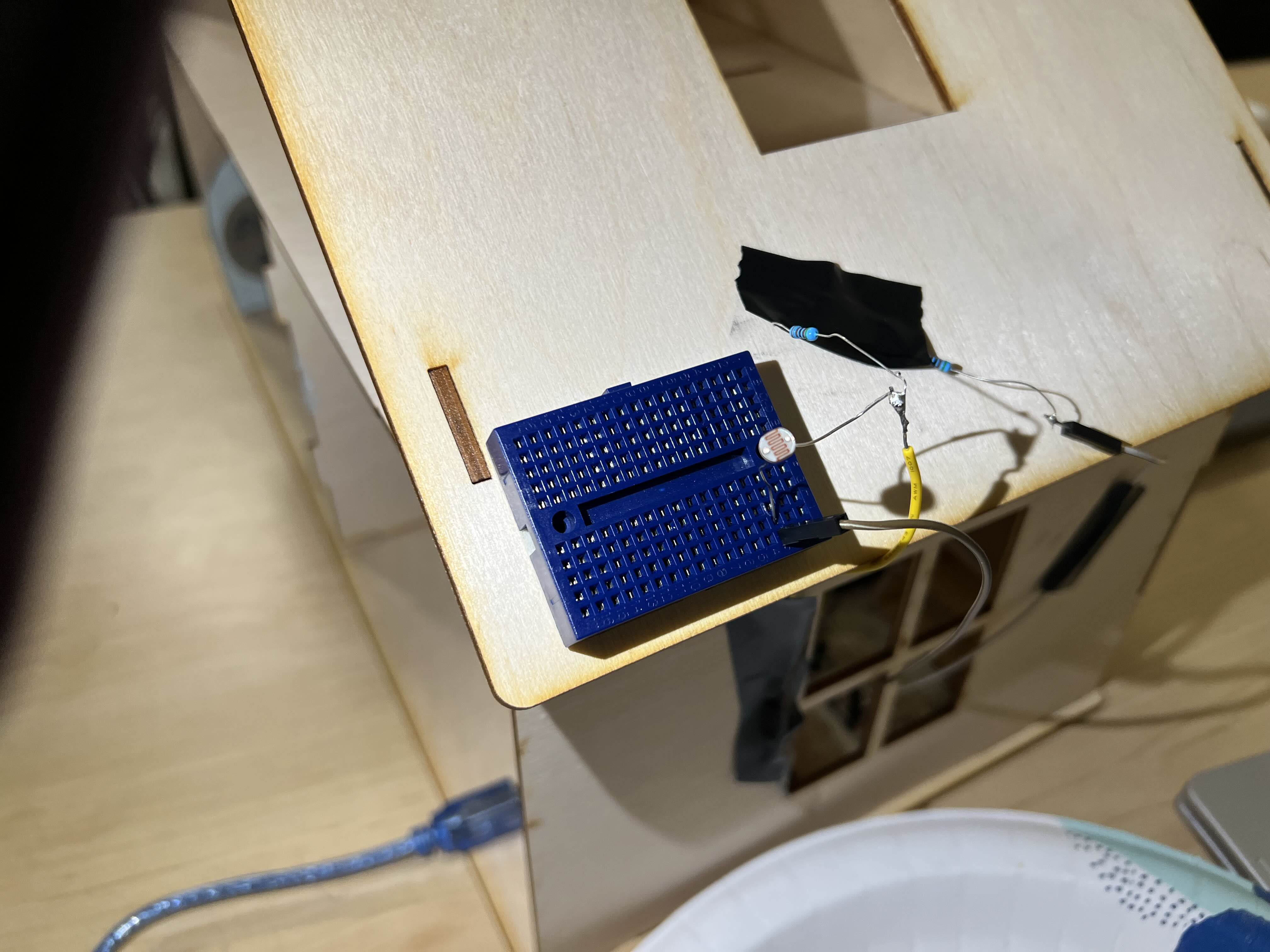
One of our main challenges was hardware compatibility, as the Qwiic sensor we initially planned to use did not work with the Arduino Uno R3, forcing us to pivot tracks. We also faced hardware reliability issues with our LED strips due to faulty soldering, which led us to redesign and simplify the lighting layout. Finally, we had to iterate on our code to fine-tune the distance sensor and photoresistor so the system behaved smoothly and reliably.
Despite these challenges, we’re proud that we adapted quickly, redesigned our system, and successfully built a reliable final prototype.
Next for CircaLight, we plan to improve sensor accuracy and further refine the lighting transitions to better match natural circadian rhythms. We also want to explore additional sensors, such as time-based controls or mobile integration, to make the system more personalized and scalable beyond a prototype.

Log in or sign up for Devpost to join the conversation.