-
-
-
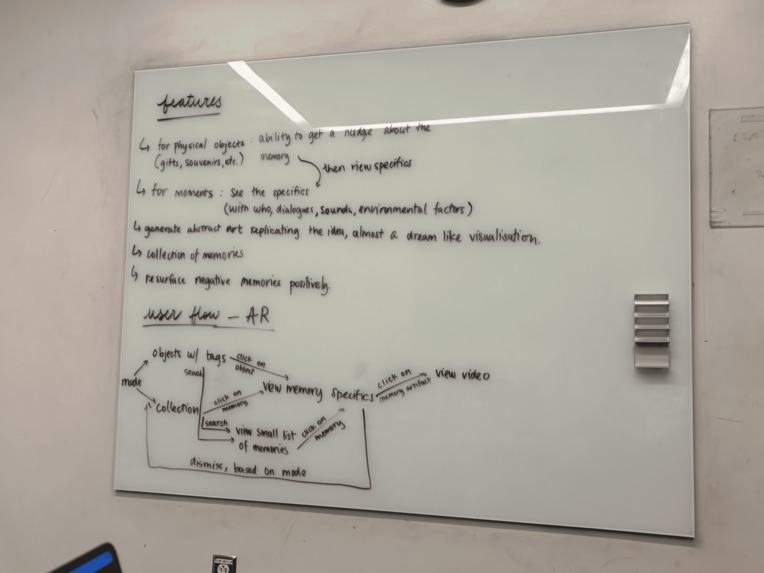
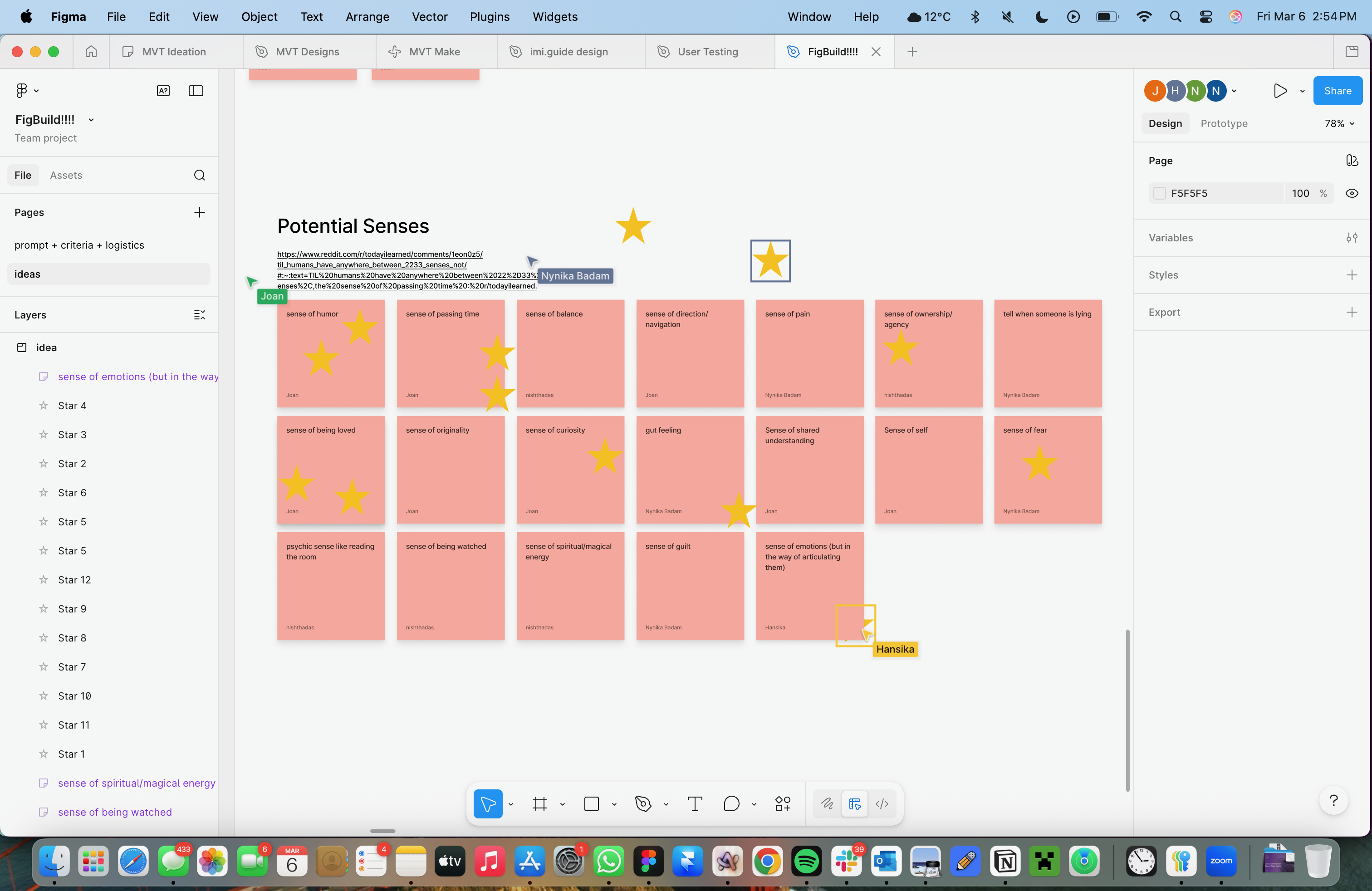
Initial brainstorming!
-
-
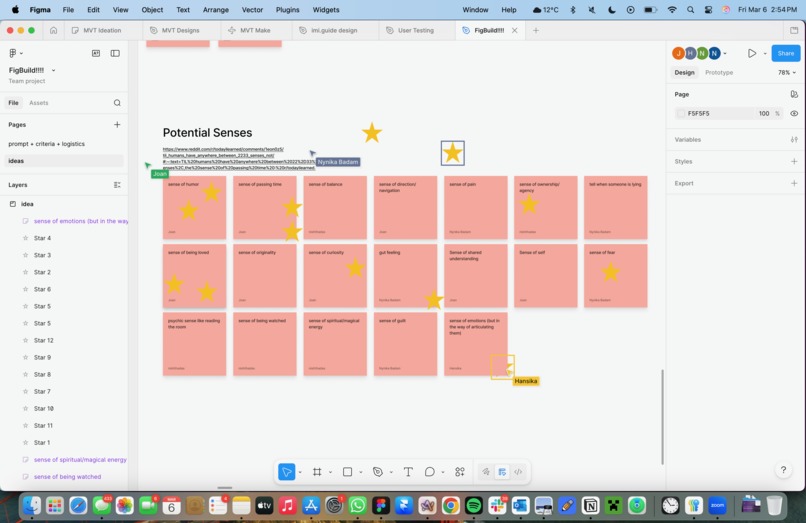
Deciding a sense
-
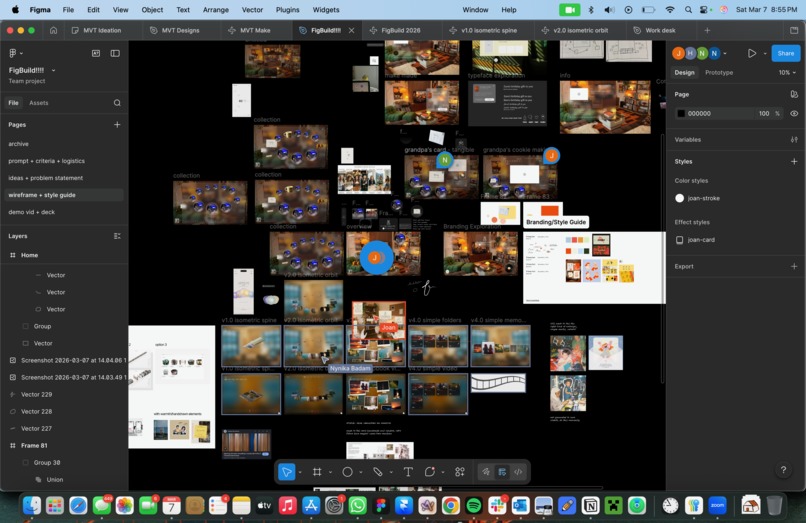
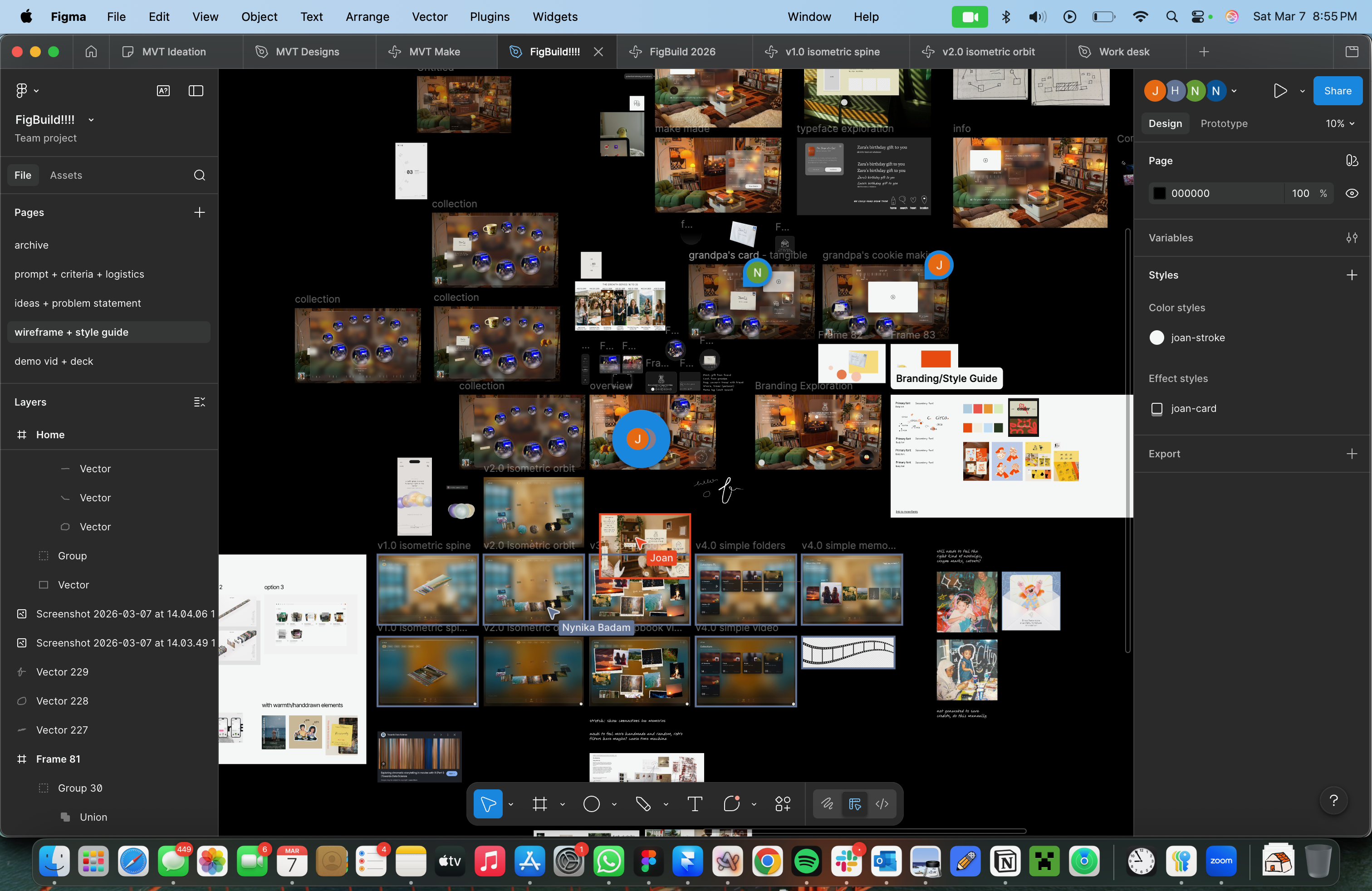
Deep in the design iteration process
Inspiration
The passage of time is an entirely mental and individual experience as well as an abstract concept that hasn't been measured, tracked, or utilized. Our team was fascinated with how nostalgia is its own version of how a person feels the passing of time, and wanted to explore it further.
What it does
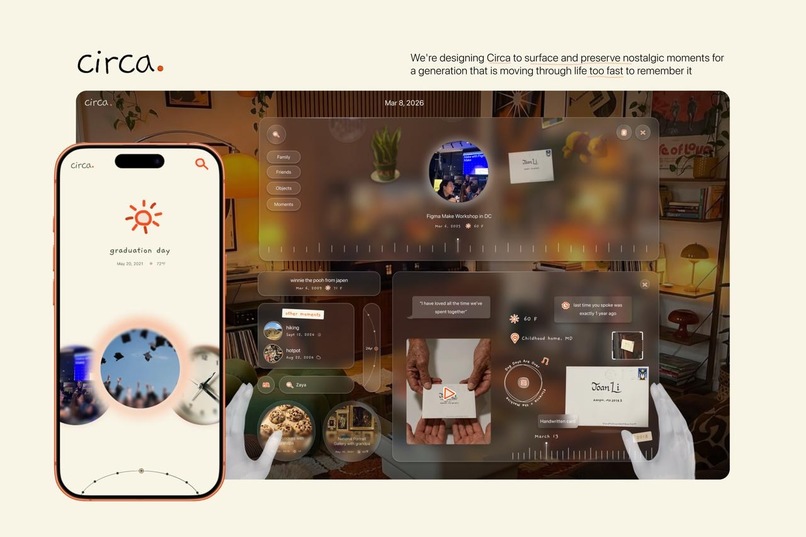
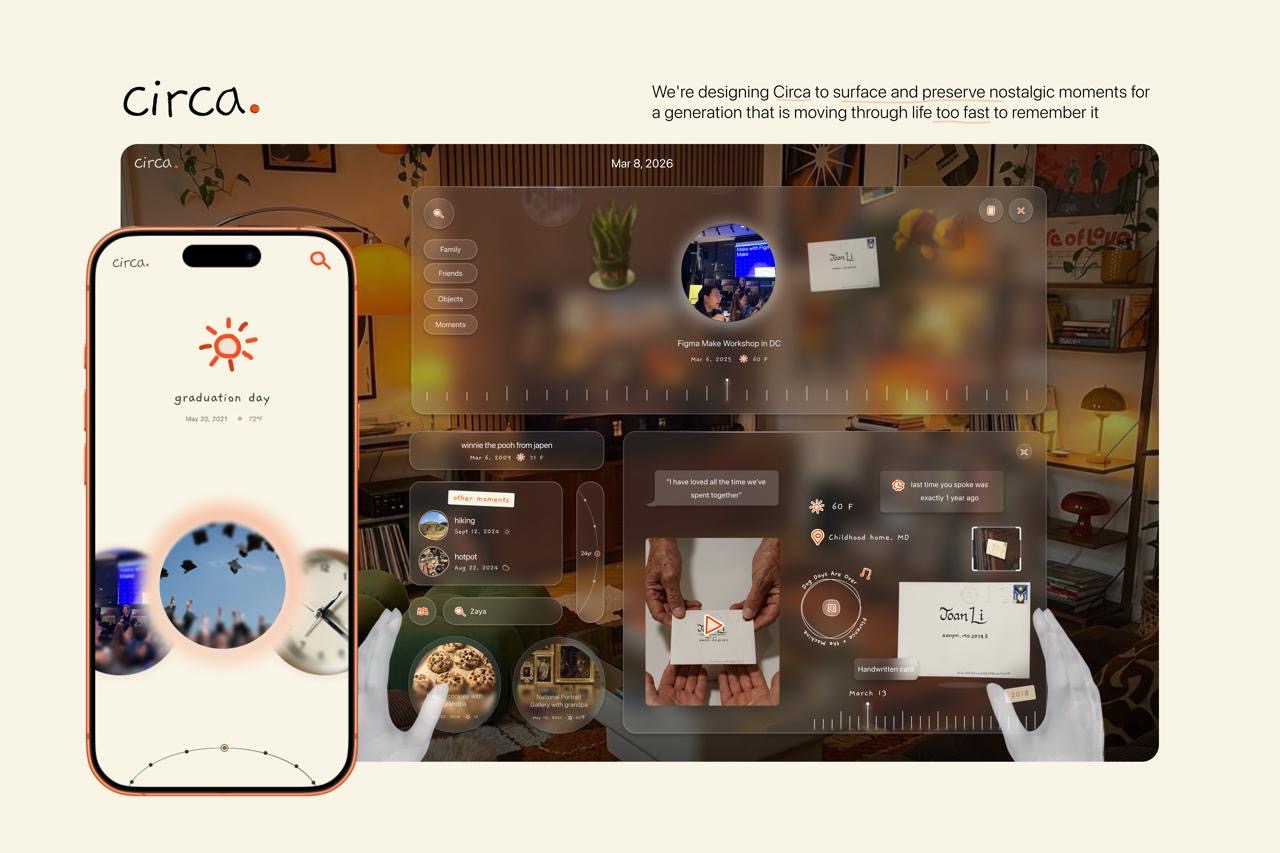
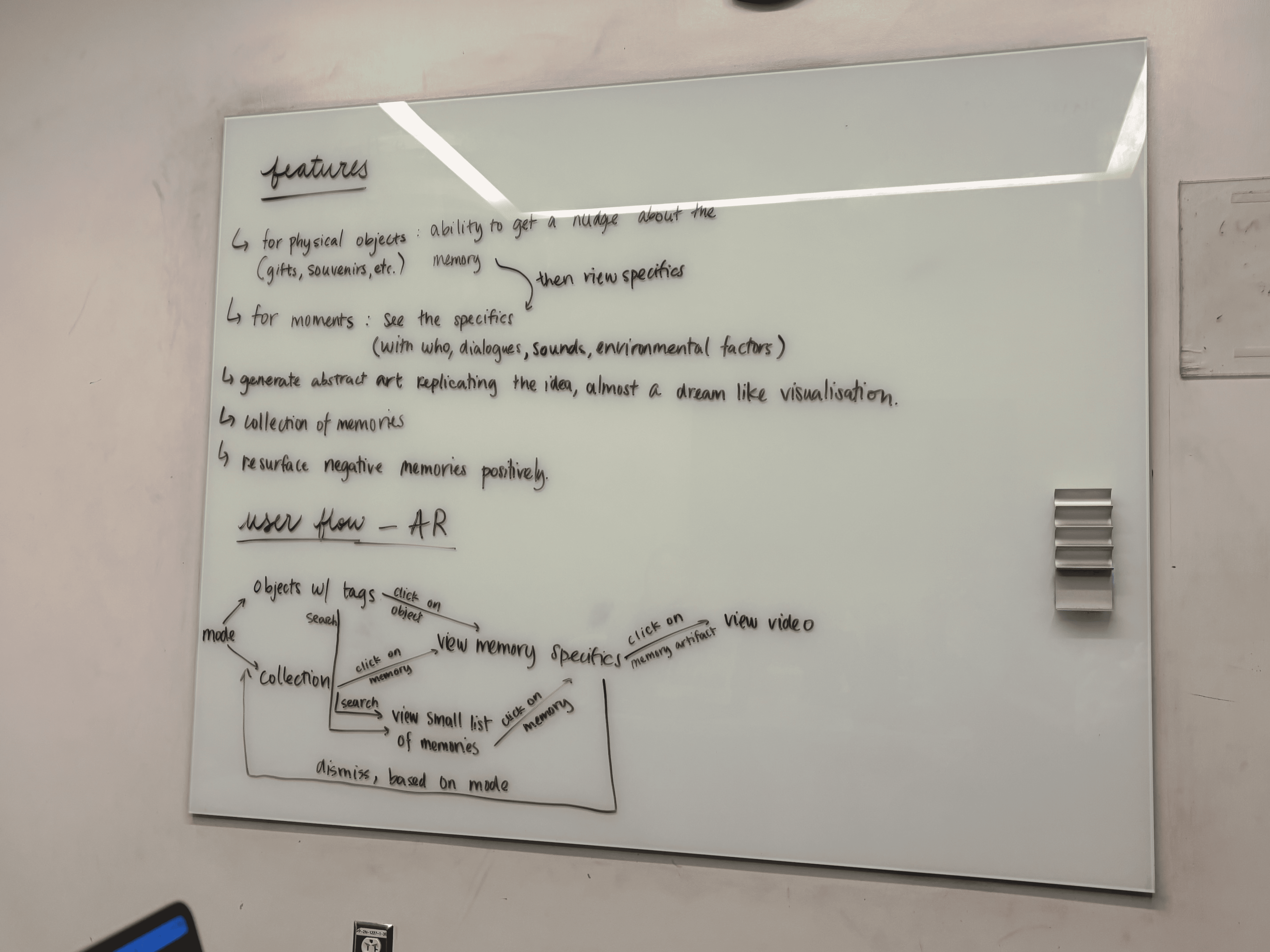
Circa is an AR (Augmented Reality) and mobile interface that allows users to register and visualize how time has passed in their lives. The product is based in nostalgia, where a user can use AR to recognize tangible items in their surroundings and connect to data like the date, people, feelings, environment, and even a snapshot of the first interaction with the item. Similarly, users are also able to track intangible memories within the AR or mobile interface (on-the-go), either searching through collections of memories or filtering by keywords.
How we built it
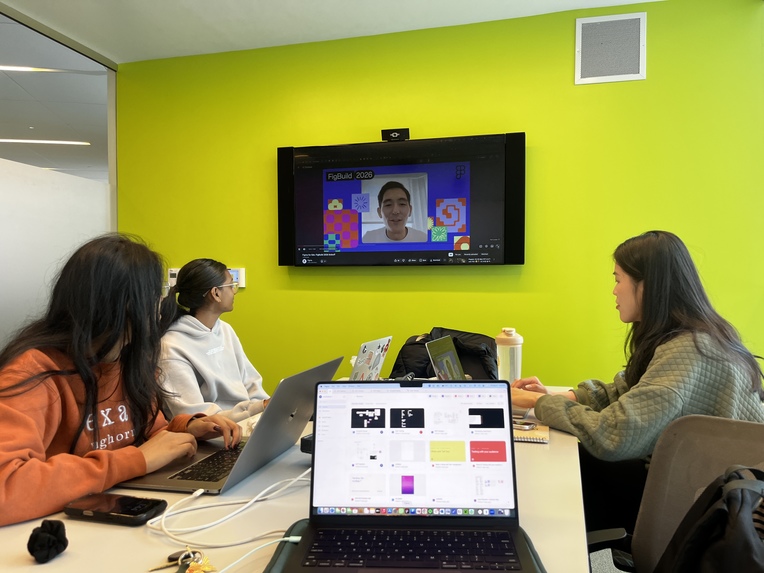
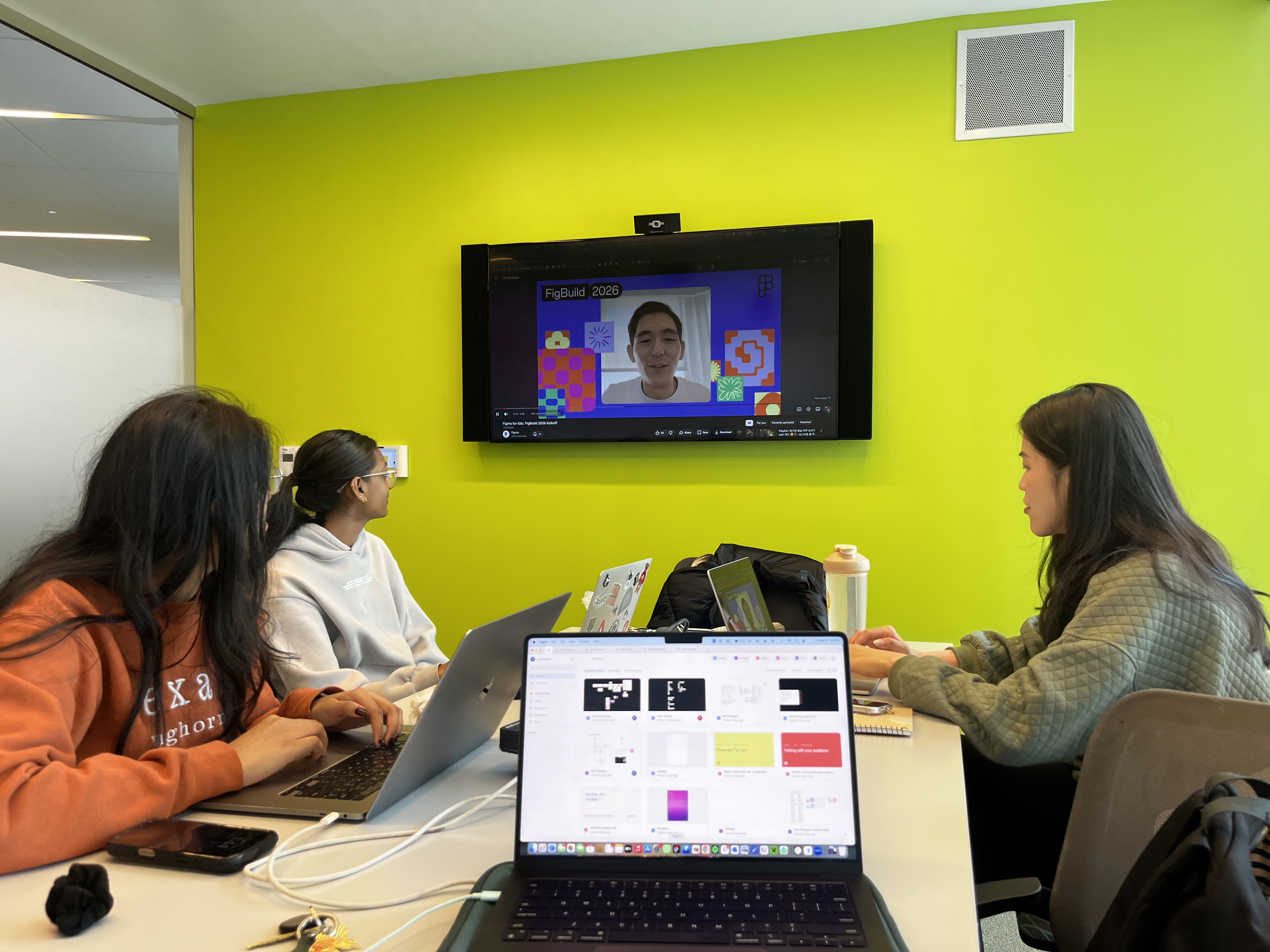
The team started with brainstorming unconventional senses that go beyond the basics and well-known physical ones. Our goal was to choose something complex but also widely applicable, allowing us to take the idea as far as we can. After landing on the sense of passing time, we established a problem statement, created vision boards to establish brand identity, and began wireframing. During multiple rounds of iteration going from low to high fidelity, we were able to simultaneously define our three user stories. For each story, we established the trigger, action, and value of circa in that scenario, applying these concepts to the final prototypes. Prototyping included iterating and ideating interactions and screens within Figma Make, and eventually creating most final designs in Figma Design.
Challenges we ran into
One of our biggest challenges was choosing a sense to tackle - there were so many to choose from with different scopes! In order to eventually land on one, we focused on what final impact would look like. Would it be possible for a user to experience a behavior change or achieve a wellness goal? Another challenge we faced was navigating Figma Make and its capabilities. Through hours of generating, debugging within the code, and moving between Make and Design, our team was able to figure out the best workflow for us.
Accomplishments that we're proud of
Across the course of the past 3.5 days, our team was able to establish a distinct brand identity utilizing personable hand drawn elements, prototype three distinct user flows consisting of more than 3 fleshed out unique features, and bridge the gap between AR and mobile within our solution. Our team is incredibly proud of this and more!
What we learned
We learned both hard and soft skills - how to integrate AI and Figma Make into our design workflows, design for AR UI and its consequent considerations, and even some light CapCut skills. Additionally, how to overcome group indecision, prioritize tasks for an MVP, overcome creative blocks, and provide productive critique.
What's next for circa
We hope to test current prototypes with users; this feedback would be vital in iterating and improving our product. Although the technology to support circa doesn't exist yet, we believe it would create long-lasting impact on users and their memories.
Built With
- capcut
- chatgpt
- claude
- figma
- figmadesign
- figmamake
- figmaslides
- imovie


Log in or sign up for Devpost to join the conversation.