-
-
Logo
-
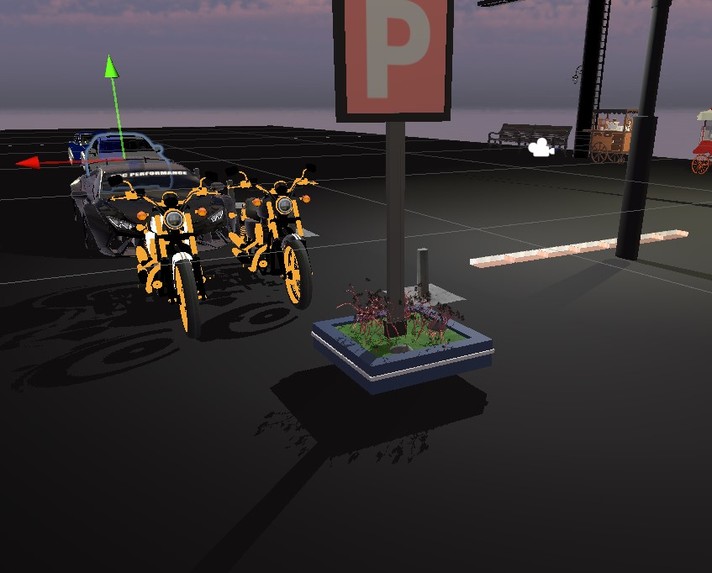
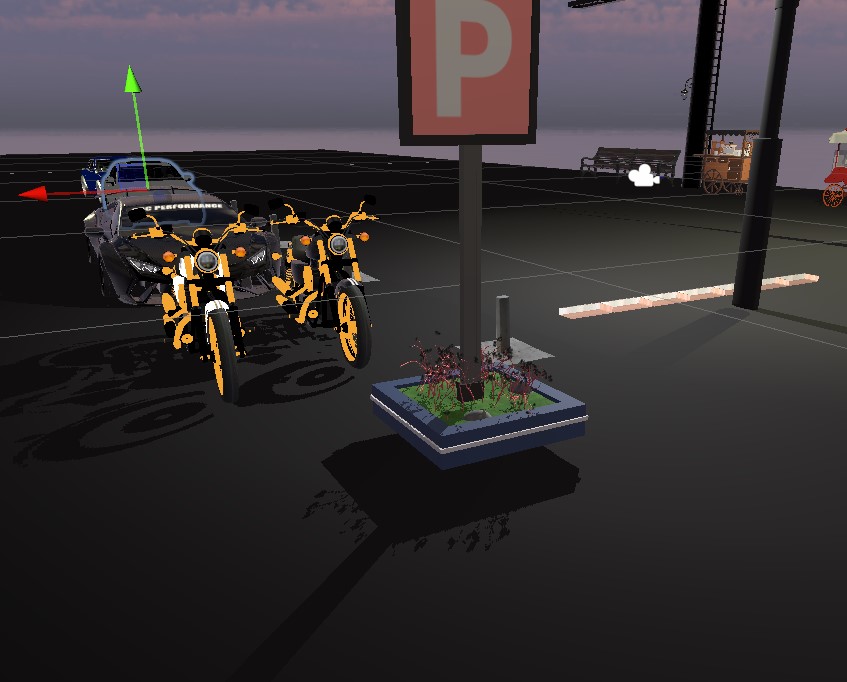
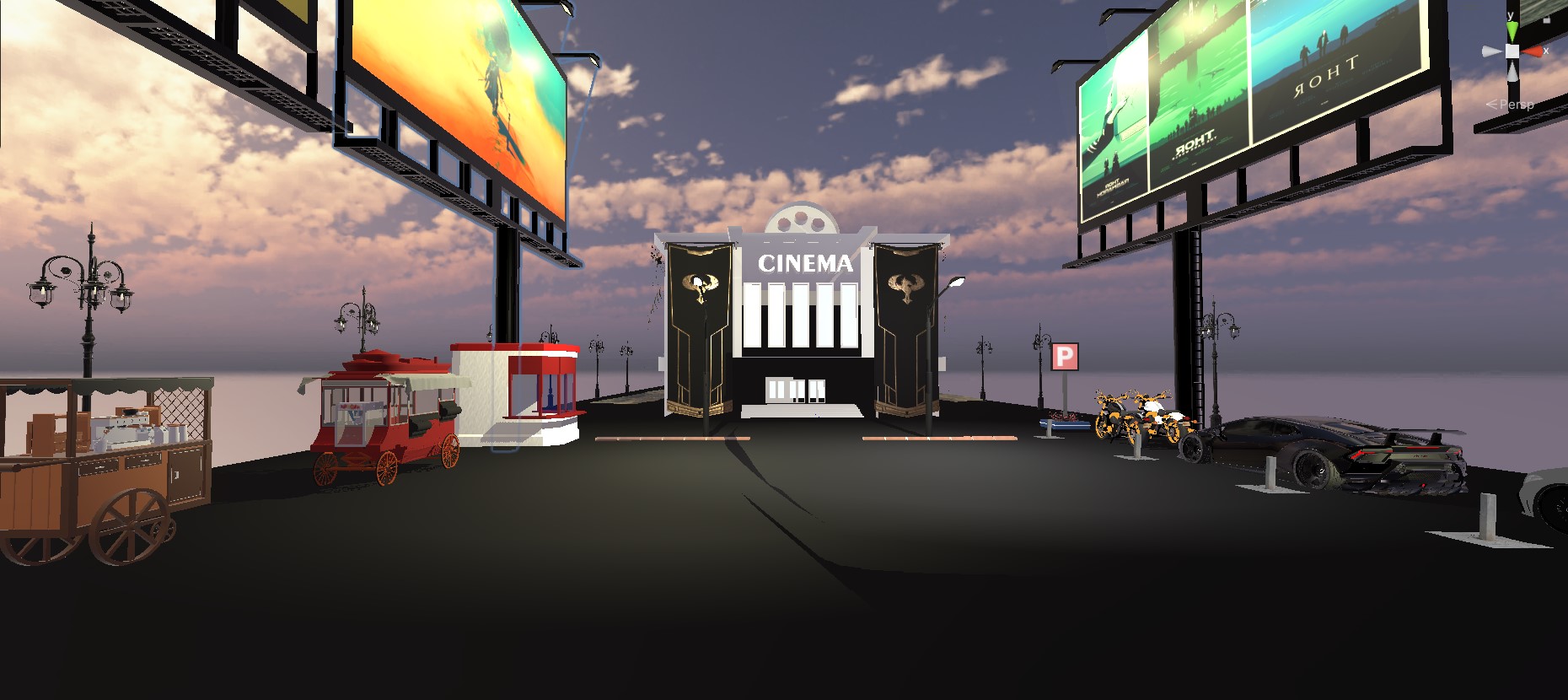
The surrounding virtual environment
-
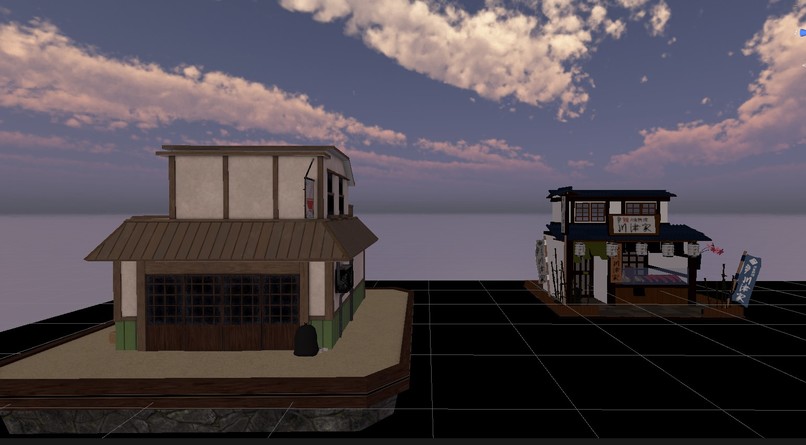
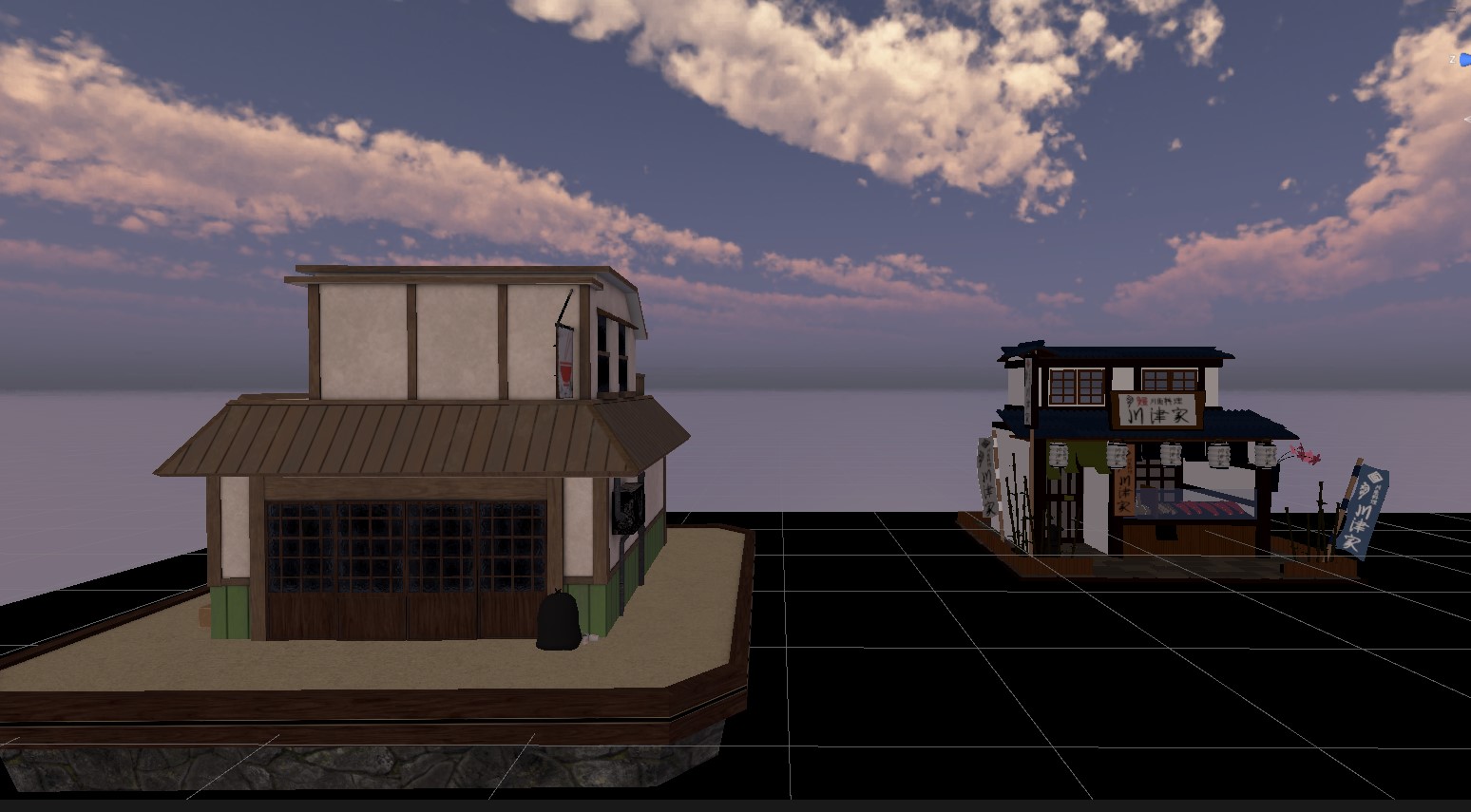
The Resturants behind the Theater
-
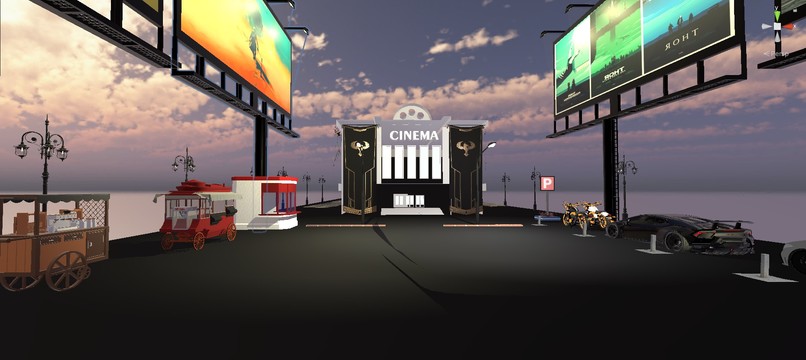
The actual theater
-
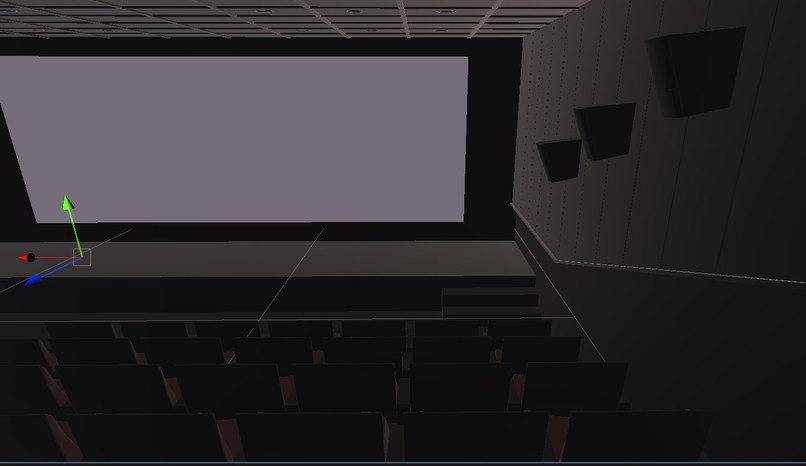
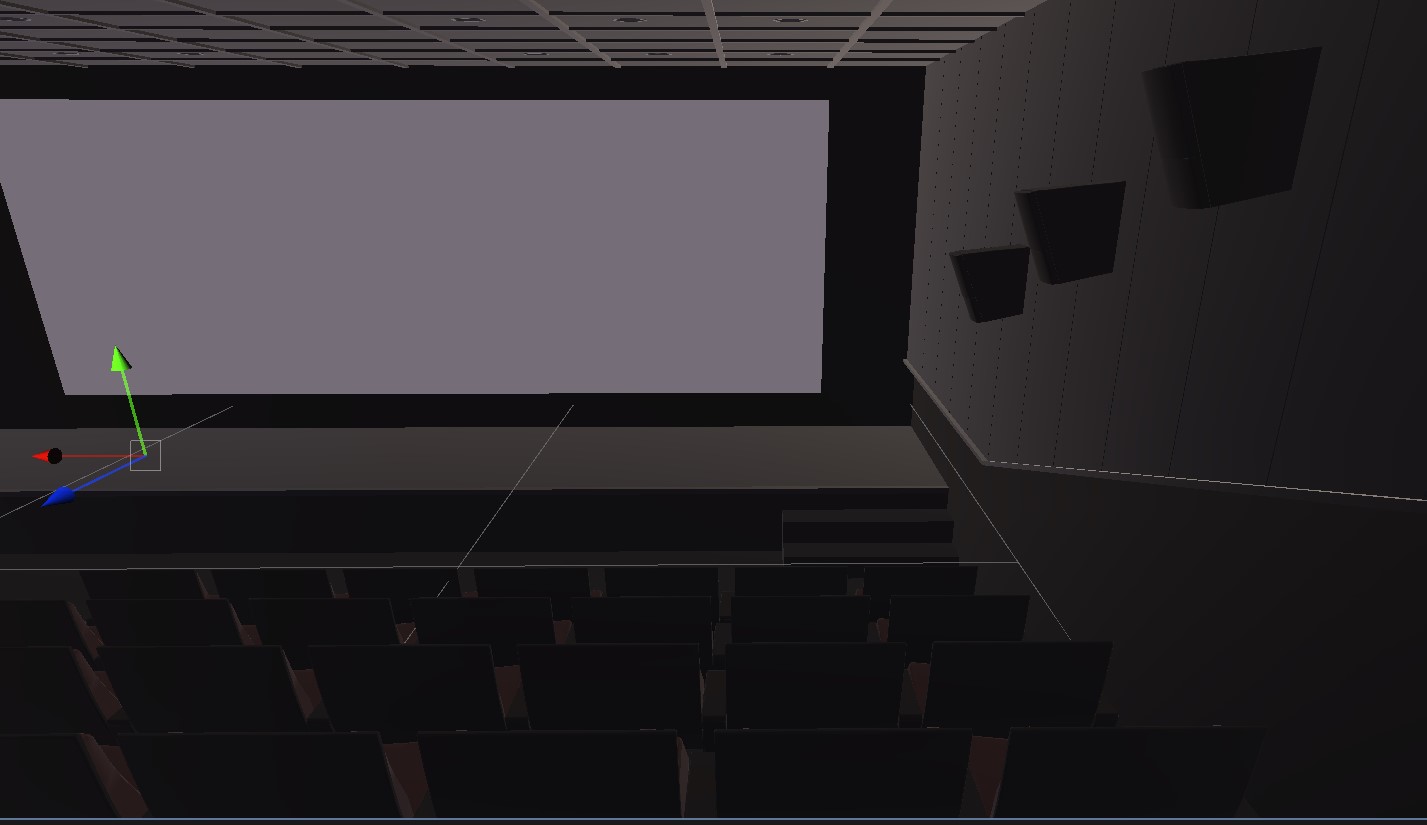
Movie watching space
-
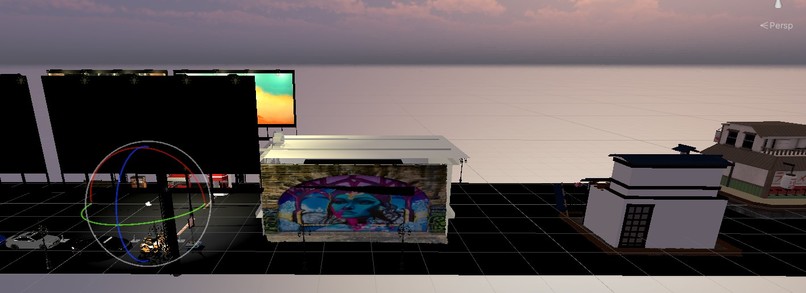
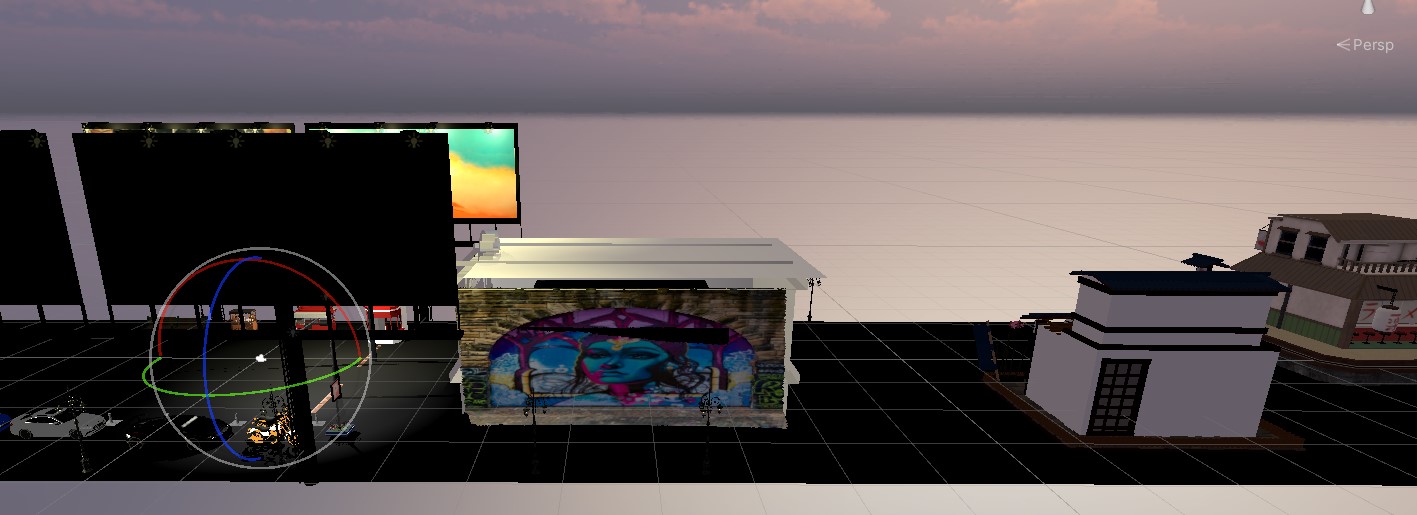
Birds Eye view

Inspiration
I am a huge movie buff and have thousands of movies on my list on Letterboxed. I tick them off one by one every single week and end up watching quite a lot of movies. But during one of these movie-watching sessions, I started thinking about how many times I had been to the movies after the pandemic and I was able to count them on one hand. I had been to the movies in an actual theatre 4 times but had watched over 300 movies in the same 2-year span. This is what inspired me to make this virtual movie theatre where you can all the joys of visiting a cinema from the comfort of your couch and maybe even meet a few new people you watch the movies with. In doing research for this I found out multiple single-screen movie theatres in my neighbourhood going out of business and I thought what better way to help them than to drag them into the modern and progressing world of VR by recreating their movie theatres in VR and giving them a chunk of the ticket sales from our website. This also spurred on the idea to include a geo-location service which allows us to have users from your neighbourhood share the same VR space with you allowing you to interact and watch the movies with people like one would in a movie theater.
What it does
CineVR is a cutting-edge and forward-thinking solution that aspires to transform the movie-watching experience via the merger of virtual reality and the preservation of local movie theatres. Our platform not only transports the magic of films into the virtual sphere, but it also plays an important role in supporting and preserving local movie facilities. When you buy tickets via CineVR, a percentage of the proceeds is donated to our affiliated local movie theatres, giving them much-needed financial assistance and contributing to their long-term existence. CineVR has a large library of films covering all genres and languages, giving consumers a wide range of options. Viewers are taken to painstakingly constructed virtual theatres that nearly match the ambience of their local movie theatres using cutting-edge Oculus Quest technology. This novel strategy builds a sense of community by linking users with like-minded others in their immediate vicinity, allowing for shared movie-watching experiences and the potential for new social relationships. Our user-friendly and simple website offers a smooth online ticketing system, allowing consumers to easily explore movie selections, choose their preferred showtime, and securely purchase tickets. Users receive a downloaded APK after completing the transaction, providing them with unique access to the immersive virtual movie theatre experience.
Immerse yourself in the enthralling world of CineVR, where films are brought to life with unrivalled realism and where supporting local movie theatres is central to our goal. Join us as we transform the way people watch films, develop a sense of community, and contribute to the long-term viability of local cinemas. Welcome to CineVR, where virtual reality blends with cinema's tradition in a genuinely transformational way.
How we built it
In our project, Unity served as the primary game engine for creating the virtual theater experience. We utilized C# scripts to implement smooth navigation, walking, and flying functionalities within the virtual environment. These scripts ensured seamless camera movements, allowing users to explore the virtual theater effortlessly. By combining walking and flying capabilities, users could freely navigate and interact within the virtual space, enhancing their immersion and engagement.
When it came to constructing the virtual theater in Blender, we incorporated reference images sourced from the internet. These reference images included visuals of a local movie theater, allowing us to accurately model its architectural details and overall ambiance. Additionally, we took reference images of surrounding restaurants and carts commonly found near theaters to create a complete and realistic virtual environment.
Using Blender's powerful 3D modeling tools, we meticulously recreated the theater's structure, ensuring that it closely resembled its real-world counterpart. By paying close attention to architectural nuances and interior layouts, we aimed to deliver an authentic theater experience within the virtual realm. The inclusion of surrounding establishments such as restaurants and carts further enriched the environment, adding depth and enhancing the overall immersive experience.
During the initial demo build, we seamlessly integrated the modeled theater, surrounding establishments, and other relevant assets. This allowed users to explore and interact within a comprehensive virtual theatre environment, simulating the atmosphere of visiting a local movie theatre, complete with nearby amenities.
By incorporating C# scripts in Unity for smooth navigation and utilizing Blender's modelling capabilities to recreate real-world references, our project aimed to provide users with a captivating and lifelike virtual movie theatre experience. For the website development, we utilized HTML, CSS, and JavaScript to create an intuitive and interactive user interface. Python served as the programming language for implementing various functionalities, including the recommendation system. We leveraged several datasets such as the IMDB 5000 Movie Dataset, The Movies Dataset, and curated lists of movies from 2018 to 2020 to train our recommendation system and provide personalized movie suggestions to users.
To seamlessly connect the virtual theatre experience with the website, we plan to utilize either Flask or Django, both powerful Python web frameworks. These frameworks will enable us to establish a smooth integration between the virtual theatre and the website, automating the process of delivering personalized and immersive movie-watching experiences to our users. We also plan to deploy the website using Google Cloud or something like Heroku but haven't done so due to the cost of those platforms over time.
Challenges we ran into
The main challenges we ran into were building the theatres and then making it smooth in VR. The connection between the front end and back end was also a huge challenge we faced.
Accomplishments that we're proud of
The main accomplishment we are proud of is coming up with a movie recommendation system to suggest movies to the user. We were able to learn from tutorials online and then make our own work . Along with that, the model came out really well which we are also really proud of making the environment look gorgeous
What we learned
We learned about new machine learning resources and also found out how to design a website using Figma and how to make it work as a piece of code.We also learned about the challenges of developing a software and a solution from top to button and all the trials and tribulations it throws up
What's next for CineStream
We plan to utilize either Flask or Django, both powerful Python web frameworks. These frameworks will enable us to establish a smooth integration between the virtual theatre and the website, automating the process of delivering personalized and immersive movie-watching experiences to our users. We also plan to deploy the website using Google Cloud or something like Heroku but haven't done so due to the cost of those platforms over time.


Log in or sign up for Devpost to join the conversation.