-
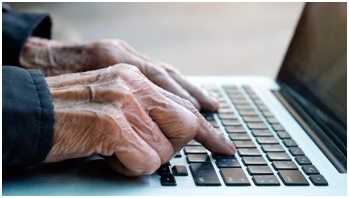
Digital inclusion course for the elderly.
-
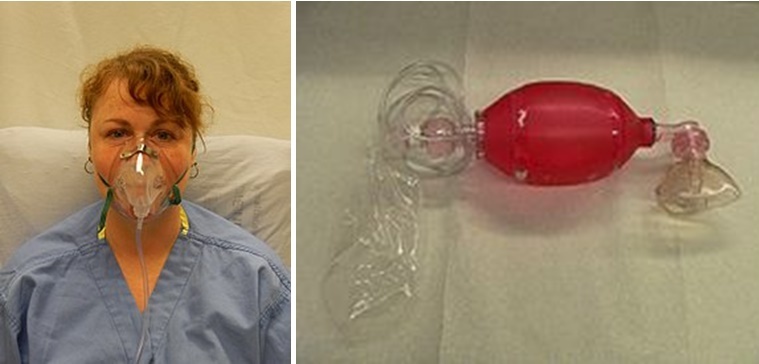
Prepare the population to prevent Covid-19
Inspiration
Prepare society to live a better world, eradicate hunger, disease and think about the challenge of recycling electronic waste.
What it does
This Project is inspired by the challenges that make up the objectives of sustainable development of the 2030 agenda outlined by the United Nations. Based on this, we focus on Objectives 3 and 4 (Health and well-being, quality education). The first one highlights awareness, lectures and the dissemination of newsletters about the right destination and the danger of electronic waste in our lives, while the second aimed at creating an information technology community through the computer school, which in turn brings the free digital inclusion course for the elderly.
What we learned
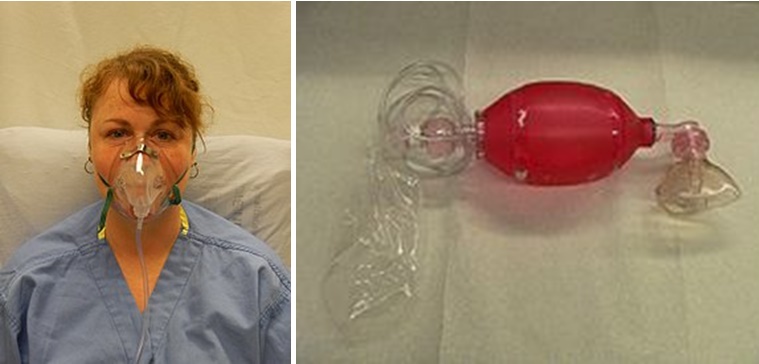
During this worldwide fight over the coronavirus we learned that it is important to encourage elderly people to exercise and some treatments to improve the respiratory system and increase immunity.
What's next for CIDADANIA ATIVA ʺCATIVAʺ (ACTIVE CITIZENSHIP)
The general objective of the project aims to create a computer school as the nucleus of the community with a view to the digital inclusion of entities and city dwellers in Bissau with the purpose of integrating professionals and students in order to acquire the same level of knowledge with regard to microinformatics, efficient use of electric energy, concepts and practice of correct disposal of electronic waste and tips from a good internet user considering cybercrime and the danger of electromagnetic radiation in growing up, this material is provided not only for students who attend the establishment but for all employees of the training center through a newsletter that develops current concepts and themes.
Digital inclusion course
Guinea-Bissau is a very backward country and, with regard to technological development. From 2000 to 2006, access to the computer and the internet was the scene of many routes covered by overhead cables of the conventional telephone system of the then operator ʺGuine Telecomʺ, which provided internet for institutions, the majority of the companies were Companies, Embassies and Ministries with lower speeds than 54 kbsp due to poor quality of telephone lines at the time. This phenomenon left behind many adult people who, from this point of view, consider the computer as a new generation thing and not as an auxiliary prototype for all professionals in all areas of human work and without even counting on the appearance of other prototypes such as a tablet, smartphone and others, this makes the elderly population focused on activity and in shape to face cardiovascular diseases and Covid-19.
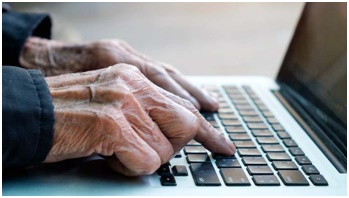
The digital inclusion of the elderly has been an attempted project in different countries, in order to insert people over 60 years in the information society and democratize access to new technologies. The right to this facility to communicate is provided for in the universal access program provided by the telecommunications regulatory entities that intends to take communication to any point in a given country through a fund of contributions from telecommunications operators to a given government in a country Guinea-Bissau had a long delay in terms of technological development due to poverty and the low level of education, based on this problem, CATIVA adopts the digital inclusion course for the elderly from 55 to 69 years.
Log in or sign up for Devpost to join the conversation.