-
-
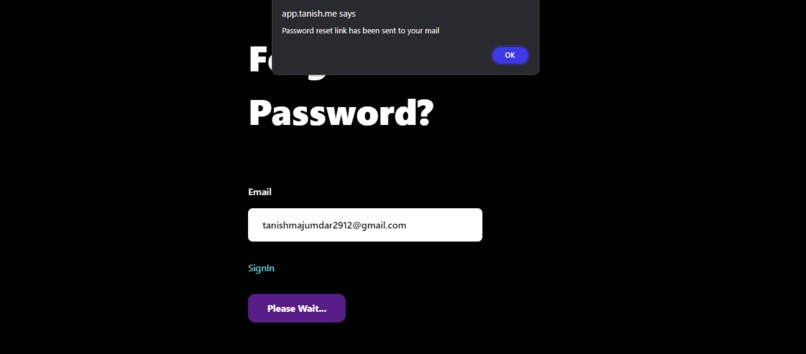
Profile search for forgot password
-
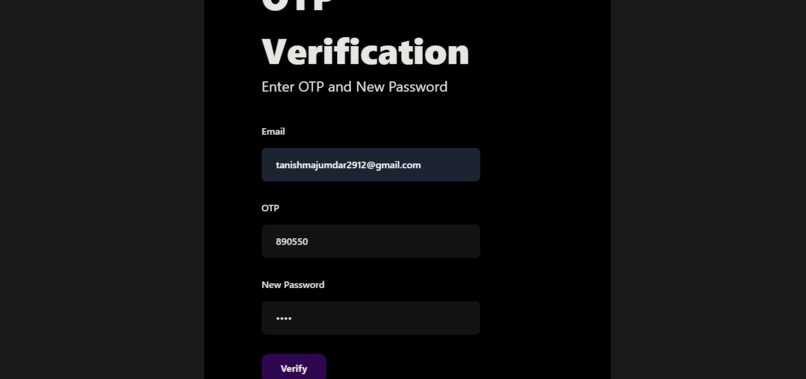
Change password
-
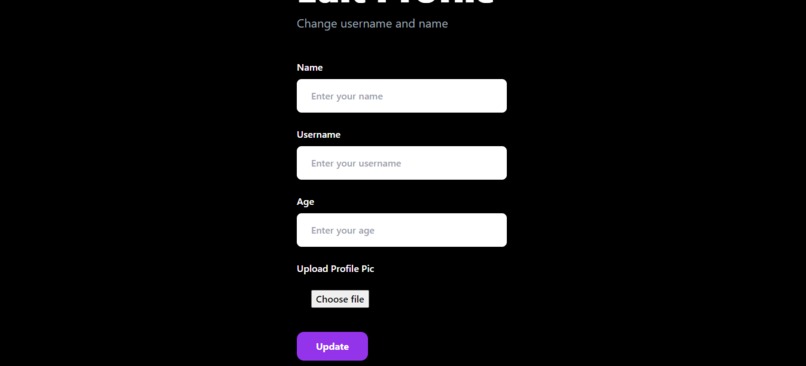
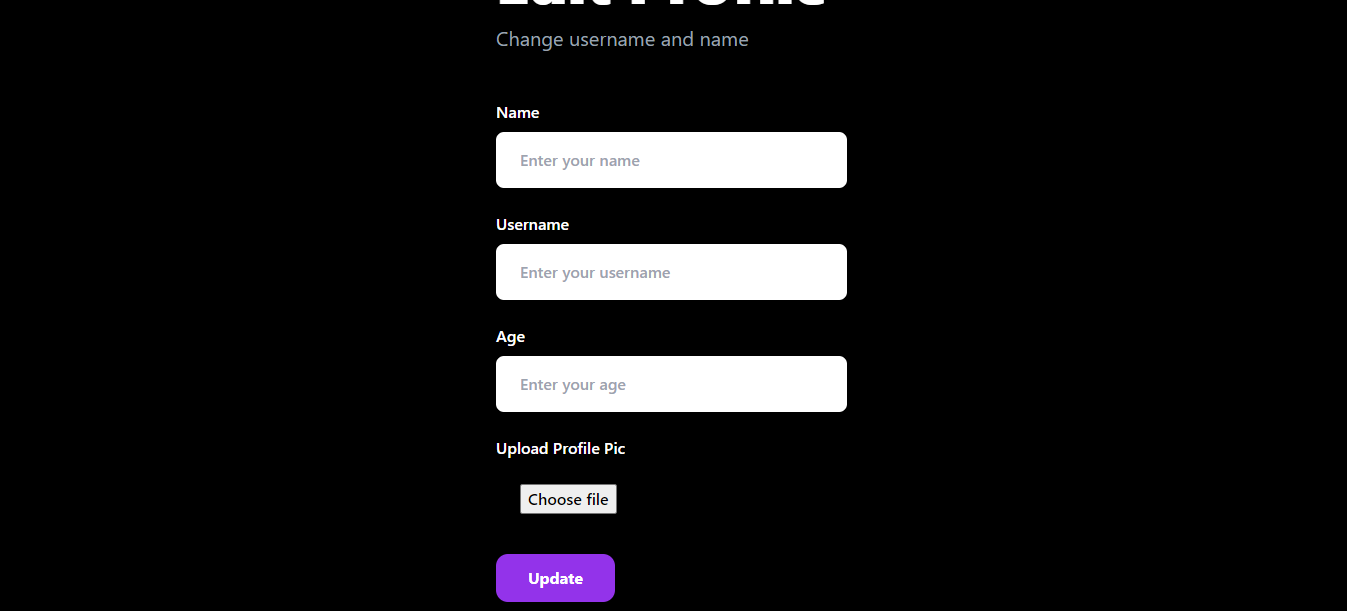
Edit profile
-
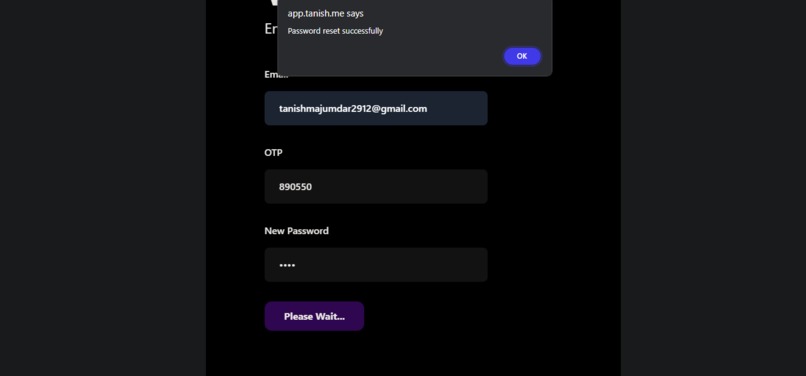
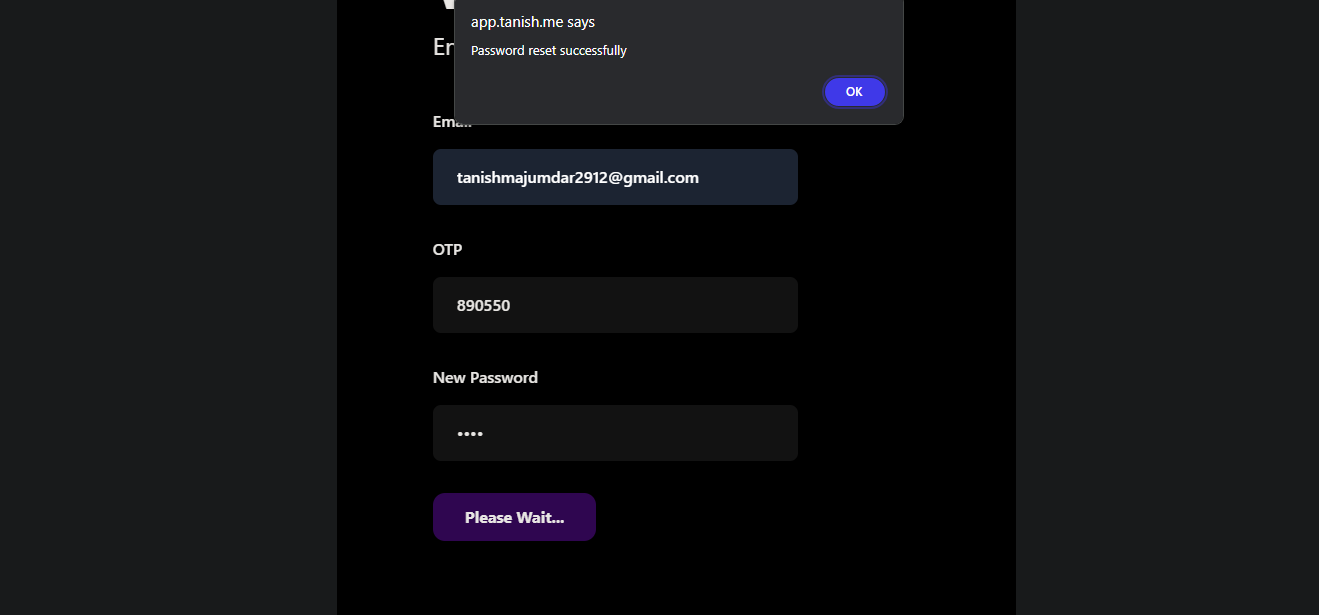
Reset password
-
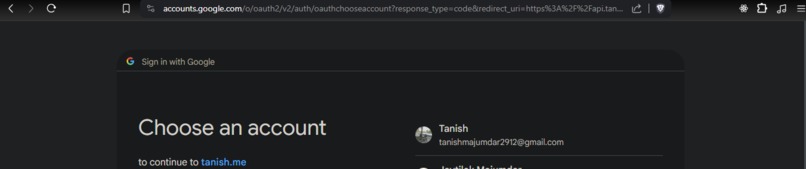
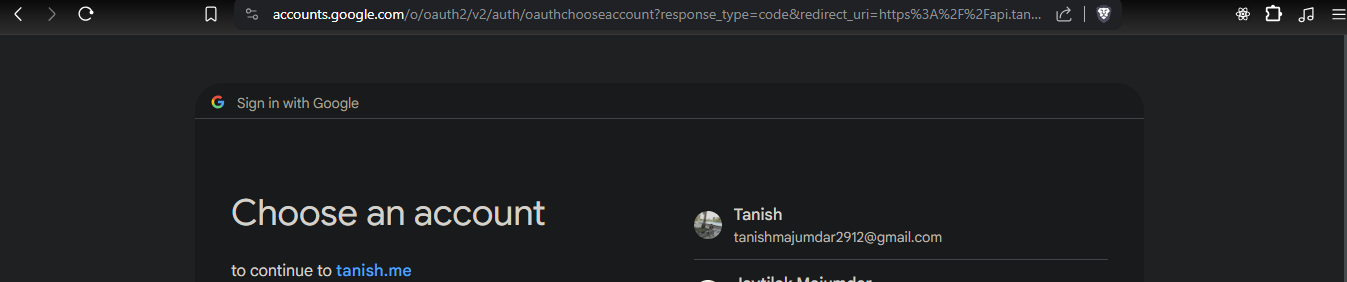
Google login
-
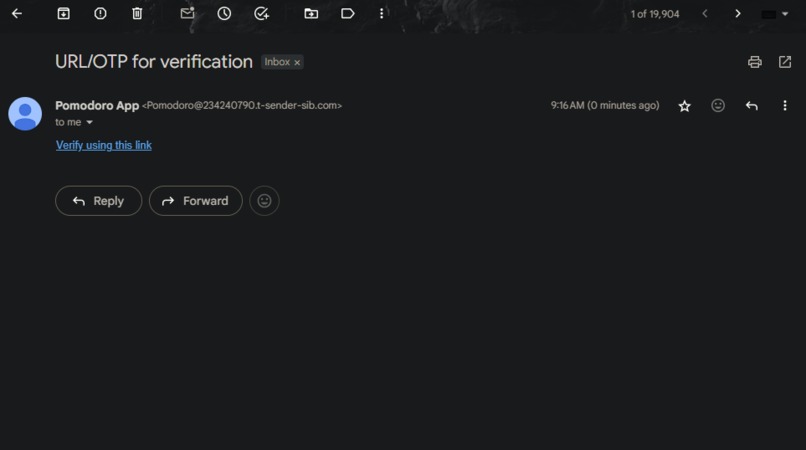
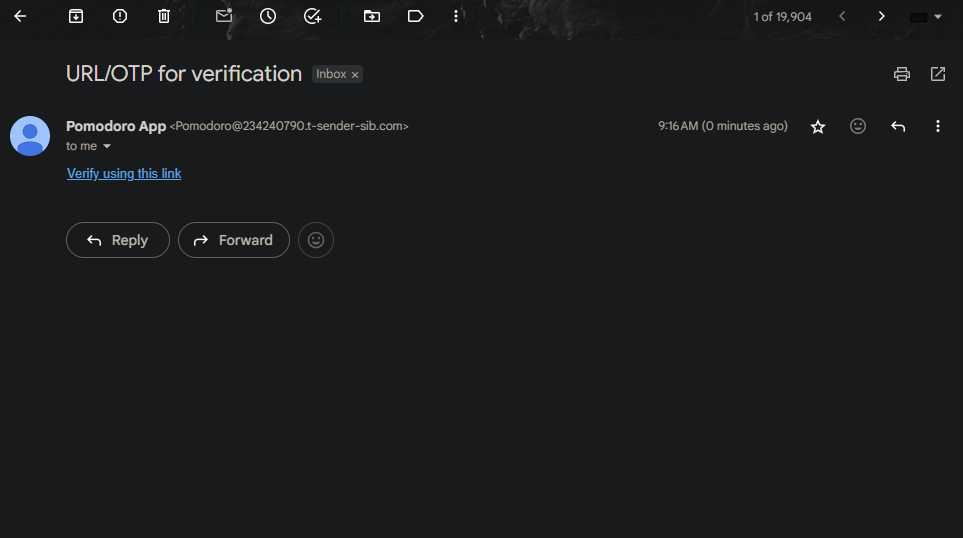
Email verification
-
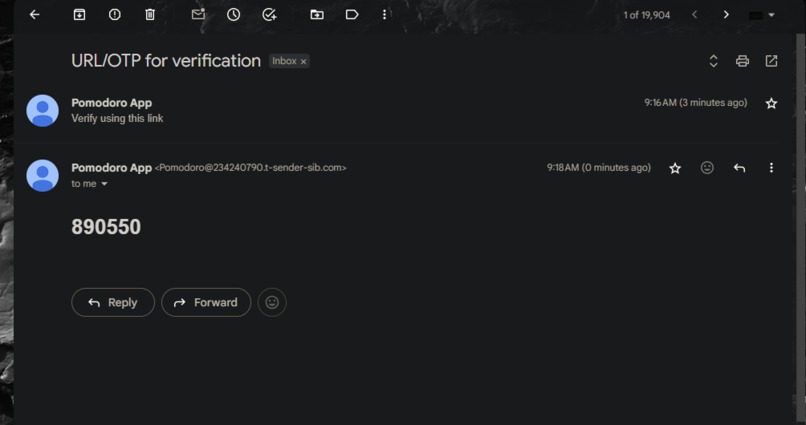
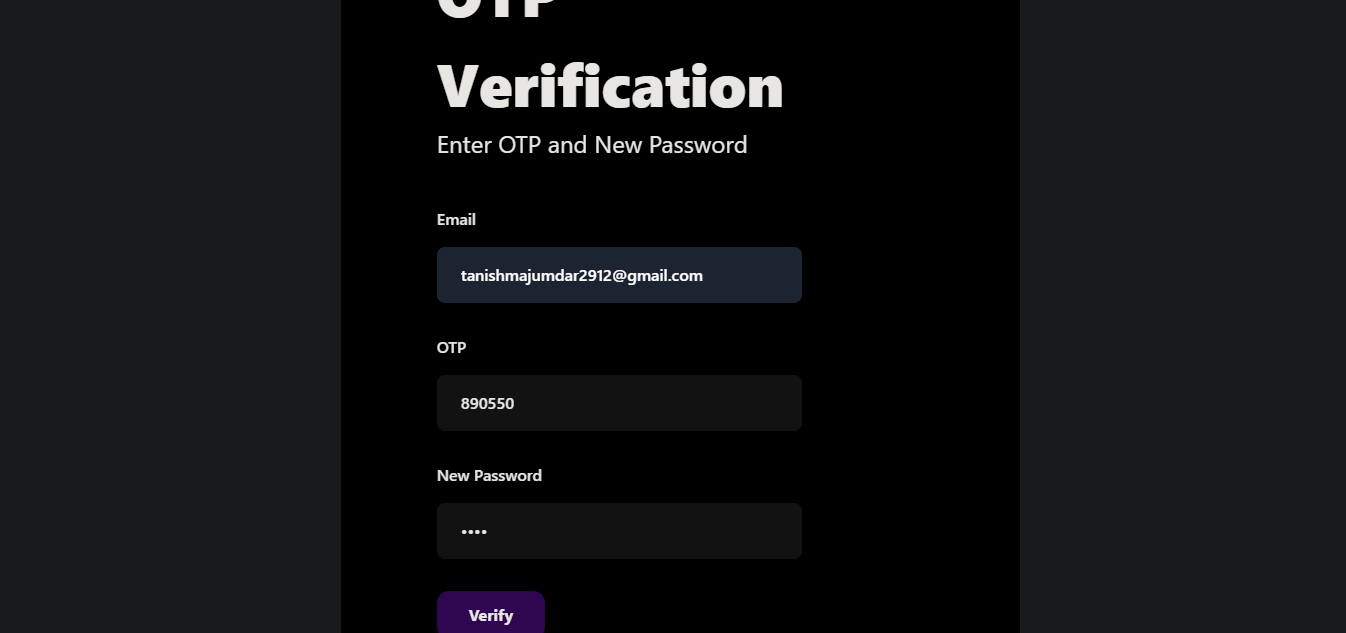
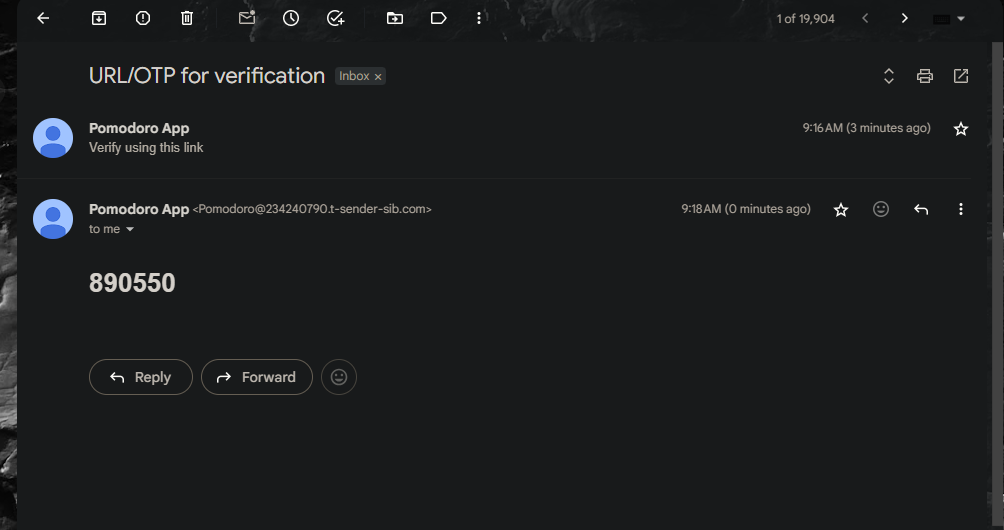
OTP for forgot password
-
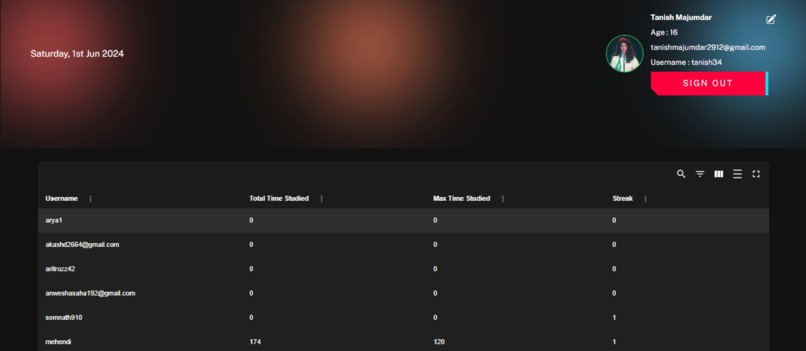
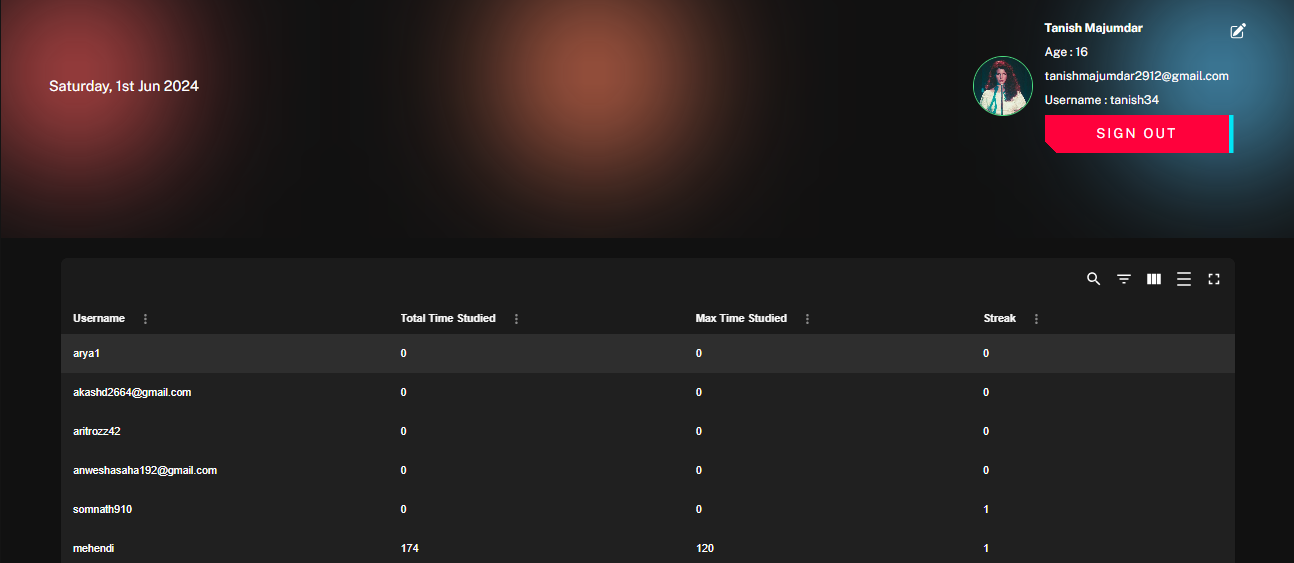
Leaderboard
-
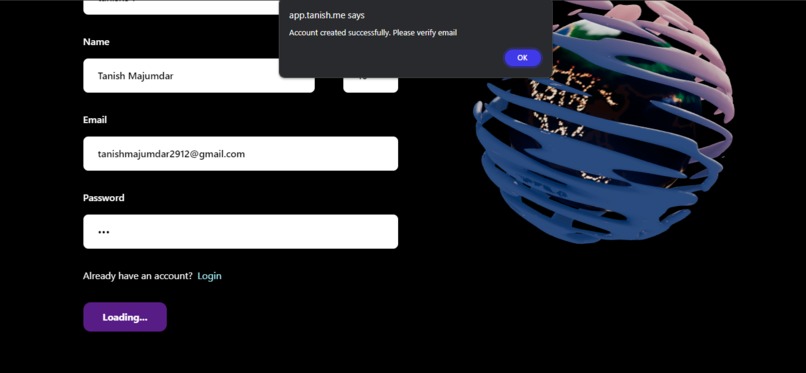
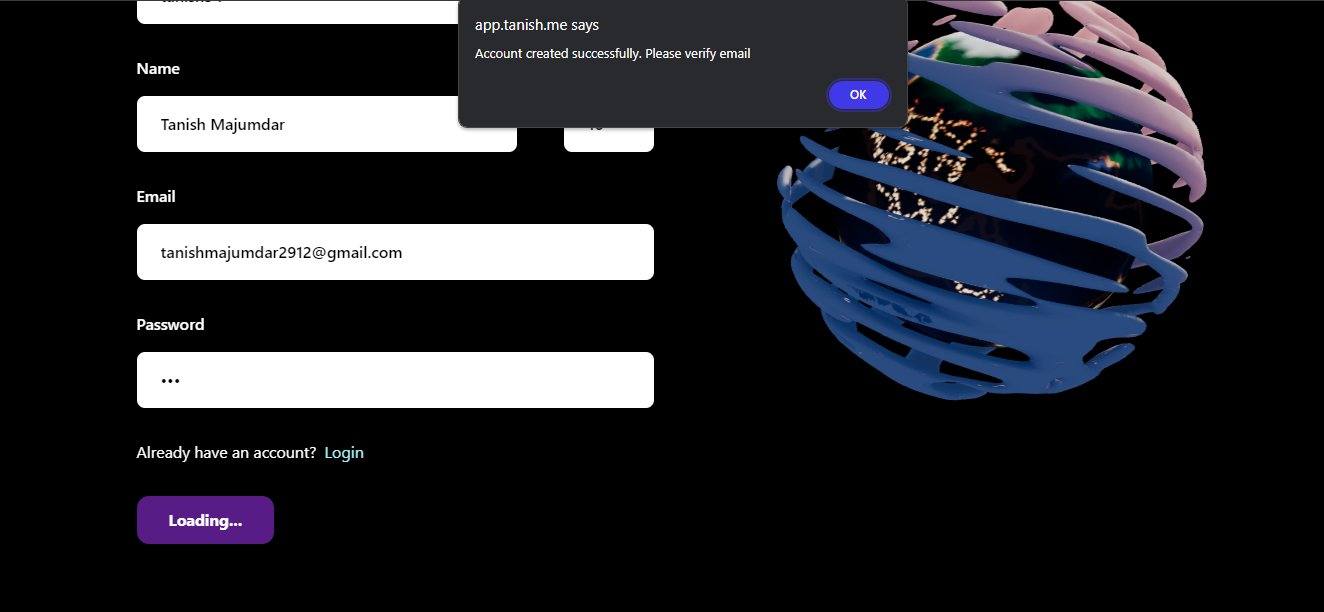
Email sent alert
-
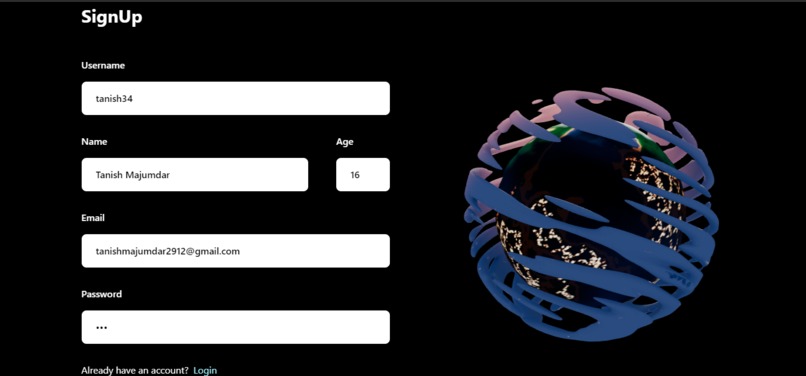
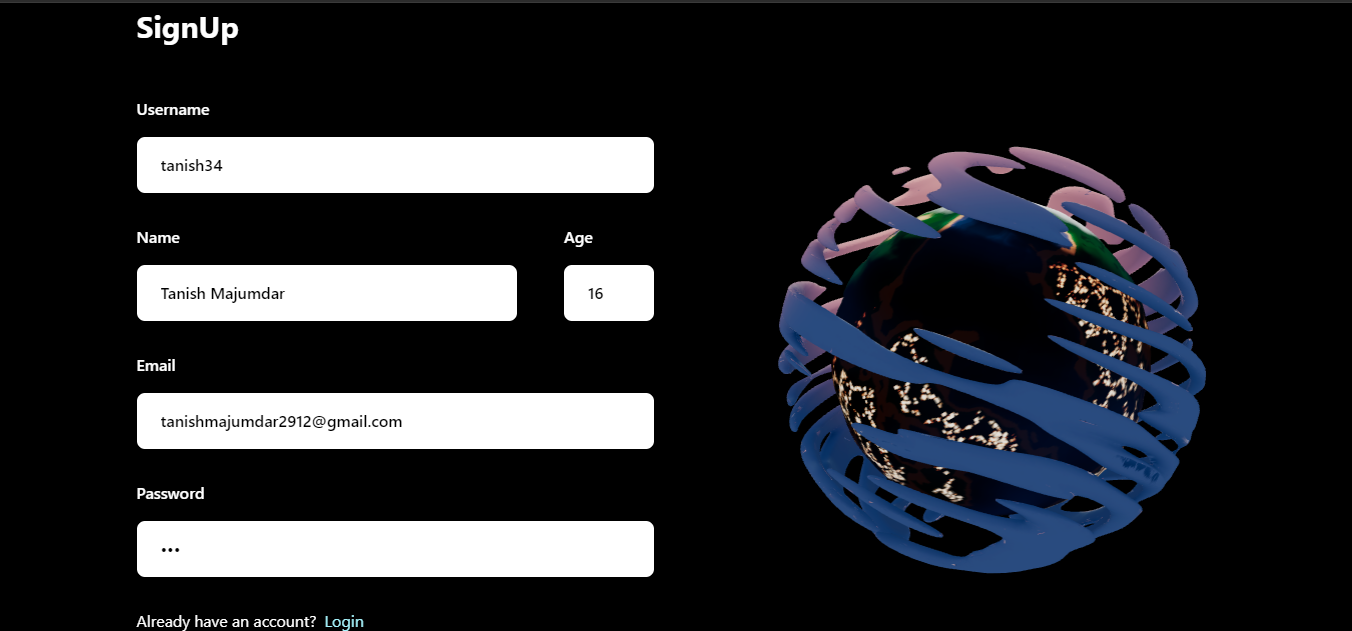
Sign Up
-
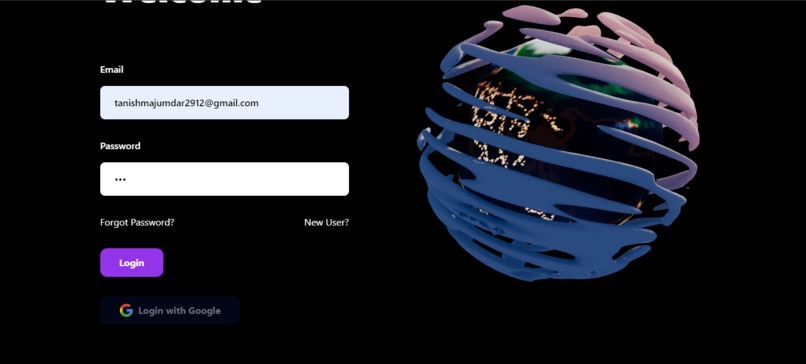
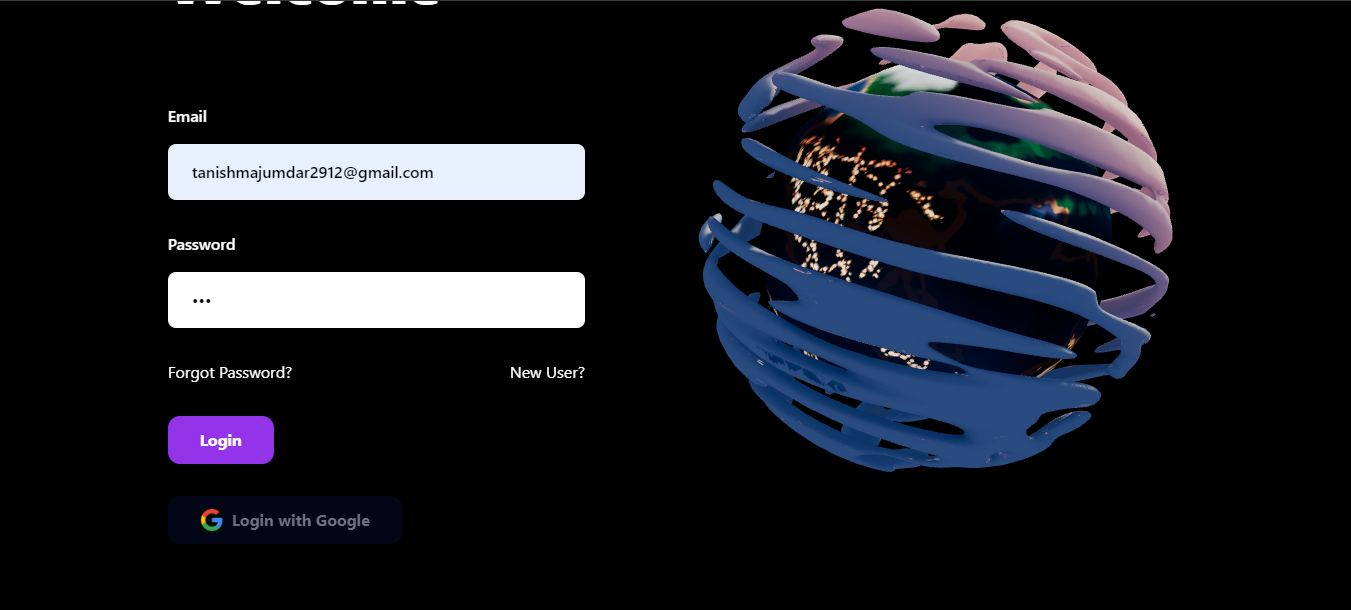
Sign in
-
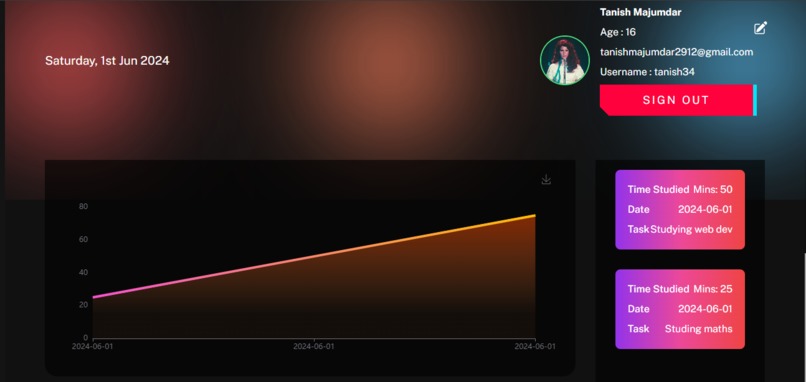
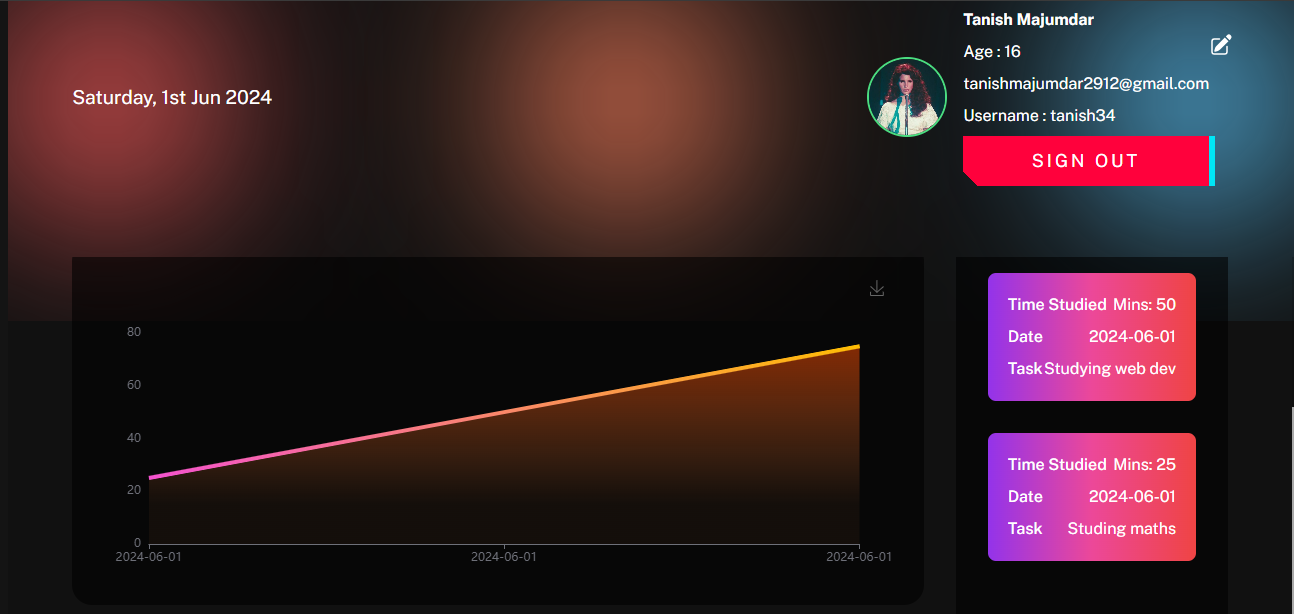
Dashboard with graph
-
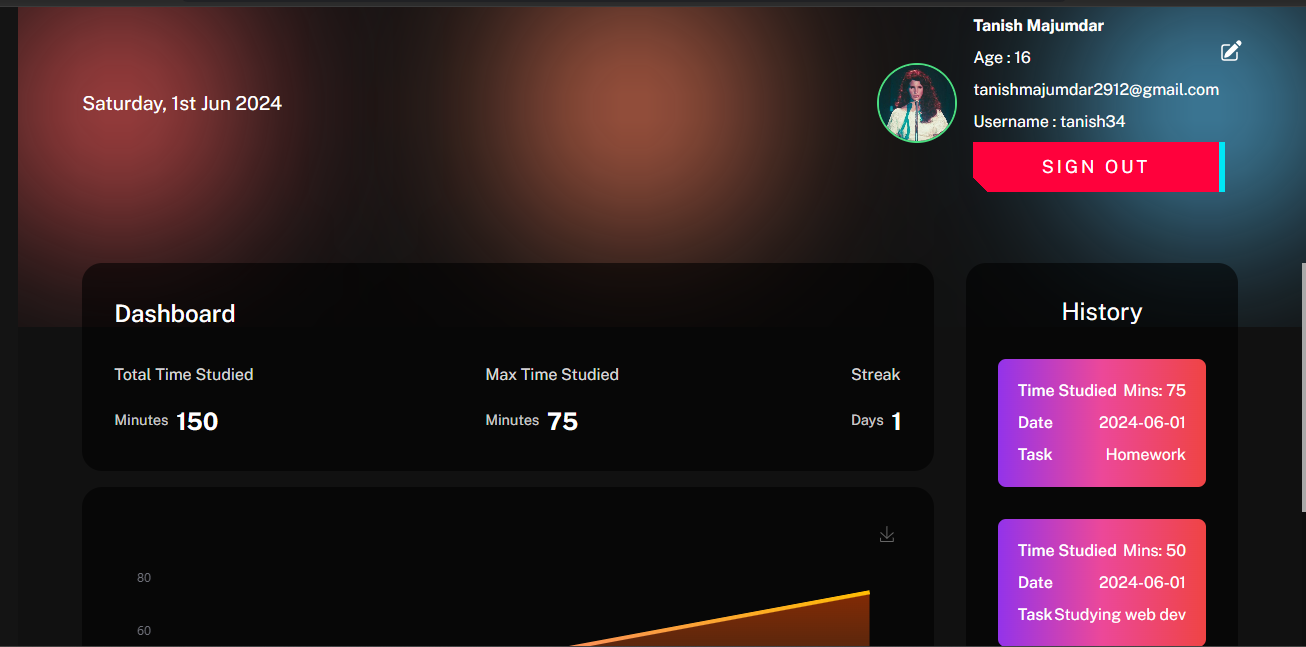
History
-
Timer Page With spotify integration
-
ML Model Training
Inspiration
Our inspiration for creating Chronotrack came from the desire to enhance productivity while promoting well-being. Traditional Pomodoro timers are effective, but they often overlook the unique needs of each individual. By incorporating AI/ML technology, we aimed to develop a tool that not only helps manage tasks but also optimizes break times, ensuring users stay energized and focused throughout their workday.
What it does
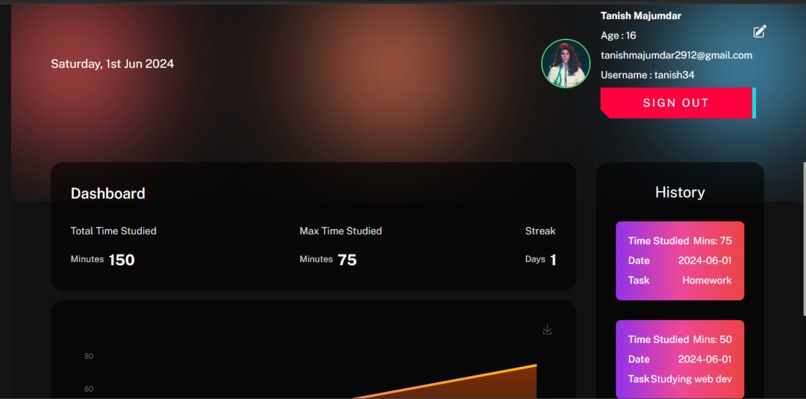
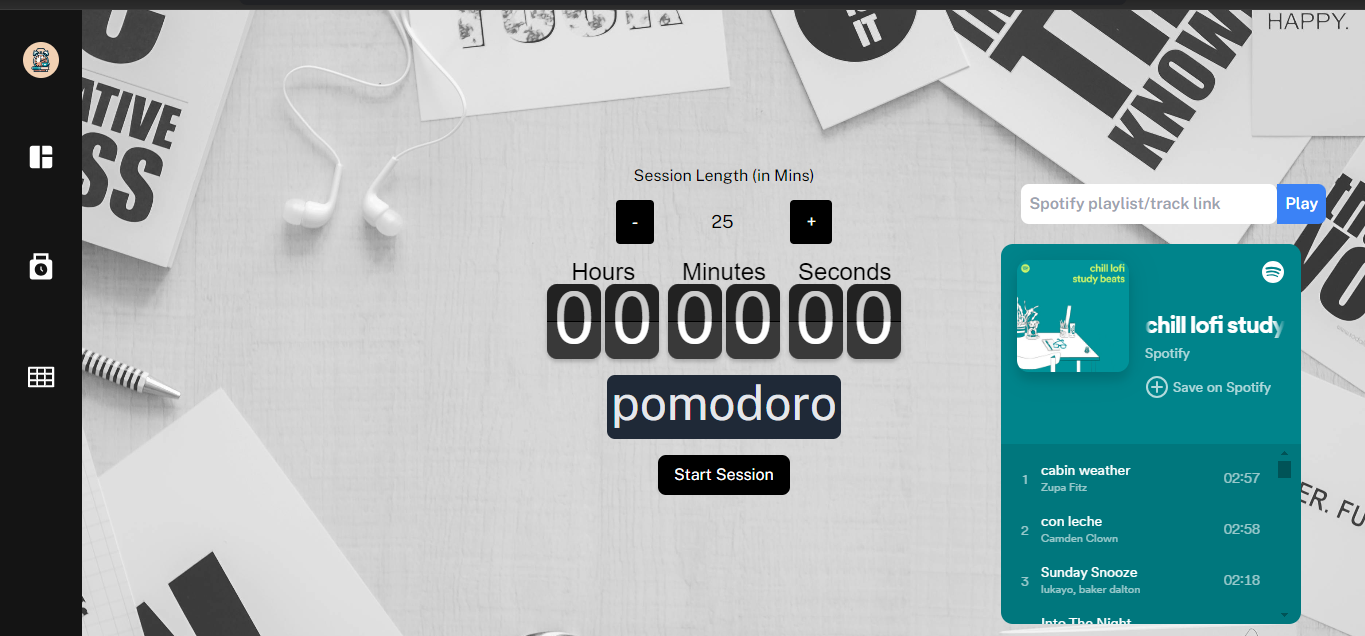
Chronotrack is a sophisticated Pomodoro app designed to improve productivity and well-being. Users can set tasks, manage their time with customizable timers, and track various metrics such as their maximum time studied in one session, total time studied, and streaks. Additionally, users can view their history for the last three sessions and participate in a leaderboard system to see how their stats compare with others.
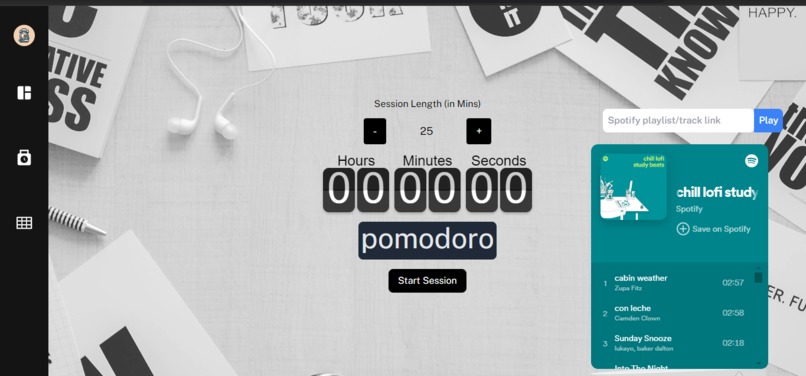
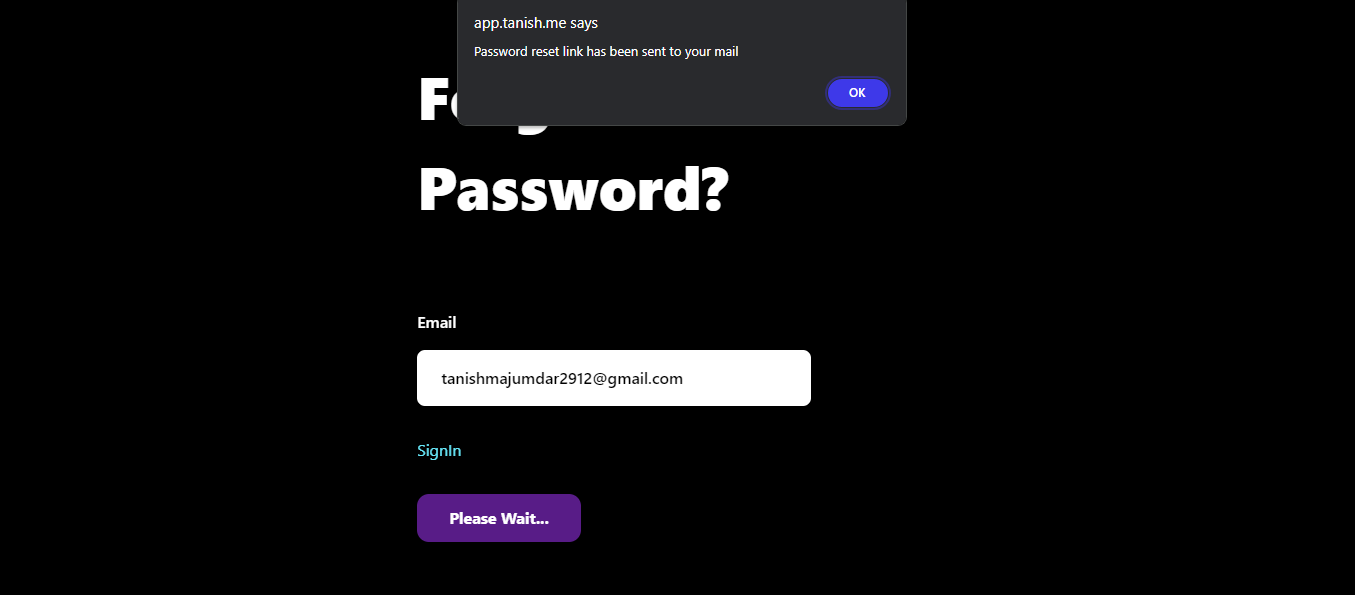
Chronotrack offers seamless Google sign-in using OAuth 2.0 and JWT tokens for persistent authorization. On the timer page, users can enjoy custom playlists from Spotify or listen to our suggested lo-fi beats. We also use Brevo as our SMTP tool, employing the Nodemailer package to send verification emails and OTPs in case users forget their passwords.
How we built it
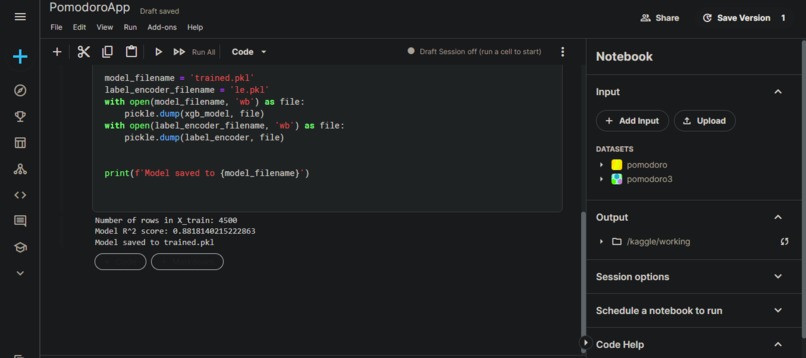
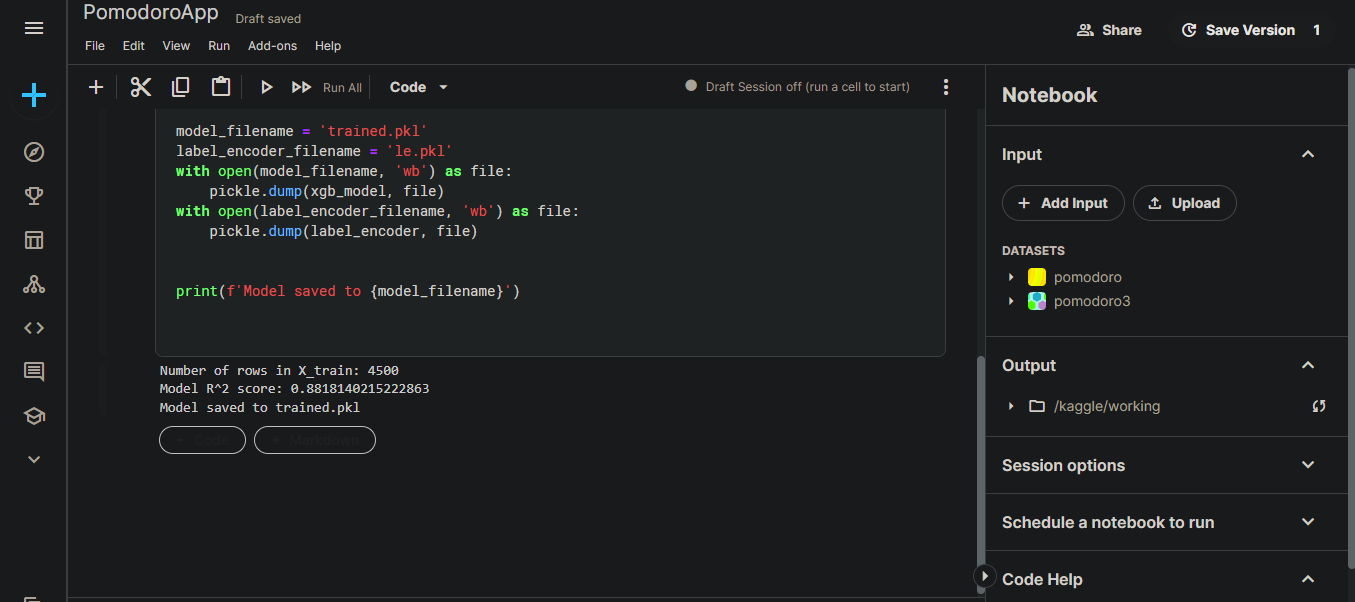
We built Chronotrack using a combination of modern web technologies and advanced machine learning algorithms. The front end is developed with a user-friendly interface to ensure a seamless experience. The backend integrates our pre-trained AI models, which analyze user data and provide tailored break recommendations. We achieved almost 90% accuracy with our AI/ML model, making our recommendations highly reliable.
For authentication, we implemented OAuth 2.0 for Google sign-in and JWT tokens for secure, persistent sessions. We also integrated Spotify for music playback using its API, and Cloudinary for profile picture uploads. Brevo was used as our SMTP tool, with Nodemailer to send verification emails and OTPs, ensuring a robust and scalable architecture.
We used Three.js to render a 3D model of Earth on the login and signup pages, adding a visually appealing element to the user experience. For plotting the history of study timings, we employed Graph.js, providing users with clear and insightful visualizations. Tailwind CSS was used for styling, ensuring a modern and responsive design.
Challenges we ran into
One significant challenge was ensuring the accuracy and reliability of our AI/ML models in providing personalized break recommendations. Balancing the need for frequent breaks with maintaining high productivity required extensive testing and refinement.
We also faced technical issues, such as:
- Using the OnRender domain, which prevented us from saving JWT tokens, requiring users to sign in repeatedly. We resolved this by switching to our GitHub domain.
- Storing Google user credentials without a password, which we solved by using a new table.
- Uploading profile pictures, which we addressed using the Cloudinary API.
- Setting up email verification and OTP functionality, which we resolved using Brevo and the Nodemailer package.
Accomplishments that we're proud of
We are proud to have successfully developed an app that not only improves productivity but also cares for the user’s well-being. Our AI/ML models have shown impressive accuracy in determining optimal break times, leading to positive feedback from our beta testers. Creating a seamless and enjoyable user experience while incorporating complex technology is another accomplishment we take pride in. Additionally, the successful integration of Spotify, the leaderboard system, and effective email verification and OTP functionality add significant value to our users.
What we learned
Throughout the development of Chronotrack, we learned the importance of user-centric design and the value of iterative testing. Gathering user feedback and continuously improving our algorithms were crucial steps in refining our product. We also gained deeper insights into the challenges of integrating AI/ML technology into everyday applications and the importance of balancing functionality with user experience.
Furthermore, we learned how to effectively manage authentication and session persistence, integrate third-party services like Spotify and Cloudinary, and set up reliable email verification and OTP functionality using Brevo and Nodemailer. Additionally, we gained experience with rendering 3D models using Three.js and plotting data with Graph.js, along with styling our application using Tailwind CSS.
What's next for Chronotrack
Looking ahead, we plan to enhance Chronotrack by introducing more personalized features, such as adaptive task recommendations and deeper insights into productivity patterns. We aim to integrate with other productivity tools and platforms to provide a more comprehensive productivity ecosystem.
Additionally, expanding our AI/ML models to learn and adapt even more effectively over time will further personalize and improve the user experience. We also plan to enhance our leaderboard system, explore more music integration options, and refine our email verification and OTP processes to keep users engaged and motivated.
Built With
- cloudinary
- express.js
- fast-api
- google-gmail-oauth
- jwt
- mongodb
- next-js
- node.js
- nodemailer
- numpy
- pandas
- prisma
- python
- react
- scikit-learn
- tailwind
- three.js


Log in or sign up for Devpost to join the conversation.