Inspiration
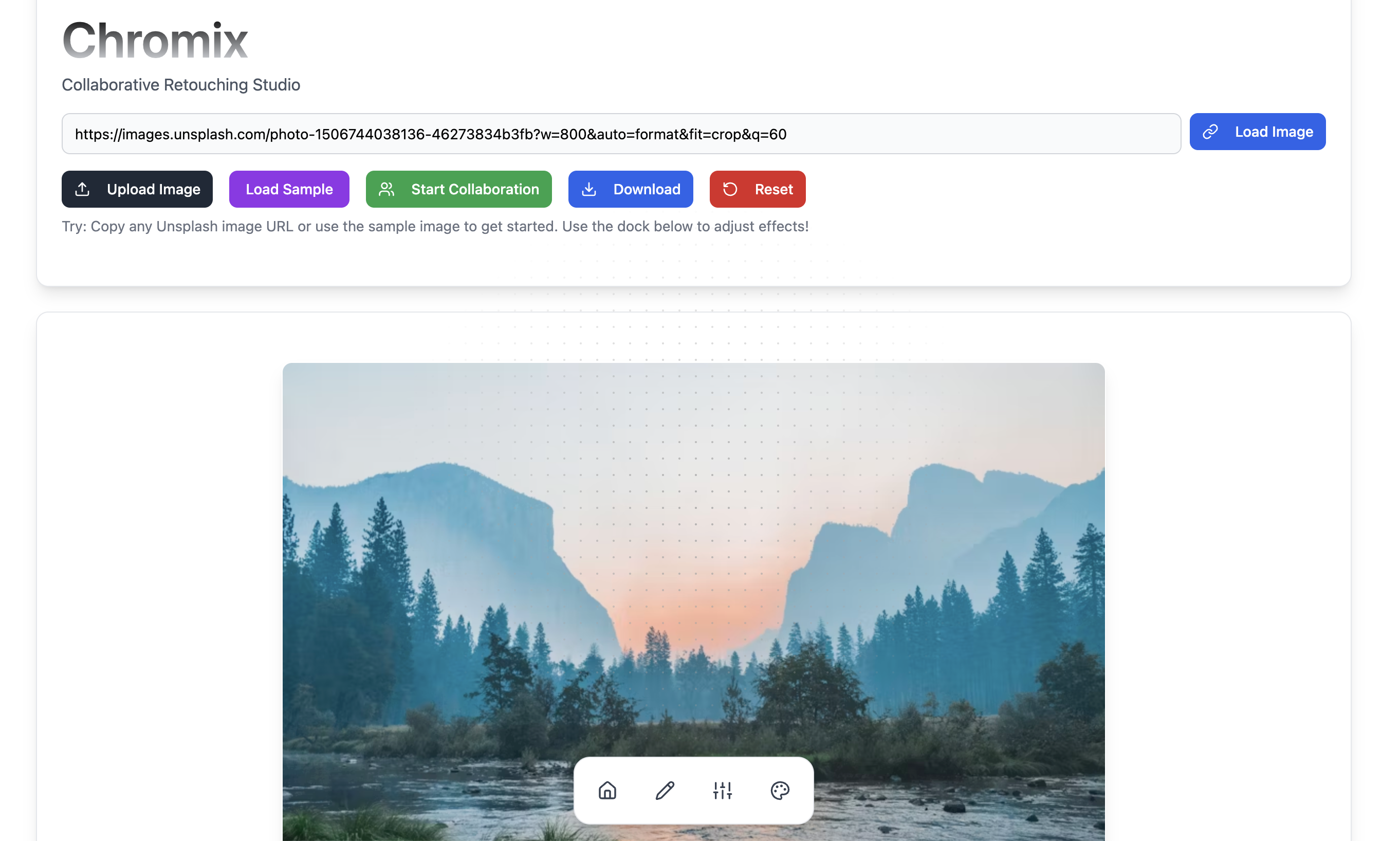
In creative studios and collaborative environments, designers and editors often struggle with syncing visual edits, managing version control, and accommodating real-time feedback—especially when working remotely. We wanted to eliminate the friction in this process by creating a shared space where AI-enhanced visual editing happens live, intuitively, and accessibly for everyone involved.
What it does
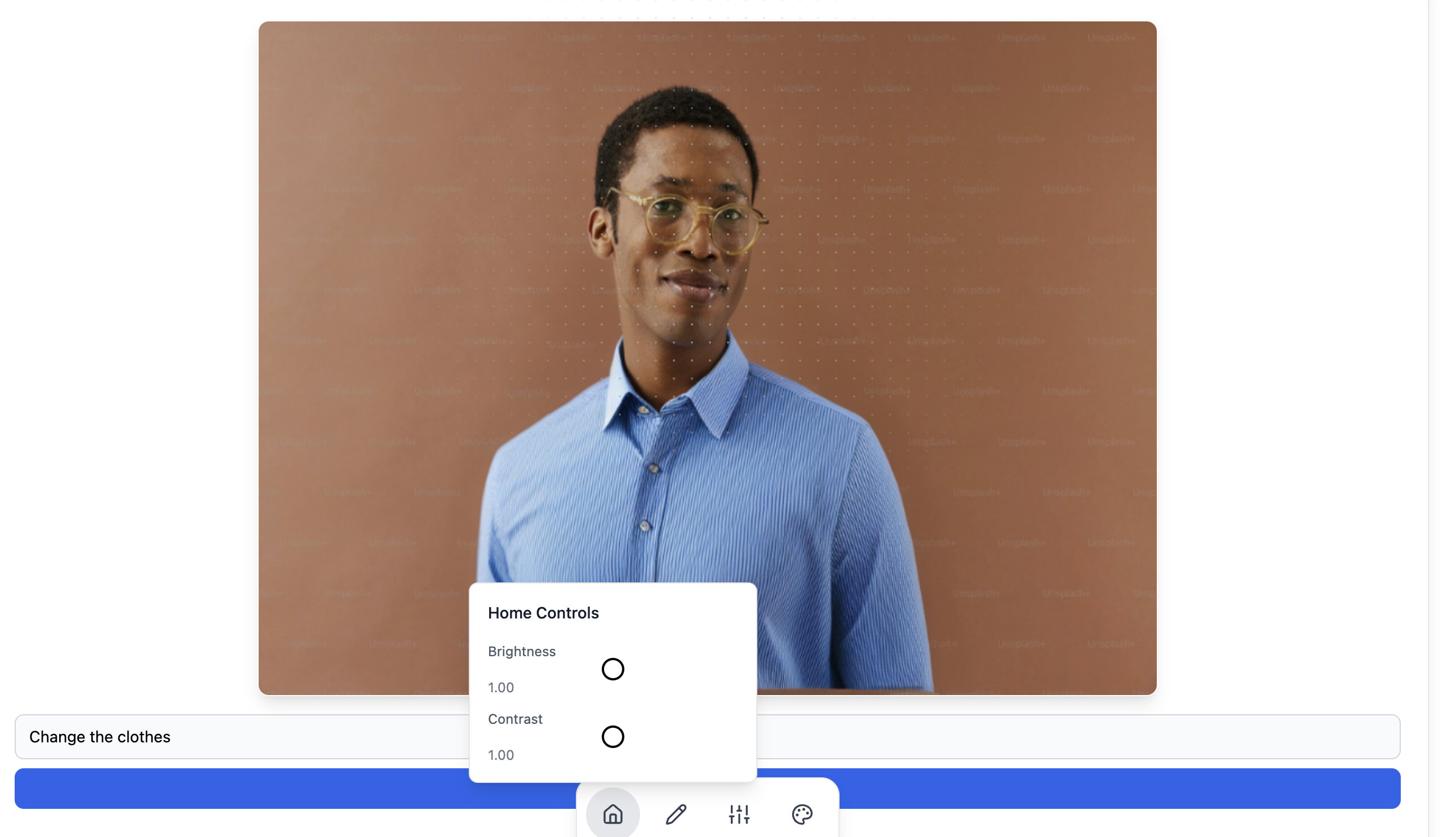
Chromix is a collaborative AI-powered retouching studio that allows multiple users to view and participate in real-time visual enhancements. Whether it's lighting correction, skin smoothing, or aesthetic adjustments, all changes are instantly visible to every collaborator—eliminating delays, confusion, and the need for manually sharing updated files. Even non-technical participants can watch, react, and contribute, making the editing process more inclusive and streamlined.
How we built it
We built Chromix as a web-based application using a combination of real-time communication technologies and AI-driven image processing. The frontend is built with React and WebSockets to ensure instant updates across users.
Challenges we ran into
One of the key challenges we faced was working within the constraints of the Lovable platform, which uses AI to assist in development. Since token usage was limited, we had to be strategic about how and when we generated code. Additionally, the AI-generated code often needed manual debugging and refinement to fit our specific use cases.
Despite these hurdles, strong team communication was critical to our success. We coordinated responsibilities effectively, quickly deciding who would tackle which part of the project, and regularly regrouped to resolve issues collaboratively. This teamwork helped us stay organized and overcome technical limitations without losing momentum.
Accomplishments that we're proud of
We're proud of achieving true real-time synchronization across users, as well as integrating advanced AI retouching in a user-friendly way. The platform’s ability to support both technical and non-technical collaborators without breaking creative momentum was a major milestone for us.
What we learned
We learned a great deal about balancing performance with usability, especially when dealing with real-time media processing. We also gained insight into how different types of users interact with collaborative editing tools, and how AI can enhance rather than replace human creativity.
What's next for Chromix - Collaborative Retouching Studio
Next, we plan to expand Chromix with support for video editing, more granular permissions for collaborators, and integration with popular creative suites like Adobe and Figma. We also aim to enhance our AI toolkit with custom-trained models for specific industries like fashion, product photography, and digital art.
Built With
- lovable
- react
- supabase
- websockets


Log in or sign up for Devpost to join the conversation.