-
-
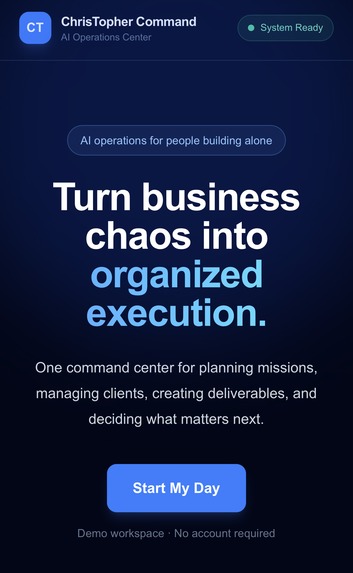
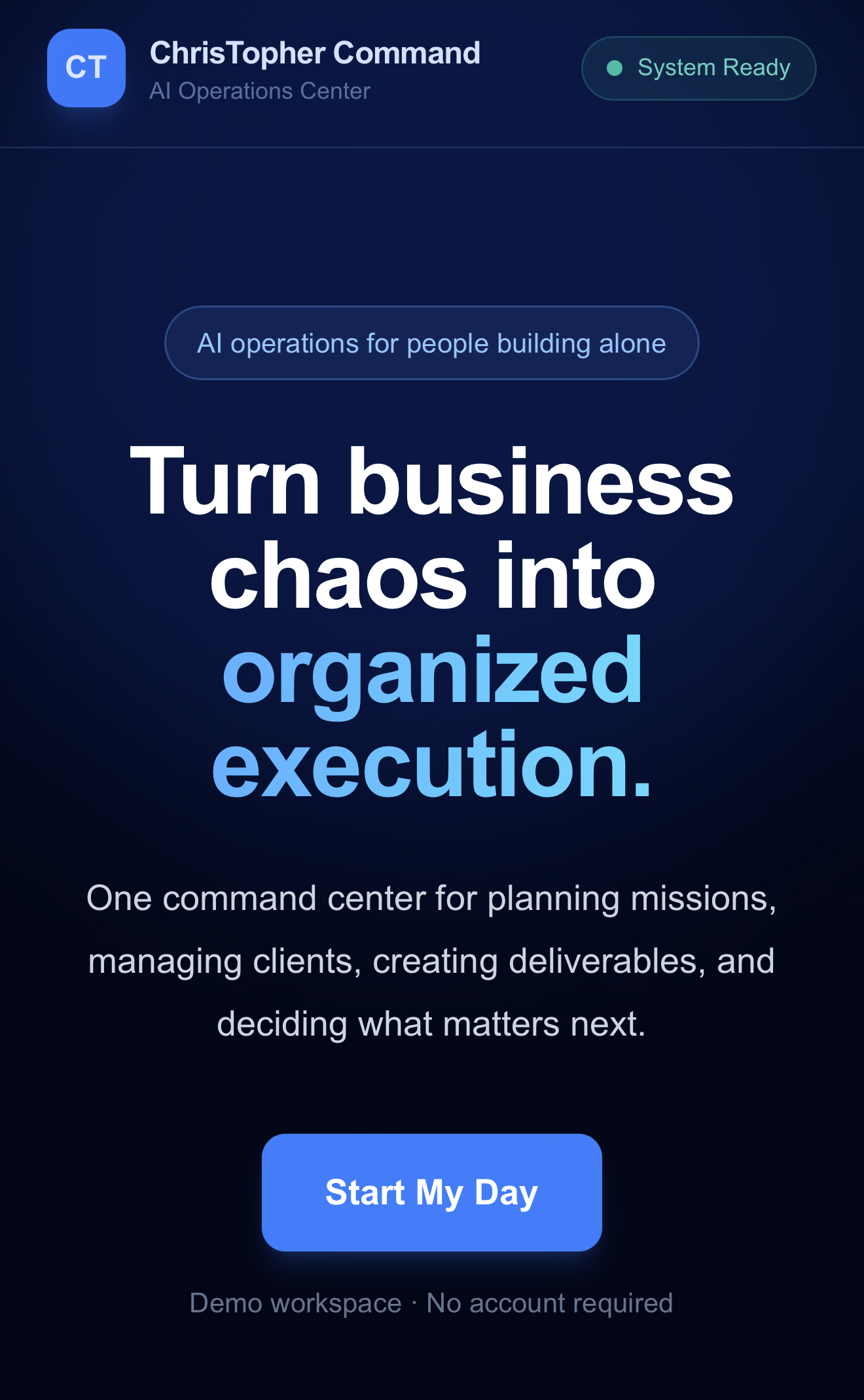
Landing Page
-
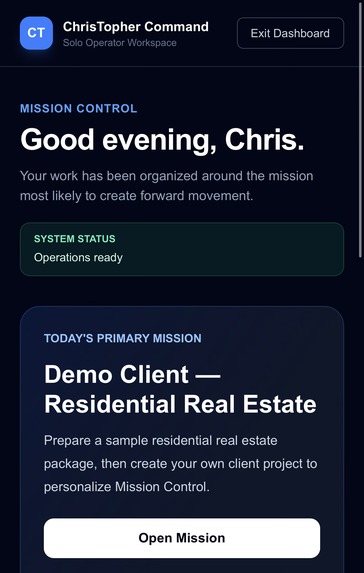
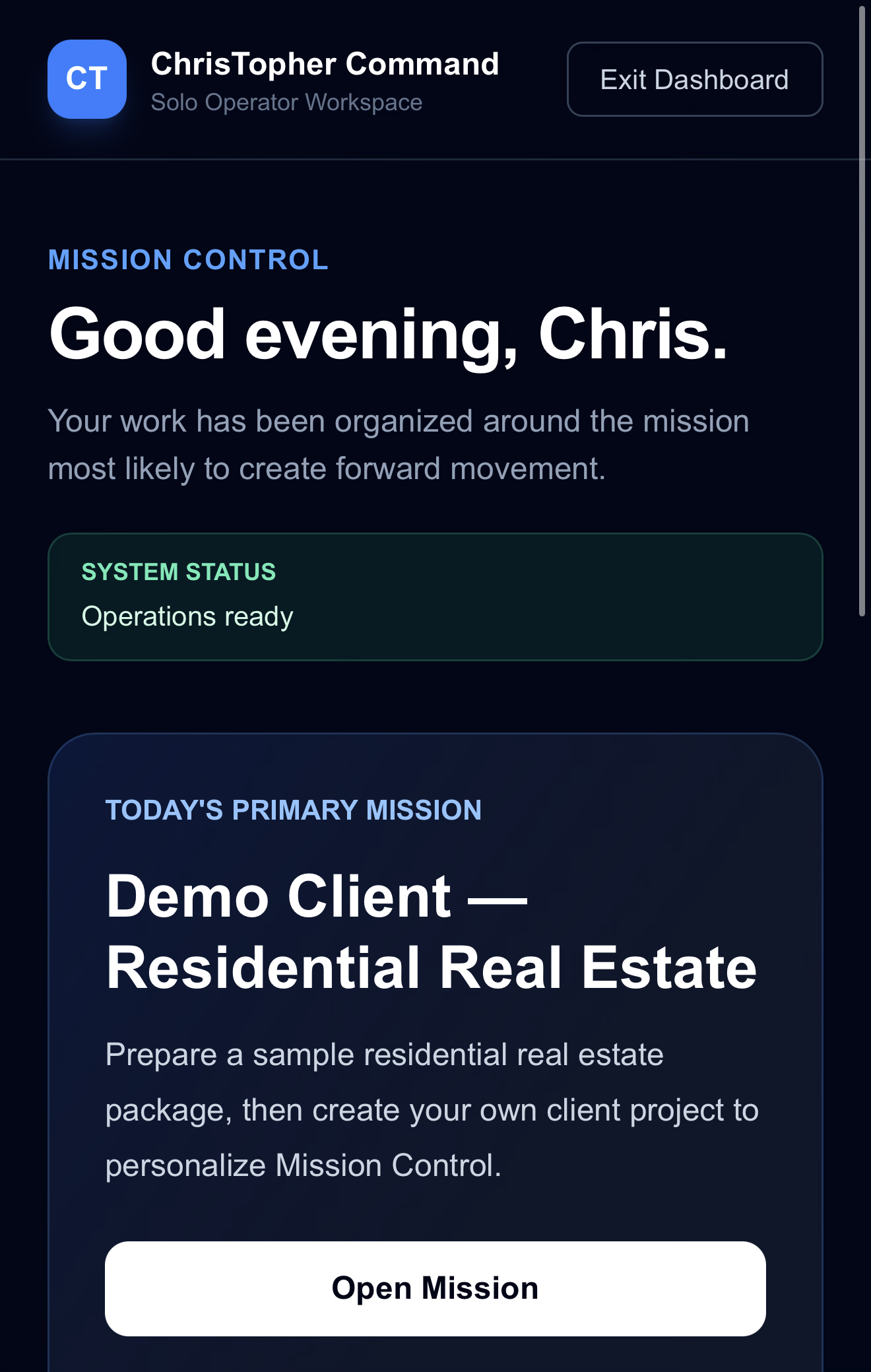
Mission Control Overview
-
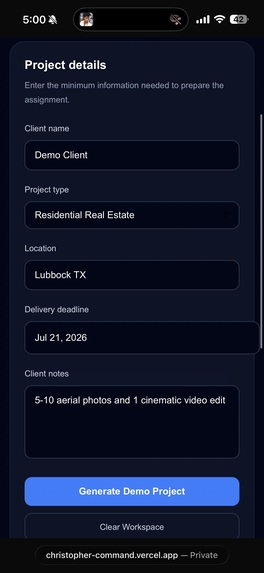
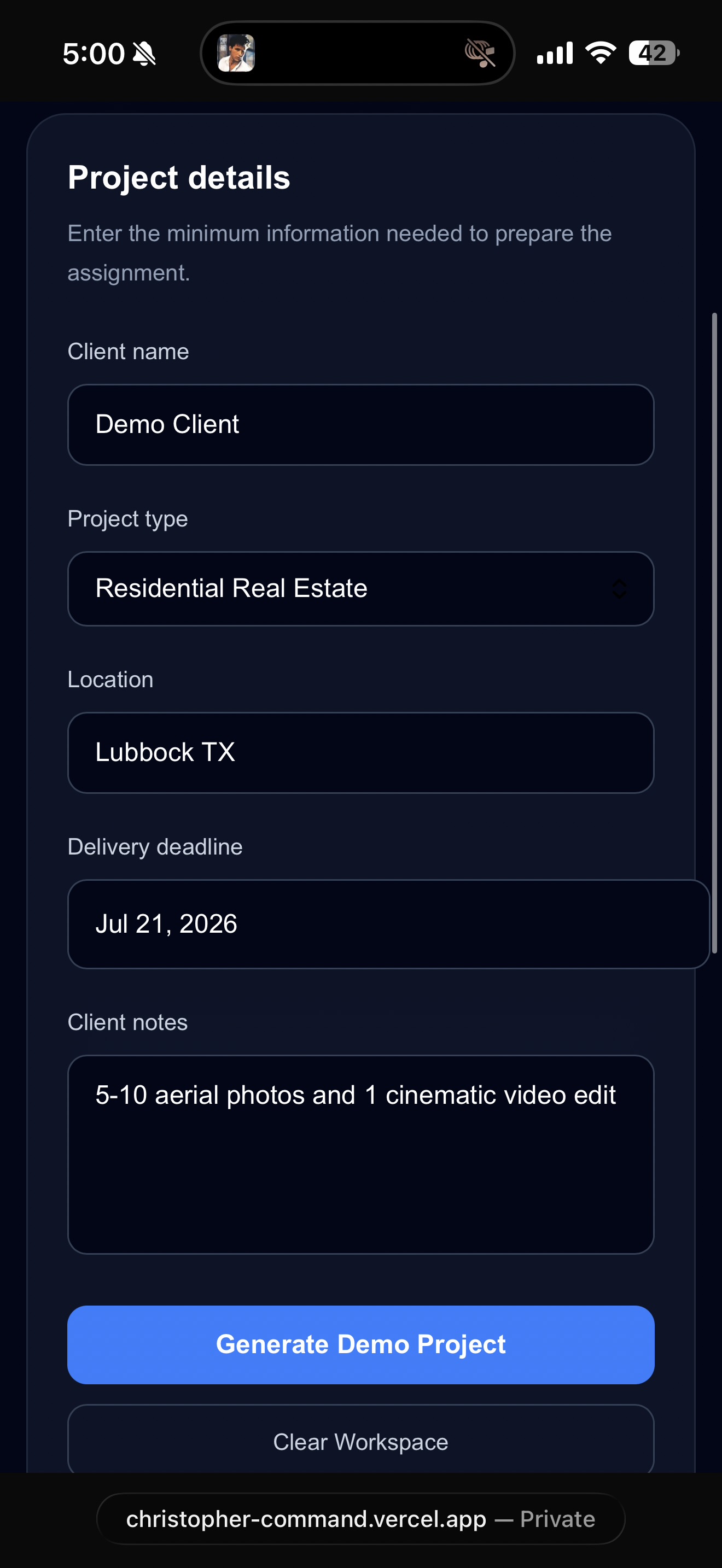
New Client Intake transforms project requirements into a structured mission.
-
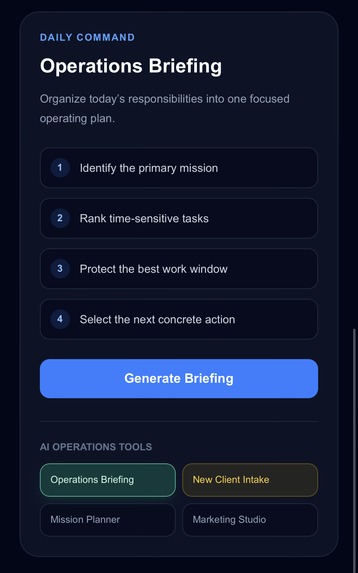
Initial briefing overview
-
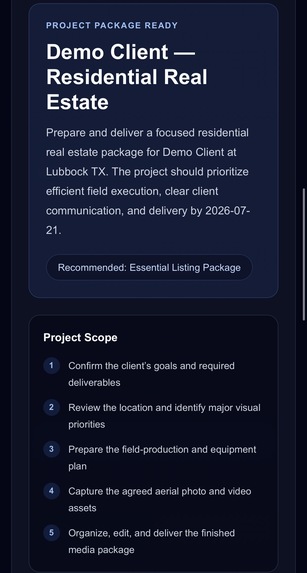
Initial briefing overview
-
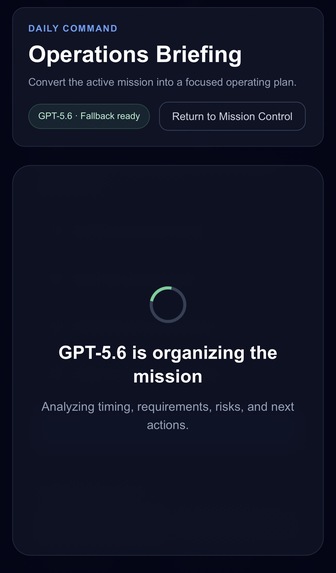
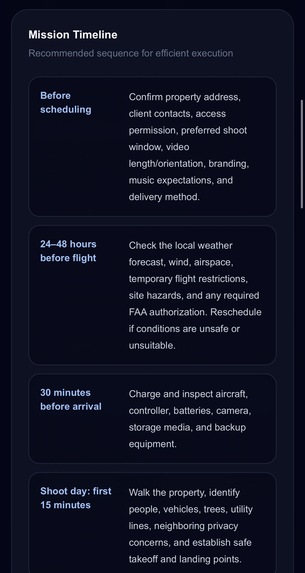
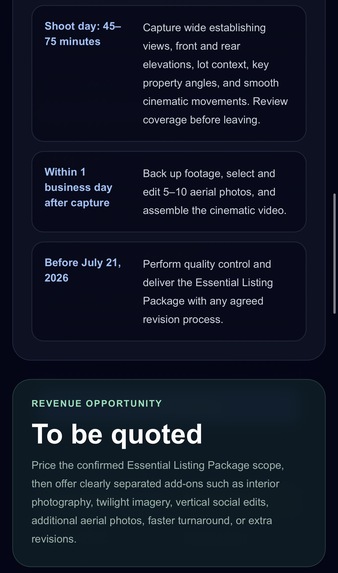
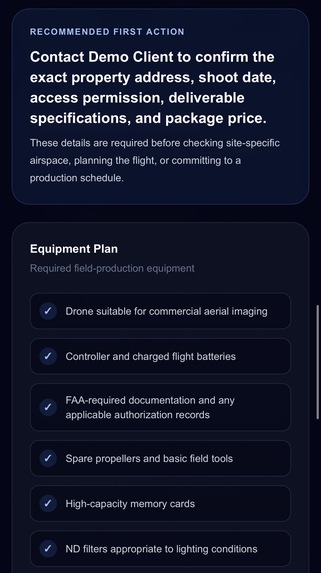
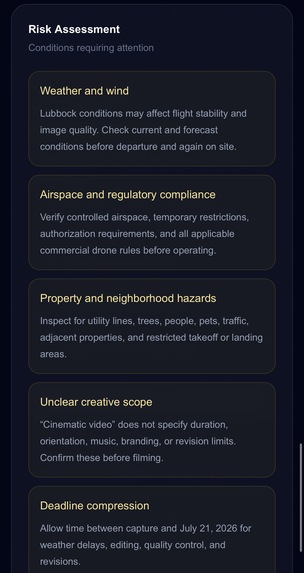
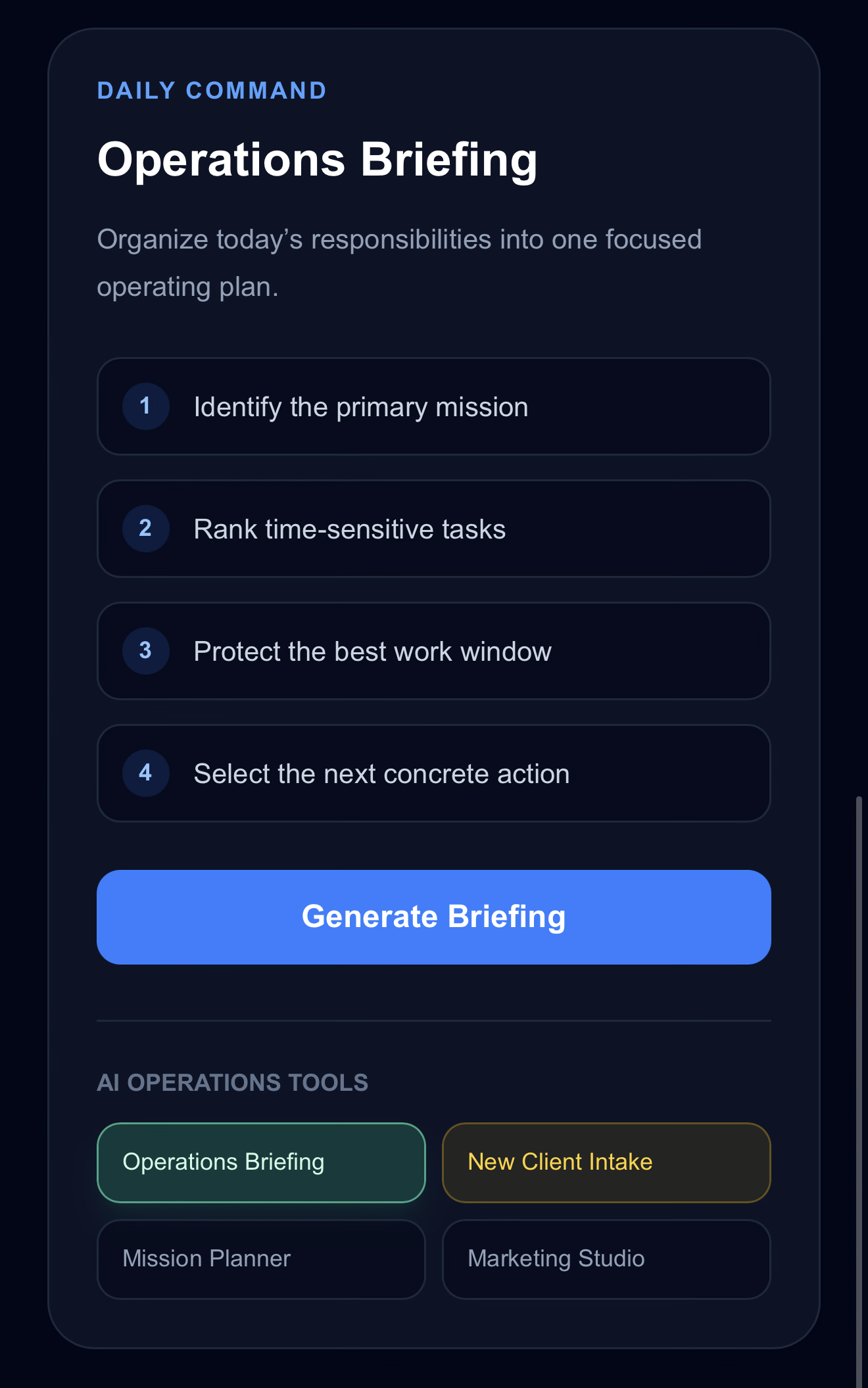
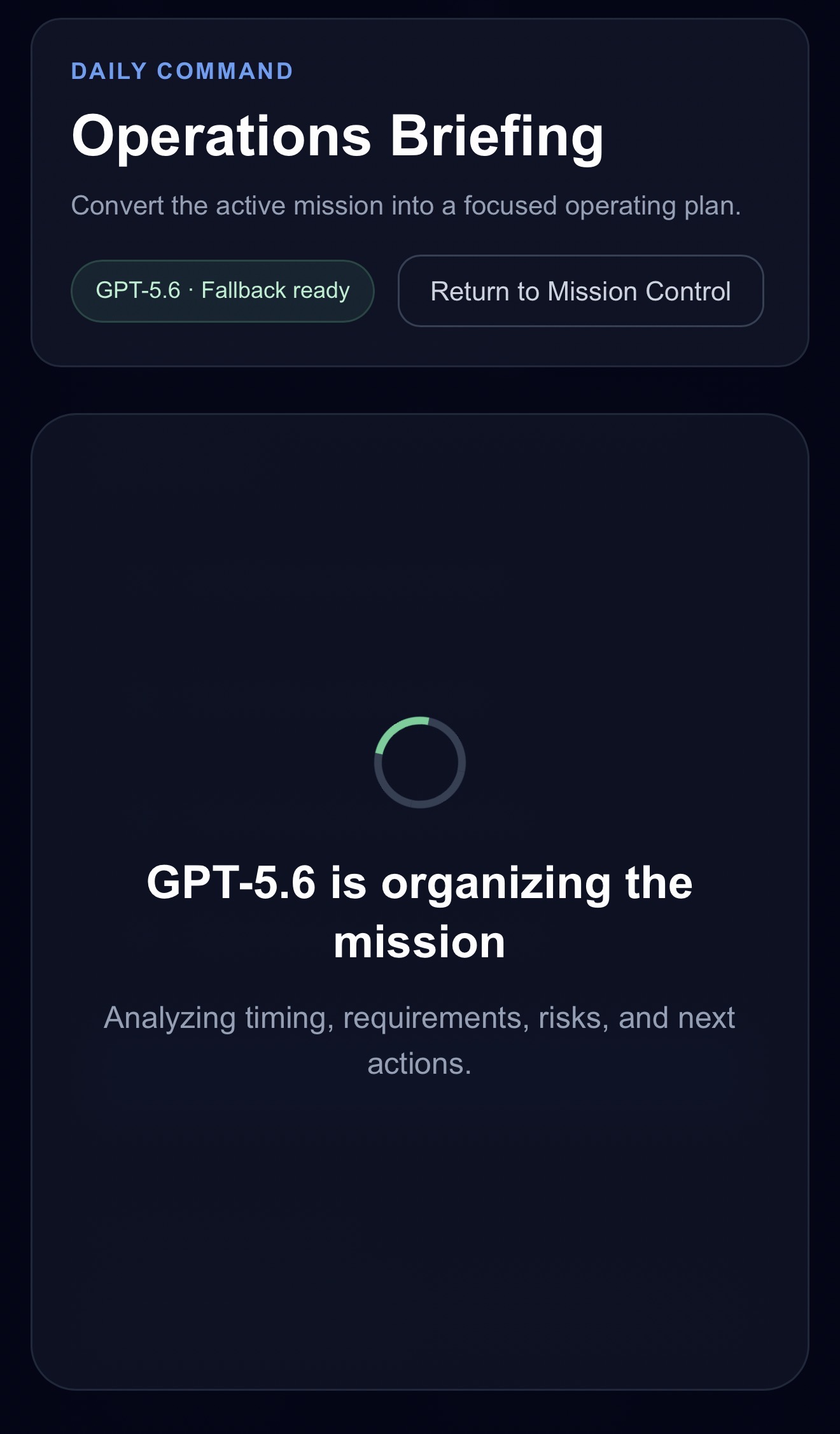
Live GPT 5.6 Operations Briefing
-

-
-
-
-

ChrisTopher Command
Inspiration
I was diagnosed with PTSD from military service and was struggling with being easily overwhelmed by daily life stressor and I needed help keeping my mind, motivation, and momentum focused and moving forward. That got me started in the path of free lance drone pilot so I could have control over my work day and schedule to avoid another burnout, enter the idea of ChrisToper Command. As a solo freelance drone operator, aspiring documentary filmmaker, and small business owner, I found that the hardest part of every project wasn't the creative work, it was organizing everything between the first client conversation and actually beginning the job.
Client information, scheduling, priorities, weather, deliverables, and execution planning often lived in different places. I wanted a digital assistant to help me keep track of all my daily responsibilities.
ChrisTopher Command helps wrangle in the chaos of a busy life in a busy world.
What it does
ChrisTopher Command is an AI-powered operations center for solo operators and small businesses.
- Create a new client mission through a guided intake process.
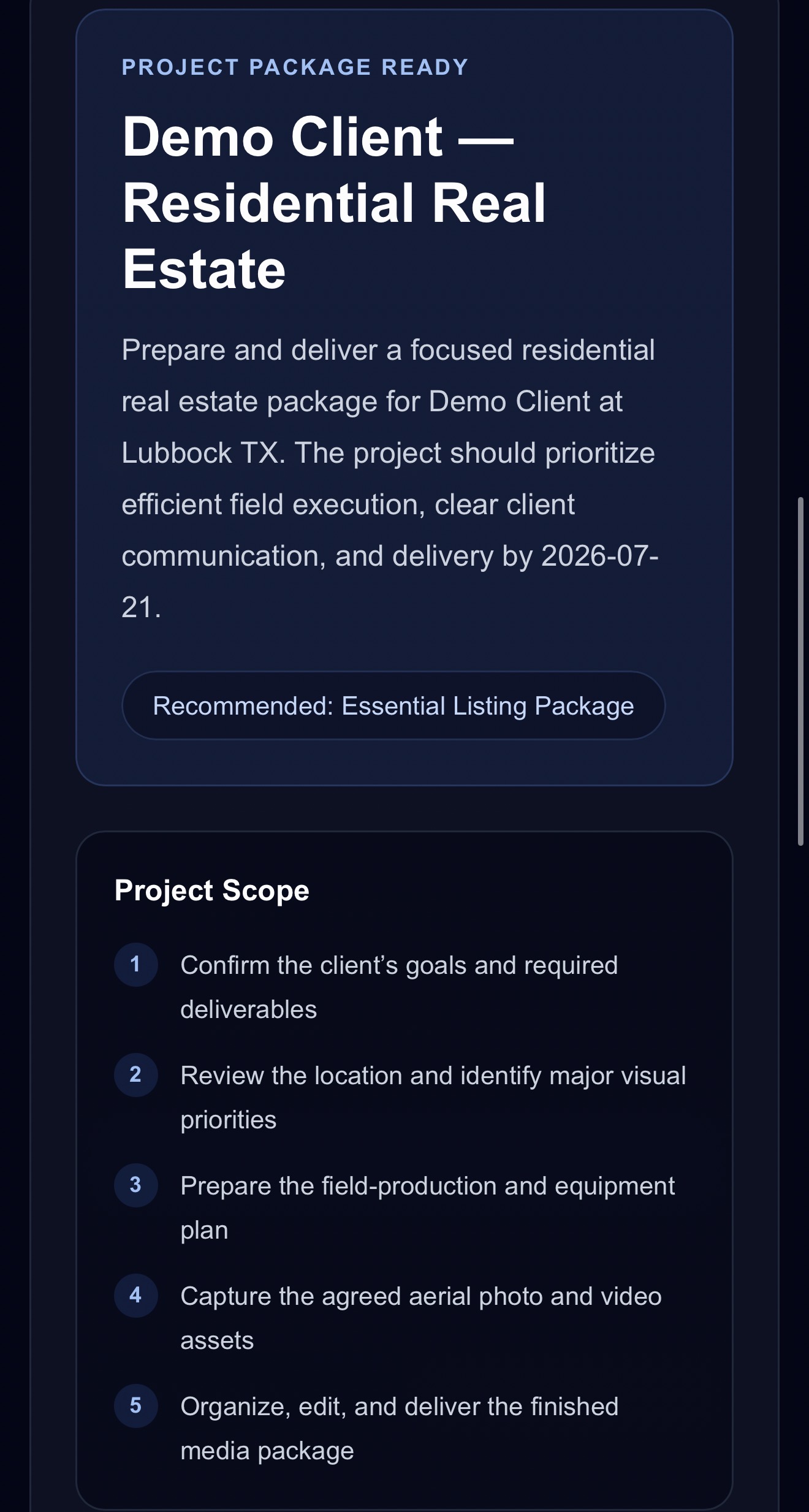
- Automatically generate a structured project package.
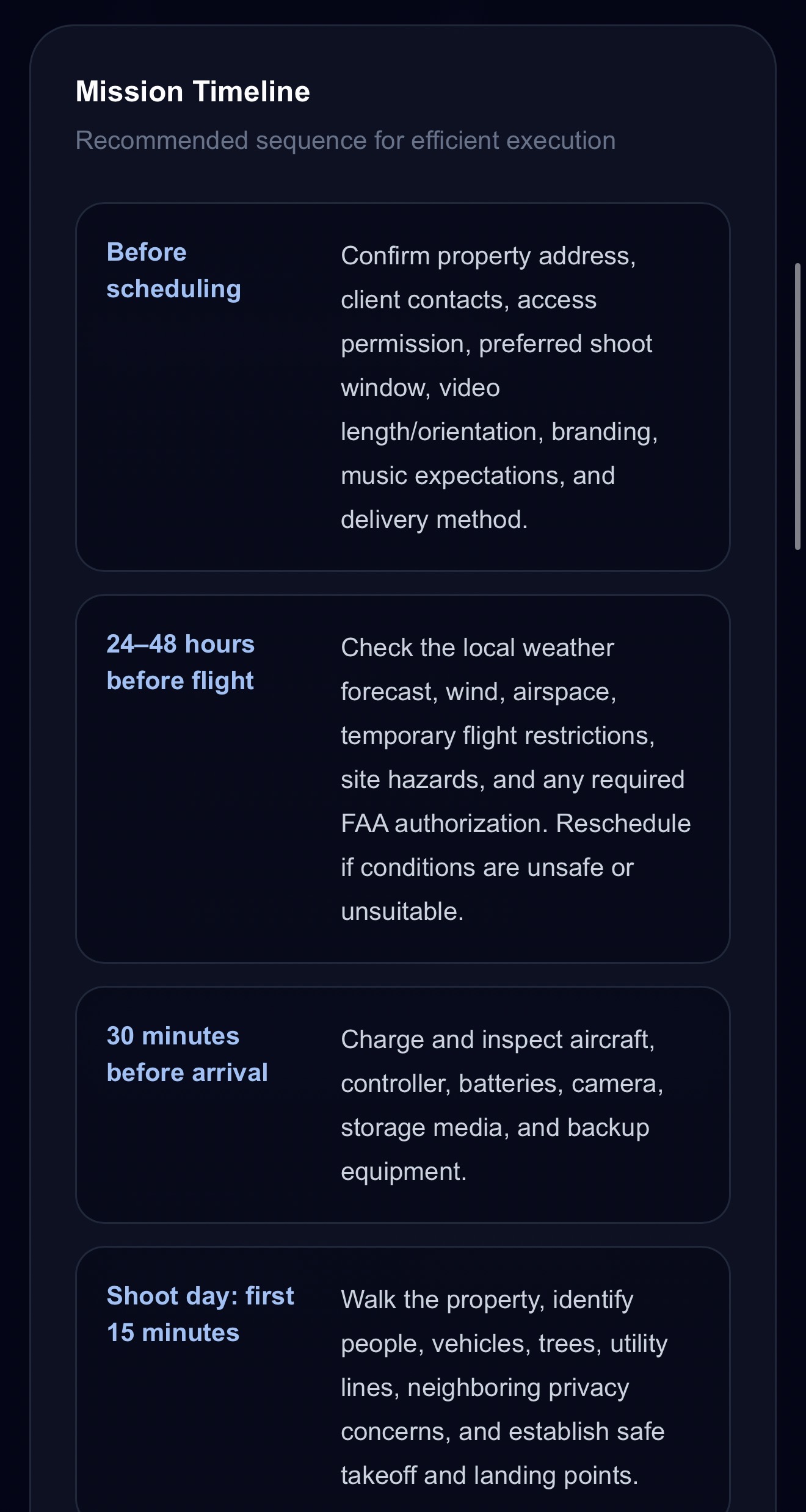
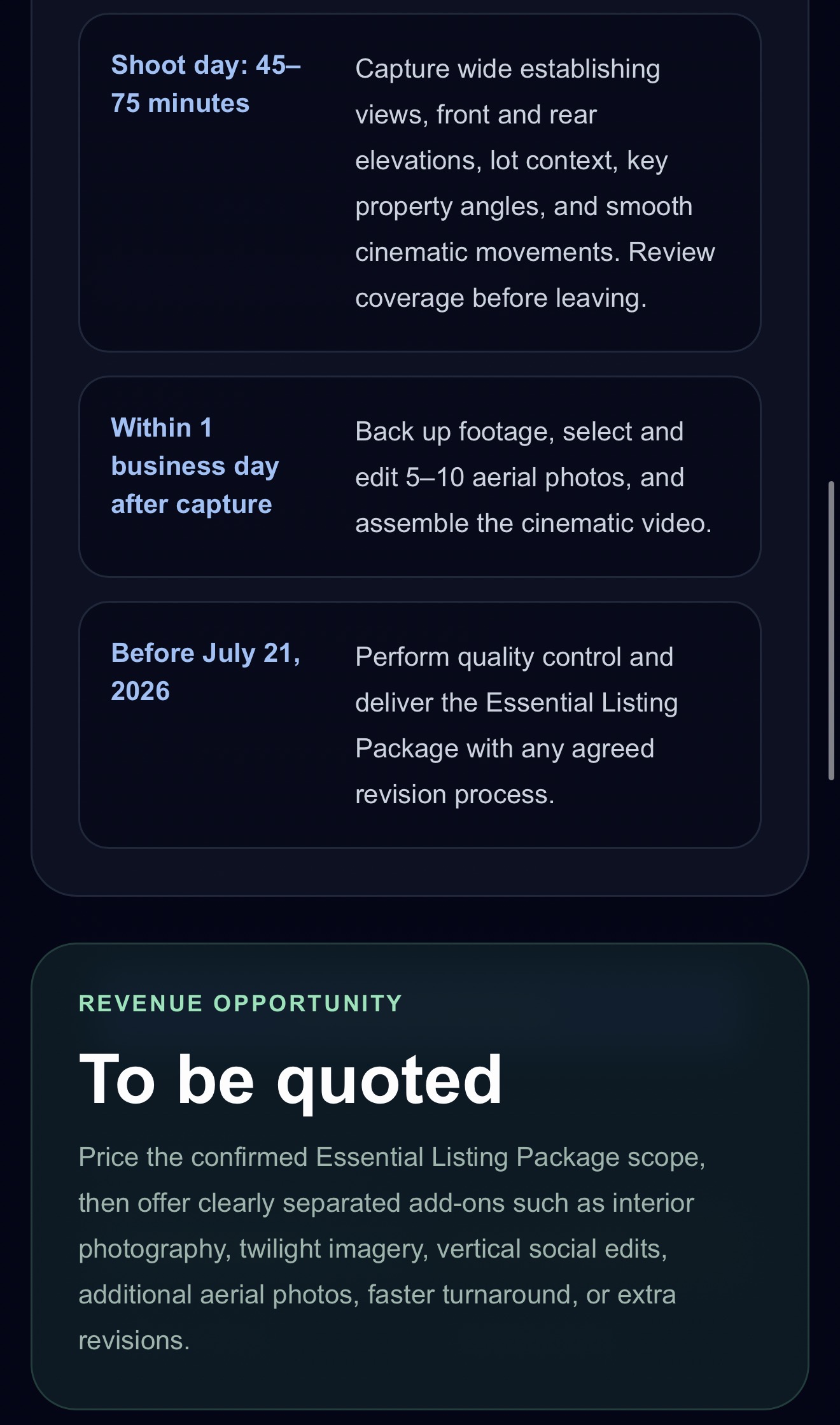
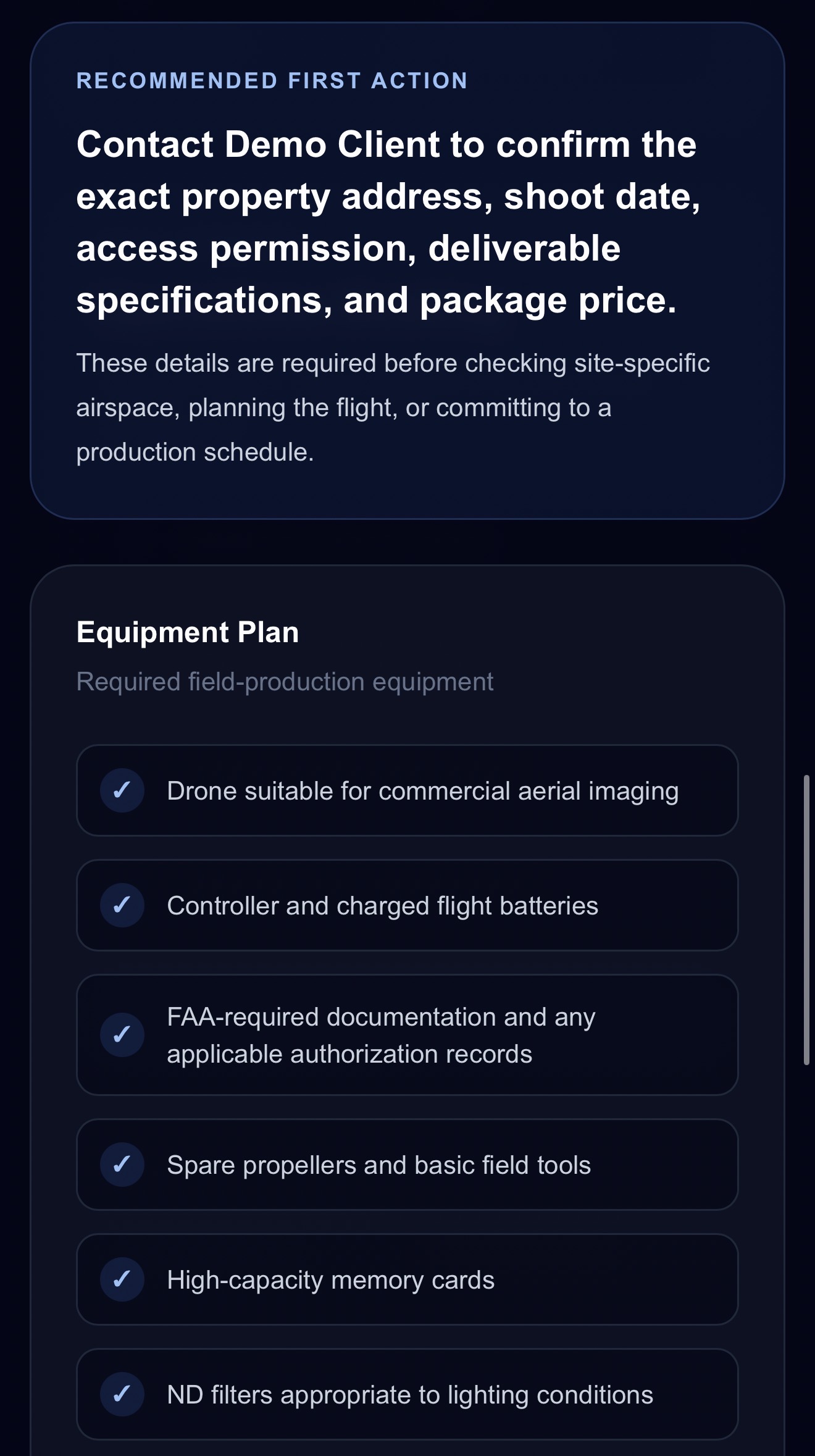
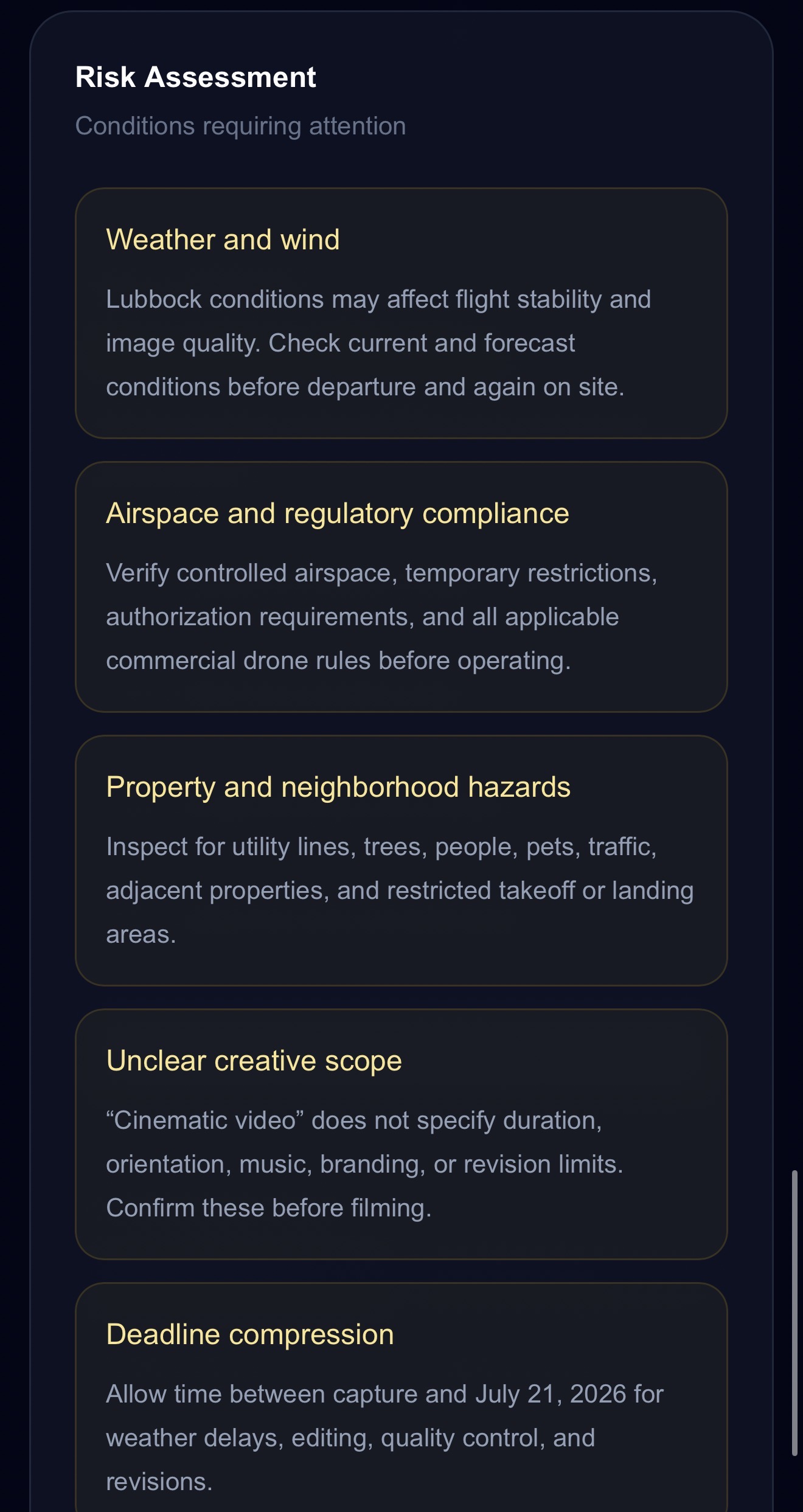
- Generate a live AI Operations Briefing using GPT-5.6.
- Provide guidance instead of a generic chat response.
Rather than acting like another chatbot, ChrisTopher Command organizes work into a repeatable operational workflow in a clear and easy to follow template.
Current workflow:
Client Intake - Mission Control - Operations Briefing - Execute
How I built it
The application was built using:
- Next.js
- React
- TypeScript
- Tailwind CSS
- OpenAI Responses API
- GPT-5.6 Structured Outputs
- Zod runtime validation
- Vercel deployment
- Codex The backend validates requests before calling the OpenAI Responses API and validates AI responses before they are displayed to the user.
Mission data is transformed into structured operational briefings that include objectives, priorities, risks, timelines, and recommended actions.
Challenges
The biggest challenge was moving beyond a simple prompt-response experience.
I wanted the AI to become part of an operational workflow instead of simply generating text.
Another challenge was ensuring reliable structured output from the model while keeping the app dynamic. Runtime validation, request validation, timeout handling, and graceful fallback behavior were added to make the experience more production-ready.
OpenAI tools used
GPT-5.6 powers the live Operations Briefing using structured outputs.
Codex was used during the engineering phase to review and harden the production workflow. Its recommendations improved request validation, accessibility, timeout handling, runtime validation, and overall production reliability before deployment.
What I learned
This project changed how I think about AI applications.
GPT-5.6 became an operational decision-support system rather than simply a chat interface.
This project represents the first step toward building a complete AI operating system for independent creators, small businesses, and eventually an everyday life organizer.
Built With
- api
- codex
- css
- css3
- github
- gpt-5.6
- html5
- javascript
- next.js
- openai
- react
- responses
- tailwind
- typescript
- vercel
- zod


Log in or sign up for Devpost to join the conversation.