-
-
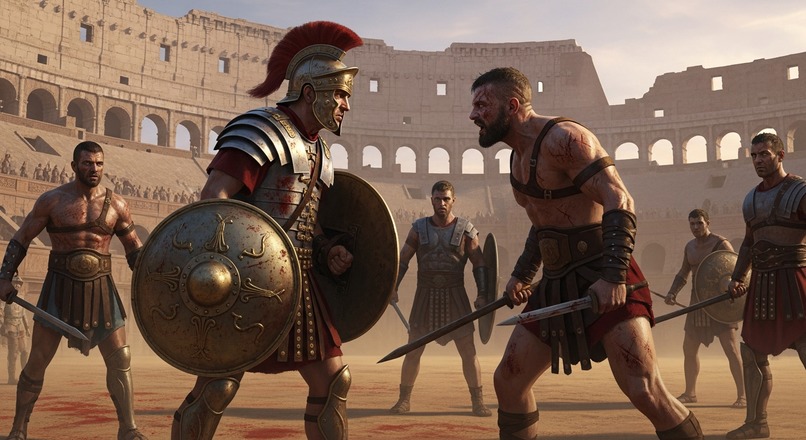
A Roman General lead his army to quell gladiator rebellion at colloseum.
-
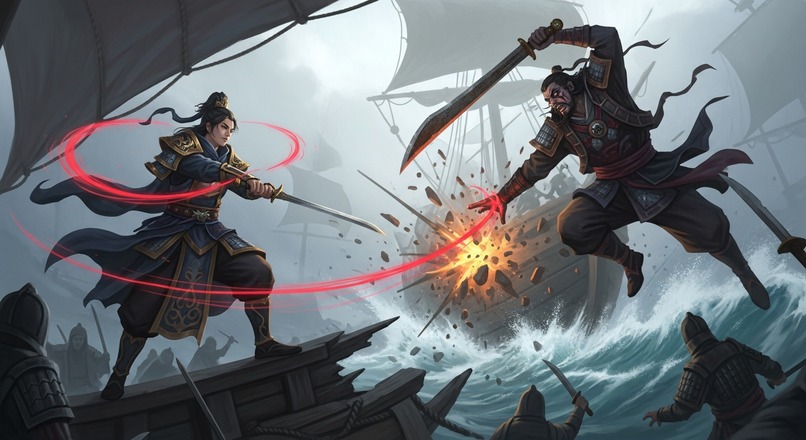
A Chinese prince on a voyage aboard a galley toward south china see. Across ocean to find his bride. On the way he will meet with pirates.
-
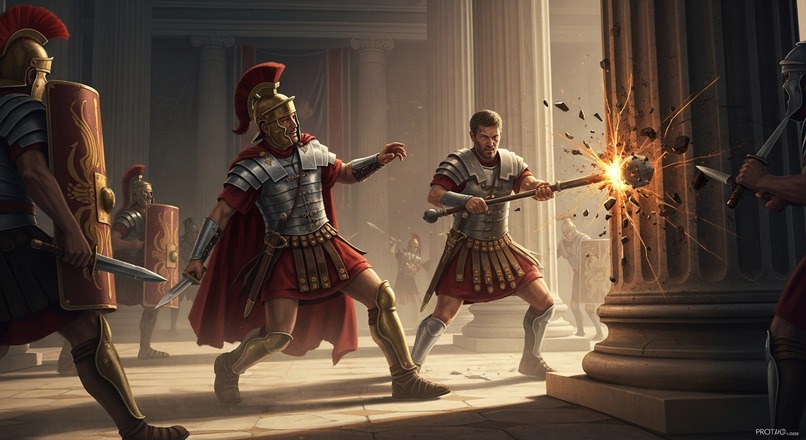
A Roman General lead his army to subdue a rebellion on capital hill. The tribune raising mob anger and start to destroy the capitol.
-
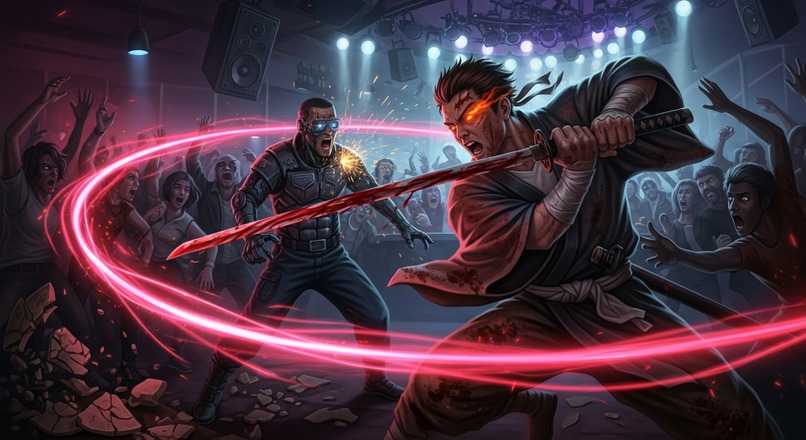
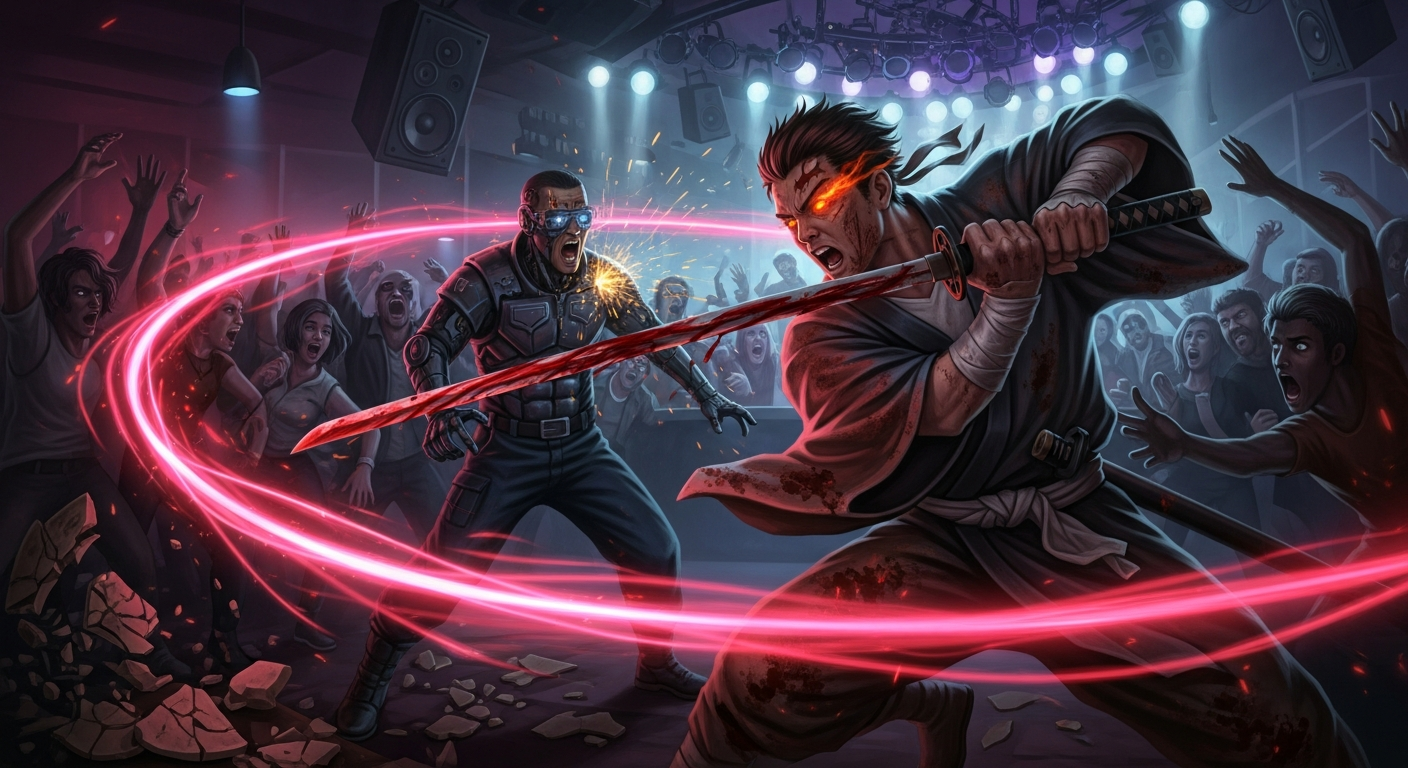
A time-traveling samurai in a 1980s neon-synthwave London. He is searching for a stolen steam-powered compass while being chased by police.
-
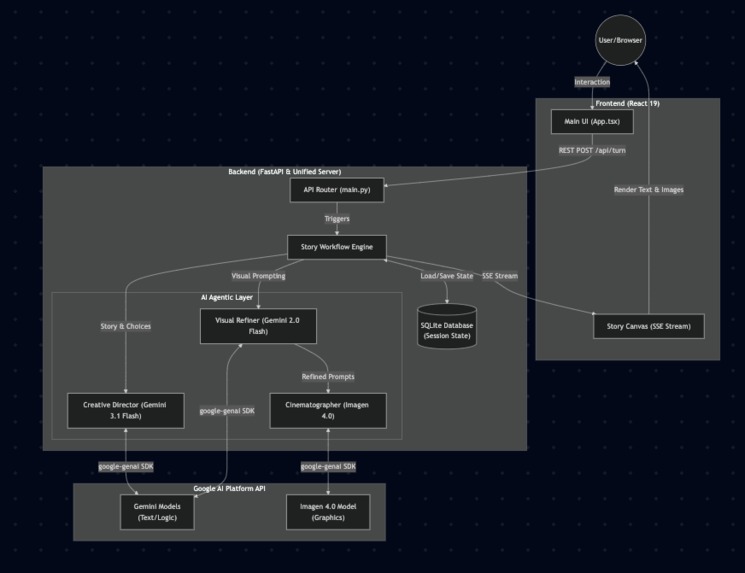
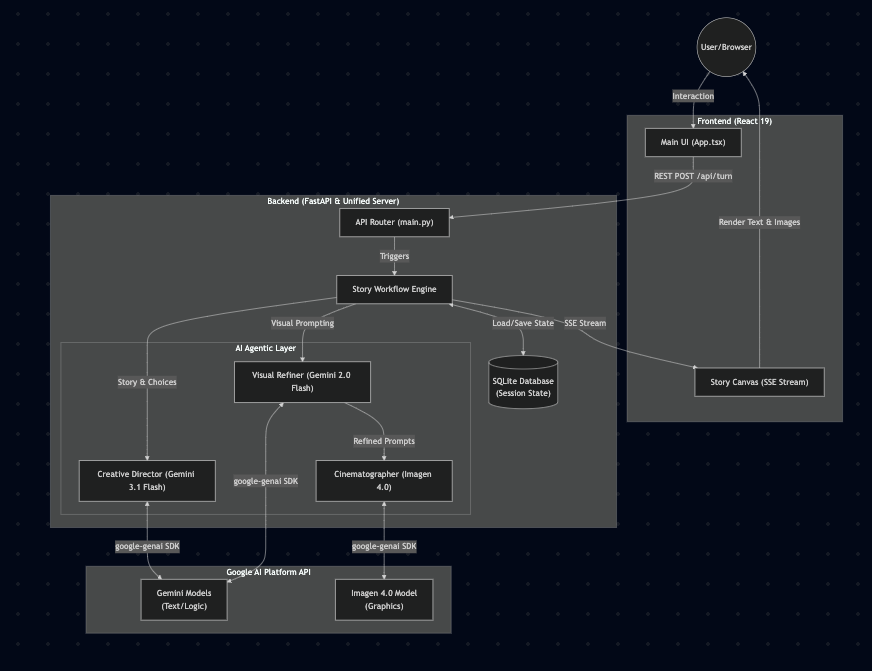
Diagram
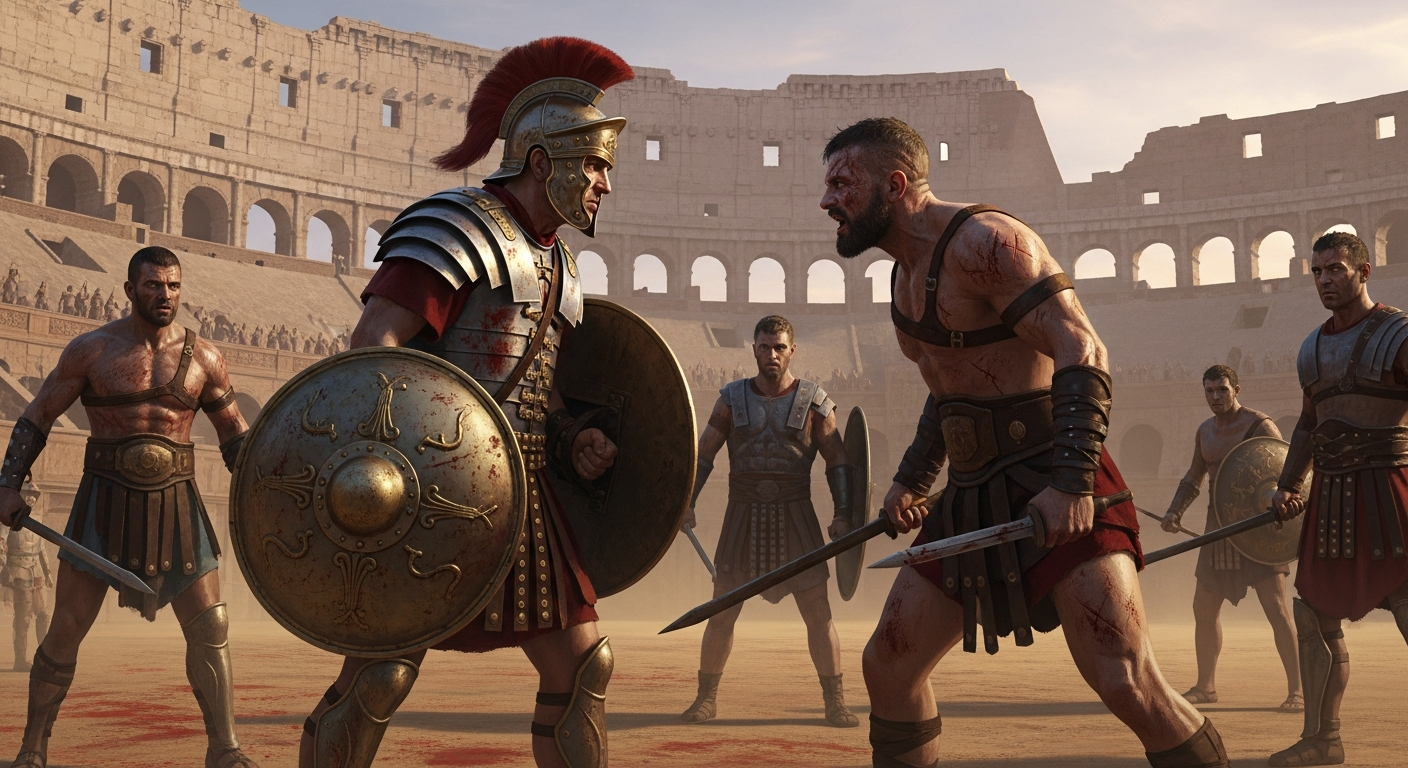
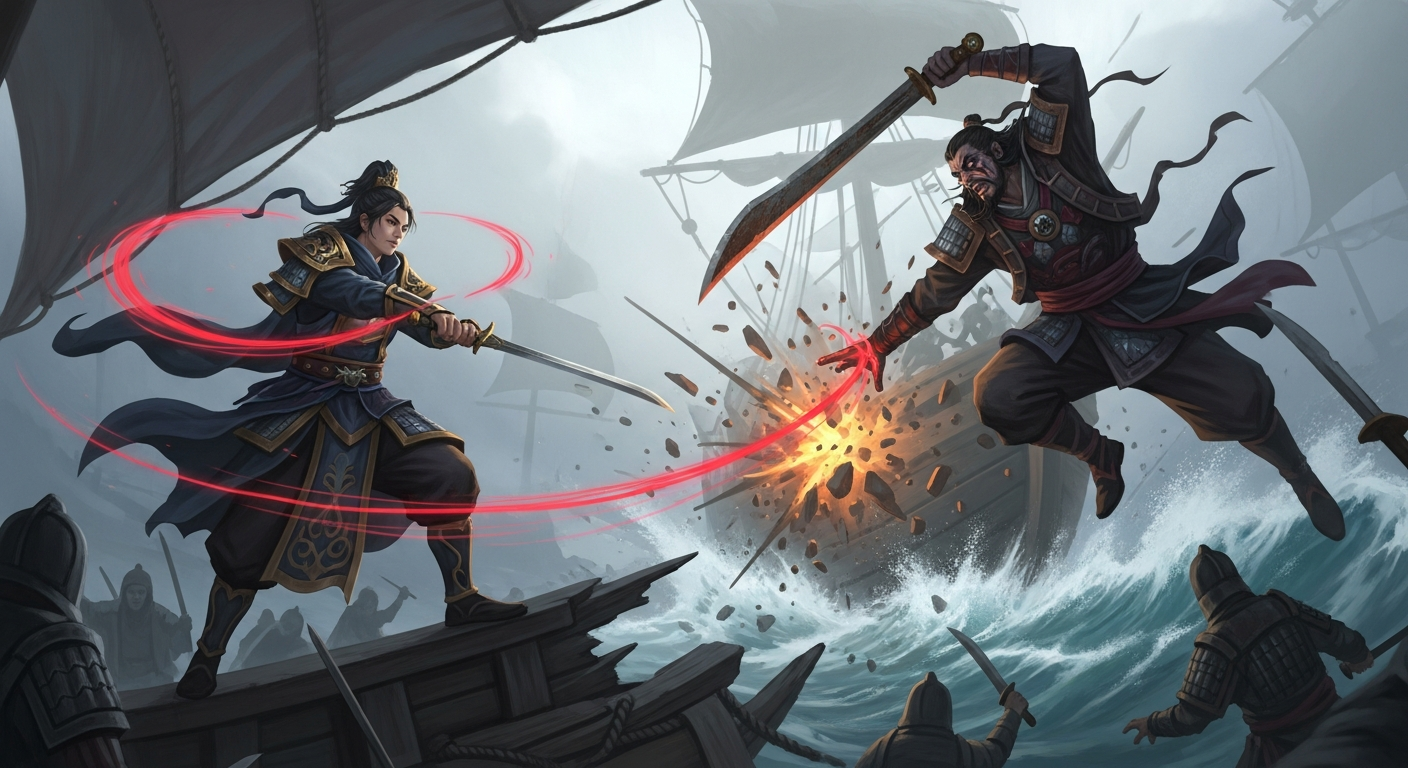
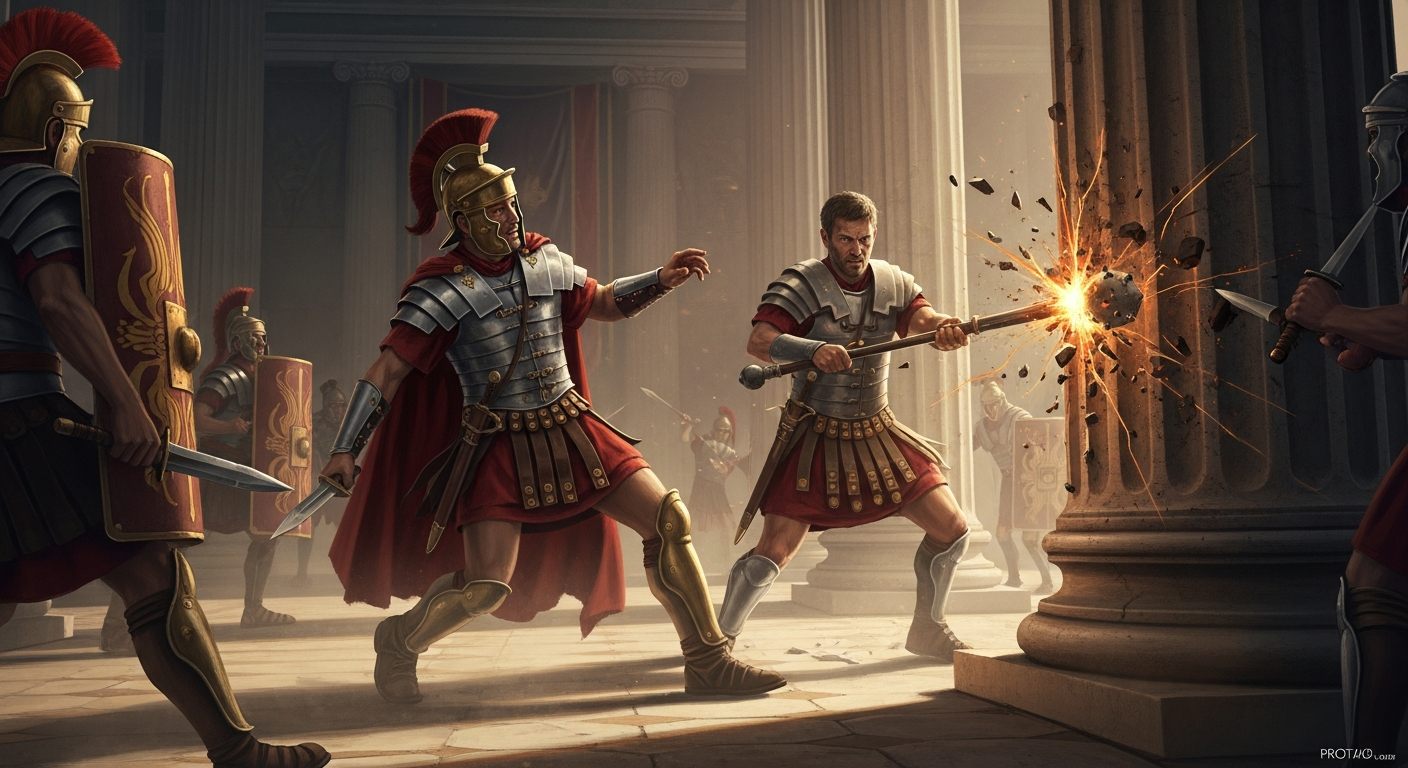
Inspiration
- Childhood Nostalgia: I grew up loving "Choose Your Own Adventure" detective books. I loved being the one to decide the story's ending.
- Beating Writer's Block: While trying to write my own book, I got stuck. I realized that an interactive tool could help writers spark new ideas and get past mental walls.
- Gemini Technology: Playing with Gemini GEMS showed me that AI could act as a creative partner, not just a search engine.
What it does
- **Step 1: Logic Check: When the player makes a choice, the World State Manager checks the database to make sure it's possible (e.g., you can't use a key you haven't found).
- **Step 2: Storytelling: The Creative Director (Gemini) writes a vivid paragraph and hidden "visual tags" for the scene.
- **Step 3: Data Mapping: The Lore Orchestrator pulls out those tags and saves the characters, items, and settings into a SQLite database.
- **Step 4: Cinematic Direction: The Visual Refiner reads the story and picks a dynamic camera angle (like a "Dutch Angle" or "Wide Shot").
- **Step 5: Visual Creation: The Cinematographer (Imagen) uses all that data to paint a consistent, high-quality image that matches the story perfectly.
How we built it
- The "Film Studio" Model: I didn't just use one AI. I built a team of "agents" that work like a movie crew:
- The Director: Writes the actual story paragraphs.
- The Casting Agent: Makes sure the main character looks the same in every chapter.
- The Props Manager: Keeps track of items (like a compass or a sword) so they don't disappear.
- The Camera Op: Takes the story and turns it into a cinematic image with cool angles.
- The Memory Bank: I used a SQLite database so the AI never "forgets" what happened in earlier chapters.
Challenges we ran into
- **At first, the AI only made simple, centered pictures. I had to teach it to use "cinematic" angles (like wide shots or low angles) to make it feel like a movie.
- **Sometimes the AI would try to use an item the character didn't have. I had to build a World State Manager to double-check the logic of every choice.
- **Some battle scenes would get blocked by the AI. I had to learn to describe action in an "artistic" way so the system wouldn't crash. ## Accomplishments that we're proud of
What we learned
- **Writing a good story is about more than just being "creative." It requires a lot of organization and structure.
- **I learned that AI works best when you give it small, specific jobs instead of asking it to do everything at once.
- **I had to figure out how to use high-end models (like Gemini 3.1 Pro) for the finale while using faster, cheaper models (like Gemini 3 Flash) for the rest to keep costs down.
What's next for Choose Your Own Destiny
-**I'm planning to improve it
Built With
- adk
- fastapi
- gemini
- google-ai-sdk
- google-context-catching
- python
- react-19
- sqlite
- tailwind-css
- typescript
- vertex-ai


Log in or sign up for Devpost to join the conversation.