-
-
1
-
3
-
5
-
4
-
2


Inspiration
This project was inspired by my interest in practical cybersecurity and ethical hacking. I wanted to move beyond theoretical concepts and understand how real-world systems are attacked and secured.
What I Learned
Through this project, I learned how different stages of penetration testing connect together — from reconnaissance and enumeration to exploitation and privilege escalation. I gained strong hands-on experience with FTP enumeration, steganography, password cracking, command injection, reverse shells, and Linux privilege escalation.
How I Built the Project
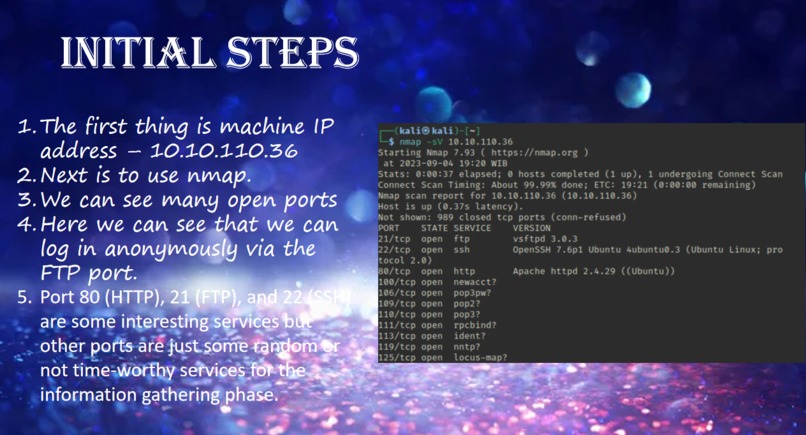
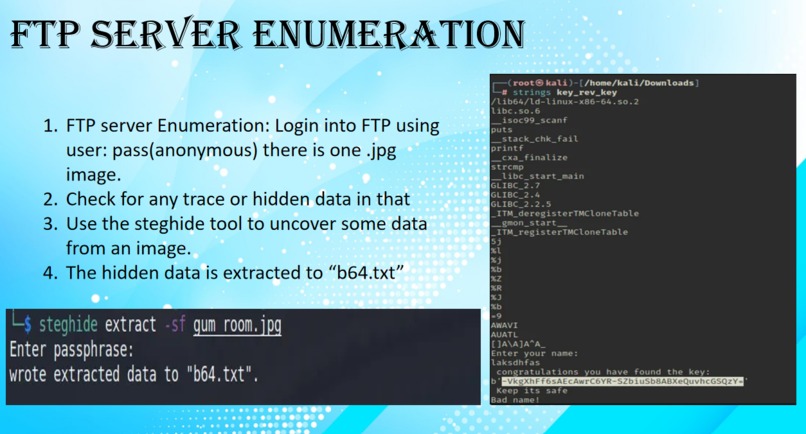
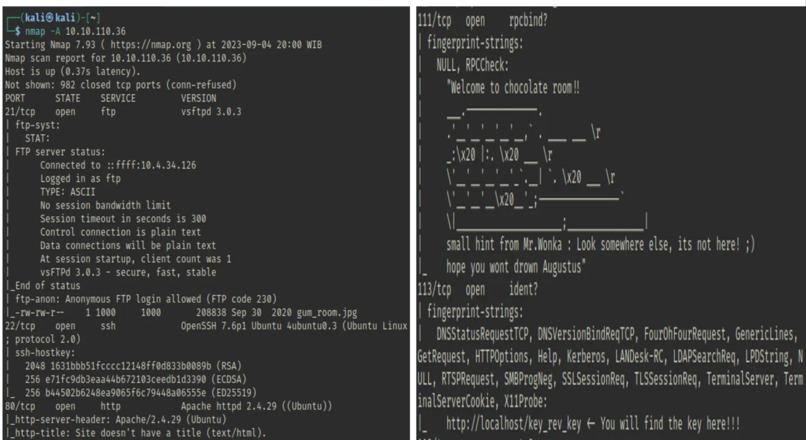
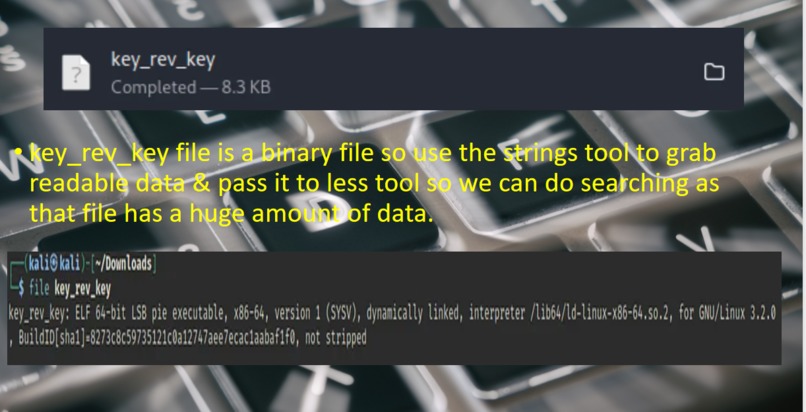
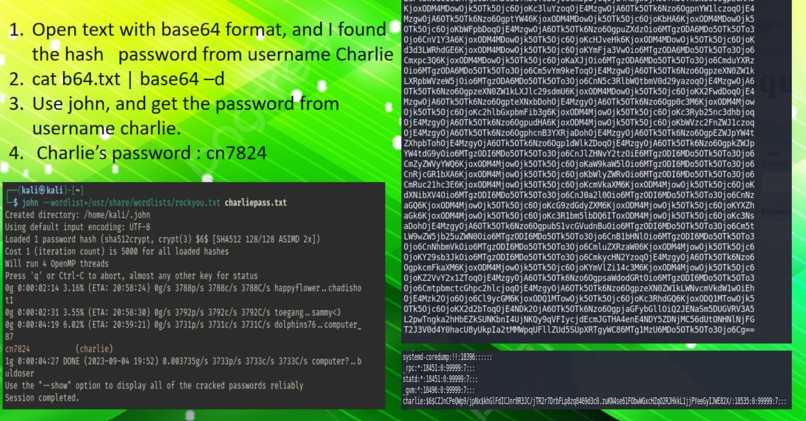
The process began with network scanning using nmap to identify open ports and services. Anonymous FTP access revealed an image file, which was analyzed using steganography tools to extract hidden base64 data. After decoding and cracking credentials with John the Ripper, I accessed the web application and identified a command injection vulnerability.
Using this vulnerability, I established a reverse shell and gained access as the www-data user. Exposed SSH keys allowed lateral movement to another user. Finally, misconfigured sudo permissions enabled privilege escalation via the vi editor, granting full root access.
Challenges Faced
The biggest challenges were identifying the correct exploitation path and chaining multiple vulnerabilities together. Debugging failed reverse shells and understanding Linux permission models required careful analysis and persistence.


Log in or sign up for Devpost to join the conversation.