-
-
app icon
-
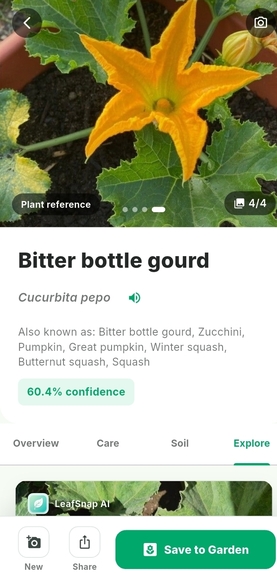
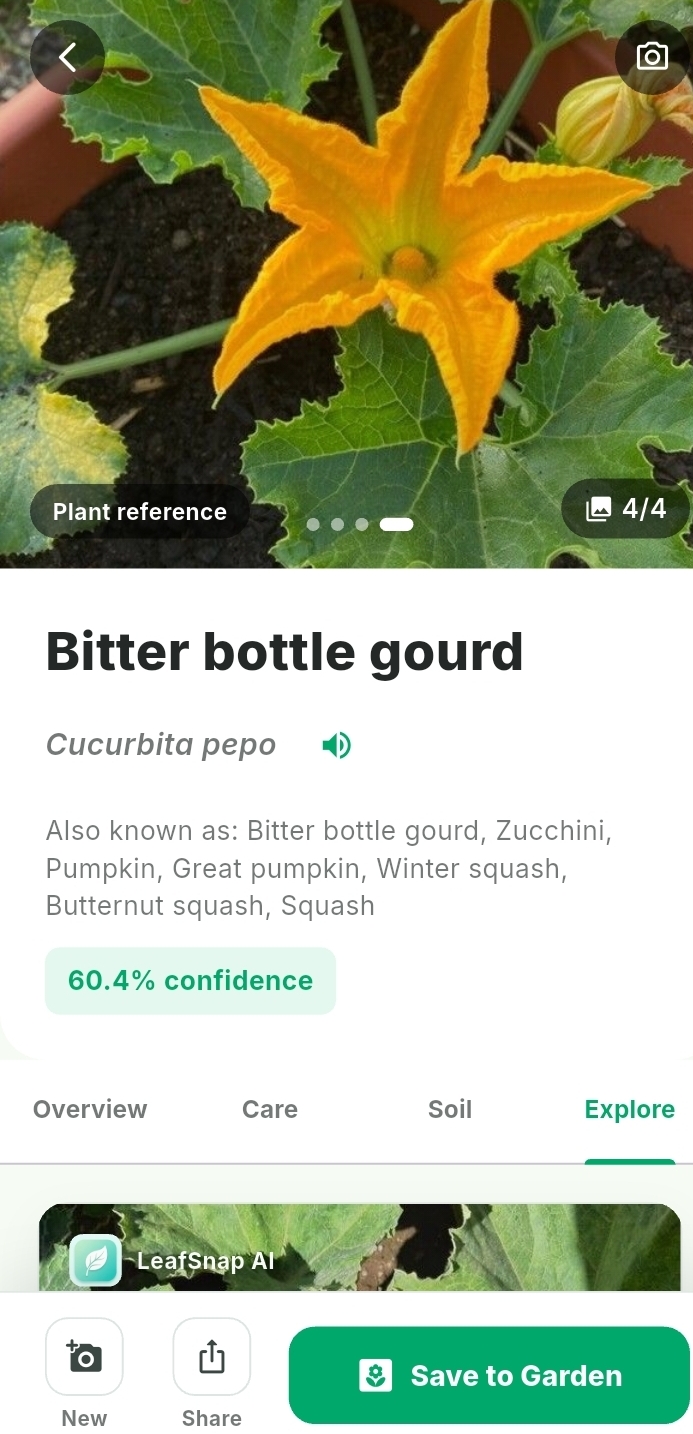
indentification screen
-
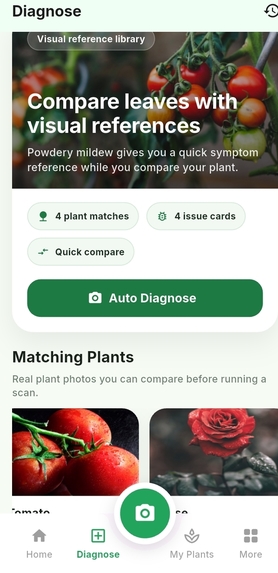
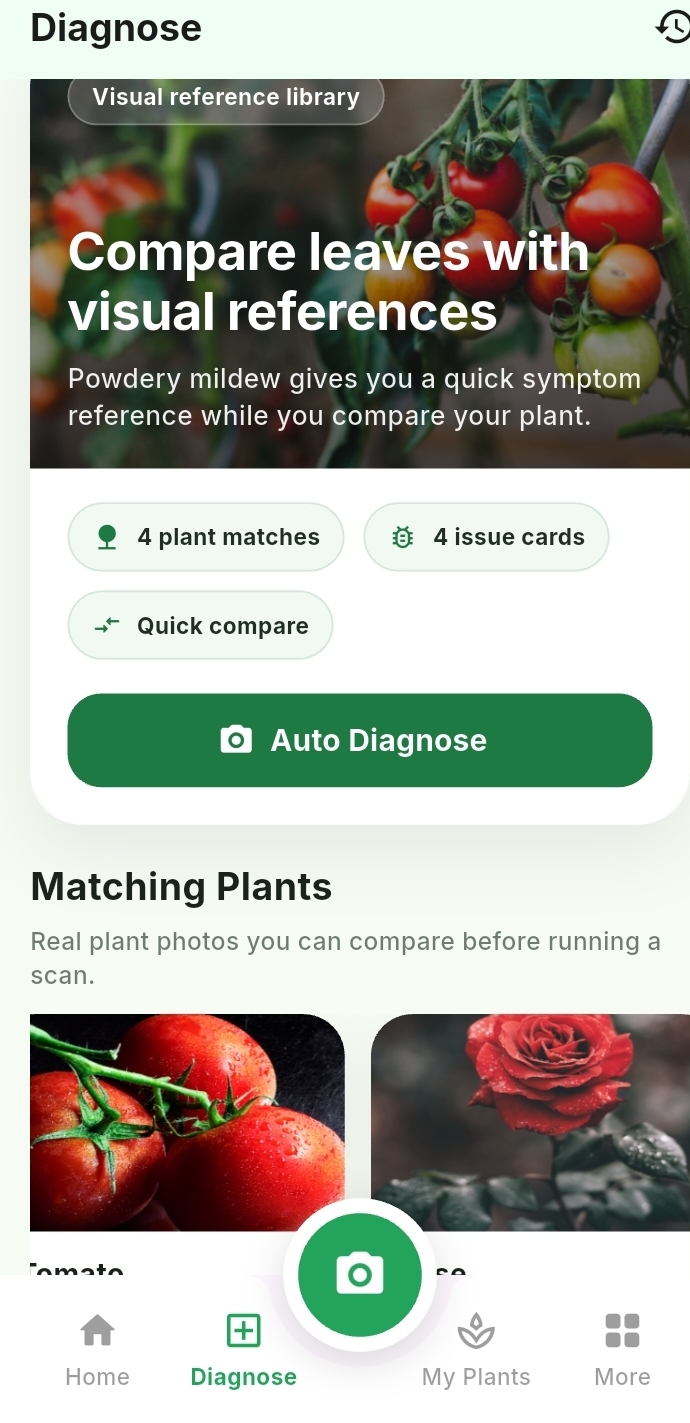
Diagnosis screen
-
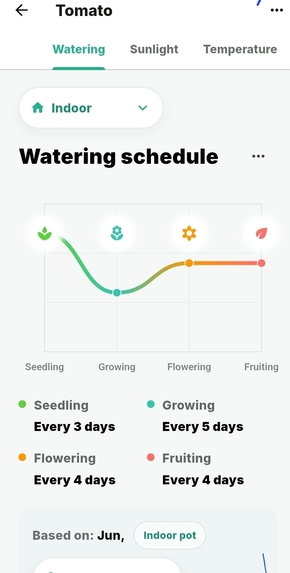
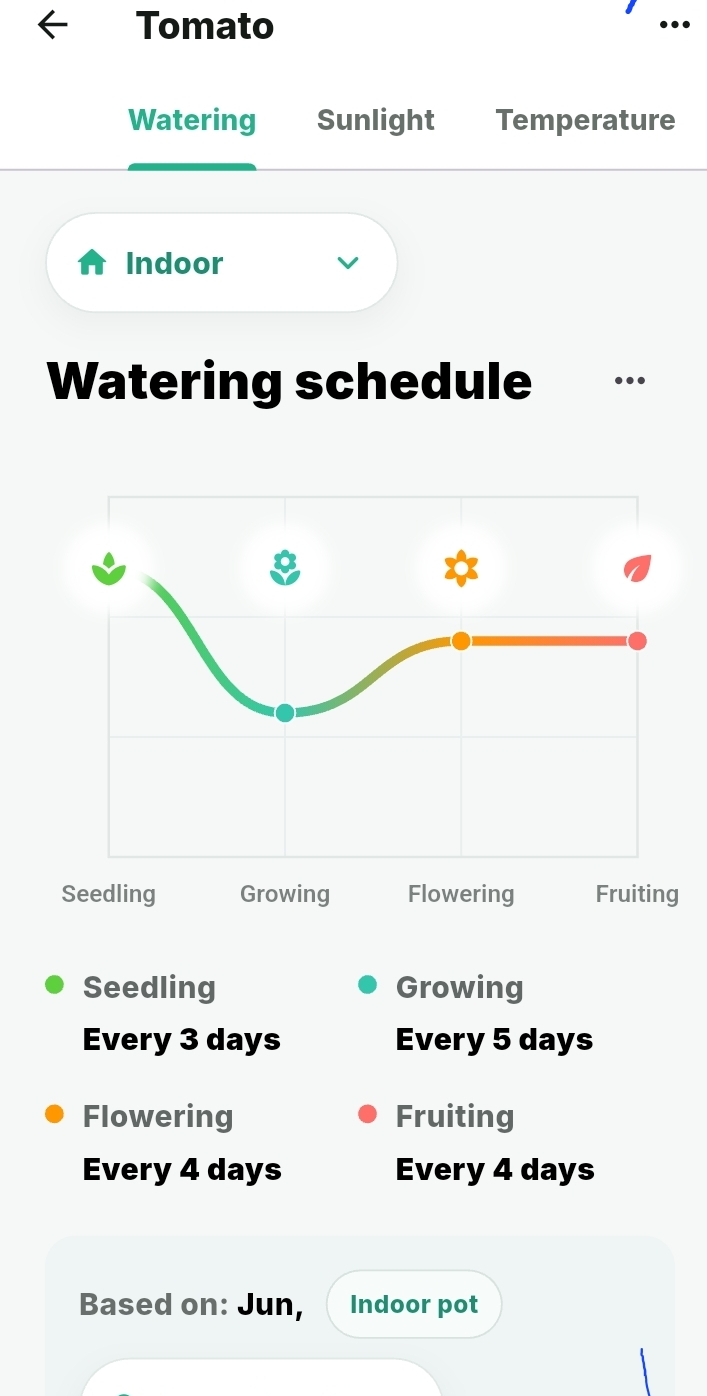
watering schedule
-
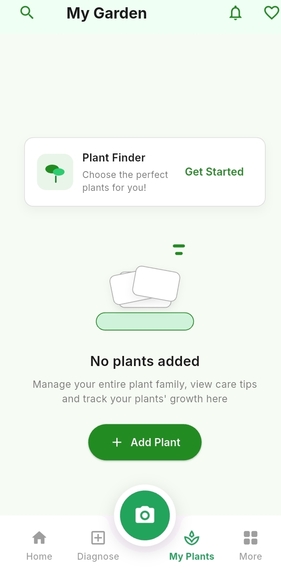
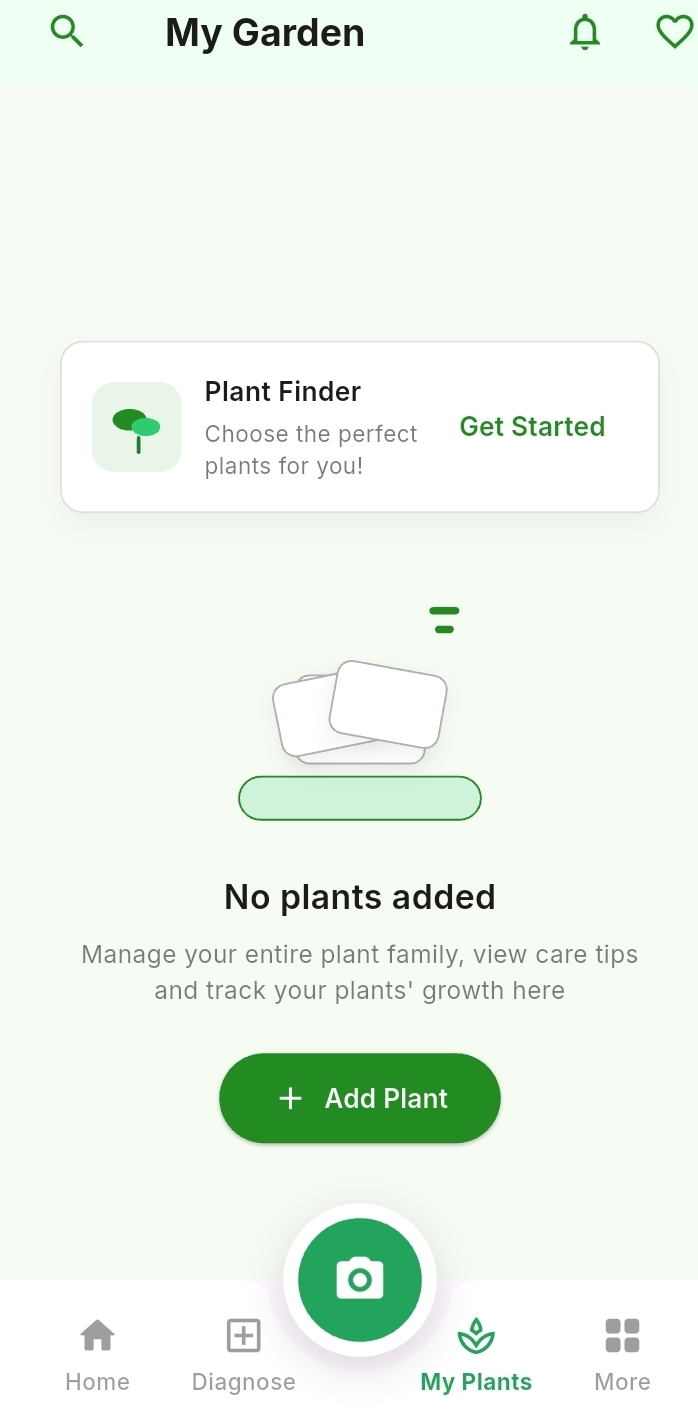
Build garden screen
Inspiration
Chlora started with a simple question: What if taking a photo of a plant could give you more than just its name?
Plant identification is only the beginning. When a plant develops yellow leaves, spots, pests, or other symptoms, gardeners often have to search through articles, forums and conflicting advice to figure out what is actually wrong and what they should do next.
I wanted to build something that could shorten that journey.
The idea behind Chlora is to move from:
“What plant is this?”
to:
“What is wrong with it, why is it happening and what can I do to help it recover?”
I was also interested in building something where AI could solve a real-world problem rather than simply demonstrating an impressive model.
What it does
Chlora is a plant identification and diagnosis app utilizing machine learning and computer vision for plant disease detection.
Users can take a photo of a plant and use Chlora to:
- Identify the plant and provide its scientific name.
- Analyze visible symptoms and identify potential problems.
- Estimate the severity of a detected problem.
- Show likely causes behind the symptoms.
- Provide practical care and recovery guidance.
- Generate a 7-day recovery plan.
- Save plants and monitor them over time.
The goal is to make plant care more actionable. Instead of giving someone a disease name and leaving them to search for the next step, Chlora tries to connect identification, diagnosis, causes and recovery into one workflow.
How we built it
Chlora was built as a mobile-first application combining computer vision image analysis with structured plant knowledge.
The AI analyzes plant photographs and visible symptoms, while the knowledge layer provides the relationships between plants, diseases, environmental conditions, and treatments.
I designed the product around a simple workflow:
Photo → Identification → Diagnosis → Causes → Recovery
I also integrated analytics so I can understand how real users interact with the application, where they get stuck and which features they actually use.
Chlora is currently available on Google Play and I am using real-world feedback to continuously improve the product.
Challenges we ran into
One of the biggest challenges was realizing how messy real-world plant photographs are.
A photograph can contain shadows, different lighting conditions, soil, multiple leaves, insects, disease symptoms and environmental clues at the same time.
Small pests are particularly difficult because they can occupy only a tiny portion of an image. A full-image analysis may correctly recognize the plant while completely missing an insect sitting on one of its leaves.
Another challenge has been diagnosis severity. A visually severe symptom does not always mean the same thing for the plant's overall outcome. Feedback from gardeners has shown us that severity needs to reflect practical impact, not just how dramatic a symptom looks.
We have also had to think carefully about how much information to show. A gardener needs enough information to make a decision, but not so much that the diagnosis becomes overwhelming.
Accomplishments that we're proud of
The biggest accomplishment is that Chlora has moved beyond an idea into a real product that people can download and use.
It is live on Google Play and is already being tested by real gardeners.
What makes us especially proud is the feedback coming from actual users. Experienced gardeners have been testing Chlora and giving detailed feedback about diagnosis accuracy, pest detection, severity levels, recovery guidance and features they would genuinely use.
That feedback is helping shape the product in ways that would be difficult to discover through development alone.
We are also proud of building the complete journey from plant identification to diagnosis and recovery rather than stopping at a simple plant-recognition model.
What we learned
The biggest lesson has been that building the AI is only part of building the product.
A technically impressive prediction is not enough if the recommendation doesn't make sense to the gardener.
Real users have already helped us discover problems we would not have found ourselves. For example, gardeners have pointed out situations where shadows can be mistaken for moisture problems, obvious yellow leaves can be missed and small insects can disappear inside a larger plant photograph.
We have also learned that product-market fit comes from listening closely to users rather than assuming we already know what they want.
The most valuable conversations have been with gardeners who actually use Chlora and tell us what they would change, what they don't trust and what would make them come back.
What's next for Chlora
The next goal is to make Chlora useful throughout the entire plant-growing journey, not just when something goes wrong.
We are working toward better plant diagnosis, improved insect identification, more personalized care recommendations, environmental context, seasonal reminders and better plant progress tracking.
We also want Chlora to eventually help gardeners understand their plants before problems become serious.
Ultimately, the vision is for Chlora to become a trusted plant-care companion something gardeners can turn to when they discover a new plant, notice something unusual, or simply want to help their plants thrive.


Log in or sign up for Devpost to join the conversation.