
Inspiration
Thousands of people are lost in the wilderness every year because they cannot contact help with their cell phones. Search and rescue in forests are especially difficult as conditions are always changing and foliage prevent searching with aerial views. A distress system needs to be developed to improve the safety of outdoors activities in remote areas.
What it does
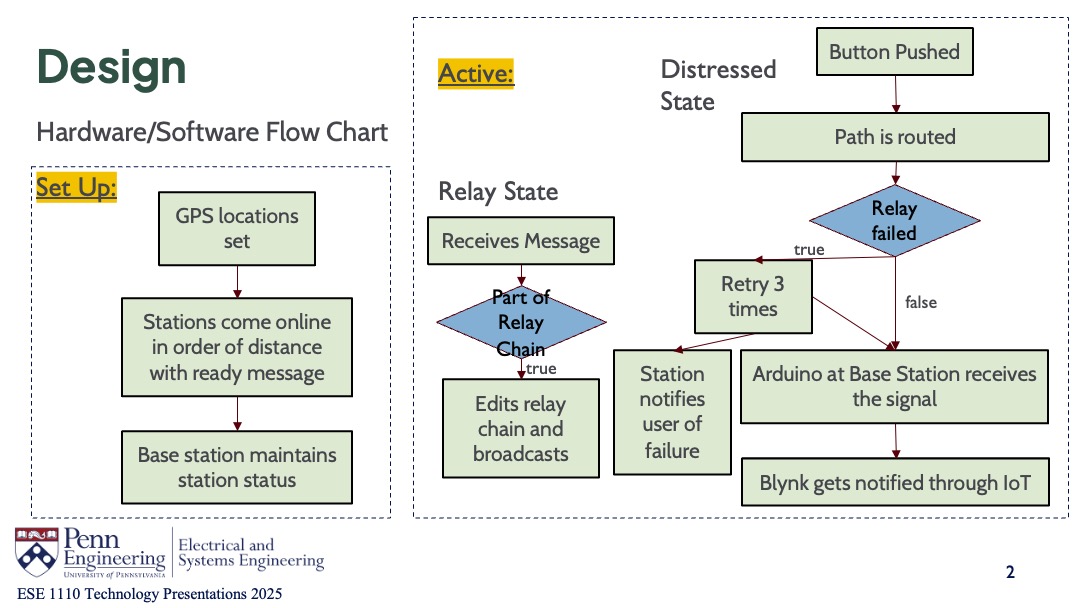
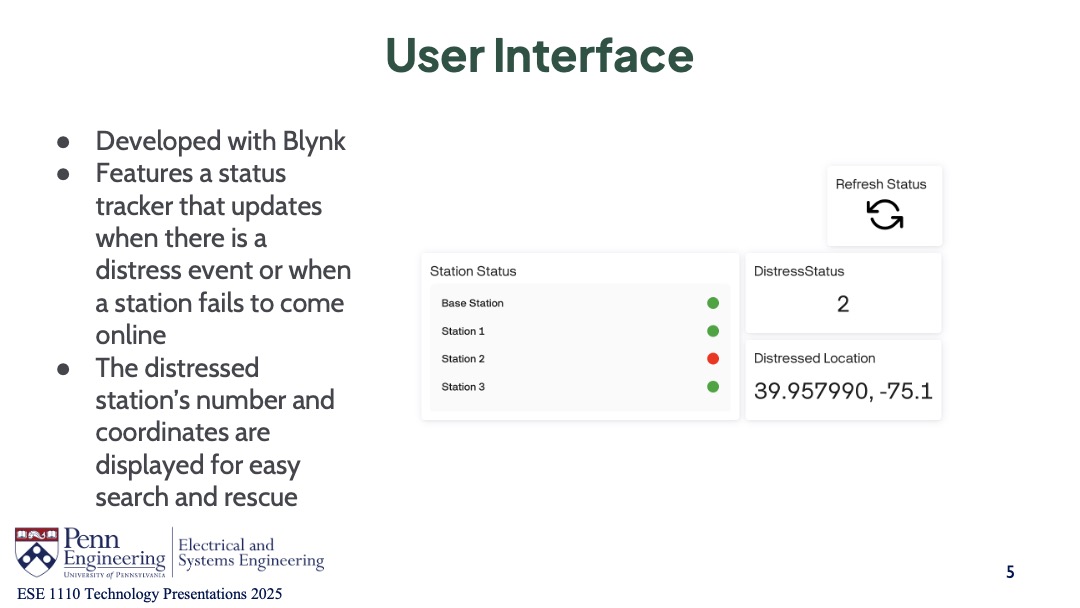
Chirp4Help is a network of distress stations deployed throughout forests or places without cellular signal. When a person is in need of emergency support, they could hit a distress button at the nearest station and their location will be relayed through the network to a base station connected to the internet.
How we built it
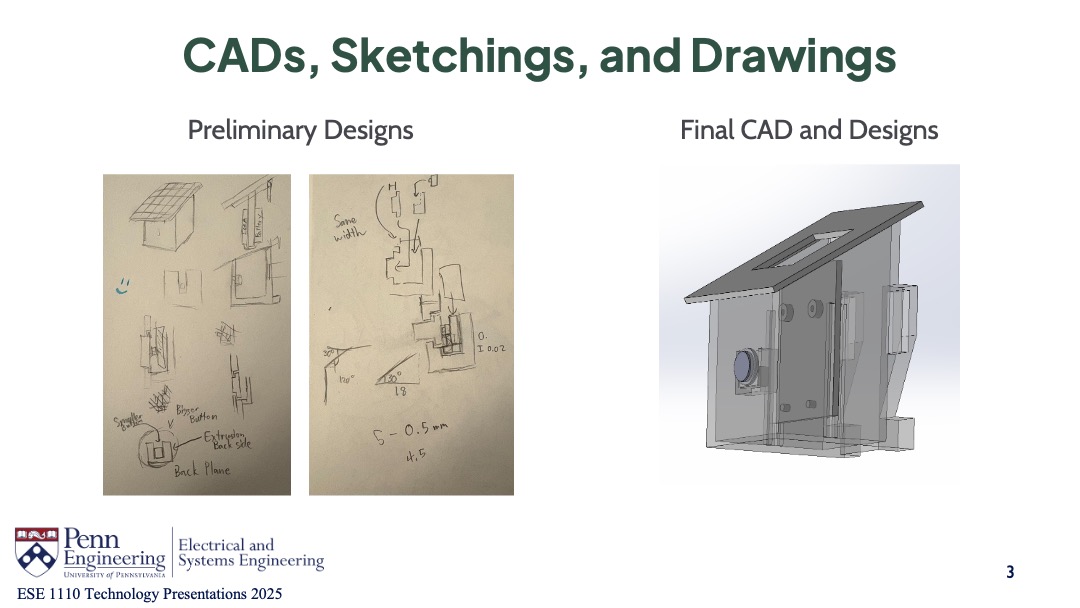
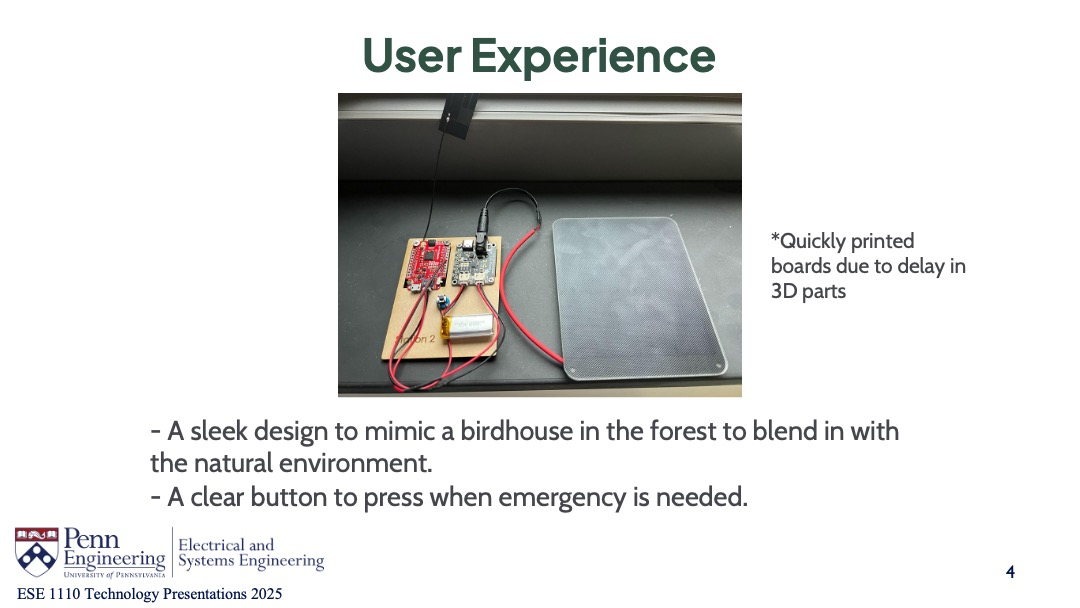
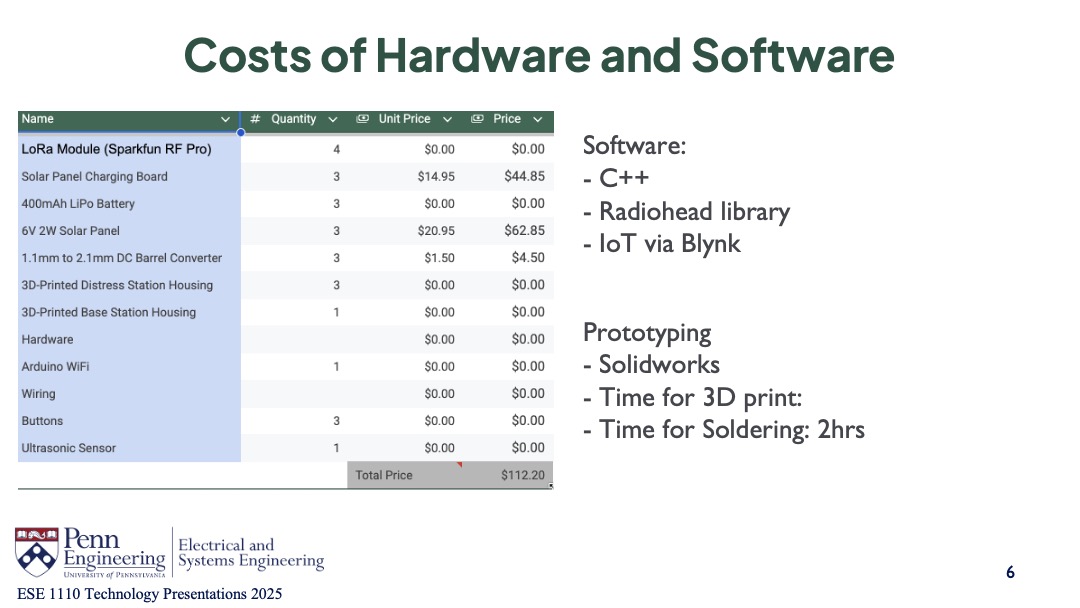
We chose the LoRa communication protocol for its low power and long range. We decided that the stations need to be low-maintenance which makes solar power a necessity. The enclosure has been designed in CAD and 3D printed.
Challenges we ran into
Developing a protocol that is expandable and low-bandwidth was very challenging. While implementing different functionalities, I found myself constantly changing how a distress message is sent. Getting the path routing to work was also a challenge, as the stations cannot be broadcasting every message they receive, as that will result in a cacophony of messages on the LoRa frequency, leading to excess power consumption and even undelivered messages.
Accomplishments that we're proud of
Having developed a system that is actually deployable in the real-world and could help people stay safe. Chirp4Help is a robust system that can work over extreme distances and be a low-cost alternative to tradition methods of keeping in contact in the wilderness.
What we learned
To plan the software before it is implemented.
What's next for ESE 1110, Team 17, Chirp4Help
Expanding on the functionality to allow for things such as two-way audio contact, more efficient dynamic path planning, and failsafes in case some stations are offline or a message gets lost.
Built With
- arduino
- lora
- radiohead

Log in or sign up for Devpost to join the conversation.