-
Chime In | A better way to community.
Inspiration
Remember the enchanting early days of Clubhouse? When it was easy to connect with likeminded people? That's what Chime In is trying to recreate on the DeSo blockchain. By leveraging the artificial scarcity of the blockchain, Chime In is designed to fade the negative network affect that Clubhouse experienced. The ultimate inspiration is to create a genuine sense of connecting and belonging in intimate audio spaces.
What it does
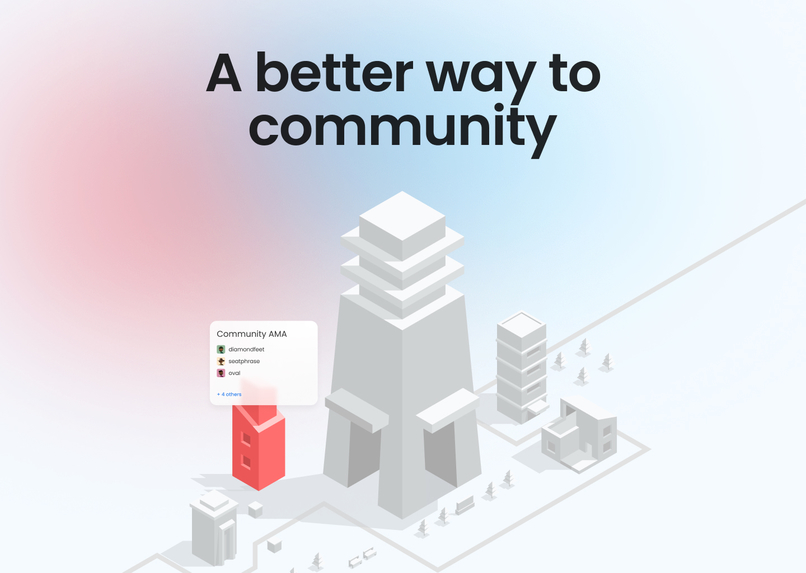
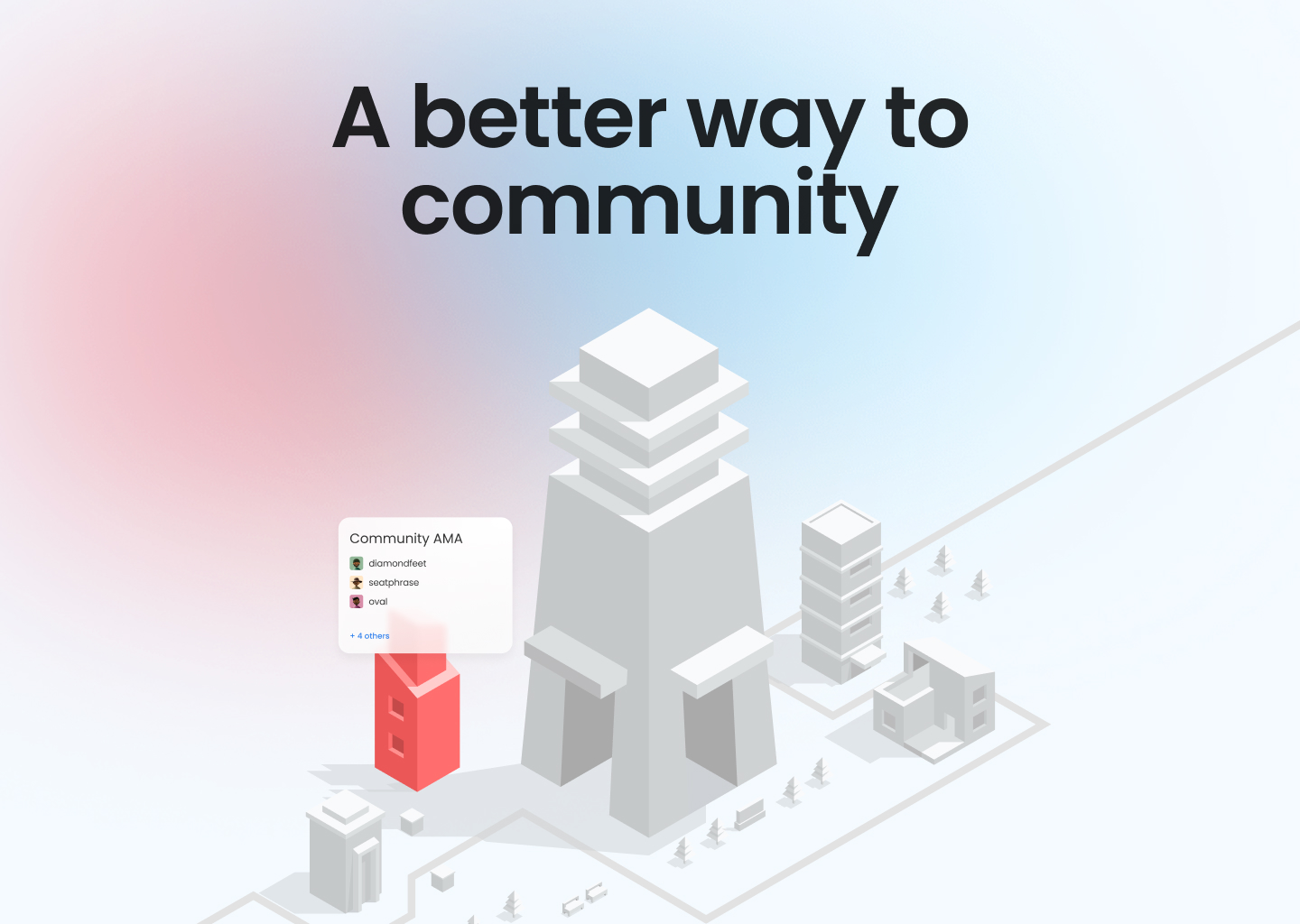
Set in a virtual city, Chime In has 6 buildings that contain persistent audio spaces. Each building has an NFT that, when owned, gives the creator or community owner control of the space—moderator controls, ability to display NFTs, and token gate mic permissions and entrance.
Because it's built on the DeSo blockchain, all profile data is ported in (pfp, bio, followers, wallet balances, etc.). This will inevitably enable native payment mechanisms in rooms, follow/unfollow, coin purchases, and on-chain posting.
How we built it
The frontend is built with ReactJS and for the backend we're using ExpressJS. We're using Twilio services for the audio/video capabilities. The live interactions between the users are implemented using web-sockets.
Challenges we ran into
- Implementing the UI using SVGs and making everything responsive and also completely configurable.
- Optimizing the backend to support hundreds of active users and horizontal scaling.
- Implementing theming and permissions, based on coin/NFT holding.
Accomplishments that we're proud of
Using an NFT for the "Night Mode"—might be one of the first uses of a token-gated UI theme.
What we learned
- There's a cold-start problem in the UI. We still need a way to incentivize users to stay when there isn't a scheduled event or other people to talk to.
What's next for Chime In
Market to web3 creators and communities and continue to iterate on the user experience. As we continue to build, we think we can be one of the breakout social apps to bring web3 to the mainstream.


Log in or sign up for Devpost to join the conversation.