-
-

Chilish app icon, original uncropped 1024 × 1024 image
-
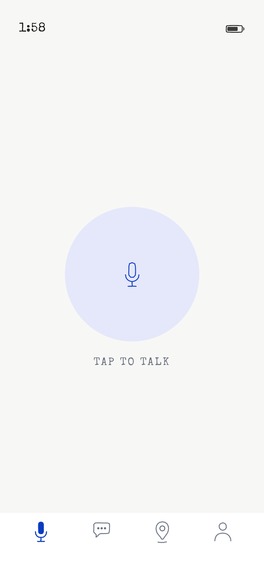
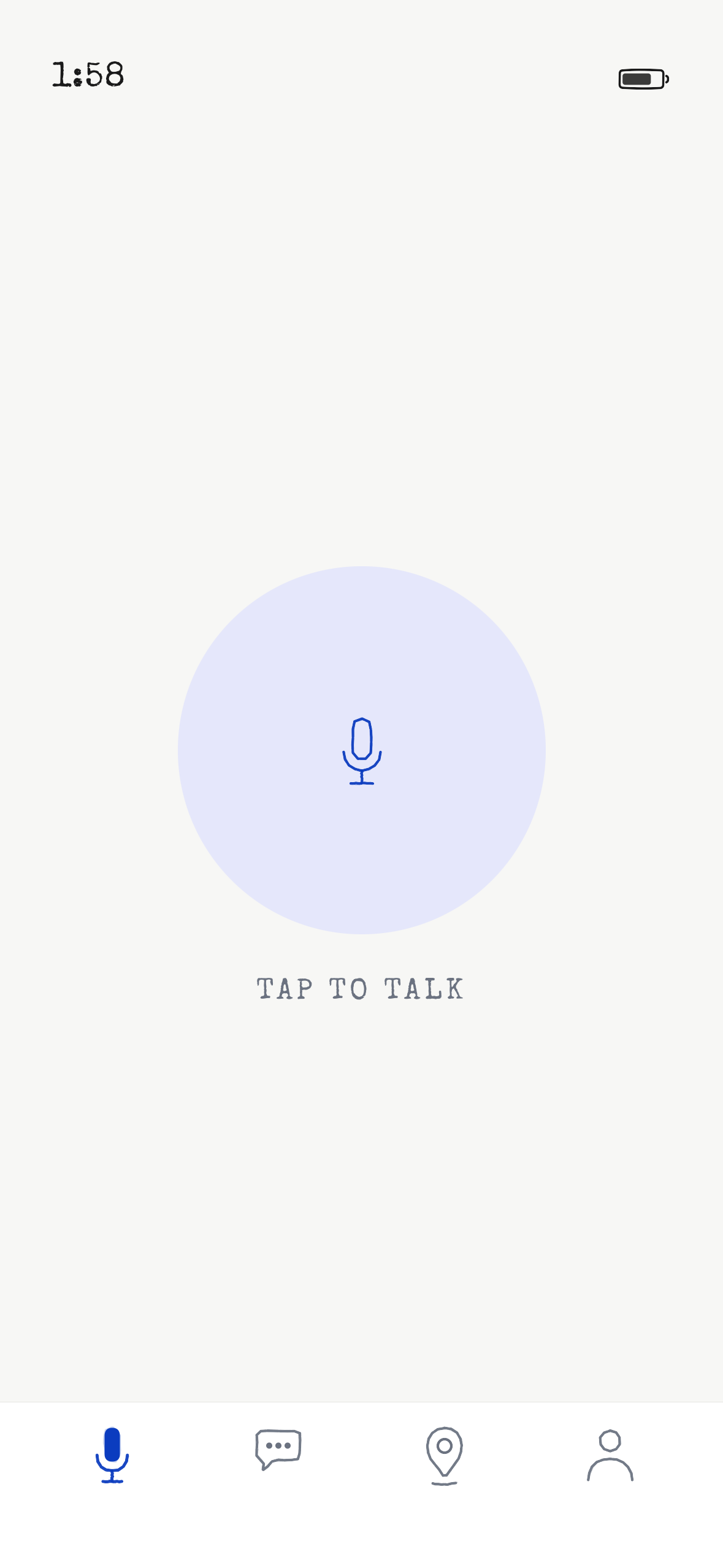
quick translate
-
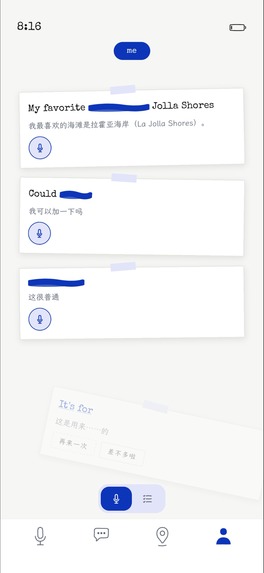
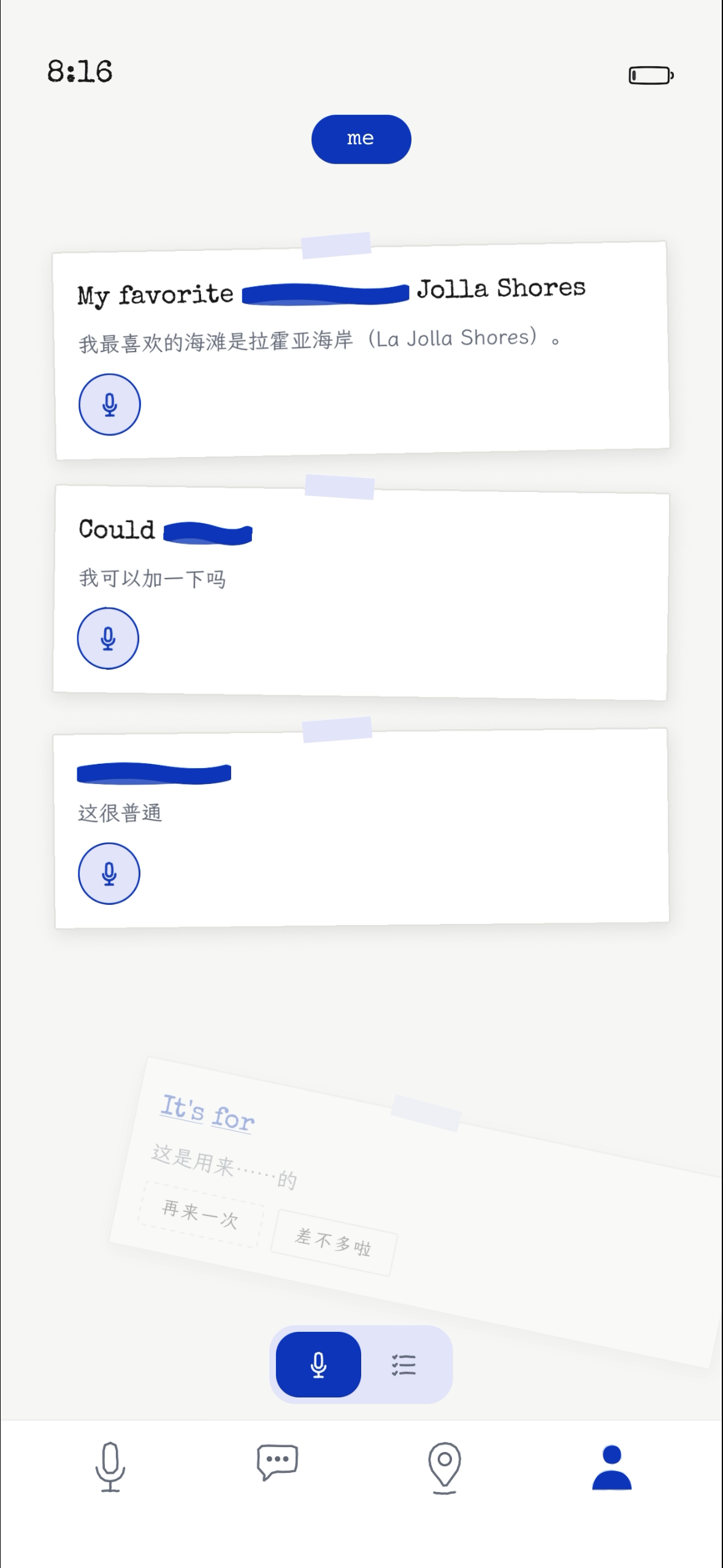
quiz cards
-
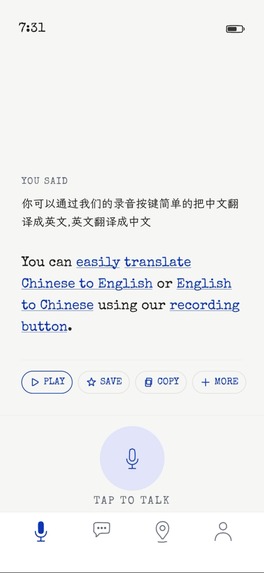
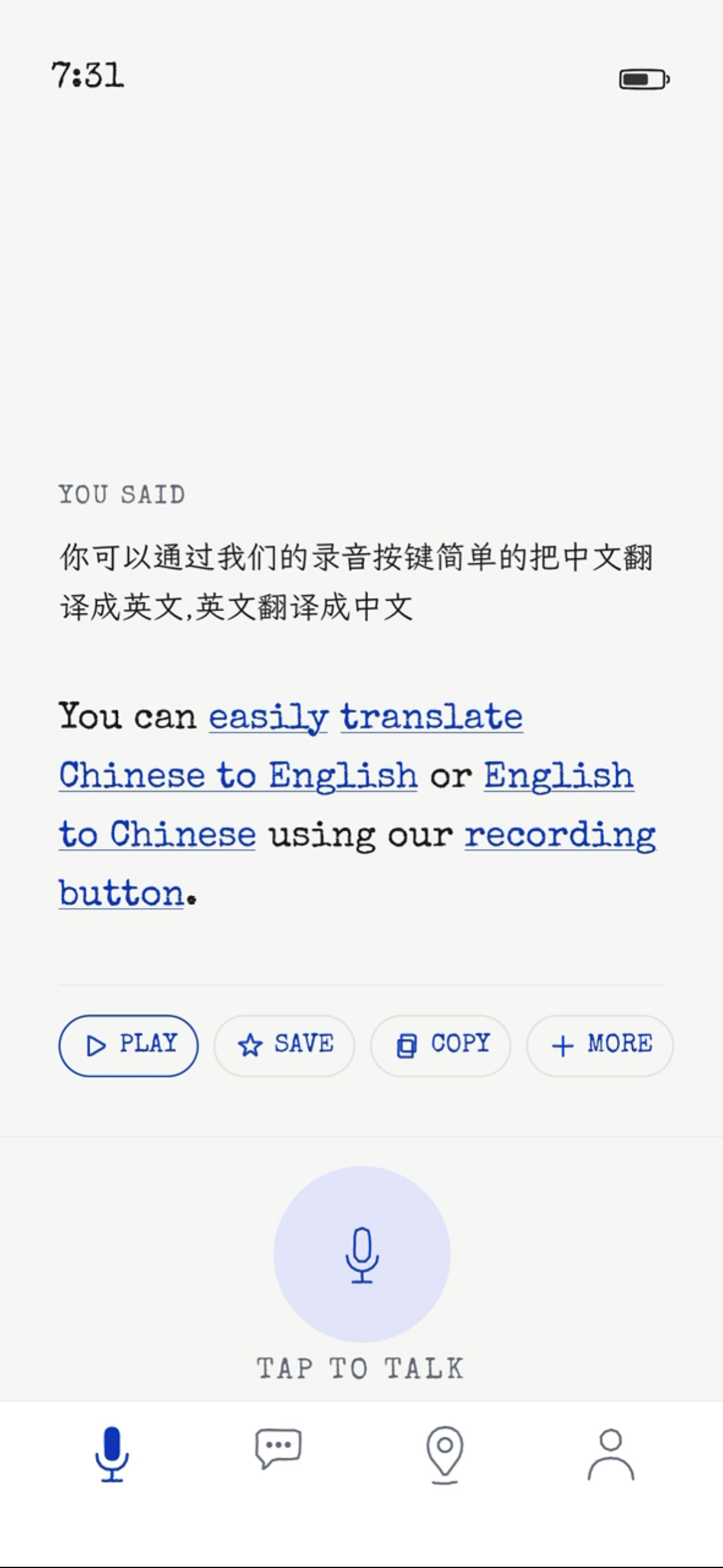
post translation features
-
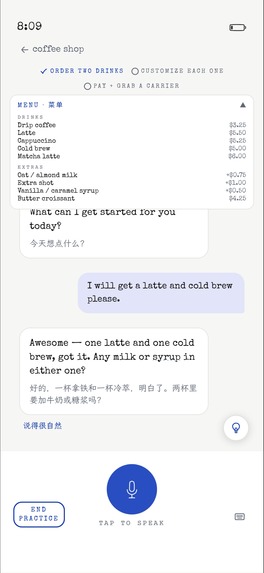
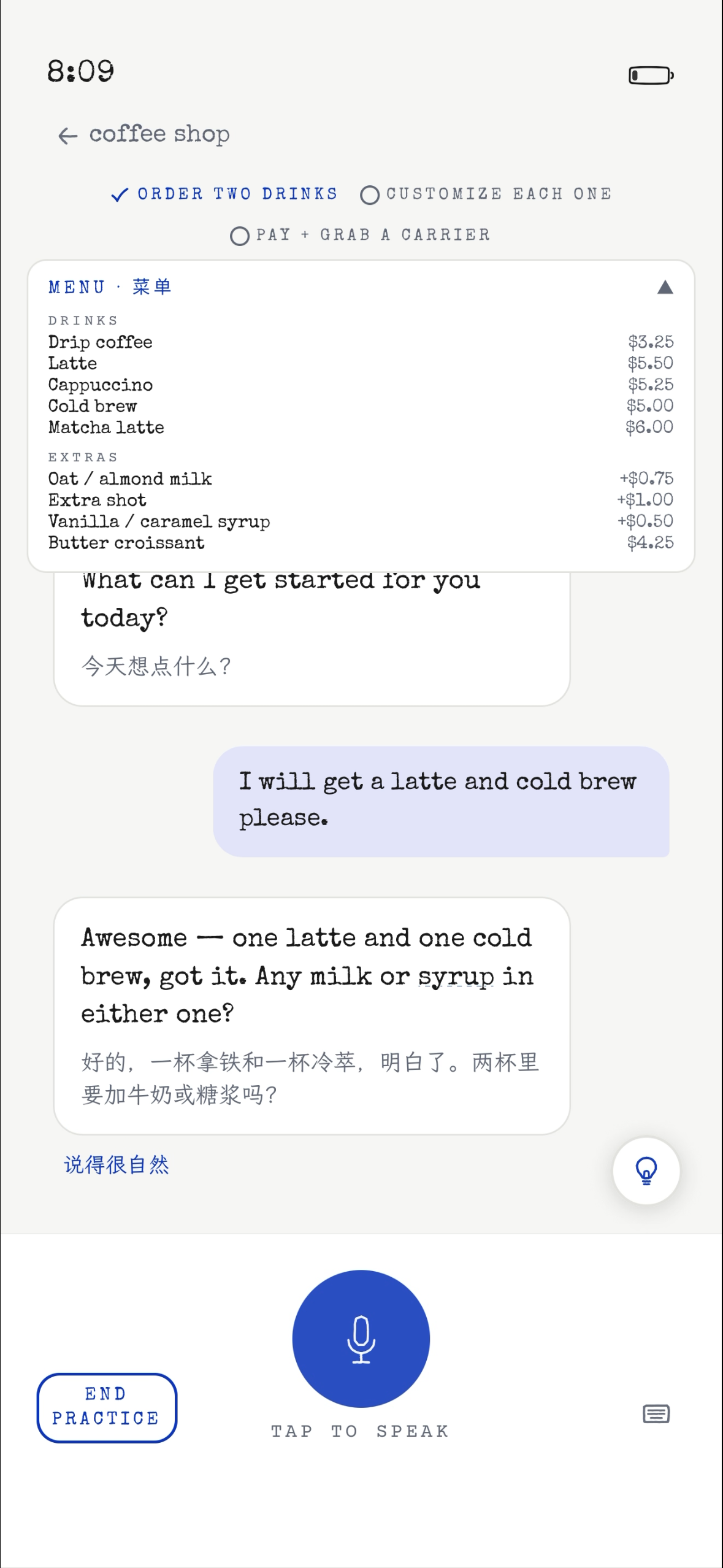
roleplay feature
-
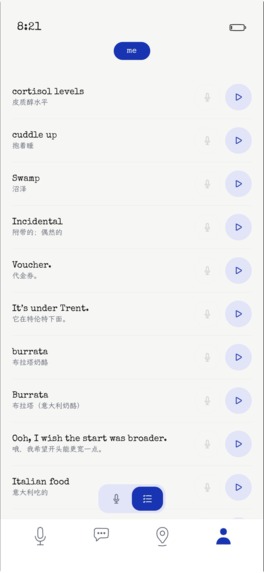
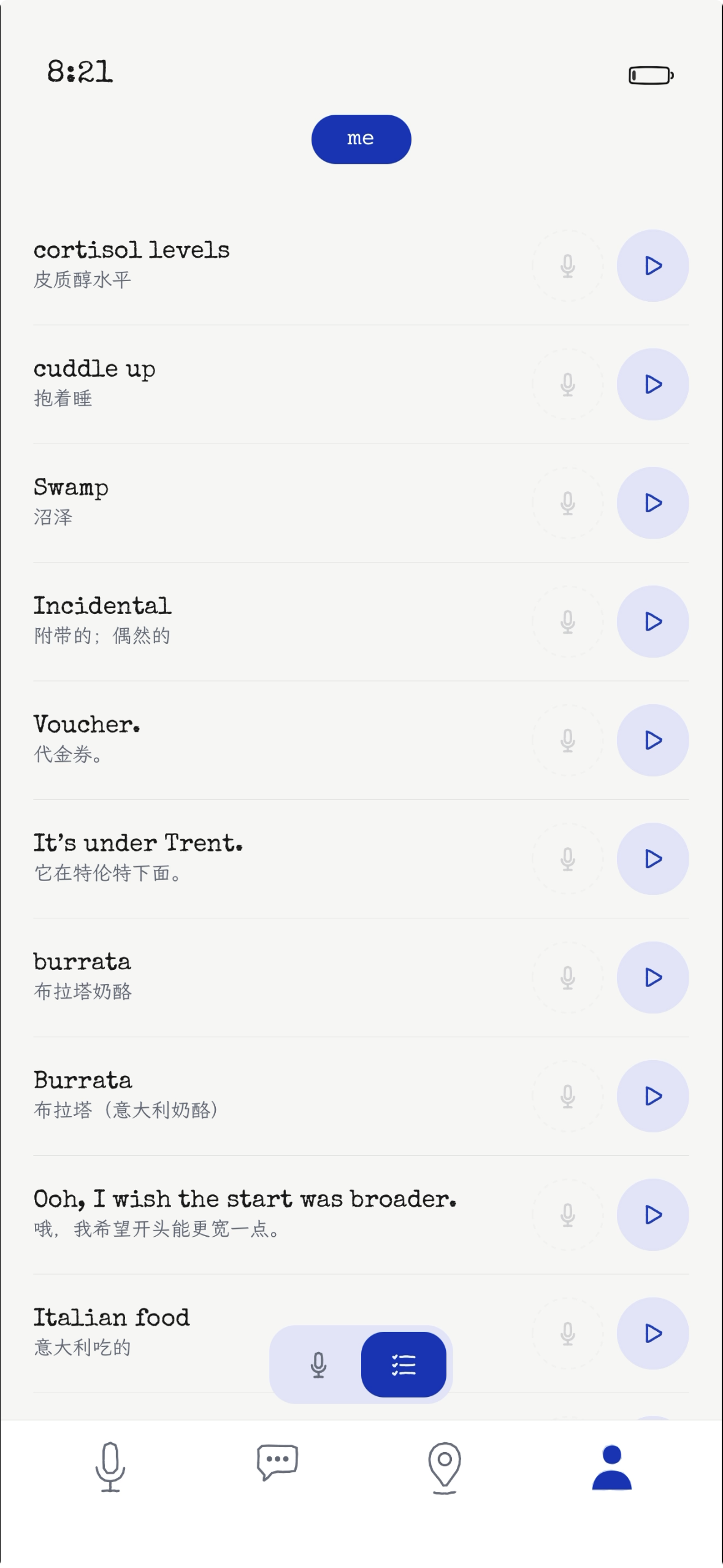
bank of saved phrases and words

Why Chilish exists
When I first moved to California as an international student, I practiced with ChatGPT almost every day. Before a doctor’s appointment or setting up internet and utilities, I would learn the words I needed and ask it to act out the conversation with me.
That helped, but I kept explaining my situation again each time. Useful phrases got buried in chats, and I didn’t have a good way to review what I’d learned or keep track of my mistakes.
Then I met American friends through clubs. Their messages were full of slang and abbreviations I hadn’t learned in class. I’d ask AI what a message meant, then ask again for help writing a reply that sounded natural. Doing that every day became a lot of work.
Studying for the TOEFL had taught me how much speaking out loud and listening back could help. I wanted to bring that habit into everyday English practice, with phrases I could save and return to.
That’s why I made Chilish. I wanted one place to understand a message, figure out what to say and practice it for later. I’m building it for myself, and for other international students who want to feel more comfortable talking to people and making friends.
What it does
You can speak or type what you want to say and get natural English phrasing with audio playback. The app pulls out useful expressions and explains how to use them.
The texting screen helps with the other half of a conversation. Paste an incoming message to understand its meaning, including slang and abbreviations, then draft a reply. Scenario practice lets you rehearse a conversation with an AI partner before having it in person. You can save phrases for review instead of losing them after a translation.
How it is built
Chilish is an iOS app built with React Native, Expo and TypeScript. Supabase handles authentication, saved data and the Edge Functions that call the AI services. Translation, message explanations and conversation practice use separate prompts because they need different kinds of responses. RevenueCat handles subscriptions and purchase restoration.
Challenges we faced
We ran into a lot of issues getting Chilish ready to ship. Models could sound fluent while misunderstanding slang or changing the meaning, so we ran many shootouts to optimize accuracy, natural phrasing, speed and cost.
Subscriptions were another headache. Products sometimes failed to load, the paywall needed revisions, and App Review issues pushed us to rethink promo access. We also had to keep free limits, paid access and restored purchases consistent between the app and backend.
What we learned
We put Chilish on TestFlight with around 100 users and went through many revisions before launch. Their feedback gave us a lot to fix and helped us decide what to change next.
We learned how paid introductory offers differ from free trials, including a $0.99 first week that renews at the regular weekly price.
The model shootouts taught us to choose models for specific tasks. A model that translated well could still struggle with slang. Building a language app meant checking whether the English fit the situation and sounded like something someone would say.
Where it stands
Chilish launched on the App Store on September 22, 2026. We’re just getting started. Now the harder work is getting it in front of people and giving them a reason to keep using it. We’re focusing on marketing and learning how to scale the app!
Built With
- expo.io
- openai
- openrouter
- react-native
- revenuecat
- supabase
- typescript


Log in or sign up for Devpost to join the conversation.