-
-
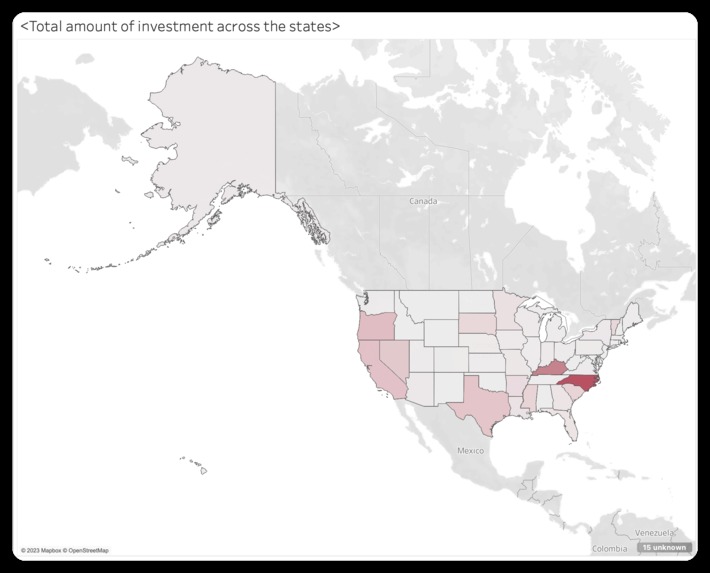
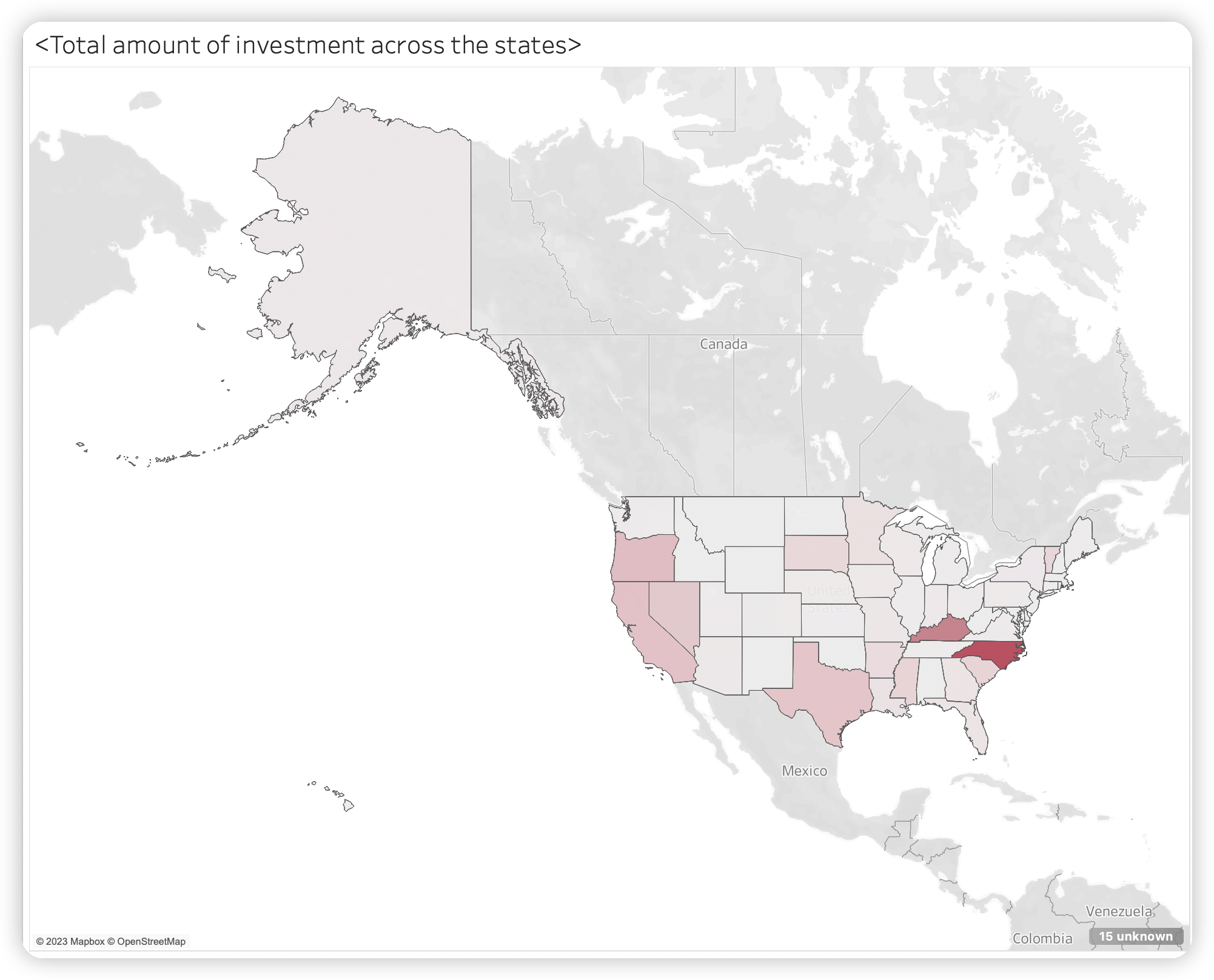
Investment level differed by states
-
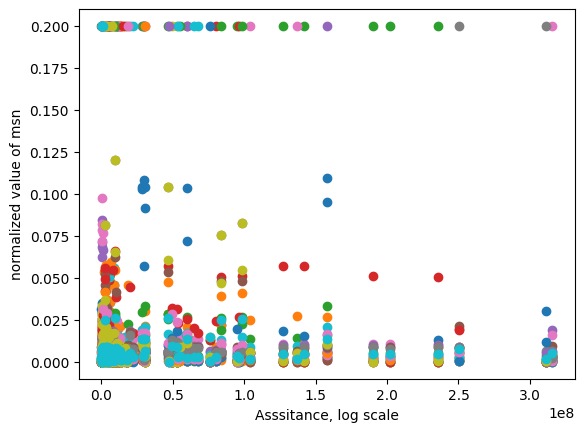
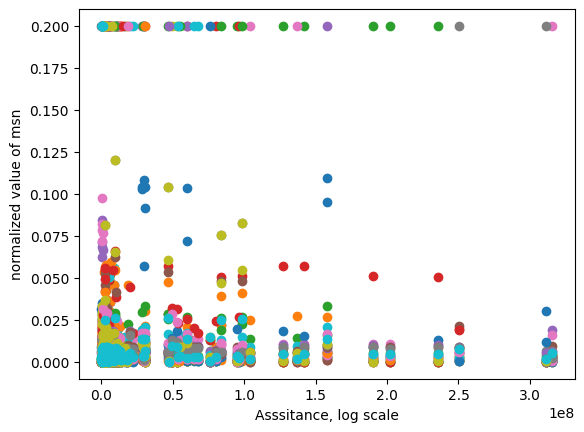
Effect of each MSN value on overall investment level
-
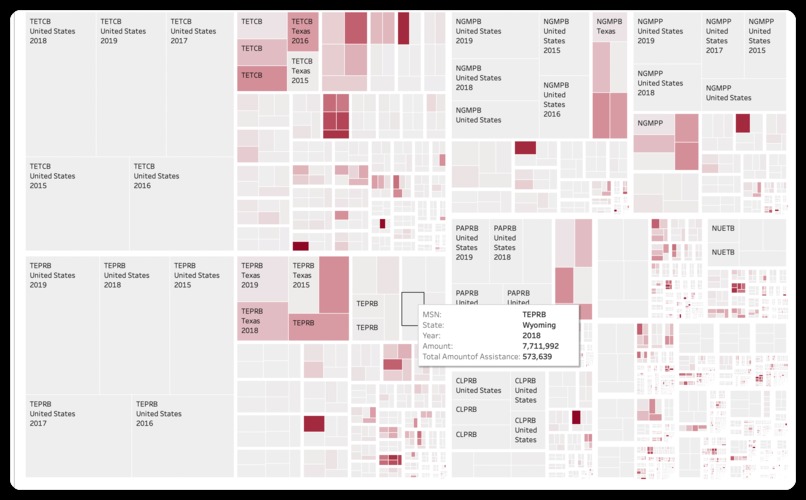
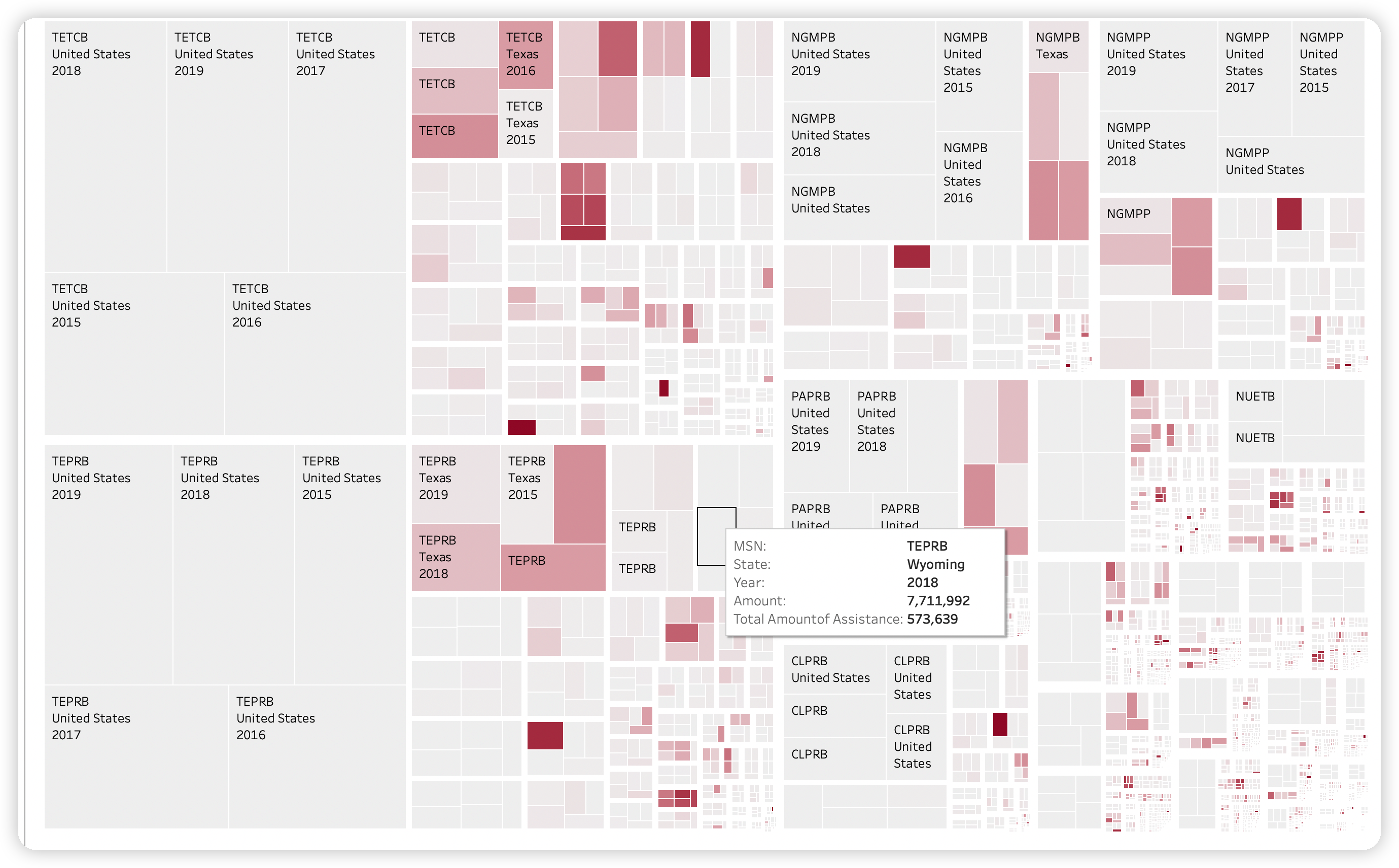
MSN level differed by states and year
Inspiration
We are inspired by how regression, neural network, support vector machine and Lagrangian mechanics deal with optimization of functions. By studying the statistical knowledge or these models, we tried to use these models to fit into our data from 2015-2019, and use the trained model to predict data in 2020.
What it does
For our linear regression model, it calculates the weights assigned to each MSN values, carbon dioxide emission and use those weights to predict investment in 2020. Our neural model first assigns random weights to different parameters and then adjust these weights based on the difference between predicted values and real values in 2020. We also attempted to treat the whole dataset as a physics system in general cartesian coordinates and use Lagrangians to optimize predicted output.
How we built it
When building models besides Lagrangians, we would first clean the data and transform all parameters which we consider to the column position. Then we wrote codes to each model in PyCharm and debugged them. For the Lagrangian model, we tried to use physics equation to represent the model and mainly used paperwork to solve equations.
Challenges we ran into
For data science models, we found it hard to find a perfect parameter to fit the predicted data. For the Lagrangian model, we found it hard to fit the dataset into the general cartesian coordinate of Lagrangian model.
Accomplishments that we're proud of
We successfully transformed the datasets into the form we hope for and built more than 5 models to train our datasets. Though didn't find the solution, we creatively came up with the Lagrangians method.
What we learned
We have learned that MSNs variables have little to do with the overall investment level. Investment level differs greatly by states: some states always receive higher level of investments than other states.
What's next for Chevron Challenge Investment Prediction
- Try to reduce RMSE of our trained models 2. Find external datasets to aid our analysis of renewable investment level across the states. 3. Finish building the Lagrangian model.

Log in or sign up for Devpost to join the conversation.