-
-
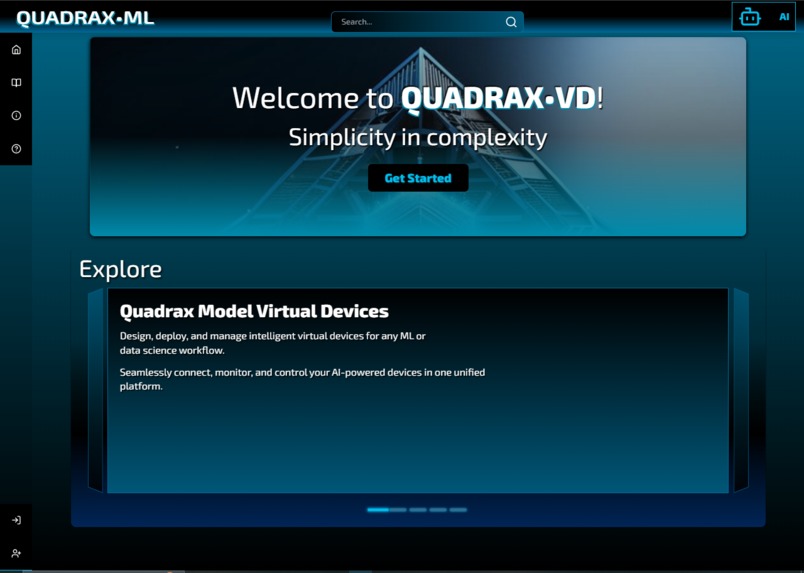
Landing Page
-
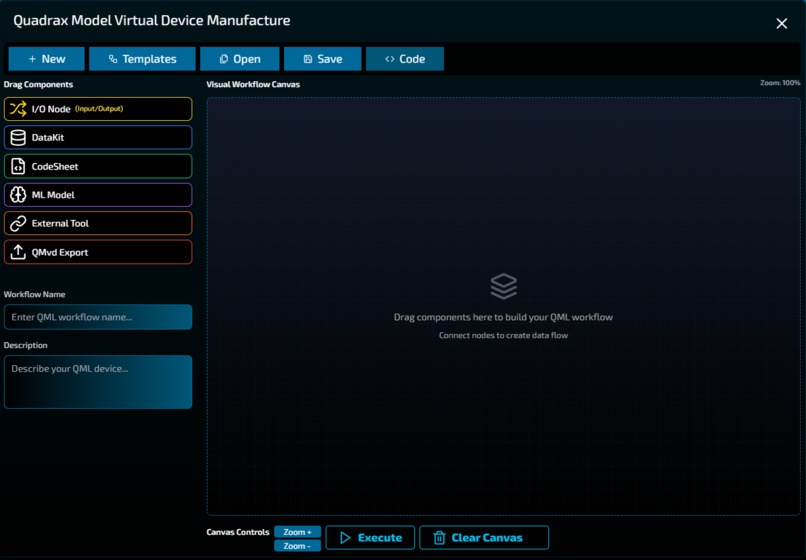
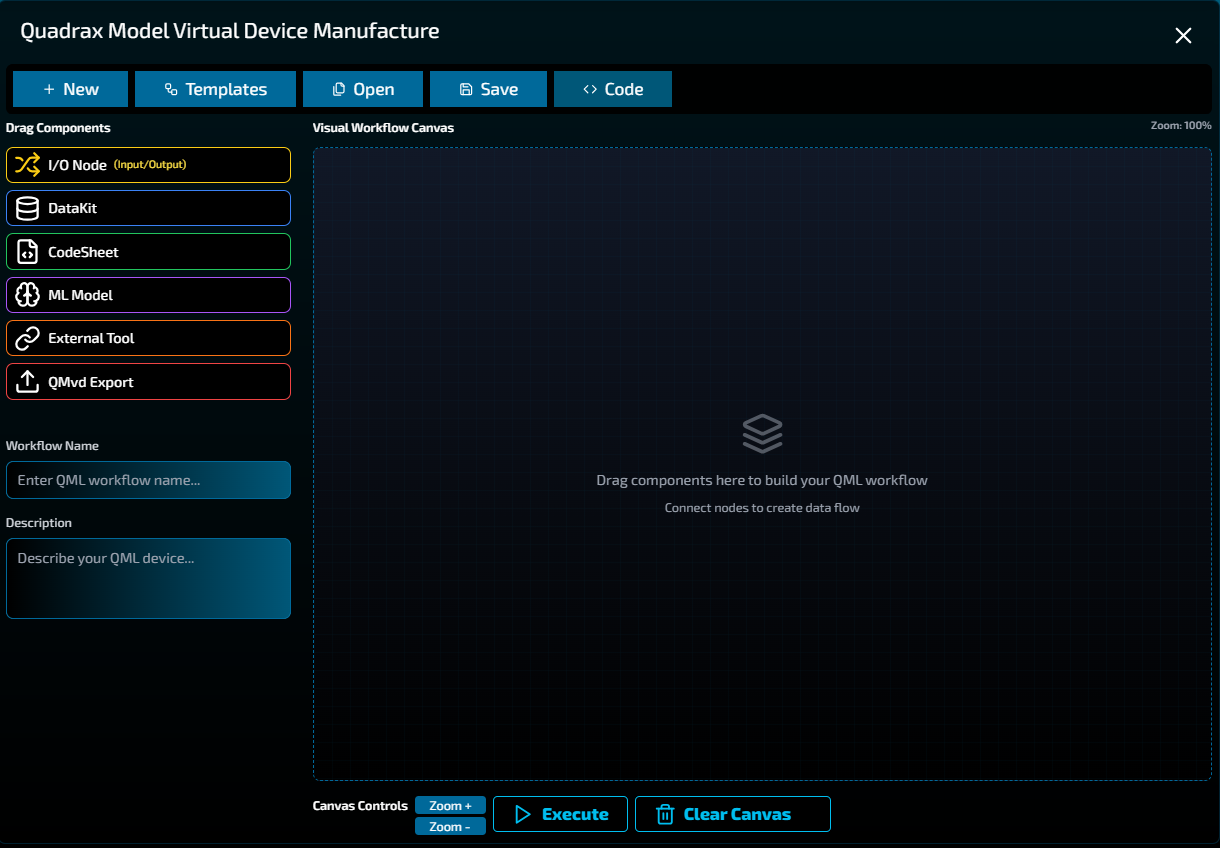
Manufacture
-
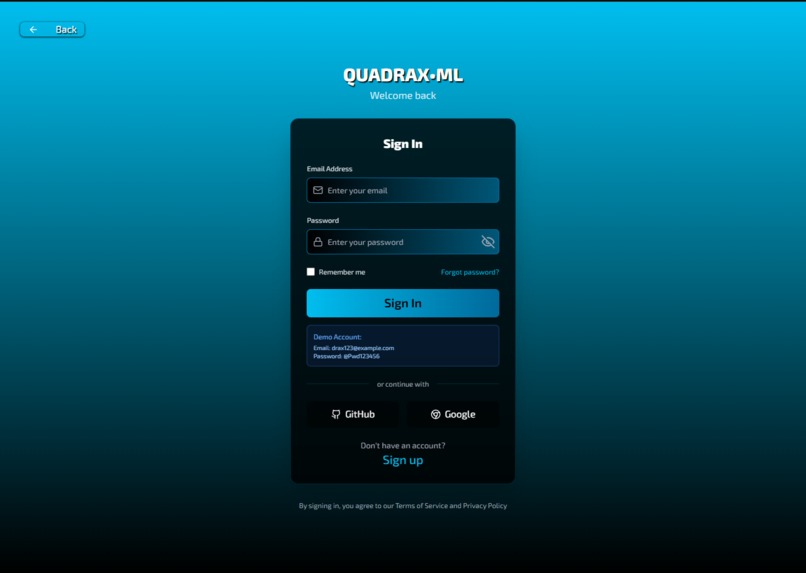
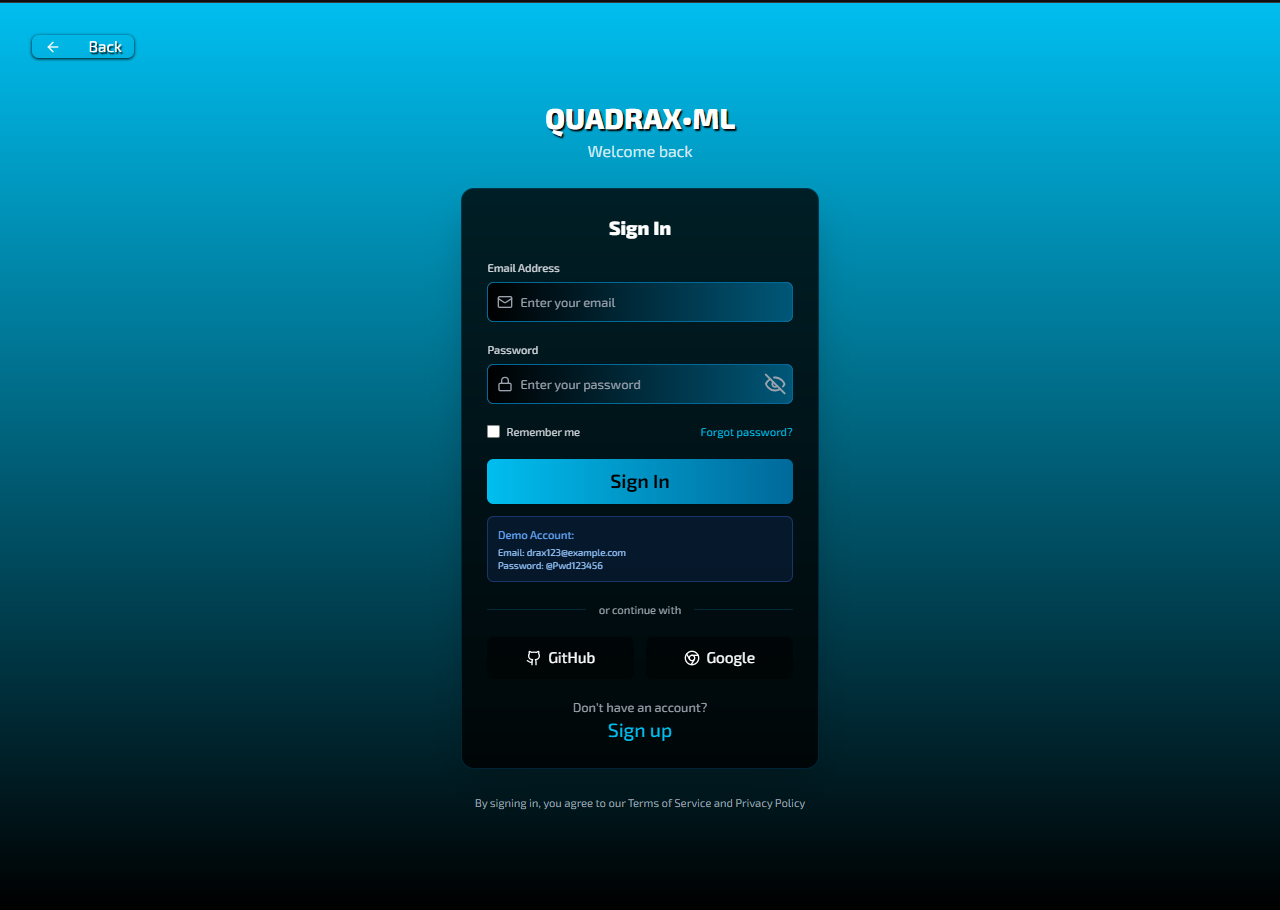
Login form
-
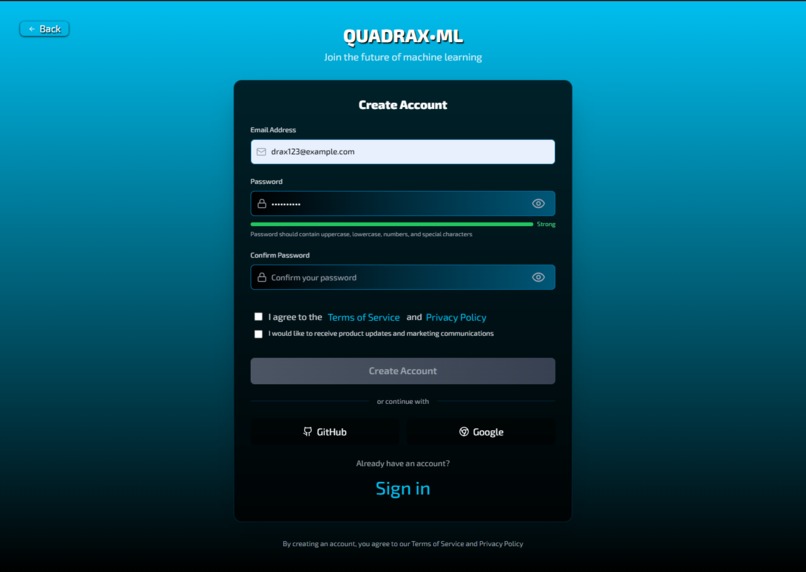
Register form
-
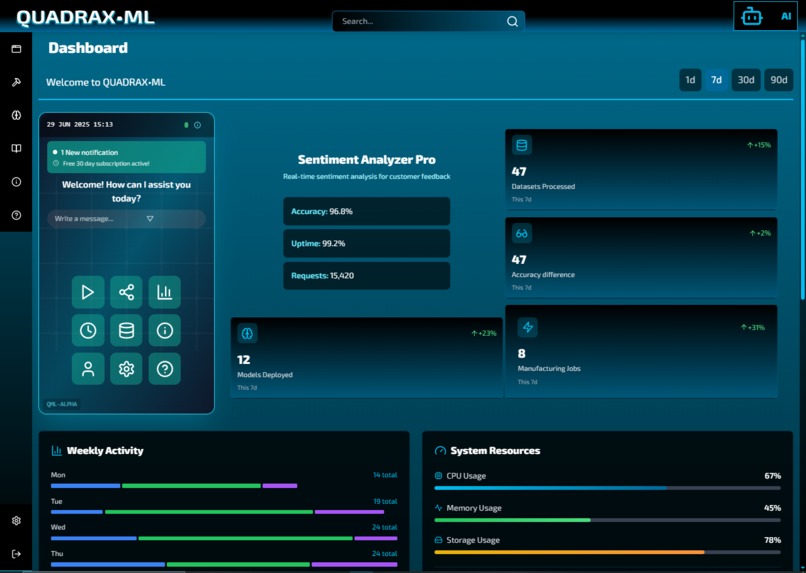
Dashboard
-
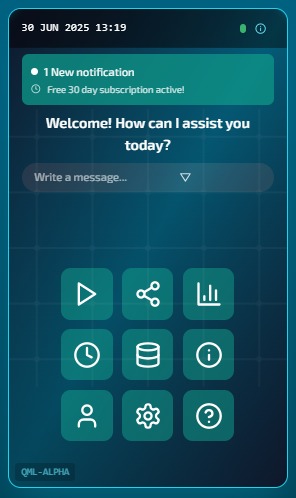
QMVD interface
-
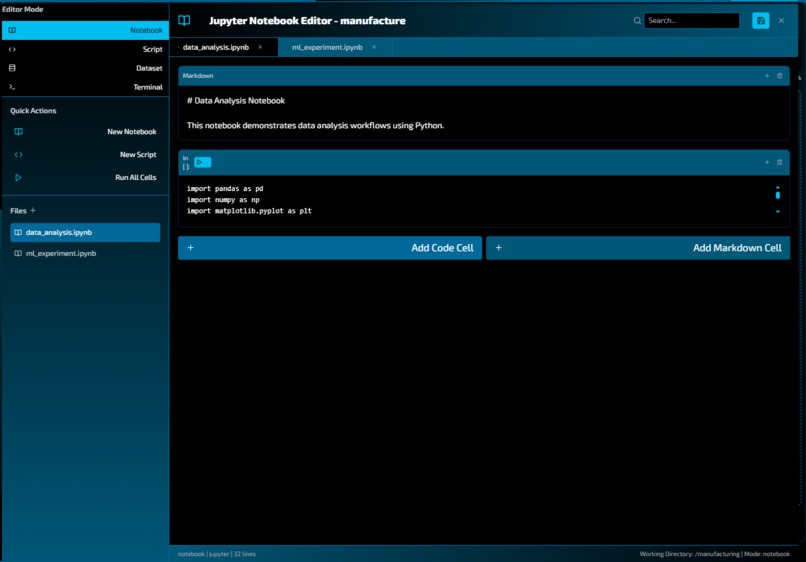
Editor - Jupyter Notebooks mode
-
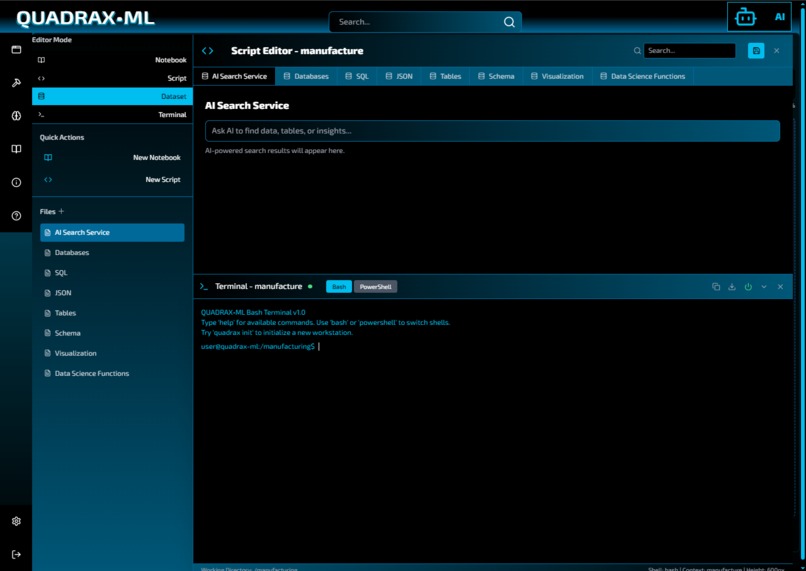
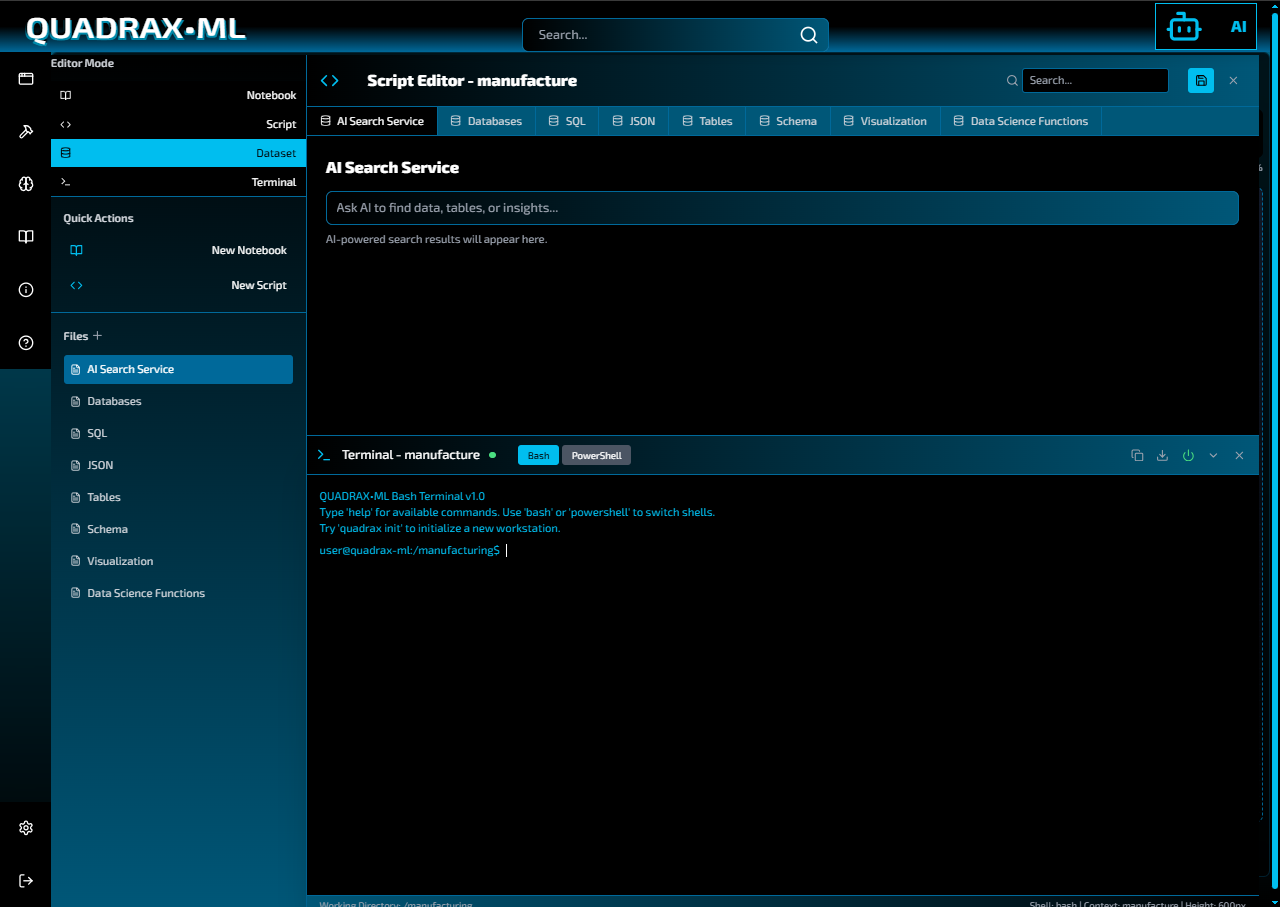
Editor - Script mode with Terminal
-
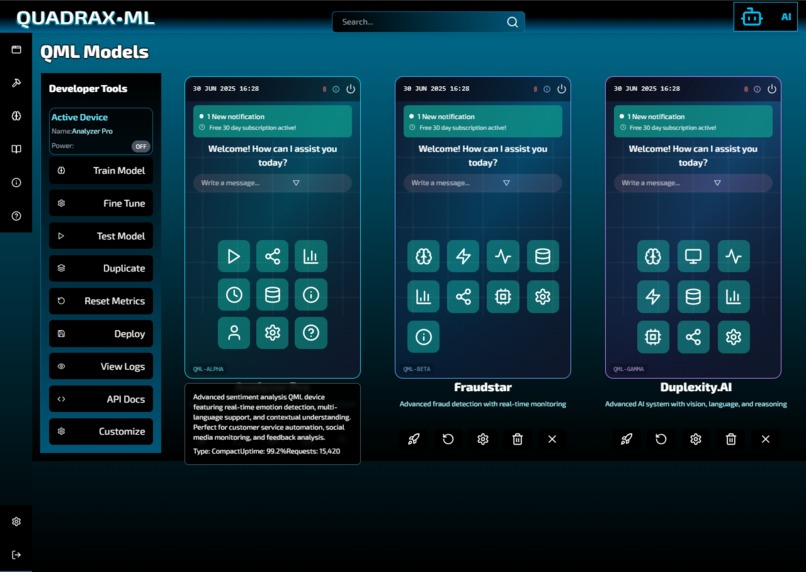
Models - QMVDs
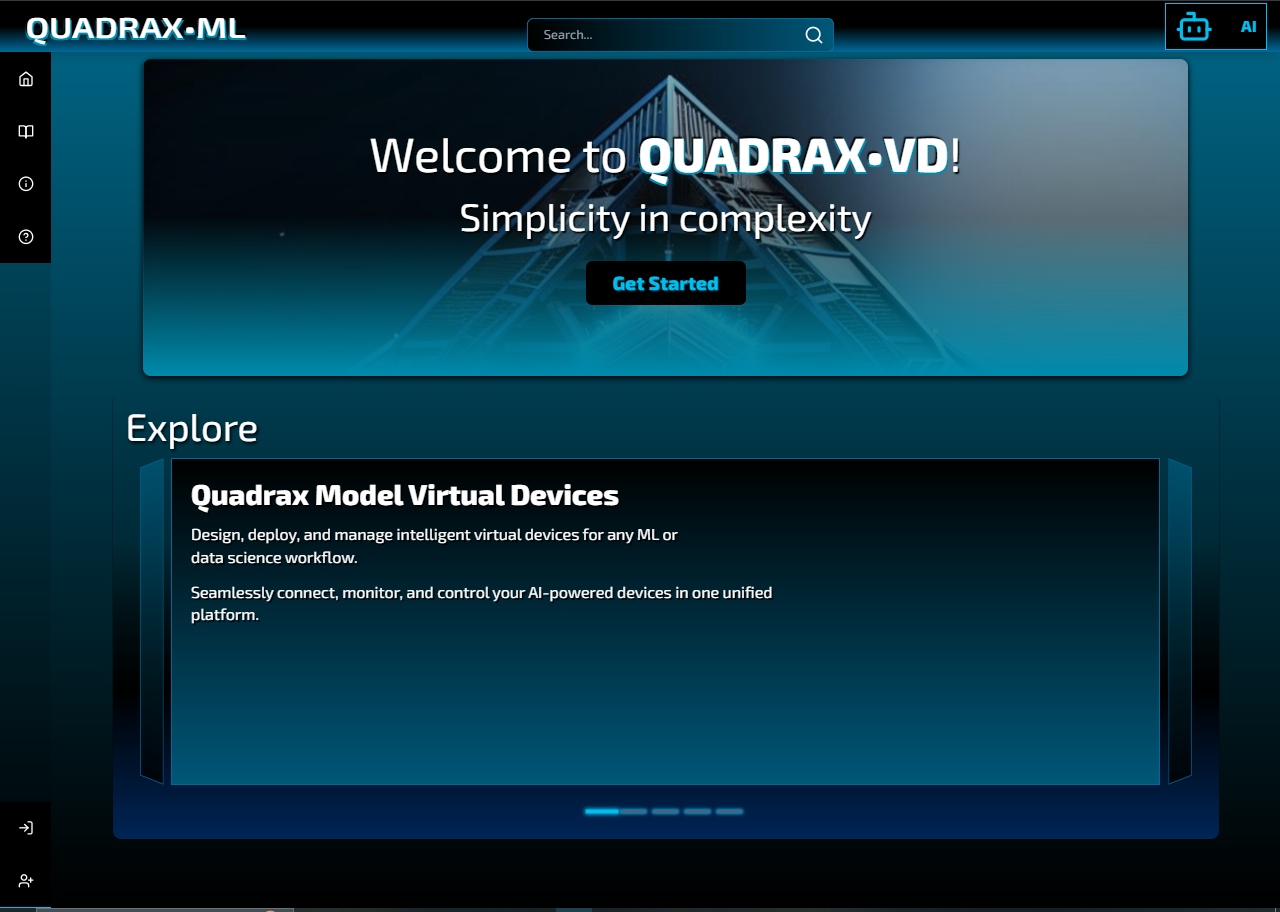
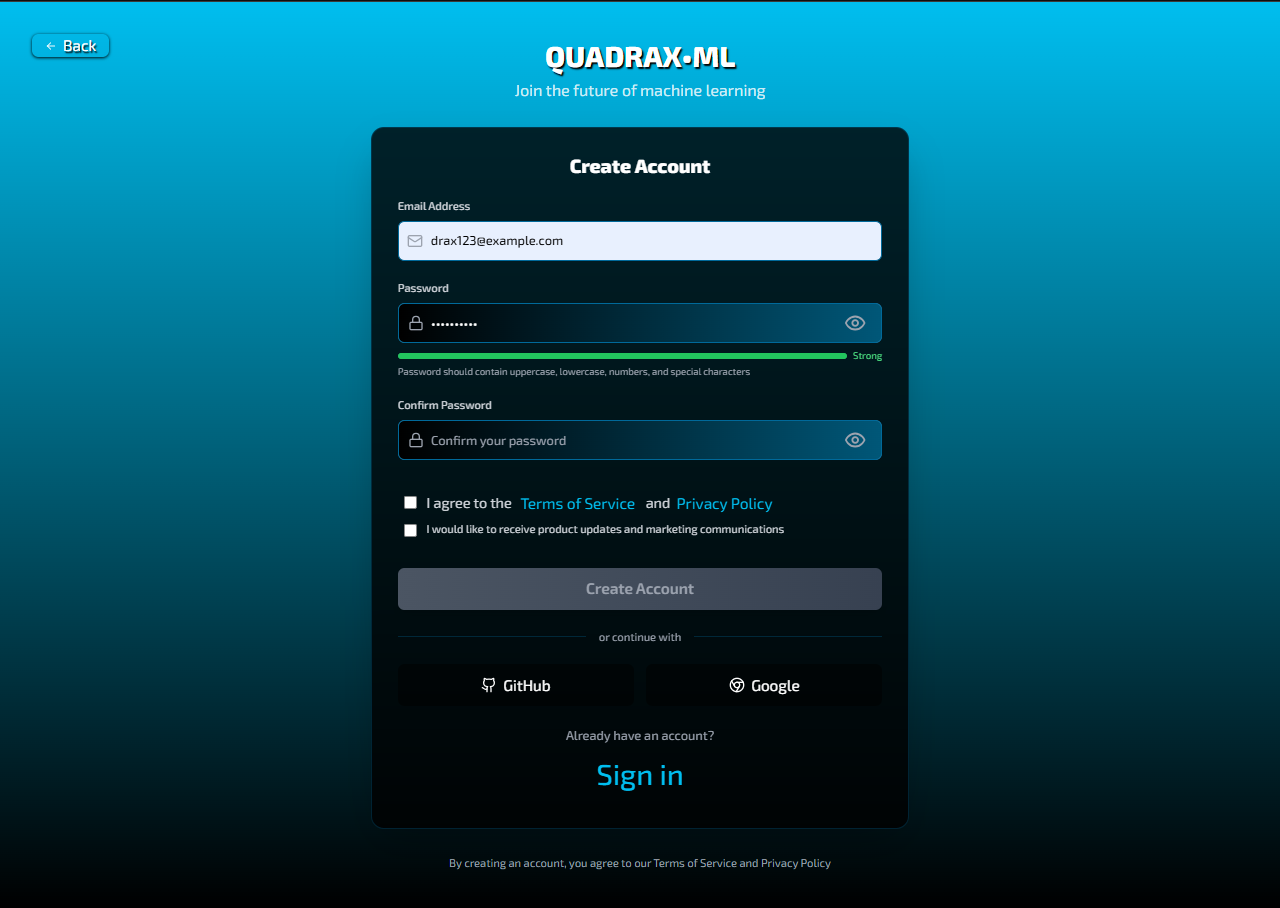
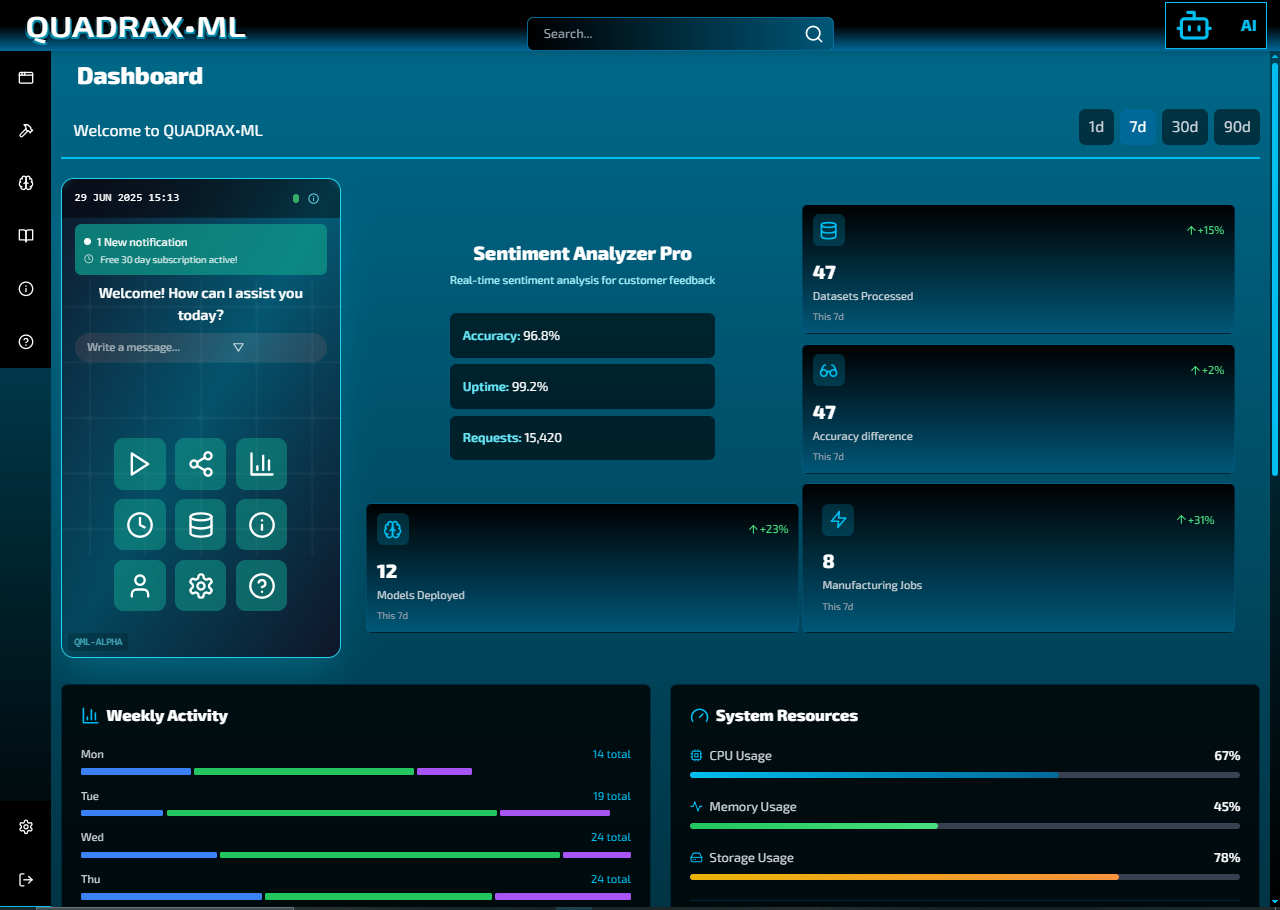
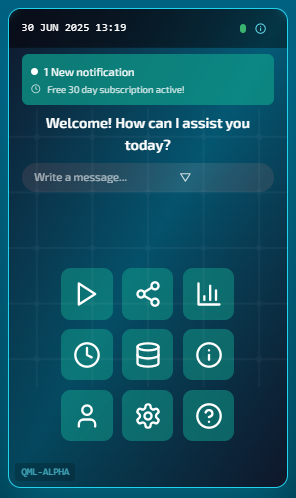
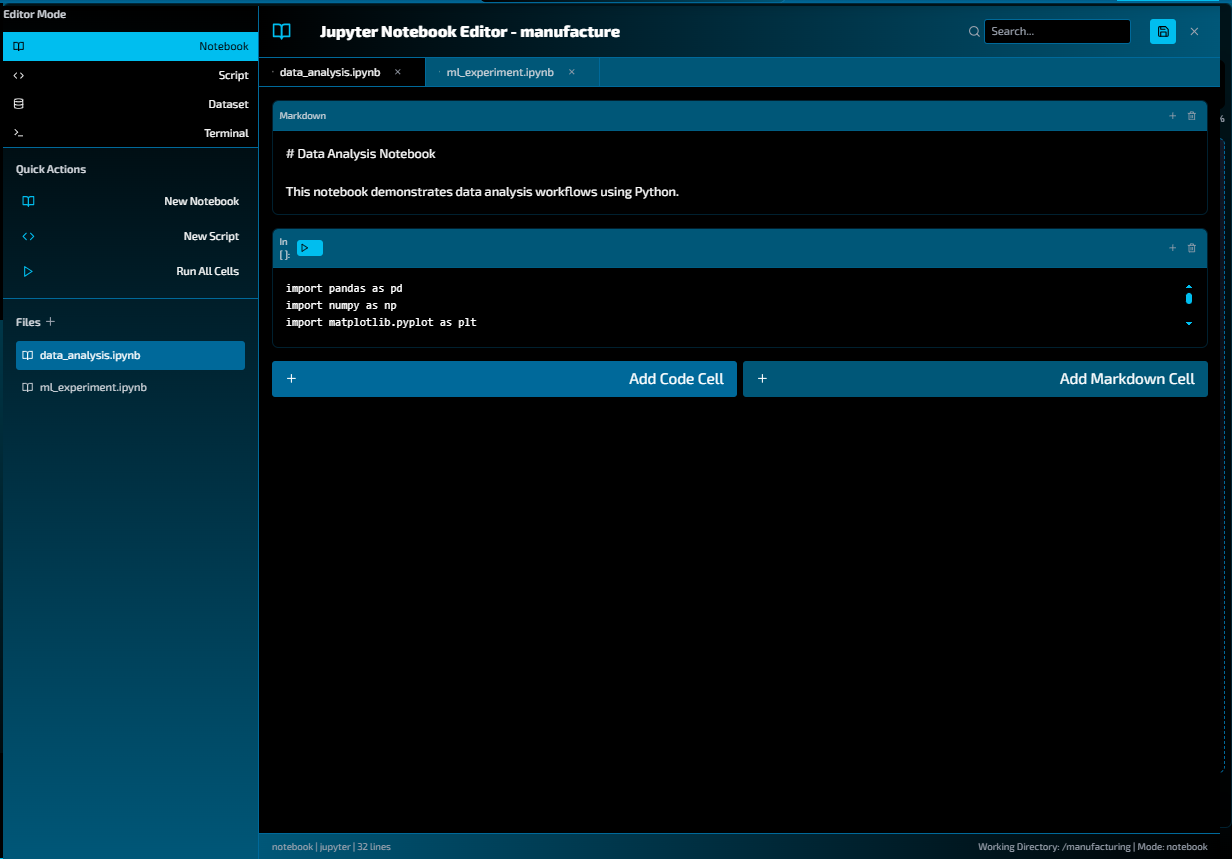
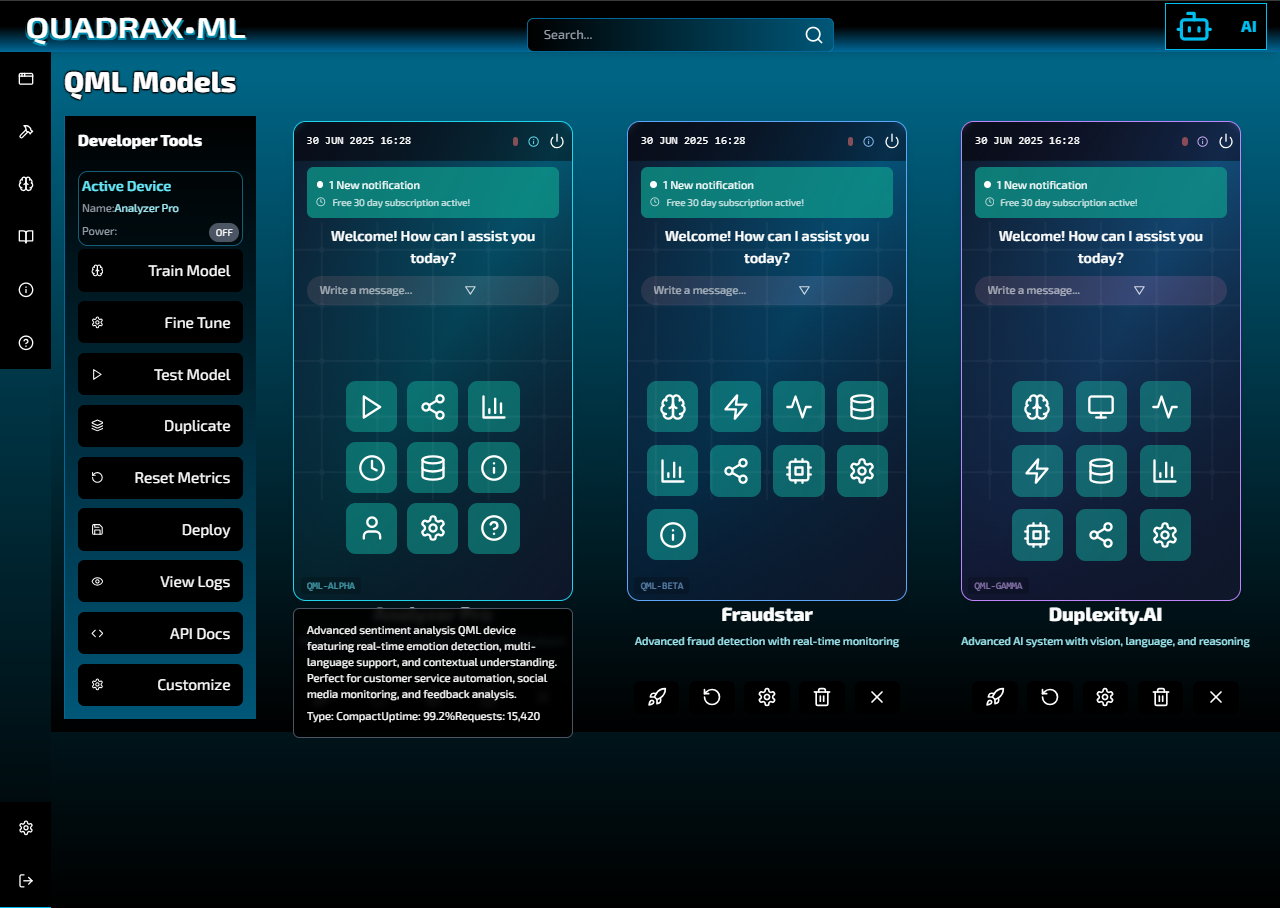
Quadrax Model Virtual Devices.
I believe that that's a good thing. I'm very optimistic. I've always been fascinated by how technology has evolved, and now I have the opportunity to be part of it. Quadrax is inspired by the knowledge gained from Microsoft Learn, studying Microsoft Azure Machine Learning, and n8n - Workflow Automation. Though there are more technological tools that have inspired this, I wouldn't want to waste your time discussing what could be my competition.
Simplicity in complexity
Quadrax Virtual Devices (QMVDs) are intelligent software-based devices built on top of Machine Learning, Artificial Intelligence, and Automation technologies. These devices are created and programmed inside the Manufacture component of the Quadrax platform using a visual, drag-and-drop interface inspired by tools like n8n. What makes QMVDs unique is that they go beyond typical node-based logic editors. Each device is structured with dedicated Input and Output nodes, which act as the interfaces for data flow, while logic nodes process that data using AI or ML-driven behaviors along with systems integration and control. For example, a QMVD might implement a lightweight chat completion model, where user prompts are processed and responded to in real time using AI logic.
Natural and Artificial intelligence
I built Quadrax•VD using a range of modern tools including Visual Studio Code for development, Bolt to streamline workflows and interface logic, Cursor for smart AI-assisted coding, and Supabase for backend services such as user authentication and data storage. The stack allowed me to iterate quickly while maintaining a clean, extensible architecture that supports scalable virtual devices.
Solo development
One of the biggest challenges I faced was being the sole developer on the project. Managing design, development, and debugging across both frontend and backend components was time-consuming and demanding. In addition, although AI tools like Cursor provided valuable assistance, they occasionally introduced subtle issues or incorrect suggestions that required careful oversight. Time was another major constraint — I had a much bigger vision than I could fully implement during the hackathon timeframe.
My First hackathon
Despite these hurdles, I’m incredibly proud of what I’ve accomplished. This was my first hackathon, and seeing a working prototype of Quadrax•VD come together has been an exciting milestone. Building a functional visual programming system that integrates with real ML components showed me what’s possible even under pressure. It was especially rewarding to see the core ideas take shape and become interactive and usable.
Knowledge and experience
Through this project, I’ve learned the importance of planning and backend architecture. I realized that while building interfaces and prototypes is fast and fun, the foundation behind those systems — from databases to model orchestration — needs thoughtful design. I’ve also gained valuable experience using new tools and working with an integrated tech stack tailored to AI development.
What the future holds
Looking forward, Quadrax•VD is just the beginning. I plan to expand the system into a full studio platform where users can build, train, deploy, and share their own virtual devices. I envision a marketplace for sharing device templates and automation logic, along with support for hardware integration and external APIs. With collaborative development features and deeper model tuning tools, Quadrax•VD will evolve into a powerful framework for modular AI application development.

Log in or sign up for Devpost to join the conversation.