-
-
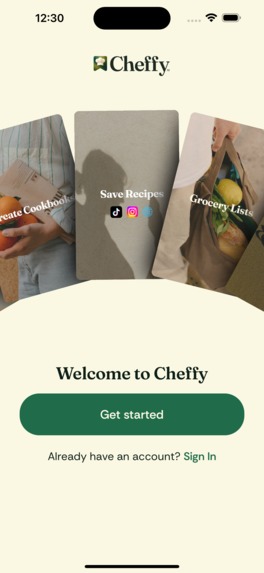
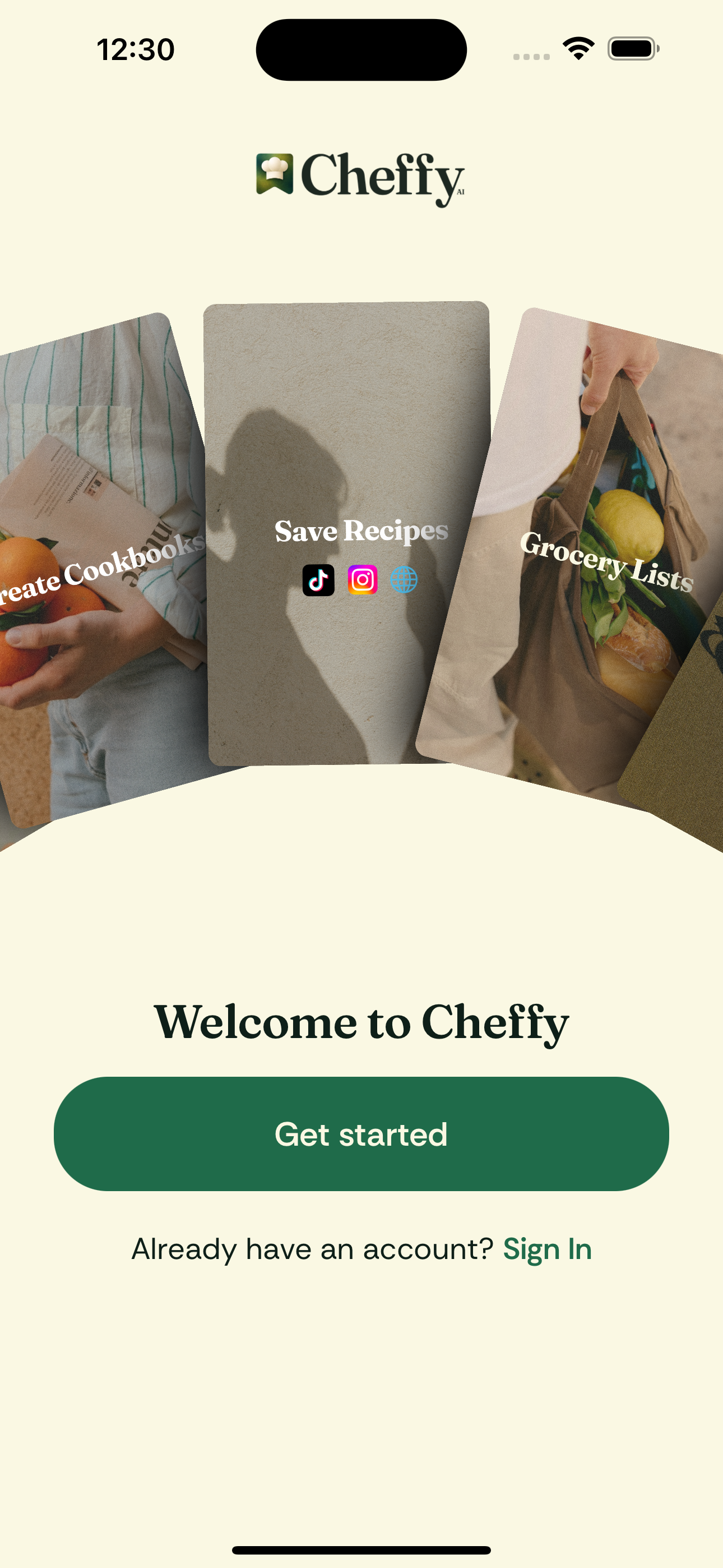
Get Started - Clear Intro
-
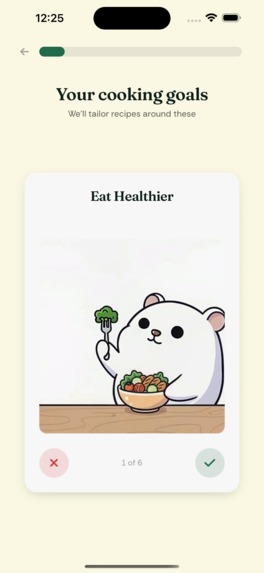
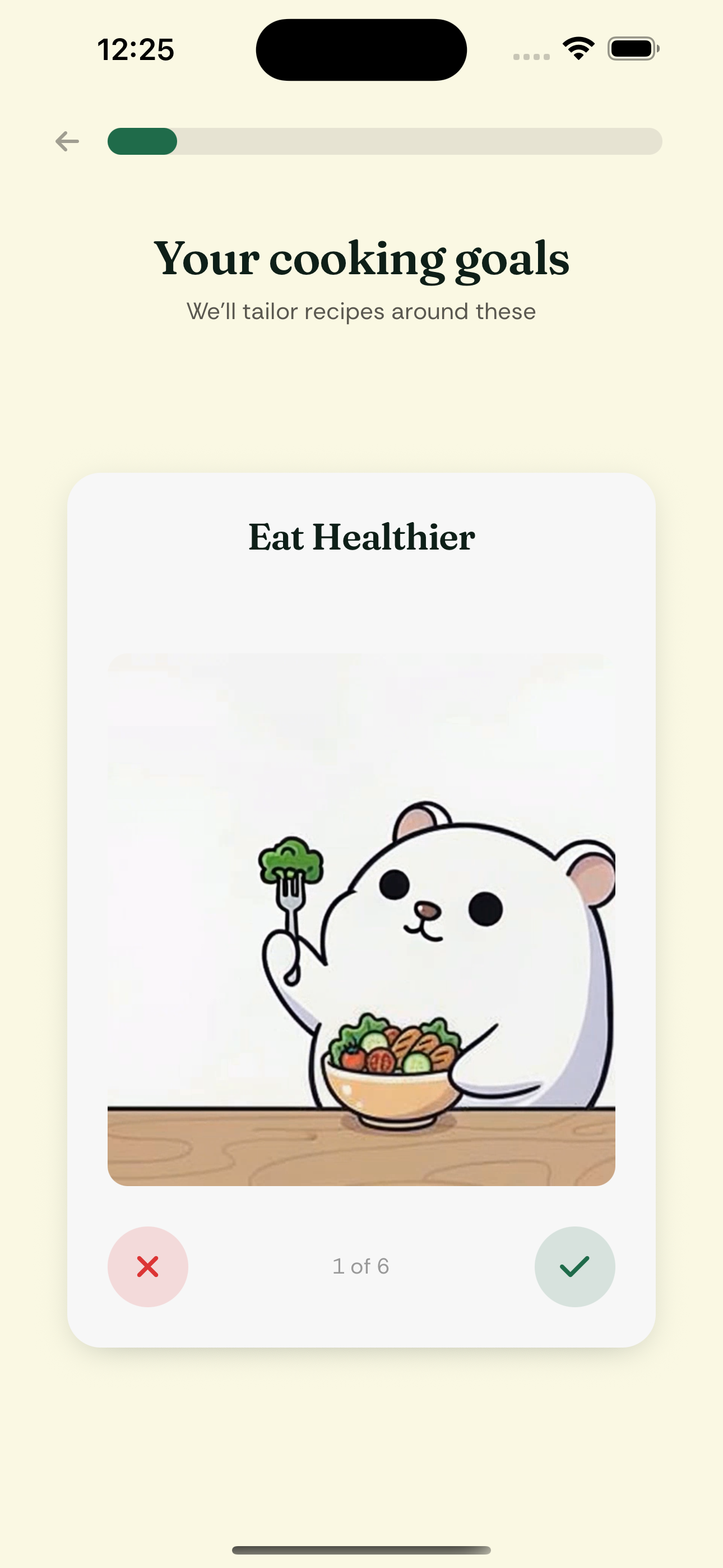
Onboarding - Goal Setting
-
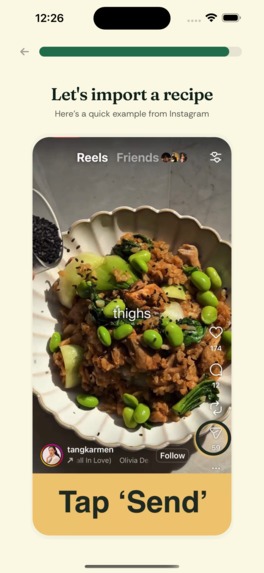
Onboarding - Import Tutorial
-
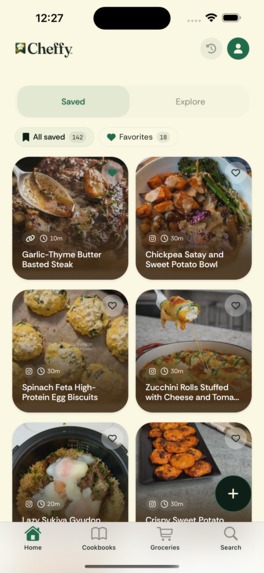
Your saved Recipes
-
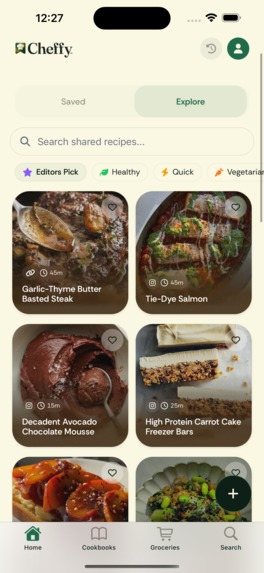
Editorial Picks
-
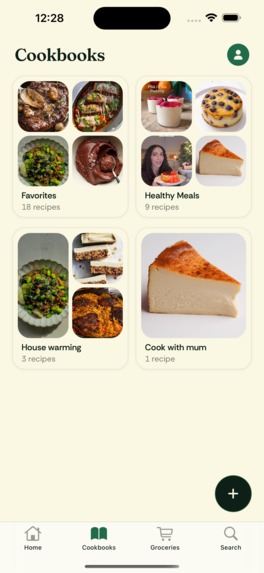
Cookbooks
-
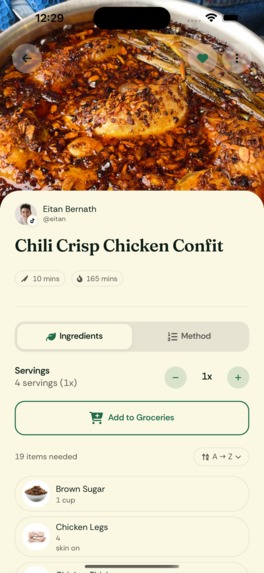
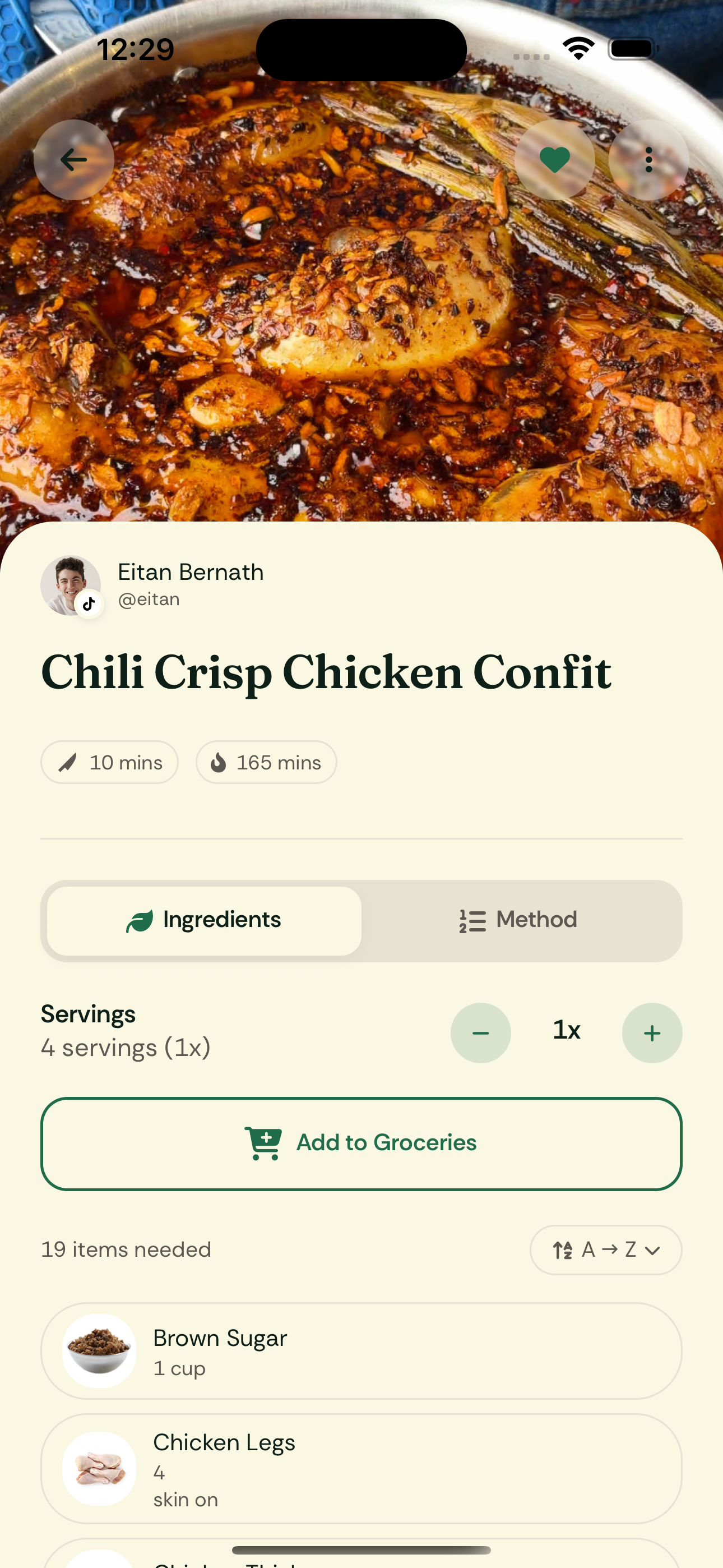
Individual Recipe page
-

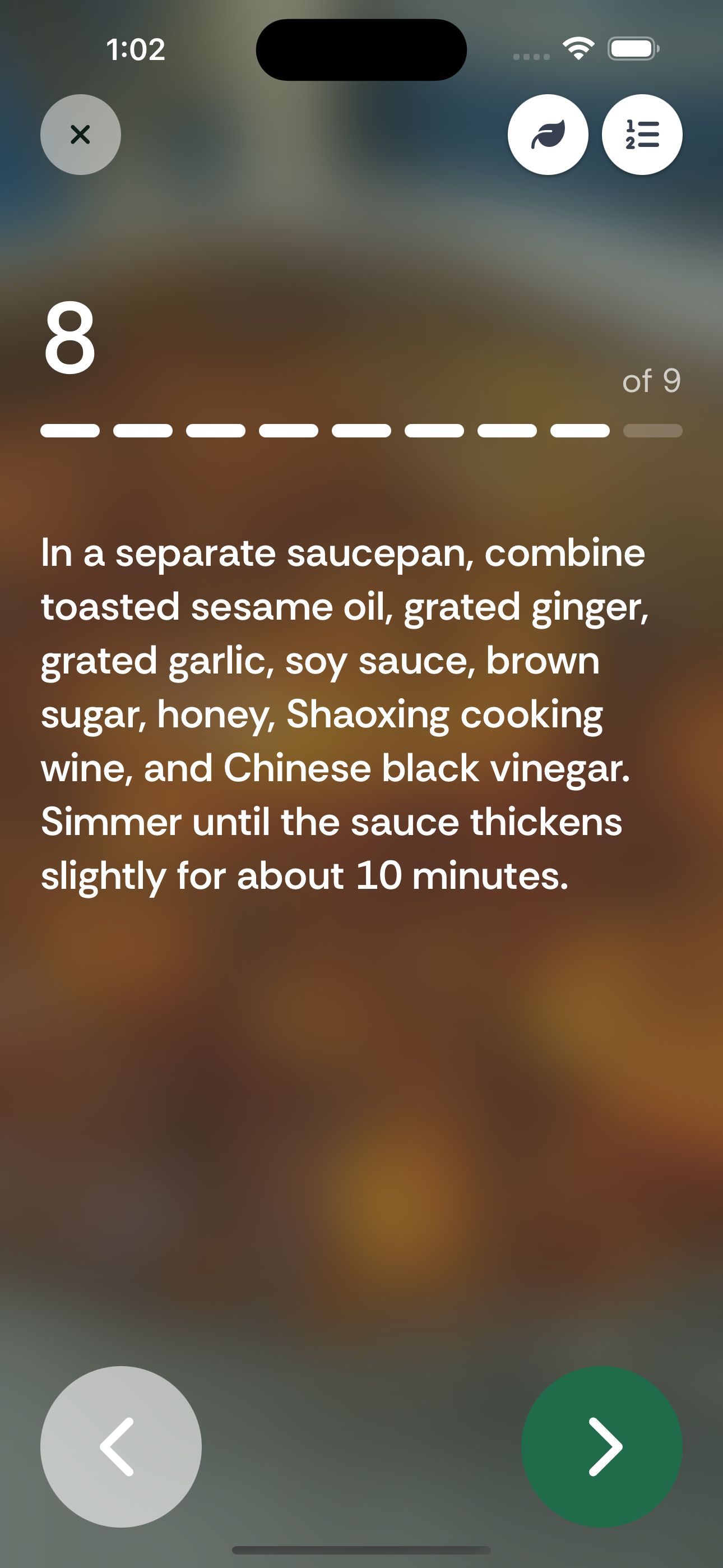
Recipe Cooking Mode
-
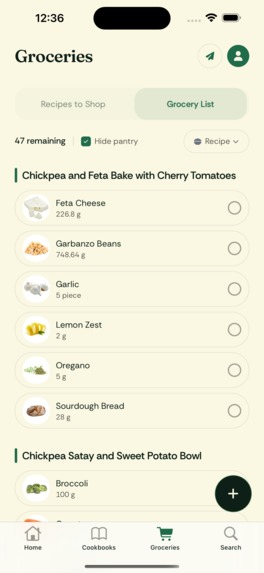
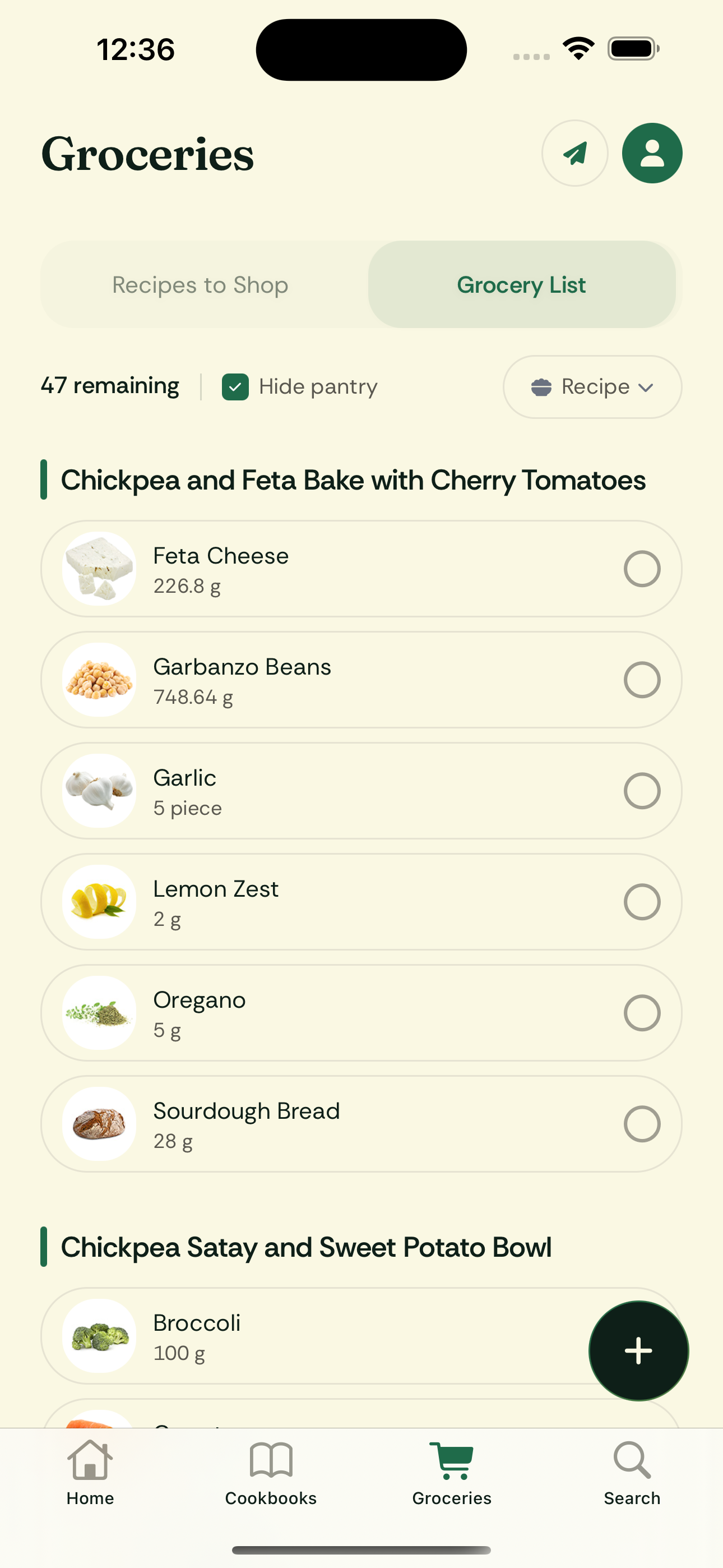
Groceries - Auto Generated from shortlisted recipes
-
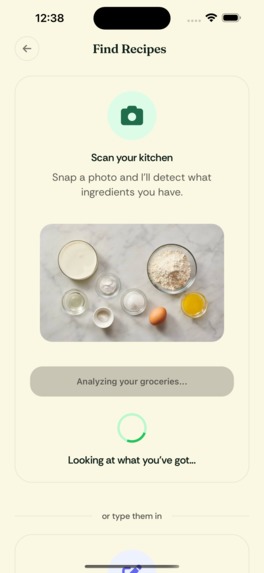
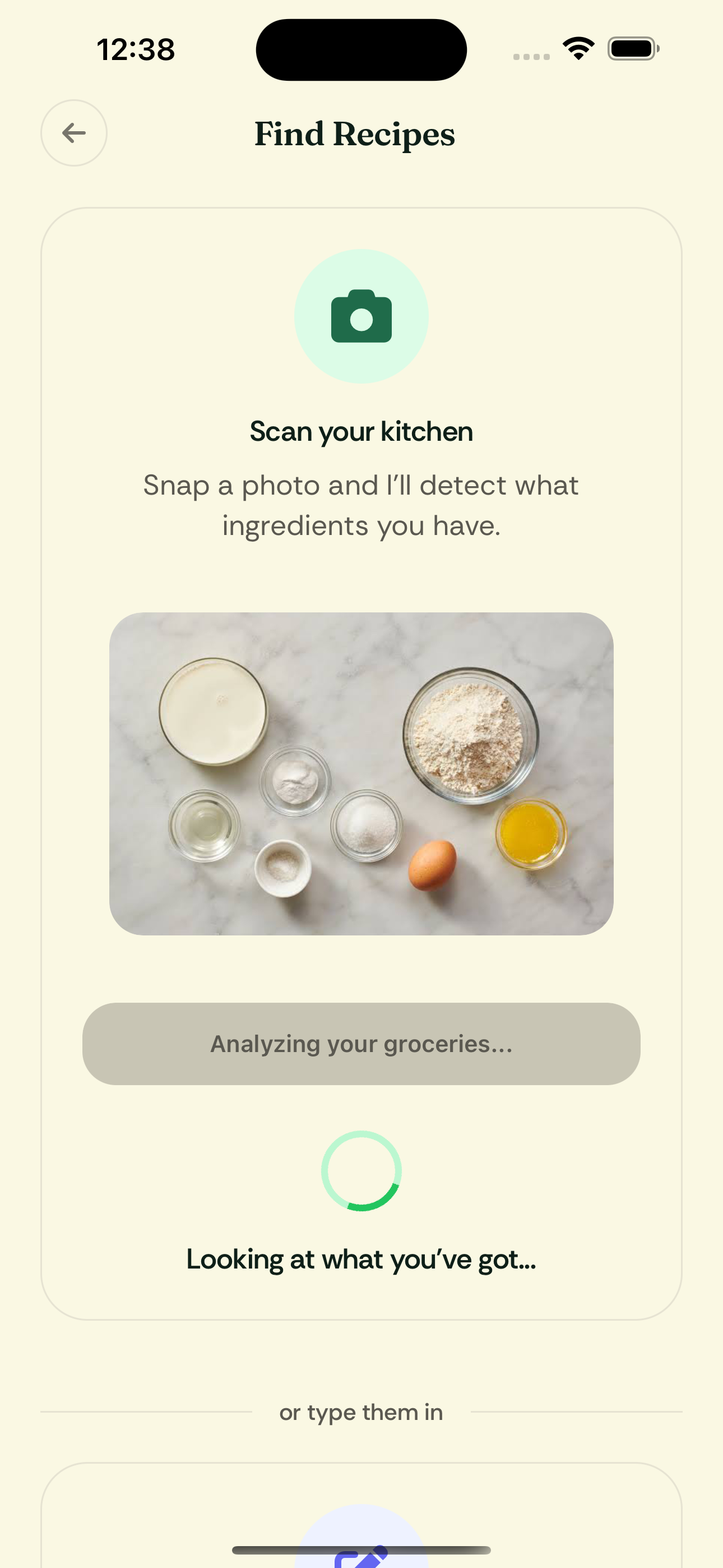
Scan Ingredients to find your saved or community recipes
-
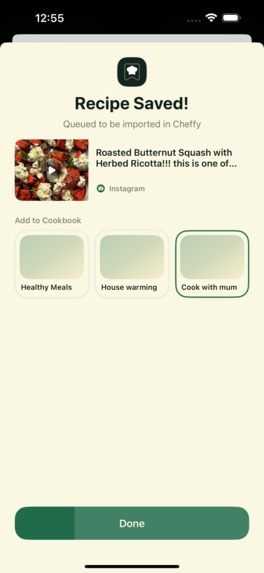
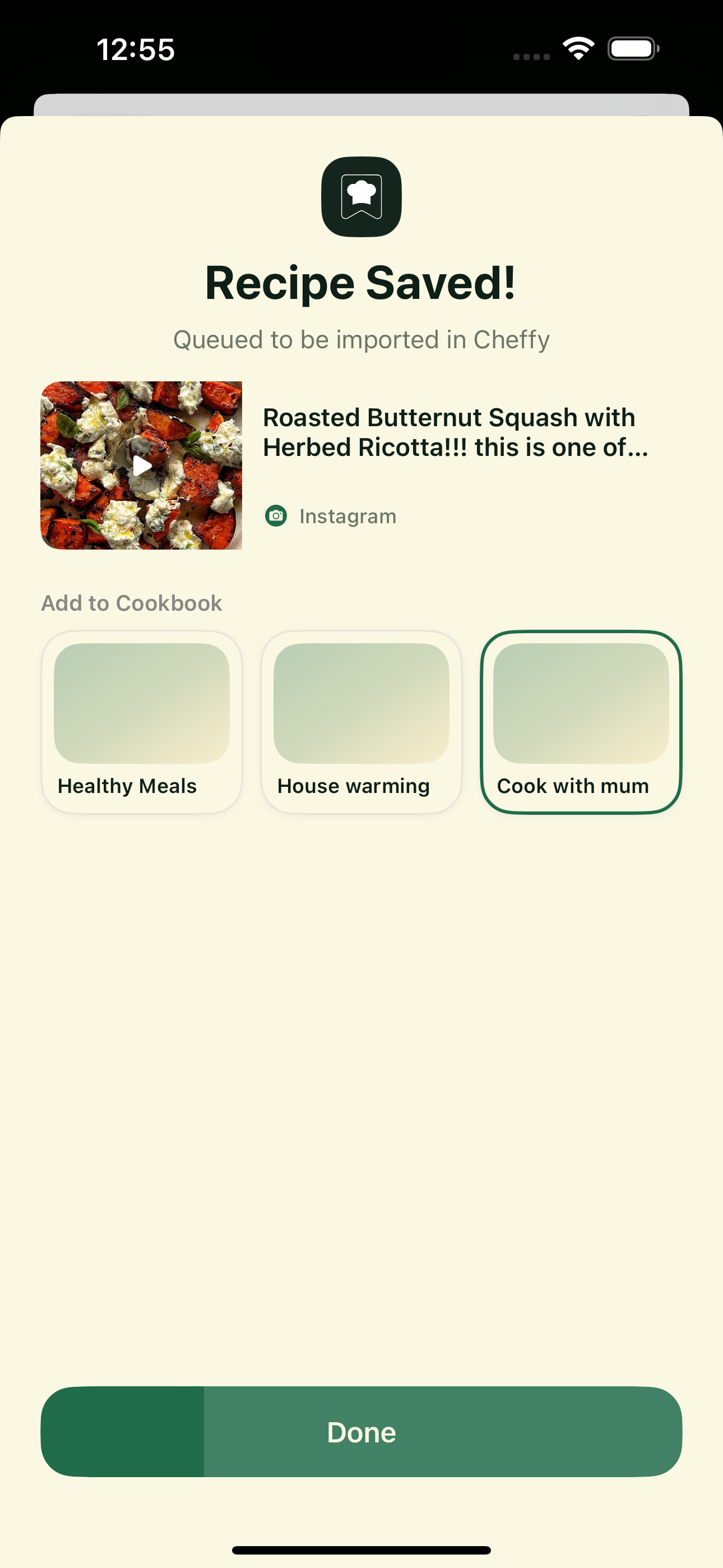
Social Apps In-app Share Screen
Inspiration
Cheffy started in our kitchen in Melbourne.
Our team moved here from different parts of the world - some for work & some for uni. We cook for ourselves. We train. We budget. We chase different goals. One of us is trying to gain muscle. Someone else just wants fast dinners between long workdays. Despite different goals, we all had the same habit.
We save recipes constantly.
TikTok.
Instagram.
Screenshots.
Bookmarks.
And then we never or rarely make them. When we saw Eitan’s brief, it felt familiar. His audience does the same thing. They save inspiration but struggle to turn it into dinner. Not because they lack motivation, but because friction gets in the way.
We did not want to build another recipe app. We wanted to change habits & remove the gap between “this looks amazing” and “it’s on the table” while making sure the app itself felt tasty.
What it does
Cheffy turns saved recipe content into action.
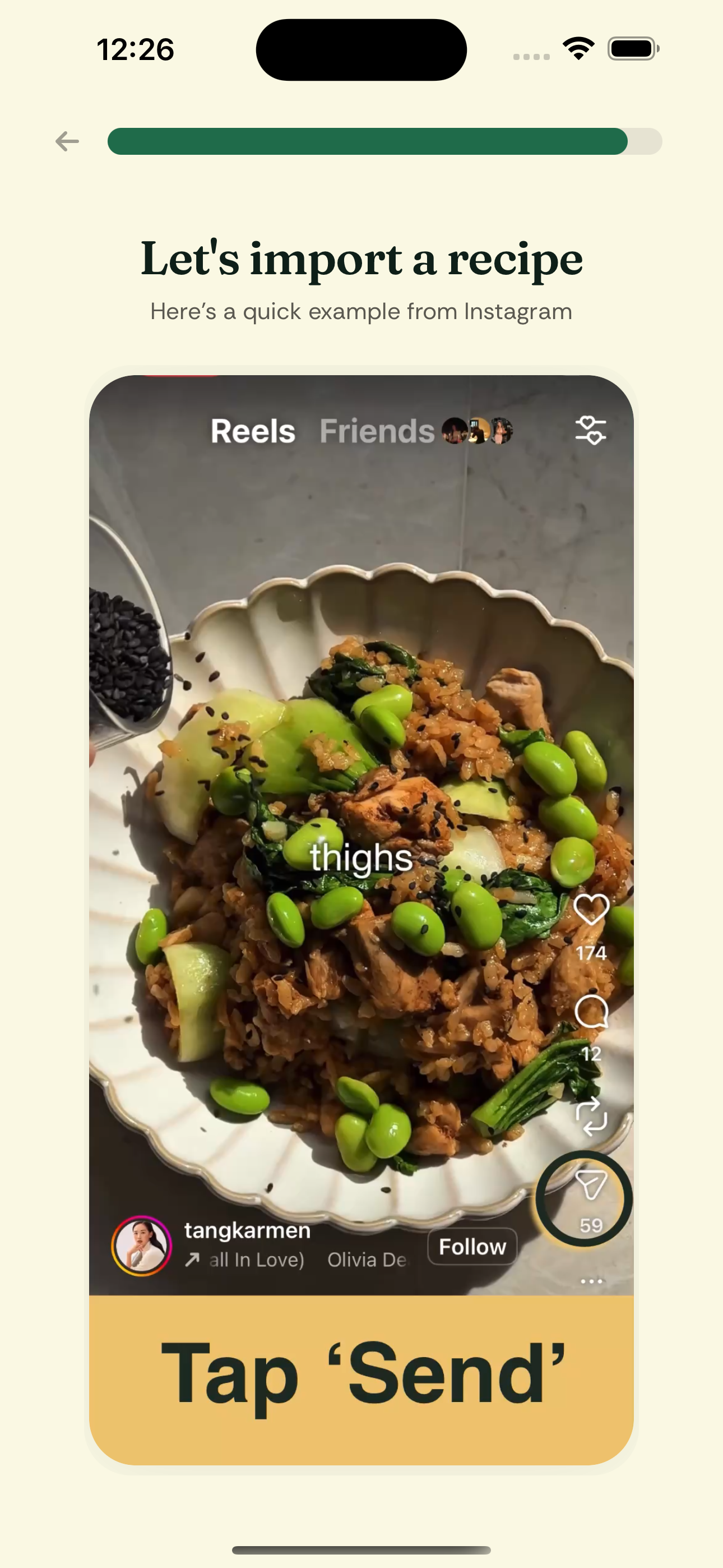
See something you want to cook? Share it to Cheffy without leaving the social app. The recipe becomes structured and ready to use in seconds.
From there, the flow is simple:
Pick something you saved.
Generate a grocery list.
Cook.
You can combine multiple recipes into one smart grocery list.
You can search using ingredients you already have.
You can even snap a photo of your groceries to discover what you can make.
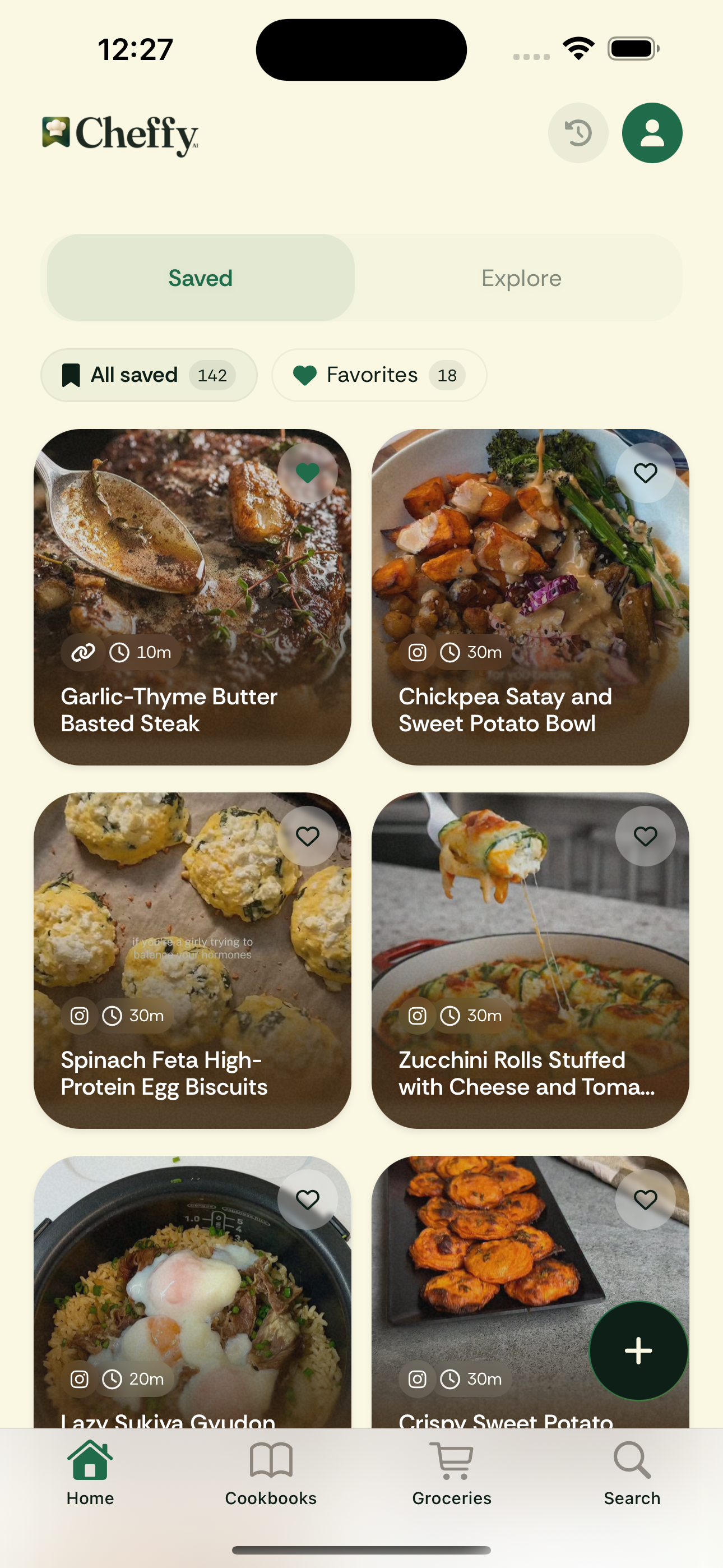
Your saved recipes live in one clean space.
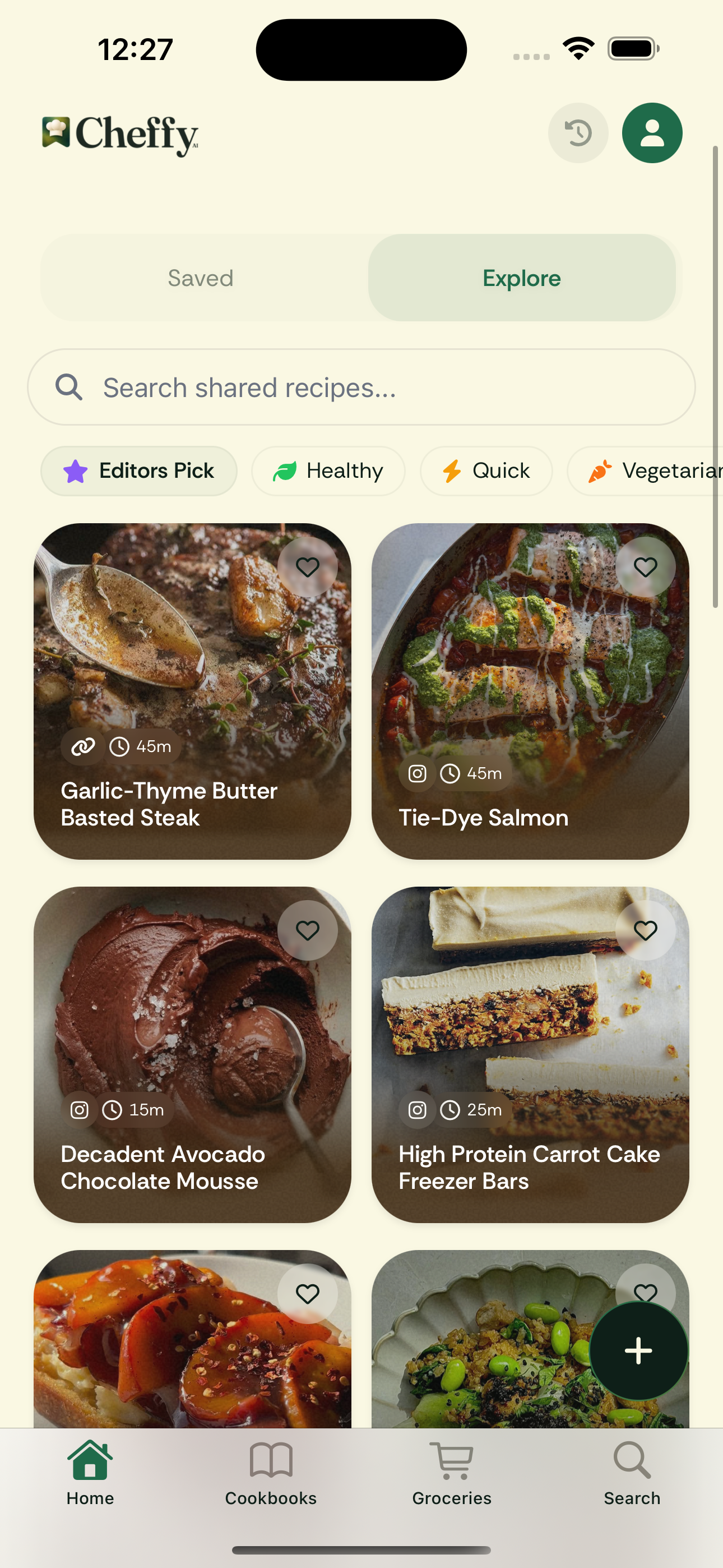
Explore is curated, not infinite. Think tagged community collections and editorial picks, not algorithmic scrolling.
No calorie dashboards.
No noise.
No decision fatigue.
The goal is not endless discovery.
The goal is momentum.
How we built it
We built Cheffy as a focused mobile MVP designed around one constraint:
One job. Obsessively solved.
Instead of starting with features, we started with the core flow:
- Capture recipe inspiration from social platforms
- Structure it into usable ingredients and steps
- Instantly turn it into a practical grocery list
Everything else supports that loop.
We prioritized speed and iteration. Clean mobile UX. Minimal friction. Clear next actions.
RevenueCat powers our subscriptions and entitlement logic. We integrated it early so monetization was part of the product design, not layered on later.
Free users can experience the full workflow with a limited number of saves. When they hit the limit, upgrading unlocks unlimited momentum. RevenueCat handles product configuration, subscription states, and entitlement management seamlessly.
This allowed us to focus on product clarity while keeping billing infrastructure simple and reliable.
Challenges we ran into
The biggest challenge was restraint.
We already had a strong foundation. It was tempting to expand it with meal plans, nutrition layers, social features, and AI suggestions. Each addition made sense in isolation. Together, they diluted the core job.
We chose constraint over expansion.
Another challenge was performance and clarity. Every pixel had to earn its place. We did not want fragmented screens or buried actions. The experience needed to feel intuitive within seconds, with no lag between opening the app and doing something meaningful.
Extracting structured recipes from short form video content was also non trivial. Many TikTok and Instagram posts lack clean captions or consistent formatting. Our beta already converts video based content into usable ingredients and steps reliably, but this remains an area of continuous improvement.
Monetization design introduced a different kind of challenge. Our initial instinct was to keep onboarding extremely short and introduce the paywall later. Through research and competitive analysis across multiple verticals, we learned that educating users early about premium value and trial access can increase commitment.
We began optimizing onboarding to introduce the idea of upgrading earlier in the journey, aligning the paywall with perceived value rather than surprising users later.
Each challenge reinforced the same principle: protect simplicity, protect speed, protect action.
Accomplishments that we're proud of
We are proud that Cheffy feels fast.
Performance was a priority from day one. Importing a recipe, generating a grocery list, and moving through the app feels responsive and immediate. Momentum only works if the product keeps up with intent.
We are proud of the import experience. Sharing a recipe directly from social media into Cheffy without breaking flow is a critical part of the puzzle.Treating video and captions as the source of truth, rather than just using captions or forcing users into manual entry, makes the transition from inspiration to action seamless.
We are proud of the brand and design system we built alongside the product. Cheffy was designed to feel tactile and “tasty.” We experimented extensively with color palettes before landing on one that feels warm and expressive without overwhelming the content. We chose textures over heavy food imagery to create depth and touch without clutter. Micro interactions and subtle haptics reinforce progress and completion, making the experience cohesive from start to finish.
We paid special attention to empty states so they never feel forgotten. Even when there are no saved recipes yet, the product guides users forward with clarity and personality rather than leaving blank space.
Even at the MVP stage, we prioritized consistency across screens so there is no visual fragmentation. Every element supports the same goal: clarity and momentum.
We also introduced a mascot to give the product personality and approachability. Cooking can feel intimidating. The brand should not.
Finally, we are proud that we resisted overbuilding. While many competitors layer complexity on top of recipe management, we focused on one problem and polished it deeply.
Cheffy may be simple on the surface, but that simplicity is intentional.
What we learned
Focus is a competitive advantage.
When you design around one clear job, product decisions become clearer. Features either strengthen the core loop or they do not.
We learned that simplicity is not the absence of features. It is the result of deliberate constraint.
Monetization requires the same intentional design as product. Our early assumption was that billing could be added later. In reality, integrating monetization from the start shaped onboarding, value communication, and habit formation.
RevenueCat proved instrumental as the App Store subscription layer is powerful but complex, especially for independent teams looking to experiment. RevenueCat abstracts that infrastructure and turns monetization into something configurable.
Entitlements, product mapping, introductory offers, and paywall logic became manageable without building custom systems. More importantly, RevenueCat opens the door to experimentation. As we move toward production, the ability to test pricing, trial structures, add ons, and paywall variations will be critical in identifying what truly converts.
Through the Shipyard hackathon, we were introduced to tools that accelerated our building. Expo enabled fast iteration without heavy native overhead. Mobbin and Appfigures helped us benchmark onboarding flows, subscription positioning, and competitive patterns across categories.
The combination of focused product design and configurable monetization allowed us to iterate quickly without sacrificing clarity.
In short, momentum beats complexity.
What's next for Cheffy
Cheffy will continue to protect its core loop:
Open app → pick recipe → grocery list → cook.
Next, we are expanding in ways that strengthen that loop rather than distract from it.
Import expansion We plan to extend imports beyond current sources to include Facebook and Pinterest. For power users, we are exploring a desktop web extension so recipes can be saved directly while browsing.
Premium add ons Using RevenueCat, we plan to experiment with modular add ons such as advanced import sources and web saving tools. This allows us to test layered monetization beyond a single subscription while keeping the base product simple.
Smarter cooking support Ingredient substitution suggestions and custom user recipes will make the app more flexible without adding complexity.
Grocery intelligence
We will explore integrations with local retailers using Doordash, along with lightweight budgeting tools and smarter grocery grouping to reduce waste and improve in store efficiency.
We are intentionally not expanding into heavy AI meal planning or complex nutrition dashboards. The principle remains the same:
One job. Obsessively solved.
Long term, Cheffy becomes the fastest path from saved recipe to dinner made, especially for creators whose content lives in video first environments.
Built With
- apify
- expo.io
- react-native
- revenuecat
- supabase

Log in or sign up for Devpost to join the conversation.