Inspiration: Chess puzzles, especially 'mate-in-1' scenarios, are crucial for developing strategic thinking and problem-solving skills. Traditionally, creating such puzzles is a manual and time-consuming process, limited by historical game databases or human creativity. My project draws inspiration from the potential of artificial intelligence to automate and scale this process. By leveraging Generative Adversarial Networks (GANs), I sought to create a web app that could generate unique, high-quality checkmate puzzles on demand, pushing the boundaries of chess education and training.
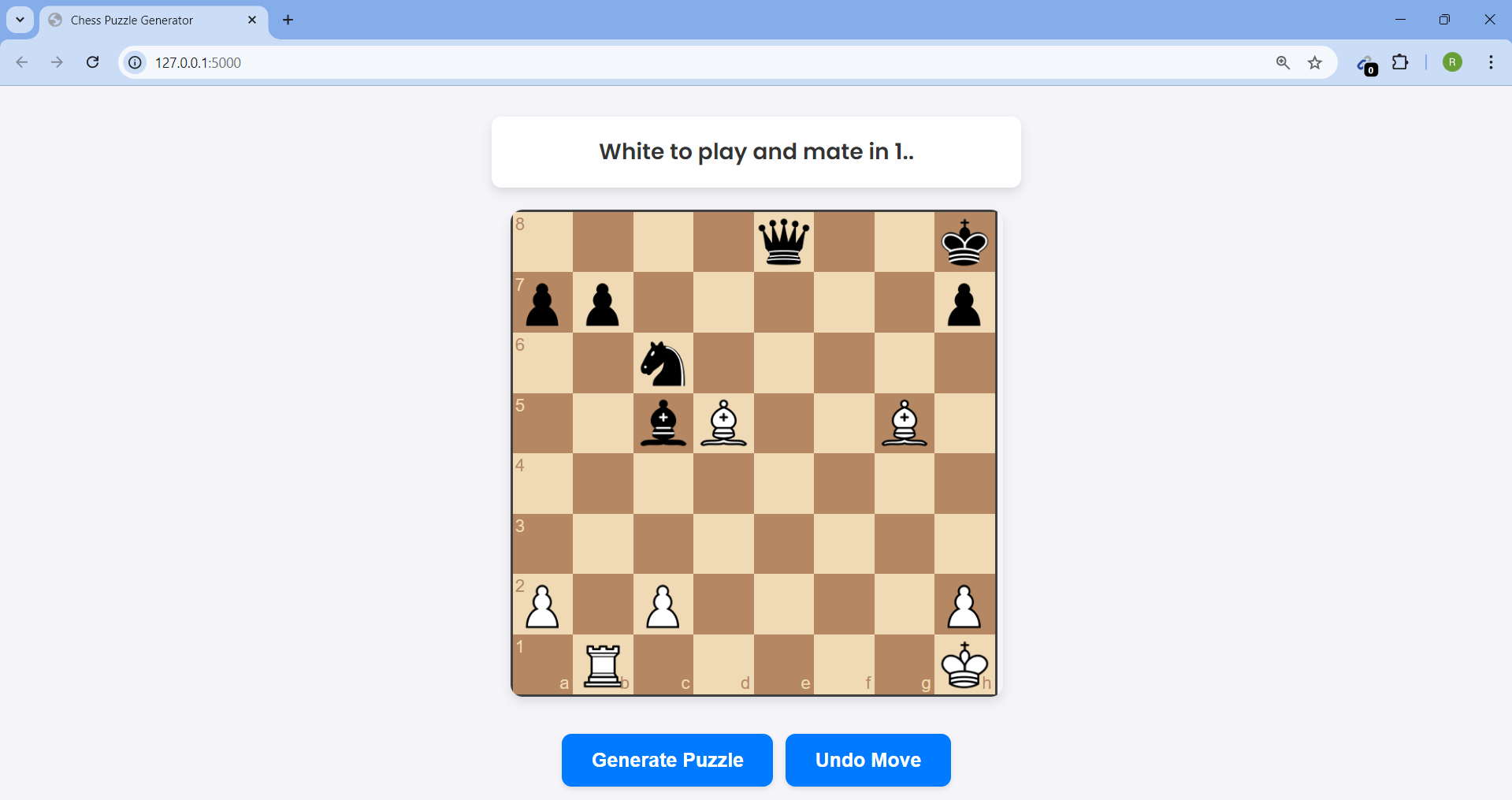
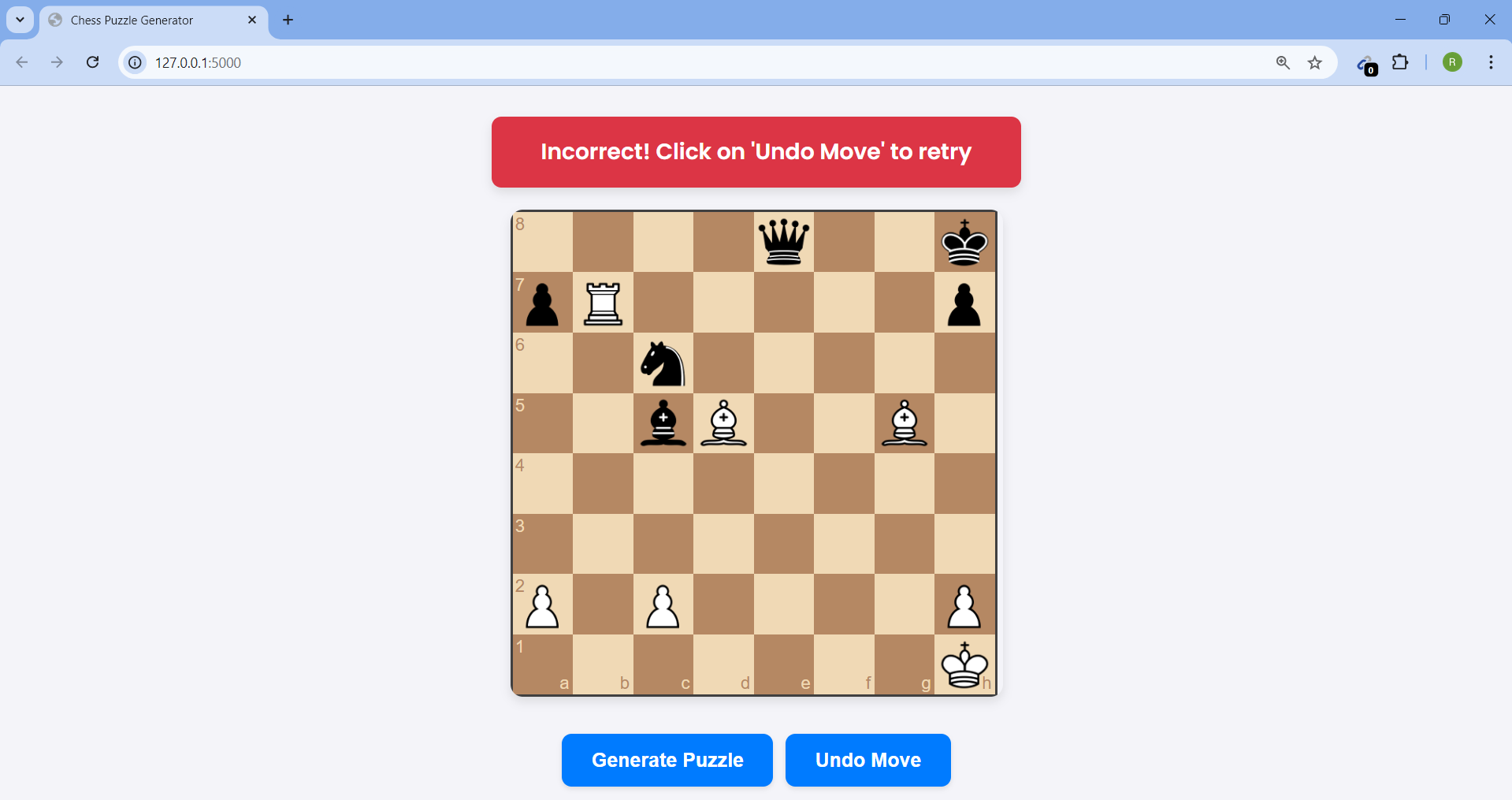
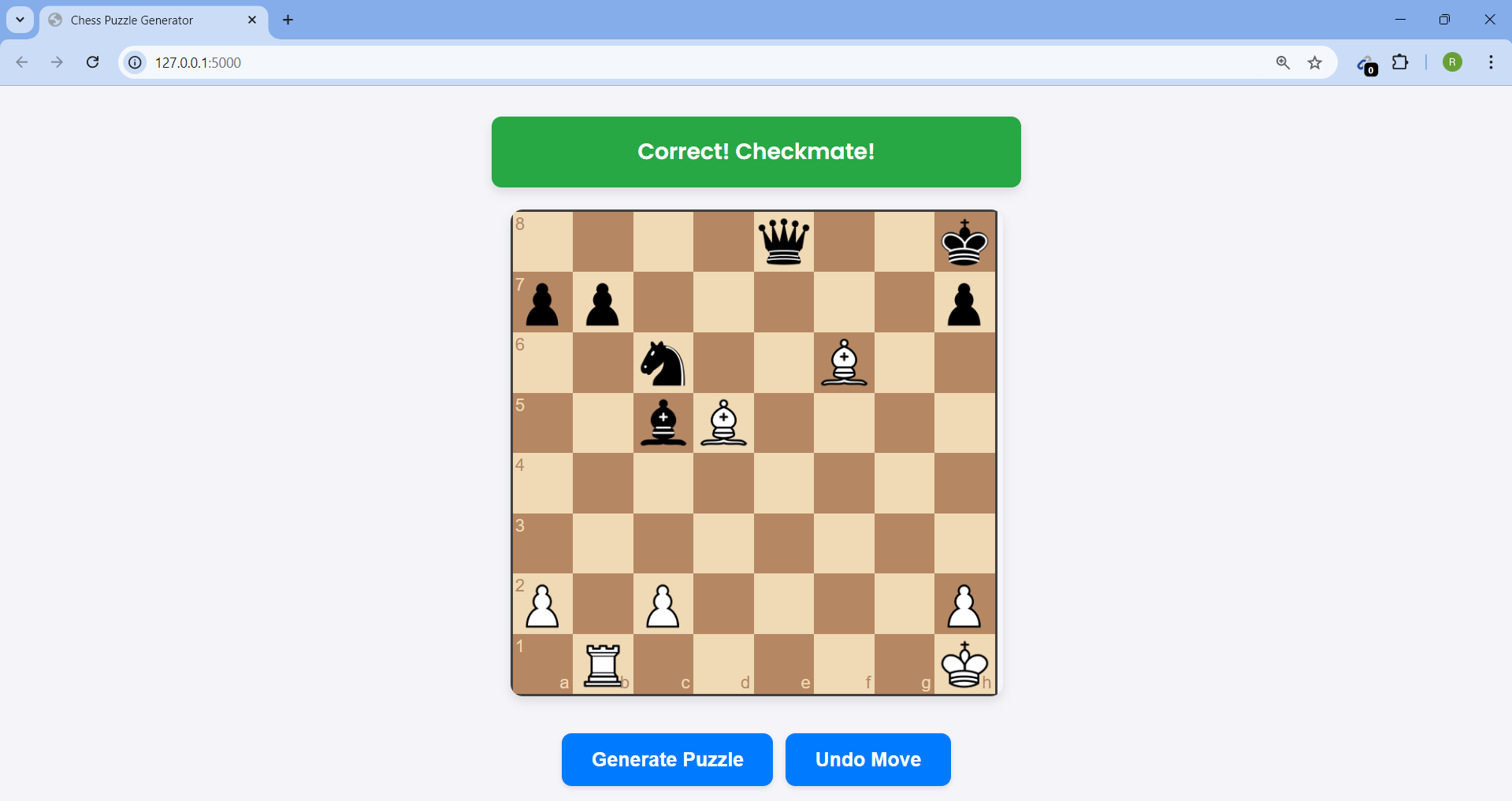
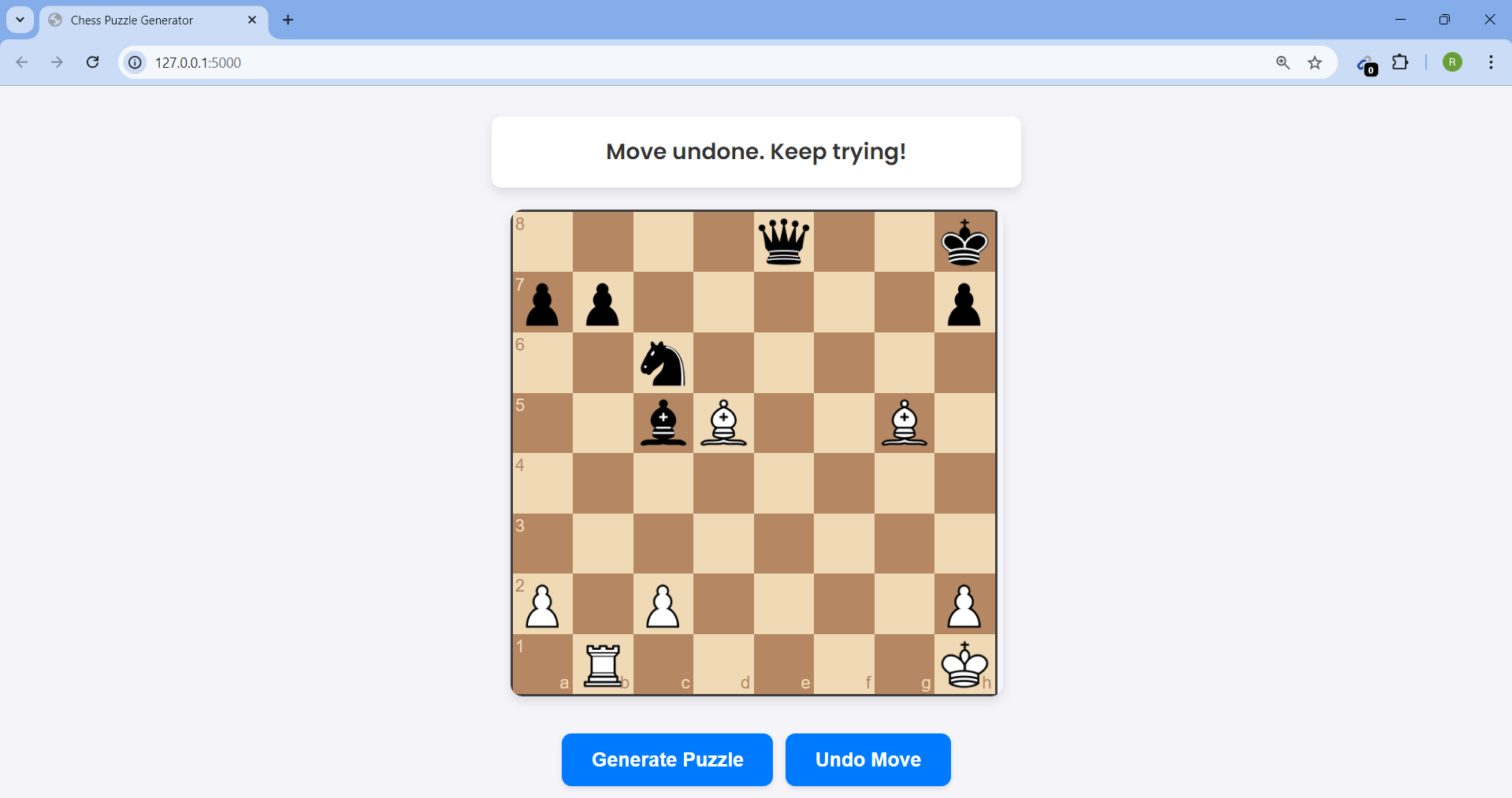
What it does: The Checkmate-in-1 Puzzle Generator is a web app that automates the creation of unique checkmate-in-1 puzzles using a GAN-based approach. The app generates final checkmate positions and applies a backtracking algorithm to transform them into puzzles that challenge users to find the checkmate in one move. The model ensures diversity in puzzles and helps chess players enhance their tactical skills with fresh, engaging content every time, all accessible directly through the browser.
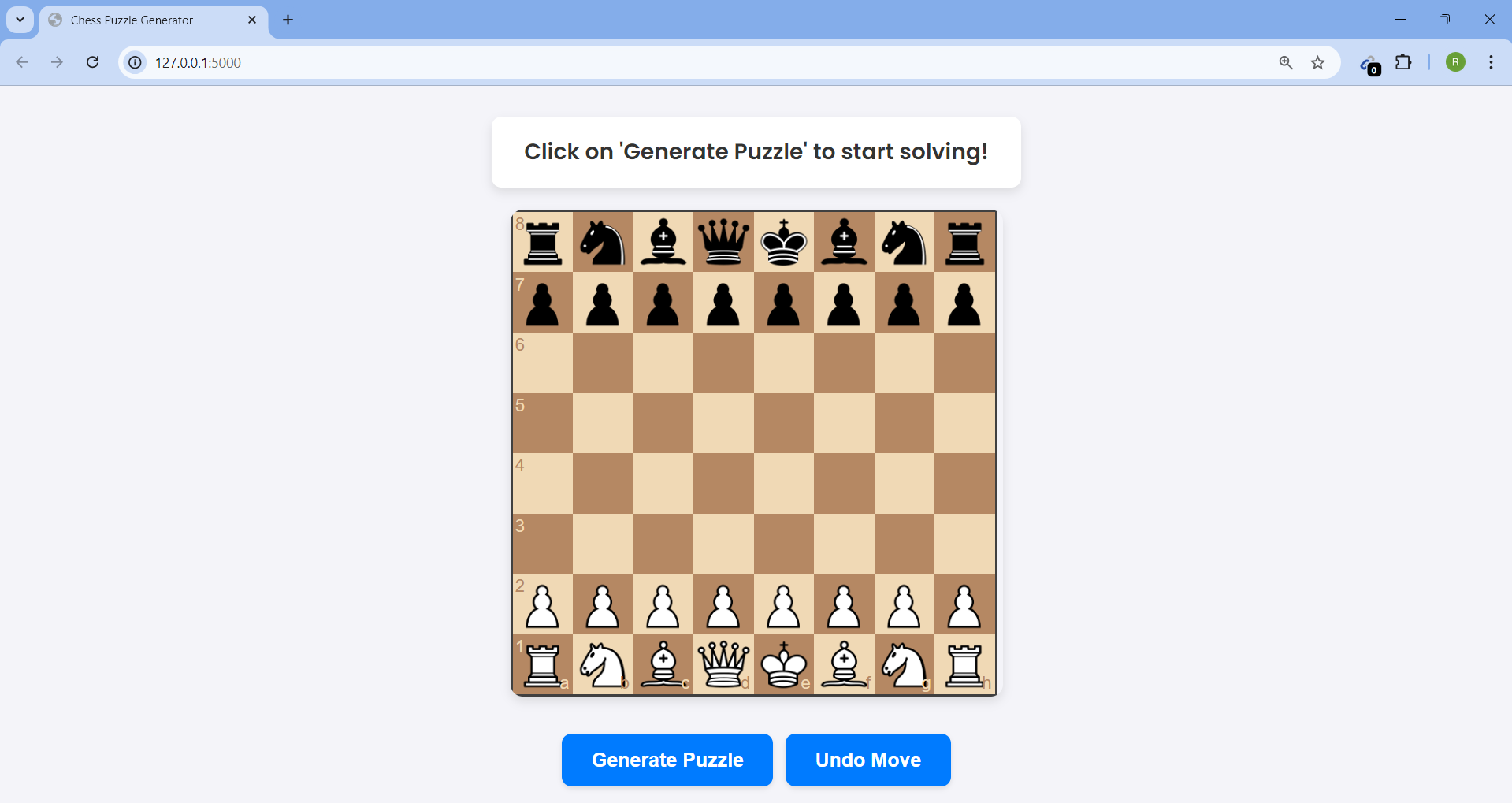
How I built it: I built the project using Generative Adversarial Networks (GANs), where the generator creates realistic checkmate positions and the discriminator distinguishes between real and generated positions. The dataset was sourced from Lichess, containing final checkmate positions, which were transformed into one-hot encoded arrays for training. NVIDIA AI Workbench was used to train the model efficiently, utilizing its powerful GPU infrastructure to reduce training time. The web app was built using Flask for the backend and chessboard.js to display the generated puzzles on an interactive chessboard. Once the GAN generates checkmate positions, a custom backtracking algorithm processes them into valid mate-in-1 puzzles, which users can solve through the web interface.
Challenges I ran into: Training the GAN model to generate valid checkmate positions posed a significant challenge due to the diversity of potential configurations. Another obstacle was ensuring that the generated puzzles remained novel and didn't overlap too much with existing ones. Integrating the AI model into a user-friendly web interface while maintaining performance was also a technical challenge that required careful optimization.
Accomplishments that I am proud of: I successfully trained the GAN model to generate valid checkmate positions . Using the NVIDIA AI Workbench, I was able to expedite the model training, achieving better performance and reduced training time. I am proud of developing a functional web app that offers an engaging and intuitive user experience, allowing chess players to practice puzzles in real-time. The backtracking algorithm further ensured that the final puzzles were unique and solvable.
What I learned: This project deepened my understanding of GANs and their creative potential. I also learned how to improve model training stability and integrate AI-generated content into an interactive web platform. NVIDIA AI Workbench proved instrumental in optimizing the training process, giving me valuable insights into efficiently utilizing GPU resources for faster development cycles.
What's next for Checkmate in 1 Puzzle Generator: The next steps involve expanding the model to generate more complex puzzles, such as checkmate-in-2 or checkmate-in-3. I also plan to enhance the web app by improving puzzle generation accuracy and introducing user feedback features to categorize puzzles by difficulty. Additionally, I aim to deploy the app for public access and integrate it with online chess platforms, offering an AI-powered tool for chess training to a global audience.


Log in or sign up for Devpost to join the conversation.